
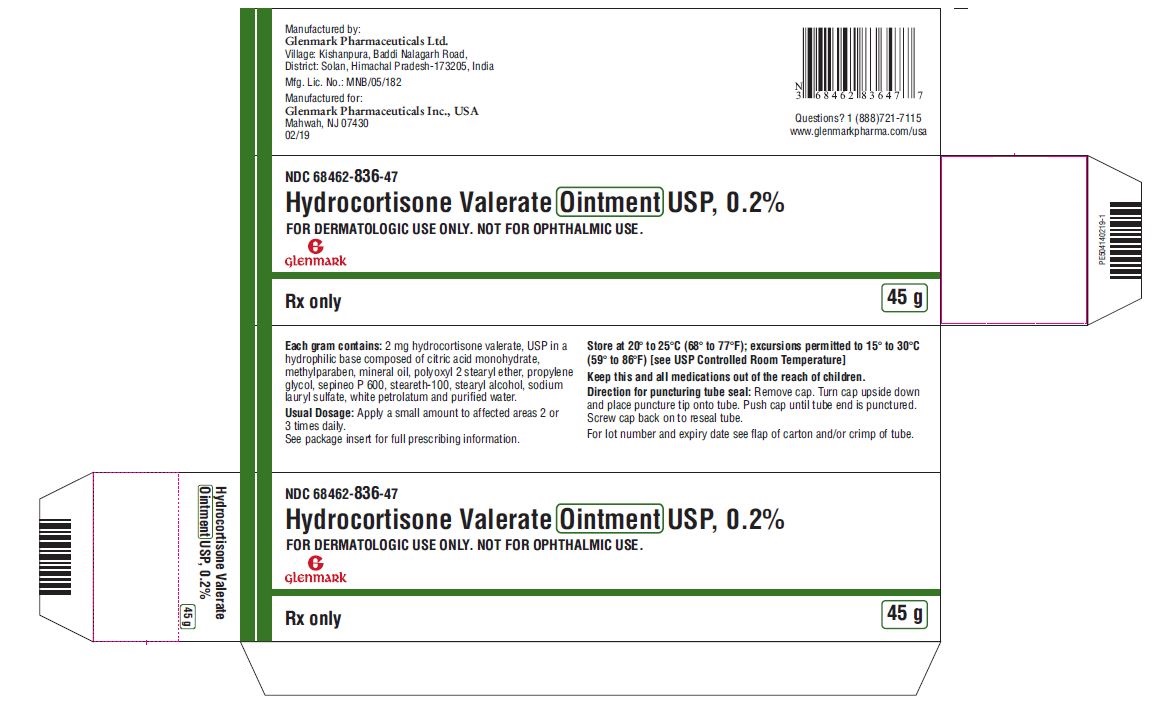
Hydrocortisone Valerate 2 mg/g Ointment
🆔 Identity & classification
Where does this data come from?
🏷️ RxNorm drug class
This medicine belongs to the Corticosteroid class.
Where does this data come from?
🏭 Manufacturer & labeler
Where does this data come from?
🩺 Clinical
Hydrocortisone topical is used to treat redness, swelling, itching, and discomfort of various skin conditions. Hydrocortisone is in a class of medications called corticosteroids. It works by activating natural substances in the skin to reduce swelling, redness, and itching.
Read the full MedlinePlus article ↗- It's designed to calm down inflammation — so the redness, swelling, and itching that come with conditions like eczema should ease up, usually within a few days of consistent use. I...
- What exactly is this cream supposed to do for my skin?
- That's a really important question. Hydrocortisone is generally meant for short courses — typically a few weeks. Long-term or widespread use can cause side effects like skin thinni...
- How long can I keep using it? Is it okay to use every day long-term?
Patient education
Supplement & herbal interactions
Hydrocortisone may be associated with lower levels of 8 nutrients — worth a chat with your pharmacist, not a cause for alarm.
Where does this data come from?
Ask a licensed pharmacist directly — free, answered by our team.
🧪 Inactive Ingredients / Excipients
Inactive ingredients, also called excipients, are components of the drug product other than the active ingredient. They may include fillers, dyes, coatings, preservatives, flavors, or other formulation ingredients.
💡 Tap an ingredient (hover on desktop) to see what it is and why it’s used.
-
UNII 20R035KLCI
A synthetic polymer used as a thickener and gelling agent. In medicines, it helps create the proper texture and consistency of gels, creams, or solutions, and may help control how quickly the active ingredient is released.
-
UNII 918X1OUF1E
Isohexadecane is a synthetic hydrocarbon oil used as an emollient and solvent in topical medicines. It helps dissolve active ingredients and improves spreadability and absorption through the skin.
-
UNII A2I8C7HI9T
Methylparaben is a preservative derived from benzoic acid that prevents growth of bacteria, fungi, and mold in medicines. It extends the product's shelf life and maintains safety during storage.
-
UNII T5L8T28FGP
Mineral oil is a clear, odorless liquid derived from crude oil. It acts as a lubricant and emollient in medications, helping pills slide smoothly during manufacturing and aiding moisture retention in topical products.
-
UNII 4T6H12BN9U
Petrolatum is a purified mineral oil-based jelly derived from petroleum. In medicines, it acts as an emollient, lubricant, and moisture barrier to soften skin, reduce friction, and help prevent water loss from formulations.
-
UNII 6OZP39ZG8H
Polysorbate 80 is a synthetic emulsifier derived from sorbitol and oleic acid. It helps mix oil and water-based ingredients together in medications and improves how the product disperses in the body.
-
UNII 6DC9Q167V3
Propylene glycol is a clear liquid derived from petroleum or vegetable sources. It acts as a solvent, humectant, and preservative in medicines, helping dissolve active ingredients and maintain product stability.
-
UNII 2T9Q6EKI0G
A synthetic polymer derived from acrylic acid, sodium acryloyldimethyltaurate functions as a thickener and stabilizer in liquid formulations. It helps maintain consistent texture and prevents separation of ingredients in creams, gels, and lotions.
-
UNII 368GB5141J
A detergent and foaming agent derived from coconut or palm oil. In medications, it helps break down and mix oil and water-based ingredients, aids in tablet disintegration, and improves how the drug dissolves and spreads in the mouth or digestive system.
-
UNII GR686LBA74
Sodium phosphate, dibasic is a salt derived from phosphoric acid. It acts as a buffer to help maintain the medicine's pH balance and may serve as a binder or filler in tablets and capsules.
-
UNII 4OH5W9UM87
A synthetic emulsifier and surfactant derived from stearic acid. It helps oils and water mix together in liquid medicines and creams, and improves how the product spreads and feels on the skin.
-
UNII V56DFE46J5
Steareth-2 is a synthetic emulsifier made from stearic acid and ethylene oxide. It helps mix oil and water-based ingredients together in the formulation and may improve how the medicine spreads or dissolves.
-
UNII 2KR89I4H1Y
Stearyl alcohol is a waxy, fatty substance derived from natural oils or made synthetically. It acts as an emulsifier and thickener in medicines, helping mix ingredients together and give the product the right texture.
-
UNII 059QF0KO0R
Water is a liquid solvent that dissolves and mixes ingredients together in liquid medicines, syrups, and injections. It helps distribute the active drug evenly throughout the product.
14 inactive ingredients listed in the exact product block matched to this NDC.
Where does this data come from?
ingredient classCode="IACT" elements from the exact product block matched by this NDC. Label-section narrative from DailyMed / the openFDA label index is shown separately when available.Inactive ingredient FAQ
Are inactive ingredients the same for every manufacturer?
Why might an inactive ingredient be missing?
Can inactive ingredients matter?
💲 Pricing
A drug doesn't have one price. Each row is a different public payment system, and none is what you'd pay at the counter — that depends on your insurance. The ⓘ on each row explains what it measures.
| Price system | Per g | Per package |
|---|---|---|
| Retail pharmacies payNADAC · weekly | $2.207 | $99.29 / 45 g |
| Medicaid paysCMS SDUD · 12 mo | No recent Medicaid claims on file for this NDC — rare and low-volume NDCs are suppressed in the public data. | |
| Medicare drug plans payPart D · Q2 2026 | $0.6643 | $29.89 / 45 g |
Where does this data come from?
🔁 Therapeutic equivalents
| Product | Labeler | Pack | NADAC/unit | TE | Status | Price vs. this |
|---|---|---|---|---|---|---|
| Hydrocortisone Valerate 2 mg/g 00713-0720-15 | Cosette | 1 tube | $0.386 | AB | Availability likely | save 82% |
| Hydrocortisone Valerate 2 mg/g 51672-1290-01 | Sun | 1 tube | $0.386 | AB | Availability likely | save 82% |
| Hydrocortisone Valerate 2 mg/g 68180-0954-01 | Lupin | 1 tube | $0.386 | AB | Availability likely | save 82% |
| Hydrocortisone Valerate 2 mg/g 00713-0560-15 | Cosette | 1 tube | $2.119 | AB | Availability likely | save 4% |
| Hydrocortisone Valerate 2 mg/g 51672-1292-01 | Sun | 1 tube | $2.119 | AB | Availability likely | save 4% |
| Hydrocortisone Valerate 2 mg/gthis 68462-0836-47 | Glenmark | 1 tube | $2.207 | — | FDA listed | — |
Where does this data come from?
⏳ Availability & generic status
This product is an FDA-approved generic. Other versions of the same drug are listed under Therapeutic equivalents, least expensive first.
Where does this data come from?
📊 Medicare Part D spend CMS · PART D · 2026 (Q1)
📦 Packaging — all sizes for this product
| Package NDC | Description | Per unit | Per pack | Marketing start | Status |
|---|---|---|---|---|---|
| 68462-0836-17 | 1 TUBE in 1 CARTON (68462-836-17) / 15 g in 1 TUBE | $2.80 / g | $41.94 | 2019-03-05 | Active |
| 68462-0836-47 You're viewing this | 1 TUBE in 1 CARTON (68462-836-47) / 45 g in 1 TUBE | $2.21 / g | $99.29 | 2019-03-05 | Active |
| 68462-0836-65 | 1 TUBE in 1 CARTON (68462-836-65) / 60 g in 1 TUBE | — | — | 2019-03-05 | Active |
This pack has the lowest per-g cost of the 2 priced pack sizes ($2.21 NADAC).
Pack size FAQ
What quantity is in NDC 68462-0836-47?
What NDC number is used to bill for this package of Hydrocortisone Valerate 2 mg/g Ointment?
Prices are the latest CMS NADAC pharmacy acquisition cost per NDC; per-pack figures are per-unit × pack quantity, shown only when the pack is denominated in the same measure NADAC prices.
📄 Full prescribing information FDA SPL
🎯 Indications and Usage ▾
INDICATIONS AND USAGE Hydrocortisone valerate ointment, 0.2% is a medium potency corticosteroid indicated for the relief of the inflammatory and pruritic manifestations of corticosteroid responsive dermatoses in adult patients.
⏱️ Dosage and Administration ▾
DOSAGE AND ADMINISTRATION Hydrocortisone valerate ointment, 0.2% should be applied to the affected area as a thin film two or three times daily depending on the severity of the condition. As with other corticosteroids, therapy should be discontinued when control is achieved. If no improvement is seen within 2 weeks, reassessment of the diagnosis may be necessary.
Hydrocortisone valerate ointment, 0.2% should not be used with occlusive dressings unless directed by a physician. Hydrocortisone valerate ointment, 0.2% should not be applied in the diaper area if the patient requires diapers or plastic pants as these garments may constitute occlusive dressing.
⛔ Contraindications ▾
CONTRAINDICATIONS Hydrocortisone valerate ointment, 0.2% is contraindicated in those patients with a history of hypersensitivity to any of the components of the preparation.
🤒 Adverse Reactions ▾
Adverse Reactions In controlled clinical trials, the total incidence of adverse reactions associated with the use of hydrocortisone valerate ointment, 0.2% was approximately 12%. These included worsening of condition (2%), transient itching (2%), irritation (1%) and redness (1%). In controlled clinical studies involving pediatric atopic dermatitis patients 2 through 12 years of age (n=64), the incidence of adverse experiences was approximately 28.1%, which is higher than that seen in adult patients.
Reported reactions included eczema (12.5%), pruritis (6%), stinging (2%), and dry skin (2%). Patients were not specifically evaluated for signs of atrophy (thinning, telangiectasia, erythema). No studies were performed to assess adrenal suppression and/or growth suppression.
The following additional local adverse reactions have been reported with topical corticosteroids, and they may occur more frequently with the use of occlusive dressings. These reactions are listed in an approximate decreasing order of occurrence: burning, dryness, folliculitis, acneiform eruptions, hypopigmentation, perioral dermatitis, allergic contact dermatitis, secondary infection, skin atrophy, striae, and miliaria
🧒 Pediatric Use ▾
Pediatric Use Safety of this product in pediatric patients has not been established. There is no data on adrenal suppression and/or growth suppression. Because of a higher ratio of skin surface area to body mass, pediatric patients are at a greater risk than adults of HPA axis suppression and Cushing's syndrome when they are treated with topical corticosteroids.
They are therefore also at a greater risk of adrenal insufficiency during and/or after withdrawal of treatment. Adverse effects including striae have been reported with inappropriate use of topical corticosteroids in infants and children. (See PRECAUTIONS ) HPA axis suppression, Cushing's syndrome, linear growth retardation, delayed weight gain, and intracranial hypertension have been reported in children receiving topical corticosteroids.
Manifestations of adrenal suppression in children include low plasma cortisol levels, and an absence of response to ACTH stimulation. Manifestations of intracranial hypertension include bulging fontanelles, headaches, and bilateral papilledema.
🧓 Geriatric Use ▾
Geriatric Use Clinical studies of hydrocortisone valerate ointment, 0.2% did not include sufficient numbers of subjects aged 65 and over to determine whether they respond differently from younger subjects. Other reported clinical experience has not identified differences in responses between the elderly and younger patients.
🆘 Overdosage ▾
OVERDOSAGE Topically applied hydrocortisone valerate ointment, 0.2% can be absorbed in sufficient amounts to produce systemic effects (see PRECAUTIONS ).
🧬 Clinical Pharmacology ▾
CLINICAL PHARMACOLOGY Like other topical corticosteroids, hydrocortisone valerate has anti-inflammatory, antipruritic and vasoconstrictive properties. The mechanism of the anti-inflammatory activity of the topical steroids, in general, is unclear. However, corticosteroids are thought to act by the induction of phospholipase A 2 inhibitory proteins, collectively called lipocortins.
It is postulated that these proteins control the biosynthesis of potent mediators of inflammation such as prostaglandins and leukotrienes by inhibiting the release of their common precursor arachidonic acid. Arachidonic acid is released from membrane phospholipids by phospholipase A 2 . Pharmacokinetics The extent of percutaneous absorption of topical corticosteroids is determined by many factors including the vehicle and the integrity of the epidermal barrier.
Occlusive dressings with hydrocortisone for up to 24 hours have not been demonstrated to increase penetration; however, occlusion of hydrocortisone for 96 hours markedly enhances penetration. Topical corticosteroids can be absorbed from normal intact skin. Inflammation and/or other disease processes in the skin may increase percutaneous absorption.
Studies performed with hydrocortisone valerate ointment, 0.2% indicate that it is in the medium range of potency as compared with other topical corticosteroids.
📦 How Supplied / Storage and Handling ▾
HOW SUPPLIED Hydrocortisone Valerate Ointment USP, 0.2% is supplied in the following tube sizes: 15 g – NDC 68462-836-17 45 g – NDC 68462-836-47 60 g – NDC 68462-836-65 Store at 20° to 25°C (68° to 77°F); excursions permitted to 15° to 30°C (59° to 86°F) [see USP Controlled Room Temperature].
📋 Description ▾
DESCRIPTION Hydrocortisone Valerate Ointment USP, 0.2% contains hydrocortisone valerate, USP, pregn-4-ene-3,20-dione, 11,21-dihydroxy-17-[(1-oxopentyl)oxy]-, (11β)-;cortisol 17-valerate or 11β,17,21-Trihydroxypregn-4-ene-3,20-dione 17-valerate, a synthetic corticosteroid for topical dermatologic use. The corticosteroids constitute a class of primarily synthetic steroids used topically as anti-inflammatory and antipruritic agents. Chemically, hydrocortisone valerate, USP is C 26 H 38 O 6 .
It has the following structural formula: Hydrocortisone valerate, USP has a molecular weight of 446.58. It is a white or almost white crystalline powder, freely soluble in acetone and dichloromethane; soluble in alcohol; insoluble in water. Each gram of Hydrocortisone Valerate Ointment, USP, 0.2% contains 2 mg hydrocortisone valerate, USP in a hydrophilic base composed of citric acid monohydrate, methyl paraben, mineral oil, polyoxyl stearyl ether, propylene glycol, sepineo P 600, steareth 100, stearyl alcohol, sodium lauryl sulfate, white petrolatum and purified water. structure
💬 Information for Patients ▾
Information for Patients Patients using topical corticosteroids should receive the following information and instructions: 1. This medication is to be used as directed by the physician. It is for external use only.
Avoid contact with the eyes. 2. This medication should not be used for any disorder other than that for which it was prescribed.
3. The treated skin area should not be bandaged, otherwise covered or wrapped, so as to be occlusive unless directed by the physician. 4.
Patients should report to their physician any signs of local adverse reactions. 5. Hydrocortisone valerate ointment, 0.2% should not be applied in the diaper areas as diapers or plastic pants may constitute occlusive dressings.
(See DOSAGE AND ADMINISTRATION .) 6. This medication should not be used on the face, underarms, or groin areas unless directed by the physician. 7.
As with other corticosteroids, therapy should be discontinued when control is achieved. If no improvement is seen within 2 weeks, contact the physician.