
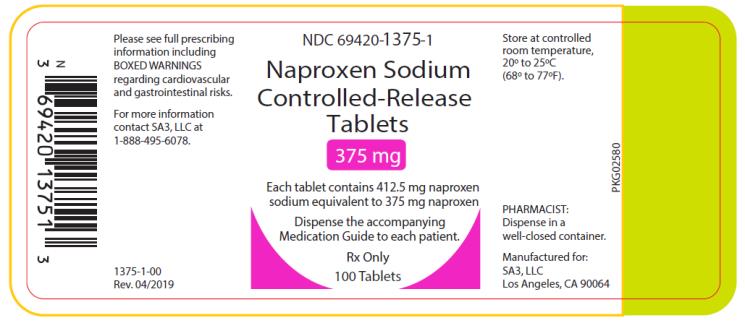
Naproxen Sodium 375 mg Tablet, Film Coated, Extended Release, 100-count
Other active recalls for Naproxen Sodium (different manufacturers) — 2 · tap to view
🆔 Identity & classification
Where does this data come from?
🏷️ RxNorm drug class
This medicine belongs to the Nonsteroidal Anti-inflammatory Drug class.
Where does this data come from?
🏭 Manufacturer & labeler
Where does this data come from?
🩺 Clinical
- They're very similar — naproxen sodium is just the salt form of naproxen, and it dissolves in water more quickly. That means your body absorbs naproxen sodium a bit faster, so it t...
- What's the difference between naproxen and naproxen sodium — are they the same thing?
- You can take it either way, but taking it with food, milk, or a full glass of water is a good idea because it helps protect your stomach. Naproxen can irritate the lining of your s...
- Can I take naproxen on an empty stomach, or do I need to eat first?
Patient education
Supplement & herbal interactions
Some supplements/herbs that may interact with Naproxen Sodium — tap one for details:
Naproxen Sodium may be associated with lower levels of 1 nutrient — worth a chat with your pharmacist, not a cause for alarm.
Where does this data come from?
Ask a licensed pharmacist directly — free, answered by our team.
🧪 Inactive Ingredients / Excipients
Inactive ingredients, also called excipients, are components of the drug product other than the active ingredient. They may include fillers, dyes, coatings, preservatives, flavors, or other formulation ingredients.
💡 Tap an ingredient (hover on desktop) to see what it is and why it’s used.
-
UNII 8GQS4E66YY
A synthetic polymer made from acrylic compounds. It forms a coating on tablets or capsules to control how and where the medicine releases in the digestive system.
-
UNII 161H3B14U2
A synthetic plastic polymer used as an enteric coating on tablets and capsules. It dissolves in the intestines rather than the stomach, controlling where and when the medicine is released in the digestive tract.
-
UNII 2968PHW8QP
A weak organic acid derived from citrus fruits or made through fermentation. It works as a buffer to control pH, a preservative to extend shelf life, and a flavoring agent in medications.
-
UNII 68401960MK
Crospovidone is a synthetic polymer made from polyvinylpyrrolidone. It acts as a disintegrant, helping tablets break apart quickly in the stomach so the medicine dissolves and absorbs into the body.
-
UNII 3NXW29V3WO
Hypromellose is a plant-based thickener made from cellulose. It's used in medicines as a binder to hold ingredients together, a coating for tablets, and a thickener for liquids.
-
UNII 70097M6I30
Magnesium stearate is a salt made from magnesium and stearic acid, a fatty substance. It's used in tablets and capsules as a lubricant and glidant to help ingredients flow smoothly during manufacturing and prevent sticking.
-
UNII 74G4R6TH13
A synthetic polymer made by combining two plastic-like chemicals. It forms a coating on tablets or capsules that dissolves at a specific point in the digestive tract, controlling where and when the medicine releases.
-
UNII OP1R32D61U
Microcrystalline cellulose is a purified form of cellulose, a natural fiber from plant sources. It acts as a binder and filler in tablets and capsules, helping hold ingredients together and give the medicine its shape and size.
-
UNII 3WJQ0SDW1A
Polyethylene glycol is a synthetic liquid or solid polymer used in medicines as a solvent, lubricant, and humectant. It helps dissolve active ingredients, reduces friction during manufacturing, and retains moisture in the final product.
-
UNII FZ989GH94E
Povidone is a synthetic polymer made from a plastic-like material. It acts as a binder to hold tablet ingredients together and as a disintegrant to help the tablet break apart in your stomach so the medicine can be absorbed.
-
UNII 7SEV7J4R1U
A powder made from a naturally occurring mineral. In medicines, talc works as a glidant and anti-caking agent, helping tablets and capsules flow smoothly during manufacturing and preventing clumping.
-
UNII 15FIX9V2JP
Titanium dioxide is a bright white mineral powder commonly used as a colorant and opacifying agent. It makes pills and tablets white or lighter in color and helps make coatings non-transparent.
12 inactive ingredients listed in the exact product block matched to this NDC.
Where does this data come from?
ingredient classCode="IACT" elements from the exact product block matched by this NDC. Label-section narrative from DailyMed / the openFDA label index is shown separately when available.Inactive ingredient FAQ
Are inactive ingredients the same for every manufacturer?
Why might an inactive ingredient be missing?
Can inactive ingredients matter?
💲 Pricing
A drug doesn't have one price. Each row is a different public payment system, and none is what you'd pay at the counter — that depends on your insurance. The ⓘ on each row explains what it measures.
| Price system | Per each | Per package |
|---|---|---|
| Retail pharmacies payNADAC · weekly | Not in the retail survey — common for institutional, discontinued, or low-volume packs. | |
| Medicaid paysCMS SDUD · 12 mo | No recent Medicaid claims on file for this NDC — rare and low-volume NDCs are suppressed in the public data. | |
| Medicare drug plans payPart D · Q2 2026 | $14.75 | $1,475.03 / 100 tablets |
Where does this data come from?
🔁 Therapeutic equivalents
| Product | Labeler | Pack | NADAC/unit | TE | Status | Price vs. this |
|---|---|---|---|---|---|---|
| Naproxen Sodium 375 mg 00480-0951-01 | Teva | 100 tablets | — | AB | FDA listed | — |
| Naprelan 375 mg 24979-0249-01 | Upsher-Smith | 100 tablets | — | AB | FDA listed | — |
| Naproxen Sodium 375 mg 24979-0252-01 | Upsher-Smith | 100 tablets | — | AB | FDA listed | — |
| Naproxen Sodium 375 mg 47781-0153-01 | Alvogen | 100 tablets | — | AB | FDA listed | — |
| Naprelan 375 mg 52427-0272-01 | Almatica | 100 tablets | — | AB | FDA listed | — |
| Naproxen Sodium 375 mgthis 69420-1375-01 | SA3, | 100 tablets | — | AB | FDA listed | — |
Where does this data come from?
⏳ Availability & generic status
FDA-approved generic versions are listed, and recent pricing/market data suggests they may be available — see Therapeutic equivalents.
Where does this data come from?
📊 Medicare Part D spend CMS · PART D · 2026 (Q1)
📦 Packaging — all sizes for this product
| Package NDC | Description | Marketing start | Status |
|---|---|---|---|
| 69420-1375-01 You're viewing this | 100 TABLET, FILM COATED, EXTENDED RELEASE in 1 BOTTLE (69420-1375-1) | 2019-05-01 | Active |
🧭 About this NDC listing & data coverage
What data is (and isn’t) available for this NDC — tap to expand
| NDC identity (package / product / labeler codes) | ✓ Available |
| Labeler | ✓ Available |
| Product & package description | ✓ Available |
| Marketing category & status | ✓ Available |
| Active ingredient / dosage form / route | ✓ Available |
| FDA label (SPL via DailyMed) | ✓ Available |
| Package photos | ✓ Available |
| Inactive ingredients (structured) | ✓ Available |
| NADAC pharmacy acquisition price (CMS) | — Not published for this NDC CMS publishes NADAC only for NDCs reported in its retail-pharmacy survey. |
| Orange Book / therapeutic-equivalence data | ✓ Available |
| HCPCS J-code billing crosswalk | — Not published for this NDC Most self-administered / retail products have no J-code — that is normal. |
| Medicaid utilization (CMS SDUD) | — Not published for this NDC CMS reports utilization only for NDCs with Medicaid claims above its privacy threshold. |
Questions about this listing
Why is there no price listed?
Is the NDC printed on the package the same as the 11-digit billing NDC?
What do the three segments of this NDC mean?
Is this package still being marketed?
Who lists this product with the FDA?
Do I need a prescription for this product?
Where does this data come from?
📄 Full prescribing information FDA SPL
🚨 Boxed Warning ▾
WARNING: RISK OF SERIOUS CARDIOVASCULAR AND GASTROINTESTINAL EVENTS Cardiovascular Thrombotic Events Nonsteroidal anti-inflammatory drugs (NSAIDs) cause an increased risk of serious cardiovascular thrombotic events, including myocardial infarction and stroke, which can be fatal. This risk may occur early in treatment and may increase with duration of use [see Warnings and Precautions ( 5.1 )]. Naproxen Sodium Controlled-Release Tablets are contraindicated in the setting of coronary artery bypass graft (CABG) surgery [see Contraindications ( 4 ) and Warnings and Precautions ( 5.1 )].
Gastrointestinal Bleeding, Ulceration, and Perforation NSAIDs cause an increased risk of serious gastrointestinal (GI) adverse events including bleeding, ulceration, and perforation of the stomach or intestines, which can be fatal. These events can occur at any time during use and without warning symptoms. Elderly patients and patients with a prior history of peptic ulcer disease and/or GI bleeding are at greater risk for serious GI events [see Warnings and Precautions ( 5.2 )].
WARNING: RISK OF SERIOUS CARDIOVASCULAR AND GASTROINTESTINAL EVENTS See full prescribing information for complete boxed warning. Nonsteroidal anti-inflammatory drugs (NSAIDs) cause an increased risk of serious cardiovascular thrombotic events, including myocardial infarction and stroke, which can be fatal. This risk may occur early in treatment and may increase with duration of use ( 5.1 ) Naproxen Sodium Controlled-Release Tablets are contraindicated in the setting of coronary artery bypass graft (CABG) surgery ( 4 , 5.1 ) NSAIDs cause an increased risk of serious gastrointestinal (GI) adverse events including bleeding, ulceration, and perforation of the stomach or intestines, which can be fatal.
These events can occur at any time during use and without warning symptoms. Elderly patients and patients with a prior history of peptic ulcer disease and/or GI bleeding are at greater risk for serious GI events ( 5.2 )
🎯 Indications and Usage ▾
1 INDICATIONS AND USAGE Naproxen Sodium Controlled-Release Tablets are indicated for the treatment of: rheumatoid arthritis (RA) osteoarthritis (OA) ankylosing spondylitis (AS) tendinitis, bursitis acute gout primary dysmenorrhea (PD) the relief of mild to moderate pain [ see Warnings and Precautions ( 5 ) ]. Naproxen Sodium Controlled-Release Tablets is a nonsteroidal anti-inflammatory drug indicated for the treatment of: rheumatoid arthritis (RA)( 1 ) osteoarthritis (OA)( 1 ) ankylosing spondylitis (AS)( 1 ) tendinitis, bursitis ( 1 ) acute gout ( 1 ) primary dysmenorrhea (PD)( 1 ) the relief of mild to moderate pain ( 1 )
⏱️ Dosage and Administration ▾
2 DOSAGE AND ADMINISTRATION Use the lowest effective dosage for shortest duration consistent with individual patient treatment goals ( 2 ) RA, OA, and AS: The dosage is two 375 mg or 500 mg tablets once daily, or one 750 mg tablet once daily. Management of Pain, PD, and Acute Tendinitis and Bursitis: The dosage is two 500 mg tablets once daily. For patients requiring greater analgesic benefit, two 750 mg tablets or three 500 mg tablets may be used for a limited period.
Thereafter, the total daily dose should not exceed two 500 mg tablets For the treatment of Acute Gout: The dosage is two to three 500 mg tablets once daily on the first day, followed by two 500 mg tablets once daily, until the attack has subsided. 2.1. General Dosing Instructions Carefully consider the potential benefits and risks of Naproxen Sodium Controlled-Release Tablets and other treatment options before deciding to use Naproxen Sodium Controlled-Release Tablets.
Use the lowest effective dosage for the shortest duration consistent with individual patient treatment goals [ see Warnings and Precautions ( 5 ) ]. After observing the response to initial therapy with Naproxen Sodium Controlled-Release Tablets, the dose and frequency should be adjusted to suit an individual patient’s needs.
2.2Rheumatoid Arthritis, Osteoarthritis, and Ankylosing Spondylitis The recommended starting dose of Naproxen Sodium Controlled-Release Tablets in adults is two Naproxen Sodium Controlled-Release 375 mg tablets (750 mg) once daily, one Naproxen Sodium Controlled-Release 750 mg (750 mg) once daily, or two Naproxen Sodium Controlled-Release 500 mg tablets (1,000 mg) once daily. Patients already taking naproxen 250 mg, 375 mg, or 500 mg twice daily (morning and evening) may have their total daily dose replaced with Naproxen Sodium Controlled-Release Tablets as a single daily dose.
During long-term administration, the dose of Naproxen Sodium Controlled-Release Tablets may be adjusted up or down depending on the clinical response of the patient. In patients who tolerate lower doses of Naproxen Sodium Controlled-Release Tablets well, the dose may be increased to two Naproxen Sodium Controlled-Release 750 mg tablets (1,500 mg), or three Naproxen Sodium Controlled-Release 500 mg tablets (1,500 mg) once daily for limited periods when a higher level of anti-inflammatory/analgesic activity is required.
When treating patients, especially at the higher dose levels, the physician should observe sufficient increased clinical benefit to offset the potential increased risk [ see Clinical Pharmacology ( 12.3 ) ]. The lowest effective dose should be sought and used in every patient. Symptomatic improvement in arthritis usually begins within one week; however, treatment for two weeks may be required to achieve a therapeutic benefit.
2.3Management of Pain, Primary Dysmenorrhea, and Acute Tendinitis and Bursitis The recommended starting dose is two Naproxen Sodium Controlled-Release 500 mg tablets (1,000 mg) once daily. For patients requiring greater analgesic benefit, two Naproxen Sodium Controlled-Release 750 mg tablets (1,500 mg) or three Naproxen Sodium Controlled-Release 500 mg tablets (1,500 mg) may be used for a limited period. Thereafter, the total daily dose should not exceed two Naproxen Sodium Controlled-Release 500 mg tablets (1,000 mg).
2.4Acute Gout The recommended dose on the first day is two to three Naproxen Sodium Controlled-Release 500 mg tablets (1,000 to 1,500 mg) once daily, followed by two Naproxen Sodium Controlled-Release 500 mg tablets (1,000 mg) once daily, until the attack has subsided.
2.5Dosage Adjustments in Patients with Hepatic Impairment A lower dose should be considered in patients with renal or hepatic impairment or in elderly patients [ see Warnings and Precautions ( 5.3 ) ]. Studies indicate that although total plasma concentration of naproxen is unchanged, the unbound plasma fraction of naproxen is increased in the elderly. Caution is advised when high dos…
💊 Dosage Forms and Strengths ▾
3 DOSAGE FORMS AND STRENGTHS Naproxen Sodium Controlled-Release Tablets are available as follows: 375 mg: white, capsule-shaped tablet with “N” on one side and “375” on the reverse. Each tablet contains 412.5 mg naproxen sodium equivalent to 375 mg naproxen. Naproxen Sodium Controlled-Release Tablets: 375 mg ( 3 )
⛔ Contraindications ▾
4 CONTRAINDICATIONS Naproxen Sodium Controlled-Release Tablets are contraindicated in the following patients: Known hypersensitivity (e.g., anaphylactic reactions and serious skin reactions) to naproxen or any components of the drug product [see Warnings and Precautions ( 5.7 , 5.9 )] History of asthma, urticaria, or other allergic-type reactions after taking aspirin or other NSAIDs. Severe, sometimes fatal, anaphylactic reactions to NSAIDs have been reported in such patients [see Warnings and Precautions ( 5.7 , 5.8 )] In the setting of coronary artery bypass graft (CABG) surgery [see Warnings and Precautions ( 5.1 )] Known hypersensitivity to naproxen or any components of the drug product ( 4 ) History of asthma, urticaria, or other allergic-type reactions after taking aspirin or other NSAIDs ( 4 ) In the setting of CABG surgery ( 4 )
⚠️ Warnings and Cautions ▾
5 WARNINGS AND PRECAUTIONS Hepatotoxicity : Inform patients of warning signs and symptoms of hepatotoxicity. Discontinue if abnormal liver tests persist or worsen or if clinical signs and symptoms of liver disease develop ( 5.3 ) Hypertension : Patients taking some antihypertensive medications may have impaired response to these therapies when taking NSAIDs. Monitor blood pressure ( 5.4 , 7 ) Heart Failure and Edema : Avoid use of Naproxen Sodium Controlled-Release Tablets in patients with severe heart failure unless benefits are expected to outweigh risk of worsening heart failure ( 5.5 ) Renal Toxicity : Monitor renal function in patients with renal or hepatic impairment, heart failure, dehydration, or hypovolemia.
Avoid use of Naproxen Sodium Controlled-Release Tablets in patients with advanced renal disease unless benefits are expected to outweigh risk of worsening renal function ( 5.6 ) Anaphylactic Reactions : Seek emergency help if an anaphylactic reaction occurs ( 5.7 ) Exacerbation of Asthma Related to Aspirin Sensitivity : Naproxen Sodium Controlled-Release Tablets are contraindicated in patients with aspirin-sensitive asthma. Monitor patients with preexisting asthma (without aspirin sensitivity) ( 5.8 ) Serious Skin Reactions : Discontinue Naproxen Sodium Controlled-Release Tablets at first appearance of skin rash or other signs of hypersensitivity ( 5.9 ) Premature Closure of Fetal Ductus Arteriosus : Avoid use in pregnant women starting at 30 weeks gestation ( 5.10 , 8.1 ) Hematologic Toxicity : Monitor hemoglobin or hematocrit in patients with any signs or symptoms of anemia ( 5.11 , 7 )
5.1Cardiovascular Thrombotic Events Clinical trials of several COX-2 selective and nonselective NSAIDs of up to three years duration have shown an increased risk of serious cardiovascular (CV) thrombotic events, including myocardial infarction (MI) and stroke, which can be fatal. Based on available data, it is unclear that the risk for CV thrombotic events is similar for all NSAIDs. The relative increase in serious CV thrombotic events over baseline conferred by NSAID use appears to be similar in those with and without known CV disease or risk factors for CV disease.
However, patients with known CV disease or risk factors had a higher absolute incidence of excess serious CV thrombotic events, due to their increased baseline rate. Some observational studies found that this increased risk of serious CV thrombotic events began as early as the first weeks of treatment. The increase in CV thrombotic risk has been observed most consistently at higher doses.
To minimize the potential risk for an adverse CV event in NSAID-treated patients, use the lowest effective dose for the shortest duration possible. Physicians and patients should remain alert for the development of such events, throughout the entire treatment course, even in the absence of previous CV symptoms. Patients should be informed about the symptoms of serious CV events and the steps to take if they occur.
There is no consistent evidence that concurrent use of aspirin mitigates the increased risk of serious CV thrombotic events associated with NSAID use. The concurrent use of aspirin and an NSAID, such as naproxen, increases the risk of serious gastrointestinal (GI) events [ see Warnings and Precautions ( 5.2 ) ]. Status Post Coronary Artery Bypass Graft (CABG) Surgery Two large, controlled clinical trials of a COX-2 selective NSAID for the treatment of pain in the first 10–14 days following CABG surgery found an increased incidence of myocardial infarction and stroke.
NSAIDs are contraindicated in the setting of CABG [ see Contraindications ( 4 ) ]. Post-MI Patients Observational studies conducted in the Danish National Registry have demonstrated that patients treated with NSAIDs in the post-MI period were at increased risk of reinfarction, CV-related death, and all-cause mortality beginning in the first week of treatment. In this same cohort, the incidence of death in the…
🤒 Adverse Reactions ▾
6 ADVERSE REACTIONS The following adverse reactions are discussed in greater detail in other sections of the labeling: Cardiovascular Thrombotic Events [ see Warnings and Precautions ( 5.1 ) ] GI Bleeding, Ulceration and Perforation [ see Warnings and Precautions ( 5.2 ) ] Hepatotoxicity [ see Warnings and Precautions ( 5.3 ) ] Hypertension [ see Warnings and Precautions ( 5.4 ) ] Heart Failure and Edema [ see Warnings and Precautions ( 5.5 ) ] Renal Toxicity and Hyperkalemia [ see Warnings and Precautions ( 5.6 ) ] Anaphylactic Reactions [ see Warnings and Precautions ( 5.7 ) ] Serious Skin Reactions [ see Warnings and Precautions ( 5.9 ) ] Hematologic Toxicity [ see Warnings and Precautions ( 5.11 ) ] The most frequent adverse events were headache (15%), followed by dyspepsia (14%), and flu syndrome (10%).
( 6.1 ) To report SUSPECTED ADVERSE REACTIONS, SA3, LLC at 1-888-495-6078 or FDA at 1-800-FDA-1088 or www.fda.gov/medwatch.
6.1Clinical Trials Experience Because clinical trials are conducted under widely varying conditions, adverse reaction rates observed in the clinical trials of a drug cannot be directly compared to rates in the clinical trials of another drug and may not reflect the rates observed in practice. As with all drugs in this class, the frequency and severity of adverse events depends on several factors: the dose of the drug and duration of treatment; the age, the sex, physical condition of the patient; any concurrent medical diagnoses or individual risk factors.
The following adverse reactions are divided into three parts based on frequency and whether or not the possibility exists of a causal relationship between drug usage and these adverse events. In those reactions listed as “Probable Causal Relationship” there is at least one case for each adverse reaction where there is evidence to suggest that there is a causal relationship between drug usage and the reported event. The adverse reactions reported were based on the results from two double-blind controlled clinical trials of three months duration with an additional nine month open-label extension.
A total of 542 patients received Naproxen Sodium Controlled-Release Tablets either in the double-blind period or in the nine month open-label extension. Of these 542 patients, 232 received Naproxen Sodium Controlled-Release Tablets, 167 were initially treated with Naprosyn ® and 143 were initially treated with placebo. Adverse reactions reported by patients who received Naproxen Sodium Controlled-Release Tablets are shown by body system.
Those adverse reactions observed with naproxen but not reported in controlled trials with Naproxen Sodium Controlled-Release Tablets are italicized . The most frequent adverse events from the double-blind and open-label clinical trials were headache (15%), followed by dyspepsia (14%), and flu syndrome (10%). The incidence of other adverse events occurring in 3% to 9% of the patients are marked with an asterisk.
Those reactions occurring in less than 3% of the patients are unmarked. Incidence greater than 1% ( probable causal relationship ) Body as a Whole—Pain (back)*, pain*, infection*, fever, injury (accident), asthenia, pain chest, headache (15%), flu syndrome (10%). Gastrointestinal—Nausea*, diarrhea*, constipation*, abdominal pain*, flatulence, gastritis, vomiting, dysphagia, dyspepsia (14%), heartburn *, stomatitis .
Hematologic—Anemia, ecchymosis. Respiratory—Pharyngitis*, rhinitis*, sinusitis*, bronchitis, cough increased. Renal—Urinary tract infection*, cystitis.
Dermatologic—Skin rash*, skin eruptions *, ecchymoses *, purpura . Metabolic and Nutrition—Peripheral edema, hyperglycemia. Central Nervous System—Dizziness, paresthesia, insomnia, drowsiness *, lightheadedness .
Cardiovascular—Hypertension, edema *, dyspnea *, palpitations . Musculoskeletal—Cramps (leg), myalgia, arthralgia, joint disorder, tendon disorder. Special Senses— Tinnitus *, hearing disturbances , visual disturbances .
General— Thirst . Incidence…
🔄 Drug Interactions ▾
7 DRUG INTERACTIONS See Table 1 for clinically significant drug interactions with naproxen. Table 1: Clinically Significant Drug Interactions with Naproxen Drugs That Interfere with Hemostasis Clinical Impact: Naproxen and anticoagulants such as warfarin have a synergistic effect on bleeding. The concomitant use of naproxen and anticoagulants have an increased risk of serious bleeding compared to the use of either drug alone.
Serotonin release by platelets plays an important role in hemostasis. Case-control and cohort epidemiological studies showed that concomitant use of drugs that interfere with serotonin reuptake and an NSAID may potentiate the risk of bleeding more than an NSAID alone. Intervention: Monitor patients with concomitant use of naproxen sodium with anticoagulants (e.g., warfarin), antiplatelet agents (e.g., aspirin), selective serotonin reuptake inhibitors (SSRIs), and serotonin norepinephrine reuptake inhibitors (SNRIs) for signs of bleeding [ see Warnings and Precautions ( 5.11 ) ].
Aspirin Clinical Impact: Controlled clinical studies showed that the concomitant use of NSAIDs and analgesic doses of aspirin does not produce any greater therapeutic effect than the use of NSAIDs alone. In a clinical study, the concomitant use of an NSAID and aspirin was associated with a significantly increased incidence of GI adverse reactions as compared to use of the NSAID alone [ see Warnings and Precautions ( 5.2 ) ]. Intervention: Concomitant use of naproxen sodium and analgesic doses of aspirin is not generally recommended because of the increased risk of bleeding [ see Warnings and Precautions ( 5.11 ) ].
Naproxen sodium is not a substitute for low dose aspirin for cardiovascular protection. ACE Inhibitors, Angiotensin Receptor Blockers, and Beta-Blockers Clinical Impact: NSAIDs may diminish the antihypertensive effect of angiotensin converting enzyme (ACE) inhibitors, angiotensin receptor blockers (ARBs), or beta-blockers (including propranolol). In patients who are elderly, volume-depleted (including those on diuretic therapy), or have renal impairment, co-administration of an NSAID with ACE inhibitors or ARBs may result in deterioration of renal function, including possible acute renal failure.
These effects are usually reversible. Intervention: During concomitant use of naproxen sodium and ACE-inhibitors, ARBs, or beta-blockers, monitor blood pressure to ensure that the desired blood pressure is obtained. During concomitant use of naproxen sodium and ACE-inhibitors or ARBs in patients who are elderly, volume-depleted, or have impaired renal function, monitor for signs of worsening renal function [ see Warnings and Precautions ( 5.6 ) ].
When these drugs are administered concomitantly, patients should be adequately hydrated. Assess renal function at the beginning of the concomitant treatment and periodically thereafter. Diuretics Clinical Impact: Clinical studies, as well as post-marketing observations, showed that NSAIDs reduced the natriuretic effect of loop diuretics (e.g., furosemide) and thiazide diuretics in some patients.
This effect has been attributed to the NSAID inhibition of renal prostaglandin synthesis. Intervention: During concomitant use of naproxen sodium with diuretics, observe patients for signs of worsening renal function, in addition to assuring diuretic efficacy including antihypertensive effects [ see Warnings and Precautions ( 5.6 ) ]. Digoxin Clinical Impact: The concomitant use of naproxen with digoxin has been reported to increase the serum concentration and prolong the half-life of digoxin.
Intervention: During concomitant use of naproxen sodium and digoxin, monitor serum digoxin levels. Lithium Clinical Impact: NSAIDs have produced elevations in plasma lithium levels and reductions in renal lithium clearance. The mean minimum lithium concentration increased 15%, and the renal clearance decreased by approximately 20%.
This effect has been attributed to NSAID inhibition of renal prostaglandi…
👥 Use in Specific Populations ▾
8 USE IN SPECIFIC POPULATIONS Pregnancy : Use of NSAIDs during the third trimester of pregnancy increases the risk of premature closure of the fetal ductus arteriosus. Avoid use of NSAIDs in pregnant women starting at 30 weeks gestation ( 5.10 , 8.1 ) Infertility : NSAIDs are associated with reversible infertility. Consider withdrawal of Naproxen Sodium Controlled-Release Tablets in women who have difficulties conceiving ( 8.3 )
8.1Pregnancy Risk Summary Use of NSAIDs, including naproxen sodium, during the third trimester of pregnancy increases the risk of premature closure of the fetal ductus arteriosus. Avoid use of NSAIDs, including naproxen sodium, in pregnant women starting at 30 weeks of gestation (third trimester). There are no adequate and well-controlled studies of naproxen sodium in pregnant women.
Data from observational studies regarding potential embryofetal risks of NSAID use in women in the first or second trimesters of pregnancy are inconclusive. In the general U.S. population, all clinically recognized pregnancies, regardless of drug exposure, have a background rate of 2 to 4% for major malformations, and 15 to 20% for pregnancy loss. In animal reproduction studies in rats, rabbit, and mice no evidence of teratogenicity or fetal harm when naproxen was administered during the period of organogenesis at doses 0.13, 0.26, and 0.6 times the maximum recommended human daily dose of 1,500 mg/day, respectively.
Based on animal data, prostaglandins have been shown to have an important role in endometrial vascular permeability, blastocyst implantation, and decidualization. In animal studies, administration of prostaglandin synthesis inhibitors such as naproxen sodium resulted in increased pre- and post-implantation loss. Clinical Considerations Labor or Delivery There are no studies on the effects of naproxen sodium during labor or delivery.
In animal studies, NSAIDS, including naproxen sodium, inhibit prostaglandin synthesis, cause delayed parturition, increase incidence of dystocia and increase the incidence of stillbirth. Data Human Data There is some evidence to suggest that when inhibitors of prostaglandin synthesis are used to delay preterm labor, there is an increased risk of neonatal complications such as necrotizing enterocolitis, patent ductus arteriosus, and intracranial hemorrhage. Naproxen treatment given in late pregnancy to delay parturition has been associated with persistent pulmonary hypertension, renal dysfunction, and abnormal prostaglandin E levels in preterm infants.
Because of the known effect of drugs of this class on the human fetal cardiovascular system (closure of the ductus arteriosus), use during third trimester should be avoided. Animal data Reproduction studies have been performed in rats at 20 mg/kg/day (0.13 times the maximum recommended human daily dose of 1,500 mg/day based on body surface area comparison) rabbits at 20 mg/kg/day (0.26 times the maximum recommended human daily dose, based on body surface area comparison), and mice at 170 mg/kg/day (0.6 times the maximum recommended human daily dose based on body surface area comparison) with no evidence of impaired fertility or harm to the fetus due to the drug.
Based on animal data, prostaglandins have been shown to have an important role in endometrial vascular permeability, blastocyst implantation, and decidualization. In animal studies, administration of prostaglandin synthesis inhibitors such as naproxen sodium resulted in increased pre- and post-implantation loss.
8.2Lactation Risk Summary The naproxen anion has been found in the milk of lactating women at a concentration of approximately 1% of that found in the plasma. The developmental and health benefits of breastfeeding should be considered along with the mother’s clinical need for naproxen sodium and any potential adverse effects on the breastfed infant from the naproxen sodium or from the underlying maternal condition.
8.3 Females and Males of Reproductive Potential Infer…
🤰 Pregnancy ▾
8.1Pregnancy Risk Summary Use of NSAIDs, including naproxen sodium, during the third trimester of pregnancy increases the risk of premature closure of the fetal ductus arteriosus. Avoid use of NSAIDs, including naproxen sodium, in pregnant women starting at 30 weeks of gestation (third trimester). There are no adequate and well-controlled studies of naproxen sodium in pregnant women.
Data from observational studies regarding potential embryofetal risks of NSAID use in women in the first or second trimesters of pregnancy are inconclusive. In the general U.S. population, all clinically recognized pregnancies, regardless of drug exposure, have a background rate of 2 to 4% for major malformations, and 15 to 20% for pregnancy loss. In animal reproduction studies in rats, rabbit, and mice no evidence of teratogenicity or fetal harm when naproxen was administered during the period of organogenesis at doses 0.13, 0.26, and 0.6 times the maximum recommended human daily dose of 1,500 mg/day, respectively.
Based on animal data, prostaglandins have been shown to have an important role in endometrial vascular permeability, blastocyst implantation, and decidualization. In animal studies, administration of prostaglandin synthesis inhibitors such as naproxen sodium resulted in increased pre- and post-implantation loss. Clinical Considerations Labor or Delivery There are no studies on the effects of naproxen sodium during labor or delivery.
In animal studies, NSAIDS, including naproxen sodium, inhibit prostaglandin synthesis, cause delayed parturition, increase incidence of dystocia and increase the incidence of stillbirth. Data Human Data There is some evidence to suggest that when inhibitors of prostaglandin synthesis are used to delay preterm labor, there is an increased risk of neonatal complications such as necrotizing enterocolitis, patent ductus arteriosus, and intracranial hemorrhage. Naproxen treatment given in late pregnancy to delay parturition has been associated with persistent pulmonary hypertension, renal dysfunction, and abnormal prostaglandin E levels in preterm infants.
Because of the known effect of drugs of this class on the human fetal cardiovascular system (closure of the ductus arteriosus), use during third trimester should be avoided. Animal data Reproduction studies have been performed in rats at 20 mg/kg/day (0.13 times the maximum recommended human daily dose of 1,500 mg/day based on body surface area comparison) rabbits at 20 mg/kg/day (0.26 times the maximum recommended human daily dose, based on body surface area comparison), and mice at 170 mg/kg/day (0.6 times the maximum recommended human daily dose based on body surface area comparison) with no evidence of impaired fertility or harm to the fetus due to the drug.
Based on animal data, prostaglandins have been shown to have an important role in endometrial vascular permeability, blastocyst implantation, and decidualization. In animal studies, administration of prostaglandin synthesis inhibitors such as naproxen sodium resulted in increased pre- and post-implantation loss.
🧒 Pediatric Use ▾
8.4Pediatric Use The safety and effectiveness of naproxen sodium in pediatric populations has not been established.
🧓 Geriatric Use ▾
8.5Geriatric Use Elderly patients, compared to younger patients, are at greater risk for NSAID-associated serious cardiovascular, gastrointestinal, and/or renal adverse reactions. If the anticipated benefit for the elderly patient outweighs these potential risks, start dosing at the low end of the dosing range, and monitor patients for adverse effects [ see Warnings and Precautions ( 5.1 , 5.2 , 5.3 , 5.6 , 5.13 ) ]. Naproxen and its metabolites are known to be substantially excreted by the kidney, and the risk of adverse reactions to this drug may be greater in patients with impaired renal function.
Because elderly patients are more likely to have decreased renal function, use caution in this patient population, and it may be useful to monitor renal function [ see Clinical Pharmacology ( 12.3 ) ]
🆘 Overdosage ▾
10 OVERDOSAGE Symptoms following acute NSAID overdosages have been typically limited to lethargy, drowsiness, nausea, vomiting, and epigastric pain, which have been generally reversible with supportive care. Gastrointestinal bleeding has occurred. Hypertension, acute renal failure, respiratory depression, and coma have occurred, but were rare [ see Warnings and Precautions ( 5.1 , 5.2 , 5.4 , 5.6 ) ].
A few patients have experienced seizures, but it is not clear whether or not these were drug-related. It is not known what dose of the drug would be life threatening. Manage patients with symptomatic and supportive care following an NSAID overdosage.
There are no specific antidotes. Hemodialysis does not decrease the plasma concentration of naproxen because of the high degree of its protein binding. Consider emesis and/or activated charcoal (60 to 100 grams in adults, 1 to 2 grams per kg of body weight in pediatric patients) and/or osmotic cathartic in symptomatic patients seen within four hours of ingestion or in patients with a large overdosage (5 to 10 times the recommended dosage).
Forced diuresis, alkalinization of urine, hemodialysis, or hemoperfusion may not be useful due to high protein binding. For additional information about overdosage treatment contact a poison control center (1-800-222-1222).
🧬 Clinical Pharmacology ▾
12 CLINICAL PHARMACOLOGY Plasma Naproxen Concentrations Mean of 24 Subjects (+/-2SD) (Steady State, Day 5)
12.1Mechanism of Action Naproxen has analgesic, anti-inflammatory, and antipyretic properties. The mechanism of action of naproxen sodium, like that of other NSAIDs, is not completely understood but involves inhibition of cyclooxygenase (COX-1 and COX-2). Naproxen sodium is a potent inhibitor of prostaglandin synthesis in vitro .
Naproxen sodium concentrations reached during therapy have produced in vivo effects. Prostaglandins sensitize afferent nerves and potentiate the action of bradykinin in inducing pain in animal models. Prostaglandins are mediators of inflammation.
Because naproxen sodium is an inhibitor of prostaglandin synthesis, its mode of action may be due to a decrease of prostaglandins in peripheral tissues.
12.3Pharmacokinetics Although naproxen itself is well absorbed, the sodium salt form is more rapidly absorbed, resulting in higher peak plasma levels for a given dose. Approximately 30% of the total naproxen sodium dose in Naproxen Sodium Controlled-Release Tablets is present in the dosage form as an immediate release component. The remaining naproxen sodium is coated as microparticles to provide sustained release properties.
After oral administration, plasma levels of naproxen are detected within 30 minutes of dosing, with peak plasma levels occurring approximately 5 hours after dosing. The observed terminal elimination half-life of naproxen from both immediate release naproxen sodium and Naproxen Sodium Controlled-Release Tablets is approximately 15 hours. Steady state levels of naproxen are achieved in 3 days and the degree of naproxen accumulation in the blood is consistent with this.
Plasma Naproxen Concentrations Mean of 24 Subjects (+/-2SD) (Steady State, Day 5) Pharmacokinetic Parameters at Steady State Day 5 (Mean of 24 Subjects) Parameter (units) naproxen 500 mg Q12h/5 days (1000 mg) Naproxen Sodium Controlled-Release 2 x 500 mg tablets (1000 mg) Q24h/5 days Mean SD Range Mean SD Range AUC 0-24 (mcgxh/mL) 1446 168 1167 - 1858 1448 145 1173 - 1774 C max (mcg/mL) 95 13 71 - 117 94 13 74 - 127 C avg (mcg/mL) 60 7 49 - 77 60 6 49 - 74 C min (mcg/mL) 36 9 13 - 51 33 7 23 - 48 T max (hrs) 3 1 1 - 4 5 2 2-10 Absorption Naproxen itself is rapidly and completely absorbed from the GI tract with an in vivo bioavailability of 95%.
Based on the pharmacokinetic profile, the absorption phase of Naproxen Sodium Controlled-Release Tablets occurs in the first 4-6 hours after administration. This coincides with disintegration of the tablet in the stomach, the transit of the sustained release microparticles through the small intestine and into the proximal large intestine. An in vivo imaging study has been performed in healthy volunteers that confirms rapid disintegration of the tablet matrix and dispersion of the microparticles.
The absorption rate from the sustained release particulate component of Naproxen Sodium Controlled-Release Tablets is slower than that for conventional naproxen sodium tablets. It is this prolongation of drug absorption processes that maintains plasma levels and allows for once daily dosing. Food Effects No significant food effects were observed when twenty-four subjects were given a single dose of Naproxen Sodium Controlled-Release Tablets 500 mg either after an overnight fast or 30 minutes after a meal.
In common with conventional naproxen and naproxen sodium formulations, food causes a slight decrease in the rate of naproxen absorption following Naproxen Sodium Controlled-Release Tablets administration. Distribution Naproxen has a volume of distribution of
0.16L/kg. At therapeutic levels, naproxen is greater than 99% albumin-bound. At doses of naproxen greater than 500 mg/day, there is a less than proportional increase in plasma levels due to an increase in clearance caused by saturation of plasma protein binding at higher doses. However the concentration of unbound naproxen continu…
🧬 Mechanism of Action ▾
12.1Mechanism of Action Naproxen has analgesic, anti-inflammatory, and antipyretic properties. The mechanism of action of naproxen sodium, like that of other NSAIDs, is not completely understood but involves inhibition of cyclooxygenase (COX-1 and COX-2). Naproxen sodium is a potent inhibitor of prostaglandin synthesis in vitro .
Naproxen sodium concentrations reached during therapy have produced in vivo effects. Prostaglandins sensitize afferent nerves and potentiate the action of bradykinin in inducing pain in animal models. Prostaglandins are mediators of inflammation.
Because naproxen sodium is an inhibitor of prostaglandin synthesis, its mode of action may be due to a decrease of prostaglandins in peripheral tissues.
📦 How Supplied / Storage and Handling ▾
16 HOW SUPPLIED/STORAGE AND HANDLING Naproxen sodium 375 mg are controlled-release tablets supplied as: 375 mg: white, capsule-shaped tablet with “N” on one side and “375” on the reverse; in bottles of 100; NDC 69420-1375-1. Each tablet contains 412.5 mg naproxen sodium equivalent to 375 mg naproxen. Storage Store at room temperature, 20° to 25° C (68° to 77° F) , excursions permitted 15° to 30° C (59° to 86° F)[see USP Controlled Room Temperature].
PHARMACIST: Dispense in a well-closed container.
📋 Description ▾
11 DESCRIPTION Naproxen Sodium Controlled-Release Tablets is a nonsteroidal anti-inflammatory drug, available as controlled-release tablets in 375 mg strength for oral administration. The chemical name is 2-naphthaleneacetic acid, 6-methoxy-α-methyl-sodium salt, (S)-. The molecular weight is 252.24.
Its molecular formula is C 14 H 13 NaO 3 , and it has the following chemical structure. Naproxen sodium is an odorless crystalline powder, white to creamy in color. It is soluble in methanol and water.
Naproxen Sodium Controlled-Release Tablets contain 412.5 mg of naproxen sodium, equivalent to 375 mg of naproxen, and 37.5 mg sodium. Each Naproxen Sodium Controlled-Release Tablet also contains the following inactive ingredients: ammoniomethacrylate copolymer Type A, ammoniomethacrylate copolymer Type B, citric acid, crospovidone, magnesium stearate, methacrylic acid copolymer Type A, microcrystalline cellulose, povidone, and talc. The tablet coating contains hydroxypropyl methylcellulose, polyethylene glycol, and titanium dioxide.
The following chemical structure for Naproxen Sodium Controlled-Release Tablets is a nonsteroidal anti-inflammatory drug, available as controlled-release tablets in 375 mg strength for oral administration. The chemical name is 2-naphthaleneacetic acid, 6-methoxy--methyl-sodium salt, (S)-. The molecular weight is 252.24.
Its molecular formula is C14H13NaO3.
💬 Information for Patients ▾
17 PATIENT COUNSELING INFORMATION Advise the patient to read the FDA-approved patient labeling ( Medication Guide ) that accompanies each prescription dispensed. Inform patients, families, or their caregivers of the following information before initiating therapy with naproxen sodium and periodically during the course of ongoing therapy. Cardiovascular Thrombotic Events Advise patients to be alert for the symptoms of cardiovascular thrombotic events, including chest pain, shortness of breath, weakness, or slurring of speech, and to report any of these symptoms to their health care provider immediately [ see Warnings and Precautions ( 5.1 ) ].
Gastrointestinal Bleeding, Ulceration, and Perforation Naproxen sodium, like other NSAIDs, can cause GI discomfort and, rarely, serious GI side effects, such as ulcers and bleeding, which may result in hospitalization and even death. Advise patients to report symptoms of ulcerations and bleeding, including epigastric pain, dyspepsia, melena, and hematemesis to their health care provider. In the setting of concomitant use of low-dose aspirin for cardiac prophylaxis, inform patients of the increased risk for and the signs and symptoms of GI bleeding [ see Warnings and Precautions ( 5.2 ) ].
Hepatotoxicity Inform patients of the warning signs and symptoms of hepatotoxicity (e.g., nausea, fatigue, lethargy, pruritus, diarrhea, jaundice, right upper quadrant tenderness, and “flu-like” symptoms). If these occur, instruct patients to stop naproxen sodium and seek immediate medical therapy [ see Warnings and Precautions ( 5.3 )]. Heart Failure and Edema Advise patients to be alert for the symptoms of congestive heart failure including shortness of breath, unexplained weight gain, or edema and to contact their healthcare provider if such symptoms occur [ see Warnings and Precautions ( 5.5 ) ].
Anaphylactic Reactions Inform patients of the signs of an anaphylactic reaction (e.g., difficulty breathing, swelling of the face or throat). Instruct patients to seek immediate emergency help if these occur [ see Contraindications ( 4 ) and Warnings and Precautions ( 5.7 )]. Serious Skin Reactions Naproxen sodium, like other NSAIDs, can cause serious skin side effects such as exfoliative dermatitis, SJS, and TEN, which may result in hospitalization and even death.
Advise patients to stop naproxen sodium immediately if they develop any type of rash and to contact their healthcare provider as soon as possible [ see Warnings and Precautions ( 5.9 ) ]. Female Fertility Advise females of reproductive potential who desire pregnancy that NSAIDs, including naproxen sodium, may be associated with a reversible delay in ovulation [ see Use in Specific Populations (8.3) ]. Fetal Toxicity Inform pregnant women to avoid use of naproxen sodium and other NSAIDs starting at 30 weeks gestation because of the risk of the premature closing of the fetal ductus arteriosus [ see Warnings and Precautions ( 5.10 ) and Use in Specific Populations ( 8.1 ) ].
Avoid Concomitant Use of NSAIDs Inform patients that the concomitant use of naproxen sodium with other NSAIDs or salicylates (e.g., diflunisal, salsalate) is not recommended due to the increased risk of gastrointestinal toxicity, and little or no increase in efficacy [ see Warnings and Precautions ( 5.2 ) and Drug Interactions ( 7 ) ]. Alert patients that NSAIDs may be present in “over the counter” medications for treatment of colds, fever, or insomnia. Use of NSAIDS and Low-Dose Aspirin Inform patients not to use low-dose aspirin concomitantly with naproxen sodium until they talk to their healthcare provider [ see Drug Interactions ( 7 ) ].
All trademarks are the property of their respective owners. Manufactured for: SA3, LLC Los Angeles, CA 90064 PI1375-00 Rev. 04/2019
💬 Medication Guide ▾
Medication Guide for Nonsteroidal Anti-inflammatory Drugs (NSAIDs) What is the most important information I should know about medicines called Non s teroidal Anti-inflammatory Drugs (NSAIDs)? NSAIDs can cause serious side effects, including: Increased risk of a heart attack or stroke that can lead to death . This risk may happen early in treatment and may increase: ○ with increasing doses of NSAIDs ○ with longer use of NSAIDs Do not take NSAIDs right before or after a heart surgery called a “coronary artery bypass graft (CABG)." Avoid taking NSAIDs after a recent heart attack, unless your healthcare provider tells you to.
You may have an increased risk of another heart attack if you take NSAIDs after a recent heart attack. Increased risk of bleeding, ulcers, and tears (perforation) of the esophagus (tube leading from the mouth to the stomach), stomach and intestines: ○ anytime during use ○ without warning symptoms ○ that may cause death The risk of getting an ulcer or bleeding increases with: ○ past history of stomach ulcers, or stomach or intestinal bleeding with use of NSAIDs ○ taking medicines called “corticosteroids”, “anticoagulants”, “SSRIs”, or “SNRIs” ○ increasing doses of NSAIDs ○ older age ○ longer use of NSAIDs ○ poor health ○ smoking ○ advanced liver disease ○ drinking alcohol ○ bleeding problems NSAIDs should only be used: ○ exactly as prescribed ○ at the lowest dose possible for your treatment ○ for the shortest time needed What are NSAIDs?
NSAIDs are used to treat pain and redness, swelling, and heat (inflammation) from medical conditions such as different types of arthritis, menstrual cramps, and other types of short-term pain. Who should not take NSAIDs? Do not take NSAIDs: if you have had an asthma attack, hives, or other allergic reaction with aspirin or any other NSAIDs. right before or after heart bypass surgery.
Before taking NSAIDS, tell your healthcare provider about all of your medical conditions, including if you: have liver or kidney problems have high blood pressure have asthma are pregnant or plan to become pregnant. Talk to your healthcare provider if you are considering taking NSAIDs during pregnancy. You should not take NSAIDs after 29 weeks of pregnancy. are breastfeeding or plan to breast feed .
Tell your healthcare provider about all of the medicines you take, including prescription or over-the- counter medicines, vitamins or herbal supplements. NSAIDs and some other medicines can interact with each other and cause serious side effects. Do not start taking any new medicine without talking to your healthcare provider first.
What are the possible side effects of NSAIDs? NSAIDs can cause serious side effects, including: See “What is the most important information I should know about medicines called Nonsteroidal Anti-inflammatory Drugs (NSAIDs)? new or worse high blood pressure heart failure liver problems including liver failure kidney problems including kidney failure low red blood cells (anemia) life-threatening skin reactions life-threatening allergic reactions Other side effects of NSAIDs include: stomach pain, constipation, diarrhea, gas, heartburn, nausea, vomiting, and dizziness Get emergency help right away if you get any of the following symptoms: • shortness of breath or trouble breathing • slurred speech • chest pain • swelling of the face or throat • weakness in one part or side of your body Stop taking your NSAID and call your healthcare provider right away if you get any of the following symptoms: • nausea • vomit blood • more tired or weaker than usual • there is blood in your bowel movement or it is black and sticky like tar • diarrhea • unusual weight gain • itching • skin rash or blisters with fever • your skin or eyes look yellow • swelling of the arms, legs, hands and feet • indigestion or stomach pain • flu-like symptoms If you take too much of your NSAID, call your healthcare provider or get medical help right away.
These are not all the possible side effects of NSAIDs. Fo…