
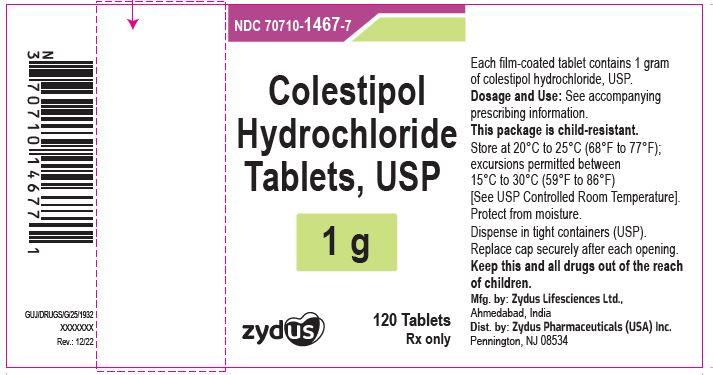
Colestipol hydrochloride 1 g Tablet, Film Coated, 120-count
🆔 Identity & classification
Where does this data come from?
🏷️ RxNorm drug class
This medicine belongs to the Bile Acid Sequestrant class.
Where does this data come from?
🏭 Manufacturer & labeler
Where does this data come from?
🩺 Clinical
- Colestipol is designed to bring down your LDL — that's the 'bad' cholesterol. It does this by working in your gut, trapping compounds called bile acids and carrying them out of you...
- What exactly is colestipol supposed to do for me?
- No — never take the granules or powder dry. Always stir them into a full glass of water or another beverage before you drink it. Swallowing dry powder can cause it to go down the w...
- How do I take the granules or powder? Do I just swallow them?
Patient education
Supplement & herbal interactions
Colestipol may be associated with lower levels of 8 nutrients — worth a chat with your pharmacist, not a cause for alarm.
Where does this data come from?
Ask a licensed pharmacist directly — free, answered by our team.
💊 What it looks like
Where does this data come from?
🧪 Inactive Ingredients / Excipients
Inactive ingredients, also called excipients, are components of the drug product other than the active ingredient. They may include fillers, dyes, coatings, preservatives, flavors, or other formulation ingredients.
Where does this data come from?
IACT rows and label-wide narrative are kept separate; availability and product-level specificity depend on the submitted label.Inactive ingredient FAQ
Are inactive ingredients the same for every manufacturer?
Why might an inactive ingredient be missing?
Can inactive ingredients matter?
💲 Pricing
A drug doesn't have one price. Each row is a different public payment system, and none is what you'd pay at the counter — that depends on your insurance. The ⓘ on each row explains what it measures.
| Price system | Per ea | Per package |
|---|---|---|
| Retail pharmacies payNADAC · weekly | $0.653 | $78.41 / 120 tablets |
| Medicaid paysCMS SDUD · 12 mo | $0.5797 | $69.56 / 120 tablets |
| Medicare drug plans payPart D · quarterly | No Part D plan price is available for this NDC in our data. | |
Where does this data come from?
🔁 Therapeutic equivalents
| Product | Labeler | Pack | NADAC/unit | TE | Status | Price vs. this |
|---|---|---|---|---|---|---|
| Colestipol Hydrochloride 1 g 42799-0115-01 | Edenbridge | 120 tablets | $0.653 | AB | Availability likely | — |
| Colestipol Hydrochloride 1 g 50742-0284-12 | Ingenus | 120 tablets | $0.653 | AB | Availability likely | — |
| Colestipol Hydrochloride 1 g 59762-0450-01 | Mylan | 120 tablets | $0.653 | AB | Availability likely | — |
| Colestipol Hydrochloride 1 g 60687-0715-21 | American | 1 tablet | $0.653 | AB | Availability likely | — |
| Colestipol Hydrochloride 1 g 62559-0395-12 | ANI | 120 tablets | $0.653 | AB | Availability likely | — |
| Colestipol hydrochloride 1 gthis 70710-1467-07 | Zydus | 120 tablets | $0.653 | AB | Availability likely | — |
| Colestid 1 g 00009-0450-03 | Pharmacia | 120 tablets | $2.146 | AB | FDA listed | +228% |
| Colestipol Hydrochloride 1 g 00115-5211-02 | Amneal | 500 tablets | — | AB | FDA listed | — |
| Colestipol hydrochloride 1 g 70771-1653-05 | Zydus | 500 tablets | — | AB | FDA listed | — |
| Colestipol Hydrochloride 1 g 72603-0817-01 | NorthStar | 120 tablets | — | AB | FDA listed | — |
Where does this data come from?
⏳ Availability & generic status
This product is an FDA-approved generic. Other versions of the same drug are listed under Therapeutic equivalents, least expensive first.
Where does this data come from?
🗺️ Medicaid utilization & spend
💊 Medicaid utilization by pack size
📦 Packaging — all sizes for this product
| Package NDC | Description | Per unit | Per pack | Marketing start | Status |
|---|---|---|---|---|---|
| 70710-1467-05 | 500 TABLET, FILM COATED in 1 BOTTLE (70710-1467-5) | — | — | 2022-05-04 | Active |
| 70710-1467-07 You're viewing this | 120 TABLET, FILM COATED in 1 BOTTLE (70710-1467-7) | $0.6534 / ea | $78.41 | 2022-05-04 | Active |
You're viewing the smallest of 2 pack sizes for this product.
In Medicaid, this is the most-dispensed pack of this product — about 100% of fills over the last four reported quarters. See all packs ↓
Pack size FAQ
What quantity is in NDC 70710-1467-07?
What is the difference between NDC 70710-1467-07 and NDC 70710-1467-05?
What NDC number is used to bill for this package of Colestipol hydrochloride 1 g Tablet, Film Coated?
Prices are the latest CMS NADAC pharmacy acquisition cost per NDC; per-pack figures are per-unit × pack quantity, shown only when the pack is denominated in the same measure NADAC prices.
📄 Full prescribing information FDA SPL
🎯 Indications and Usage ▾
INDICATIONS AND USAGE Since no drug is innocuous, strict attention should be paid to the indications and contraindications, particularly when selecting drugs for chronic long-term use. Colestipol hydrochloride tablets are indicated as adjunctive therapy to diet for the reduction of elevated serum total and LDL-C in patients with primary hypercholesterolemia (elevated LDL-C) who do not respond adequately to diet. Generally, colestipol hydrochloride tablets have no clinically significant effect on serum triglycerides, but with their use, triglyceride levels may be raised in some patients.
Therapy with lipid-altering agents should be a component of multiple risk factor intervention in those individuals at significantly increased risk for atherosclerotic vascular disease due to hypercholesterolemia. Treatment should begin and continue with dietary therapy (see NCEP guidelines). A minimum of six months of intensive dietary therapy and counseling should be carried out prior to initiation of drug therapy.
Shorter periods may be considered in patients with severe elevations of LDL-C or with definite CHD. According to the NCEP guidelines, the goal of treatment is to lower LDL-C and LDL-C is to be used to initiate and assess treatment response. Only if LDL-C levels are not available, should the Total-C be used to monitor therapy.
The NCEP treatment guidelines are shown below. * Coronary heart disease or peripheral vascular disease (including symptomatic carotid artery disease). ** Other risk factors for coronary heart disease (CHD) include: age (males: ≥ 45 years; female: ≥ 55 years or premature menopause without estrogen replacement therapy); family history of premature CHD; current cigarette smoking; hypertension; confirmed HDL-C < 35 mg/dL (0.91 mmol/L); and diabetes mellitus. Subtract one risk factor if HDL-C is ≥ 60 mg/dL (1.6 mmol/L). LDL-Cholesterol mg/dL (mmol/L) Definite Atherosclerotic Disease * Two or More Other Risk Factors ** Initiation Level Goal No No ≥ 190 (≥ 4.9) < 160 (< 4.1) No Yes ≥ 160 (≥ 4.1) < 130 (< 3.4) Yes Yes or No ≥ 130 (≥ 3.4) ≤ 100 (≤ 2.6)
⏱️ Dosage and Administration ▾
DOSAGE AND ADMINISTRATION For adults, colestipol hydrochloride tablets are recommended in doses of 2 grams/day to 16 grams/day given once or in divided doses. The starting dose should be 2 grams once or twice daily. Dosage increases of 2 grams, once or twice daily should occur at 1 month or 2 month intervals.
Appropriate use of lipid profiles as per NCEP guidelines including LDL-C and triglycerides, is advised so that optimal but not excessive doses are used to obtain the desired therapeutic effect on LDL-C level. If the desired therapeutic effect is not obtained at a dose of 2 grams/day to 16 grams/day with good compliance and acceptable side effects, combined therapy or alternate treatment should be considered. Colestipol hydrochloride tablets must be taken one at a time and be promptly swallowed whole, using plenty of water or other appropriate liquid.
Do not cut, crush or chew the tablets. Patients should take other drugs at least one hour before or four hours after colestipol hydrochloride tablets to minimize possible interference with their absorption. (See Drug Interactions .) Before Administration of Colestipol Hydrochloride Tablets Define the type of hyperlipoproteinemia, as described in NCEP guidelines.
Institute a trial of diet and weight reduction. Establish baseline serum total and LDL-C and triglyceride levels. During Administration of Colestipol Hydrochloride Tablets The patient should be carefully monitored clinically, including serum cholesterol and triglyceride levels.
Periodic determinations of serum cholesterol levels as outlined in the NCEP guidelines should be done to confirm a favorable initial and long-term response. Failure of total or LDL-C to fall within the desired range should lead one to first examine dietary and drug compliance. If these are deemed acceptable, combined therapy or alternate treatment should be considered.
Significant rise in triglyceride level should be considered as indication for dose reduction, drug discontinuation or combined or alternate therapy.
⛔ Contraindications ▾
CONTRAINDICATIONS Colestipol hydrochloride tablets are contraindicated in those individuals who have shown hypersensitivity to any of their components.
🤒 Adverse Reactions ▾
ADVERSE REACTIONS Gastrointestinal The most common adverse reactions are confined to the gastrointestinal tract. To achieve minimal GI disturbance with an optimal LDL-C lowering effect, a gradual increase of dosage starting with 2 grams, once or twice daily is recommended. Constipation is the major single complaint and at times is severe.
Most instances of constipation are mild, transient and controlled with standard treatment. Increased fluid intake and inclusion of additional dietary fiber should be the first step; a stool softener may be added if needed. Some patients require decreased dosage or discontinuation of therapy.
Hemorrhoids may be aggravated. Other, less frequent gastrointestinal complaints consist of abdominal discomfort (abdominal pain and cramping), intestinal gas (bloating and flatulence), indigestion and heartburn, diarrhea and loose stools and nausea and vomiting. Bleeding hemorrhoids and blood in the stool have been infrequently reported.
Peptic ulceration, cholecystitis and cholelithiasis have been rarely reported in patients receiving COLESTID granules and are not necessarily drug related. Difficulty swallowing and transient esophageal obstruction have been rarely reported in patients taking colestipol hydrochloride tablets. Transient and modest elevations of aspartate aminotransferase (AST, SGOT), alanine aminotransferase (ALT, SGPT) and alkaline phosphatase were observed on one or more occasions in various patients treated with colestipol hydrochloride.
The following nongastrointestinal adverse reactions have been reported with generally equal frequency in patients receiving colestipol hydrochloride tablets, COLESTID granules or placebo in clinical studies: Cardiovascular Chest pain, angina and tachycardia have been infrequently reported. Hypersensitivity Rash has been infrequently reported. Urticaria and dermatitis have been rarely noted in patients receiving COLESTID granules.
Musculoskeletal Musculoskeletal pain, aches and pains in the extremities, joint pain and arthritis and backache have been reported. Neurologic Headache, migraine headache and sinus headache have been reported. Other infrequently reported complaints include dizziness, light-headedness and insomnia.
Miscellaneous Anorexia, fatigue, weakness, shortness of breath and swelling of the hands or feet, have been infrequently reported. To report SUSPECTED ADVERSE REACTIONS, contact Zydus Pharmaceuticals (USA) Inc., at 1-877-993-8779 or FDA at 1-800-FDA-1088 or www.fda.gov/medwatch.
🔄 Drug Interactions ▾
Drug Interactions Since colestipol hydrochloride is an anion exchange resin, it may have a strong affinity for anions other than the bile acids. In vitro studies have indicated that colestipol hydrochloride binds a number of drugs. Therefore, colestipol hydrochloride tablets may delay or reduce the absorption of concomitant oral medication.
The interval between the administration of colestipol hydrochloride tablets and any other medication should be as long as possible. Patients should take other drugs at least one hour before or four hours after colestipol hydrochloride tablets to avoid impeding their absorption. Repeated doses of colestipol hydrochloride given prior to a single dose of propranolol in human trials have been reported to decrease propranolol absorption.
However, in a follow-up study in normal subjects, single-dose administration of colestipol hydrochloride and propranolol and twice-a-day administration for 5 days of both agents did not affect the extent of propranolol absorption, but had a small yet statistically significant effect on its rate of absorption; the time to reach maximum concentration was delayed approximately 30 minutes. Effects on the absorption of other beta-blockers have not been determined. Therefore, patients on propranolol should be observed when colestipol hydrochloride tablets are either added or deleted from a therapeutic regimen.
Studies in humans show that the absorption of chlorothiazide as reflected in urinary excretion is markedly decreased even when administered one hour before colestipol hydrochloride. The absorption of tetracycline, furosemide, penicillin G, hydrochlorothiazide and gemfibrozil was significantly decreased when given simultaneously with colestipol hydrochloride; these drugs were not tested to determine the effect of administration one hour before colestipol hydrochloride. No depressant effect on blood levels in humans was noted when colestipol hydrochloride was administered with any of the following drugs: aspirin, clindamycin, clofibrate, methyldopa, nicotinic acid (niacin), tolbutamide, phenytoin or warfarin.
Particular caution should be observed with digitalis preparations since there are conflicting results for the effect of colestipol hydrochloride on the availability of digoxin and digitoxin. The potential for binding of these drugs if given concomitantly is present. Discontinuing colestipol hydrochloride could pose a hazard to health if a potentially toxic drug that is significantly bound to the resin has been titrated to a maintenance level while the patient was taking colestipol hydrochloride.
Bile acid binding resins may also interfere with the absorption of oral phosphate supplements and hydrocortisone. A study has shown that cholestyramine binds bile acids and reduces mycophenolic acid exposure. As colestipol also binds bile acids, colestipol may reduce mycophenolic acid exposure and potentially reduce efficacy of mycophenolate mofetil.
🧒 Pediatric Use ▾
Pediatric Use Safety and effectiveness in the pediatric population have not been established.
🆘 Overdosage ▾
OVERDOSAGE Overdosage of colestipol hydrochloride tablets has not been reported. Should overdosage occur, however, the chief potential harm would be obstruction of the gastrointestinal tract. The location of such potential obstruction, the degree of obstruction and the presence or absence of normal gut motility would determine treatment.
🧬 Clinical Pharmacology ▾
CLINICAL PHARMACOLOGY Cholesterol is the major and probably the sole precursor of bile acids. During normal digestion, bile acids are secreted via the bile from the liver and gall bladder into the intestines. Bile acids emulsify the fat and lipid materials present in food, thus facilitating absorption.
A major portion of the bile acids secreted is reabsorbed from the intestines and returned via the portal circulation to the liver, thus completing the enterohepatic cycle. Only very small amounts of bile acids are found in normal serum. Colestipol hydrochloride binds bile acids in the intestine forming a complex that is excreted in the feces.
This nonsystemic action results in a partial removal of the bile acids from the enterohepatic circulation, preventing their reabsorption. Since colestipol hydrochloride is an anion exchange resin, the chloride anions of the resin can be replaced by other anions, usually those with a greater affinity for the resin than the chloride ion. Colestipol hydrochloride is hydrophilic, but it is virtually water insoluble (99.75%) and it is not hydrolyzed by digestive enzymes.
The high molecular weight polymer in colestipol hydrochloride apparently is not absorbed. In humans, less than 0.17% of a single 14 C-labeled colestipol hydrochloride dose is excreted in the urine when given following 60 days of dosing of 20 grams of colestipol hydrochloride per day. The increased fecal loss of bile acids due to colestipol hydrochloride administration leads to an increased oxidation of cholesterol to bile acids.
This results in an increase in the number of low-density lipoprotein (LDL) receptors, increased hepatic uptake of LDL and a decrease in beta lipoprotein or LDL serum levels and a decrease in serum cholesterol levels. Although colestipol hydrochloride produces an increase in the hepatic synthesis of cholesterol in man, serum cholesterol levels fall. There is evidence to show that this fall in cholesterol is secondary to an increased rate of clearance of cholesterol-rich lipoproteins (beta or low-density lipoproteins) from the plasma.
Serum triglyceride levels may increase or remain unchanged in colestipol hydrochloride treated patients. The decline in serum cholesterol levels with colestipol hydrochloride treatment is usually evident by one month. When colestipol hydrochloride is discontinued, serum cholesterol levels usually return to baseline levels within one month.
Periodic determinations of serum cholesterol levels as outlined in the National Cholesterol Education Program (NCEP) guidelines, should be done to confirm a favorable initial and long-term response. 1 In a large, placebo-controlled, multiclinic study, the LRC-CPPT 2 , hypercholesterolemic subjects treated with cholestyramine, a bile-acid sequestrant with a mechanism of action and an effect on serum cholesterol similar to that of colestipol hydrochloride, had reductions in total and LDL-C. Over the 7 year study period the cholestyramine group experienced a 19% reduction (relative to the incidence in the placebo group) in the combined rate of coronary heart disease (CHD) death plus nonfatal myocardial infarction (cumulative incidences of 7% cholestyramine and 8.6% placebo).
The subjects included in the study were middle-aged men (aged 35 to 59) with serum cholesterol levels above 265 mg/dL, LDL-C above 175 mg/dL on a moderate cholesterol-lowering diet and no history of heart disease. It is not clear to what extent these findings can be extrapolated to other segments of the hypercholesterolemic population not studied. Treatment with colestipol results in a significant increase in lipoprotein LpAI.
Lipoprotein LpAI is one of the two major lipoprotein particles within the high-density lipoprotein (HDL) density range 3 and has been shown in cell culture to promote cholesterol efflux or removal from cells 4 . Although the significance of this finding has not been established in clinical studies, the elevation of the lipoprotein LpAI particle withi…
📦 How Supplied / Storage and Handling ▾
HOW SUPPLIED Colestipol hydrochloride tablets, 1 g are light yellow to yellow colored, oval shaped, biconvex, film-coated tablets, one side debossed with "CZ" and plain on the other side and are supplied as follows: NDC 70710-1467-7 in bottles of 120 tablets with child-resistant closure. NDC 70710-1467-5 in bottles of 500 tablets Store at 20°C to 25°C (68°F to 77°F); excursions permitted between 15°C to 30°C (59°F to 86°F) [See USP Controlled Room Temperature]. Protect from moisture.
📋 Description ▾
DESCRIPTION The active ingredient in colestipol hydrochloride tablets is colestipol hydrochloride, which is a lipid lowering agent for oral use. Colestipol is an insoluble, high molecular weight basic anion-exchange copolymer of diethylenetriamine and 1-chloro-2,3-epoxpropane (hydrochloride), with approximately one out of five amine nitrogens protonated. It is a yellow to orange powder or beads water-insoluble resin which is hygroscopic and swells when suspended in water or aqueous fluids.
Each colestipol hydrochloride tablet contains one gram of colestipol hydrochloride. Colestipol hydrochloride tablets are light yellow to yellow in color and are tasteless and odorless. Inactive ingredients: cellacefate, colloidal silicon dioxide, crospovidone, ferric oxide yellow, hypromellose, magnesium stearate, microcrystalline cellulose, polyvinyl alcohol, povidone, and triacetin.
💬 Information for Patients ▾
Information for Patients Colestipol hydrochloride tablets may be larger than pills you have taken before. If you have had swallowing problems or choking with food, liquids or other tablets or capsules in the past, you should discuss this with your doctor before taking colestipol hydrochloride tablets. It is important that you take colestipol hydrochloride tablets correctly: Always take one tablet at a time and swallow promptly.
Swallow each tablet whole. Do not cut, crush or chew the tablets. Colestipol hydrochloride tablets must be taken with water or another liquid that you prefer.
Swallowing the tablets will be easier if you drink plenty of liquid as you swallow each tablet. Difficulty swallowing and temporary obstruction of the esophagus (the tube between your mouth and stomach) have been rarely reported in patients taking colestipol hydrochloride tablets. If a tablet does get stuck after you swallow it, you may notice pressure or discomfort.
If this happens to you, you should contact your doctor. Do not take colestipol hydrochloride tablets again without your doctor's advice. If you are taking other medications, you should take them at least one hour before or four hours after taking colestipol hydrochloride tablets.