
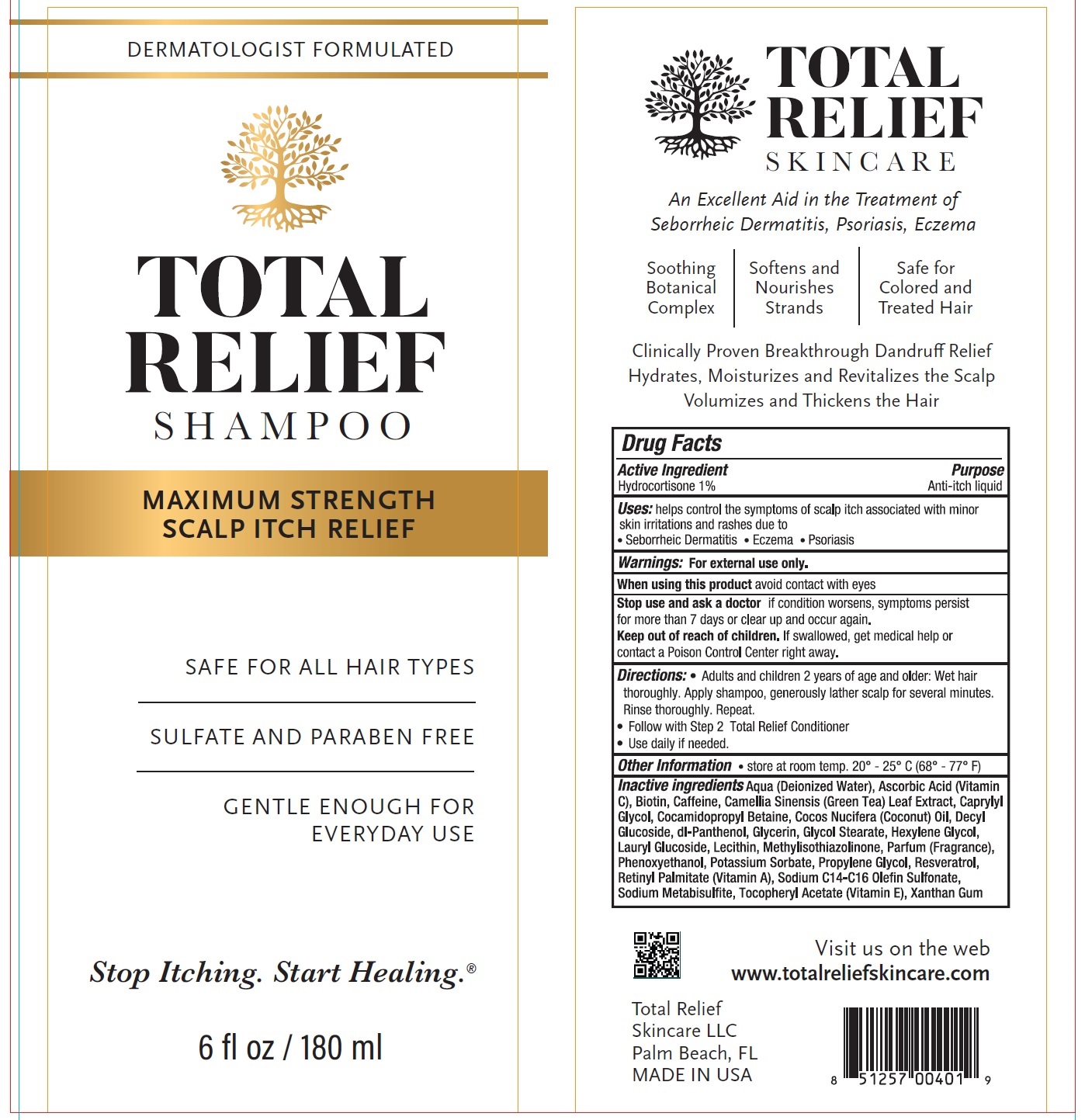
TOTAL RELIEF HYDROCORTISONE 10 mg/mL Shampoo, 180 mL — NDC 71516-342-00 (Billing 71516-0342-00)
This is a package of 180 mL of TOTAL RELIEF HYDROCORTISONE 10 mg/mL Shampoo from DR. MARDER SKINCARE, LLC, marketed since Jul 2022 and currently FDA-listed. It is this product's only package size.
NDC database record
One package, one record: these facts belong to NDC 71516-342-00 alone.
- Record
- FDA NDC Directory package listing · Human OTC drug
- Code segments
- 71516 labeler · 342 product · 00 package
- Package marketed since
- Jul 25, 2022
- Sample package
- No — commercial package
- Listing certified through
- Dec 31, 2026
- Barcode (UPC-A, from the NDC)
- 3 7151634200 8
- FDA record last changed
- Jul 24, 2026
Identity & classification
Regulatory identifiers FDA, NLM and CMS codes for this package
- RxCUI (RxNorm): 1926571
Where does this data come from?
- FDA openFDA NDC Directory · synced Oct 1, 2026
- FDA label on DailyMed · label index refreshed Oct 3, 2026
- RxNorm (NLM RxNav) · catalog refreshed Oct 1, 2026
- Medi-Span GPI (licensed)
- First Databank (licensed) · refreshed Oct 1, 2026
RxNorm drug class
This medicine belongs to the Corticosteroid class.
Where does this data come from?
- RxClass (NLM) · catalog refreshed Oct 1, 2026
Clinical
Hydrocortisone topical is used to treat redness, swelling, itching, and discomfort of various skin conditions. Hydrocortisone is in a class of medications called corticosteroids. It works by activating natural substances in the skin to reduce swelling, redness, and itching.
Read the full MedlinePlus article ↗- It depends on the product. Tablets and oral granules are used for adrenal insufficiency, among other conditions. Injections are used for severe allergic states and skin diseases. R...
- Don't stop it suddenly if you take it for adrenal insufficiency. Stopping abruptly can cause adrenal crisis, which can be fatal. Talk to your prescriber before making any changes.
- Common ones are fluid retention, higher blood pressure, changes in blood sugar, mood changes, bigger appetite and weight gain. Call your doctor for signs of infection, vision chang...
- Grapefruit juice and some antifungals and antibiotics can raise hydrocortisone levels. Some seizure medicines and rifampicin can lower them. Tell me about any diabetes medicines, w...
Patient education
Supplement & herbal interactions
Some supplements/herbs that may interact with Hydrocortisone — tap one for details:
Hydrocortisone may be associated with lower levels of 8 nutrients — worth a chat with your pharmacist, not a cause for alarm.
Where does this data come from?
- MedlinePlus (NLM) · refreshed Oct 1, 2026
- FDA label on DailyMed · label index refreshed Oct 3, 2026
Ask a licensed pharmacist directly — free, answered by our team.
Pricing
A drug doesn't have one price. Each row is a different public payment system, and none is what you'd pay at the counter — that depends on your insurance. The ⓘ on each row explains what it measures.
| Price system | Per g | Per package |
|---|---|---|
| Retail pharmacies payNADAC · weekly | Not in the retail survey — common for institutional, discontinued, or low-volume packs. | |
| Medicaid paysCMS SDUD · 12 mo | No recent Medicaid claims on file for this NDC — rare and low-volume NDCs are suppressed in the public data. | |
| Medicare drug plans payPart D · quarterly | No Part D plan price is available for this NDC in our data. | |
Where does this data come from?
- CMS NADAC weekly file
- CMS ASP pricing files · refreshed Sep 20, 2026
- CMS Medicaid State Drug Utilization Data · refreshed Oct 4, 2026
- CMS Part D plan pricing files · refreshed Sep 24, 2026
- VA National Acquisition Center price file
Packaging — all sizes for this product
| Package NDC | Description | Marketing start | Marketing end | Status |
|---|---|---|---|---|
| 71516-0342-00 You're viewing this Main listing | 180 mL in 1 TUBE | 2022-07-25 | — | Active |
Therapeutic equivalents
| Product | Labeler | Pack | NADAC/unit | TE | Status | Price vs. this |
|---|---|---|---|---|---|---|
| Total Relief 10 mg/mLthis 71516-0342-00 | DR. | 180 ml | — | — | FDA listed | — |
| FixMySkin Healing Balm Fragrance-Free 10 mg/mL 76314-0002-03 | Lovely | 14.78 ml | — | — | FDA listed | — |
| FixMySkin Healing Balm Vanilla Flavor 10 mg/mL 76314-0004-01 | Lovely | 4.43 ml | — | — | FDA listed | — |
| Alumier MD Intensive Recovery 10 mg/mL 69473-0017-01 | Alumier | 1 tube | — | — | FDA listed | — |
| Hydrocortisone 10 mg/mL 71399-0120-01 | AKRON | 1 bottle | — | — | FDA listed | — |
| Dermarest Eczema Medicated 10 mg/mL 63736-0339-24 | Insight | 1 bottle | — | — | FDA listed | — |
| Nizoral Scalp Itch Relief 10 mg/mL 55505-0222-29 | Kramer | 1 bottle | — | — | FDA listed | — |
| Absolut Skin Corticosoothe Anti-Itch 10 mg/mL 87184-0899-00 | Absolut | 1 tube | — | — | FDA listed | — |
| FixMySkin Healing Balm Unflavored 10 mg/mL 76314-0003-01 | Lovely | 4.43 ml | — | — | FDA listed | — |
Where does this data come from?
- FDA openFDA NDC Directory · synced Oct 1, 2026
- FDA Orange Book · refreshed Oct 3, 2026
- CMS NADAC weekly file
Availability & generic status
FDA-approved generic versions are listed, and recent pricing/market data suggests they may be available — see Therapeutic equivalents.
Where does this data come from?
- FDA Orange Book · refreshed Oct 3, 2026
Inactive Ingredients / Excipients
Inactive ingredients, also called excipients, are components of the drug product other than the active ingredient. They may include fillers, dyes, coatings, preservatives, flavors, or other formulation ingredients.
💡 Tap an ingredient (hover on desktop) to see what it is and why it’s used.
-
UNII 9E8X80D2L0
A synthetic form of vitamin E used as an antioxidant and preservative in medications. It helps prevent the active ingredients from degrading when exposed to oxygen or light.
-
UNII PQ6CK8PD0R
Ascorbic acid, also known as vitamin C, is a white crystalline powder. It serves as an antioxidant to prevent degradation of other ingredients and may also function as a preservative in the formulation.
-
UNII 6SO6U10H04
Biotin is a B-vitamin used as a nutritional supplement in some medications. It may also serve as a colorant or marker in formulations.
-
UNII 3G6A5W338E
Caffeine is a natural stimulant compound commonly extracted from coffee beans and tea leaves. In medicines, it serves as an active booster in pain relievers and cold products to enhance alertness and improve the effectiveness of other ingredients.
-
UNII 00YIU5438U
Caprylyl glycol is a clear liquid derived from coconut oil. In medicines, it acts as a humectant to retain moisture, a preservative booster to prevent microbial growth, and a solvent to help dissolve or mix other ingredients.
-
UNII 5OCF3O11KX
A plant-derived surfactant made from coconut oil. It helps mix oil and water ingredients together in the formulation and can improve how the medicine spreads or feels on the skin.
-
UNII Q9L0O73W7L
Coconut oil is a natural fat extracted from coconut fruit. It's used in medicines as a lubricant, emollient, or carrier to help dissolve or deliver active ingredients smoothly through the formulation.
-
UNII Z17H97EA6Y
A plant-derived mild cleanser made from natural sugars and oils. It acts as an emulsifier and surfactant to help mix water and oil-based ingredients together in the medicine.
-
UNII PDC6A3C0OX
Glycerin is a clear, thick liquid derived from plant oils or fats. It acts as a humectant to retain moisture, a sweetener, and a solvent in medications.
-
UNII 0324G66D0E
Glycol stearate is a waxy compound made by combining stearic acid with ethylene glycol. It acts as an emulsifier and thickener, helping keep oil and water mixed together smoothly in liquid or semi-solid medicines.
-
UNII W2ZU1RY8B0
A plant extract from green tea leaves. It's used as an antioxidant ingredient to help preserve the medicine and maintain its stability during storage.
-
UNII KEH0A3F75J
Hexylene glycol is a clear liquid alcohol used as a solvent and preservative in medicines. It helps dissolve other ingredients and keeps the product stable during storage.
-
UNII 76LN7P7UCU
Lauryl glucoside is a mild plant-based cleansing agent made from coconut oil and glucose. It's used in medicines as a surfactant to help dissolve and distribute ingredients evenly throughout the formulation.
-
UNII 229D0E1QFA
Methylisothiazolinone is a synthetic chemical preservative that prevents bacterial and fungal growth in liquid medicines and topical products. It helps keep the medication safe and extends shelf life during storage.
-
UNII WV9CM0O67Z
Panthenol is a humectant and skin-conditioning agent derived from pantothenic acid. It's added to medicines to help retain moisture and soothe skin irritation.
-
UNII HIE492ZZ3T
Phenoxyethanol is a synthetic preservative and antimicrobial agent used to prevent bacterial and fungal growth in medicines and cosmetic products, extending shelf life and maintaining product safety.
-
UNII 1VPU26JZZ4
Potassium sorbate is a salt derived from sorbic acid, a naturally occurring preservative. It prevents growth of mold, yeast, and some bacteria, extending the medicine's shelf life.
-
UNII 6DC9Q167V3
Propylene glycol is a clear liquid derived from petroleum or vegetable sources. It acts as a solvent, humectant, and preservative in medicines, helping dissolve active ingredients and maintain product stability.
-
UNII Q369O8926L
Resveratrol is a plant-derived compound sometimes added to supplements and fortified products. It may serve as an active nutritional ingredient rather than a traditional inactive filler, though its exact formulation role varies by product.
-
UNII O9W3D3YF5U
A synthetic surfactant derived from petroleum-based olefins. It helps dissolve or suspend active ingredients and other substances in liquid formulations, improving how the medicine mixes and flows.
-
UNII 4VON5FNS3C
Sodium metabisulfite is a preservative derived from sulfur compounds. It prevents microbial growth and oxidation in medicines, helping extend shelf life and maintain product stability.
-
UNII 1D1K0N0VVC
A fat-soluble form of vitamin A used as a colorant and nutritional fortification ingredient. It gives products a yellow or orange tint and increases vitamin A content in the formula.
-
UNII 059QF0KO0R
Water is a liquid solvent that dissolves and mixes ingredients together in liquid medicines, syrups, and injections. It helps distribute the active drug evenly throughout the product.
-
UNII TTV12P4NEE
Xanthan gum is a thickening and stabilizing ingredient made from fermented corn or other sugars. It's added to medicines to improve texture, prevent separation of liquids and solids, and help the product stay consistent.
24 inactive ingredients listed in the exact product block matched to this NDC.
Label-section wording can be broader than the structured product block and may mention additional formulation ingredients.
Where does this data come from?
ingredient classCode="IACT" elements from the exact product block matched by this NDC. Label-section narrative from DailyMed / the openFDA label index is shown separately when available.- FDA label on DailyMed · label index refreshed Oct 3, 2026
- FDA openFDA NDC Directory · synced Oct 1, 2026
Inactive ingredient FAQ
Are inactive ingredients the same for every manufacturer?
Why might an inactive ingredient be missing?
Can inactive ingredients matter?
Manufacturer & labeler
Where does this data come from?
- FDA openFDA NDC Directory · synced Oct 1, 2026
- Drugs@FDA
FDA label — Drug Facts FDA SPL
🎯 Indications and Usage ▾
Uses: helps control the symptoms of scalp itch associated with minor skin irritations and rashes due to Seborrheic Dermatitis Eczema Psoriasis
⏱️ Dosage and Administration ▾
Directions: Adults and children 2 years of age and older: Wet hair thoroughly. Apply shampoo, generously lather scalp for several minutes. Rinse thoroughly, Repeat. Follow with Step 2 Total Relief Conditioner Use daily if needed.
⚠️ Warnings ▾
Warnings: For external use only. When using this product avoid contact with eyes Stop use and ask a doctor if condition worsens, symptoms persist for more than 7 days or clear up and occur again. Keep out of reach of children. If swallowed, get medical help or contact a Poison Control Center right away.
🧪 Active Ingredient ▾
Active Ingredient Hydrocortisone 1% Purpose Anti-itch liquid
🧪 Inactive Ingredients ▾
Inactive ingredients Aqua (Deionized Water), Ascorbic Acid (Vitamin C), Biotin, Caffeine, Camellia Sinensis (Green Tea) Leaf Extract, Caprylyl Glycol, Cocamidopropyl Betaine, Cocos Nucifera (Coconut) Oil, Decyl Glucoside, dl-Panthenol, Glycerin, Glycol Stearate, Hexylene Glycol, Lauryl Glucoside, Lecithin, Methylisothiazolinone, Parfum (Fragrance), Phenoxyethanol, Potassium Sorbate, Propylene Glycol, Resveratrol, Retinyl Palmitate (Vitamin A), Sodium C14-C16 Olefin Sulfonate, Sodium Metabisulfite, Tocopheryl Acetate (Vitamin E), Xanthan Gum
🎯 Purpose ▾
Purpose Anti-itch liquid
📄 When Using This Product ▾
When using this product avoid contact with eyes
📄 Stop Use and Ask a Doctor If ▾
Stop use and ask a doctor if condition worsens, symptoms persist for more than 7 days or clear up and occur again.
📄 Keep Out of Reach of Children ▾
Keep out of reach of children. If swallowed, get medical help or contact a Poison Control Center right away.
📄 Package Label / Principal Display Panel ▾
Package Labeling: Label
Medicare Part D spend CMS · PART D · 2026 (Q1)
Reported adverse events (FAERS)
Top reported reactions
Age at onset
Reporter sex
Serious outcomes
Where does this data come from?
About this NDC listing & data coverage
What data is (and isn’t) available for this NDC — tap to expand
| NDC identity (package / product / labeler codes) | ✓ Available |
| Labeler | ✓ Available |
| Product & package description | ✓ Available |
| Marketing category & status | ✓ Available |
| Active ingredient / dosage form / route | ✓ Available |
| FDA label (SPL via DailyMed) | ✓ Available |
| Package photos | ✓ Available |
| Inactive ingredients (structured) | ✓ Available |
| NADAC pharmacy acquisition price (CMS) | — Not published for this NDC CMS publishes NADAC only for NDCs reported in its retail-pharmacy survey. |
| Orange Book / therapeutic-equivalence data | — Not published for this NDC Applies only to products approved under an NDA/ANDA; many listings are out of scope. |
| HCPCS J-code billing crosswalk | — Not published for this NDC Most self-administered / retail products have no J-code — that is normal. |
| Medicaid utilization (CMS SDUD) | — Not published for this NDC CMS reports utilization only for NDCs with Medicaid claims above its privacy threshold. |