
Drug & Supplement Interactions
Avocado + Succinylcholine
Brand names of Succinylcholine
- Anectine
- Quelicin

Medically reviewed by Dr. Brian Staiger, PharmD, BCPS
Also reviewed by the HelloPharmacist Editorial Team
Updated October 2026Details about this page
- Pair last verified Nov 15, 2026
- Dr. Brian Staiger, PharmD, BCPS, is a clinical pharmacist and pharmacotherapy specialist.
- Editorial policy
- Our sources →
AI is used only to summarize verified clinical information, never the open internet. Our AI policy
We found no known interaction between Avocado and Succinylcholine in our sources.
This also applies to Anectine and Quelicin, brand names of succinylcholine.
Still Worth Knowing
- Shared side effects: Although there is no interaction, both can cause some of the same side effects. Taken together, those side effects might add up, and a new symptom can be harder to pin on one or the other.
Ask a Question About This Combination
Ask in your own words about taking Avocado with Succinylcholine. The answer comes from this page’s own records.
AI answers from this page’s interaction records and our own drug and supplement information, never the open internet. AI can make mistakes, so always check with your doctor or pharmacist. How we use AI
Avocado and Succinylcholine Interaction Check
No Known Interaction Found
We did not find a documented interaction between Succinylcholine and Avocado in our sources. This does not guarantee that the combination is completely free of risk — there is often limited research on supplements and herbal products, especially around drug interactions.
How We Checked
Why No Interaction Is Listed for Succinylcholine
We sort drugs into categories, such as blood thinners or antibiotics, and many supplement interactions are recorded for a whole category rather than for one drug. So we checked every category Succinylcholine is in against every category Avocado has a known interaction with.
3Categories Succinylcholine Is In
- Succinylcholine by Name Interactions recorded for Succinylcholine itself rather than for a category. No Avocado Record
- Cholinergic Drugs Drugs that boost the nerve chemical acetylcholine, such as donepezil for Alzheimer disease and bethanechol for urine retention. No Avocado Record
- Skeletal Muscle Relaxants No Avocado Record
2Drug Categories Avocado Interacts With
No overlap. Succinylcholine is in none of the 2 categories Avocado interacts with, so no record links the two.
- Add one new thing at a time, and note the date you started it.
- A start date turns “I’ve been feeling off” into something a pharmacist can work with.
- Do not stop a prescribed medicine on your own.
- Check with your pharmacist or doctor before changing any medicine or supplement, especially if you take several or have an ongoing health condition.
Your Whole Routine
Your Other Medicines and Supplements
Avocado Does Interact With Other Medications
Avocado has 2 moderate, 86 minor known drug interactions in our database — Succinylcholine isn’t one of them. If you take anything else, check it against the full list below.
Check Another of Your Medications Against Avocado
We haven’t checked that one against Avocado yet — ask our pharmacists directly.
Covers the 2,830 medications we’ve checked against Avocado. Pick one to open its full report.
Other Supplements Studied for Hypercholesterolemia, and How They Mix With Succinylcholine
Choosing a supplement while you take Succinylcholine? Here are other options studied for hypercholesterolemia, and whether each has a documented interaction with Succinylcholine.
2 of them have a documented interaction with Succinylcholine: Magnesium (moderate) and Sage (moderate).
40 other supplements have at least some evidence of a benefit for hypercholesterolemia; the 8 below come first. Avocado itself is graded for it.
- Magnesium Graded Moderate
- Sage Graded Moderate
- Barley Graded No Known Interaction
- Beta-glucans Graded No Known Interaction
- Blond Psyllium Graded No Known Interaction
- Oats Graded No Known Interaction
- Plant Sterols Graded No Known Interaction
- Alpha-lipoic Acid Graded No Known Interaction
The grades come from the Natural Medicines database and describe the research so far, not a recommendation, and none of these supplements replaces a prescribed medicine.
See Every Supplement That Interacts With Succinylcholine
Take other supplements too? 25 supplements have a documented interaction with Succinylcholine, each explained on its page.
By severity: 1 major, 23 moderate and 1 minor.
The Most Serious There Right Now:
- Procaine and SuccinylcholineMajor
- Bacopa and SuccinylcholineModerate
- Bael and SuccinylcholineModerate
- Betel Nut and SuccinylcholineModerate
- Boxwood and SuccinylcholineModerate
Taking Avocado as Part of a Dietary Supplement Product? Check It for Interactions
A product can hold more than Avocado. We have broken down 68 supplement products that contain it, ingredient by ingredient. Find yours and we’ll check every ingredient against Succinylcholine:
About Avocado
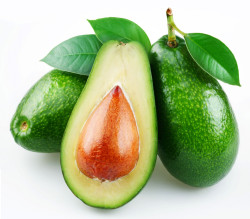
Avocado is a nutritious fruit rich in healthy monounsaturated fats, fiber, and potassium, and eating it as part of a balanced diet may support heart health. A specific extract called avocado/soybean unsaponifiables (ASU) has been studied for osteoarthritis, but evidence is mixed. As a food it is very safe for most people; talk to your pharmacist or doctor before using concentrated supplements.
How Avocado Is Rated
-
Avocado Overall
Generally safe
Avocado is widely eaten and considered safe as a food for most people.
-
Pregnancy
Use caution
Avocado as a food is fine, but concentrated supplements or extracts have not been well studied in pregnancy.
-
Breastfeeding
Use caution
Eating avocado is generally fine, but the safety of concentrated supplements while breastfeeding is unknown.
More to Explore
More Pairs and Interactions to Check
Other Supplements People Check With Succinylcholine
More pair pages for Succinylcholine: the rest of its documented supplement interactions first, then supplements with none on record, the most looked-up leading.
- MagnesiumModerate›
- PhosphatidylserineModerate›
- SageModerate›
- ThymeModerate›
- LithiumModerate›
- Dimethylsulfoxide (dmso)Moderate›
Show all 25 supplementsShow fewer
- European BarberryModerate›
- Syrian RueModerate›
- CalamusModerate›
- ClubmossModerate›
- Huperzine AModerate›
- IbogaModerate›
- MarjoramModerate›
- DeanolMinor›
- NutmegModerate›
- Poria MushroomModerate›
- PotatoModerate›
- Purple Nut SedgeModerate›
- TeazleModerate›
- Vitamin CNo Known Interaction›
- CalciumNo Known Interaction›
- Vitamin B6No Known Interaction›
- HollyNo Known Interaction›
- HollyhockNo Known Interaction›
- HomotaurineNo Known Interaction›
Other Drugs & Avocado
Browse every other medication we’ve checked against Avocado — both the ones with a known interaction and the ones without. Select any drug for the full detail.
No drugs match “”.
Also checked against Avocado
Moderate: 2 interactions
Minor: 86 interactions
- Insulin (rdna) ›
- Glyburide ›
- Insulin (pork) ›
- Insulin (human) ›
- Acarbose ›
- Insulin Glargine ›
- Semaglutide ›
- Chlorpropamide ›
- Exenatide ›
- Glipizide ›
- Glucagon ›
- Insulin Lispro ›
- Metformin ›
- Repaglinide ›
- Sitagliptin ›
- Tirzepatide ›
- Acetohexamide ›
- Albiglutide ›
- Alogliptin ›
- Canagliflozin ›
- Dapagliflozin ›
- Dasiglucagon Hydrochloride ›
- Dulaglutide ›
- Empagliflozin ›
- Ertugliflozin ›
- Exenatide Synthetic ›
- Gliclazide ›
- Glimepiride ›
- Glucose ›
- Inhaled Insulin ›
- Alogliptin and Metformin ›
- Alogliptin and Pioglitazone ›
- Antidiabetes and Dipeptidyl Peptidase-4 (dpp-iv) Inhibitor ›
- Canagliflozin and Metformin ›
- Canagliflozin and Metformin Hydrochloride ›
- Dapagliflozin Propanediol and Metformin ›
- Dapagliflozin Propanediol and Saxagliptin Hydrochloride ›
- Dapagliflozin, Metformin Hydrochloride, and Saxagliptin Hydrochloride ›
- Empagliflozin, Linagliptin, and Metformin Hydrochloride ›
- Empagliflozin and Metformin ›
- Empagliflozin and Metformin Hydrochloride ›
- Ertugliflozin and Metformin Hydrochloride ›
- Glipizide and Metformin ›
- Glyburide and Metformin ›
- Insulin Aspart and Insulin Degludec ›
- Insulin Degludec and Liraglutide ›
- Insulin Glargine and Lixisenatide ›
- Insulin Human and Sodium Chloride ›
- Linagliptin and Metformin Hydrochloride ›
- Metformin and Linagliptin ›
- Metformin and Rosiglitazone ›
- Pioglitazone and Metformin ›
- Rosiglitazone and Glimepiride ›
- Saxagliptin and Metformin Xr ›
- Simvastatin and Sitagliptin ›
- Sitagliptin and Metformin ›
- Insulin ›
- Insulin (bovine) ›
- Insulin Aspart ›
- Insulin Degludec ›
Showing 60 of 86 minor interactions — see all 86 on the Avocado page.
No Interaction 2,741 drugs checked — show the list
We also checked Avocado against these medications and found no known interaction in our sources. Open any page to confirm.
- Apixaban ›
- Levothyroxine ›
- Amlodipine ›
- Sertraline ›
- Clopidogrel ›
- Aspirin ›
- Rosuvastatin ›
- Losartan Potassium ›
- Escitalopram ›
- Atorvastatin ›
- Levothyroxine and Liothyronine ›
- Rivaroxaban ›
- Metoprolol ›
- Methylphenidate ›
- Tadalafil ›
- Ibuprofen ›
- Ivermectin ›
- Testosterone ›
- Amoxicillin ›
- Fluoxetine ›
- Prednisone ›
- Acetaminophen ›
- Amphetamine ›
- Isotretinoin ›
- Azithromycin ›
- Lisdexamfetamine ›
- Abemaciclib ›
- Methotrexate ›
- Pregabalin ›
- Propranolol ›
- Mitapivat ›
- Mitomycin ›
- Mitomycin C ›
- Mitotane ›
- Mitoxantrone ›
- Mivacurium ›
- Mobocertinib Succinate ›
- Moclobemide ›
- Moexipril ›
- Mogamulizumab-kpkc ›
- Molindone ›
- Molnupiravir ›
- Momelotinib ›
- Mometasone ›
- Mometasone Furoate ›
- Moricizine ›
- Morphine Sulfate ›
- Mosunetuzumab-axgb ›
- Motixafortide ›
- Moxetumomab Pasudotox-tdfk ›
- Moxidectin ›
- Moxifloxacin ›
- Moxonidine ›
- Mumps Virus Live ›
- Mupirocin ›
- Muromonab-cd3 ›
- Mycophenolic Acid ›
- Myobacterium Bovis ›
- Nabilone ›
- Nabumetone ›
Showing 60 of the 2,741 medications checked with no known interaction, the most looked-up first — see the full Avocado list.
Where Avocado and Succinylcholine Sit Against Everything Else
Out of every supplement and medication people look up on HelloPharmacist, here is where these two land this week — and which way each has been moving.
#686 of 1,458 supplements looked up here in the last 7 days
#2,407 of 2,830 medications looked up here in the last 7 days
A rank of lookups on this site, not of how often either one is used. It counts every visit, automated ones included, and identifies no one.
Keep Exploring
Questions and Sources
Common Questions and Where This Comes From
Taking Avocado and Succinylcholine Together: Common Questions
Can you take Avocado with Succinylcholine?
Can you take Avocado with Anectine?
Do Avocado and Succinylcholine have any of the same side effects?
How was the Avocado and Succinylcholine combination checked?
Do other supplements studied for hypercholesterolemia interact with Succinylcholine?
Does Avocado interact with any other medications?
Does Succinylcholine interact with any supplements?
Written and reviewed by the HelloPharmacist Editorial Team. Our editorial policy
References Cited on This Page
The 8 references the cards above cite, from the evidence-graded Natural Medicines (TRC Healthcare) database. Citations with a link open the study on PubMed or the publisher’s site.
Show the 8 references
- 6197. Blanco C, Diaz-Perales A, Collada C, et al. Class I chitinases as potential panallergens involved in the latex-fruit syndrome. J Allergy Clin Immunol 1999;103(3 Pt 1):507-13. PubMed
- 7853. Diaz-Perales A, Collada C, Blanco C, et al. Cross-reactions in the latex-fruit syndrome: A relevant role of chitinases but not of complex asparagine-linked glycans. J Allergy Clin Immunol 1999;104:681-7. PubMed
- 14909. Stucker M, Memmel U, Hoffmann M, et al. Vitamin B(12) cream containing avocado oil in the therapy of plaque psoriasis. Dermatology 2001;203:141-7.
- 25216. Ahlroth, M., Alenius, H., Turjanmaa, K., Makinen-Kiljunen, S., Reunala, T., and Palosuo, T. Cross-reacting allergens in natural rubber latex and avocado. J.Allergy Clin.Immunol. 1995;96(2):167-173. PubMed
- 33248. de Groot, A. C., van der Meeren, H. L., and Weyland, J. W. Contact allergy to avocado oil in a sunscreen. Contact Dermatitis 1987;16(2):108-109. PubMed
- 33253. Blanco, C., Carrillo, T., Castillo, R., Quiralte, J., and Cuevas, M. Avocado hypersensitivity. Allergy 1994;49(6):454-459. PubMed
- 33254. Crisi, G. and Belsito, D. V. Contact urticaria from latex in a patient with immediate hypersensitivity to banana, avocado and peach. Contact Dermatitis 1993;28(4):247-248.
- 112436. Lichtenstein AH, Kris-Etherton PM, Petersen KS, et al. Effect of Incorporating 1 Avocado Per Day Versus Habitual Diet on Visceral Adiposity: A Randomized Trial. J Am Heart Assoc 2022;11(14):e025657.
All 16 references behind our Avocado records are listed in the Avocado guide.
Medication overviews come from MedlinePlus (NIH); supplement label data from the NIH Dietary Supplement Label Database. Content is reviewed by the HelloPharmacist Editorial Team. See our data sources and editorial standards.
Where Does Our Data Come From?
- Source: the Natural Medicines (TRC Healthcare) clinical database — the evidence-graded professional reference for herb & supplement interactions.
- Citation library: 105,612 references behind our interaction content, 67,053 of them resolved to verified PubMed/DOI sources. See the references behind this page ↓
- Freshness: we automatically re-check this combination every week — this pair was last verified November 15, 2026. The Avocado and Succinylcholine records this page draws on were last updated October 13, 2026.
What Our Interaction Ratings Mean
No interaction is on record for this pair. The other supplements and medicines on this page carry a severity rating: how serious an interaction between them is.
See what each severity means
Severity: How Serious Is It?
How clinically significant the interaction is: how much it could affect your health or your treatment.
- MajorClinically significant. Best to avoid the combination, or use only under close professional supervision.
- ModerateBe cautious. The combination may call for monitoring, timing changes, or a dose adjustment.
- MinorLimited clinical concern, but still worth being aware of and mentioning to your pharmacist.
- No Known InteractionNo documented interaction in our sources.
Still Have a Question About Avocado and Succinylcholine?
Our pharmacists answer your medication & supplement questions — free.
This information is for education only and is not a substitute for professional medical advice. Always check with your pharmacist or doctor before starting, stopping, or combining supplements and medications.