
Chenopodium Oil + Promethazine
Promethazine brand name: Phenergan.
Chenopodium Oil has a moderate interaction with Promethazine. Theoretically, concomitant use of chenopodium oil with other photosensitizing drugs can increase the risk of adverse effects.
Read the full interaction reportChenopodium Oil and Promethazine
Here is the interaction we found between these two, with the evidence behind it.
PHOTOSENSITIZING DRUGS
Why this applies to Promethazine
Promethazine falls under PHOTOSENSITIZING DRUGS — the group Chenopodium Oil interacts with.
Chenopodium species are also associated with photosensitivity.
Interaction has not been documented in well-controlled studies, however, the interaction has been demonstrated in some small human studies or in controlled animal studies in conjunction with multiple case reports..

Here's the gist for this pairing. Promethazine (Phenergan) is one of those medicines that can make your skin more sensitive to sunlight, meaning you may sunburn faster or break out in a rash after time outdoors. Chenopodium oil from the epazote plant has also been linked to skin sensitivity to the sun. Put the two together and, at least in theory, the sun-sensitivity effect could stack up and make a burn or rash more likely.
I want to be honest about the strength of this: it's a theoretical concern based on how each one behaves, not something proven in studies. There's no change to how Promethazine is broken down here, just an overlapping skin effect. Since chenopodium oil isn't recommended for internal use anyway, please check with your pharmacist or doctor before combining them, and use good sun protection if you do.
- Brinker F. Herb Contraindications and Drug Interactions. 2nd ed. Sandy, OR: Eclectic Medical Publications, 1998.
What These Ratings Mean
Every interaction above is graded three ways — here’s the key to each label.
Clinically significant. Avoid the combination, or use only under close professional supervision.
Usually worth avoiding or managing — may need monitoring, a dose change, or timing apart.
Generally not serious. Be aware of it and mention it to your pharmacist.
- LikelyWell-controlled human studies have demonstrated the likely existence of this interaction.
- ProbableInteraction has not been documented in well-controlled studies, however, the interaction has been demonstrated in some small human studies or in controlled animal studies in conjunction with multiple case reports.
- PossibleInteraction has been documented in animal or in lab research, or the interaction has been documented in humans but is limited to case reports or conflicting clinical research exists.
- UnlikelyInteraction has been demonstrated in animal or in lab research but has been shown not to occur in humans.
- AHigh-quality meta-analysis (quantitative systematic review).
- BCase-control study.
- CConsensus.
- DAnecdotal evidence.
These ratings are for information only. Never start, stop, or otherwise change your therapy before speaking with your provider.
Chenopodium Oil Also Interacts With Other Medications
Chenopodium Oil has 334 moderate known drug interactions in our database — the Promethazine one above is one of them. If you take anything else, check it against the full list below.
Check Another of Your Medications Against Chenopodium Oil
We haven’t checked that one against Chenopodium Oil yet — ask our pharmacists directly.
Covers the 2,830 medications we’ve checked against Chenopodium Oil. Pick one to open its full report.
Questions About Chenopodium Oil or Promethazine
These are real questions from readers, answered by the pharmacists at HelloPharmacist — written by a person, not generated from a database. Each one covers Chenopodium Oil or Promethazine, not necessarily both, but if one is close to what you were about to ask it will usually go further than a database entry can:
- Can Trazodone Cause A False-Positive For Amphetamines? ›
- Can You Take Benadryl With A Z-Pak (Azithromycin)? ›
- Taking Promethazine With Codeine With NyQuil ›
Not quite your question? Ask our pharmacists directly — it is free, there is no account required, and answers usually come back within 24 hours.
See Every Supplement That Interacts With Promethazine
This page covers Chenopodium Oil only. If you take other supplements — a multivitamin, a sleep aid, something for joints — the Promethazine page lists 83 supplements it has a documented interaction with, worst first, each one explained.
The most serious there right now: Activated Charcoal (major), Henbane (major), Scopolia (major), Alfalfa (moderate) and Angel's Trumpet (moderate).
By severity: 3 major · 57 moderate · 23 minor.
From our pharmacist’s overview on the Promethazine page
“Promethazine (Phenergan) is a phenothiazine antihistamine used for allergies, nausea, and motion sickness, and it is strongly anticholinergic on its own, causing dry mouth, blurred vision, drowsiness, and constipation. That is why the 83 supplements and herbs on this list deserve real attention, starting with the three rated major.”
Reviewed by 2 · Jul 18, 2026
Taking Chenopodium Oil as Part of a Dietary Supplement Product? Check It for Interactions
We hold 1 real supplement products containing Chenopodium Oil, each one broken down to its full ingredient list — and combination products often carry several ingredients besides Chenopodium Oil. Your product may carry other ingredients that interact with Promethazine too, on top of Chenopodium Oil — and those would not show on this page. Find your product and we’ll check every ingredient on its label:
Where Chenopodium Oil and Promethazine Sit Against Everything Else
Out of every supplement and medication people look up on HelloPharmacist, here is where these two land this week — and which way each has been moving.
#863 of 1,452 supplements looked up here in the last 7 days
#2,510 of 2,830 medications looked up here in the last 7 days
Position among everything looked up on this site, not a measure of how commonly either one is used or how important it is. A supplement can climb this list because of a news story. It counts every request to the page, automated ones included, and nothing here identifies anyone.
About Chenopodium Oil
What is Chenopodium Oil?
- Intestinal worms (roundworm, hookworm)
- Digestive upset and gas
- Respiratory complaints
- Skin conditions
- As a culinary seasoning (epazote leaf)
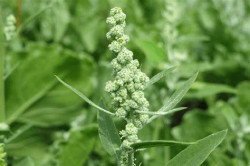
Chenopodium oil is a strong-smelling essential oil from the epazote plant that was historically used to treat intestinal worms. It contains ascaridole, a compound that is quite toxic, and overdoses have caused serious harm, so it is no longer recommended for internal use. Safer modern deworming medicines exist, so talk with a pharmacist or doctor before using this oil.
About Promethazine
What Is Promethazine Used For?
Brand name: Phenergan
Promethazine treats a range of allergy problems. It also helps with motion sickness, nausea and vomiting after anesthesia or surgery, and sedation before or after surgery or during labor.
Not every form has the same uses. The oral tablets, oral solution and rectal suppositories are labeled for ongoing allergy conditions such as allergic rhinitis and hives. The injection is labeled for allergic reactions when oral therapy is impossible or contraindicated, and it also has surgery-related uses.
Other Drugs & Chenopodium Oil
Browse every other medication we’ve checked against Chenopodium Oil — both the ones with a known interaction and the ones without. Select any drug for the full detail.
No drugs match “”.
334 interactions
- Diclofenac Sodium ›
- Diltiazem ›
- Nifedipine ›
- Ibuprofen ›
- Diphenhydramine ›
- Naproxen ›
- Doxycycline ›
- Minocycline ›
- Tetracycline ›
- Hydrochlorothiazide ›
- Quinidine ›
- Glyburide ›
- Ciprofloxacin ›
- Flurbiprofen ›
- Isotretinoin ›
- Carbamazepine ›
- Diclofenac Potassium ›
- Tazarotene ›
- Trimipramine ›
- Etodolac ›
- Griseofulvin ›
- Ketoprofen ›
- Lofepramine ›
- Meloxicam ›
- Nortriptyline ›
- Ofloxacin ›
- Selegiline ›
- Topiramate ›
- Tretinoin ›
- Trichlormethiazide ›
- Aripiprazole ›
- Azithromycin ›
- Bendroflumethiazide ›
- Dapsone ›
- Desipramine ›
- Doxepin ›
- Doxycycline Hyclate ›
- Fluphenazine ›
- Hydroxyzine ›
- Interferon Alfa-2b ›
- Interferon Beta-1b ›
- Levofloxacin ›
- Lisinopril ›
- Metolazone ›
- Paroxetine ›
- Sulfasalazine ›
- Valproic Acid ›
- Acetazolamide ›
- Aminolevulinic Acid Hydrochloride ›
- Amiodarone ›
- Aripiprazole Lauroxil ›
- Brompheniramine ›
- Captopril ›
- Celecoxib ›
- Chlorpheniramine ›
- Chlorpromazine ›
- Chlorpropamide ›
- Chlorthalidone ›
- Clomipramine ›
- Clozapine ›
Showing 60 of 334 moderate interactions — see all 334 on the Chenopodium Oil page.
No interaction 2,495 drugs checked — show the list
We also checked Chenopodium Oil against these medications and found no known interaction in our sources. Open any page to confirm.
- Apixaban ›
- Levothyroxine ›
- Amlodipine ›
- Warfarin ›
- Methylphenidate ›
- Ivermectin ›
- Abemaciclib ›
- Rosuvastatin ›
- Acetaminophen ›
- Testosterone ›
- Aspirin ›
- Clopidogrel ›
- Metoprolol ›
- Escitalopram ›
- Atorvastatin ›
- Rivaroxaban ›
- Warfarin Sodium ›
- Levothyroxine, Liothyronine ›
- Tirzepatide ›
- Metformin ›
- Docusate ›
- Amlodipine Besylate ›
- Prednisone ›
- Tadalafil ›
- Propranolol ›
- Semaglutide ›
- Amphetamine ›
- Lisdexamfetamine ›
- Methamphetamine ›
- Amoxicillin ›
- Sumatriptan ›
- Valacyclovir ›
- Hydroxyurea ›
- Bupropion ›
- Methotrexate ›
- Pregabalin ›
- Gabapentin ›
- Acetaminophen, Aspirin, Caffeine ›
- Clonazepam ›
- Lamotrigine ›
- Buspirone ›
- Dextroamphetamine ›
- Acyclovir ›
- Omeprazole ›
- Duloxetine ›
- Letrozole ›
- Methylene Blue ›
- Bendamustine ›
- Acetaminophen, Butalbital, Caffeine ›
- Candesartan Cilexetil ›
- Amoxicillin, Clavulanate Potassium ›
- Acetaminophen, Codeine ›
- Aluminum Hydroxide, Aspirin, Magnesium Hydroxide ›
- Acetylsalicylic Acid ›
- Perindopril Arginine, Amlodipine ›
- Acetaminophen, Caffeine, Codeine ›
- Acetaminophen, Aspirin ›
- Insulin Degludec, Liraglutide ›
- Calcium Oxybate, Magnesium Oxybate, Potassium Oxybate, Sodium Oxybate ›
- Bisoprolol ›
Showing the 60 most looked-up of 2,495 medications checked with no known interaction — see the full Chenopodium Oil list.
Sources & How We Checked
Interaction details are evidence-graded and sourced from the Natural Medicines database. The medication overview comes from MedlinePlus.
- Natural Medicines (Therapeutic Research Center) — Evidence-graded clinical reference for vitamins, herbs and supplements — the basis for our interaction data.
- MedlinePlus, U.S. National Library of Medicine — NIH consumer drug information, used for the medication overviews.
- NIH Dietary Supplement Label Database (DSLD) — Official supplement product labels.
Content is written and reviewed by licensed HelloPharmacist pharmacists. See our data sources and editorial standards for how this information is built and checked.
Parts of this content are provided by the Therapeutic Research Center, LLC.
DISCLAIMER: Currently this does not check for drug-drug interactions. This is not an all-inclusive comprehensive list of potential interactions and is for informational purposes only. Not all interactions are known or well-reported in the scientific literature, and new interactions are continually being reported. Input is needed from a qualified healthcare provider including a pharmacist before starting any therapy. Application of clinical judgment is necessary.
© 2021 Therapeutic Research Center, LLC
Taking Chenopodium Oil and Promethazine Together: Common Questions
Can you take Chenopodium Oil with Promethazine?
How serious is the Chenopodium Oil and Promethazine interaction?
Written and reviewed by the HelloPharmacist editorial staff. Our editorial policy
Still Have a Question About Promethazine and Chenopodium Oil?
Our pharmacists answer your medication & supplement questions — free.
This information is for education only and is not a substitute for professional medical advice. Always check with your pharmacist or doctor before starting, stopping, or combining supplements and medications.