
Methylene Blue + Methylphenidate
Methylphenidate brand names: Ritalin, Ritalin-SR, Concerta, Methylin, Metadate, and others.
Methylene Blue has a moderate interaction with Methylphenidate. Combining serotonergic drugs with methylene blue can cause additive serotonergic effects, including serotonin syndrome.
Read the full interaction reportMethylene Blue and Methylphenidate
Here is the interaction we found between these two, with the evidence behind it.
Serotonergic Drugs
Why this applies to Methylphenidate
Methylphenidate falls under Serotonergic Drugs — the group Methylene Blue interacts with.
Interaction has been documented in animal or in lab research, or the interaction has been documented in humans but is limited to case reports or conflicting clinical research exists.

Here's the concern with pairing methylene blue and your ADHD medicine methylphenidate. Methylene blue acts like a monoamine oxidase inhibitor (an MAOI), meaning it blocks an enzyme that normally clears brain chemicals like serotonin, dopamine, and norepinephrine. Methylphenidate already boosts those same signals, so putting the two together can let them pile up too much. That raises the risk of a reaction called serotonin syndrome, with symptoms like agitation, a racing heart, high blood pressure, sweating, shakiness, or confusion.
The most serious cases (some fatal) happened with methylene blue given by IV. It hasn't been reported with the oral kind, so the real-world risk from a swallowed supplement is likely lower. Still, this is a combo worth avoiding. Please check with your pharmacist or doctor before mixing them.
What These Ratings Mean
Every interaction above is graded three ways — here’s the key to each label.
Clinically significant. Avoid the combination, or use only under close professional supervision.
Usually worth avoiding or managing — may need monitoring, a dose change, or timing apart.
Generally not serious. Be aware of it and mention it to your pharmacist.
- LikelyWell-controlled human studies have demonstrated the likely existence of this interaction.
- ProbableInteraction has not been documented in well-controlled studies, however, the interaction has been demonstrated in some small human studies or in controlled animal studies in conjunction with multiple case reports.
- PossibleInteraction has been documented in animal or in lab research, or the interaction has been documented in humans but is limited to case reports or conflicting clinical research exists.
- UnlikelyInteraction has been demonstrated in animal or in lab research but has been shown not to occur in humans.
- AHigh-quality meta-analysis (quantitative systematic review).
- BCase-control study.
- CConsensus.
- DAnecdotal evidence.
These ratings are for information only. Never start, stop, or otherwise change your therapy before speaking with your provider.
Methylene Blue Also Interacts With Other Medications
Methylene Blue has 314 moderate known drug interactions in our database — the Methylphenidate one above is one of them. If you take anything else, check it against the full list below.
Check Another of Your Medications Against Methylene Blue
We haven’t checked that one against Methylene Blue yet — ask our pharmacists directly.
Covers the 2,830 medications we’ve checked against Methylene Blue. Pick one to open its full report.
Questions About Methylene Blue or Methylphenidate
These are real questions from readers, answered by the pharmacists at HelloPharmacist — written by a person, not generated from a database. Each one covers Methylene Blue or Methylphenidate, not necessarily both, but if one is close to what you were about to ask it will usually go further than a database entry can:
- Safety of Combining Methylene Blue with L-Glutamine ›
- Can You Take L-Theanine With Methylphenidate? ›
- Is Focalin Available In A Liquid Or Chewable Dosage Form? ›
- Can Vyvanse Chewable Tablets Be Crushed? ›
Not quite your question? Ask our pharmacists directly — it is free, there is no account required, and answers usually come back within 24 hours.
See Every Supplement That Interacts With Methylphenidate
This page covers Methylene Blue only. If you take other supplements — a multivitamin, a sleep aid, something for joints — the Methylphenidate page lists 85 supplements it has a documented interaction with, worst first, each one explained.
The most serious there right now: Activated Charcoal (major), Ephedra (major), Lithium (major), Peyote (major) and Rauvolfia Vomitoria (major).
By severity: 6 major · 64 moderate · 15 minor.
From our pharmacist’s overview on the Methylphenidate page
“Methylphenidate (Ritalin, Concerta, Metadate) is itself a stimulant, and that one fact shapes most of this list. The largest cluster of interacting supplements adds a second stimulant on top of it, from ephedra and its relatives to everyday caffeine sources like coffee and green tea, which can push heart rate and blood pressure higher…”
Reviewed by 2 · Jul 18, 2026
Where Methylene Blue and Methylphenidate Sit Against Everything Else
Out of every supplement and medication people look up on HelloPharmacist, here is where these two land this week — and which way each has been moving.
#506 of 1,452 supplements looked up here in the last 7 days
#4 of 2,830 medications looked up here in the last 7 days
Position among everything looked up on this site, not a measure of how commonly either one is used or how important it is. A supplement can climb this list because of a news story. It counts every request to the page, automated ones included, and nothing here identifies anyone.
About Methylene Blue
What is Methylene Blue?
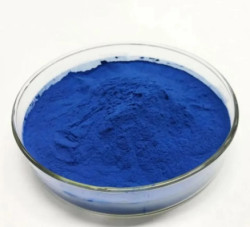
- Methemoglobinemia (a blood disorder)
- Claimed energy or mental focus support
- Anti-aging or longevity claims
- Antimicrobial or antimalarial uses (historical)
- Dye for medical and lab procedures
Methylene blue is a synthetic dye that is an FDA-approved prescription medicine for a rare blood disorder called methemoglobinemia, and it is also used as a diagnostic dye. Its popular use as a supplement for energy, brain health, or anti-aging is not well supported by solid human evidence, and it can cause serious side effects. Talk to a pharmacist or doctor before using it, and never take non-pharmaceutical or industrial-grade products.
About Methylphenidate
What Is Methylphenidate Used For?
Brand names: Ritalin, Ritalin-SR, Concerta, Methylin, Metadate, Metadate CD, Methylin ER, Ritalin LA, Aptensio XR, Quillivant Xr, Cotempla XR-ODT, Jornay PM, Relexxii
Methylphenidate is used to treat Attention Deficit Hyperactivity Disorder (ADHD) — a condition marked by inattention, hyperactivity, and impulsivity that interferes with daily life at home, school, or work. It is available in many forms (oral tablets, capsules, liquid, chewable tablets, orally disintegrating tablets, and a skin patch), and each formulation has its own specific approved age range.
Some oral extended-release tablet formulations are also approved to treat narcolepsy (a sleep disorder causing excessive daytime sleepiness). The oral solution and chewable tablets are indicated for children with ADHD as part of a broader treatment program that may include counseling and educational support. Not every formulation is approved for every age group or condition — check with your prescriber or pharmacist for the specifics of your product.
Other Drugs & Methylene Blue
Browse every other medication we’ve checked against Methylene Blue — both the ones with a known interaction and the ones without. Select any drug for the full detail.
No drugs match “”.
314 interactions
- Diphenhydramine ›
- Glycopyrrolate ›
- Fentanyl ›
- Oxybutynin ›
- Carbamazepine ›
- Dextromethorphan ›
- Ipratropium ›
- Phenylephrine ›
- Procainamide ›
- Trimipramine ›
- Buprenorphine ›
- Dimenhydrinate ›
- Lofepramine ›
- Nortriptyline ›
- Procyclidine ›
- Selegiline ›
- Sumatriptan Succinate ›
- Amantadine ›
- Aripiprazole ›
- Cyclobenzaprine ›
- Desipramine ›
- Doxepin ›
- Duloxetine ›
- Fluphenazine ›
- Hydroxyzine ›
- Hyoscyamine ›
- Meclizine ›
- Metoclopramide ›
- Paroxetine ›
- Phenobarbital ›
- Prucalopride ›
- Scopolamine ›
- Tramadol ›
- Trihexyphenidyl ›
- Trospium ›
- Valproic Acid ›
- Vortioxetine ›
- Almotriptan ›
- Aripiprazole Lauroxil ›
- Atropine Sulfate ›
- Benztropine ›
- Biperiden ›
- Chlorpheniramine ›
- Chlorpromazine ›
- Clomipramine ›
- Clozapine ›
- Desvenlafaxine ›
- Dexchlorpheniramine ›
- Dihydroergotamine ›
- Disopyramide Phosphate ›
- Fluoxetine ›
- Granisetron ›
- Hyoscine Butylbromide ›
- Imipramine ›
- Linezolid ›
- Lithium Carbonate (prescription Drug) ›
- Loperamide ›
- Loxapine ›
- Meperidine ›
- Methylene Blue ›
Showing 60 of 314 moderate interactions — see all 314 on the Methylene Blue page.
No interaction 2,515 drugs checked — show the list
We also checked Methylene Blue against these medications and found no known interaction in our sources. Open any page to confirm.
- Apixaban ›
- Levothyroxine ›
- Amlodipine ›
- Warfarin ›
- Losartan Potassium ›
- Testosterone ›
- Ivermectin ›
- Abemaciclib ›
- Metoprolol ›
- Aspirin ›
- Acetaminophen ›
- Rosuvastatin ›
- Rivaroxaban ›
- Clopidogrel ›
- Atorvastatin ›
- Tadalafil ›
- Docusate ›
- Tirzepatide ›
- Ibuprofen ›
- Hydroxyurea ›
- Warfarin Sodium ›
- Valacyclovir ›
- Semaglutide ›
- Prednisone ›
- Propranolol ›
- Metformin ›
- Lisinopril ›
- Amoxicillin ›
- Isotretinoin ›
- Methotrexate ›
- Amlodipine Besylate ›
- Bendamustine ›
- Bupropion ›
- Amphetamine ›
- Doxycycline ›
- Acyclovir ›
- Azithromycin ›
- Lamotrigine ›
- Pregabalin ›
- Gabapentin ›
- Acetaminophen, Codeine ›
- Clonazepam ›
- Levothyroxine, Liothyronine ›
- Naproxen ›
- Omeprazole ›
- Letrozole ›
- Ciprofloxacin ›
- Bisoprolol ›
- Candesartan Cilexetil ›
- Acetaminophen, Aspirin, Caffeine ›
- Acetaminophen, Oxycodone ›
- Amoxicillin, Clavulanate Potassium ›
- Diazepam ›
- Dapsone ›
- Acetaminophen, Dextromethorphan, Doxylamine ›
- Cyclopentolate ›
- Atorvastatin Calcium ›
- Cephalexin ›
- Acetaminophen, Caffeine, Codeine ›
- Mannitol ›
Showing the 60 most looked-up of 2,515 medications checked with no known interaction — see the full Methylene Blue list.
Sources & How We Checked
Interaction details are evidence-graded and sourced from the Natural Medicines database. The medication overview comes from MedlinePlus.
- Natural Medicines (Therapeutic Research Center) — Evidence-graded clinical reference for vitamins, herbs and supplements — the basis for our interaction data.
- MedlinePlus, U.S. National Library of Medicine — NIH consumer drug information, used for the medication overviews.
- NIH Dietary Supplement Label Database (DSLD) — Official supplement product labels.
Content is written and reviewed by licensed HelloPharmacist pharmacists. See our data sources and editorial standards for how this information is built and checked.
Parts of this content are provided by the Therapeutic Research Center, LLC.
DISCLAIMER: Currently this does not check for drug-drug interactions. This is not an all-inclusive comprehensive list of potential interactions and is for informational purposes only. Not all interactions are known or well-reported in the scientific literature, and new interactions are continually being reported. Input is needed from a qualified healthcare provider including a pharmacist before starting any therapy. Application of clinical judgment is necessary.
© 2021 Therapeutic Research Center, LLC
Taking Methylene Blue and Methylphenidate Together: Common Questions
Can you take Methylene Blue with Methylphenidate?
How serious is the Methylene Blue and Methylphenidate interaction?
Written and reviewed by the HelloPharmacist editorial staff. Our editorial policy
Still Have a Question About Methylphenidate and Methylene Blue?
Our pharmacists answer your medication & supplement questions — free.
This information is for education only and is not a substitute for professional medical advice. Always check with your pharmacist or doctor before starting, stopping, or combining supplements and medications.