
Drug & Supplement Interactions
Methylene Blue + Phenylephrine
Brand names of Phenylephrine
- Children's Sudafed PE Nasal Decongestant
- Lusonal
- PediaCare Children's Decongestant
- Sudafed PE Congestion
- Suphedrin PE
- Sudafed PE
- Wal-Four
- Wal-Phed PE
- Neo-Synephrine
- Rhinall
- Mydfrin
- Sudo-Tab
- All 19 brand names

Medically reviewed by Dr. Brian Staiger, PharmD, BCPS
Also reviewed by the HelloPharmacist Editorial Team
Updated November 2026Details about this page
- Pair last verified Nov 15, 2026
- Dr. Brian Staiger, PharmD, BCPS, is a clinical pharmacist and pharmacotherapy specialist.
- Editorial policy
- Our sources →
AI is used only to summarize verified clinical information, never the open internet. Our AI policy
Combining serotonergic drugs with methylene blue can cause additive serotonergic effects, including serotonin syndrome. Of the 2 interaction records for this pair, the most serious is rated moderate.
This also applies to Children's Sudafed PE Nasal Decongestant, Lusonal, PediaCare Children's Decongestant and other brand names of phenylephrine.
Read the Full Interaction Report
Dr. Brian Staiger, PharmD, Explains
What This Interaction Means for You
Why it happens, what you might notice and what to do, in plain words.1-minute read
- Moderate
- Possible
- 2
- C
Ask a Question About This Combination
Ask in your own words about taking Methylene Blue with Phenylephrine. The answer comes from this page’s own records.
AI answers from this page’s interaction records and our own drug and supplement information, never the open internet. AI can make mistakes, so always check with your doctor or pharmacist. How we use AI
Methylene Blue and Phenylephrine Interaction
2 interaction records apply to these two. Each one is explained separately below.
Why Are There 2 Interaction Records?
We file Methylene Blue’s interactions under single medicines and under categories of medicines that share an effect. Phenylephrine is named in, or belongs to, 2 of them, so 2 records apply. They can describe the same effect, so they are not 2 separate risks. We’ve listed each one below; the most serious of them (Moderate) sets the overall rating.
Methylene Blue With Serotonergic Drugs
Why this applies to Phenylephrine
- The SupplementMethylene Blue
- Interacts With the CategorySerotonergic Drugs
- Which IncludesPhenylephrine
We sort drugs into categories. Phenylephrine is in our Serotonergic Drugs category, and Methylene Blue interacts with every drug in it, so this interaction applies to Phenylephrine.
Interaction Details Explained
- Severity
- ModerateUse caution: it may call for monitoring, timing changes or a dose change.
- Likelihood
- PossibleSeen in lab or animal research, or in people only in case reports or mixed results.
- Evidence
- Grade CBased on the agreement of experts.
Here's the thing to know about pairing these two. Methylene blue acts like a monoamine oxidase (MAO) inhibitor, meaning it blocks an enzyme that normally breaks down certain messenger chemicals in your body. Phenylephrine, the decongestant in products like Sudafed PE, raises blood pressure by tightening blood vessels. When an MAO inhibitor is on board, that pressure-raising effect can get exaggerated, so you could see a spike in blood pressure, a pounding headache, or a racing feeling.
The most serious warnings come from injected methylene blue, not the oral supplement form, so the real-world risk from a pill is less clear. Still, this combo isn't worth guessing at. Please check with your pharmacist or doctor before using them together.
Still have a question about this interaction?
Contact Dr. Brian directlyMethylene Blue With Serotonergic Drugs
Phenylephrine is also in our Serotonergic Drugs category.
Interaction Details Explained
Methylene blue inhibits monoamine oxidase A. Intravenous or intrapulmonary use has resulted in serotonin syndrome, including reported fatalities, in patients taking some serotonergic drugs. This effect has not been reported with oral methylene blue. However, tell patients to avoid taking methylene blue with serotonergic drugs.
- Severity
- ModerateUse caution: it may call for monitoring, timing changes or a dose change.
- Likelihood
- PossibleSeen in lab or animal research, or in people only in case reports or mixed results.
- Evidence
- Grade CBased on the agreement of experts.
Our records place phenylephrine (Sudafed PE) in a group of drugs that may not mix well with methylene blue, rated moderate. Phenylephrine is not a prodrug, and it is not a typical serotonin medicine. The more realistic concern is that methylene blue blocks an enzyme called MAO-A, which normally helps clear phenylephrine. If that enzyme is slowed, phenylephrine could build up and act stronger. That might mean a pounding heartbeat, higher blood pressure, headache, or feeling jittery.
The serious reactions on record came from IV methylene blue, not oral doses. Still, the advice is to avoid the combination. Please check with your pharmacist or doctor before using both, especially if you have high blood pressure or heart concerns.
Still have a question about this interaction?
Contact Dr. Brian directlyReferences 26 sources behind this record
- Honoré PJ, Deianova N, Loret G, Hemelsoet D. An easily overlooked cause of toxic encephalopathy: methylene blue in a patient on an SSRI. Acta Neurol Belg 2018;118(1):121-122. PubMed
- Honoré PJ, Deianova N, Loret G, Hemelsoet D. An easily overlooked cause of toxic encephalopathy: methylene blue in a patient on an SSRI. Acta Neurol Belg 2018;118(1):121-122. PubMed
- Huang WH, Li MJ. Postoperative Serotonin Syndrome Following Administration of Preoperative Intrapulmonary Methylene Blue and Intraoperative Granisetron: A Case Report. Am J Case Rep 2022;23:e936317. PubMed
- Huang WH, Li MJ. Postoperative Serotonin Syndrome Following Administration of Preoperative Intrapulmonary Methylene Blue and Intraoperative Granisetron: A Case Report. Am J Case Rep 2022;23:e936317. PubMed
- Basta MN. Postoperative Serotonin Syndrome Following Methylene Blue Administration for Vasoplegia After Cardiac Surgery: A Case Report and Review of the Literature. Semin Cardiothorac Vasc Anesth 2021;25(1):51-56. PubMed
- Basta MN. Postoperative Serotonin Syndrome Following Methylene Blue Administration for Vasoplegia After Cardiac Surgery: A Case Report and Review of the Literature. Semin Cardiothorac Vasc Anesth 2021;25(1):51-56. PubMed
- Gilbert B, Akamune IE. A Case of Serotonin Syndrome Caused by the Concomitant Utilization of Methylene Blue and Venlafaxine in an Oncological Patient. J Pharm Pract 2020;33(5):705-707. PubMed
- Gilbert B, Akamune IE. A Case of Serotonin Syndrome Caused by the Concomitant Utilization of Methylene Blue and Venlafaxine in an Oncological Patient. J Pharm Pract 2020;33(5):705-707. PubMed
- Hashmi AT, Gupta SS, Shankar S, Seneviratne C, Yoon TS, Kupfer Y. Life-Threatening Serotonin Syndrome Due to Methylene Blue-Citalopram Interaction. Am J Ther 2019;26(6):e740-e741. PubMed
- Hashmi AT, Gupta SS, Shankar S, Seneviratne C, Yoon TS, Kupfer Y. Life-Threatening Serotonin Syndrome Due to Methylene Blue-Citalopram Interaction. Am J Ther 2019;26(6):e740-e741. PubMed
- Francescangeli J, Vaida S, Bonavia AS. Perioperative Diagnosis and Treatment of Serotonin Syndrome Following Administration of Methylene Blue. Am J Case Rep 2016;17:347-51. PubMed
- Francescangeli J, Vaida S, Bonavia AS. Perioperative Diagnosis and Treatment of Serotonin Syndrome Following Administration of Methylene Blue. Am J Case Rep 2016;17:347-51. PubMed
- Hencken L, To L, Ly N, Morgan JA. Serotonin Syndrome Following Methylene Blue Administration for Vasoplegic Syndrome. J Card Surg 2016;31(4):208-10. PubMed
- Hencken L, To L, Ly N, Morgan JA. Serotonin Syndrome Following Methylene Blue Administration for Vasoplegic Syndrome. J Card Surg 2016;31(4):208-10. PubMed
- Wolvetang T, Janse R, Ter Horst M. Serotonin Syndrome After Methylene Blue Administration During Cardiac Surgery: A Case Report and Review. J Cardiothorac Vasc Anesth 2016;30(4):1042-5. PubMed
- Wolvetang T, Janse R, Ter Horst M. Serotonin Syndrome After Methylene Blue Administration During Cardiac Surgery: A Case Report and Review. J Cardiothorac Vasc Anesth 2016;30(4):1042-5. PubMed
- Smith CJ, Wang D, Sgambelluri A, Kramer RS, Gagnon DJ. Serotonin syndrome following methylene blue administration during cardiothoracic surgery. J Pharm Pract 2015;28(2):207-11. PubMed
- Smith CJ, Wang D, Sgambelluri A, Kramer RS, Gagnon DJ. Serotonin syndrome following methylene blue administration during cardiothoracic surgery. J Pharm Pract 2015;28(2):207-11. PubMed
- Top WM, Gillman PK, de Langen CJ, Kooy A. Fatal methylene blue associated serotonin toxicity. Neth J Med 2014;72(3):179-81.
- Top WM, Gillman PK, de Langen CJ, Kooy A. Fatal methylene blue associated serotonin toxicity. Neth J Med 2014;72(3):179-81.
- McDonnell AM, Rybak I, Wadleigh M, Fisher DC. Suspected serotonin syndrome in a patient being treated with methylene blue for ifosfamide encephalopathy. J Oncol Pharm Pract 2012;18(4):436-9. PubMed
- McDonnell AM, Rybak I, Wadleigh M, Fisher DC. Suspected serotonin syndrome in a patient being treated with methylene blue for ifosfamide encephalopathy. J Oncol Pharm Pract 2012;18(4):436-9. PubMed
- Grubb KJ, Kennedy JL, Bergin JD, Groves DS, Kern JA. The role of methylene blue in serotonin syndrome following cardiac transplantation: a case report and review of the literature. J Thorac Cardiovasc Surg 2012;144(5):e113-6. PubMed
- Grubb KJ, Kennedy JL, Bergin JD, Groves DS, Kern JA. The role of methylene blue in serotonin syndrome following cardiac transplantation: a case report and review of the literature. J Thorac Cardiovasc Surg 2012;144(5):e113-6. PubMed
- US Food and Drug Administration (FDA). PROVAYBLUE® (methylene blue) Prescribing Information. January 2024. Available at: https://www.accessdata.fda.gov/drugsatfda_docs/label/2024/204630s021lbl.pdf. Accessed July 16, 2025
- US Food and Drug Administration (FDA). PROVAYBLUE® (methylene blue) Prescribing Information. January 2024. Available at: https://www.accessdata.fda.gov/drugsatfda_docs/label/2024/204630s021lbl.pdf. Accessed July 16, 2025
Pharmacist Q&AYou ask. We answer.
Questions Our Pharmacists Have Answered About Methylene Blue and Phenylephrine
Real questions from readers, each answered by a licensed pharmacist at HelloPharmacist, written by a person and not generated from a database. An answer is written for the reader who asked and their situation, so read it for what to ask your own pharmacist rather than as a plan to follow.
Each one covers Methylene Blue or Phenylephrine, not necessarily both.
-
Answered by Dr. Brian Staiger, PharmD · September 2026
-
The pharmacist says
Versions of DayQuil and NyQuil that contain phenylephrine, a decongestant, can raise blood pressure and work against perindopril.
Answered by Dr. Brian Staiger, PharmD · October 2026 -
Johnwick asked Safety of Combining Methylene Blue with L-GlutamineThe pharmacist says
L-glutamine and methylene blue do not interact with each other and can be taken together in the morning.
Answered by Dr. Brian Staiger, PharmD · July 2026 -
Sinus pressure asked Nasacort vs. Flonase: Which Is More Likely to Cause Insomnia?The pharmacist says
Neither Nasacort nor Flonase are known for causing insomnia, though insomnia is a recognized side effect of systemic steroids. Flonase is absorbed into the body far less than Nasacort, making it the less likely choice if you experience sleep trouble with nasal steroids. If you notice sleep problems after starting a nasal spray, consider whether you're using a decongestant spray or other stimulating medication, or whether timing your dose in the morning instead of at bedtime might help.
Answered by Dr. Brian Staiger, PharmD · September 2026
Your Whole Routine
Your Other Medicines and Supplements
Methylene Blue Also Interacts With Other Medications
Besides Phenylephrine, Methylene Blue has 314 moderate known drug interactions in our database. If you take anything else, check it against the full list below.
Check Another of Your Medications Against Methylene Blue
We haven’t checked that one against Methylene Blue yet — ask our pharmacists directly.
Covers the 2,830 medications we’ve checked against Methylene Blue. Pick one to open its full report.
See Every Supplement That Interacts With Phenylephrine
Take other supplements too? 81 supplements have a documented interaction with Phenylephrine, each explained on its page.
By severity: 6 major, 60 moderate and 15 minor.
The Most Serious There Right Now:
- Activated Charcoal and PhenylephrineMajor
- Ephedra and PhenylephrineMajor
- Lithium and PhenylephrineMajor
- Peyote and PhenylephrineMajor
- Rauvolfia Vomitoria and PhenylephrineMajor
Get to Know Each One
About Methylene Blue and Phenylephrine
About Methylene Blue
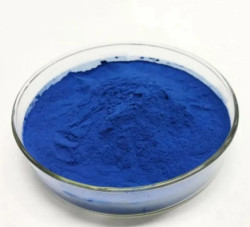
Methylene blue is a synthetic dye that is an FDA-approved prescription medicine for a rare blood disorder called methemoglobinemia, and it is also used as a diagnostic dye. Its popular use as a supplement for energy, brain health, or anti-aging is not well supported by solid human evidence, and it can cause serious side effects. Talk to a pharmacist or doctor before using it, and never take non-pharmaceutical or industrial-grade products.
About Phenylephrine
Brand names: Children's Sudafed PE Nasal Decongestant, Lusonal, PediaCare Children's Decongestant, Sudafed PE Congestion, Suphedrin PE, Sudafed PE, Wal-Four, Wal-Phed PE, Neo-Synephrine, Rhinall, Mydfrin, Sudo-Tab, Nasop, Vazculep, Little Noses Decongestant, Biorphen, Gilchew, AH Chew D, Gilchew IR
Phenylephrine is used in several different ways, and each product has its own use.
More to Explore
More Pairs and Interactions to Check
More Pairs Like Methylene Blue and Phenylephrine
Other drugs in the category this interaction applies to, and other supplements people check with Phenylephrine.
Also in Our Serotonergic Drugs Category
Methylene Blue interacts with every drug in this category, so each of these has the same interaction. The category is about a shared effect, not about being the same kind of medicine.
- SertralineModerate›
- EscitalopramModerate›
- MethylphenidateModerate›
- FluoxetineModerate›
- LisdexamfetamineModerate›
- AmitriptylineModerate›
Show all 16 drugs in this categoryShow fewer
167 more in this category are on the Methylene Blue interactions list.
Other Supplements With Phenylephrine
The most serious documented interactions with Phenylephrine first, then supplements with none on record, the most looked-up leading.
- Sida CordifoliaMajor›
- Green TeaModerate›
- CaffeineModerate›
- CoffeeModerate›
- St. John's WortModerate›
- Acetyl-l-carnitineModerate›
Show all 25 supplementsShow fewer
- Slippery ElmModerate›
- 5-htpModerate›
- Black SeedModerate›
- GuaranaModerate›
- YohimbeModerate›
- GarciniaModerate›
- Black CohoshModerate›
- PsilocybinModerate›
- KratomModerate›
- Green CoffeeModerate›
- Syrian RueModerate›
- 1,3-dmaaModerate›
- 1,3-dmbaModerate›
- Vitamin CNo Known Interaction›
- CalciumNo Known Interaction›
- Vitamin B6No Known Interaction›
- Malic AcidNo Known Interaction›
- MallowNo Known Interaction›
- ManacaNo Known Interaction›
Other Drugs & Methylene Blue
Browse every other medication we’ve checked against Methylene Blue — both the ones with a known interaction and the ones without. Select any drug for the full detail.
No drugs match “”.
Also checked against Methylene Blue
Moderate: 314 interactions
- Diphenhydramine ›
- Methylphenidate ›
- Glycopyrrolate ›
- Fentanyl ›
- Oxybutynin ›
- Carbamazepine ›
- Dextromethorphan ›
- Ipratropium ›
- Procainamide ›
- Trimipramine ›
- Buprenorphine ›
- Dimenhydrinate ›
- Lofepramine ›
- Nortriptyline ›
- Procyclidine ›
- Selegiline ›
- Sumatriptan Succinate ›
- Amantadine ›
- Aripiprazole ›
- Cyclobenzaprine ›
- Desipramine ›
- Doxepin ›
- Duloxetine ›
- Fluphenazine ›
- Hydroxyzine ›
- Hyoscyamine ›
- Meclizine ›
- Metoclopramide ›
- Paroxetine ›
- Phenobarbital ›
- Prucalopride ›
- Scopolamine ›
- Tramadol ›
- Trihexyphenidyl ›
- Trospium ›
- Valproic Acid ›
- Vortioxetine ›
- Almotriptan ›
- Aripiprazole Lauroxil ›
- Atropine Sulfate ›
- Benztropine ›
- Biperiden ›
- Chlorpheniramine ›
- Chlorpromazine ›
- Clomipramine ›
- Clozapine ›
- Desvenlafaxine ›
- Dexchlorpheniramine ›
- Dihydroergotamine ›
- Disopyramide Phosphate ›
- Fluoxetine ›
- Granisetron ›
- Hyoscine Butylbromide ›
- Imipramine ›
- Linezolid ›
- Lithium Carbonate (prescription Drug) ›
- Loperamide ›
- Loxapine ›
- Meperidine ›
- Methylene Blue ›
Showing 60 of 314 moderate interactions — see all 314 on the Methylene Blue page.
No Interaction 2,515 drugs checked — show the list
We also checked Methylene Blue against these medications and found no known interaction in our sources. Open any page to confirm.
- Apixaban ›
- Warfarin ›
- Levothyroxine ›
- Amlodipine ›
- Clopidogrel ›
- Rosuvastatin ›
- Aspirin ›
- Losartan Potassium ›
- Atorvastatin ›
- Levothyroxine and Liothyronine ›
- Warfarin Sodium ›
- Rivaroxaban ›
- Metformin ›
- Metoprolol ›
- Tirzepatide ›
- Semaglutide ›
- Tadalafil ›
- Ibuprofen ›
- Ivermectin ›
- Testosterone ›
- Amoxicillin ›
- Prednisone ›
- Acetaminophen ›
- Amphetamine ›
- Isotretinoin ›
- Azithromycin ›
- Abemaciclib ›
- Methotrexate ›
- Propranolol ›
- Pregabalin ›
- Bacitracin, Neomycin, Polymyxin B, and Hydrocortisone ›
- Bacitracin, Neomycin, Polymyxin B, and Lidocaine ›
- Bazedoxifene Acetate and Conjugated Estrogens ›
- Belladona Extract and Phenobarbital ›
- Bellafoline, Caffeine, Ergotamine Tartrate, and Pentobarbital ›
- Bellafoline and Phenobarbital ›
- Bempedoic Acid and Ezetimibe ›
- Bempedoic Acid and ezetimibe ›
- Benactyzine and Meprobamate ›
- Benazepril and Hydrochlorothiazide ›
- Bendroflumethiazide and Nadolol ›
- Bendroflumethiazide and Potassium ›
- Bendroflumethiazide and Rauwolfia Serpentina ›
- Benoxinate Hydrochloride and Fluorescein Sodium ›
- Benserazide and Levodopa ›
- Benzocaine and Cetylpyridinium Chloride ›
- Benzocaine, Tetracaine, and Butamben ›
- Benzoyl Peroxide and Erythromycin ›
- Betamethasone Dipropionate and Calcipotriene ›
- Bisacodyl and Docusate ›
- Bismuth Subcarbonate, Calcium Carbonate, and Opium ›
- Bismuth Subcarbonate, Kaolin, and Opium ›
- Brimonidine Tartrate and Brinzolamide ›
- Brompheniramine, Phenylephrine, and Phenylpropanolamine ›
- Brompheniramine, Phenylephrine, and Phenyltoloxamine ›
- Brompheniramine and Phenylpropanolamine ›
- Brompheniramine and Pseudoephedrine ›
- Budesonide and Formoterol ›
- Bumetanide and Potassium ›
- Bupivacaine and Meloxicam ›
Showing 60 of the 2,515 medications checked with no known interaction, the most looked-up first — see the full Methylene Blue list.
Where Methylene Blue and Phenylephrine Sit Against Everything Else
Out of every supplement and medication people look up on HelloPharmacist, here is where these two land this week — and which way each has been moving.
#1,135 of 1,458 supplements looked up here in the last 7 days
#556 of 2,830 medications looked up here in the last 7 days
A rank of lookups on this site, not of how often either one is used. It counts every visit, automated ones included, and identifies no one.
Questions and Sources
Common Questions and Where This Comes From
Taking Methylene Blue and Phenylephrine Together: Common Questions
Can you take Methylene Blue with Phenylephrine?
Can you take Methylene Blue with Children's Sudafed PE Nasal Decongestant?
Why are there 2 interaction records for Methylene Blue and Phenylephrine?
How serious is the Methylene Blue and Phenylephrine interaction?
Written and reviewed by the HelloPharmacist Editorial Team. Our editorial policy
Sources & How We Checked
Interaction details are evidence-graded and sourced from the Natural Medicines database. The medication overview comes from MedlinePlus.
- Natural Medicines (Therapeutic Research Center) — Evidence-graded clinical reference for vitamins, herbs and supplements — the basis for our interaction data.
- MedlinePlus, U.S. National Library of Medicine — NIH consumer drug information, used for the medication overviews.
- NIH Dietary Supplement Label Database (DSLD) — Official supplement product labels.
Content is reviewed by the HelloPharmacist Editorial Team, the pharmacists on our staff and those we contract. See our data sources and editorial standards for how this information is built and checked.
Parts of this content are provided by the Therapeutic Research Center, LLC.
DISCLAIMER: Currently this does not check for drug-drug interactions. This is not an all-inclusive comprehensive list of potential interactions and is for informational purposes only. Not all interactions are known or well-reported in the scientific literature, and new interactions are continually being reported. Input is needed from a qualified healthcare provider including a pharmacist before starting any therapy. Application of clinical judgment is necessary.
© 2021 Therapeutic Research Center, LLC
What Our Interaction Ratings Mean
Every interaction on this page is rated three ways: how serious it is, how likely it is to happen, and how strong the research behind it is.
See what each rating means
Severity: How Serious Is It?
How clinically significant the interaction is: how much it could affect your health or your treatment.
- MajorClinically significant. Best to avoid the combination, or use only under close professional supervision.
- ModerateBe cautious. The combination may call for monitoring, timing changes, or a dose adjustment.
- MinorLimited clinical concern, but still worth being aware of and mentioning to your pharmacist.
- No Known InteractionNo documented interaction in our sources.
Likelihood: How Likely Is It to Happen?
How strong the proof is that the interaction really happens in people. More filled steps, stronger proof.
- LikelyShown in well-controlled studies in people.
- ProbableShown in small studies in people, or in animal studies backed by case reports.
- PossibleSeen in lab or animal research, or in people only in case reports or mixed results.
- UnlikelySeen in lab or animal research, but shown not to happen in people.
Evidence: How Strong Is the Research?
The quality of the studies behind the rating, graded from A, the strongest, to D.
- Grade AStrong: well-run randomized trials in people, or a review that pooled several of them.
- Grade BFair: smaller or less rigorous trials in people, or studies that followed or compared groups of people.
- Grade CLimited: the agreement or opinion of experts, not studies.
- Grade DWeak: reports of single cases, lab or animal research, or what is expected from how the two work.
Still Have a Question About Methylene Blue and Phenylephrine?
Our pharmacists answer your medication & supplement questions — free.
This information is for education only and is not a substitute for professional medical advice. Always check with your pharmacist or doctor before starting, stopping, or combining supplements and medications.