
Methylene Blue + Chlorpheniramine
Chlorpheniramine brand names: Chlor-Trimeton, Teldrin.
Chlorpheniramine falls into 2 drug categories that Methylene Blue can interact with; the most serious is rated moderate. Concomitant use may increase anticholinergic effects and adverse effects.
Read the full interaction reportMethylene Blue and Chlorpheniramine
These two interact in 2 distinct ways. Each one is explained separately below.
Why Are There 2 Interactions?
Methylene Blue interacts with whole categories of medication. Chlorpheniramine falls into 2 of those categories, so it can interact with Methylene Blue in 2 different ways. We’ve listed each one below — your overall risk is driven by the most serious of them (Moderate).
Anticholinergic Drugs
1 of 2Why this applies to Chlorpheniramine
Chlorpheniramine falls under Anticholinergic Drugs — the group Methylene Blue interacts with.
Interaction has been documented in animal or in lab research, or the interaction has been documented in humans but is limited to case reports or conflicting clinical research exists.

Here's the gist for Chlorpheniramine, a common allergy antihistamine. On its own, it already has mild anticholinergic (drying) properties, meaning it can cause dry mouth, blurry vision, constipation, trouble urinating, and drowsiness. Methylene blue appears to add to that same drying effect, so stacking the two could push those symptoms up a notch rather than change how the drug is broken down.
Honestly, this warning rests on a single hospital case report in a very sick patient, so it's weak, anecdotal evidence. Everyday allergy use of Chlorpheniramine is unlikely to cause trouble, but the concern grows with higher doses or other drying medicines on board. If you're considering methylene blue as a supplement, please run it by your pharmacist or doctor first.
Serotonergic Drugs
2 of 2Chlorpheniramine also falls under Serotonergic Drugs.
Interaction has been documented in animal or in lab research, or the interaction has been documented in humans but is limited to case reports or conflicting clinical research exists.
Here's the concern with pairing these two. Methylene blue acts like a monoamine oxidase (MAO) inhibitor, which means it slows the breakdown of serotonin in your body. Chlorpheniramine, while mostly known as an allergy antihistamine, also has some mild serotonin-related activity. Stacked together, they could raise serotonin levels more than expected, and in rare cases that can lead to serotonin syndrome (agitation, a racing heart, sweating, tremor, or confusion).
The good news: the serious reactions have been tied to injected or IV methylene blue, not the oral form, and the risk here is considered possible rather than likely. Chlorpheniramine can already make you drowsy or dry-mouthed on its own. I wouldn't panic, but please check with your pharmacist or doctor before combining them, especially with any methylene blue product.
What These Ratings Mean
Every interaction above is graded three ways — here’s the key to each label.
Clinically significant. Avoid the combination, or use only under close professional supervision.
Usually worth avoiding or managing — may need monitoring, a dose change, or timing apart.
Generally not serious. Be aware of it and mention it to your pharmacist.
- LikelyWell-controlled human studies have demonstrated the likely existence of this interaction.
- ProbableInteraction has not been documented in well-controlled studies, however, the interaction has been demonstrated in some small human studies or in controlled animal studies in conjunction with multiple case reports.
- PossibleInteraction has been documented in animal or in lab research, or the interaction has been documented in humans but is limited to case reports or conflicting clinical research exists.
- UnlikelyInteraction has been demonstrated in animal or in lab research but has been shown not to occur in humans.
- AHigh-quality meta-analysis (quantitative systematic review).
- BCase-control study.
- CConsensus.
- DAnecdotal evidence.
These ratings are for information only. Never start, stop, or otherwise change your therapy before speaking with your provider.
Methylene Blue Also Interacts With Other Medications
Methylene Blue has 314 moderate known drug interactions in our database — the Chlorpheniramine one above is among them. If you take anything else, check it against the full list below.
Check Another of Your Medications Against Methylene Blue
We haven’t checked that one against Methylene Blue yet — ask our pharmacists directly.
Covers the 2,830 medications we’ve checked against Methylene Blue. Pick one to open its full report.
Questions About Methylene Blue or Chlorpheniramine
These are real questions from readers, answered by the pharmacists at HelloPharmacist — written by a person, not generated from a database. Each one covers Methylene Blue or Chlorpheniramine, not necessarily both, but if one is close to what you were about to ask it will usually go further than a database entry can:
- Can I Start Methylene Blue 3 Weeks After Stopping Fluoxetine? ›
- Is Coricidin Cough & Cold Safe To Take With Lexapro? ›
- Safety of Combining Methylene Blue with L-Glutamine ›
- Taking Zyrtec With Mucinex Fast Max ›
Not quite your question? Ask our pharmacists directly — it is free, there is no account required, and answers usually come back within 24 hours.
See Every Supplement That Interacts With Chlorpheniramine
This page covers Methylene Blue only. If you take other supplements — a multivitamin, a sleep aid, something for joints — the Chlorpheniramine page lists 198 supplements it has a documented interaction with, worst first, each one explained.
The most serious there right now: Activated Charcoal (major), Grapefruit (major), Henbane (major), Lithium (major) and Scopolia (major).
By severity: 6 major · 149 moderate · 43 minor.
From our pharmacist’s overview on the Chlorpheniramine page
“An over-the-counter allergy pill sounds harmless, but chlorpheniramine (Chlor-Trimeton) has one of the longer supplement interaction lists I review, and it calls for real vigilance, with the major-rated entries the ones to understand first. Most of the list can shift how the body clears the drug: grapefruit can raise its levels while St.”
Reviewed by 2 · Jul 18, 2026
Where Methylene Blue and Chlorpheniramine Sit Against Everything Else
Out of every supplement and medication people look up on HelloPharmacist, here is where these two land this week — and which way each has been moving.
#658 of 1,452 supplements looked up here in the last 7 days
#1,171 of 2,830 medications looked up here in the last 7 days
Position among everything looked up on this site, not a measure of how commonly either one is used or how important it is. A supplement can climb this list because of a news story. It counts every request to the page, automated ones included, and nothing here identifies anyone.
About Methylene Blue
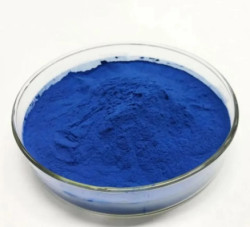
What is Methylene Blue?
- Methemoglobinemia (a blood disorder)
- Claimed energy or mental focus support
- Anti-aging or longevity claims
- Antimicrobial or antimalarial uses (historical)
- Dye for medical and lab procedures
Methylene blue is a synthetic dye that is an FDA-approved prescription medicine for a rare blood disorder called methemoglobinemia, and it is also used as a diagnostic dye. Its popular use as a supplement for energy, brain health, or anti-aging is not well supported by solid human evidence, and it can cause serious side effects. Talk to a pharmacist or doctor before using it, and never take non-pharmaceutical or industrial-grade products.
About Chlorpheniramine
What Is Chlorpheniramine Used For?
Brand names: Chlor-Trimeton, Teldrin
Chlorpheniramine temporarily relieves symptoms of hay fever (allergic rhinitis) and other upper respiratory allergies. These symptoms include sneezing, runny nose, itchy, watery eyes, and itching of the nose or throat.
It treats symptoms only. The products listed here share this same use, including the tablets, the extended-release tablets (Allergy Relief, Chlorphen-12), Ed Chlorped Jr liquid, and the ClorRelief oral sprays.
Other Drugs & Methylene Blue
Browse every other medication we’ve checked against Methylene Blue — both the ones with a known interaction and the ones without. Select any drug for the full detail.
No drugs match “”.
314 interactions
- Diphenhydramine ›
- Methylphenidate ›
- Glycopyrrolate ›
- Fentanyl ›
- Oxybutynin ›
- Carbamazepine ›
- Dextromethorphan ›
- Ipratropium ›
- Phenylephrine ›
- Procainamide ›
- Trimipramine ›
- Buprenorphine ›
- Dimenhydrinate ›
- Lofepramine ›
- Nortriptyline ›
- Procyclidine ›
- Selegiline ›
- Sumatriptan Succinate ›
- Amantadine ›
- Aripiprazole ›
- Cyclobenzaprine ›
- Desipramine ›
- Doxepin ›
- Duloxetine ›
- Fluphenazine ›
- Hydroxyzine ›
- Hyoscyamine ›
- Meclizine ›
- Metoclopramide ›
- Paroxetine ›
- Phenobarbital ›
- Prucalopride ›
- Scopolamine ›
- Tramadol ›
- Trihexyphenidyl ›
- Trospium ›
- Valproic Acid ›
- Vortioxetine ›
- Almotriptan ›
- Aripiprazole Lauroxil ›
- Atropine Sulfate ›
- Benztropine ›
- Biperiden ›
- Chlorpromazine ›
- Clomipramine ›
- Clozapine ›
- Desvenlafaxine ›
- Dexchlorpheniramine ›
- Dihydroergotamine ›
- Disopyramide Phosphate ›
- Fluoxetine ›
- Granisetron ›
- Hyoscine Butylbromide ›
- Imipramine ›
- Linezolid ›
- Lithium Carbonate (prescription Drug) ›
- Loperamide ›
- Loxapine ›
- Meperidine ›
- Methylene Blue ›
Showing 60 of 314 moderate interactions — see all 314 on the Methylene Blue page.
No interaction 2,515 drugs checked — show the list
We also checked Methylene Blue against these medications and found no known interaction in our sources. Open any page to confirm.
- Apixaban ›
- Levothyroxine ›
- Amlodipine ›
- Warfarin ›
- Ivermectin ›
- Abemaciclib ›
- Rosuvastatin ›
- Losartan Potassium ›
- Testosterone ›
- Acetaminophen ›
- Aspirin ›
- Clopidogrel ›
- Metoprolol ›
- Atorvastatin ›
- Rivaroxaban ›
- Warfarin Sodium ›
- Tirzepatide ›
- Ibuprofen ›
- Isotretinoin ›
- Levothyroxine, Liothyronine ›
- Metformin ›
- Docusate ›
- Prednisone ›
- Tadalafil ›
- Amlodipine Besylate ›
- Propranolol ›
- Semaglutide ›
- Amphetamine ›
- Lisinopril ›
- Valacyclovir ›
- Amoxicillin ›
- Hydroxyurea ›
- Bupropion ›
- Methotrexate ›
- Azithromycin ›
- Doxycycline ›
- Pregabalin ›
- Gabapentin ›
- Acetaminophen, Aspirin, Caffeine ›
- Naproxen ›
- Clonazepam ›
- Lamotrigine ›
- Acyclovir ›
- Letrozole ›
- Omeprazole ›
- Bendamustine ›
- Ciprofloxacin ›
- Acetaminophen, Butalbital, Caffeine ›
- Candesartan Cilexetil ›
- Acetaminophen, Codeine ›
- Amoxicillin, Clavulanate Potassium ›
- Aluminum Hydroxide, Aspirin, Magnesium Hydroxide ›
- Amlodipine Besylate, Benazepril ›
- Acetylsalicylic Acid ›
- Perindopril Arginine, Amlodipine ›
- Acetaminophen, Caffeine, Codeine ›
- Acetaminophen, Aspirin ›
- Bisoprolol ›
- Insulin Degludec, Liraglutide ›
- Calcium Oxybate, Magnesium Oxybate, Potassium Oxybate, Sodium Oxybate ›
Showing the 60 most looked-up of 2,515 medications checked with no known interaction — see the full Methylene Blue list.
Sources & How We Checked
Interaction details are evidence-graded and sourced from the Natural Medicines database. The medication overview comes from MedlinePlus.
- Natural Medicines (Therapeutic Research Center) — Evidence-graded clinical reference for vitamins, herbs and supplements — the basis for our interaction data.
- MedlinePlus, U.S. National Library of Medicine — NIH consumer drug information, used for the medication overviews.
- NIH Dietary Supplement Label Database (DSLD) — Official supplement product labels.
Content is written and reviewed by licensed HelloPharmacist pharmacists. See our data sources and editorial standards for how this information is built and checked.
Parts of this content are provided by the Therapeutic Research Center, LLC.
DISCLAIMER: Currently this does not check for drug-drug interactions. This is not an all-inclusive comprehensive list of potential interactions and is for informational purposes only. Not all interactions are known or well-reported in the scientific literature, and new interactions are continually being reported. Input is needed from a qualified healthcare provider including a pharmacist before starting any therapy. Application of clinical judgment is necessary.
© 2021 Therapeutic Research Center, LLC
Taking Methylene Blue and Chlorpheniramine Together: Common Questions
Can you take Methylene Blue with Chlorpheniramine?
Why are there 2 interactions listed for Methylene Blue and Chlorpheniramine?
How serious is the Methylene Blue and Chlorpheniramine interaction?
Written and reviewed by the HelloPharmacist editorial staff. Our editorial policy
Still Have a Question About Chlorpheniramine and Methylene Blue?
Our pharmacists answer your medication & supplement questions — free.
This information is for education only and is not a substitute for professional medical advice. Always check with your pharmacist or doctor before starting, stopping, or combining supplements and medications.