
SAM-e & TMG Natural Lemon Flavor Ingredients & Drug Interactions
by XYMOGEN
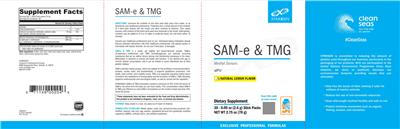
What is this page for?
First and foremost: checking SAM-e & TMG Natural Lemon Flavor against your medications. The heart of this page is the interaction checker and the full interaction report — how this product’s ingredients may interact with prescription and over-the-counter medicines you may be taking.
Around that, we add a pharmacist’s high-level view of the product as a whole — what’s inside, the evidence for its stated use, how transparent the label is, and what safety data exists — so you can see the full picture in one place. It’s educational information from our licensed clinical databases and the clinical staff at HelloPharmacist — not medical advice — and we don’t sell or endorse products. Our editorial policy
SAM-e & TMG Natural Lemon Flavor is a dietary supplement by XYMOGEN with 3 active ingredients. Its ingredients are commonly taken for high homocysteine levels, liver health (fatty liver), exercise performance and strength.Based on those ingredients, 356 medications have a known interaction with it, the most serious rated major. The ingredients most likely to interact are S-Adenosyl-L-Methionine, Calcium. Use the checker below to test your specific medication, or read the full HelloPharmacist Interaction Report.
Check Your Meds Against SAM-e & TMG Natural Lemon Flavor by XYMOGEN
Ask about any prescription or over-the-counter medication and we check it for interactions with SAM-e & TMG Natural Lemon Flavor by XYMOGEN — and tell you which ingredient is responsible.
AI summaries are generated from our interaction database for education only — always confirm with your pharmacist. How we use AI
Ask the Pharmacist
A licensed pharmacist will answer your question by email — free, usually within 24 hours.
Got it — thank you!
A licensed pharmacist will answer within 24 hours. Keep an eye on your email (worth checking spam, just in case).
HelloPharmacist Scorecard of SAM-e & TMG Natural Lemon Flavor by XYMOGEN
Our pharmacy team’s full take, with four database checks built into the cards below — a summary of what is known, not a grade of the product itself.
What’s inside
Full disclosure
This powder contains three active ingredients. Betaine anhydrous and S-Adenosyl-L-Methionine (SAMe) are compounds your body makes naturally; they support methylation, a key step in processing homocysteine and making mood chemicals and other molecules.
Calcium is a mineral essential for bone strength, muscle, and nerve function. The product also contains inactive ingredients — xylitol, citric acid, malic acid, stearic acid, silica, natural lemon flavor, and turmeric extract — that make it taste and mix well and help hold it together.
Does it work?
Strong evidence
Calcium in this product is likely effective for osteoporosis and effective for low blood calcium, weak bones in kidney disease, and heartburn. SAMe is likely effective for osteoarthritis and possibly effective for depression and a liver condition called cholestasis.
Betaine anhydrous is effective for a rare genetic condition (homocystinuria) and possibly effective for high homocysteine levels — a risk factor in heart disease — but the evidence for depression, GERD, liver disease, and colon health is too weak to rate. Because this is a combination product, what it does for you depends on why you're taking it and your own needs.
How safe is it?
Well-documented data
Calcium is generally safe at recommended doses during pregnancy and breastfeeding. SAMe is often well tolerated short-term but can cause stomach upset — nausea, diarrhea, constipation, headache, and dizziness are common — and may trigger mania in people with bipolar disorder; safety data are limited.
Betaine anhydrous is generally well tolerated but can cause body odor, nausea, vomiting, diarrhea, and general stomach trouble; there isn't enough safety data for pregnancy, and breastfeeding safety isn't well established. Very high calcium doses (over 1500–2000 mg daily from all sources) have raised theoretical concerns about kidney stones and a possible small increase in certain cancers, though the evidence is mixed and debated.
Meds to double-check
Major interaction found
Check with your pharmacist if you take HIV integrase inhibitors (dolutegravir, elvitegravir, raltegravir) — calcium in this product can lower their blood levels significantly. Also flag serotonergic antidepressants (SSRIs, SNRIs, others), levothyroxine (Synthroid), sotalol, levodopa, diltiazem, and calcipotriene cream.
These interactions are mostly Moderate severity, but the HIV drugs carry Major risk and need careful scheduling.
The bottom line
Scorecard at a glanceFully disclosed formula with clinical evidence supporting its stated purpose. Major medication interactions have been identified, and safety information is well characterized.
This product may help if you have osteoarthritis, osteoporosis, or high homocysteine — but only your doctor or pharmacist can tell if it's right for your situation. If you take any HIV medication, thyroid drug, heart medicine, antidepressant, or Parkinson's drug, talk to your pharmacist before adding this product; the timing and spacing of doses matter.
Check your exact medications using the tool on this page.
Educational only — not medical advice; always confirm with your pharmacist. Our editorial policy · How we use AI
Assessment coverage: 3 of 3 active ingredients matched to our full ingredient reviews (monographs). Based on the product label dated Sep 25, 2025.
This Scorecard evaluates available label information, ingredient evidence, and known medication-safety considerations. It does not independently verify product identity, purity, potency, contamination, or manufacturing quality. How these ratings are computed
General information
Key facts about SAM-e & TMG Natural Lemon Flavor, straight from the product label.
| Brand | XYMOGEN |
|---|---|
| Barcode (UPC) | 871149002046 |
| Net contents | 30 Stick Pack(s); 2.75 Ounce(s); 78 Gram(s) |
| Market status | On market |
| Date entered into DSLD | Sep 25, 2025 |
| DSLD ID | 335565 |
| Product type | Other Combinations |
| Supplement form | Powder |
| Dietary claims / uses | All Other, Structure/Function |
| Intended target group(s) | Vegan, Vegetarian, Adult (18 - 50 Years), No Allergies, Gluten Free, Dairy Free |
Everything in this section is reproduced from the manufacturer’s own product label — it’s the label speaking, not HelloPharmacist. We show it so you can see exactly what the maker states; we don’t verify or endorse those statements.
Supplement Facts
The label details for SAM-e & TMG Natural Lemon Flavor by XYMOGEN, sourced from the NIH Dietary Supplement Label Database.
Supplement Facts
| Ingredient | Amount | % DV |
|---|---|---|
| Calories | 5 Calorie(s) | -- |
| Total Carbohydrate | 1 Gram(s) | 1% |
| Betaine Anhydrous | 600 mg | -- |
| S-Adenosyl-L-Methionine | 400 mg | -- |
| Calcium | 75 mg | 6% |
Other ingredients: Xylitol, Citric Acid, Malic Acid, Stearic Acid, Silica, Lemon Flavor, Natural, Turmeric Extract
Tap any ingredient to jump to its full detail below.
These statements are the manufacturer’s wording, reproduced from the product label — the label is saying it, not HelloPharmacist. We don’t verify or endorse them.
Seals/Symbols
GMP compliant third-party verified
ePV (ePedigree Verification)
Brand IP Statement(s)
Copyright 2023 XYMOGEN
XYMOGEN Exclusive Professional Formulas
General Statements
This packaged is completely recyclable
30 - 0.09 oz (2.6 g) stick packs Scan this code to learn more!
Clean seas Turn the tide on plastic #CleanSeas XYMOGEN is committed to reducing the amount of plastics used throughout our business, particularly in the packaging of our products. With our participation in the United Nations Environment Programme Clean Seas initiative, we strive to positively decrease our environmental footprint, providing results that can ultimately: - Help free the ocean of litter, making it safer for millions of marine animals. - Reduce the use of non-renewable resources. - Keep wild-caught seafood healthy and safe to eat. - Protect maritime economies such as organic fishing, tourism, and recreation.
Suggested/Recommended/Usage/Directions
Directions: Consume the contents of one stick pack daily away from meals, or as directed by your healthcare professional. Preferably pour a small amount of the contents of a stick pack directly into the mouth and allow contents to dissolve. Then repeat process until contents of the entire stick pack have dissolved in the mouth. Alternatively, contents may be added to 2-4 oz of water or preferred liquid; stir and drink within 15 minutes.
Precautions
Consult your healthcare professional prior to use.
Individuals taking medication should discuss potential interactions with their healthcare professional.
Use special caution in individuals with bipolar disorder. Do not use if stick pack is damaged.
Storage: Keep closed in a cool, dry place out of reach of children.
Formula
SAM-e & TMG is a sweet, yet slightly tart lemon-flavored powder. SAM-e (S-adenosyl-L-methionine) and TMG (trimethylglycine) are naturally occurring substances that act as methyl donors during vital biochemical processes in the body. Methylation is essential to normal cell health and function. It can decline with age or chronic alcohol consumption, and it can be limited in some individuals due to their genetic makeup. SAM-e donates methyl groups, which are needed for the synthesis of neurotransmitters, proteins, nucleic acids, and phospholipids. It supports glutathione production, liver health, joint comfort, and a healthy mood. TMG is an especially important methyl donor involved in the metabolism of homocysteine and the formation of SAM-e. TMG ultimately supports cardiovascular and neurological health, as well as normal cell-life regulation. XYMOGEN’s SAM-e & TMG formulation contains a minimum of 70% of the SS isomer of SAM-e, the active form the body can use most readily. This concentration makes SAM-e & TMG cost effective as most SAM-e formulations on the market contain less than 44% active SS isomer.
Methyl donors
FDA Disclaimer Statement
These statements have not been evaluated by the Food and Drug Administration. This product is not intended to diagnose, treat, cure, or prevent any disease.
Storage
Storage: Keep closed in a cool, dry place out of reach of children.
Formulation
Formulated to exclude: Wheat, gluten, yeast, soy, animal and dairy products, fish, shellfish, peanuts, tree nuts, egg, sesame, ingredients derived from genetically modified organisms (GMOs), artificial colors, and artificial sweeteners.
FDA Statement of Identity
Dietary Supplement
Is this label outdated? Report a formula or label change and our pharmacy team will review it.
SAM-e & TMG Natural Lemon Flavor by XYMOGEN label
The label scan from the NIH Dietary Supplement Label Database. Tap to enlarge.
Label images are published by the NIH Dietary Supplement Label Database for the version of this product on file. Always read your actual product label.
View the full label (PDF)The Ingredients in SAM-e & TMG Natural Lemon Flavor by XYMOGEN
These are the 3 active ingredients this product is made of. Select any to open its full monograph.
Serving size2.6 Gram(s) Dosage formPowder Servings per container30 Amounts shown are per serving.
Most supplement products combine several ingredients, and a medication can interact with the product through any one of them. Each ingredient below shows whether it has known drug interactions.
Betaine Anhydrous
No knowninteractions
Betaine anhydrous (also called trimethylglycine) is a compound found in foods like beets, spinach, and whole grains, and is sold as a supplement and a...
Betaine Anhydrous monograph & interactionsS-Adenosyl-L-Methionine
Interacts with189 drugs
SAM-e is a compound your body makes naturally that is sold as a supplement, most often for depression and osteoarthritis. Some research suggests it ma...
S-Adenosyl-L-Methionine monograph & interactionsCalcium
Interacts with168 drugs
Calcium is an essential mineral your body needs for strong bones, nerve signaling, and muscle function, and supplements can help fill gaps when diet f...
Calcium monograph & interactionsOther (inactive) ingredients: Xylitol, Citric Acid, Malic Acid, Stearic Acid, Silica, Lemon Flavor, Natural, Turmeric Extract. These complete the product’s ingredient list but are not active constituents.
SAM-e & TMG Natural Lemon Flavor by XYMOGEN Drug Interactions
HelloPharmacist Interaction Report
XYMOGEN's SAM-e & TMG Natural Lemon Flavor contains three active ingredients, and the biggest concern is calcium — it interacts with several HIV medications and other drugs in ways that can meaningfully reduce their effectiveness or cause harm.
Most serious is dolutegravir (Tivicay) and elvitegravir (Vitekta), both HIV integrase inhibitors: calcium can cut their blood levels by a large margin, which risks treatment failure. You'd need to space doses carefully — at least 2 hours before or 6 hours after this product for dolutegravir, and 2 hours either way for elvitegravir.
Calcium also moderately reduces the effectiveness of the HIV drug raltegravir (Isentress), the thyroid medication levothyroxine (Synthroid), and the heart drug sotalol (Betapace) — again, careful timing helps. It can also theoretically reduce how well diltiazem (Cardizem) works for heart rhythm, and combining it with calcipotriene (Dovonex) — a vitamin D cream for psoriasis — raises the risk of dangerously high blood calcium (hypercalcemia).
Read the full breakdown — every affected drug type, severity by severity
SAMe, the second active ingredient, carries a Moderate risk with serotonergic drugs — antidepressants like SSRIs, SNRIs, tramadol, and others — because it can boost serotonin levels and trigger serotonin syndrome. It also moderately reduces how well levodopa (used for Parkinson disease) works.
Betaine anhydrous, the third ingredient, has no documented interactions in our data. Altogether, these interactions span 355 individual medications.
Before you start this product, use the medication checker below with your exact prescriptions — especially if you take any HIV drug, thyroid or heart medication, antidepressant, or levodopa.
Check your own medications below · Editorial policy · How we use AI
Want to check YOUR meds against SAM-e & TMG Natural Lemon Flavor?
Ask about interactions with your drugs in plain English — “Can I take it with lisinopril?” — and we find you the answer in seconds, ingredient by ingredient.
Go to the checkerIngredients driving the most interactions
Individual Drug Interactions
The ingredients in SAM-e & TMG Natural Lemon Flavor interact with 356 drugs. Click any drug to see the details.
2 of the 3 ingredients in SAM-e & TMG Natural Lemon Flavor interact with drugs. Each result below shows which ingredient is responsible. S-Adenosyl-L-Methionine Calcium
CeftriaxoneRocephin
How Ceftriaxone interacts with SAM-e & TMG Natural Lemon Flavor — through 1 ingredient. Tap an ingredient for the detail:
CalciumCeftriaxone (rocephin) Major
Interaction Summary
Co-administration of intravenous calcium and ceftriaxone can result in precipitation of a ceftriaxone-calcium salt in the lungs and kidneys.
Read the full Calcium + Ceftriaxone interactionCobicistat, Elvitegravir, Emtricitabine, Tenofovir Alafenamide FumarateGenvoya
How Cobicistat, Elvitegravir, Emtricitabine, Tenofovir Alafenamide Fumarate interacts with SAM-e & TMG Natural Lemon Flavor — through 1 ingredient. Tap an ingredient for the detail:
CalciumElvitegravir (vitekta), Bictegravir/emtricitabine/tenofovir Alafenamide (biktarvy) Major
Interaction Summary
Calcium seems to reduce levels of elvitegravir.
Read the full Calcium + Cobicistat, Elvitegravir, Emtricitabine, Tenofovir Alafenamide Fumarate interactionDolutegravirTivicay
How Dolutegravir interacts with SAM-e & TMG Natural Lemon Flavor — through 1 ingredient. Tap an ingredient for the detail:
CalciumDolutegravir (tivicay) Major
Interaction Summary
Calcium seems to reduce levels of dolutegravir.
Read the full Calcium + Dolutegravir interactionDolutegravir, Emtricitabine, Tenofovir AlafenamideDolutegravir, Emtricitabine, Tenofovir Alafenamide
How Dolutegravir, Emtricitabine, Tenofovir Alafenamide interacts with SAM-e & TMG Natural Lemon Flavor — through 1 ingredient. Tap an ingredient for the detail:
CalciumDolutegravir (tivicay), Bictegravir/emtricitabine/tenofovir Alafenamide (biktarvy) Major
Interaction Summary
Calcium seems to reduce levels of dolutegravir.
Read the full Calcium + Dolutegravir, Emtricitabine, Tenofovir Alafenamide interactionDolutegravir, RilpivirineJuluca
How Dolutegravir, Rilpivirine interacts with SAM-e & TMG Natural Lemon Flavor — through 1 ingredient. Tap an ingredient for the detail:
CalciumDolutegravir (tivicay) Major
Interaction Summary
Calcium seems to reduce levels of dolutegravir.
Read the full Calcium + Dolutegravir, Rilpivirine interactionElvitegravirVitekta
How Elvitegravir interacts with SAM-e & TMG Natural Lemon Flavor — through 1 ingredient. Tap an ingredient for the detail:
CalciumElvitegravir (vitekta) Major
Interaction Summary
Calcium seems to reduce levels of elvitegravir.
Read the full Calcium + Elvitegravir interactionElvitegravir, Cobicistat, Emtricitabine, Tenofovir Disoproxil FumarateStribild
How Elvitegravir, Cobicistat, Emtricitabine, Tenofovir Disoproxil Fumarate interacts with SAM-e & TMG Natural Lemon Flavor — through 1 ingredient. Tap an ingredient for the detail:
CalciumElvitegravir (vitekta), Bictegravir/emtricitabine/tenofovir Alafenamide (biktarvy) Major
Interaction Summary
Calcium seems to reduce levels of elvitegravir.
Read the full Calcium + Elvitegravir, Cobicistat, Emtricitabine, Tenofovir Disoproxil Fumarate interactionAcetaminophen, Chlorpheniramine Maleate, Dextromethorphan HbrVicks Formula 44M Cough, Cold & Flu Relief
How Acetaminophen, Chlorpheniramine Maleate, Dextromethorphan Hbr interacts with SAM-e & TMG Natural Lemon Flavor — through 1 ingredient. Tap an ingredient for the detail:
S-adenosyl-l-methionineSerotonergic Drugs Moderate
Interaction Summary
Taking SAMe with serotonergic drugs might increase the risk of serotonin syndrome and other serotonergic side effects.
Read the full S-adenosyl-l-methionine + Acetaminophen, Chlorpheniramine Maleate, Dextromethorphan Hbr interactionAcetaminophen, Chlorpheniramine, Codeine, PhenylephrineColrex
How Acetaminophen, Chlorpheniramine, Codeine, Phenylephrine interacts with SAM-e & TMG Natural Lemon Flavor — through 1 ingredient. Tap an ingredient for the detail:
S-adenosyl-l-methionineSerotonergic Drugs Moderate
Interaction Summary
Taking SAMe with serotonergic drugs might increase the risk of serotonin syndrome and other serotonergic side effects.
Read the full S-adenosyl-l-methionine + Acetaminophen, Chlorpheniramine, Codeine, Phenylephrine interactionAcetaminophen, Chlorpheniramine, DextromethorphanCoricidin II Extra Strength Cold and Flu
How Acetaminophen, Chlorpheniramine, Dextromethorphan interacts with SAM-e & TMG Natural Lemon Flavor — through 1 ingredient. Tap an ingredient for the detail:
S-adenosyl-l-methionineSerotonergic Drugs Moderate
Interaction Summary
Taking SAMe with serotonergic drugs might increase the risk of serotonin syndrome and other serotonergic side effects.
Read the full S-adenosyl-l-methionine + Acetaminophen, Chlorpheniramine, Dextromethorphan interactionAcetaminophen, Chlorpheniramine, Dextromethorphan HydrobromideCoricidin HBP Maximum Strength Flu
How Acetaminophen, Chlorpheniramine, Dextromethorphan Hydrobromide interacts with SAM-e & TMG Natural Lemon Flavor — through 1 ingredient. Tap an ingredient for the detail:
S-adenosyl-l-methionineSerotonergic Drugs Moderate
Interaction Summary
Taking SAMe with serotonergic drugs might increase the risk of serotonin syndrome and other serotonergic side effects.
Read the full S-adenosyl-l-methionine + Acetaminophen, Chlorpheniramine, Dextromethorphan Hydrobromide interactionAcetaminophen, Chlorpheniramine, Dextromethorphan, PhenylpropanolamineMulti Symptom Cold Relief
How Acetaminophen, Chlorpheniramine, Dextromethorphan, Phenylpropanolamine interacts with SAM-e & TMG Natural Lemon Flavor — through 1 ingredient. Tap an ingredient for the detail:
S-adenosyl-l-methionineSerotonergic Drugs Moderate
Interaction Summary
Taking SAMe with serotonergic drugs might increase the risk of serotonin syndrome and other serotonergic side effects.
Read the full S-adenosyl-l-methionine + Acetaminophen, Chlorpheniramine, Dextromethorphan, Phenylpropanolamine interactionAcetaminophen, Chlorpheniramine, Dextromethorphan, PseudoephedrineChildren's Tylenol Cold Plus Cough, Tylenol Cold Ex Strength
How Acetaminophen, Chlorpheniramine, Dextromethorphan, Pseudoephedrine interacts with SAM-e & TMG Natural Lemon Flavor — through 1 ingredient. Tap an ingredient for the detail:
S-adenosyl-l-methionineSerotonergic Drugs Moderate
Interaction Summary
Taking SAMe with serotonergic drugs might increase the risk of serotonin syndrome and other serotonergic side effects.
Read the full S-adenosyl-l-methionine + Acetaminophen, Chlorpheniramine, Dextromethorphan, Pseudoephedrine interactionAcetaminophen, Chlorpheniramine, Guaifenesin, Phenylephrine, SalicylamideRhinogesic GG
How Acetaminophen, Chlorpheniramine, Guaifenesin, Phenylephrine, Salicylamide interacts with SAM-e & TMG Natural Lemon Flavor — through 1 ingredient. Tap an ingredient for the detail:
S-adenosyl-l-methionineSerotonergic Drugs Moderate
Interaction Summary
Taking SAMe with serotonergic drugs might increase the risk of serotonin syndrome and other serotonergic side effects.
Read the full S-adenosyl-l-methionine + Acetaminophen, Chlorpheniramine, Guaifenesin, Phenylephrine, Salicylamide interactionAcetaminophen, Chlorpheniramine, PhenylephrineAlka-Seltzer PLUS, Histex SR, Protid
How Acetaminophen, Chlorpheniramine, Phenylephrine interacts with SAM-e & TMG Natural Lemon Flavor — through 1 ingredient. Tap an ingredient for the detail:
S-adenosyl-l-methionineSerotonergic Drugs Moderate
Interaction Summary
Taking SAMe with serotonergic drugs might increase the risk of serotonin syndrome and other serotonergic side effects.
Read the full S-adenosyl-l-methionine + Acetaminophen, Chlorpheniramine, Phenylephrine interactionAcetaminophen, Chlorpheniramine, Phenylephrine, SalicylamideRhinogesic, Rhinogesic JR
How Acetaminophen, Chlorpheniramine, Phenylephrine, Salicylamide interacts with SAM-e & TMG Natural Lemon Flavor — through 1 ingredient. Tap an ingredient for the detail:
S-adenosyl-l-methionineSerotonergic Drugs Moderate
Interaction Summary
Taking SAMe with serotonergic drugs might increase the risk of serotonin syndrome and other serotonergic side effects.
Read the full S-adenosyl-l-methionine + Acetaminophen, Chlorpheniramine, Phenylephrine, Salicylamide interactionAcetaminophen, Chlorpheniramine, PhenylpropanolamineAlumadrine, Conex, Sinadrin Max Strength, Sinulin
How Acetaminophen, Chlorpheniramine, Phenylpropanolamine interacts with SAM-e & TMG Natural Lemon Flavor — through 1 ingredient. Tap an ingredient for the detail:
S-adenosyl-l-methionineSerotonergic Drugs Moderate
Interaction Summary
Taking SAMe with serotonergic drugs might increase the risk of serotonin syndrome and other serotonergic side effects.
Read the full S-adenosyl-l-methionine + Acetaminophen, Chlorpheniramine, Phenylpropanolamine interactionAcetaminophen, Chlorpheniramine, Phenylpropanolamine, OpiumHista-Derfule
How Acetaminophen, Chlorpheniramine, Phenylpropanolamine, Opium interacts with SAM-e & TMG Natural Lemon Flavor — through 1 ingredient. Tap an ingredient for the detail:
S-adenosyl-l-methionineSerotonergic Drugs Moderate
Interaction Summary
Taking SAMe with serotonergic drugs might increase the risk of serotonin syndrome and other serotonergic side effects.
Read the full S-adenosyl-l-methionine + Acetaminophen, Chlorpheniramine, Phenylpropanolamine, Opium interactionAcetaminophen, Chlorpheniramine, Phenylpropanolamine, PhenyltoloxamineNorel Plus
How Acetaminophen, Chlorpheniramine, Phenylpropanolamine, Phenyltoloxamine interacts with SAM-e & TMG Natural Lemon Flavor — through 1 ingredient. Tap an ingredient for the detail:
S-adenosyl-l-methionineSerotonergic Drugs Moderate
Interaction Summary
Taking SAMe with serotonergic drugs might increase the risk of serotonin syndrome and other serotonergic side effects.
Read the full S-adenosyl-l-methionine + Acetaminophen, Chlorpheniramine, Phenylpropanolamine, Phenyltoloxamine interactionAcetaminophen, Chlorpheniramine, PseudoephedrineAlka-Seltzer PLUS Liquid Gels, Children's Tylenol Cold, Codimal, Comtrex, Extra Strength Tylenol Allergy Sinus, Lorsin +3 more
How Acetaminophen, Chlorpheniramine, Pseudoephedrine interacts with SAM-e & TMG Natural Lemon Flavor — through 1 ingredient. Tap an ingredient for the detail:
S-adenosyl-l-methionineSerotonergic Drugs Moderate
Interaction Summary
Taking SAMe with serotonergic drugs might increase the risk of serotonin syndrome and other serotonergic side effects.
Read the full S-adenosyl-l-methionine + Acetaminophen, Chlorpheniramine, Pseudoephedrine interactionAcetaminophen, DextromethorphanTylenol Cough Ex Strength
How Acetaminophen, Dextromethorphan interacts with SAM-e & TMG Natural Lemon Flavor — through 1 ingredient. Tap an ingredient for the detail:
S-adenosyl-l-methionineSerotonergic Drugs Moderate
Interaction Summary
Taking SAMe with serotonergic drugs might increase the risk of serotonin syndrome and other serotonergic side effects.
Read the full S-adenosyl-l-methionine + Acetaminophen, Dextromethorphan interactionAcetaminophen, Dextromethorphan, Doxylamine, PseudoephedrineVicks NyQuil
How Acetaminophen, Dextromethorphan, Doxylamine, Pseudoephedrine interacts with SAM-e & TMG Natural Lemon Flavor — through 1 ingredient. Tap an ingredient for the detail:
S-adenosyl-l-methionineSerotonergic Drugs Moderate
Interaction Summary
Taking SAMe with serotonergic drugs might increase the risk of serotonin syndrome and other serotonergic side effects.
Read the full S-adenosyl-l-methionine + Acetaminophen, Dextromethorphan, Doxylamine, Pseudoephedrine interactionAcetaminophen, Dextromethorphan, Guaifenesin, PhenylephrineConar-A
How Acetaminophen, Dextromethorphan, Guaifenesin, Phenylephrine interacts with SAM-e & TMG Natural Lemon Flavor — through 1 ingredient. Tap an ingredient for the detail:
S-adenosyl-l-methionineSerotonergic Drugs Moderate
Interaction Summary
Taking SAMe with serotonergic drugs might increase the risk of serotonin syndrome and other serotonergic side effects.
Read the full S-adenosyl-l-methionine + Acetaminophen, Dextromethorphan, Guaifenesin, Phenylephrine interactionAcetaminophen, Dextromethorphan, Guaifenesin, PhenylpropanolamineAnatuss
How Acetaminophen, Dextromethorphan, Guaifenesin, Phenylpropanolamine interacts with SAM-e & TMG Natural Lemon Flavor — through 1 ingredient. Tap an ingredient for the detail:
S-adenosyl-l-methionineSerotonergic Drugs Moderate
Interaction Summary
Taking SAMe with serotonergic drugs might increase the risk of serotonin syndrome and other serotonergic side effects.
Read the full S-adenosyl-l-methionine + Acetaminophen, Dextromethorphan, Guaifenesin, Phenylpropanolamine interactionAcetaminophen, Dextromethorphan, Guaifenesin, PseudoephedrineRobitussin Cold, Severe Cold, Suphedrine Cold/Cough
How Acetaminophen, Dextromethorphan, Guaifenesin, Pseudoephedrine interacts with SAM-e & TMG Natural Lemon Flavor — through 1 ingredient. Tap an ingredient for the detail:
S-adenosyl-l-methionineSerotonergic Drugs Moderate
Interaction Summary
Taking SAMe with serotonergic drugs might increase the risk of serotonin syndrome and other serotonergic side effects.
Read the full S-adenosyl-l-methionine + Acetaminophen, Dextromethorphan, Guaifenesin, Pseudoephedrine interactionAcetaminophen, Dextromethorphan, Phenylpropanolamine, PyrilamineTheracaps
How Acetaminophen, Dextromethorphan, Phenylpropanolamine, Pyrilamine interacts with SAM-e & TMG Natural Lemon Flavor — through 1 ingredient. Tap an ingredient for the detail:
S-adenosyl-l-methionineSerotonergic Drugs Moderate
Interaction Summary
Taking SAMe with serotonergic drugs might increase the risk of serotonin syndrome and other serotonergic side effects.
Read the full S-adenosyl-l-methionine + Acetaminophen, Dextromethorphan, Phenylpropanolamine, Pyrilamine interactionAcetaminophen, Dextromethorphan, PseudoephedrineAlka-Seltzer PLUS Flu Liquid Gels, Non Aspirin Cold Caps, Tylenol Cold, Tylenol Flu Daytime Ex Strength, Tylenol Flu Ex Strength
How Acetaminophen, Dextromethorphan, Pseudoephedrine interacts with SAM-e & TMG Natural Lemon Flavor — through 1 ingredient. Tap an ingredient for the detail:
S-adenosyl-l-methionineSerotonergic Drugs Moderate
Interaction Summary
Taking SAMe with serotonergic drugs might increase the risk of serotonin syndrome and other serotonergic side effects.
Read the full S-adenosyl-l-methionine + Acetaminophen, Dextromethorphan, Pseudoephedrine interactionAcetaminophen, MeperidineDemerol APAP
How Acetaminophen, Meperidine interacts with SAM-e & TMG Natural Lemon Flavor — through 1 ingredient. Tap an ingredient for the detail:
S-adenosyl-l-methionineSerotonergic Drugs Moderate
Interaction Summary
Taking SAMe with serotonergic drugs might increase the risk of serotonin syndrome and other serotonergic side effects.
Read the full S-adenosyl-l-methionine + Acetaminophen, Meperidine interactionAcetaminophen, Phenylephrine, ChlorpheniramineSuper Cold Tabs
How Acetaminophen, Phenylephrine, Chlorpheniramine interacts with SAM-e & TMG Natural Lemon Flavor — through 1 ingredient. Tap an ingredient for the detail:
S-adenosyl-l-methionineSerotonergic Drugs Moderate
Interaction Summary
Taking SAMe with serotonergic drugs might increase the risk of serotonin syndrome and other serotonergic side effects.
Read the full S-adenosyl-l-methionine + Acetaminophen, Phenylephrine, Chlorpheniramine interactionAlendronateBinosto, Fosamax
How Alendronate interacts with SAM-e & TMG Natural Lemon Flavor — through 1 ingredient. Tap an ingredient for the detail:
CalciumBisphosphonates Moderate
Interaction Summary
Calcium reduces the absorption of bisphosphonates.
Read the full Calcium + Alendronate interactionEach ingredient & the kinds of drugs it affects
For each ingredient in SAM-e & TMG Natural Lemon Flavor with known interactions, here are the types of medications they can affect. Open any type for the detail — or search your exact drug in the checker above.
S-Adenosyl-L-Methionine
Levodopa
SAMe might reduce the effectiveness of levodopa.
SAMe methylates levodopa, which might reduce its effectiveness for treating Parkinson disease.
Serotonergic Drugs
Taking SAMe with serotonergic drugs might increase the risk of serotonin syndrome and other serotonergic side effects.
SAMe has serotonergic effects. Theoretically, combining serotonergic drugs with SAMe might increase the risk of serotonergic side effects, including serotonin syndrome and cerebral vasoconstrictive disorders. In one case report, SAMe 100 mg intramuscularly was given daily with clomipramine (Anafranil) 25 mg per day. When the clomipramine dose was increased to 75 mg per day the patient experienced serotonin syndrome about 48-72 hours later, requiring hospitalization.
Calcium
Ceftriaxone (Rocephin)
Co-administration of intravenous calcium and ceftriaxone can result in precipitation of a ceftriaxone-calcium salt in the lungs and kidneys.
Avoid administering intravenous calcium in any form, such as parenteral nutrition or Lactated Ringers, within 48 hours of intravenous ceftriaxone. Case reports in neonates show that administering intravenous ceftriaxone and calcium can result in precipitation of a ceftriaxone-calcium salt in the lungs and kidneys. In several cases, neonates have died as a result of this interaction. So far there are no reports in adults; however, there is still concern that this interaction might occur in adults.
Dolutegravir (Tivicay)
Calcium seems to reduce levels of dolutegravir.
Advise patients to take dolutegravir either 2 hours before or 6 hours after taking calcium supplements. Pharmacokinetic research suggests that taking calcium carbonate 1200 mg concomitantly with dolutegravir 50 mg reduces plasma levels of dolutegravir by almost 40%. Calcium appears to decrease levels of dolutegravir through chelation.
Elvitegravir (Vitekta)
Calcium seems to reduce levels of elvitegravir.
Advise patients to take elvitegravir either 2 hours before or 2 hours after taking calcium supplements. Pharmacokinetic research suggests that taking calcium along with elvitegravir can reduce blood levels of elvitegravir through chelation.
Aluminum
Calcium citrate might increase aluminum absorption and toxicity. Other types of calcium do not increase aluminum absorption.
Calcium citrate can increase the absorption of aluminum when taken with aluminum hydroxide. The increase in aluminum levels may become toxic, particularly in individuals with kidney disease. However, the effect of calcium citrate on aluminum absorption is due to the citrate anion rather than calcium cation. Calcium acetate does not appear to increase aluminum absorption.
Bictegravir/Emtricitabine/Tenofovir Alafenamide (Biktarvy)
Calcium might decrease levels of bictegravir/emtricitabine/tenofovir alafenamide by reducing its absorption when taken in a fasting state.
Advise patients that bictegravir/emtricitabine/tenofovir alafenamide and calcium can be taken together if taken with food. However, if taken on an empty stomach, bictegravir/emtricitabine/tenofovir alafenamide should not be taken with, or 2 hours after, calcium containing products.
Bisphosphonates
Calcium reduces the absorption of bisphosphonates.
Advise patients to take bisphosphonates at least 30 minutes before calcium, but preferably at a different time of day. Calcium supplements decrease absorption of bisphosphonates.
Calcipotriene (Dovonex)
Taking calcipotriene with calcium might increase the risk for hypercalcemia.
Calcipotriene is a vitamin D analog used topically for psoriasis. It can be absorbed in sufficient amounts to cause systemic effects, including hypercalcemia. Theoretically, combining calcipotriene with calcium supplements might increase the risk of hypercalcemia.
Digoxin (Lanoxin)
Using intravenous calcium with digoxin might increase the risk of fatal cardiac arrhythmias.
Hypercalcemia increases the risk of fatal cardiac arrhythmias with digoxin. However, one retrospective analysis of clinical data suggests that intravenous calcium does not increase the risk of dysrhythmias or mortality in patients receiving digoxin.
Diltiazem (Cardizem, Others)
Theoretically, calcium may reduce the therapeutic effects of diltiazem.
Hypercalcemia can reduce the effectiveness of verapamil in atrial fibrillation. Theoretically, calcium might increase this risk of hypercalcemia and reduce the effectiveness of diltiazem.
Levothyroxine (Synthroid, Others)
Calcium seems to reduce the absorption and effectiveness of levothyroxine.
Advise patients to take levothyroxine and calcium supplements at least 4 hours apart. Calcium reduces levothyroxine absorption, probably by forming insoluble complexes. Calcium carbonate supplements reduce effectiveness of levothyroxine in patients with hypothyroidism.
Lithium
Theoretically, concomitant use of calcium and lithium may increase this risk of hypercalcemia.
Clinical research suggests that long-term use of lithium may cause hypercalcemia in 10% to 60% of patients. Theoretically, concomitant use of lithium and calcium supplements may further increase this risk.
Quinolone Antibiotics
Calcium seems to reduce the absorption of quinolone antibiotics.
Advise patients to take oral quinolones at least 2 hours before or 4-6 hours after calcium supplements or calcium-fortified foods. Taking calcium at the same time as oral quinolones can reduce quinolone absorption. Calcium binds to quinolones in the gut.
Raltegravir (Isentress)
Calcium may reduce levels of raltegravir.
Pharmacokinetic research shows that taking a single dose of calcium carbonate 3000 mg along with raltegravir 400 mg twice daily modestly decreases the mean area under the curve of raltegravir, but the decrease does not necessitate a dose adjustment of raltegravir. However, a case of elevated HIV-1 RNA levels and documented resistance to raltegravir has been reported for a patient taking calcium carbonate 1 gram three times daily plus vitamin D3 (cholecalciferol) 400 IU three times daily in combination with raltegravir 400 mg twice daily for 11 months. It is thought that calcium reduced raltegravir levels by chelation, leading to treatment failure.
Sotalol (Betapace)
Calcium seems to reduce the absorption of sotalol.
Advise patients to separate doses by at least 2 hours before or 4-6 hours after calcium. Calcium appears to reduce the absorption of sotalol, probably by forming insoluble complexes.
Tetracycline Antibiotics
Calcium seems to reduce the absorption of tetracycline antibiotics.
Advise patients to take oral tetracyclines at least 2 hours before, or 4-6 hours after calcium supplements. Taking calcium at the same time as oral tetracyclines can reduce tetracycline absorption. Calcium binds to tetracyclines in the gut.
Thiazide Diuretics
Taking calcium along with thiazides might increase the risk of hypercalcemia and renal failure.
Thiazides reduce calcium excretion by the kidneys. Using thiazides along with moderately large amounts of calcium carbonate increases the risk of milk-alkali syndrome (hypercalcemia, metabolic alkalosis, renal failure). Patients may need to have their serum calcium levels and/or parathyroid function monitored regularly.
Verapamil (Calan, Others)
Theoretically, calcium may reduce the therapeutic effects of verapamil.
Hypercalcemia can reduce the effectiveness of verapamil in atrial fibrillation. Theoretically, use of calcium supplements may increase this risk of hypercalcemia and reduce the effectiveness of verapamil.
Calcium Channel Blockers
Intravenous calcium may decrease the effects of calcium channel blockers; oral calcium is unlikely to have this effect.
Intravenous calcium is used to decrease the effects of calcium channel blockers in the management of overdose. Intravenous calcium gluconate has been used before intravenous verapamil (Isoptin) to prevent or reduce the hypotensive effects without affecting the antiarrhythmic effects. But there is no evidence that dietary or supplemental calcium when taken orally interacts with calcium channel blockers.
Brand information
Manufacturer and brand details for SAM-e & TMG Natural Lemon Flavor, from the product label.
XYMOGEN
See all XYMOGEN products- Name
- XYMOGEN
- Street Address
- 6900 Kingspointe Pkwy.
- City
- Orlando
- State
- FL
- ZipCode
- 32819
- Phone Number
- 800-647-6100
- Web Address
- www.xymogen.com
SAM-e & TMG Natural Lemon Flavor by XYMOGEN: Common Questions
Does SAM-e & TMG Natural Lemon Flavor by XYMOGEN interact with any medications?
How can one product interact with so many drugs?
Where does this information come from?
Can I take this with my antidepressant?
Will this product help my osteoarthritis?
Is there enough calcium in this powder to replace a calcium supplement?
What are the most common side effects?
Is this safe if I'm pregnant or breastfeeding?
Why can't I take this at the same time as my thyroid pill?
Written and reviewed by the HelloPharmacist editorial staff. Our editorial policy
Not sure if SAM-e & TMG Natural Lemon Flavor is safe with your meds?
Our pharmacists answer your medication & supplement questions — free.
Label information is sourced from the NIH Dietary Supplement Label Database and reflects the product version on file; always read your actual product label. This page is for education only and is not a substitute for professional medical advice. Confirm with your pharmacist or doctor before combining supplements and medications.
The Full Monographs Behind SAM-e & TMG Natural Lemon Flavor’s Ingredients
Every ingredient we hold a full HelloPharmacist monograph for — uses, evidence, safety, and the complete interaction list.
Betaine Anhydrous
Betaine anhydrous (also called trimethylglycine) is a compound found in foods like beets, spinach, and whole grains, and is sold as a supplement and as a prescription medicine for a rare gen...
Read the full Betaine Anhydrous monograph → Herb & supplement monographSame
Interacts with 189 drugsSAM-e is a compound your body makes naturally that is sold as a supplement, most often for depression and osteoarthritis. Some research suggests it may help with these conditions, but the qu...
Read the full Same monograph → Herb & supplement monographCalcium
Interacts with 168 drugsCalcium is an essential mineral your body needs for strong bones, nerve signaling, and muscle function, and supplements can help fill gaps when diet falls short. Most people do best getting...
Read the full Calcium monograph →Sources & How We Checked
SAM-e & TMG Natural Lemon Flavor's label data comes from the NIH Dietary Supplement Label Database; the ingredient interaction data is from the Natural Medicines database, reviewed by our pharmacists.
- NIH Dietary Supplement Label Database (DSLD) — The official product label on file for this supplement.
- Natural Medicines (Therapeutic Research Center) — Evidence-graded clinical reference behind the ingredient interaction data.
Content is written and reviewed by licensed HelloPharmacist pharmacists. See our data sources and editorial standards for how this information is built and checked.
The 104 references behind this product’s interaction data
Every citation that drives the interaction findings for this product’s ingredients, from the evidence-graded Natural Medicines (TRC Healthcare) database. Open an ingredient to browse its citations — links open the study on PubMed or the publisher’s site.
Betaine Anhydrous 11 references
- Cystadane (betaine anhydrous for oral solution) Package insert. Orphan Medical, Inc. Minnetonka, MN. November 2005.
- Abdelmalek MF, Angulo P, Jorgensen RA, et al. Betaine, a promising new agent for patients with nonalcoholic steatohepatitis: results of a pilot study. Am J Gastroenterol 2001;96:2711-7.. PubMed
- Schwab U, Torronen A, Toppinen L, et al. Betaine supplementation decreases plasma homocysteine concentrations but does not affect body weight, body composition, or resting energy expenditure in human subjects. Am J Clin Nutr 2002;76:961-7. PubMed
- McGregor DO, Dellow WJ, Robson RA, et al. Betaine supplementation decreases post-methionine hyperhomocysteinemia in chronic renal failure. Kidney Int 2002;61:1040-6. PubMed
- Olthof MR, van Vliet T, Verhoef P, et al. Effect of homocysteine-lowering nutrients on blood lipids: results from four randomised, placebo-controlled studies in healthy humans. PloS Med 2005;2:e135. PubMed
- Knopman, D. and Patterson, M. An open-label, 24-week pilot study of the methyl donor betaine in Alzheimer disease patients. Alzheimer Dis.Assoc.Disord. 2001;15(3):162-165. PubMed
- Moat, S. J., Madhavan, A., Taylor, S. Y., Payne, N., Allen, R. H., Stabler, S. P., Goodfellow, J., McDowell, I. F., Lewis, M. J., and Lang, D. High- but not low-dose folic acid improves endothelial function in coronary artery disease. Eur J Clin Invest 2 PubMed
- Abdelmalek, M. F., Sanderson, S. O., Angulo, P., Soldevila-Pico, C., Liu, C., Peter, J., Keach, J., Cave, M., Chen, T., McClain, C. J., and Lindor, K. D. Betaine for nonalcoholic fatty liver disease: results of a randomized placebo-controlled trial. Hepa PubMed
- Ashtary-Larky D, Bagheri R, Ghanavati M, et al. Effects of betaine supplementation on cardiovascular markers: a systematic review and meta-analysis. Crit Rev Food Sci Nutr. 2021 Mar 25:1-18. PubMed
- Zawieja EE, Zawieja B, Chmurzynska A. Betaine supplementation moderately increases total cholesterol levels: a systematic review and meta-analysis. J Diet Suppl. 2021;18(1):105-117. PubMed
- Imbard A, Toumazi A, Magréault S, et al. Efficacy and pharmacokinetics of betaine in CBS and cblC deficiencies: a cross-over randomized controlled trial. Orphanet J Rare Dis 2022;17(1):417. PubMed
Same 31 references
- Perna AF, Castaldo P, Ingrosso D, et al. Homocysteine, a new cardiovascular risk factor, is also a powerful uremic toxin. J Nephrol 1999;12:230-40.
- Mato JM, Camara J, Fernandez de Paz J, et al. S-adenosylmethionine in alcoholic liver cirrhosis: a randomized, placebo-controlled, double-blind, multicenter clinical trial. J Hepatol 1999;30:1081-9. PubMed
- Iruela LM, Minguez L, Merino J, Monedero G. Toxic interaction of S-adenosylmethionine and clomipramine. Am J Psychiatry 1993;150:522. PubMed
- Bradley JD, Flusser D, Katz BP, et al. A randomized, double blind, placebo controlled trial of intravenous loading with S-adenosylmethionine (SAM) followed by oral SAM therapy in patients with knee osteoarthritis. J Rheumatol 1994;21:905-11.
- Berlanga C, Ortega-Soto HA, Ontiveros M, Senties H. Efficacy of S-adenosyl-L-methionine in speeding the onset of action of imipramine. Psychiatry Res 1992;44:257-62. PubMed
- Kagan BL, Sultzer DL, Rosenlicht N, Gerner RH. Oral S-adenosylmethionine in depression: a randomized, double-blind, placebo-controlled trial. Am J Psychiatry 1990;147:591-5. PubMed
- Rosenbaum JF, Fava M, Falk WE, et al. The antidepressant potential of oral S-adenosyl-l-methionine. Acta Psychiatr Scand 1990;81:432-6. PubMed
- Domljan Z, Vrhovac B, Durrigl T, Pucar I. A double-blind trial of ademetionine vs naproxen in activated gonarthrosis. Int J Clin Pharmacol Ther Toxicol 1989;27:329-33.
- Konig B. A long-term (two years) clinical trial with S-adenosylmethionine for the treatment of osteoarthritis. Am J Med 1987;83:89-94. PubMed
- Lipinski JF, Cohen BM, Frankenburg F, et al. Open trial of S-adenosylmethionine for treatment of depression. Am J Psychiatry 1984;141:448-50.
- Almasio P, Bortolini M, Pagliaro L, Coltorti M. Role of S-adenosyl-L-methionine in the treatment of intrahepatic cholestasis. Drugs 1990;40:111-23. PubMed
- Friedel HA, Goa KL, Benfield P. S-adenosyl-L-methionine. A review of its pharmacological properties and therapeutic potential in liver dysfunction and affective disorders in relation to its physiological role in cell metabolism. Drugs 1989;38:389-416. PubMed
- Bottiglieri T, Hyland K, Reynolds EH. The clinical potential of ademetionine (S-adenosylmethionine) in neurological disorders. Drugs 1994;48:137-52. PubMed
- Frezza M, Centini G, Cammareri G, et al. S-adenosylmethionine for the treatment of intrahepatic cholestasis of pregnancy. Results of a controlled clinical trial. Hepatogastroenterology 1990;37:122-5.
- Singhal AB, Caviness VS, Begleiter AF, et al. Cerebral vasoconstriction and stroke after use of serotonergic drugs. Neurology 2002;58:130-3. PubMed
- Charlton CG, Crowell B Jr. Parkinson's disease-like effects of S-adenosyl-L-methionine: effects of L-dopa. Pharmacol Biochem Behav 1992;43:423-31..
- Goren JL, Stoll AL, Damico KE, et al. Bioavailability and lack of toxicity of S-adenosyl-L-methionine (SAMe) in humans. Pharmacotherapy 2004;24:1501-7. PubMed
- Arnold O, Saletu B, Anderer P, et al. Double-blind, placebo-controlled pharmacodynamic studies with a nutraceutical and a pharmaceutical dose of ademetionine (SAMe) in elderly subjects, utilizing EEG mapping and psychometry. Eur Neuropsychopharmacol 2005; PubMed
- Nelson JC. S-adenosyl methionine (SAMe) augmentation in major depressive disorder. (Editorial). Am J Psychiatry 2010;167:889-91.
- Kim J, Lee EY, Koh EM, et al. Comparative clinical trial of S-adenosylmethionine versus nabumetone for the treatment of knee osteoarthritis: an 8-week, multicenter, randomized, double-blind, double-dummy, Phase IV study in Korean patients. Clin Ther 2009; PubMed
- Manzillo G, Piccinino F, Surrenti C, et al. Multicentre double-blind placebo-controlled study of intravenous and oral S-adenosyl-L-methionine (SAMe) in cholestatic patients with liver disease. Drug Invest 1992;4 (Suppl 4):90-100. DOI
- Carrieri PB, Indaco A, Gentile S, et al. S-adenosylmethionine treatment of depressioin in patients with Parkinson's disease: a double-blind, crossover study versus placebo. Curr Ther Res 1990;48(1):154-60.
- Pancheri P, Scapicchio P, Delle Chiaie R. A double-blind, randomized parallel-group, efficacy and safety study of intramuscular S-adenosyl-L-methionine 1,4-butanedisulphonate (SAMe) versus imipramine in patients with major depressive disorder. Int J Neuro PubMed
- Medici V., Virata M. C., Peerson J. M., Stabler S. P., French S. W., Gregory J. F. III, Albanese A., Bowlus C. L., Devaraj S., Panacek E. A., Richards J. R., Halsted C. H. S-adenosyl-L-methionine treatment for alcoholic liver disease: a double-blinded, ra
- Chitiva, H., Audivert, F., and Alvarez, C. Suicide attempt by self-burning associated with ingestion of S-adenosylmethionine: a review of the literature and case report. J.Nerv.Ment.Dis. 2012;200(1):99-101. PubMed
- Carney, M. W., Edeh, J., Bottiglieri, T., Reynolds, E. M., and Toone, B. K. Affective illness and S-adenosyl methionine: a preliminary report. Clin Neuropharmacol. 1986;9(4):379-385. PubMed
- Miccoli, L., Porro, V., and Bertolino, A. Comparison between the antidepressant activity and of S- adenosylmethionine (SAMe) and that of some tricyclic drugs. Acta Neurol (Napoli) 1978;33 (3):243-255.
- Bacci, Ballerini F., Lopez, Anguera A., Alcaraz, P., and Hernandez, Reyes N. [SAMe in the management of postconcussional syndrome]. Medicina Clinica (Barc.) 1983;80(4):161-164.
- Muscettola G, Galzenati M, Balbi A. SAMe versus placebo: a double blind comparison in major depressive disorders. Advances in Biochemical Psychopharmacology 1982;32:151-6.
- Capretto C, Cremona C, and Canaparo L. A double-blind controlled study of S-adenosylmethionine (SAMe) v. ibuprofen in gonarthrosis, coxarthrosis and spondylarthrosis. Clin Trials J 1985;22(1):15-24.
- Ancarani E, Biondi B, Bolletta A, et al. Major depression complicating hemodialysis in patients with chronic renal failure: a multicenter, double-blind, controlled clinical trial of S-adenosyl-L-methionine versus placebo. Curr Ther Res 1993;54(6):680-6. DOI
Calcium 62 references
- Shils M, Olson A, Shike M. Modern Nutrition in Health and Disease. 8th ed. Philadelphia, PA: Lea and Febiger, 1994.
- Hernandez-Avila M, Gonzalez-Cossio T, Hernandez-Avila JE, et al. Dietary calcium supplements to lower blood lead levels in lactating women: a randomized placebo-controlled trial. Epidemiology 2003;14:206-12.. PubMed
- Thys-Jacobs S, Ceccarelli S, Bierman A, et al. Calcium supplementation in premenstrual syndrome: a randomized crossover trial. J Gen Intern Med 1989;4:183-9. PubMed
- Maton PN, Burton ME. Antacids revisited: a review of their clinical pharmacology and recommended therapeutic use. Drugs 1999;57:855-70.
- Clemens JD, Feinstein AR. Calcium carbonate and constipation: a historical review of medical mythopoeia. Gastroenterology 1977;72:957-61. DOI
- Saunders D, Sillery J, Chapman R. Effect of calcium carbonate and aluminum hydroxide on human intestinal function. Dig Dis Sci 1988;33:409-13. PubMed
- Friedman PA, Bushinsky DA. Diuretic effects on calcium metabolism. Semin Nephrol 1999;19:551-6.
- Koo WK, Walters JC, Esterlitz J, et al. Maternal calcium supplementation and fetal bone mineralization. Obstet Gynecol 1999;94:577-82. DOI
- Raman L, Rajalakshmi K, Krishnamachari KAVR, et al. Effect of calcium supplementation to undernourished mothers during pregnancy on the bone density of the neonates. Am J Clin Nutr 1978; 31:466-9. DOI
- Murry JJ, Healy MD. Drug-mineral interactions: a new responsibility for the hospital dietician. J Am Diet Assoc 1991;91:66-73.
- Chan JM, Giovannucci E, Andersson SO, et al. Dairy products, calcium, phosphorous, vitamin D, and risk of prostate cancer. Cancer Causes Control 1998;9:559-66.
- Butner LE, Fulco PP, Feldman G, et al. Calcium carbonate-induced hypothyroidism. Ann Intern Med 2000:132:595. PubMed
- Schneyer CR. Calcium carbonate and reduction of levothyroxine efficacy. JAMA 1998;279:750. PubMed
- Moser LR, Smythe MA, Tisdale JE. The use of calcium salts in the prevention and management of verapamil-induced hypotension. Ann Pharmacother 2000;34:622-9. PubMed
- Singh N, Singh PN, Hershman JM. Effect of calcium carbonate on the absorption of levothyroxine. JAMA 2000;283:2822-5. PubMed
- Kahela P, Anttila M, Tikkanen R, Sundquist H. Effect of food, food constituents and fluid volume on the bioavailability of sotalol. Acta Pharmacol Toxicol (Copenh) 1979;44:7-12.. PubMed
- Pletz MW, Petzold P, Allen A, et al. Effect of calcium carbonate on bioavailability of orally administered gemifloxacin. Antimicrob Agents Chemother 2003;47:2158-60.. PubMed
- Bar-Or D, Yoel G. Calcium and calciferol antagonize effect of verapamil in atrial fibrillation. Br Med J 1981;282:1585-6.
- Decktor DL, Robinson M, Maton PN, et al. Effects of aluminum/magnesium hydroxide and calcium carbonate on esophageal and gastric pH in subjects with heartburn. Am J Ther 1995;2:546-52. PubMed
- Simoneau G. Absence of rebound effect with calcium carbonate. Eur J Drug Metab Pharmacokinet 1996;21:351-7. PubMed
- Peters ML, Leonard M, Licata AA. Role of alendronate and risedronate in preventing and treating osteoporosis. Cleve Clin J Med 2001;68:945-51. PubMed
- Bourke JF, Mumford R, Whittaker P, et al. The effects of topical calcipotriol on systemic calcium homeostasis in patients with chronic plaque psoriasis. J Am Acad Dermatol 1997;37:929-34.
- Gueguen L, Pointillart A. The bioavailability of dietary calcium. J Am Coll Nutr 2000;19:119s-136s. PubMed
- Vella A, Gerber TC, Hayes DL, Reeder GS. Digoxin, hypercalcaemia, and cardiac conduction. Postgrad Med J 1999;75:554-6. PubMed
- Bania TC, Blaufeux B, Hughes S, et al. Calcium and digoxin vs. calcium alone for severe verapamil toxicity. Acad Emerg Med 2000;7:1089-96. PubMed
- Tseng M, Breslow RA, Graubard BI, Ziegler RG. Dairy, calcium, and vitamin D intakes and prostate cancer risk in the National Health and Nutrition Examination Epidemiologic Follow-up Study cohort. Am J Clin Nutr 2005;81:1147-54. PubMed
- Weingarten MA, Zalmanovici A, Yaphe J. Dietary calcium supplementation for preventing colorectal cancer and adenomatous polyps. Cochrane Database Syst Rev 2004;(1):CD003548. PubMed
- Tavani A, Bertuccio P, Bosetti C, et al. Dietary intake of calcium, vitamin D, phosphorus and the risk of prostate cancer. Eur Urol 2005;48:27-33. PubMed
- Giovannucci E, Liu Y, Stampfer MJ, Willett WC. A prospective study of calcium intake and incident and fatal prostate cancer. Cancer Epidemiol Biomarkers Prev 2006;15:203-10. PubMed
- Rocephin (ceftriaxone) and calcium interaction. Pharmacist's Letter / Prescriber's Letter 2007;23(10):231005.
- Bolland MJ, Barber PA, Doughty RN, et al. Vascular events in healthy older women receiving calcium supplementation: randomised control trial. BMJ 2008;336:262-6.
- Bolland MJ, Avenell A, Baron JA, et al. Effect of calcium supplements on risk of myocardial infarction and cardiovascular events: meta-analysis. BMJ 2010;341:c3691. PubMed
- Calcium supplementation and vascular events. Pharmacist's Letter / Prescriber's Letter 2008;24(3):240306.
- Dietary reference intakes for calcium and vitamin D. Institute of Medicine, November 30, 2010. Available at: http://www.iom.edu/~/media/Files/Report%20Files/2010/Dietary-Reference-Intakes-for-Calcium-and-Vitamin-D/Vitamin%20D%20and%20Calcium%202010%20Repo
- Coburn JW, Mischel MG, Goodman WG, et al. Calcium citrate markedly enhances aluminum absorption from aluminum hydroxide. Am J Kidney Dis. 1991;17(6):708-11. PubMed
- Bradley JS, Wassel RT, Lee L, et al. Intravenous ceftriaxone and calcium in the neonate: assessing the risk for cardiopulmonary adverse events. Pediatrics. 2009;123(4):e609-13. PubMed
- Kays MB, Overholser BR, Mueller BA, et al. Effects of sevelamer hydrochloride and calcium acetate on the oral bioavailability of ciprofloxacin. Am J Kidney Dis. 2003;42(6):1253-9. PubMed
- Neuhofel, A. L., Wilton, J. H., Victory, J. M., Hejmanowsk, L. G., and Amsden, G. W. Lack of bioequivalence of ciprofloxacin when administered with calcium-fortified orange juice: a new twist on an old interaction. J Clin Pharmacol. 2002;42(4):461-466. DOI
- Dickinson, H. O., Nicolson, D. J., Cook, J. V., Campbell, F., Beyer, F. R., Ford, G. A., and Mason, J. Calcium supplementation for the management of primary hypertension in adults. Cochrane.Database.Syst.Rev. 2006;(2):CD004639. PubMed
- Jones, B. J. and Twomey, P. J. Requesting patterns for serum calcium concentration in patients on long-term lithium therapy. Int J Clin Pract. 2009;63(1):170-172. PubMed
- Levine, M., Nikkanen, H., and Pallin, D. J. The effects of intravenous calcium in patients with digoxin toxicity. J Emerg.Med. 2011;40(1):41-46. PubMed
- Castelo-Branco, C., Ciria-Recasens, M., Cancelo-Hidalgo, M. J., Palacios, S., Haya-Palazuelos, J., Carbonell-Abello, J., Blanch-Rubio, J., Martinez-Zapata, M. J., Manasanch, J., and Perez-Edo, L. Efficacy of ossein-hydroxyapatite complex compared with ca
- Li K, Kaaks R, Linseisen J, Rohrmann S. Associations of dietary calcium intake and calcium supplementation with myocardial infarction and stroke risk and overall cardiovascular mortality in the Heidelberg cohort of the European Prospective Investigation i
- Chung M, Tang AM, Fu Z. Calcium Intake and Cardiovascular Disease Risk: An Updated Systematic Review and Meta-analysis. Ann Intern Med. 2016 Oct 25. PubMed
- Nolan CR, Califano JR, Butzin CA. Influence of calcium acetate or calcium citrate on intestinal aluminum absorption. Kidney Int. 1990;38(5):937-41. PubMed
- Lewis JR, Radavelli-Bagatini S, Rejnmark L, et al. The effects of calcium supplementation on verified coronary heart disease hospitalization and death in postmenopausal women: a collaborative meta-analysis of randomized controlled trials. J Bone Miner Res PubMed
- Jalloh MA, Gregory PJ, Hein D, et al. Dietary supplement interactions with antiretrovirals: a systematic review. Int J STD AIDS. 2017 Jan;28(1):4-15. PubMed
- Lappe J, Watson P, Travers-Gustafson D, Recker R, Garland C, Gorham E, Baggerly K, McDonnell SL. Effect of Vitamin D and Calcium Supplementation on Cancer Incidence in Older Women: A Randomized Clinical Trial. JAMA. 2017 Mar 28;317(12):1234-1243. PubMed
- Grove ML, Cook D. Calcium and heart attacks. Doesn't apply to most calcium prescriptions. BMJ. 2010;341:c5003. PubMed
- Insentress [package insert]. Whitehouse Station, NJ: Merck Sharp & Dohme Corp.; 2014.
- Roberts JL, Kiser JJ, Hindman JT, Meditz AL. Virologic failure with a raltegravir-containing antiretroviral regimen and concomitant calcium administration. Pharmacotherapy 2011;31(10):298e-302e. DOI
- Vitekta [package insert]. Foster City, CA: Gilead Sciences, Inc.; 2014.
- Storan ER, O'Gorman SM, Murphy A, Laing M. Case Report of Calciphylaxis Secondary to Calcium and Vitamin D<sub>3</sub> Supplementation. J Cutan Med Surg. 2017;21(2):162-163. DOI
- Jenkins DJA, Spence JD, Giovannucci EL, et al. Supplemental vitamins and minerals for CVD prevention and treatment. J Am Coll Cardiol 2018;71(22):2570-84. PubMed
- Borkenhagen JF, Connor EL, Stafstrom CE. Neonatal hypocalcemic seizures due to excessive maternal calcium ingestion. Pediatr Neurol 2013;48(6):469-71. PubMed
- WHO recommendations on antenatal care for a positive pregnancy experience. Geneva: World Health Organization; 2016 (http://www.who.int/reproductivehealth/publications/maternal_perinatal_health/ anc-positive-pregnancy-experience/en/).
- Aune D, Navarro Rosenblatt DA, Chan DS, et al. Dairy products, calcium, and prostate cancer risk: a systematic review and meta-analysis of cohort studies. Am J Clin Nutr. 2015;101(1):87-117. PubMed
- Lan T, Park Y, Colditz GA, et al. Adolescent dairy product and calcium intake in relation to later prostate cancer risk and mortality in the NIH-AARP Diet and Health Study. Cancer Causes Control. 2020;31(10):891-904. PubMed
- Zhang Y, Li Y, Liu J, et al. Association of Vitamin D or Calcium Supplementation with Cardiovascular Outcomes and Mortality: A Meta-Analysis with Trial Sequential Analysis. J Nutr Health Aging 2021;25(2):263-270. PubMed
- Myung SK, Kim HB, Lee YJ, Choi YJ, Oh SW. Calcium Supplements and Risk of Cardiovascular Disease: A Meta-Analysis of Clinical Trials. Nutrients 2021;13(2):368. PubMed
- Hetaimish B. Neonatal Calcinosis Cutis After Treatment of Hypocalcemia with Calcium Gluconate: A Report of 2 Cases. Am J Case Rep 2024;25:e943397. PubMed
- US Food and Drug Administration (FDA). Biktarvy Prescribing Information. October 2024. Available at: https://www.accessdata.fda.gov/drugsatfda_docs/label/2024/210251Orig1s020lbl.pdf. Accessed July 16, 2025.
Parts of this content are provided by the Therapeutic Research Center, LLC.
DISCLAIMER: Currently this does not check for drug-drug interactions. This is not an all-inclusive comprehensive list of potential interactions and is for informational purposes only. Not all interactions are known or well-reported in the scientific literature, and new interactions are continually being reported. Input is needed from a qualified healthcare provider including a pharmacist before starting any therapy. Application of clinical judgment is necessary.
© 2021 Therapeutic Research Center, LLC