
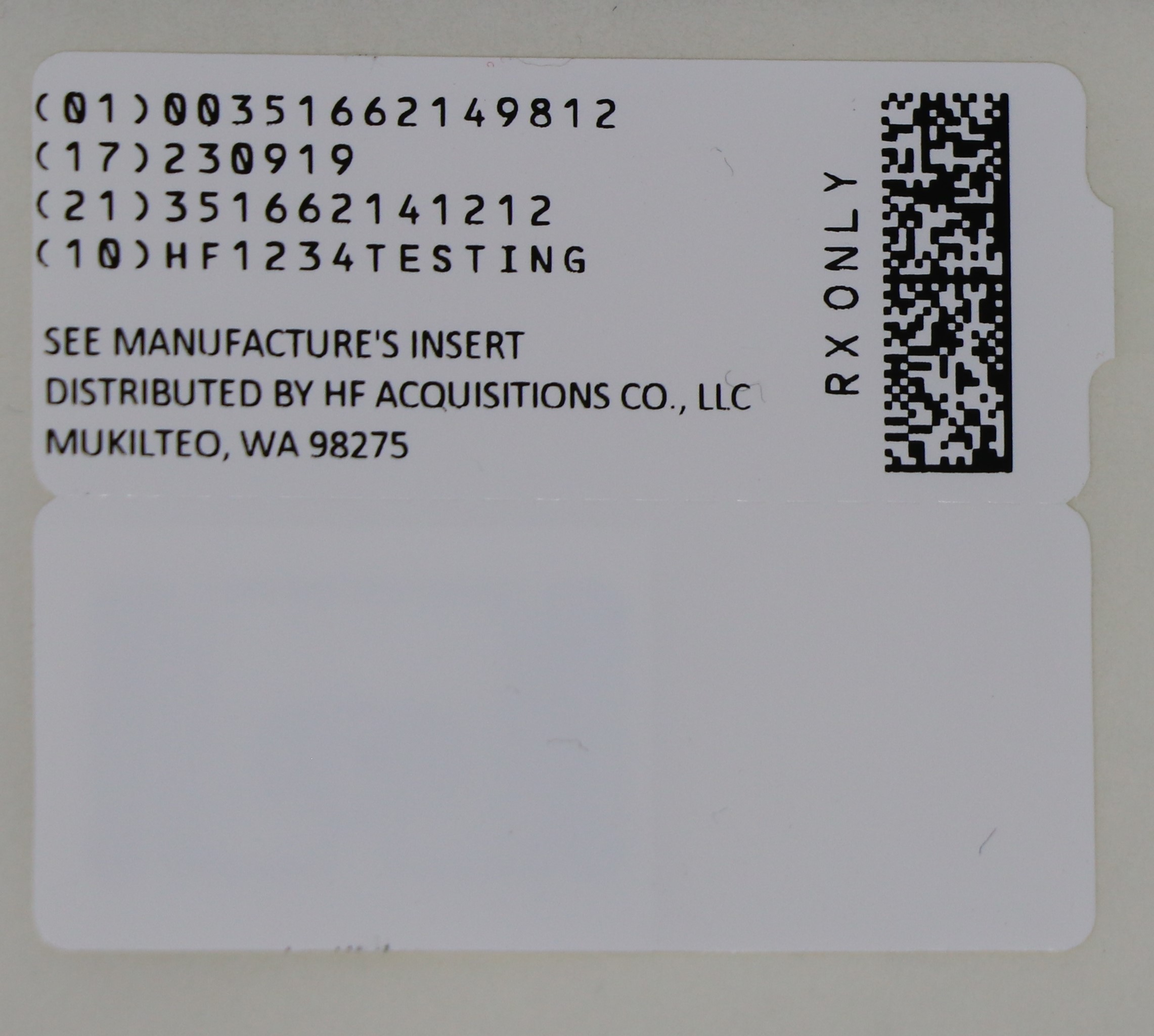
GLUCAGON Kit — NDC 51662-1498-1 (Billing 51662-1498-01)
This is a package of GLUCAGON Kit from HF Acquisition Co LLC, DBA HealthFirst, marketed since Mar 2020 and currently FDA-listed. It is this product's only package size.
Other active recalls for Glucagon (different manufacturers) — 1 · tap to view
Identity & classification
Regulatory identifiers FDA, NLM and CMS codes for this package
- RxCUI (RxNorm): 310497
Where does this data come from?
- FDA openFDA NDC Directory · synced Oct 1, 2026
- FDA label on DailyMed · label index refreshed Oct 1, 2026
- RxNorm (NLM RxNav) · catalog refreshed Oct 1, 2026
- Medi-Span GPI (licensed)
- First Databank (licensed) · refreshed Oct 1, 2026
RxNorm drug class
This medicine belongs to the Antihypoglycemic Agent class.
Where does this data come from?
- RxClass (NLM) · catalog refreshed Oct 1, 2026
Clinical
- Glucagon injection is an emergency treatment for severe low blood sugar — the kind where someone with diabetes is unconscious, having a seizure, or can't swallow anything safely. I...
- What is glucagon injection used for, and when would I actually need it?
- Your liver stores sugar in a form called glycogen, kind of like a backup fuel tank. Glucagon tells the liver to break that stored sugar down and release it into the bloodstream, ra...
- How does glucagon injection actually work to raise blood sugar?
Patient education
Supplement & herbal interactions
Some supplements/herbs that may interact with Glucagon — tap one for details:
Glucagon may be associated with lower levels of 1 nutrient — worth a chat with your pharmacist, not a cause for alarm.
Where does this data come from?
- MedlinePlus (NLM) · refreshed Oct 1, 2026
- FDA label on DailyMed · label index refreshed Oct 1, 2026
Ask a licensed pharmacist directly — free, answered by our team.
Pricing
A drug doesn't have one price. Each row is a different public payment system, and none is what you'd pay at the counter — that depends on your insurance. The ⓘ on each row explains what it measures.
| Price system | Per each | Per package |
|---|---|---|
| Retail pharmacies payNADAC · weekly | Not in the retail survey — common for institutional, discontinued, or low-volume packs. | |
| Medicaid paysCMS SDUD · 12 mo | No recent Medicaid claims on file for this NDC — rare and low-volume NDCs are suppressed in the public data. | |
| Medicare drug plans payPart D · Q2 2026 | $213.35 | — |
Where does this data come from?
- CMS NADAC weekly file
- CMS ASP pricing files · refreshed Sep 20, 2026
- CMS Medicaid State Drug Utilization Data · refreshed Oct 3, 2026
- CMS Part D plan pricing files · refreshed Sep 24, 2026
- VA National Acquisition Center price file
Packaging — all sizes for this product
| Package NDC | Description | Marketing start | Marketing end | Status |
|---|---|---|---|---|
| 51662-1498-01 You're viewing this Main listing | 1 KIT in 1 KIT * 1 mL in 1 VIAL, SINGLE-DOSE * 1 mL in 1 SYRINGE, GLASS | 2020-03-10 | — | Active |
Therapeutic equivalents
| Product | Labeler | Pack | NADAC/unit | TE | Status | Price vs. this |
|---|---|---|---|---|---|---|
| Glucagon 00378-8067-90 | Mylan | 1 kit | $154.203 | AP | Availability likely | — |
| Glucagon 00548-5850-00 | Amphastar | 1 kit | $154.203 | AP | Availability likely | — |
| Glucagon 69097-0027-50 | Cipla | 1 kit | $154.203 | AP | Availability likely | — |
| Glucagon 70748-0311-01 | Lupin | 1 kit | $154.203 | AP | Availability likely | — |
| Glucagon 63323-0582-82 | Fresenius | 1 kit | $240.404 | — | Availability likely | — |
| Glucagon 50090-6550-00 | A-S | 1 kit | — | AP | FDA listed | — |
| Glucagonthis 51662-1498-01 | HF | 1 kit | — | — | FDA listed | — |
| Glucagon 63323-0593-03 | Fresenius | 1 kit | — | — | FDA listed | — |
| Glucagon 63323-0594-03 | Fresenius | 1 kit | — | — | FDA listed | — |
| Glucagon 1 mg/mL 63323-0596-16 | Fresenius | 10 vials | — | — | FDA listed | — |
| Glucagon 85766-0043-01 | Sportpharm | 1 kit | — | AP | FDA listed | — |
| Glucagon 85766-0065-01 | Sportpharm | 1 kit | — | AP | FDA listed | — |
Where does this data come from?
- FDA openFDA NDC Directory · synced Oct 1, 2026
- FDA Orange Book · refreshed Sep 3, 2026
- CMS NADAC weekly file
Availability & generic status
We did not find an FDA-approved generic match for this exact strength, form and route.
Where does this data come from?
- FDA Orange Book · refreshed Sep 3, 2026
Inactive Ingredients / Excipients
Inactive ingredients, also called excipients, are components of the drug product other than the active ingredient. They may include fillers, dyes, coatings, preservatives, flavors, or other formulation ingredients.
Where does this data come from?
IACT rows and label-wide narrative are kept separate; availability and product-level specificity depend on the submitted label.- FDA label on DailyMed · label index refreshed Oct 1, 2026
- FDA openFDA NDC Directory · synced Oct 1, 2026
Inactive ingredient FAQ
Are inactive ingredients the same for every manufacturer?
Why might an inactive ingredient be missing?
Can inactive ingredients matter?
Manufacturer & labeler
Where does this data come from?
- FDA openFDA NDC Directory · synced Oct 1, 2026
- Drugs@FDA
Full prescribing information FDA SPL
🎯 Indications and Usage ▾
1 INDICATIONS & USAGE
1.1Severe Hypoglycemia Glucagon for Injection is indicated for the treatment of severe hypoglycemia in pediatric and adult patients with diabetes.
1.2Diagnostic Aid Glucagon for Injection is indicated as a diagnostic aid for use during radiologic examinations to temporarily inhibit movement of the gastrointestinal tract in adult patients.
⏱️ Dosage and Administration ▾
2 DOSAGE & ADMINISTRATION
2.1Important Administration Instructions for Using the Glucagon Emergency Kit for Low Blood Sugar to Treat Severe Hypoglycemia Glucagon for Injection is for subcutaneous, intramuscular, or intravenous injection. Administer intravenously ONLY under medical supervision. Instruct patients and their caregivers on the signs and symptoms of severe hypoglycemia.
Because severe hypoglycemia requires the help of others to recover, instruct the patient to inform those around them about Glucagon for Injection and its Instructions for Use. Administer Glucagon for Injection as soon as possible when severe hypoglycemia is recognized. Instruct the patient or caregiver to read the Instructions for Use at the time they receive a prescription for Glucagon for Injection.
Emphasize the following instructions to the patient or caregiver: Using the supplied prefilled syringe, carefully insert the needle through the rubber stopper of the vial containing Glucagon for Injection powder and inject all the liquid from the syringe into the vial. Shake the vial gently until the powder is completely dissolved and no particles remain in the fluid. The reconstituted solution should be clear and colorless.
Inspect visually for particulate matter and discoloration. If the resulting solution is cloudy or contains particulate matter do not use. The reconstituted solution is 1 mg per mL glucagon.
Immediately after reconstitution, inject the solution subcutaneously or intramuscularly in the upper arm, thigh, or buttocks. In addition, healthcare providers may administer intravenously. Call for emergency assistance immediately after administering the dose.
When the patient has responded to the treatment and is able to swallow, give oral carbohydrates to restore the liver glycogen and prevent recurrence of hypoglycemia. Discard any unused portion.
2.2Dosage in Adults and Pediatric Patients for Using the Glucagon Emergency Kit for Low Blood Sugar to Treat Severe Hypoglycemia Adults and Pediatric Patients Weighing More Than 25 kg or for Pediatric Patients with Unknown Weight 6 Years and Older The recommended dosage is 1 mg (1 mL) injected subcutaneously or intramuscularly into the upper arm, thigh, or buttocks, or intravenously. If there has been no response after 15 minutes, an additional 1 mg dose (1 mL) of Glucagon for Injection may be administered using a new kit while waiting for emergency assistance.
Pediatric Patients Weighing Less Than 25 kg or for Pediatric Patients with Unknown Weight Less Than 6 Years of Age The recommended dosage is 0.5 mg (0.5 mL) injected subcutaneously or intramuscularly into the upper arm, thigh, or buttocks, or intravenously. If there has been no response after 15 minutes, an additional 0.5 mg dose (0.5 mL) of Glucagon for Injection may be administered using a new kit while waiting for emergency assistance.
2.3Important Administration Instruction for Using Glucagon for Injection Diagnostic Kit and Glucagon for Injection Single-Dose Vial as a Diagnostic Aid Reconstitute Glucagon for Injection with 1 mL of Sterile Water for Injection. Using a syringe, withdraw all of the Sterile Water for Injection (if supplied) or 1 mL Sterile Water for Injection and inject into the Glucagon for Injection vial. Shake the vial gently until the powder is completely dissolved and no particles remain in the fluid.
The reconstituted fluid should be clear and colorless. Inspect visually for particulate matter and discoloration. If the resulting solution is cloudy or contains particulate matter do not use.
The reconstituted solution is 1 mg per mL glucagon. Immediately after reconstitution, inject the solution intravenously or intramuscularly into upper arm, thigh, or buttocks. Discard any unused portion.
After the end of the diagnostic procedure, give oral carbohydrates to patients who have been fasting, if this is compatible with the diagnostic procedure.
2.4Dosage in Adults for Using Glucagon for Injection Diagnostic Kit and Glu… [Excerpted — this section continues on DailyMed.]
💊 Dosage Forms and Strengths ▾
3 DOSAGE FORMS & STRENGTHS Glucagon for Injection is a white lyophilized powder supplied as follows: Treatment of Severe Hypoglycemia 1 mg single-dose vial of Glucagon for Injection with a 1 mL single-dose syringe of Sterile Water for Injection, USP (Glucagon Emergency Kit for Low Blood Sugar) Use as a Diagnostic Aid 1 mg single-dose vial of Glucagon for Injection 1 mg single-dose vial of Glucagon for Injection with a 1 mL single-dose vial of Sterile Water for Injection, USP (Diagnostic Kit)
⛔ Contraindications ▾
4 CONTRAINDICATIONS Glucagon for Injection is contraindicated in patients with: Pheochromocytoma [see Warnings and Precautions ( 5- 5.1)] Insulinoma [see Warnings and Precautions ( 5- 5.2)] because of the risk of hypoglycemia Known hypersensitivity to glucagon or any of the excipients in Glucagon for Injection. Allergic reactions have been reported with glucagon and include anaphylactic shock with breathing difficulties and hypotension [see Warnings and Precautions ( 5- 5.3)] Glucagonoma [see Warnings and Precautions ( 5- 5.8)] because of risk of hypoglycemia when used as a diagnostic aid
⚠️ Warnings and Cautions ▾
5 WARNINGS AND PRECAUTIONS
5.1Catecholamine Release in Patients with Pheochromocytoma Glucagon for Injection is contraindicated in patients with pheochromocytoma because glucagon may stimulate the release of catecholamines from the tumor [see Contraindications ( 4 )]. If the patient develops a dramatic increase in blood pressure and a previously undiagnosed pheochromocytoma is suspected, 5 to 10 mg of phentolamine mesylate, administered intravenously, has been shown to be effective in lowering blood pressure.
5.2Hypoglycemia in Patients with Insulinoma In patients with insulinoma, administration of glucagon may produce an initial increase in blood glucose; however, Glucagon for Injection administration may directly or indirectly (through an initial rise in blood glucose) stimulate exaggerated insulin release from an insulinoma and cause hypoglycemia. Glucagon for Injection is contraindicated in patients with insulinoma [see Contraindications ( 4 )]. If a patient develops symptoms of hypoglycemia after a dose of Glucagon for Injection, give glucose orally or intravenously.
5.3Hypersensitivity and Allergic Reactions Allergic reactions have been reported with glucagon, these include generalized rash, and in some cases anaphylactic shock with breathing difficulties and hypotension. Glucagon for Injection is contraindicated in patients with a prior hypersensitivity reaction [see Contraindications ( 4 )].
5.4Lack of Efficacy in Patients with Decreased Hepatic Glycogen Glucagon for Injection is effective in treating hypoglycemia only if sufficient hepatic glycogen is present. Patients in states of starvation, with adrenal insufficiency or chronic hypoglycemia may not have adequate levels of hepatic glycogen for Glucagon for Injection administration to be effective. Patients with these conditions should be treated with glucose.
5.5Necrolytic Migratory Erythema Necrolytic migratory erythema (NME), a skin rash commonly associated with glucagonomas (glucagonproducing tumors) and characterized by scaly, pruritic erythematous plaques, bullae, and erosions, has been reported postmarketing following continuous glucagon infusion. NME lesions may affect the face, groin, perineum and legs or be more widespread. In the reported cases NME resolved with discontinuation of the glucagon, and treatment with corticosteroids was not effective.
Should NME occur, consider whether the benefits of continuous glucagon infusion outweigh the risks.
5.6Hyperglycemia in Patients with Diabetes Mellitus when Used as a Diagnostic Aid Treatment with Glucagon for Injection in patients with diabetes mellitus may cause hyperglycemia. Monitor diabetic patients for changes in blood glucose levels during treatment and treat if indicated.
5.7Blood Pressure and Heart Rate Increase in Patients with Cardiac Disease when Used as a Diagnostic Aid Glucagon for Injection may increase myocardial oxygen demand, blood pressure, and pulse rate which may be life-threatening in patients with cardiac disease. Cardiac monitoring is recommended in patients with cardiac disease during use of Glucagon for Injection as a diagnostic aid, and an increase in blood pressure and pulse rate may require therapy.
5.8Hypoglycemia in Patients with Glucagonoma Glucagon administered to patients with glucagonoma may cause secondary hypoglycemia. Glucagon for Injection is contraindicated in patients with glucagonoma when used as a diagnostic aid [see Contraindications ( 4 )]. Test patients suspected of having glucagonoma for blood levels of glucagon prior to treatment, and monitor for changes in blood glucose levels during treatment.
If a patient develops symptoms of hypoglycemia after a dose of Glucagon for Injection, give glucose orally or intravenously.
🤒 Adverse Reactions ▾
6 ADVERSE REACTIONS The following important adverse reactions are described below and elsewhere in the labeling: Hypersensitivity and Allergic Reactions [see Warnings and Precautions ( 5- 5.3)] Necrolytic Migratory Erythema [see Warnings and Precautions ( 5- 5.5)] Hyperglycemia in Patients with Diabetes Mellitus when Used as a Diagnostic Aid [see Warnings and Precautions ( 5- 5.6)] Blood Pressure and Heart Rate Increase in Patients with Cardiac Disease when Used as a Diagnostic Aid [see Warnings and Precautions ( 5- 5.7)]
6.1Clinical Studies Experience Because clinical trials are conducted under widely varying conditions, adverse reaction rates observed in the clinical trials of a drug cannot be directly compared to the rates in clinical trials of another drug and may not reflect the rates observed in practice. In a randomized single-blind clinical study of Glucagon for Injection, 29 healthy subjects received a single dose of 1 mg Glucagon for Injection intramuscularly. Table 1 shows the most common adverse reactions that were not present at baseline and occurred in at least 5% of patients.
Table 1: Adverse Reactions Occurring in ≥ 5% of Healthy Subjects Who Received Glucagon for Injection Intramuscularly Other Adverse Reactions Hypertension and tachycardia have occurred with glucagon treatment.
6.2Postmarketing Experience Additional adverse reactions have been identified during post-approval use of glucagon. Because these reactions are reported voluntarily from a population of uncertain size, it is generally not possible to reliably estimate their frequency or establish a causal relationship to drug exposure. hypoglycemia and hypoglycemic coma. Patients taking indomethacin may be more likely to experience hypoglycemia following glucagon administration [see Drug Interactions ( 7 )].
Necrolytic migratory erythema (NME) cases have been reported postmarketing in patients receiving continuous infusion of glucagon. ADVERSE
🔄 Drug Interactions ▾
7 DRUG INTERACTIONS
7.1 DRUG INTERACTIONS
👥 Use in Specific Populations ▾
8 USE IN SPECIFIC POPULATIONS
8.1Pregnancy Risk Summary Available data from case reports and a small number of observational studies with glucagon use in pregnant women over decades of use have not identified a drug-associated risk of major birth defects, miscarriage or adverse maternal or fetal outcomes. Multiple small studies have demonstrated a lack of transfer of pancreatic glucagon across the human placental barrier during early gestation. In rat and rabbit reproduction studies, no embryofetal toxicity was observed with glucagon administered by injection during the period of organogenesis at doses representing up to 100 and 200 times the human dose, respectively, based on body surface area (mg/m2) (see Data).
The estimated background risk of major birth defects and miscarriage for the indicated population is unknown. In the U.S. general population, the estimated background risk of major birth defects and miscarriage in clinically recognized pregnancies is 2%-4% and 15%-20%, respectively. Data Animal Data In rats and rabbits given glucagon by injection at doses of 0.4, 2.0, and 10 mg/kg (up to 100 and 200 times the human dose based on mg/m2 for rats and rabbits, respectively) there was no evidence of increased malformations or embryofetal lethality.
8.2Lactation Risk Summary There is no information available on the presence of glucagon in human or animal milk, the effects of glucagon on the breastfed child or the effects of glucagon on milk production. However, glucagon is a peptide and would be expected to be broken down to its constituent amino acids in the infant's digestive tract and is therefore, unlikely to cause harm to an exposed infant.
8.4Pediatric Use The safety and effectiveness of Glucagon for Injection for the treatment of severe hypoglycemia in pediatric patients with diabetes have been established. Safety and effectiveness for use as a diagnostic aid during radiologic examinations to temporarily inhibit movement of the gastrointestinal tract in pediatric patients have not been established.
🆘 Overdosage ▾
10 OVERDOSAGE If overdosage occurs, the patient may experience nausea, vomiting, inhibition of GI tract motility, increase in blood pressure and pulse rate. In case of suspected overdosing, the serum potassium may decrease and should be monitored and corrected if needed. If the patient develops a dramatic increase in blood pressure, phentolamine mesylate has been shown to be effective in lowering blood pressure for the short time that control would be needed.
🧬 Clinical Pharmacology ▾
12 CLINICAL PHARMACOLOGY
12.1Mechanism of Action Glucagon increases blood glucose concentration by activating hepatic glucagon receptors, thereby stimulating glycogen breakdown and release of glucose from the liver. Hepatic stores of glycogen are necessary for glucagon to produce an antihypoglycemic effect. Extrahepatic effects of glucagon include relaxation of the smooth muscle of the stomach, duodenum, small bowel, and colon.
12.2Pharmacodynamics Treatment of Severe Hypoglycemia Blood glucose concentration rises within 10 minutes of injection and maximal concentrations are attained at approximately 30 minutes after injection (see Figure 1). The duration of hyperglycemic action after intravenous or intramuscular injection is 60 to 90 minutes. In a study in healthy subjects, a subcutaneous dose of 1 mg Glucagon for Injection resulted on average a peak blood glucose concentration of 79.3 mg/dL with a median time of 50 minutes after injection.
12.3Pharmacokinetics Absorption Following subcutaneous administration of Glucagon for Injection, the median time to reach the maximum baseline uncorrected plasma glucagon concentrations of 3533 pg/mL was approximately 10 to 13 minutes after dosing Following intramuscular administration of 1 mg dose, the maximum baseline uncorrected plasma glucagon concentrations of 3391 pg/mL were attained approximately 10 minutes after dosing. Elimination The mean apparent half-life of glucagon was about 42 minutes after subcutaneous administration.
The mean apparent half-life of glucagon was 26 minutes after intramuscular administration. Metabolism Glucagon is degraded in the liver, kidney, and plasma. CLINICAL
📦 How Supplied / Storage and Handling ▾
16 HOW SUPPLIED/STORAGE & HANDELING GLUCAGON EMERGENCY KIT FOR LOW BLOOD SUGARis supplied in the following dosage forms. NDC 51662-1498-1 GLUCAGON EMERGENCY KIT FOR LOW BLOOD SUGAR 1 mg Glucagon in 1 mL. 1 mL single-dose vial of Glucagon for Injection with 1 mL single-dose syringe of Sterile Water for Injection, USP for reconstitution HF Acquisition Co LLC, DBA HealthFirst Mukilteo, WA 98275 Also supplied in the following manufacture supplied dosage forms
16.1How Supplied Glucagon for Injection is supplied as a sterile, lyophilized white powder available as follows:
16.2Recommended Storage Before Reconstitution The package containing Glucagon for Injection vials may be stored up to 24 months at 20° to 25° C (68° to 77° F) [see USP Controlled Room Temperature] prior to reconstitution. Do not freeze. Keep in the original package to protect from light. After Reconstitution Use reconstituted glucagon solution immediately. Discard any unused portion [see Dosage and Administration (2.3)]. HOW SUPPLIED
📋 Description ▾
11 DESCRIPTION Glucagon is an antihypoglycemic agent and a gastrointestinal motility inhibitor. It is produced by solid phase peptide synthesis. The chemical structure of the glucagon is identical to human glucagon.
Glucagon is a single-chain polypeptide containing 29 amino acid residues. The structure of glucagon is: Glucagon for Injection is a sterile, lyophilized white powder in a 3 mL vial for subcutaneous, intramuscular or intravenous use. The reconstituted solution contains glucagon as hydrochloride 1 mg per mL and lactose monohydrate (107 mg).
Glucagon for Injection is supplied at pH 2.5 to 3.5 and is soluble in water. DESCRIPTION
💬 Patient Medication Information ▾
PATIENT PACKAGE INSERT PATIENT INFORMATION Glucagon (GLOO-ka-gon) for injection, for subcutaneous, intramuscular or intravenous use What is Glucagon? Glucagon is a prescription medicine used: to treat very low blood sugar (severe hypoglycemia) in people with diabetes. to stop stomach movement (gastrointestinal motility inhibitor) in patients receiving radiology exams. Who should not use Glucagon?
Do not use Glucagon if: you have a tumor in the gland on top of your kidneys (adrenal gland) called a pheochromocytoma. you have a tumor in your pancreas called an insulinoma. you are allergic to glucagon or lactose or any of the ingredients in Glucagon. See the end of this Patient Information leaflet for a complete list of ingredients in Glucagon. you have tumors in your pancreas called Glucagonomas because it could cause low blood sugar when used for your radiology exam. What should I tell my doctor before using Glucagon?
Before using Glucagon, tell your doctor about all of your medical conditions, including if you: have kidney problems. have pancreas problems. have not had food or water for a long time (prolonged fasting or starvation). have low blood sugar that does not go away (chronic hypoglycemia). have heart problems. are pregnant or plan to become pregnant. It is not known if Glucagon will harm your unborn baby. are breastfeeding or plan to breastfeed. It is not known if Glucagon passes into your breast milk.
Tell your doctor about all the medicines you take, including prescription and over-the-counter medicines, vitamins and herbal supplements. Glucagon may affect the way other medicines work, and other medicines may affect how Glucagon works. Know the medicines you take.
Keep a list of them to show your doctor and pharmacist when you get a new medicine. How should I use Glucagon? Read the detailed Instructions for Use that come with Glucagon.
Use Glucagon exactly as your doctor tells you to. Make sure that you and your family know how to use Glucagon the right way before you need it. Act quickly.
Having very low blood sugar for a period of time may be harmful. Call for emergency medical help right after you use Glucagon. If the person does not respond after 15 minutes, another dose may be given, if available.
Eat sugar or a sugar sweetened product such as a regular soft drink or fruit juice as soon as you are able to swallow. Tell your doctor each time you use Glucagon. Your doctor may need to change the dose of your diabetes medicines.
What are the possible side effects of Glucagon? Glucagon may cause serious side effects, including: High blood pressure. Glucagon can cause high blood pressure in certain people with tumors in their adrenal glands.
Low blood sugar. Glucagon can cause low blood sugar in patients with tumors in their pancreas called insulinomas and Glucagonomas by making too much insulin in their bodies. Serious allergic reactions.
Call your doctor or get medical help right away if you have a serious allergic reaction including: rash difficulty breathing low blood pressure High blood sugar. If you receive Glucagon before your radiology exam it can cause high blood sugar. Your doctor will monitor your blood sugar levels during your treatment.
Heart problems. If you have heart problems and receive Glucagon before your radiology exam, you may have an increase in your blood pressure and pulse while using Glucagon which could be life threatening.Your doctor will monitor your heart during treatment. The most common side effects of Glucagon include: swelling at the injection site redness at the injection site vomiting nausea decreased blood pressure weakness headache dizziness pale skin diarrhea sleepiness or drowsiness Tell your doctor if you have any side effect that bothers you or that does not go away.
These are not all the possible side effects of Glucagon. Call your doctor for medical advice about side effects. You may report side effects to FDA at 1-800-FDA-1088.
How should I store Glucagon? Before you mix the… [Excerpted — this section continues on DailyMed.]
🧪 Nonclinical Toxicology ▾
13 NONCLINICAL TOXICOLOGY
13.1Carcinogenesis, Mutagenesis, Impairment of Fertility Carcinogenesis Long term studies in animals to evaluate carcinogenic potential have not been performed. Mutagenesis Synthetic glucagon was negative in the bacterial reverse mutation assay (Ames test). The clastogenic potential of synthetic glucagon in the Chinese Hamster Ovary (CHO) assay was positive in the absence of metabolic activation.
Doses of 100 and 200 mg/kg of glucagon of both pancreatic and recombinant origins gave slightly higher incidences of micronucleus formation in male mice but there was no effect in females. The weight of evidence indicates that synthetic and recombinant glucagon are not different and do not pose a genotoxic risk to humans. Impairment of Fertility Glucagon was not tested in animal fertility studies.
Studies in rats have shown that pancreatic glucagon does not cause impaired fertility.
📖 Instructions for Use ▾
INSTRUCTIONS FOR USE Instructions for Use Glucagon (GLOO-ka-gon) for injection, for subcutaneous, intramuscular or intravenous use Read this Instructions for Use before you start using Glucagon and each time you get a refill. There may be new information. This information does not take the place of talking with your doctor about your medical condition or treatment.
Talk to your doctor or pharmacist if you have any questions about how to use Glucagon. Important: Read and become familiar with this Instructions for Use before an emergency happens. Show your family members and others where you keep your Glucagon Emergency Kit for Low Blood Sugar and how to use it the right way.
Call for emergency medical help right after you use Glucagon. Do not share your Glucagon syringes or needles with another person. You may give other people a serious infection or other people may get a serious infection from you.
The prefilled syringe that comes with your Glucagon Emergency Kit for Low Blood Sugar is meant for use with Glucagon only. Do not use Glucagon syringes to inject other medicines. How should I store Glucagon?
Before you mix the Glucagon powder and liquid: Store Glucagon at room temperature between 68° to 77°F (20° to 25°C). Check the expiration date on your vial of Glucagon. Do not use Glucagon if the expiration date has passed.
Do not freeze Glucagon. Keep Glucagon in its original package and Glucagon out of light. After you mix the Glucagon powder and liquid: Use Glucagon right away.
Throw away any unused Glucagon. Glucagon should be clear and colorless. Do not use Glucagon if it is cloudy or if you see particles in the solution.
Supplies you will need for your Glucagon injection (See Figure A): 1 Glucagon Emergency Kit for Low Blood Sugar that contains: 1 vial that contains 1 mg of Glucagon for injection and 1 prefilled glass syringe with attached needle that contains 1 mL of Sterile Water for Injection. 1 puncture resistant container for throwing away used needles and syringes. See “How should I dispose of (throw away) used Glucagon prefilled syringes” at the end of these instructions.
Cotton ball or gauze pad (not included in kit) Preparing the Glucagon dose: The Glucagon medicine comes as a dry powder. Before you use Glucagon, you must mix the dry powder with the syringe of sterile water that comes in the Glucagon Emergency Kit for Low Blood Sugar. Do not use any other liquid to mix the medicine.
Check that the orange plastic cap on your vial of Glucagon is firmly attached. Do not use the vial of Glucagon if the orange plastic cap is loose or missing. Throw away your used syringe with the needle attached and any Glucagon you did not use.
See “How should I dispose of (throw away) used Glucagon prefilled syringes” at the end of these instructions. Step 12. Turn the person on their side.
When an unconscious person awakens, they may vomit. Turning the person on their side will lessen the chance of choking. Step 13.
Call for emergency medical help right away. If the person does not respond after 15 minutes, another dose may be given, if available. Step 14.
Feed the person as soon as they are awake and able to swallow. Give the person a fast acting source of sugar (such as a regular soft drink or fruit juice) and a long acting source of sugar (such as crackers and cheese or a meat sandwich). Step 15.
Even if the Glucagon for Injection treatment wakes the person, tell their doctor right away. The doctor should be told whenever a severe drop in blood sugar (hypoglycemia reaction) happens. The person's dose of diabetes medicine may need to be changed.
Hypoglycemia may happen again after receiving Glucagon for Injection treatment. Early symptoms of hypoglycemia may include: How should I dispose of (throw away) Glucagon pre-filled syringes? Put used syringes in a FDA-cleared sharps disposal container right away after use.
Do not throw away (dispose of) loose needles and syringes in your household trash. If you do not have a FDA-cleared s… [Excerpted — this section continues on DailyMed.]
📄 Package Label / Principal Display Panel ▾
PRINCIPAL DISPLAY PANEL - SERIALIZED KIT LABELING 51662-1498-1 RFID Label
PRINCIPAL DISPLAY PANEL - KIT LABEL KIT LABEL
PRINCIPAL DISPLAY PANEL - VIAL LABEL VIAL LABEL
PRINCIPAL DISPLAY PANEL - SYRINGE LABEL SYRINGE LABEL
PRINCIPAL DISPLAY PANEL - KIT CONTENTS AND INTERIOR LABELING KIT CONTENTS AND INTERIOR LABELING
Medicare Part D spend CMS · PART D · 2026 (Q1)
Reported adverse events (FAERS)
Top reported reactions
Age at onset
Reporter sex
Serious outcomes
Where does this data come from?
About this NDC listing & data coverage
Kit / multi-component package
This NDC identifies a kit — a package containing more than one component. Structured data (pricing, ingredients, equivalents) is often reported per component rather than for the kit NDC itself, which can make this page look thinner than the components' own pages.
What data is (and isn’t) available for this NDC — tap to expand
| NDC identity (package / product / labeler codes) | ✓ Available |
| Labeler | ✓ Available |
| Product & package description | ✓ Available |
| Marketing category & status | ✓ Available |
| Active ingredient / dosage form / route | ✓ Available |
| FDA label (SPL via DailyMed) | ✓ Available |
| Package photos | ✓ Available |
| Inactive ingredients (structured) | — Not published for this NDC The labeler did not submit a structured excipient list, or no SPL is available. |
| NADAC pharmacy acquisition price (CMS) | — Not published for this NDC CMS publishes NADAC only for NDCs reported in its retail-pharmacy survey. |
| Orange Book / therapeutic-equivalence data | — Not published for this NDC Applies only to products approved under an NDA/ANDA; many listings are out of scope. |
| HCPCS J-code billing crosswalk | — Not published for this NDC Most self-administered / retail products have no J-code — that is normal. |
| Medicaid utilization (CMS SDUD) | — Not published for this NDC CMS reports utilization only for NDCs with Medicaid claims above its privacy threshold. |