
Aloe + Warfarin
Warfarin brand name: Warfarin.
Warfarin falls into 3 drug categories that Aloe can interact with; the most serious is rated moderate. Theoretically, aloe gel might increase the risk of bleeding when taken with anticoagulant or antiplatelet drugs.
Read the full interaction reportAloe and Warfarin
These two interact in 3 distinct ways. Each one is explained separately below.
Why Are There 3 Interactions?
Aloe interacts with whole categories of medication. Warfarin falls into 3 of those categories, so it can interact with Aloe in 3 different ways. We’ve listed each one below — your overall risk is driven by the most serious of them (Moderate).
ANTICOAGULANT/ANTIPLATELET DRUGS
1 of 3Why this applies to Warfarin
Warfarin falls under ANTICOAGULANT/ANTIPLATELET DRUGS — the group Aloe interacts with.
In vitro research shows that aloe gel can inhibit platelet aggregation. This inhibition was greater than that seen with celecoxib, but less than that seen with aspirin.
Interaction has been documented in animal or in lab research, or the interaction has been documented in humans but is limited to case reports or conflicting clinical research exists.

If you take warfarin to keep your blood from clotting, here's the thinking on aloe. In lab studies (test tube only, not people), aloe gel seemed to slow down how platelets stick together. Since warfarin already lowers your blood's ability to clot, stacking it with oral aloe could, in theory, nudge your bleeding risk a little higher. Think easy bruising, nosebleeds, bleeding gums, or longer bleeding from small cuts.
I want to be straight with you: this is theoretical and based on weak evidence, so don't panic. But warfarin is a fussy drug where small shifts matter, and oral aloe latex is also a strong laxative that can throw things off. Please check with your pharmacist or doctor before taking aloe by mouth.
- Mushtaq S, Mushtaq Z, Sarfraz J, et al. Comparison of effect of aloe vera gel with aspirin and celecoxib on platelet aggregation. Professional Med J. 2020; 27(5):973-978. DOI
WARFARIN (Coumadin)
2 of 3Aloe latex has stimulant laxative effects. In some people aloe latex can cause diarrhea. Diarrhea can increase the effects of warfarin, increase international normalized ratio (INR), and increase the risk of bleeding. Advise patients who take warfarin not to take excessive amounts of aloe vera.
Interaction has been documented in animal or in lab research, or the interaction has been documented in humans but is limited to case reports or conflicting clinical research exists.
Here's the thing to know if you take warfarin and are thinking about aloe by mouth. The concern isn't the soothing aloe gel you'd put on a sunburn. It's aloe latex, the yellow part, which acts as a strong laxative. If it gives you diarrhea, you can lose fluids and absorb your warfarin differently, which may nudge your INR (your blood-thinning number) higher than it should be.
When warfarin runs too strong, the real worry is bleeding: easy bruising, nosebleeds, bleeding gums, or blood in your urine or stool. This connection is mostly theoretical, based on how things work rather than solid studies, so don't panic. Still, warfarin is a finicky drug where small shifts matter. Please check with your pharmacist or doctor before taking any oral aloe.
CYTOCHROME P450 1A2 (CYP1A2) SUBSTRATES
3 of 3Warfarin also falls under CYTOCHROME P450 1A2 (CYP1A2) SUBSTRATES.
In vitro research shows that aloe extract induces CYP1A2 enzymes.
Interaction has been documented in animal or in lab research, or the interaction has been documented in humans but is limited to case reports or conflicting clinical research exists.
Here's the gist if you're on warfarin and thinking about taking aloe by mouth. Some lab research suggests aloe might speed up an enzyme called CYP1A2, which is one of the pathways that helps clear warfarin. In theory, that could lower your warfarin levels a little and make it work less well, meaning slightly weaker clot protection.
Now, the honest part: this is based only on test-tube and animal studies, so it's theoretical and rated as minor. But warfarin is a tricky drug where even small shifts can move your INR and matter. The bigger concern with oral aloe is its laxative effect, which can throw off how you absorb things. I wouldn't panic, but please check with your pharmacist or doctor before starting oral aloe, and keep up with your INR checks.
- Haron MH, Dale O, Martin K, et al. Evaluation of the Herb-Drug Interaction Potential of Commonly Used Botanicals on the US Market with Regard to PXR- and AhR-Mediated Influences on CYP3A4 and CYP1A2. J Diet Suppl 2022. PubMed
What These Ratings Mean
Every interaction above is graded three ways — here’s the key to each label.
Clinically significant. Avoid the combination, or use only under close professional supervision.
Usually worth avoiding or managing — may need monitoring, a dose change, or timing apart.
Generally not serious. Be aware of it and mention it to your pharmacist.
- LikelyWell-controlled human studies have demonstrated the likely existence of this interaction.
- ProbableInteraction has not been documented in well-controlled studies, however, the interaction has been demonstrated in some small human studies or in controlled animal studies in conjunction with multiple case reports.
- PossibleInteraction has been documented in animal or in lab research, or the interaction has been documented in humans but is limited to case reports or conflicting clinical research exists.
- UnlikelyInteraction has been demonstrated in animal or in lab research but has been shown not to occur in humans.
- AHigh-quality meta-analysis (quantitative systematic review).
- BCase-control study.
- CConsensus.
- DAnecdotal evidence.
These ratings are for information only. Never start, stop, or otherwise change your therapy before speaking with your provider.
Aloe Also Interacts With Other Medications
Aloe has 1 major, 303 moderate, 156 minor known drug interactions in our database — the Warfarin one above is among them. If you take anything else, check it against the full list below.
Check Another of Your Medications Against Aloe
We haven’t checked that one against Aloe yet — ask our pharmacists directly.
Covers the 2,830 medications we’ve checked against Aloe. Pick one to open its full report.
Questions About Aloe or Warfarin
These are real questions from readers, answered by the pharmacists at HelloPharmacist — written by a person, not generated from a database. Each one covers Aloe or Warfarin, not necessarily both, but if one is close to what you were about to ask it will usually go further than a database entry can:
- Does Ginger Water Interfere With Amoxicillin-Clavulanate? ›
- Can You Take Nattokinase With a 40 mg Statin? ›
- Is Krill Oil Safe To Take With Losartan? ›
Not quite your question? Ask our pharmacists directly — it is free, there is no account required, and answers usually come back within 24 hours.
See Every Supplement That Interacts With Warfarin
This page covers Aloe only. If you take other supplements — a multivitamin, a sleep aid, something for joints — the Warfarin page lists 361 supplements it has a documented interaction with, worst first, each one explained.
The most serious there right now: Activated Charcoal (major), Alfalfa (major), American Ginseng (major), Beer (major) and Cannabis (major).
By severity: 16 major · 301 moderate · 44 minor.
From our pharmacist’s overview on the Warfarin page
“People take warfarin to prevent dangerous clots, and many are the same people reaching for glucosamine for sore joints or a multivitamin containing vitamin K, which makes this a list that deserves genuine respect. Of the 361 supplements on file for warfarin, 16 carry a major rating, and the danger runs in both directions: some add to w…”
Reviewed by 2 · Jul 18, 2026
Taking Aloe as Part of a Dietary Supplement Product? Check It for Interactions
We hold 1,978 real supplement products containing Aloe, each one broken down to its full ingredient list — and combination products often carry several ingredients besides Aloe. Your product may carry other ingredients that interact with Warfarin too, on top of Aloe — and those would not show on this page. Find your product and we’ll check every ingredient on its label:
Where Aloe and Warfarin Sit Against Everything Else
Out of every supplement and medication people look up on HelloPharmacist, here is where these two land this week — and which way each has been moving.
#86 of 1,452 supplements looked up here in the last 7 days
#4 of 2,830 medications looked up here in the last 7 days
Position among everything looked up on this site, not a measure of how commonly either one is used or how important it is. A supplement can climb this list because of a news story. It counts every request to the page, automated ones included, and nothing here identifies anyone.
About Aloe
What is Aloe?
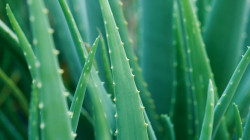
- Minor burns and skin irritation
- Wound healing
- Constipation
- Skin hydration and moisturizing
- Digestive complaints
- Hair and scalp care
Aloe vera gel is widely used on the skin for minor burns and irritation, and some research suggests it may help. Aloe latex (the yellow part) is a strong laxative that can cause cramping and is not considered safe for regular use. Talk to your pharmacist or doctor before taking aloe by mouth, and avoid oral aloe during pregnancy.
About Warfarin
What Is Warfarin Used For?
Brand name: Warfarin
Warfarin sodium tablets and Jantoven tablets are both used to prevent and treat venous thrombosis (blood clots in the veins) and pulmonary embolism (a clot in the lungs). They are also used to prevent clot-related complications in people with atrial fibrillation (an irregular heart rhythm) or who have had a heart valve replaced.
In people who have had a heart attack, warfarin is used to reduce the risk of death, another heart attack, stroke, or other clotting events. It does not dissolve an existing clot, but it helps prevent the clot from growing and stops new dangerous clots from forming.
Other Drugs & Aloe
Browse every other medication we’ve checked against Aloe — both the ones with a known interaction and the ones without. Select any drug for the full detail.
No drugs match “”.
1 interaction
303 interactions
- Diclofenac Sodium ›
- Ibuprofen ›
- Aspirin ›
- Insulin (rdna) ›
- Naproxen ›
- Minocycline ›
- Hydrochlorothiazide ›
- Glyburide ›
- Insulin (pork) ›
- Diclofenac Potassium ›
- Dipyridamole ›
- Insulin (human) ›
- Ketoprofen ›
- Trichlormethiazide ›
- Acarbose ›
- Bendroflumethiazide ›
- Bivalirudin ›
- Insulin Glargine ›
- Metolazone ›
- Phenolphthalein ›
- Semaglutide ›
- Spironolactone ›
- Warfarin Sodium ›
- Acetazolamide ›
- Bisacodyl ›
- Bromfenac Sodium ›
- Chlorpropamide ›
- Chlorthalidone ›
- Cyclothiazide ›
- Dabigatran ›
- Diclofenac Epolamine ›
- Exenatide ›
- Glipizide ›
- Glucagon ›
- Iloprost ›
- Indapamide ›
- Insulin Lispro ›
- Mannitol ›
- Metformin ›
- Methyclothiazide ›
- Piroxicam ›
- Repaglinide ›
- Sennosides (otc Drug) ›
- Sitagliptin ›
- Streptokinase ›
- Ticlopidine ›
- Tirzepatide ›
- Torsemide ›
- Treprostinil (oral) ›
- Abciximab ›
- Abrocitinib ›
- Acenocoumarol ›
- Acetohexamide ›
- Acetylsalicylic Acid ›
- Albiglutide ›
- Alogliptin ›
- Ammonium Chloride ›
- Anacaulase-bcdb ›
- Anagrelide ›
- Anisindione ›
Showing 60 of 303 moderate interactions — see all 303 on the Aloe page.
156 interactions
- Theophylline ›
- Estradiol ›
- Propranolol ›
- Verapamil ›
- Acetaminophen ›
- Diazepam ›
- Lofepramine ›
- Nortriptyline ›
- Bendamustine ›
- Caffeine (otc Drug) ›
- Cyclobenzaprine ›
- Desipramine ›
- Riluzole ›
- Asenapine ›
- Caffeine (prescription Drug) ›
- Clomipramine ›
- Clozapine ›
- Flutamide ›
- Imipramine ›
- Propafenone ›
- Ropinirole ›
- Tasimelteon ›
- Tizanidine ›
- Zileuton ›
- Agomelatine ›
- Amitriptyline ›
- Bendamustine Hydrochloride ›
- Chlordiazepoxide ›
- Enasidenib ›
- Estrogen ›
- Ethinyl Estradiol ›
- Etonogestrel ›
- Fenfluamine ›
- Fezolinetant ›
- Fluvoxamine ›
- Grepafloxacin ›
- Haloperidol ›
- Levobupivacaine ›
- Mexiletine ›
- Mirtazapine ›
- Oestrogen ›
- Olanzapine ›
- Ondansetron ›
- Paracetamol ›
- Pentazocine ›
- Perampanel ›
- Pirfenidone ›
- Pomalidomide ›
- Propranolol Hydrochloride ›
- Ramelteon ›
- Rasagiline ›
- Ropivacaine ›
- Tacrine ›
- Tipranavir ›
- Triclabendazole ›
- Ethinyl Estradiol, Norethindrone ›
- Ethinyl Estradiol, Levonorgestrel ›
- Acetaminophen, Hydrocodone ›
- Acetaminophen, Butalbital ›
- Acetaminophen, Pseudoephedrine ›
Showing 60 of 156 minor interactions — see all 156 on the Aloe page.
No interaction 2,369 drugs checked — show the list
We also checked Aloe against these medications and found no known interaction in our sources. Open any page to confirm.
- Levothyroxine ›
- Amlodipine ›
- Methylphenidate ›
- Sertraline ›
- Testosterone ›
- Losartan Potassium ›
- Metoprolol ›
- Ivermectin ›
- Rosuvastatin ›
- Escitalopram ›
- Tadalafil ›
- Valacyclovir ›
- Atorvastatin ›
- Docusate ›
- Hydroxyurea ›
- Abemaciclib ›
- Methamphetamine ›
- Sumatriptan ›
- Prednisone ›
- Lisdexamfetamine ›
- Acyclovir ›
- Bupropion ›
- Amoxicillin ›
- Lisinopril ›
- Doxycycline ›
- Lamotrigine ›
- Fluoxetine ›
- Methotrexate ›
- Gabapentin ›
- Amphetamine ›
- Pregabalin ›
- Isotretinoin ›
- Dextroamphetamine ›
- Azithromycin ›
- Clonazepam ›
- Quetiapine ›
- Omeprazole ›
- Amlodipine Besylate ›
- Methylene Blue ›
- Duloxetine ›
- Letrozole ›
- Buspirone ›
- Citalopram ›
- Ciprofloxacin ›
- Bisoprolol ›
- Levothyroxine, Liothyronine ›
- Dapsone ›
- Cyclopentolate ›
- Candesartan Cilexetil ›
- Cephalexin ›
- Roxithromycin ›
- Pegunigalsidase Alfa-iwxj ›
- Atorvastatin Calcium ›
- Acetaminophen, Dextromethorphan, Doxylamine ›
- Daptomycin ›
- Finasteride ›
- Hexobarbitone ›
- Dexmethylphenidate ›
- Valsartan ›
- Levothyroxine Sodium ›
Showing the 60 most looked-up of 2,369 medications checked with no known interaction — see the full Aloe list.
Sources & How We Checked
Interaction details are evidence-graded and sourced from the Natural Medicines database. The medication overview comes from MedlinePlus.
- Natural Medicines (Therapeutic Research Center) — Evidence-graded clinical reference for vitamins, herbs and supplements — the basis for our interaction data.
- MedlinePlus, U.S. National Library of Medicine — NIH consumer drug information, used for the medication overviews.
- NIH Dietary Supplement Label Database (DSLD) — Official supplement product labels.
Content is written and reviewed by licensed HelloPharmacist pharmacists. See our data sources and editorial standards for how this information is built and checked.
Parts of this content are provided by the Therapeutic Research Center, LLC.
DISCLAIMER: Currently this does not check for drug-drug interactions. This is not an all-inclusive comprehensive list of potential interactions and is for informational purposes only. Not all interactions are known or well-reported in the scientific literature, and new interactions are continually being reported. Input is needed from a qualified healthcare provider including a pharmacist before starting any therapy. Application of clinical judgment is necessary.
© 2021 Therapeutic Research Center, LLC
Taking Aloe and Warfarin Together: Common Questions
Can you take Aloe with Warfarin?
Why are there 3 interactions listed for Aloe and Warfarin?
How serious is the Aloe and Warfarin interaction?
Written and reviewed by the HelloPharmacist editorial staff. Our editorial policy
Still Have a Question About Warfarin and Aloe?
Our pharmacists answer your medication & supplement questions — free.
This information is for education only and is not a substitute for professional medical advice. Always check with your pharmacist or doctor before starting, stopping, or combining supplements and medications.