
Magnolia + Exenatide Synthetic
Exenatide Synthetic brand name: Bydureon BCISE.
We found no known interaction between Magnolia and Exenatide Synthetic in our sources. Absence of a documented interaction is not the same as proven safety, and does not guarantee one does not exist. Do not start, stop, or change a medication or supplement based on this page; confirm with your pharmacist or doctor first. Additionally, although there is no interaction, the two are separately associated with some of the same side effects, which would make a new symptom harder to attribute to one or the other.
Magnolia and Exenatide Synthetic
We checked these two against our interaction database. Here is what we found.
No Known Interaction Found
We did not find a documented interaction between Exenatide Synthetic and Magnolia in our sources. This does not guarantee that the combination is completely free of risk — there is often limited research on supplements and herbal products, especially around drug interactions.
If you decide to take both, the practical routine is simple: add one new thing at a time and note the date you started it. If the combination is going to disagree with you, it usually shows in the first days to a couple of weeks — and a start date turns “I’ve been feeling off” into something a pharmacist can actually work with. Do not stop a prescribed medicine on your own.
Always talk with your pharmacist or doctor before making changes to your medications or supplements, particularly if you take several medications or have an ongoing health condition.
Magnolia safety at a glance
Pregnancy & breastfeeding ratings are from Natural Medicines (Therapeutic Research Center) — the full detail is in the Special populations card below. Safety guidance is general; always confirm with your pharmacist or doctor for your situation.
Why No Interaction Is Listed for Exenatide Synthetic
Interactions in our licensed database are recorded against drug classes, not just single drug names. Exenatide Synthetic is filed under a single classification — antidiabetes drugs. Magnolia has documented interactions with 2 drug classes — the most serious being anticoagulant/antiplatelet drugs (moderate) and cns depressants (moderate) — and none of Exenatide Synthetic’s classifications are among them.
Classification data comes from our licensed Natural Medicines dataset. A medication can belong to classes beyond those recorded there, so this describes how the check was run — it is not a safety guarantee.
Magnolia Does Interact With Other Medications
Magnolia has 351 moderate known drug interactions in our database — Exenatide Synthetic isn’t one of them. If you take anything else, check it against the full list below.
Check Another of Your Medications Against Magnolia
We haven’t checked that one against Magnolia yet — ask our pharmacists directly.
Covers the 2,830 medications we’ve checked against Magnolia. Pick one to open its full report.
Magnolia in Pregnancy & Breastfeeding
When the magnolia flower bud is used orally due to reports of uterine stimulant activity. There is insufficient reliable information available about the safety of using magnolia bark during pregnancy; avoid using.
DISCLAIMER: This tool is intended for informational purposes only, and should not be interpreted as specific medical advice. Patients should consult with a qualified healthcare provider before making decisions about therapies and/or health conditions.© 2026 Therapeutic Research Center
What Exenatide Synthetic Is Prescribed For, and What Magnolia Has Been Studied For
These two come up together because they touch the same health topic — not because they do the same job. Exenatide Synthetic is a prescription medicine with approved uses on its FDA label. Magnolia is a supplement: what follows is what researchers have looked at it for, and how strong that evidence is.
Exenatide Synthetic is prescribed for: Exenatide injection is used as an addition to diet and exercise to improve blood sugar control in adults with type 2 diabetes. It is not a substitute for healthy lifestyle changes — it works best when combined with them. It should not be used together with other exenatide-containing products. The brands Byetta, Bydureon, and BYDUREON BCise all contain exenatide and should never be combined with each other.
Magnolia has been studied for:
-
Diabetes studied, not established Magnolia has been studied for this. Natural Medicines rates the evidence: Insufficient Reliable Evidence To Rate Read what the research shows
Magnolia for diabetes
Although there is interest in using oral magnolia for diabetes, there is insufficient reliable information about the clinical effects of magnolia for this condition.
Effectiveness ratings and the research summaries above are the verbatim record from the Natural Medicines database, which grades evidence from “Effective” down to “Insufficient Reliable Evidence To Rate”. A rating below the top of that scale means researchers have looked at it — not that it works, and never that it can stand in for a prescribed medicine. Do not stop or replace Exenatide Synthetic on your own; if you are taking Magnolia for the same health topic, tell your prescriber, especially if the medicine is being adjusted to a target.
See Every Supplement That Interacts With Exenatide Synthetic
This page covers Magnolia only. If you take other supplements — a multivitamin, a sleep aid, something for joints — the Exenatide Synthetic page lists 239 supplements it has a documented interaction with, worst first, each one explained.
The most serious there right now: Siberian Cocklebur (major), Acai (moderate), African Wild Potato (moderate), Agaricus Mushroom (moderate) and Agmatine (moderate).
By severity: 1 major · 208 moderate · 30 minor.
From our pharmacist’s overview on the Exenatide Synthetic page
“Exenatide Synthetic (Bydureon BCISE) is a once-weekly injection for type 2 diabetes, and I treat its supplement list with real respect. All 239 ingredients on file act on blood sugar, and most of the 208 moderate entries are herbs and foods that lower it further, stacking extra low-blood-sugar risk onto a drug already doing that job.”
Reviewed by 2 · Jul 18, 2026
Taking Magnolia as Part of a Dietary Supplement Product? Check It for Interactions
We hold 736 real supplement products containing Magnolia, each one broken down to its full ingredient list — and combination products often carry several ingredients besides Magnolia. Even though Magnolia itself has no known interaction with Exenatide Synthetic, another ingredient on your label might. Find your product and we’ll check every ingredient on its label:
Where Magnolia and Exenatide Synthetic Sit Against Everything Else
Out of every supplement and medication people look up on HelloPharmacist, here is where these two land this week — and which way each has been moving.
#222 of 1,452 supplements looked up here in the last 7 days
#473 of 2,830 medications looked up here in the last 7 days
Position among everything looked up on this site, not a measure of how commonly either one is used or how important it is. A supplement can climb this list because of a news story. It counts every request to the page, automated ones included, and nothing here identifies anyone.
Where does our data come from?
- Source: the Natural Medicines (TRC Healthcare) clinical database — the evidence-graded professional reference for herb & supplement interactions.
- Citation library: 103,510 references behind our interaction content, 65,311 of them resolved to verified PubMed/DOI sources. See every Magnolia reference on this page ↓
- Freshness: we automatically re-check this combination every week — this pair was last verified September 13, 2026. The Magnolia and Exenatide Synthetic records this page draws on were last updated July 11, 2026.
- What “no known interaction” means: no documented interaction in the sources above — not a guarantee of safety. Supplements are studied far less than prescription drugs, so we say exactly what the evidence supports, and nothing more.
About Magnolia
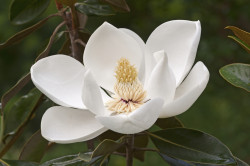
What is Magnolia?
- Anxiety and stress
- Sleep problems
- Digestive upset
- Inflammation
- Nasal congestion and allergies (flower bud)
Magnolia bark and flower buds have a long history in traditional Chinese and Japanese medicine, often for stress, sleep, and digestion. Modern human research is still limited, so we can't be sure how well it works for most uses. Talk with your pharmacist or doctor before trying it, especially if you take other medicines or are pregnant.
Magnolia officinalis · Magnoliaceae · Bark and flower buds · Capsules, tablets, tea, tinctures, and some toothpastes or skin products
An interaction check asks whether these two react with each other — it does not ask whether Magnolia is a good idea for someone in your situation. Here is what our Magnolia record says about it on its own.
Magnolia: dosing
There is no well-established standard dose of Magnolia. Products vary widely in how they are prepared and how concentrated they are, and many supplements combine Magnolia with other ingredients.The safest approach is to follow the directions on the product label and not exceed the recommended amount.
From our Magnolia monograph — the full record covers uses, side effects and every documented interaction.
About Exenatide Injection
What Is Exenatide Injection Used For?
Brand name: Bydureon BCISE
Exenatide injection is used as an addition to diet and exercise to improve blood sugar control in adults with type 2 diabetes. It is not a substitute for healthy lifestyle changes — it works best when combined with them.
It should not be used together with other exenatide-containing products. The brands Byetta, Bydureon, and BYDUREON BCise all contain exenatide and should never be combined with each other.
Other Drugs & Magnolia
Browse every other medication we’ve checked against Magnolia — both the ones with a known interaction and the ones without. Select any drug for the full detail.
No drugs match “”.
351 interactions
- Diclofenac Sodium ›
- Ibuprofen ›
- Diphenhydramine ›
- Aspirin ›
- Naproxen ›
- Minocycline ›
- Flurazepam ›
- Triazolam ›
- Zopiclone ›
- Fentanyl ›
- Oxycodone ›
- Phenytoin ›
- Temazepam ›
- Carbamazepine ›
- Diclofenac Potassium ›
- Dipyridamole ›
- Morphine Sulfate ›
- Nitrazepam ›
- Buprenorphine ›
- Diazepam ›
- Ketoprofen ›
- Lofepramine ›
- Meprobamate ›
- Oxymorphone ›
- Propoxyphene ›
- Topiramate ›
- Aripiprazole ›
- Bivalirudin ›
- Cetirizine ›
- Clobazam ›
- Clonazepam ›
- Clorazepate ›
- Desipramine ›
- Doxepin ›
- Hydromorphone ›
- Levetiracetam ›
- Metoclopramide ›
- Midazolam ›
- Phenobarbital ›
- Tramadol ›
- Valproic Acid ›
- Warfarin Sodium ›
- Zolpidem ›
- Acetazolamide ›
- Alprazolam ›
- Aripiprazole Lauroxil ›
- Bromfenac Sodium ›
- Buprenorphine Hydrochloride ›
- Butabarbital Sodium ›
- Chlorpromazine ›
- Dabigatran ›
- Dexmedetomidine ›
- Diclofenac Epolamine ›
- Gabapentin ›
- Hexobarbital ›
- Hydrocodone ›
- Hydrocodone Bitartrate ›
- Iloprost ›
- Lithium Carbonate (prescription Drug) ›
- Loxapine ›
Showing 60 of 351 moderate interactions — see all 351 on the Magnolia page.
No interaction 2,478 drugs checked — show the list
We also checked Magnolia against these medications and found no known interaction in our sources. Open any page to confirm.
- Levothyroxine ›
- Amlodipine ›
- Methylphenidate ›
- Sertraline ›
- Testosterone ›
- Losartan Potassium ›
- Ivermectin ›
- Metoprolol ›
- Rosuvastatin ›
- Acetaminophen ›
- Escitalopram ›
- Abemaciclib ›
- Tadalafil ›
- Atorvastatin ›
- Docusate ›
- Hydroxyurea ›
- Valacyclovir ›
- Tirzepatide ›
- Methamphetamine ›
- Semaglutide ›
- Sumatriptan ›
- Prednisone ›
- Propranolol ›
- Lisdexamfetamine ›
- Metformin ›
- Lisinopril ›
- Amoxicillin ›
- Bupropion ›
- Bendamustine ›
- Acyclovir ›
- Methotrexate ›
- Doxycycline ›
- Fluoxetine ›
- Amphetamine ›
- Azithromycin ›
- Isotretinoin ›
- Dextroamphetamine ›
- Amlodipine Besylate ›
- Methylene Blue ›
- Omeprazole ›
- Quetiapine ›
- Letrozole ›
- Duloxetine ›
- Buspirone ›
- Citalopram ›
- Ciprofloxacin ›
- Bisoprolol ›
- Levothyroxine, Liothyronine ›
- Dapsone ›
- Candesartan Cilexetil ›
- Cephalexin ›
- Cyclopentolate ›
- Mannitol ›
- Roxithromycin ›
- Atorvastatin Calcium ›
- Pegunigalsidase Alfa-iwxj ›
- Finasteride ›
- Ezetimibe ›
- Mirtazapine ›
- Estrogen ›
Showing the 60 most looked-up of 2,478 medications checked with no known interaction — see the full Magnolia list.
Magnolia References
The 9 references that drive our Magnolia monograph and interaction data, from the evidence-graded Natural Medicines (TRC Healthcare) database. Citations with a link open the study on PubMed or the publisher’s site.
- Kuribara H, Kishi E, Hattori N, et al. The anxiolytic effect of two oriental herbal drugs in Japan attributed to honokiol from magnolia bark. J Pharm Pharmacol 2000;52:1425-9. PubMed
- Tachikawa E, Takahashi M, Kashimoto T. Effects of extract and ingredients isolated from Magnolia obovata thunberg on catecholamine secretion from bovine adrenal chromaffin cells. Biochem Pharmacol 2000;60:433-40. PubMed
- Jung KY, Kim DS, Oh SR, et al. Magnone A and B, novel anti-PAF tetrahydrofuran lignans from the flower buds of Magnolia fargesii. J Nat Prod 1998;61:808-11.
- Garrison R, Chambliss WG. Effect of a proprietary Magnolia and Phellodendron extract on weight management: a pilot, double-blind, placebo-controlled clinical trial. Altern Ther Health Med 2006;12:50-4.
- Teng CM, Chen CC, Ko FN, et al. Two antiplatelet agents from Magnolia officinalis. Thromb Res 1988;50:757-65. PubMed
- Ghys K, De Palma A, Vandevenne A, Werbrouck J, Goossens A. Magnolia officinalis bark extract, a recently identified contact allergen in 'anti-ageing' cosmetics. Contact Dermatitis. 2015 Aug;73(2):130-2.
- Raison-Peyron N, Césaire A, Du-Thanh A, Dereure O. Allergic contact dermatitis caused by Magnolia officinalis bark extract in a facial anti-ageing cream. Contact Dermatitis. 2015 Jun;72(6):416-7.
- Nilausen TD, Johansen JD, Thyssen JP. Allergic contact dermatitis of the face caused by Magnolia officinalis bark extract. Contact Dermatitis. 2016;75(6):385-87.
- Amat-Samaranch V, López-Sánchez C, Tubau C, Puig L, Serra-Baldrich E. Vulvar allergic contact dermatitis caused by Magnolia officinalis bark extract. Contact Dermatitis 2022;87(1):96-97.
Medication overviews come from MedlinePlus (NIH); supplement label data from the NIH Dietary Supplement Label Database. Content is written and reviewed by licensed HelloPharmacist pharmacists — see our data sources and editorial standards.
Exenatide Synthetic Is Linked to Lower Levels of One Nutrient
Natural Medicines records Exenatide Synthetic as a medicine that can lower these. This is not an interaction with Magnolia — it is a separate effect of the medicine, and it is a reason some people are advised to supplement rather than to avoid one:
Read the full Exenatide Synthetic nutrient depletion report ›
Depletion records come from the licensed Natural Medicines database. Do not start a supplement on the strength of this page — ask your pharmacist or doctor whether it applies to you.
Taking Magnolia and Exenatide Synthetic Together: Common Questions
Is it safe to take Magnolia with Exenatide Synthetic?
Do Magnolia and Exenatide Synthetic have any of the same side effects?
Are Magnolia and Exenatide Synthetic used for the same thing?
How was the Magnolia and Exenatide Synthetic combination checked?
Does Magnolia interact with any other medications?
Does Exenatide Synthetic interact with any supplements?
Written and reviewed by the HelloPharmacist editorial staff. Our editorial policy
Keep Exploring
Still Have a Question About Exenatide Synthetic and Magnolia?
Our pharmacists answer your medication & supplement questions — free.
This information is for education only and is not a substitute for professional medical advice. Always check with your pharmacist or doctor before starting, stopping, or combining supplements and medications.