
Magnolia + Methadone
Methadone brand name: Dolophine.
Magnolia has a moderate interaction with Methadone. Theoretically, concomitant use of large doses of magnolia bark and CNS depressants might have additive effects.
Read the full interaction reportMagnolia and Methadone
Here is the interaction we found between these two, with the evidence behind it.
CNS DEPRESSANTS
Why this applies to Methadone
Methadone falls under CNS DEPRESSANTS — the group Magnolia interacts with.
In vitro and animal research shows that constituents extracted from magnolia bark, especially honokiol and magnolol, have sedative effects. These effects may be due to the inhibition of catecholamine release and modulation of gamma-aminobutyric acid-A (GABA-A) receptors.
Interaction has been documented in animal or in lab research, or the interaction has been documented in humans but is limited to case reports or conflicting clinical research exists.

Here's the gist: methadone already slows down your brain and breathing on its own, and magnolia bark may add a little calming effect of its own. Lab and animal studies suggest its main compounds, honokiol and magnolol, can act on the same kind of GABA pathways that make you drowsy. Stack that on top of methadone and you could feel more sedated, foggy, or dizzy than usual.
Keep in mind this is theoretical. The concern comes from test-tube and animal work, not from people, and it really only applies to concentrated magnolia supplements taken in large amounts. Still, because methadone is a strong opioid where too much sedation can be dangerous, I'd run it by your pharmacist or doctor before combining them rather than guessing.
- Kuribara H, Kishi E, Hattori N, et al. The anxiolytic effect of two oriental herbal drugs in Japan attributed to honokiol from magnolia bark. J Pharm Pharmacol 2000;52:1425-9. PubMed
- Tachikawa E, Takahashi M, Kashimoto T. Effects of extract and ingredients isolated from Magnolia obovata thunberg on catecholamine secretion from bovine adrenal chromaffin cells. Biochem Pharmacol 2000;60:433-40. PubMed
What These Ratings Mean
Every interaction above is graded three ways — here’s the key to each label.
Clinically significant. Avoid the combination, or use only under close professional supervision.
Usually worth avoiding or managing — may need monitoring, a dose change, or timing apart.
Generally not serious. Be aware of it and mention it to your pharmacist.
- LikelyWell-controlled human studies have demonstrated the likely existence of this interaction.
- ProbableInteraction has not been documented in well-controlled studies, however, the interaction has been demonstrated in some small human studies or in controlled animal studies in conjunction with multiple case reports.
- PossibleInteraction has been documented in animal or in lab research, or the interaction has been documented in humans but is limited to case reports or conflicting clinical research exists.
- UnlikelyInteraction has been demonstrated in animal or in lab research but has been shown not to occur in humans.
- AHigh-quality meta-analysis (quantitative systematic review).
- BCase-control study.
- CConsensus.
- DAnecdotal evidence.
These ratings are for information only. Never start, stop, or otherwise change your therapy before speaking with your provider.
Magnolia Also Interacts With Other Medications
Magnolia has 350 moderate known drug interactions in our database — the Methadone one above is one of them. If you take anything else, check it against the full list below.
Check Another of Your Medications Against Magnolia
We haven’t checked that one against Magnolia yet — ask our pharmacists directly.
Covers the 2,830 medications we’ve checked against Magnolia. Pick one to open its full report.
Questions About Magnolia or Methadone
These are real questions from readers, answered by the pharmacists at HelloPharmacist — written by a person, not generated from a database. Each one covers Magnolia or Methadone, not necessarily both, but if one is close to what you were about to ask it will usually go further than a database entry can:
- Can Benadryl Cause A Positive Drug Test Result For Tramadol? ›
- Took More Methadone And Now I'm Short ›
Not quite your question? Ask our pharmacists directly — it is free, there is no account required, and answers usually come back within 24 hours.
See Every Supplement That Interacts With Methadone
This page covers Magnolia only. If you take other supplements — a multivitamin, a sleep aid, something for joints — the Methadone page lists 223 supplements it has a documented interaction with, worst first, each one explained.
The most serious there right now: 1,4-butanediol (major), Activated Charcoal (major), Beer (major), Gamma-hydroxybutyrate (ghb) (major) and Grapefruit (major).
By severity: 10 major · 174 moderate · 39 minor.
From our pharmacist’s overview on the Methadone page
“If you take methadone, choose your supplements with genuine care. Of the 223 ingredients on this page, most either add to methadone's sedating effect or change how fast your body clears it, which can push its blood level up or down.”
Reviewed by 2 · Jul 18, 2026
Taking Magnolia as Part of a Dietary Supplement Product? Check It for Interactions
We hold 736 real supplement products containing Magnolia, each one broken down to its full ingredient list — and combination products often carry several ingredients besides Magnolia. Your product may carry other ingredients that interact with Methadone too, on top of Magnolia — and those would not show on this page. Find your product and we’ll check every ingredient on its label:
Where Magnolia and Methadone Sit Against Everything Else
Out of every supplement and medication people look up on HelloPharmacist, here is where these two land this week — and which way each has been moving.
#219 of 1,452 supplements looked up here in the last 7 days
#803 of 2,830 medications looked up here in the last 7 days
Position among everything looked up on this site, not a measure of how commonly either one is used or how important it is. A supplement can climb this list because of a news story. It counts every request to the page, automated ones included, and nothing here identifies anyone.
About Magnolia
What is Magnolia?
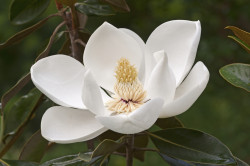
- Anxiety and stress
- Sleep problems
- Digestive upset
- Inflammation
- Nasal congestion and allergies (flower bud)
Magnolia bark and flower buds have a long history in traditional Chinese and Japanese medicine, often for stress, sleep, and digestion. Modern human research is still limited, so we can't be sure how well it works for most uses. Talk with your pharmacist or doctor before trying it, especially if you take other medicines or are pregnant.
About Methadone
What Is Methadone Used For?
Brand name: Dolophine
Methadone treats severe and persistent pain that requires daily, around-the-clock, long-term opioid treatment and cannot be managed adequately with other options. It is available in several forms for this use, including oral solution, oral tablets, oral concentrate, and injectable forms (intravenous, intramuscular, and subcutaneous). Injectable methadone is not approved for outpatient pain treatment — it is reserved for hospitalized patients unable to take oral medication.
Methadone is also used for the detoxification and maintenance treatment of opioid addiction (dependence on heroin or other morphine-like drugs). Oral forms — including tablets, dispersible tablets (such as Methadose Dispersible and DISKETS), and oral concentrates (such as Methadone Hydrochloride Intensol™, Methadose, and others) — are approved for this use. By law, methadone for opioid addiction treatment must be dispensed only by certified opioid treatment programs. Injectable methadone is not approved for outpatient addiction treatment.
Other Drugs & Magnolia
Browse every other medication we’ve checked against Magnolia — both the ones with a known interaction and the ones without. Select any drug for the full detail.
No drugs match “”.
350 interactions
- Diclofenac Sodium ›
- Ibuprofen ›
- Diphenhydramine ›
- Aspirin ›
- Naproxen ›
- Minocycline ›
- Flurazepam ›
- Triazolam ›
- Zopiclone ›
- Fentanyl ›
- Oxycodone ›
- Phenytoin ›
- Temazepam ›
- Carbamazepine ›
- Diclofenac Potassium ›
- Dipyridamole ›
- Morphine Sulfate ›
- Nitrazepam ›
- Buprenorphine ›
- Diazepam ›
- Ketoprofen ›
- Lofepramine ›
- Meprobamate ›
- Oxymorphone ›
- Propoxyphene ›
- Topiramate ›
- Aripiprazole ›
- Bivalirudin ›
- Cetirizine ›
- Clobazam ›
- Clonazepam ›
- Clorazepate ›
- Desipramine ›
- Doxepin ›
- Hydromorphone ›
- Levetiracetam ›
- Metoclopramide ›
- Midazolam ›
- Phenobarbital ›
- Tramadol ›
- Valproic Acid ›
- Warfarin Sodium ›
- Zolpidem ›
- Acetazolamide ›
- Alprazolam ›
- Aripiprazole Lauroxil ›
- Bromfenac Sodium ›
- Buprenorphine Hydrochloride ›
- Butabarbital Sodium ›
- Chlorpromazine ›
- Dabigatran ›
- Dexmedetomidine ›
- Diclofenac Epolamine ›
- Gabapentin ›
- Hexobarbital ›
- Hydrocodone ›
- Hydrocodone Bitartrate ›
- Iloprost ›
- Lithium Carbonate (prescription Drug) ›
- Loxapine ›
Showing 60 of 350 moderate interactions — see all 350 on the Magnolia page.
No interaction 2,479 drugs checked — show the list
We also checked Magnolia against these medications and found no known interaction in our sources. Open any page to confirm.
- Levothyroxine ›
- Amlodipine ›
- Methylphenidate ›
- Sertraline ›
- Losartan Potassium ›
- Testosterone ›
- Ivermectin ›
- Metoprolol ›
- Abemaciclib ›
- Acetaminophen ›
- Rosuvastatin ›
- Escitalopram ›
- Atorvastatin ›
- Tadalafil ›
- Docusate ›
- Tirzepatide ›
- Hydroxyurea ›
- Methamphetamine ›
- Valacyclovir ›
- Semaglutide ›
- Sumatriptan ›
- Prednisone ›
- Lisdexamfetamine ›
- Propranolol ›
- Metformin ›
- Lisinopril ›
- Amoxicillin ›
- Isotretinoin ›
- Methotrexate ›
- Bupropion ›
- Bendamustine ›
- Amlodipine Besylate ›
- Amphetamine ›
- Doxycycline ›
- Fluoxetine ›
- Acyclovir ›
- Azithromycin ›
- Dextroamphetamine ›
- Quetiapine ›
- Methylene Blue ›
- Omeprazole ›
- Letrozole ›
- Duloxetine ›
- Levothyroxine, Liothyronine ›
- Buspirone ›
- Citalopram ›
- Ciprofloxacin ›
- Bisoprolol ›
- Candesartan Cilexetil ›
- Amoxicillin, Clavulanate Potassium ›
- Dapsone ›
- Cyclopentolate ›
- Cephalexin ›
- Atorvastatin Calcium ›
- Mannitol ›
- Roxithromycin ›
- Ezetimibe ›
- Mirtazapine ›
- Dexmethylphenidate ›
- Levothyroxine Sodium ›
Showing the 60 most looked-up of 2,479 medications checked with no known interaction — see the full Magnolia list.
Sources & How We Checked
Interaction details are evidence-graded and sourced from the Natural Medicines database. The medication overview comes from MedlinePlus.
- Natural Medicines (Therapeutic Research Center) — Evidence-graded clinical reference for vitamins, herbs and supplements — the basis for our interaction data.
- MedlinePlus, U.S. National Library of Medicine — NIH consumer drug information, used for the medication overviews.
- NIH Dietary Supplement Label Database (DSLD) — Official supplement product labels.
Content is written and reviewed by licensed HelloPharmacist pharmacists. See our data sources and editorial standards for how this information is built and checked.
Parts of this content are provided by the Therapeutic Research Center, LLC.
DISCLAIMER: Currently this does not check for drug-drug interactions. This is not an all-inclusive comprehensive list of potential interactions and is for informational purposes only. Not all interactions are known or well-reported in the scientific literature, and new interactions are continually being reported. Input is needed from a qualified healthcare provider including a pharmacist before starting any therapy. Application of clinical judgment is necessary.
© 2021 Therapeutic Research Center, LLC
Taking Magnolia and Methadone Together: Common Questions
Can you take Magnolia with Methadone?
How serious is the Magnolia and Methadone interaction?
Written and reviewed by the HelloPharmacist editorial staff. Our editorial policy
Still Have a Question About Methadone and Magnolia?
Our pharmacists answer your medication & supplement questions — free.
This information is for education only and is not a substitute for professional medical advice. Always check with your pharmacist or doctor before starting, stopping, or combining supplements and medications.