
Methylene Blue + Atovaquone, Proguanil
Atovaquone, Proguanil brand name: Malarone.
We found no known interaction between Methylene Blue and Atovaquone, Proguanil in our sources. Absence of a documented interaction is not the same as proven safety, and does not guarantee one does not exist. Do not start, stop, or change a medication or supplement based on this page; confirm with your pharmacist or doctor first. Additionally, although there is no interaction, the label for Atovaquone, Proguanil states a food rule worth keeping to, and the two are separately associated with some of the same side effects, which would make a new symptom harder to attribute to one or the other.
Methylene Blue and Atovaquone, Proguanil
We checked these two against our interaction database. Here is what we found.
No Known Interaction Found
We did not find a documented interaction between Atovaquone, Proguanil and Methylene Blue in our sources. This does not guarantee that the combination is completely free of risk — there is often limited research on supplements and herbal products, especially around drug interactions.
If you decide to take both, the practical routine is simple: add one new thing at a time and note the date you started it. If the combination is going to disagree with you, it usually shows in the first days to a couple of weeks — and a start date turns “I’ve been feeling off” into something a pharmacist can actually work with. Do not stop a prescribed medicine on your own.
Always talk with your pharmacist or doctor before making changes to your medications or supplements, particularly if you take several medications or have an ongoing health condition.
Methylene Blue safety at a glance
Pregnancy & breastfeeding ratings are from Natural Medicines (Therapeutic Research Center) — the full detail is in the Special populations card below. Safety guidance is general; always confirm with your pharmacist or doctor for your situation.
Why No Interaction Is Listed for Atovaquone, Proguanil
Interactions in our licensed database are recorded against drug classes, not just single drug names. Atovaquone, Proguanil is filed under 3 classifications — cytochrome p450 2c19 (cyp2c19) substrates, seizure threshold lowering drugs, oral drugs. Methylene Blue has documented interactions with 2 drug classes — the most serious being anticholinergic drugs (moderate) and serotonergic drugs (moderate) — and none of Atovaquone, Proguanil’s classifications are among them.
Classification data comes from our licensed Natural Medicines dataset. A medication can belong to classes beyond those recorded there, so this describes how the check was run — it is not a safety guarantee.
Methylene Blue Does Interact With Other Medications
Methylene Blue has 315 moderate known drug interactions in our database — Atovaquone, Proguanil isn’t one of them. If you take anything else, check it against the full list below.
Check Another of Your Medications Against Methylene Blue
We haven’t checked that one against Methylene Blue yet — ask our pharmacists directly.
Covers the 2,830 medications we’ve checked against Methylene Blue. Pick one to open its full report.
Methylene Blue in Pregnancy & Breastfeeding
Likely Safe when prescription methylene blue products are used intravenously and appropriately, short-term. Methylene blue is available as an FDA-approved prescription product. There is insufficient reliable information available about the safety of any form of supplemental or non-prescription methylene blue product.
CHILDREN: Likely Safe when prescription methylene blue products are used intravenously and appropriately, short-term. Methylene blue is available as an FDA-approved prescription product. Cases of hemolytic anemia, hyperbilirubinemia, and acute renal failure have occurred rarely in neonates. CHILDREN: There is insufficient reliable information available about the safety of any form of supplemental or non-prescription methylene blue product.
PREGNANCY: Likely Unsafe when prescription methylene blue is used intra-amniotically. When provided during the second trimester, methylene blue has caused fetal intestinal atresia and death. When used close to term, adverse effects have been reported in the newborn including hemolytic anemia, hyperbilirubinemia, methemoglobinemia, photosensitivity, and respiratory distress. Phototherapy and blood exchange transfusion have been required. PREGNANCY: There is insufficient reliable information available about the safety of methylene blue given by intrauterine injection during the first trimester. Inadvertent exposure in 4 case reports has not resulted in adverse effects. PREGNANCY: There is insufficient reliable information available about the safety of oral supplemental or non-prescription methylene blue products. However, fetal toxicity, including fetal loss, malformations, and reduced fetal weight, has been observed in animal studies at high doses.
LACTATION: Possibly Unsafe when prescription methylene blue products are administered to patients who are lactating. Breast-feeding should be discontinued during and for 8 days after treatment. LACTATION: There is insufficient reliable information available about the safety of oral supplemental or non-prescription methylene blue products.
Safety ratings from the Natural Medicines database. If you are pregnant or nursing, review any supplement with your OB or pharmacist first.
Some Atovaquone, Proguanil Products Have a Food Rule — Methylene Blue Should Not Break It
At least one FDA label for a product containing Atovaquone, Proguanil says to take it with food. If you take Methylene Blue on an empty stomach out of habit, keep them separate — and take Atovaquone, Proguanil with a meal where the label says to.
This may not be true of your version. Food instructions belong to the product, not the ingredient: two Atovaquone, Proguanil products can carry different directions, and extended-release forms often differ from immediate-release ones. The label we read is quoted below — check the directions on your own box or bottle, or ask your pharmacist, for how to take the exact product you were given.
2 DOSAGE AND ADMINISTRATION The daily dose should be taken at the same time each day with food or a milky drink.
From the Dosage and Administration section of the FDA label we read for Atovaquone, Proguanil — where that label names a specific product, the instruction is that product's. Read the label on DailyMed ›
A food rule is not an interaction — it is about how much of the medicine you absorb. The directions that came with your own product, and your pharmacist, outrank anything on this page.
Questions About Methylene Blue or Atovaquone, Proguanil
These are real questions from readers, answered by the pharmacists at HelloPharmacist — written by a person, not generated from a database. Each one covers Methylene Blue or Atovaquone, Proguanil, not necessarily both, but if one is close to what you were about to ask it will usually go further than a database entry can:
Not quite your question? Ask our pharmacists directly — it is free, there is no account required, and answers usually come back within 24 hours.
See Every Supplement That Interacts With Atovaquone, Proguanil
This page covers Methylene Blue only. If you take other supplements — a multivitamin, a sleep aid, something for joints — the Atovaquone, Proguanil page lists 54 supplements it has a documented interaction with, worst first, each one explained.
The most serious there right now: Activated Charcoal (major), Adrafinil (moderate), Artichoke (moderate), Bacopa (moderate) and Baikal Skullcap (moderate).
By severity: 1 major · 40 moderate · 13 minor.
From our pharmacist’s overview on the Atovaquone, Proguanil page
“Most people taking atovaquone-proguanil (Malarone) are travelers trying to prevent malaria, so this list of 54 interacting supplements deserves real attention, since anything that weakens the drug can leave you exposed to the disease itself. The single major-rated entry is activated charcoal, a common travel remedy for stomach upset, w…”
Reviewed by 2 · Jul 18, 2026
Where Methylene Blue and Atovaquone, Proguanil Sit Against Everything Else
Out of every supplement and medication people look up on HelloPharmacist, here is where these two land this week — and which way each has been moving.
#287 of 1,452 supplements looked up here in the last 7 days
#2,181 of 2,830 medications looked up here in the last 7 days
Position among everything looked up on this site, not a measure of how commonly either one is used or how important it is. A supplement can climb this list because of a news story. It counts every request to the page, automated ones included, and nothing here identifies anyone.
Where does our data come from?
- Source: the Natural Medicines (TRC Healthcare) clinical database — the evidence-graded professional reference for herb & supplement interactions.
- Citation library: 103,510 references behind our interaction content, 65,311 of them resolved to verified PubMed/DOI sources. See every Methylene Blue reference on this page ↓
- Freshness: we automatically re-check this combination every week — this pair was last verified September 13, 2026. The Methylene Blue and Atovaquone, Proguanil records this page draws on were last updated July 16, 2026.
- What “no known interaction” means: no documented interaction in the sources above — not a guarantee of safety. Supplements are studied far less than prescription drugs, so we say exactly what the evidence supports, and nothing more.
About Methylene Blue
What is Methylene Blue?
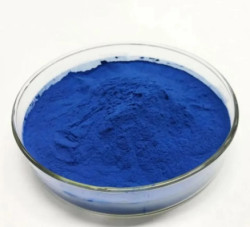
- Methemoglobinemia (a blood disorder)
- Claimed energy or mental focus support
- Anti-aging or longevity claims
- Antimicrobial or antimalarial uses (historical)
- Dye for medical and lab procedures
Methylene blue is a synthetic dye that is an FDA-approved prescription medicine for a rare blood disorder called methemoglobinemia, and it is also used as a diagnostic dye. Its popular use as a supplement for energy, brain health, or anti-aging is not well supported by solid human evidence, and it can cause serious side effects. Talk to a pharmacist or doctor before using it, and never take non-pharmaceutical or industrial-grade products.
Synthetic chemical compound (not derived from a plant) · Prescription injection, oral tablets, and compounded liquid or capsule supplements
An interaction check asks whether these two react with each other — it does not ask whether Methylene Blue is a good idea for someone in your situation. Here is what our Methylene Blue record says about it on its own.
Methylene Blue: dosing
There is no established safe supplement dose of methylene blue. In hospitals, medical doses are carefully calculated by weight and given by trained staff, which is very different from taking it on your own.Supplement products vary widely in strength and quality, and some sold online are not intended for people. If you are considering methylene blue, do not guess at a dose. They can review your health conditions and all your medicines to help you decide whether it is safe for you.
From our Methylene Blue monograph — the full record covers uses, side effects and every documented interaction.
About Atovaquone and Proguanil
What Is Atovaquone and Proguanil Used For?
Brand name: Malarone
Atovaquone and proguanil is used for two purposes: preventing P. falciparum malaria before and during travel to areas where malaria is common, and treating an active, uncomplicated P. falciparum malaria infection. This includes regions where other antimalarials — such as chloroquine, mefloquine, halofantrine, and amodiaquine — may no longer be effective due to drug resistance.
Both the adult-strength and pediatric-strength tablet formulations share these same two approved uses. The brand Malarone is approved for both prevention and treatment of P. falciparum malaria in adults and in pediatric patients, with dosing based on body weight for children.
Other Drugs & Methylene Blue
Browse every other medication we’ve checked against Methylene Blue — both the ones with a known interaction and the ones without. Select any drug for the full detail.
No drugs match “”.
315 interactions
- Diphenhydramine ›
- Methylphenidate ›
- Glycopyrrolate ›
- Fentanyl ›
- Oxybutynin ›
- Carbamazepine ›
- Dextromethorphan ›
- Ipratropium ›
- Phenylephrine ›
- Procainamide ›
- Trimipramine ›
- Buprenorphine ›
- Dimenhydrinate ›
- Lofepramine ›
- Nortriptyline ›
- Procyclidine ›
- Selegiline ›
- Sumatriptan Succinate ›
- Amantadine ›
- Aripiprazole ›
- Cyclobenzaprine ›
- Desipramine ›
- Doxepin ›
- Duloxetine ›
- Fluphenazine ›
- Hydroxyzine ›
- Hyoscyamine ›
- Meclizine ›
- Metoclopramide ›
- Paroxetine ›
- Phenobarbital ›
- Prucalopride ›
- Scopolamine ›
- Tramadol ›
- Trihexyphenidyl ›
- Trospium ›
- Valproic Acid ›
- Vortioxetine ›
- Almotriptan ›
- Aripiprazole Lauroxil ›
- Atropine Sulfate ›
- Benztropine ›
- Biperiden ›
- Chlorpheniramine ›
- Chlorpromazine ›
- Clomipramine ›
- Clozapine ›
- Desvenlafaxine ›
- Dexchlorpheniramine ›
- Dihydroergotamine ›
- Disopyramide Phosphate ›
- Fluoxetine ›
- Granisetron ›
- Hyoscine Butylbromide ›
- Imipramine ›
- Linezolid ›
- Lithium Carbonate (prescription Drug) ›
- Loperamide ›
- Loxapine ›
- Meperidine ›
Showing 60 of 315 moderate interactions — see all 315 on the Methylene Blue page.
No interaction 2,514 drugs checked — show the list
We also checked Methylene Blue against these medications and found no known interaction in our sources. Open any page to confirm.
- Apixaban ›
- Levothyroxine ›
- Amlodipine ›
- Warfarin ›
- Testosterone ›
- Losartan Potassium ›
- Ivermectin ›
- Metoprolol ›
- Aspirin ›
- Rivaroxaban ›
- Rosuvastatin ›
- Acetaminophen ›
- Tadalafil ›
- Clopidogrel ›
- Abemaciclib ›
- Atorvastatin ›
- Docusate ›
- Hydroxyurea ›
- Valacyclovir ›
- Ibuprofen ›
- Tirzepatide ›
- Warfarin Sodium ›
- Semaglutide ›
- Prednisone ›
- Propranolol ›
- Metformin ›
- Lisinopril ›
- Amoxicillin ›
- Bupropion ›
- Bendamustine ›
- Acyclovir ›
- Methotrexate ›
- Doxycycline ›
- Amphetamine ›
- Lamotrigine ›
- Pregabalin ›
- Acetaminophen, Codeine ›
- Azithromycin ›
- Gabapentin ›
- Isotretinoin ›
- Clonazepam ›
- Omeprazole ›
- Amlodipine Besylate ›
- Letrozole ›
- Naproxen ›
- Ciprofloxacin ›
- Bisoprolol ›
- Levothyroxine, Liothyronine ›
- Acetaminophen, Oxycodone ›
- Diazepam ›
- Dapsone ›
- Candesartan Cilexetil ›
- Cephalexin ›
- Cyclopentolate ›
- Acetaminophen, Dextromethorphan, Doxylamine ›
- Roxithromycin ›
- Mannitol ›
- Atorvastatin Calcium ›
- Acetaminophen, Caffeine, Codeine ›
- Levetiracetam ›
Showing the 60 most looked-up of 2,514 medications checked with no known interaction — see the full Methylene Blue list.
Methylene Blue References
The 60 references that drive our Methylene Blue monograph and interaction data, from the evidence-graded Natural Medicines (TRC Healthcare) database. Citations with a link open the study on PubMed or the publisher’s site.
- Chebolu E, Gnirke M, St Francis H, Soghoian S, Su MK. Extravasation with methylthioninium chloride. Clin Toxicol (Phila) 2024;62(11):776-778. PubMed
- Walter-Sack I, Rengelshausen J, Oberwittler H, et al. High absolute bioavailability of methylene blue given as an aqueous oral formulation. Eur J Clin Pharmacol. 2009;65(2):179-89. PubMed
- Akazawa M, Wu YH, Liu WM. Allergy-like reactions to methylene blue following laparoscopic chromopertubation: A systematic review of the literature. Eur J Obstet Gynecol Reprod Biol 2019;238:58-62. PubMed
- Aldeghaither S, Deschênes PJF, Samoukovic G. Anticholinergic Toxidrome as a Possible Explanation for Methylene Blue Toxicity. Am J Case Rep 2023;24:e941453. PubMed
- Liao YP, Hung DZ, Yang DY. Hemolytic anemia after methylene blue therapy for aniline-induced methemoglobinemia. Vet Hum Toxicol 2002;44(1):19-21.
- Bilgin H, Ozcan B, Bilgin T. Methemoglobinemia induced by methylene blue pertubation during laparoscopy. Acta Anaesthesiol Scand 1998;42(5):594-5. PubMed
- Kirlangitis JJ, Middaugh RE, Zablocki A, Rodriquez F. False indication of arterial oxygen desaturation and methemoglobinemia following injection of methylene blue in urological surgery. Mil Med 1990;155(6):260-2. DOI
- Porat R, Gilbert S, Magilner D. Methylene blue-induced phototoxicity: an unrecognized complication. Pediatrics 1996;97(5):717-21. DOI
- Honoré PJ, Deianova N, Loret G, Hemelsoet D. An easily overlooked cause of toxic encephalopathy: methylene blue in a patient on an SSRI. Acta Neurol Belg 2018;118(1):121-122. PubMed
- McRobb CM, Holt DW. Methylene blue-induced methemoglobinemia during cardiopulmonary bypass? A case report and literature review. J Extra Corpor Technol 2008;40(3):206-14. DOI
- Donaldson CJ, Sequeira Campos M, El-Sayed M. Inadvertent foetal exposure to methylene blue in the first trimester. J Obstet Gynaecol 2020;40(4):573-574. PubMed
- Vanhinsbergh L, Uthaya S, Bain BJ. Methylene blue-induced Heinz body hemolytic anemia in a premature neonate. Am J Hematol 2018;93(5):716-717.
- Repici A, Di Stefano AF, Radicioni MM, Jas V, Moro L, Danese S. Methylene blue MMX tablets for chromoendoscopy. Safety tolerability and bioavailability in healthy volunteers. Contemp Clin Trials 2012;33(2):260-7. PubMed
- Lee DC, Valente JH. Methylene blue dye-induced knee effusion. Am J Emerg Med 1999;17(7):739-40. PubMed
- Albert M, Lessin MS, Gilchrist BF. Methylene blue: dangerous dye for neonates. J Pediatr Surg 2003;38(8):1244-5. PubMed
- Giladi AM, Kasten SJ. Anaphylactic-like reaction to methylene blue: case report and review of perioperative hypersensitivity reactions. Plast Reconstr Surg 2012;130(1):98e-105e. PubMed
- Bleicher RJ, Kloth DD, Robinson D, Axelrod P. Inflammatory cutaneous adverse effects of methylene blue dye injection for lymphatic mapping/sentinel lymphadenectomy. J Surg Oncol 2009;99(6):356-60. PubMed
- George M. Methylene-blue-induced hyperbilirubinemia and phototoxicity in a neonate. Clin Pediatr (Phila) 2000;39(11):659-61.
- Lam CW, Wong SY. A case of green urine due to a traditional Chinese medicine containing methylene blue. N Z Med J 2010;123(1312):71-6.
- Teknos D, Ramcharan A, Oluwole SF. Pulmonary edema associated with methylene blue dye administration during sentinel lymph node biopsy. J Natl Med Assoc 2008;100(12):1483-4. PubMed
- Huang WH, Li MJ. Postoperative Serotonin Syndrome Following Administration of Preoperative Intrapulmonary Methylene Blue and Intraoperative Granisetron: A Case Report. Am J Case Rep 2022;23:e936317. PubMed
- Basta MN. Postoperative Serotonin Syndrome Following Methylene Blue Administration for Vasoplegia After Cardiac Surgery: A Case Report and Review of the Literature. Semin Cardiothorac Vasc Anesth 2021;25(1):51-56. PubMed
- Gilbert B, Akamune IE. A Case of Serotonin Syndrome Caused by the Concomitant Utilization of Methylene Blue and Venlafaxine in an Oncological Patient. J Pharm Pract 2020;33(5):705-707. PubMed
- Hashmi AT, Gupta SS, Shankar S, Seneviratne C, Yoon TS, Kupfer Y. Life-Threatening Serotonin Syndrome Due to Methylene Blue-Citalopram Interaction. Am J Ther 2019;26(6):e740-e741. PubMed
- Pelletier JP, Transue S, Snyder EL. Pathogen inactivation techniques. Best Pract Res Clin Haematol. 2006;19(1):205-42. PubMed
- Francescangeli J, Vaida S, Bonavia AS. Perioperative Diagnosis and Treatment of Serotonin Syndrome Following Administration of Methylene Blue. Am J Case Rep 2016;17:347-51. PubMed
- Hencken L, To L, Ly N, Morgan JA. Serotonin Syndrome Following Methylene Blue Administration for Vasoplegic Syndrome. J Card Surg 2016;31(4):208-10. PubMed
- Wolvetang T, Janse R, Ter Horst M. Serotonin Syndrome After Methylene Blue Administration During Cardiac Surgery: A Case Report and Review. J Cardiothorac Vasc Anesth 2016;30(4):1042-5. PubMed
- Smith CJ, Wang D, Sgambelluri A, Kramer RS, Gagnon DJ. Serotonin syndrome following methylene blue administration during cardiothoracic surgery. J Pharm Pract 2015;28(2):207-11. PubMed
- Top WM, Gillman PK, de Langen CJ, Kooy A. Fatal methylene blue associated serotonin toxicity. Neth J Med 2014;72(3):179-81.
- McDonnell AM, Rybak I, Wadleigh M, Fisher DC. Suspected serotonin syndrome in a patient being treated with methylene blue for ifosfamide encephalopathy. J Oncol Pharm Pract 2012;18(4):436-9. PubMed
- Grubb KJ, Kennedy JL, Bergin JD, Groves DS, Kern JA. The role of methylene blue in serotonin syndrome following cardiac transplantation: a case report and review of the literature. J Thorac Cardiovasc Surg 2012;144(5):e113-6. PubMed
- Sanei ZS, Shahrahmani F, Khaleghi Manesh B, et al. Methylene blue for COVID-19 ARDS: insights from a randomized Clinical Trial. Naunyn Schmiedebergs Arch Pharmacol 2025;398(2):1915-1924. PubMed
- Hamidi-Alamdari D, Hafizi-Lotfabadi S, Bagheri-Moghaddam A, et al. METHYLENE BLUE FOR TREATMENT OF HOSPITALIZED COVID-19 PATIENTS: A RANDOMIZED, CONTROLLED, OPEN-LABEL CLINICAL TRIAL, PHASE 2. Rev Invest Clin 2021;73(3):190-198. PubMed
- Alamdari DH, Moghaddam AB, Amini S, et al. Application of methylene blue -vitamin C -N-acetyl cysteine for treatment of critically ill COVID-19 patients, report of a phase-I clinical trial. Eur J Pharmacol 2020;885:173494. PubMed
- Guo X, Ding W, Liu L, Yang S. Intradiscal Methylene Blue Injection for Discogenic Low Back Pain: A Meta-Analysis. Pain Pract 2019;19(1):118-129. PubMed
- Deng M, Huang H, Ma YG, Zhou Y, Chen Q, Xie P. Intradiskal Injection of Methylene Blue for Discogenic Back Pain: A Meta-Analysis of Randomized Controlled Trials. J Neurol Surg A Cent Eur Neurosurg 2021;82(2):161-165. PubMed
- Farrokhi MR, Lotfi M, Masoudi MS, Gholami M. Effects of methylene blue on postoperative low-back pain and functional outcomes after lumbar open discectomy: a triple-blind, randomized placebo-controlled trial. J Neurosurg Spine 2016;24(1):7-15. View abstra PubMed
- Wilcock GK, Gauthier S, Frisoni GB, et al. Potential of Low Dose Leuco-Methylthioninium Bis(Hydromethanesulphonate) (LMTM) Monotherapy for Treatment of Mild Alzheimer's Disease: Cohort Analysis as Modified Primary Outcome in a Phase III Clinical Trial. J PubMed
- Rodriguez P, Zhou W, Barrett DW, et al. Multimodal Randomized Functional MR Imaging of the Effects of Methylene Blue in the Human Brain. Radiology 2016;281(2):516-526. PubMed
- Rodriguez P, Singh AP, Malloy KE, et al. Methylene blue modulates functional connectivity in the human brain. Brain Imaging Behav 2017;11(3):640-648. PubMed
- Wischik CM, Staff RT, Wischik DJ, et al. Tau aggregation inhibitor therapy: an exploratory phase 2 study in mild or moderate Alzheimer's disease. J Alzheimers Dis 2015;44(2):705-20. PubMed
- Baddeley TC, McCaffrey J, Storey JM, et al. Complex disposition of methylthioninium redox forms determines efficacy in tau aggregation inhibitor therapy for Alzheimer's disease. J Pharmacol Exp Ther 2015;352(1):110-8. PubMed
- Alda M, McKinnon M, Blagdon R, et al. Methylene blue treatment for residual symptoms of bipolar disorder: randomised crossover study. Br J Psychiatry 2017;210(1):54-60. PubMed
- Zhang Z, Zhu Z, Liu H, Chen J, Jin C, Zhang X. A Prospective, Randomized, Controlled Trial of Methylene Blue Injection for Costal Cartilage Harvest Postoperative Analgesia. Aesthet Surg J 2025;45(2):NP65-NP70. PubMed
- Soliman M, Salah M, Fadel M, Nasr M, El-Azab H. Contrasting the efficacy of pulsed dye laser and photodynamic methylene blue nanoemulgel therapy in treating acne vulgaris. Arch Dermatol Res 2021;313(3):173-180. PubMed
- Alves RO, Urzedo LOR, de Toledo PTA. Antimicrobial Photodynamic Therapy in Onychomycosis Management: A Systematic Review of Clinical Trials. Photodiagnosis Photodyn Ther. 2025:104640. PubMed
- Naylor GJ, Martin B, Hopwood SE, Watson Y. A two-year double-blind crossover trial of the prophylactic effect of methylene blue in manic-depressive psychosis. Biol Psychiatry 1986;21(10):915-20.
- Telch MJ, Bruchey AK, Rosenfield D, et al. Effects of post-session administration of methylene blue on fear extinction and contextual memory in adults with claustrophobia. Am J Psychiatry 2014;171(10):1091-8. PubMed
- Jia W, Li Q, Ni J, Zhang Y, Wu L, Xu L. Efficacy and safety of methylene blue injection for intractable idiopathic pruritus ani: a single-arm metaanalysis and systematic review. Tech Coloproctol 2023;27(10):813-825. PubMed
- Xue H, Thaivalappil A, Cao K. The Potentials of Methylene Blue as an Anti-Aging Drug. Cells 2021;10(12):3379. PubMed
- Wickramasinghe D, Wickramasinghe N, Samarasekera N, Warusavitarne J. The effect of local infiltration of methylene blue on posthemorrhoidectomy pain: A systematic review and meta-analysis. Curr Probl Surg 2025;67:101752. PubMed
- Gureev AP, Sadovnikova IS, Popov VN. Molecular Mechanisms of the Neuroprotective Effect of Methylene Blue. Biochemistry (Mosc) 2022;87(9):940-956. PubMed
- Isaev NK, Genrikhs EE, Stelmashook EV. Methylene blue and its potential in the treatment of traumatic brain injury, brain ischemia, and Alzheimer's disease. Rev Neurosci 2024;35(5):585-595. PubMed
- Tariq B, Simon SR, Pilz W, Maxim A, Kremer B, Baijens LWJ. Evaluating the safety of oral methylene blue during swallowing assessment: a systematic review. Eur Arch Otorhinolaryngol 2021;278(9):3155-3169. PubMed
- US Food and Drug Administration (FDA). PROVAYBLUE® (methylene blue) Prescribing Information. January 2024. Available at: https://www.accessdata.fda.gov/drugsatfda_docs/label/2024/204630s021lbl.pdf. Accessed July 16, 2025
- Gauthier S, Feldman HH, Schneider LS, et al. Efficacy and safety of tau-aggregation inhibitor therapy in patients with mild or moderate Alzheimer's disease: a randomised, controlled, double-blind, parallel-arm, phase 3 trial. Lancet. 2016;388(10062):2873- PubMed
- Lu G, Nagbanshi M, Goldau N, et al. Efficacy and safety of methylene blue in the treatment of malaria: a systematic review. BMC Med. 2018;16(1):59. PubMed
- Pelgrims J, De Vos F, Van den Brande J, et al. Methylene blue in the treatment and prevention of ifosfamide-induced encephalopathy: report of 12 cases and a review of the literature. Br J Cancer. 2000;82(2):291-4. PubMed
- Khokhar RS, Aqil M, Al-Zahrani T, Gelidan A, Al Khayal K. Novel management of methylene blue extravasation: A case report and review of literature. Saudi J Anaesth. 2015;9(2):211-3. PubMed
Medication overviews come from MedlinePlus (NIH); supplement label data from the NIH Dietary Supplement Label Database. Content is written and reviewed by licensed HelloPharmacist pharmacists — see our data sources and editorial standards.
Taking Methylene Blue and Atovaquone, Proguanil Together: Common Questions
Is it safe to take Methylene Blue with Atovaquone, Proguanil?
Do Methylene Blue and Atovaquone, Proguanil have any of the same side effects?
Should I take Methylene Blue and Atovaquone, Proguanil at the same time of day?
How was the Methylene Blue and Atovaquone, Proguanil combination checked?
Does Methylene Blue interact with any other medications?
Does Atovaquone, Proguanil interact with any supplements?
Written and reviewed by the HelloPharmacist editorial staff. Our editorial policy
Keep Exploring
Still Have a Question About Atovaquone, Proguanil and Methylene Blue?
Our pharmacists answer your medication & supplement questions — free.
This information is for education only and is not a substitute for professional medical advice. Always check with your pharmacist or doctor before starting, stopping, or combining supplements and medications.