
Meadowsweet Drug Interactions, Uses, Effectiveness, Safety & More
What is this page for?
First and foremost: how Meadowsweet interacts with medications. The heart of this page is the interaction list — every drug Meadowsweet is known to interact with, and how serious each one is.
But these pages have grown well beyond that into a full monograph — what Meadowsweet is, what people use it for and how strong the evidence is, its safety and side effects, and answers to the questions we’re asked most — written and reviewed by the clinical staff at HelloPharmacist. It’s educational information from our licensed clinical databases, not medical advice, and we don’t sell or endorse products. Our editorial policy
Check Meadowsweet against your medication
Add one medicationMeadowsweet Drug Interactions: The Bottom Line
From the HelloPharmacist Editorial Team · Updated July 2026Based on the available evidence, the overall risk of a clinically significant Meadowsweet drug interaction appears low for most people. None of the listed interactions are rated major, and every one rests on a theoretical concern rather than documented effects in people.
The interactions that deserve the most attention involve salicylate medicines, including aspirin, salsalate, and choline magnesium trisalicylate. Meadowsweet contains salicin, a plant salicylate, so in theory taking it alongside these drugs could add to their salicylate load. That said, salicin does not appear to share aspirin's blood-thinning, antiplatelet effect, which softens the main worry about extra bleeding risk. People who rely on daily aspirin or other salicylates are the group most likely to want a conversation with their prescriber.
Although a few dozen medications appear on Meadowsweet's interaction list, nearly all of them trace back to this single salicylate theory rather than separate proven problems. No interaction here has been confirmed in human studies, so a long list mainly signals caution about one shared chemical family, not evidence that each combination causes harm.
Based on HelloPharmacist’s Meadowsweet interaction data and reviewed under our editorial standards.
Drugs that interact with Meadowsweet
39 medications have a known interaction with Meadowsweet, graded by severity. Select any drug for the full evidence-based detail.
Don’t want to scroll the list? Just ask.
Tell us the medications you take and we’ll check each one against Meadowsweet using our pharmacist-reviewed interaction data.
AI summaries are generated from our Meadowsweet interaction data for education only — always confirm with your pharmacist. How we use AI
No drugs match “”.
What Severity, Likelihood & Evidence Mean
Severity — How Serious It Can Be
- Major. Clinically significant; generally best avoided, or used only under direct professional supervision.
- Moderate. May need monitoring, a dose adjustment, or separating the times you take each one.
- Minor. Generally not clinically significant, but still worth noting and mentioning to your pharmacist.
- No known interaction. Checked against our sources with nothing documented — not the same as proven safety.
Likelihood — How Well It’s Documented
- Likely. Well-controlled human studies have demonstrated the likely existence of this interaction
- Probable. Interaction has not been documented in well-controlled studies, however, the interaction has been demonstrated in some small human studies or in controlled animal studies in conjunction with multiple case reports.
- Possible. Interaction has been documented in animal or in lab research, or the interaction has been documented in humans but is limited to case reports or conflicting clinical research exists
- Unlikely. Interaction has been demonstrated in animal or in lab research but has been shown not to occur in humans.
Where This Data Comes From
- Interaction records are evidence-graded and sourced from the Natural Medicines database (TRC Healthcare), the same reference used by pharmacists and hospitals.
- Each drug listed above links to the full report for that exact Meadowsweet combination — clinical detail, likelihood, evidence level, and citations.
- Content is reviewed by licensed HelloPharmacist pharmacists — see our data sources and editorial standards.
The kinds of drugs Meadowsweet affects
Every type of medication (drug category) Meadowsweet is known to interact with. Open any category for the detail — or search your exact drug in the checker above.
Aspirin
Theoretically, meadowsweet might have an additive effect with other salicylate-containing drugs, such as aspirin.
Meadowsweet contains salicin, a plant salicylate; however, salicin doesn't seem to have the antiplatelet effects of aspirin.
Choline Magnesium Trisalicylate (Trilisate)
Theoretically, meadowsweet might have an additive effect with other salicylate-containing drugs, such as choline magnesium trisalicylate.
Meadowsweet contains salicin, a plant salicylate.
Salsalate (Disalcid)
Theoretically, meadowsweet might have an additive effect with other salicylate-containing drugs such as salsalate.
Meadowsweet contains salicin, a plant salicylate.
Meadowsweet: Uses, Safety & Side Effects
Meadowsweet is a traditional European herb that contains natural salicylates (aspirin-like compounds) and is used mainly for digestive upset, colds, and minor aches. High-quality human studies are lacking, so its benefits are not well proven, and people sensitive to aspirin should be cautious. Talk with your pharmacist or doctor before using it.
- Scientific name
- Filipendula ulmaria
- Family
- Rosaceae
- Part used
- Flowers and above-ground (aerial) parts, sometimes the root
- Common forms
- Tea, dried herb, tincture, liquid extract, capsules
- Heartburn and indigestion
- Cold and flu symptoms
- Mild aches and pains
- Fever
- Joint discomfort
Popular and traditional uses — not proof it works. See “Uses & effectiveness” below for the evidence.
Generally used in food-like amounts, but it contains salicylates and human safety data are limited.
When used orally. Some evidence suggests meadowsweet might stimulate uterine activity.
Read the full pregnancy detailInsufficient reliable information available; avoid using.
Read the full breastfeeding detailPregnancy & breastfeeding ratings are from Natural Medicines (Therapeutic Research Center). Safety guidance is general; always confirm with your pharmacist or doctor for your situation.
Overview
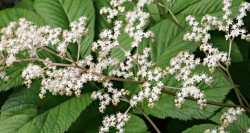
Meadowsweet (Filipendula ulmaria) is a flowering plant native to Europe and parts of Asia. It grows in damp meadows, ditches, and along streams, and is known for its feathery clusters of small white or cream-colored flowers and sweet, almond-like fragrance.
People have used meadowsweet in traditional herbal medicine for centuries. The flowers and leafy tops are most often dried and made into teas, tinctures, or capsules. Historically it was valued for stomach complaints, colds, and minor aches. Interestingly, meadowsweet played a part in the history of aspirin — the plant contains natural salicylates, and an old botanical name for it (Spiraea) helped inspire the name "aspirin."
How it works
Meadowsweet contains several plant compounds that may explain its traditional uses. The most discussed are salicylates — natural chemicals related to the active ingredient in aspirin — which are thought to have pain-relieving and anti-inflammatory effects. The plant also contains tannins, flavonoids, and aromatic compounds.
Tannins may have a mild astringent and soothing effect on the digestive tract, which is one reason it has been used for stomach upset. Flavonoids and other antioxidants may help reduce inflammation. Keep in mind that much of this is based on laboratory and animal research, so it is not clear how strongly these effects apply to people taking everyday amounts.
Does Meadowsweet work?
How to read these evidence grades
Natural Medicines’ 7-point scale. We show each rating’s label word-for-word.
For Meadowsweet, current evidence isn’t strong enough to rate any specific use. The conditions it has been studied for are listed below.
Also studied for 2 conditions — evidence insufficient to rate
Insufficient Reliable Evidence To Rate Headache
Although there has been interest in using oral meadowsweet for headache, there is insufficient reliable information about the clinical effects of meadowsweet for these conditions.
Insufficient Reliable Evidence To Rate Respiratory tract infections
Although there has been interest in using oral meadowsweet for respiratory tract infections, including cold, flu, bronchitis, and pneumonia, there is insufficient reliable information about the clinical effects of meadowsweet for these conditions.
Source & disclaimer. Effectiveness ratings and evidence summaries are provided by Natural Medicines (Therapeutic Research Center) and shown as licensed. Where Natural Medicines hasn’t rated a use, HelloPharmacist’s pharmacists may add their own reviewed rating and evidence (each such entry is labeled). This is educational information, not medical advice — talk with your pharmacist or doctor before starting, stopping, or changing a supplement.
Safety & precautions
When used in small, food-like amounts such as a tea, meadowsweet is generally considered reasonably well tolerated, but solid human safety data are limited. Because it contains salicylates, people who are allergic or sensitive to aspirin or other salicylate-containing products should avoid it.
For the same reason, meadowsweet should not be given to children or teenagers who have a fever or a viral illness, because salicylates have been linked to Reye's syndrome, a rare but serious condition. People with asthma (especially aspirin-sensitive asthma) and those with bleeding disorders should also be cautious.
Pregnancy and breastfeeding: There is not enough reliable safety information, so meadowsweet is best avoided during pregnancy and while breastfeeding. Always speak with a pharmacist or doctor before using any herbal product if you are pregnant, nursing, or have a chronic health condition.
Side effects
Reported side effects are not well documented, but possible effects include stomach upset, nausea, or allergic reactions. Because the plant has aspirin-like compounds, sensitive people could experience reactions similar to those caused by aspirin, such as wheezing or worsening asthma.
Stop using meadowsweet and seek medical care if you notice signs of an allergic reaction, such as rash, swelling, trouble breathing, or tightness in the chest.
Meadowsweet: Reported Adverse Effects
Documented safety reports on Meadowsweet from the evidence-graded Natural Medicines (TRC Healthcare) database, shown word-for-word from the licensed record.
Reports by conditionNausea and vomiting Gastrointestinal
Orally, large doses of meadowsweet can cause nausea and other stomach complaints.
Meadowsweet contains salicylate constituents. There is insufficient reliable information available to know if the side effects and toxicity normally associated with salicylates could occur with meadowsweet use. Adverse reactions associated with salicylates include gastric irritation, hematochezia, nausea, and vomiting.
- Gruenwald J, Brendler T, Jaenicke C. PDR for Herbal Medicines. 1st ed. Montvale, NJ: Medical Economics Company, Inc., 1998.
- Newall CA, Anderson LA, Philpson JD. Herbal Medicine: A Guide for Healthcare Professionals. London, UK: The Pharmaceutical Press, 1996.
Tinnitus Ocular/Otic
Meadowsweet contains salicylate constituents. There is insufficient reliable information available to know if the side effects and toxicity normally associated with salicylates could occur with meadowsweet use. Orally, adverse reactions with salicylates include tinnitus.
- Newall CA, Anderson LA, Philpson JD. Herbal Medicine: A Guide for Healthcare Professionals. London, UK: The Pharmaceutical Press, 1996.
Adverse-effects data: Natural Medicines, Therapeutic Research Center
Dosing
There is no well-established, standardized dose for meadowsweet. Traditional use varies widely depending on the form — for example, dried flowers steeped as a tea, or a tincture or capsule taken according to the maker's directions.
Because product strengths differ a great deal, the safest approach is to follow the directions on the product label and not exceed the recommended amount. Talk with your pharmacist or doctor before starting, especially if you take other medicines or have a health condition.
Meadowsweet & Pregnancy
Meadowsweet & Breastfeeding
© 2026 Therapeutic Research Center
Pregnancy & lactation ratings: Natural Medicines, Therapeutic Research Center
References & further reading
The 3 references that drive our Meadowsweet monograph and interaction data, from the evidence-graded Natural Medicines (TRC Healthcare) database. Citations with a link open the study on PubMed or the publisher’s site.
- Newall CA, Anderson LA, Philpson JD. Herbal Medicine: A Guide for Healthcare Professionals. London, UK: The Pharmaceutical Press, 1996.
- McGuffin M, Hobbs C, Upton R, Goldberg A, eds. American Herbal Products Association's Botanical Safety Handbook. Boca Raton, FL: CRC Press, LLC 1997.
- Gruenwald J, Brendler T, Jaenicke C. PDR for Herbal Medicines. 1st ed. Montvale, NJ: Medical Economics Company, Inc., 1998.
This information is for education only and is not a substitute for professional medical advice. Always check with your pharmacist or doctor before starting, stopping, or combining supplements and medications.
Parts of this content are provided by the Therapeutic Research Center, LLC.
DISCLAIMER: Currently this does not check for drug-drug interactions. This is not an all-inclusive comprehensive list of potential interactions and is for informational purposes only. Not all interactions are known or well-reported in the scientific literature, and new interactions are continually being reported. Input is needed from a qualified healthcare provider including a pharmacist before starting any therapy. Application of clinical judgment is necessary.
© 2021 Therapeutic Research Center, LLC
Brands that make products with Meadowsweet
37 brands in our database make a supplement containing Meadowsweet.
Supplement products with Meadowsweet
197 products in our database contain Meadowsweet. Open any to see its full ingredient list and every drug interaction we check.
Meadowsweet: Common Questions
What is Meadowsweet used for, and does it work?
Does Meadowsweet interact with prescription medications?
How are Meadowsweet interactions rated?
Is it safe to take Meadowsweet with my medications?
Where does this Meadowsweet interaction information come from?
What is Meadowsweet used for?
Is Meadowsweet related to aspirin?
Can children take Meadowsweet?
Is Meadowsweet safe during pregnancy or breastfeeding?
Written and reviewed by the HelloPharmacist editorial staff. Our editorial policy
Products that contain Meadowsweet
A rotating sample of real supplements in our database that list Meadowsweet — open any to see its full ingredients and every drug interaction we check.
- Ramp Up by Force Factor
- GI Caps by Wise Woman Herbals
- Hemp Corydalis Blend by Herb Pharm
- Queen of the Meadow Root 450 mg by TerraVita Premium Collection
- Endmigra by Pharmaxa Labs
- Queen of the Meadow 4:1 Extract Powder by TerraVita Premium Collection
- Complete Greens by NutriClean
- Willow Blend by Herb Pharm
- Meadowsweet by Hawaii Pharm
- Magnesium Calcium+ by Rainbow Light
Have a question about Meadowsweet?
Our pharmacists answer your medication & supplement questions — free.