
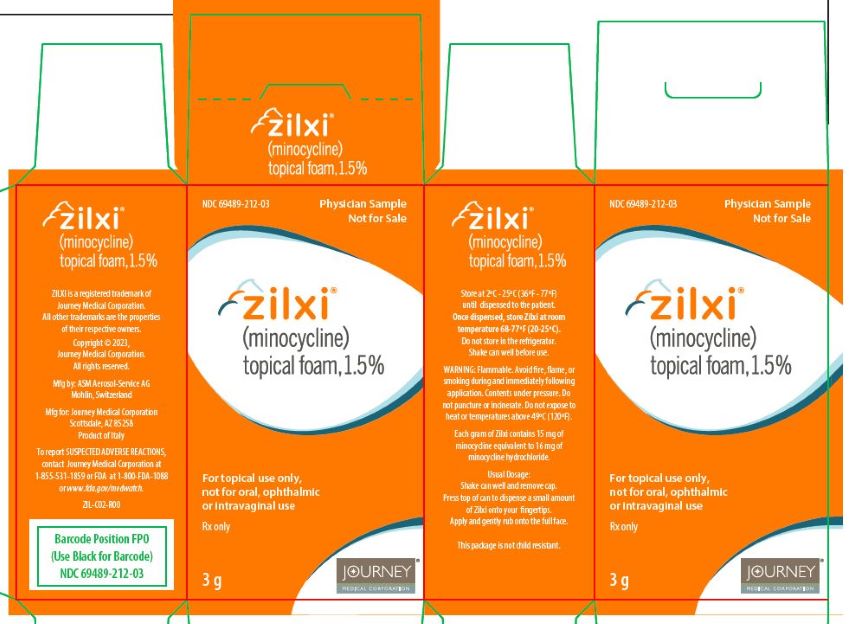
ZILXI Minocycline 15 mg/g Aerosol, Foam
🆔 Identity & classification
Where does this data come from?
🏷️ RxNorm drug class
This medicine belongs to the Tetracycline-class Drug class.
Where does this data come from?
🏭 Manufacturer & labeler
Where does this data come from?
🩺 Clinical
- Good news — standard minocycline oral capsules and tablets can be taken with or without food, so you have flexibility there. The most important thing is to take it with a full glas...
- Can I take my minocycline capsule or tablet with food, or does it have to be on an empty stomach?
- The extended-release tablets for acne are typically taken once daily for 12 weeks. As with most acne treatments, you likely won't see dramatic results overnight — it takes time for...
- I've been prescribed the extended-release minocycline tablets for acne. How long does it take to work, and how long do I take it?
Patient education
Supplement & herbal interactions
Some supplements/herbs that may interact with Minocycline — tap one for details:
Minocycline may be associated with lower levels of 11 nutrients — worth a chat with your pharmacist, not a cause for alarm.
Where does this data come from?
Ask a licensed pharmacist directly — free, answered by our team.
💊 What it looks like
Where does this data come from?
🧪 Inactive Ingredients / Excipients
Inactive ingredients, also called excipients, are components of the drug product other than the active ingredient. They may include fillers, dyes, coatings, preservatives, flavors, or other formulation ingredients.
💡 Tap an ingredient (hover on desktop) to see what it is and why it’s used.
-
UNII 6LV4FOR43R
Butane is a colorless gas derived from petroleum. In medicines, it serves as a propellant in inhalers and aerosol sprays, helping deliver the active drug to the lungs or skin.
-
UNII 2DMT128M1S
A waxy solid derived from plant or animal sources. It acts as an emulsifier to blend oil and water components, and also thickens the medicine to give it the right texture and consistency.
-
UNII Q9L0O73W7L
Coconut oil is a natural fat extracted from coconut fruit. It's used in medicines as a lubricant, emollient, or carrier to help dissolve or deliver active ingredients smoothly through the formulation.
-
UNII NMQ347994Z
Cyclomethicone is a silicone-based fluid that acts as a lubricant and solvent in medicines. It helps products flow smoothly, reduces friction between particles, and aids in even distribution of active ingredients.
-
UNII 9G1OE216XY
Docosanol is a waxy, fatty alcohol derived from plant sources. It acts as an emollient and thickener in topical medicines, helping to soften the skin and improve product texture and stability.
-
UNII ZF94AP8MEY
Hydrogenated castor oil is a processed plant oil made by adding hydrogen to castor oil. It's used as a binder to help hold tablet ingredients together and as a lubricant to prevent sticking during manufacturing.
-
UNII BXR49TP611
Isobutane is a liquefied gas used as a propellant in aerosol inhalers and sprays. It helps push the medicine out of the container so you can breathe or spray it as directed.
-
UNII N6K5787QVP
Light mineral oil is a clear, odorless liquid derived from petroleum. In medicines, it acts as a lubricant and emollient to help the product spread smoothly and improve texture.
-
UNII V42034O9PU
A fatty alcohol derived from coconut or palm oil. It serves as an emulsifier and thickener to help blend oil and water in creams or lotions, and improves the product's texture and consistency.
-
UNII T75W9911L6
A flammable gas used as a propellant in aerosol formulations. It helps dispense the medicine as a fine mist or spray when you activate the inhaler or pump.
-
UNII 241ATL177A
Soybean oil is a natural plant oil derived from soybean seeds. It's used in medicines as a solvent and carrier to help dissolve or suspend active ingredients and improve how the body absorbs them.
-
UNII 4ELV7Z65AP
Stearic acid is a fatty acid derived from plant or animal sources. It acts as a binder and lubricant in tablets and capsules, helping them hold together and flow smoothly during manufacturing.
-
UNII 2KR89I4H1Y
Stearyl alcohol is a waxy, fatty substance derived from natural oils or made synthetically. It acts as an emulsifier and thickener in medicines, helping mix ingredients together and give the product the right texture.
-
UNII 7G1J5DA97F
White wax is a refined, bleached plant-based or mineral wax that serves as a coating and hardening agent in medicines. It helps control how fast the drug dissolves and improves the product's texture and appearance.
14 inactive ingredients listed in the exact product block matched to this NDC.
Where does this data come from?
ingredient classCode="IACT" elements from the exact product block matched by this NDC. Label-section narrative from DailyMed / the openFDA label index is shown separately when available.Inactive ingredient FAQ
Are inactive ingredients the same for every manufacturer?
Why might an inactive ingredient be missing?
Can inactive ingredients matter?
💲 Pricing
A drug doesn't have one price. Each row is a different public payment system, and none is what you'd pay at the counter — that depends on your insurance. The ⓘ on each row explains what it measures.
| Price system | Per g | Per package |
|---|---|---|
| Retail pharmacies payNADAC · weekly | Not in the retail survey — common for institutional, discontinued, or low-volume packs. | |
| Medicaid paysCMS SDUD · 12 mo | No recent Medicaid claims on file for this NDC — rare and low-volume NDCs are suppressed in the public data. | |
| Medicare drug plans payPart D · quarterly | No Part D plan price is available for this NDC in our data. | |
Where does this data come from?
🔁 Therapeutic equivalents
| Product | Labeler | Pack | NADAC/unit | TE | Status | Price vs. this |
|---|---|---|---|---|---|---|
| Zilxi 15 mg/gthis 69489-0212-03 | Journey | 1 can | — | — | FDA listed | — |
Where does this data come from?
⏳ Availability & generic status
We did not find an FDA-approved generic match for this exact strength, form and route. Patent/protection dates below may affect future generic timing.
Why the date isn’t exact: Generic timing can change because patents may be challenged, settled, licensed, added, removed, or worked around with a narrower label — and FDA approval does not always mean a pharmacy can get the generic today.
🛈 What do these terms mean?
- Patent
- Legal protection listed in the Orange Book that may delay generic approval or launch. Issued by the U.S. Patent & Trademark Office.
- Substance patent
- Covers the active drug molecule itself — the hardest to design around. A generic generally can’t launch until it expires.
- Formulation (product) patent
- Covers a specific formulation or dosage form. A generic can sometimes work around it with a different formulation.
- Method-of-use patent
- A patent covering one specific approved use of the drug — not necessarily the whole molecule. A generic can sometimes launch with a “skinny label” that carves out the protected use and keeps the others.
- Skinny label
- A generic label that omits a still-patented use when the FDA allows it — letting a generic reach the market for the unprotected uses.
- Exclusivity
- FDA-granted marketing protection, separate from patents — e.g. 5-yr new chemical entity, 7-yr orphan drug, or a +6-month pediatric extension.
- Paragraph IV
- A generic applicant’s formal challenge to a listed patent. It can potentially lead to earlier generic entry, but often involves litigation or a settlement.
- RLD / RS
- Reference Listed Drug — the brand product the FDA uses as the reference for generic applications. Reference Standard — the product the FDA expects generics to compare against in bioequivalence testing.
- TE / AB rating
- FDA therapeutic-equivalence rating. An AB rating generally means the FDA considers a generic therapeutically equivalent to — and substitutable for — the brand.
- LOE (loss of exclusivity)
- The latest patent or exclusivity currently listed — the loss-of-exclusivity / latest-listed-protection date shown on this page. Paragraph-IV challenges and settlements can move the real date earlier; FDA approval and a manufacturer’s decision to market can move it later.
Built from the FDA Orange Book. The bars above are scaled to each protection’s expiry; the red LOE marker is the last one to lapse.
| Patent | Type | Use code | Expires |
|---|---|---|---|
| US 10213512 ↗ | Method of use | U-1631 | Oct 1, 2030 |
| US 8992896 ↗ | Method of use | U-1631 | Oct 1, 2030 |
| US 9675700 ↗ | Method of use | U-1631 | Oct 1, 2030 |
| US 8865139 ↗ | Method of use | U-1631 | Oct 1, 2030 |
| US 10322186 ↗ | Method of use | U-1631 | Oct 1, 2030 |
| US 10946101 ↗ | Method of use | U-1631 | Oct 1, 2030 |
| US 12138311 ↗ | Method of use | U-1631 | Oct 1, 2030 |
| US 12661407 ↗ | Method of use | U-1631 | Oct 1, 2030 |
| US 10265404 ↗ | Drug product | — | Oct 1, 2030 |
| US 8945516 ↗ | Drug product | — | Oct 1, 2030 |
Is there a generic version of ZILXI 1.5% FOAM?
The FDA approved a generic — why can’t I get it at my pharmacy yet?
Why do different websites show different generic release dates?
What does “FDA listed” mean?
What does a patent or protection date mean here?
What does “current Orange Book estimate” mean?
Can a generic come out before the last patent expires?
Can a generic come out after the listed dates?
What is the difference between patents and exclusivity?
Why are there multiple patent dates?
Where does this data come from?
📊 Medicare Part D spend CMS · PART D · 2026 (Q1)
📦 Packaging — all sizes for this product
| Package NDC | Description | Marketing start | Status |
|---|---|---|---|
| 69489-0212-07 | 1 CAN in 1 CARTON (69489-212-07) / 7 g in 1 CAN | 2022-10-01 | Discontinued by firm |
| 69489-0212-30 | 1 CAN in 1 CARTON (69489-212-30) / 30 g in 1 CAN | 2023-06-01 | Active |
| 69489-0212-03 You're viewing this | 1 CAN in 1 CARTON (69489-212-03) / 3 g in 1 CAN | 2023-11-01 | Active |
Pack size FAQ
What quantity is in NDC 69489-0212-03?
What NDC number is used to bill for this package of ZILXI Minocycline 15 mg/g Aerosol, Foam?
🧭 About this NDC listing & data coverage
What data is (and isn’t) available for this NDC — tap to expand
| NDC identity (package / product / labeler codes) | ✓ Available |
| Labeler | ✓ Available |
| Product & package description | ✓ Available |
| Marketing category & status | ✓ Available |
| Active ingredient / dosage form / route | ✓ Available |
| FDA label (SPL via DailyMed) | ✓ Available |
| Package photos | ✓ Available |
| Inactive ingredients (structured) | ✓ Available |
| NADAC pharmacy acquisition price (CMS) | — Not published for this NDC CMS publishes NADAC only for NDCs reported in its retail-pharmacy survey. |
| Orange Book / therapeutic-equivalence data | ✓ Available |
| HCPCS J-code billing crosswalk | — Not published for this NDC Most self-administered / retail products have no J-code — that is normal. |
| Medicaid utilization (CMS SDUD) | — Not published for this NDC CMS reports utilization only for NDCs with Medicaid claims above its privacy threshold. |
Questions about this listing
Why is there no price listed?
Is the NDC printed on the package the same as the 11-digit billing NDC?
What do the three segments of this NDC mean?
Is this package still being marketed?
Does this product come in other package sizes?
Who lists this product with the FDA?
Do I need a prescription for this product?
Where does this data come from?
📄 Full prescribing information FDA SPL
🎯 Indications and Usage ▾
1 INDICATIONS AND USAGE ZILXI is indicated for the treatment of inflammatory lesions of rosacea in adults [see Clinical Studies ( 14 )] . Limitations of Use This formulation of minocycline has not been evaluated in the treatment of infections. To reduce the development of drug-resistant bacteria as well as to maintain the effectiveness of other antibacterial drugs, ZILXI should be used only as indicated [see Warnings and Precautions ( 5.14 )] .
ZILXI is a tetracycline-class drug indicated for the treatment of inflammatory lesions of rosacea in adults. ( 1 ) Limitations of Use This formulation of minocycline has not been evaluated in the treatment of infections. To reduce the development of drug-resistant bacteria as well as to maintain the effectiveness of other antibacterial drugs, ZILXI should be used only as indicated ( 1 ).
⏱️ Dosage and Administration ▾
2 DOSAGE AND ADMINISTRATION For topical use only, not for oral, ophthalmic or intravaginal use. After shaking the can well, a small amount of topical foam (e.g. a cherry-sized amount) should be expressed from the can onto the fingertips of the hand and then applied as a thin layer over all areas of the face. Additional ZILXI foam may be used as needed to ensure the entire face is treated.
The topical foam should be applied at approximately the same time each day at least 1 hour before bedtime. The patient should not bathe, shower or swim for at least 1 hour after application of the product. Apply ZILXI over all areas of the face once daily.
ZILXI should be gently rubbed into the skin. ( 2 )
💊 Dosage Forms and Strengths ▾
3 DOSAGE FORMS AND STRENGTHS Topical foam, 1.5%. Each gram of ZILXI contains 15 mg of minocycline equivalent to 16 mg of minocycline hydrochloride and is supplied as a yellow suspension in a pressurized aluminum aerosol container (can). Foam, 1.5%. ( 3 )
⛔ Contraindications ▾
4 CONTRAINDICATIONS This drug is contraindicated in persons who have shown hypersensitivity to any of the tetracyclines or any other ingredients in ZILXI. This drug is contraindicated in persons who have shown hypersensitivity to any of the tetracyclines or any of the ingredients in ZILXI. ( 4 )
⚠️ Warnings and Cautions ▾
5 WARNINGS AND PRECAUTIONS • The propellant in ZILXI is flammable. Instruct the patient to avoid fire, flame, and smoking during and immediately following application. ( 5.1 ) • The use of tetracycline-class of drugs orally during the second and third trimesters of pregnancy, infancy and childhood up to the age of 8 years may cause permanent discoloration of the teeth (yellow-gray-brown) and reversible inhibition of bone growth.
( 5.2 , 5.3 , 5.4 , 8.4 ) • If Clostridioides difficile associated diarrhea occurs, discontinue ZILXI. ( 5.5 ) • If liver injury is suspected, discontinue ZILXI. ( 5.6 ) • If renal impairment exists, oral minocycline doses may need to be adjusted to avoid excessive systemic accumulations of the drug and possible liver toxicity.
( 5.7 ) • Oral minocycline may cause central nervous system side effects including lightheadedness, dizziness, or vertigo. ( 5.8 ) • Oral minocycline may cause intracranial hypertension in adults and adolescents. Discontinue ZILXI if symptoms occur.
( 5.9 ) • Oral minocycline has been associated with autoimmune syndromes; discontinue ZILXI immediately if symptoms occur. ( 5.10 ) • Photosensitivity can occur with oral tetracycline. Patients should minimize or avoid exposure to natural or artificial sunlight.
( 5.11 ) • Oral minocycline has been associated with anaphylaxis, serious skin reactions, erythema multiforme, and DRESS syndrome. Discontinue ZILXI immediately if symptoms occur. ( 5.12 )
5.1Flammability The propellant in ZILXI is flammable. Instruct the patient to avoid fire, flame, and smoking during and immediately following application. Do not puncture and/or incinerate the containers. Do not expose containers to heat and/or store at temperatures above 120°F (49°C).
5.2Teratogenic Effects Minocycline, like other tetracycline-class drugs, may inhibit bone growth when administered orally during pregnancy. Based on animal data, when administered orally, tetracyclines cross the placenta, are found in fetal tissues, and can cause skeletal malformation and retardation of skeletal development on the developing fetus [see Use in Specific Populations ( 8.1 ) and Nonclinical Toxicology ( 13.1 )] .
5.3Tooth Discoloration The use of tetracycline class drugs orally during tooth development (second and third trimesters of pregnancy, infancy, and childhood up to the age of 8 years) may cause permanent discoloration of the teeth (yellow-gray-brown). This adverse reaction is more common during long-term oral use of the tetracycline but has been observed following repeated short-term courses. Enamel hypoplasia has also been reported with oral tetracycline drugs.
Use of tetracycline drugs is not recommended during tooth development.
5.4Inhibition of Bone Growth All tetracyclines form a stable calcium complex in any bone-forming tissue. A decrease in fibula growth rate has been observed in premature human infants given oral tetracycline in doses of 25 mg/kg every 6 hours. This reaction was shown to be reversible when the drug was discontinued.
Results of animal studies indicate that oral tetracyclines cross the placenta, are found in fetal tissues, and can cause retardation of skeletal development on the developing fetus. Evidence of embryotoxicity has been noted in animals treated orally early in pregnancy [see Use in Specific Populations ( 8.1 )].
5.5Clostridioides difficile Associated Diarrhea Clostridioides difficile associated diarrhea (CDAD) has been reported with nearly all antibacterial agents, including oral minocycline, and may range in severity from mild diarrhea to fatal colitis. Treatment with antibacterial agents alters the normal flora of the colon leading to overgrowth of C. difficile . C. difficile produces toxins A and B which contribute to the development of CDAD.
Hypertoxin producing strains of C. difficile cause increased morbidity and mortality, as these infections can be refractory to antimicrobial therapy and may require colectomy. CDAD must be considered in all…
🤒 Adverse Reactions ▾
6 ADVERSE REACTIONS The most commonly observed adverse reaction (incidence ≥1%) is diarrhea. ( 6.1 ) To report SUSPECTED ADVERSE REACTIONS, contact Journey Medical Corporation at 1-855-531-1859 or FDA at 1-800-FDA-1088 or www.fda.gov/medwatch .
6.1Clinical Trials Experience Because clinical trials are conducted under widely varying conditions, adverse reaction rates observed in the clinical trials of a drug cannot be directly compared to rates in the clinical trials of another drug and may not reflect the rates observed in practice. In three (two Phase 3 and one Phase 2) multicenter, randomized, double-blind, vehicle-controlled trials, adult subjects applied ZILXI or vehicle once daily for 12 weeks. A total of 1,087 subjects were treated with ZILXI and 591 with vehicle.
The majority of subjects were White (97%) and female (70%). Approximately 67% were non-Hispanic/Latino. The mean age was 50.0 years and ages ranged from 18 to 86 years.
The most common adverse reaction reported by ≥1% of subjects treated with ZILXI and more frequently than in subjects treated with vehicle was diarrhea (1% vs. 0%), respectively. During the two Phase 3 trials, local tolerability evaluations were conducted at each study visit by assessment of erythema, telangiectasia, burning/stinging, flushing/blushing, dryness, itching, peeling and hyperpigmentation.
Table 1 presents local tolerance assessments by incidence rate (%) and severity grade. Subjects treated with ZILXI had improved local tolerability signs and symptoms at Week 12 when compared with corresponding baseline values. These occurred at a similar frequency and severity as subjects treated with the vehicle component of ZILXI.
Table 1: Facial Cutaneous Tolerability Assessment *Hyperpigmentation was most frequently assessed as characteristic of inflammatory and post-inflammatory changes associated with inflammatory lesions of rosacea. ** Of 1,008 subjects, 897 had local tolerability assessments at Week 12. ZILXI, (%) (N=1,008**) Symptom/Severity Mild Moderate Severe Erythema 36.2 18.3
0.7Telangiectasia 61.0 18.8 0 Burning/Stinging 13.3 2.8 0 Flushing/Blushing 39.0 9.6
0.9Dryness 23.9 4.0
0.1Itching 20.0 3.3 0 Skin Peeling 16.1 1.9
0.1Hyperpigmentation* 22.5 2.8 0 In a 40-week open-label extension safety study of ZILXI (for a total of up to 52 weeks of treatment) [ NCT03276936 ], frequency and severity of local tolerability signs and symptoms at Week 52 were comparable to those reported at Week 12.
🔄 Drug Interactions ▾
7 DRUG INTERACTIONS • Patients on anticoagulant therapy may require downward adjustment of their anticoagulant dosage. ( 7.1 ) • Penicillin: avoid coadministration. ( 7.2 )
7.1Anticoagulants Because tetracyclines have been shown to depress plasma prothrombin activity, patients who are on anticoagulant therapy may require downward adjustment of their anticoagulant dosage.
7.2Penicillin Since bacteriostatic drugs may interfere with the bactericidal action of penicillin, it is advisable to avoid giving tetracycline-class drugs in conjunction with penicillin.
7.3Drug/Laboratory Test Interactions False elevations of urinary catecholamine levels may occur due to interference with the fluorescence test.
👥 Use in Specific Populations ▾
8 USE IN SPECIFIC POPULATIONS • Minocycline like other tetracycline-class drugs can cause fetal harm when administered orally to a pregnant woman. ( 5.2 , 5.3 , 5.4 , 8.1 ) • The use of drugs of the tetracycline-class orally during tooth development may cause permanent discoloration of teeth. ( 5.3 , 8.1 , 8.2 , 8.4 ) • Lactation: Breastfeeding not recommended. ( 8.2 )
8.1Pregnancy Risk Summary Available data with ZILXI use in pregnant women are insufficient to evaluate for a drug-associated risk of major birth defects, miscarriage or other adverse maternal or fetal outcomes. Systemic absorption of ZILXI in humans is low following once daily topical administration of ZILXI under maximal clinical use conditions [see Clinical Pharmacology ( 12.3 )] . Because of low systemic exposure, it is not expected that maternal use of ZILXI will result in significant fetal exposure to the drug.
Tetracycline-class drugs may cause permanent discoloration of teeth and reversible inhibition of bone growth when administered orally during pregnancy [see Warnings and Precautions 5.2 , 5.3 , 5.4 ) . Animal reproduction studies were not conducted with ZILXI. In animal reproduction studies, oral administration of minocycline to pregnant rats and rabbits during organogenesis induced skeletal malformations in fetuses at systemic exposures of 2,000 and 1,300 times, respectively, the maximum recommended human dose (MRHD based on AUC comparison) of ZILXI ( see Data ).
The estimated background risk of major birth defects and miscarriage for the indicated population is unknown. All pregnancies have a background risk of birth defect, loss, or other adverse outcomes. In the U.S. general population, the estimated background risk of major birth defects and miscarriage in clinically recognized pregnancies is 2-4% and 15-20%, respectively.
Data Animal Data Results of animal studies with oral administration indicate that tetracyclines cross the placenta, are found in fetal tissues, and can cause retardation of skeletal development of the developing fetus. Minocycline induced skeletal malformations (bent limb bones) in fetuses when orally administered to pregnant rats and rabbits during the period of organogenesis at doses of 30 mg/kg/day and 100 mg/kg/day, respectively, (2,000 times and 1,300 times, respectively, the systemic exposure at the MRHD based on AUC comparison).
Reduced mean fetal body weight was observed when minocycline was orally administered to pregnant rats during the period of organogenesis at a dose of 10 mg/kg/day (680 times the systemic exposure at the MRHD based on AUC comparison). Minocycline was assessed for effects on peri- and post-natal development of rats in a study that involved oral administration to pregnant rats during the period of organogenesis through lactation, at doses of 5, 10, or 50 mg/kg/day. In this study, body weight gain was significantly reduced in pregnant females that received 50 mg/kg/day (1,700 times the systemic exposure at the MRHD based on AUC comparison).
No effects of treatment on the duration of the gestation period or the number of live pups born per litter were observed. Gross external anomalies observed in F1 pups (offspring of animals that received minocycline) included reduced body size, improperly rotated forelimbs, and reduced size of extremities. No effects were observed on the physical development, behavior, learning ability, or reproduction of F1 pups, and there was no effect on gross appearance of F2 pups (offspring of F1 animals).
8.2Lactation Risk Summary Tetracycline-class drugs, including minocycline, are present in breast milk following oral administration. It is not known whether minocycline is present in human milk after topical administration to the nursing mother. There are no data on the effects of minocycline on milk production.
Because of the potential for serious adverse reactions, advise patients that breastfeeding is not recommended during treatment with ZILXI [see Warnings and Precaut…
🤰 Pregnancy ▾
8.1Pregnancy Risk Summary Available data with ZILXI use in pregnant women are insufficient to evaluate for a drug-associated risk of major birth defects, miscarriage or other adverse maternal or fetal outcomes. Systemic absorption of ZILXI in humans is low following once daily topical administration of ZILXI under maximal clinical use conditions [see Clinical Pharmacology ( 12.3 )] . Because of low systemic exposure, it is not expected that maternal use of ZILXI will result in significant fetal exposure to the drug.
Tetracycline-class drugs may cause permanent discoloration of teeth and reversible inhibition of bone growth when administered orally during pregnancy [see Warnings and Precautions 5.2 , 5.3 , 5.4 ) . Animal reproduction studies were not conducted with ZILXI. In animal reproduction studies, oral administration of minocycline to pregnant rats and rabbits during organogenesis induced skeletal malformations in fetuses at systemic exposures of 2,000 and 1,300 times, respectively, the maximum recommended human dose (MRHD based on AUC comparison) of ZILXI ( see Data ).
The estimated background risk of major birth defects and miscarriage for the indicated population is unknown. All pregnancies have a background risk of birth defect, loss, or other adverse outcomes. In the U.S. general population, the estimated background risk of major birth defects and miscarriage in clinically recognized pregnancies is 2-4% and 15-20%, respectively.
Data Animal Data Results of animal studies with oral administration indicate that tetracyclines cross the placenta, are found in fetal tissues, and can cause retardation of skeletal development of the developing fetus. Minocycline induced skeletal malformations (bent limb bones) in fetuses when orally administered to pregnant rats and rabbits during the period of organogenesis at doses of 30 mg/kg/day and 100 mg/kg/day, respectively, (2,000 times and 1,300 times, respectively, the systemic exposure at the MRHD based on AUC comparison).
Reduced mean fetal body weight was observed when minocycline was orally administered to pregnant rats during the period of organogenesis at a dose of 10 mg/kg/day (680 times the systemic exposure at the MRHD based on AUC comparison). Minocycline was assessed for effects on peri- and post-natal development of rats in a study that involved oral administration to pregnant rats during the period of organogenesis through lactation, at doses of 5, 10, or 50 mg/kg/day. In this study, body weight gain was significantly reduced in pregnant females that received 50 mg/kg/day (1,700 times the systemic exposure at the MRHD based on AUC comparison).
No effects of treatment on the duration of the gestation period or the number of live pups born per litter were observed. Gross external anomalies observed in F1 pups (offspring of animals that received minocycline) included reduced body size, improperly rotated forelimbs, and reduced size of extremities. No effects were observed on the physical development, behavior, learning ability, or reproduction of F1 pups, and there was no effect on gross appearance of F2 pups (offspring of F1 animals).
🧒 Pediatric Use ▾
8.4Pediatric Use The safety and effectiveness of ZILXI for the treatment of inflammatory lesions of rosacea have not been evaluated in pediatric patients.
🧓 Geriatric Use ▾
8.5Geriatric Use There were 278 subjects aged 65 or older in the clinical trials of ZILXI (16.6% of 1,678 subjects). No overall differences in safety or effectiveness were observed between these subjects and younger subjects, and other reported clinical experience has not identified differences in responses between the elderly and younger patients, but greater sensitivity of some older individuals cannot be ruled out.
🧬 Clinical Pharmacology ▾
12 CLINICAL PHARMACOLOGY
12.1Mechanism of Action The mechanism of action of ZILXI for the treatment of inflammatory lesions of rosacea is unknown.
12.2Pharmacodynamics The pharmacodynamics of ZILXI for the treatment of inflammatory lesions of rosacea are unknown.
12.3Pharmacokinetics In a pharmacokinetic study, male and female subjects 18 years of age or older with inflammatory lesions of rosacea (N=20) applied approximately 2 grams of ZILXI topically to the face once daily for 14 days. The mean ± SD maximum plasma concentration (C max ) and area under the concentration time curve from 0 to 24 hours post dose (AUC 0-24h ) for minocycline on Day 1 were 1.3 ± 0.9 ng/mL and 22.5 ± 16.2 h·ng/mL, respectively. After daily application of ZILXI in subjects with inflammatory lesions of rosacea for 14 days, steady-state was reached by Day 1 and systemic accumulation of minocycline was not evident.
🧬 Mechanism of Action ▾
12.1Mechanism of Action The mechanism of action of ZILXI for the treatment of inflammatory lesions of rosacea is unknown.
📦 How Supplied / Storage and Handling ▾
16 HOW SUPPLIED/STORAGE AND HANDLING How Supplied ZILXI ® (minocycline) topical foam, 1.5% is a yellow suspension supplied in a pressurized aluminum aerosol container (can). Each gram of ZILXI contains 15 mg of minocycline equivalent to 16 mg of minocycline hydrochloride, and is supplied as follows: NDC 69489-212-30 30 g Can Storage ZILXI must be stored at 2 ºC – 8 ºC (36 ºF – 46 ºF) until dispensed to the patient. Once dispensed, the patient is to store ZILXI at room temperature below 25 ºC (77 ºF) for 90 days.
Do not store in the refrigerator. Handling Allow the can to warm to room temperature before first use. Shake can well before use.
WARNING: Flammable. Avoid fire, flame, or smoking during and immediately following application. Contents under pressure.
Do not puncture or incinerate. Do not expose to heat or temperatures above 49 o C (120 o F).
📋 Description ▾
11 DESCRIPTION Minocycline hydrochloride, a semi-synthetic derivative of tetracycline, is [4S‑(4α,4aα,5aα,12aα)]-4,7-bis(dimethylamino)-1,4,4a,5,5a,6,11,12a-octahydro-3,10,12,12a‑tetrahydroxy-1,11-dioxo-2-naphthacenecarboxamide monohydrochloride. The structural formula is represented below: C 23 H 27 N 3 O 7 •HClM. W.
493.94 Each gram of ZILXI contains micronized 15 mg minocycline equivalent to 16 mg minocycline hydrochloride in a yellow suspension foam. In addition, the 1.5% ZILXI topical foam contains the following inactive ingredients: soybean oil, coconut oil, light mineral oil, cyclomethicone, cetostearyl alcohol, stearic acid, myristyl alcohol, hydrogenated castor oil, white wax (beeswax), stearyl alcohol, docosanol. ZILXI topical foam is dispensed from an aluminum container (can) pressurized with propellant (butane + isobutane + propane).
Structural Formula
💬 Information for Patients ▾
17 PATIENT COUNSELING INFORMATION Advise the patient to read the FDA-approved patient labeling (Patient Information and Instructions for Use). Inform patients using ZILXI (minocycline) topical foam, 1.5% of the following information and instructions: Flammability The propellant in ZILXI is flammable. Instruct the patient to avoid fire, flame, and smoking during and immediately following application.
Tooth Discoloration Advise caregivers of pediatric patients that ZILXI may cause permanent discoloration of deciduous and permanent teeth during tooth development (generally up to the age of 8 years) based on observations with oral tetracycline. Lactation Advise women that breastfeeding is not recommended during ZILXI therapy. Tissue Hyperpigmentation Inform patients that ZILXI may cause discoloration of skin, scars, teeth or gums based on observations with oral minocycline.
Clostridioides difficile Associated Diarrhea Advise patients that Clostridioides difficile associated diarrhea can occur with oral minocycline therapy. Advise patients to seek medical attention if they develop watery or bloody stools while using ZILXI. Hepatotoxicity Inform patients about the possibility of hepatotoxicity reported with oral minocycline.
Advise patients to seek medical advice if they experience symptoms or signs of hepatotoxicity, including loss of appetite, tiredness, diarrhea, jaundice, increased bleeding tendencies, confusion, and sleepiness. Central Nervous System Effects Inform patients that central nervous system adverse reactions including dizziness or vertigo have been reported with oral minocycline therapy. Caution patients about driving vehicles or using hazardous machinery if they experience such symptoms while on ZILXI.
Intracranial Hypertension Inform patients that intracranial hypertension can occur with minocycline therapy. Advise patients to seek medical attention if they develop unusual headache, visual symptoms, such as blurred vision, diplopia, and vision loss. Photosensitivity Inform patients that photosensitivity manifested by an exaggerated sunburn reaction has been observed in some individuals taking oral tetracyclines, including minocycline.
Advise patients to minimize or avoid exposure to natural or artificial UV light (tanning beds or UVA/B treatment) while using ZILXI. Discuss other sun protection measures, if patients need to be outdoors while using ZILXI. Advise patients to discontinue treatment at the first evidence of sunburn.
Autoimmune Syndromes Inform patients that autoimmune syndromes, including drug-induced lupus-like syndrome, autoimmune hepatitis, vasculitis and serum sickness have been observed with oral tetracycline-class drugs, including minocycline. Symptoms may be manifested by arthralgia, fever, rash and malaise. Advise patients who experience such symptoms to stop the drug immediately and seek medical help.
Other Information ZILXI should be applied exactly as directed. ZILXI may stain fabric. Manufactured by: ASM Aerosol-Service AG, Mohlin, Switzerland Manufactured for: Journey Medical Corporation, Scottsdale, AZ 85258 Product of Portugal or Italy ZIL-P01-R01 ZILXI is a registered trademark of Journey Medical Corporation.
All other trademarks are the properties of their respective owners. Copyright © 2023, Journey Medical Corporation. All rights reserved.