
D-mannose + Chloramphenicol
Chloramphenicol brand names: Chloromycetin, Chloromycetin Ophthalmic, Chloromycetin Injection.
We found no known interaction between D-mannose and Chloramphenicol in our sources. Absence of a documented interaction is not the same as proven safety, and does not guarantee one does not exist. Do not start, stop, or change a medication or supplement based on this page; confirm with your pharmacist or doctor first. Additionally, although there is no interaction, the two are separately associated with some of the same side effects, which would make a new symptom harder to attribute to one or the other.
D-mannose and Chloramphenicol
We checked these two against our interaction database. Here is what we found.
No Known Interaction Found
We did not find a documented interaction between Chloramphenicol and D-mannose in our sources. This does not guarantee that the combination is completely free of risk — there is often limited research on supplements and herbal products, especially around drug interactions.
Worth understanding: our licensed dataset holds no drug-interaction record for D-mannose at all — not against Chloramphenicol, and not against any other medication we track. This verdict therefore rests on the absence of any recorded data, not on research that looked at this combination and found nothing. We cannot rule an interaction out.
If you decide to take both, the practical routine is simple: add one new thing at a time and note the date you started it. If the combination is going to disagree with you, it usually shows in the first days to a couple of weeks — and a start date turns “I’ve been feeling off” into something a pharmacist can actually work with. Do not stop a prescribed medicine on your own.
Always talk with your pharmacist or doctor before making changes to your medications or supplements, particularly if you take several medications or have an ongoing health condition.
D-mannose safety at a glance
Safety guidance is general; always confirm with your pharmacist or doctor for your situation.
See Every Supplement That Interacts With Chloramphenicol
This page covers D-mannose only. If you take other supplements — a multivitamin, a sleep aid, something for joints — the Chloramphenicol page lists 32 supplements it has a documented interaction with, worst first, each one explained.
The most serious there right now: Bacillus Coagulans (moderate), Bacillus Subtilis (moderate), Bifidobacterium Animalis Subsp. Lactis (moderate), Bifidobacterium Bifidum (moderate) and Bifidobacterium Breve (moderate).
By severity: 30 moderate · 2 minor.
From our pharmacist’s overview on the Chloramphenicol page
“Almost everything on this chloramphenicol list points at the supplement rather than the drug. Chloramphenicol is a powerful antibiotic, usually reserved for serious infections or used as eye drops, and the great majority of entries are probiotics and fermented products such as acidophilus and Bifidobacterium strains.”
Reviewed by 2 · Jul 18, 2026
Where D-mannose and Chloramphenicol Sit Against Everything Else
Out of every supplement and medication people look up on HelloPharmacist, here is where these two land this week — and which way each has been moving.
#749 of 1,452 supplements looked up here in the last 7 days
#1,373 of 2,830 medications looked up here in the last 7 days
Position among everything looked up on this site, not a measure of how commonly either one is used or how important it is. A supplement can climb this list because of a news story. It counts every request to the page, automated ones included, and nothing here identifies anyone.
Where does our data come from?
- Source: the Natural Medicines (TRC Healthcare) clinical database — the evidence-graded professional reference for herb & supplement interactions.
- Citation library: 103,510 references behind our interaction content, 65,311 of them resolved to verified PubMed/DOI sources. See every D-mannose reference on this page ↓
- Freshness: we automatically re-check this combination every week — this pair was last verified September 20, 2026. The D-mannose and Chloramphenicol records this page draws on were last updated July 10, 2026.
- What “no known interaction” means: no documented interaction in the sources above — not a guarantee of safety. Supplements are studied far less than prescription drugs, so we say exactly what the evidence supports, and nothing more.
About D-mannose
What is D-mannose?
- Preventing urinary tract infections (UTIs)
- Treating mild UTIs
- Urinary tract health
- Carbohydrate-deficient glycoprotein syndrome (a rare genetic condition)
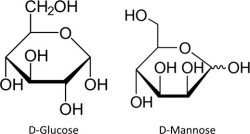
D-mannose is a natural sugar most often used to help prevent urinary tract infections, especially those caused by E. coli. Early research is promising for prevention, but the evidence is still limited and it should not replace antibiotics for an active infection. Talk to your pharmacist or doctor before using it, particularly if you are pregnant, breastfeeding, or have diabetes.
Simple sugar (monosaccharide) derived from plants such as cranberries, apples, and other fruits and vegetables · Capsules, tablets, powder; often combined with cranberry
An interaction check asks whether these two react with each other — it does not ask whether D-mannose is a good idea for someone in your situation. Here is what our D-mannose record says about it on its own.
D-mannose: dosing
There is no official, standardized dose of D-mannose, and the amounts used in research have varied. Do not use D-mannose in place of prescribed antibiotics for an active infection.
From our D-mannose monograph — the full record covers uses, side effects and every documented interaction.
About Chloramphenicol Injection
What Is Chloramphenicol Injection Used For?
Brand names: Chloromycetin, Chloromycetin Ophthalmic, Chloromycetin Injection
Chloramphenicol Sodium Succinate Injection is used intravenously to treat serious infections caused by susceptible bacteria. It is active against organisms including Haemophilus influenzae, Salmonella species (including Salmonella typhi, the cause of typhoid fever), Rickettsia, and the lymphogranuloma-psittacosis group.
Because of its serious risks, this medication is reserved for infections where less dangerous antibiotics will not work. It must not be used for minor infections such as colds, flu, or sore throats, or to prevent infections.
Most-Reported Side Effects for Chloramphenicol
From FAERS, the FDA’s public side-effect reporting system (28 reports, all brands). Reports are voluntary and are not proof the drug caused the effect.
Other Drugs & D-mannose
Browse every other medication we’ve checked against D-mannose — both the ones with a known interaction and the ones without. Select any drug for the full detail.
No drugs match “”.
No interaction 2,829 drugs checked — show the list
We also checked D-mannose against these medications and found no known interaction in our sources. Open any page to confirm.
- Apixaban ›
- Levothyroxine ›
- Amlodipine ›
- Warfarin ›
- Methylphenidate ›
- Sertraline ›
- Testosterone ›
- Ivermectin ›
- Losartan Potassium ›
- Abemaciclib ›
- Aspirin ›
- Acetaminophen ›
- Metoprolol ›
- Rosuvastatin ›
- Rivaroxaban ›
- Escitalopram ›
- Clopidogrel ›
- Atorvastatin ›
- Docusate ›
- Tadalafil ›
- Tirzepatide ›
- Methamphetamine ›
- Ibuprofen ›
- Warfarin Sodium ›
- Valacyclovir ›
- Hydroxyurea ›
- Sumatriptan ›
- Semaglutide ›
- Prednisone ›
- Propranolol ›
- Amitriptyline ›
- Lisdexamfetamine ›
- Metformin ›
- Amoxicillin ›
- Lisinopril ›
- Isotretinoin ›
- Amlodipine Besylate ›
- Bendamustine ›
- Methotrexate ›
- Bupropion ›
- Amphetamine ›
- Doxycycline ›
- Fluoxetine ›
- Azithromycin ›
- Acyclovir ›
- Pregabalin ›
- Lamotrigine ›
- Dextroamphetamine ›
- Gabapentin ›
- Acetaminophen, Codeine ›
- Levothyroxine, Liothyronine ›
- Clonazepam ›
- Quetiapine ›
- Naproxen ›
- Omeprazole ›
- Letrozole ›
- Duloxetine ›
- Methylene Blue ›
- Buspirone ›
- Citalopram ›
Showing the 60 most looked-up of 2,829 medications checked with no known interaction — see the full D-mannose list.
D-mannose References
The 6 references that drive our D-mannose monograph and interaction data, from the evidence-graded Natural Medicines (TRC Healthcare) database. Citations with a link open the study on PubMed or the publisher’s site.
- Westphal V, Kjaergaard S, Davis JA, et al. Genetic and metabolic analysis of the first adult with congenital disorder of glycosylation type Ib: long-term outcome and effects of mannose supplementation. Mol Genet Metab 2001;73:77-85. PubMed
- Kranjcec B, Papes D, Altarac S. D-mannose powder for prophylaxis of recurrent urinary tract infections in women: a randomized clinical trial. World J Urol. 2014 Feb;32(1):79-84.
- de Lonlay P, Seta N. The clinical spectrum of phosphomannose isomerase deficiency, with an evaluation of mannose treatment for CDG-Ib. Biochim Biophys Acta. 2009;1792(9):841-3. PubMed
- Harms HK, Zimmer KP, Kurnik K, Bertele-Harms RM, Weidinger S, Reiter K. Oral mannose therapy persistently corrects the severe clinical symptoms and biochemical abnormalities of phosphomannose isomerase deficiency. Acta Paediatr. 2002;91(10):1065-72. DOI
- . Damen G, de Klerk H, Huijmans J, den Hollander J, Sinaasappel M. Gastrointestinal and other clinical manifestations in 17 children with congenital disorders of glycosylation type Ia, Ib, and Ic. J Pediatr Gastroenterol Nutr. 2004;38(3):282-7. DOI
- Lenger SM, Bradley MS, Thomas DA, Bertolet MH, Lowder JL, Sutcliffe S. D-mannose vs other agents for recurrent urinary tract infection prevention in adult women: a systematic review and meta-analysis. Am J Obstet Gynecol. 2020;223(2):265.e1-265.e13. PubMed
Medication overviews come from MedlinePlus (NIH); supplement label data from the NIH Dietary Supplement Label Database. Content is written and reviewed by licensed HelloPharmacist pharmacists — see our data sources and editorial standards.
Chloramphenicol Is Linked to Lower Levels of 8 Nutrients
Natural Medicines records Chloramphenicol as a medicine that can lower these. This is not an interaction with D-mannose — it is a separate effect of the medicine, and it is a reason some people are advised to supplement rather than to avoid one:
Read the full Chloramphenicol nutrient depletion report ›
Depletion records come from the licensed Natural Medicines database. Do not start a supplement on the strength of this page — ask your pharmacist or doctor whether it applies to you.
Taking D-mannose and Chloramphenicol Together: Common Questions
Is it safe to take D-mannose with Chloramphenicol?
Do D-mannose and Chloramphenicol have any of the same side effects?
Does Chloramphenicol interact with any supplements?
Written and reviewed by the HelloPharmacist editorial staff. Our editorial policy
Keep Exploring
Still Have a Question About Chloramphenicol and D-mannose?
Our pharmacists answer your medication & supplement questions — free.
This information is for education only and is not a substitute for professional medical advice. Always check with your pharmacist or doctor before starting, stopping, or combining supplements and medications.