
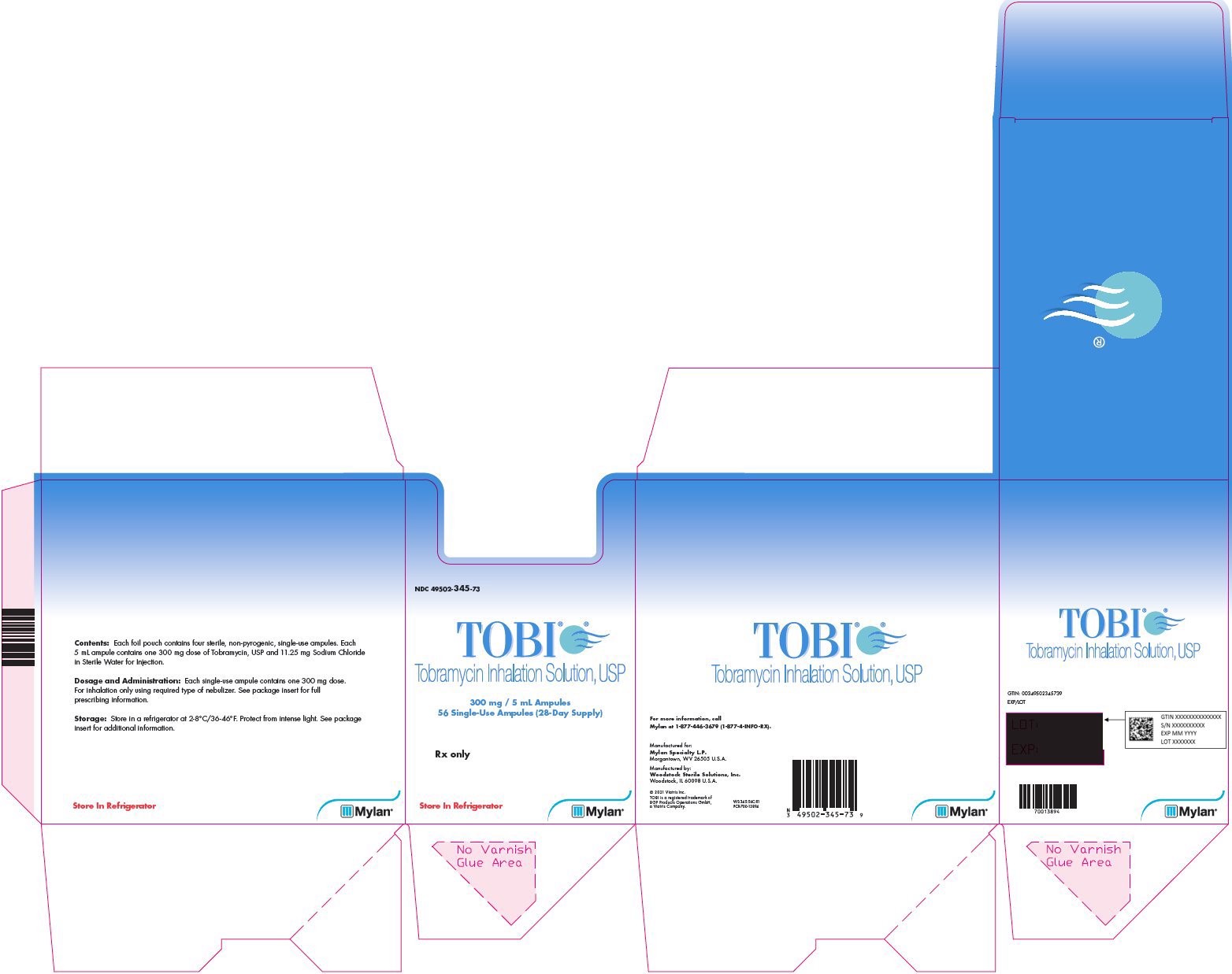
TOBI Tobramycin 300 mg/5mL Solution — NDC 49502-345-74 (Billing 49502-0345-74)
This is a package of TOBI Tobramycin 300 mg/5mL Solution from Viatris Specialty LLC, marketed since Jun 2022 and currently FDA-listed.
NDC database record
One package, one record: these facts belong to NDC 49502-345-74 alone.
- Record
- FDA NDC Directory package listing · Human prescription drug
- Code segments
- 49502 labeler · 345 product · 74 package
- Package marketed since
- Jun 25, 2026
- Sample package
- No — commercial package
- Listing certified through
- Dec 31, 2027
- Barcode (UPC-A, from the NDC)
- 3 4950234574 6
- FDA record last changed
- Jul 24, 2026
Identity & classification
Regulatory identifiers FDA, NLM and CMS codes for this package
Drug-database identifiers Medi-Span GPI and First Databank GCN / HICL / AHFS classification
- GSN (GCN sequence number): 037042
- GCN: 61551
- GPI-14 (Medi-Span): 07000070002520
- HICL (First Databank): 016926
- AHFS class code: 08:12.02.00
- RxCUI (RxNorm): 213194
Where does this data come from?
- FDA openFDA NDC Directory · synced Oct 1, 2026
- FDA label on DailyMed · label index refreshed Oct 5, 2026
- RxNorm (NLM RxNav) · catalog refreshed Oct 1, 2026
- Medi-Span GPI (licensed)
- First Databank (licensed) · refreshed Oct 1, 2026
RxNorm drug class
This medicine belongs to the Aminoglycoside Antibacterial class.
Where does this data come from?
- RxClass (NLM) · catalog refreshed Oct 1, 2026
Clinical
- It depends on the form. Inhaled tobramycin treats Pseudomonas aeruginosa lung infection in cystic fibrosis. Eye drops and ointment treat external eye infections. The injection trea...
- You breathe it in by mouth, usually twice a day about 12 hours apart, for 28 days. Then you take 28 days off. TOBI Podhaler capsules must never be swallowed; they are used only wit...
- Cough, shortness of breath, fever, sore throat, hoarseness and headache are common with the inhaled form. Mention them to your care team if they bother you.
- Call about ringing in the ears, hearing loss, dizziness or balance trouble, new muscle weakness, or wheezing after a dose. These can be signs of serious effects.
Patient education
Supplement & herbal interactions
Some supplements/herbs that may interact with Tobramycin — tap one for details:
Tobramycin may be associated with lower levels of 8 nutrients — worth a chat with your pharmacist, not a cause for alarm.
Where does this data come from?
- MedlinePlus (NLM) · refreshed Oct 1, 2026
- FDA label on DailyMed · label index refreshed Oct 5, 2026
Ask a licensed pharmacist directly — free, answered by our team.
Pricing
A drug doesn't have one price. Each row is a different public payment system, and none is what you'd pay at the counter — that depends on your insurance. The ⓘ on each row explains what it measures.
| Price system | Per mL | Per package |
|---|---|---|
| Retail pharmacies payNADAC · weekly | Not in the retail survey — common for institutional, discontinued, or low-volume packs. | |
| Medicaid paysCMS SDUD · 12 mo | No recent Medicaid claims on file for this NDC — rare and low-volume NDCs are suppressed in the public data. | |
| Medicare drug plans payPart D · Q2 2026 | $29.11 | $114,129.23 / 3920 ml |
Where does this data come from?
- CMS NADAC weekly file
- CMS ASP pricing files · refreshed Sep 20, 2026
- CMS Medicaid State Drug Utilization Data · refreshed Oct 5, 2026
- CMS Part D plan pricing files · refreshed Sep 24, 2026
- VA National Acquisition Center price file
Packaging — all sizes for this product
| Package NDC | Description | Marketing start | Marketing end | Status |
|---|---|---|---|---|
| 49502-0345-73 49502-345-73 Main listing | 56 POUCH in 1 CARTON / 4 AMPULE in 1 POUCH / 5 mL in 1 AMPULE | 2022-06-23 | Oct 31, 2026 | Active |
| 49502-0345-74 You're viewing this | 56 POUCH in 1 CARTON / 14 AMPULE in 1 POUCH / 5 mL in 1 AMPULE | 2026-06-25 | — | Active |
Pack size FAQ
What quantity is in this package?
What NDC number is used to bill for this package of TOBI Tobramycin 300 mg/5mL Solution?
Therapeutic equivalents
| Product | Labeler | Pack | NADAC/unit | TE | Status | Price vs. this |
|---|---|---|---|---|---|---|
| Tobramycin 300 mg/5mL 00093-4085-63 | Teva | 56 ampules | $1.084 | AN | Availability likely | — |
| Tobramycin 300 mg/5mL 42571-0408-92 | Micro | 14 pouches | $1.084 | AN | Availability likely | — |
| Tobramycin Inhalation Solution 300 mg/5mL 43598-0605-56 | Dr. | 14 pouches | $1.084 | AN | Availability likely | — |
| Tobramycin 300 mg/5mL 47335-0171-49 | Sun | 14 pouches | $1.084 | AN | Availability likely | — |
| Tobramycin 300 mg/5mL 65162-0914-46 | Amneal | 56 ampules | $1.084 | AN | Availability likely | — |
| Tobramycin 300 mg/5mL 67877-0678-70 | Ascend | 56 pouches | $1.084 | AN | Availability likely | — |
| Tobramycin 300 mg/5mL 68180-0962-56 | Lupin | 56 pouches | $1.084 | AN | Availability likely | — |
| Tobramycin 300 mg/5mL 70756-0604-56 | Lifestar | 14 pouches | $1.084 | AN | Availability likely | — |
| Tobramycin 300 mg/5mL 72603-0430-56 | NorthStar | 14 pouches | $1.084 | AN | Availability likely | — |
| Tobramycin 300 mg/5mL 76204-0029-56 | Ritedose | 14 pouches | $1.084 | AN | Availability likely | — |
| Kitabis Pak 300 mg/5mL 24492-0850-56 | Pari | 14 pouches | — | AN | FDA listed | — |
| Tobi 300 mg/5mLthis 49502-0345-74 | Viatris | 56 pouches | — | AN | FDA listed | — |
| Tobramycin 300 mg/5mL 59651-0129-56 | Aurobindo | 14 pouches | — | — | FDA listed | — |
| Tobramycin 300 mg/5mL 60687-0731-83 | American | 30 pouches | — | AN | FDA listed | — |
| Tobramycin Inhalation Solution Pak 300 mg/5mL 70644-0899-99 | Genericus, | 14 pouches | — | AN | FDA listed | — |
Where does this data come from?
- FDA openFDA NDC Directory · synced Oct 1, 2026
- FDA Orange Book · refreshed Oct 3, 2026
- CMS NADAC weekly file
Availability & generic status
The FDA lists approved generic versions of this medicine, but that does not always mean a pharmacy can get one today. Patent rules, launch agreements, supply and pricing can affect when generics actually arrive.
Where does this data come from?
- FDA Orange Book · refreshed Oct 3, 2026
Inactive Ingredients / Excipients
Inactive ingredients, also called excipients, are components of the drug product other than the active ingredient. They may include fillers, dyes, coatings, preservatives, flavors, or other formulation ingredients.
🧪 Avoiding an ingredient? See Tobramycin inactive ingredients by manufacturer: every current product's list side by side, so you can ask your pharmacy for the version that does not list it.
💡 Tap an ingredient (hover on desktop) to see what it is and why it’s used.
-
11.25 mg / 5 mL
UNII 451W47IQ8X
Sodium chloride is common table salt. It's used in medicines as a buffer to maintain proper pH, as a filler to add bulk, or to adjust the osmotic balance in liquid formulations.
-
UNII 55X04QC32I
A strong alkaline chemical used to adjust and maintain the pH balance of liquid medicines. It helps keep the medicine stable and ensures it stays effective during storage.
-
UNII O40UQP6WCF
A strong acid used in small amounts to adjust and maintain the pH balance of a medicine, helping ensure stability and proper dissolution of the active ingredients.
-
UNII 059QF0KO0R
Water is a liquid solvent that dissolves and mixes ingredients together in liquid medicines, syrups, and injections. It helps distribute the active drug evenly throughout the product.
4 inactive ingredients listed in the exact product block matched to this NDC.
Where does this data come from?
ingredient classCode="IACT" elements from the exact product block matched by this NDC. Label-section narrative from DailyMed / the openFDA label index is shown separately when available.- FDA label on DailyMed · label index refreshed Oct 5, 2026
- FDA openFDA NDC Directory · synced Oct 1, 2026
Inactive ingredient FAQ
Are inactive ingredients the same for every manufacturer?
Why might an inactive ingredient be missing?
Can inactive ingredients matter?
Manufacturer & labeler
More NDCs from Viatris Specialty LLC labeler code 49502
- Epinephrine .15 mg/.3mL Injection NDC 49502-101-02
- Epinephrine .3 mg/.3mL Injection NDC 49502-102-02
- ERMEZA levothyroxine sodium 30 ug/mL Solution NDC 49502-378-15
- TOBI Podhaler Tobramycin 28 mg Capsule NDC 49502-401-09
- CIMDUO Lamivudine and Tenofovir Disoproxil Fumarate 300 mg; 300 mg Tablet, Film Coated NDC 49502-450-93
- SYMFI Efavirenz, Lamivudine and Tenofovir Disoproxil Fumarate 600 mg; 300 mg; 300 mg Tablet, Film Coated NDC 49502-475-93
- Pretomanid 200 mg Tablet NDC 49502-476-26
- EPIPEN epinephrine .3 mg/.3mL Injection NDC 49502-500-02
Where does this data come from?
- FDA openFDA NDC Directory · synced Oct 1, 2026
- Drugs@FDA
Full prescribing information FDA SPL
🎯 Indications and Usage ▾
1 INDICATIONS AND USAGE TOBI is indicated for the management of cystic fibrosis in adults and pediatric patients 6 years of age and older with Pseudomonas aeruginosa . Safety and efficacy have not been demonstrated in patients under the age of 6 years, patients with forced expiratory volume in 1 second (FEV 1 ) < 25% or > 75% predicted, or patients colonized with Burkholderia cepacia [see Clinical Studies (14) ]. TOBI is an aminoglycoside antibacterial indicated for the management of cystic fibrosis in adults and pediatric patients 6 years of age and older with Pseudomonas aeruginosa .
( 1 ) Safety and efficacy have not been demonstrated in patients under the age of 6 years, patients with forced expiratory volume in 1 second (FEV 1 ) < 25% or > 75% predicted, or patients colonized with Burkholderia cepacia. ( 1 )
⏱️ Dosage and Administration ▾
2 DOSAGE AND ADMINISTRATION • For oral inhalation only. ( 2.1 ) • The recommended dosage for adults and pediatric patients 6 years of age and older is one single-dose ampoule (300 mg) twice daily by oral inhalation in alternating periods of 28 days on drug, followed by 28 days off drug. ( 2.1 ) • Dosage is not adjusted by weight.
( 2.1 ) • Take doses as close to 12 hours apart as possible; but not less than 6 hours apart. ( 2.1 ) • Administer each 300 mg dose by inhalation using a hand-held PARI LC PLUS Reusable Nebulizer with a DeVilbiss Pulmo-Aide compressor. ( 2.2 )
2.1Dosage TOBI is for oral inhalation only [see Dosage and Administration (2.2) ] . The recommended dosage of TOBI for both adults and pediatric patients 6 years of age and older is one single-dose ampoule (300 mg) administered twice daily for 28 days. Dosage is not adjusted by weight.
All patients should be administered 300 mg twice daily. TOBI is administered twice daily in alternating periods of 28 days. After 28 days of therapy, patients should stop TOBI therapy for the next 28 days, and then resume therapy for the next 28 day on/28 day off cycle.
The doses should be taken as close to 12 hours apart as possible; they should not be taken less than 6 hours apart. If patients miss a dose, they should take it as soon as possible anytime up to 6 hours prior to their next scheduled dose. If less than 6 hours remain before the next dose, wait until their next scheduled dose.
2.2Administration Instructions TOBI is administered by oral inhalation over an approximately 15-minute period, using a hand-held PARI LC PLUS Reusable Nebulizer with a DeVilbiss Pulmo-Aide compressor. TOBI should not be diluted or mixed with dornase alfa or other medications in the nebulizer. TOBI is not for subcutaneous, intravenous or intrathecal administration.
Prior to administration of TOBI, read the Patient Information/Instructions for Use for TOBI for detailed information on how to use TOBI, and follow the manufacturer’s instructions for use and care of the PARI LC PLUS Reusable Nebulizer and DeVilbiss Pulmo-Aide air compressor. TOBI is inhaled while the patient is sitting or standing upright and breathing normally through the mouthpiece of the nebulizer. Nose clips may help the patient breathe through the mouth.
Instruct patients on multiple therapies to take their medications, prior to inhaling TOBI or as directed by their physician. TOBI should not be used if it is cloudy, if there are particles in the solution, or if it has been stored at room temperature for more than 28 days.
💊 Dosage Forms and Strengths ▾
3 DOSAGE FORMS AND STRENGTHS TOBI is supplied as a sterile inhalational solution for nebulization in single-dose 5 mL ampoules. Each 5 mL ampoule contains 300 mg of tobramycin. Inhalation Solution: 300 mg per 5 mL solution in a single-dose ampoule ( 3 )
⛔ Contraindications ▾
4 CONTRAINDICATIONS TOBI is contraindicated in patients with a known hypersensitivity to any aminoglycoside. Known hypersensitivity to any aminoglycoside ( 4 )
⚠️ Warnings and Cautions ▾
5 WARNINGS AND PRECAUTIONS • Bronchospasm: Can occur with inhalation of TOBI. Treat as medically appropriate, if it occurs. ( 5.1 ) • Ototoxicity: Tinnitus and hearing loss have been reported in patients receiving TOBI.
If noted, manage as medically appropriate, including potentially discontinuing TOBI. ( 5.2 ) • Nephrotoxicity: Has been associated with aminoglycosides as a class. If nephrotoxicity develops, manage the patient as medically appropriate, including potentially discontinuing TOBI.
( 5.3 ) • Neuromuscular Disorders: Aminoglycosides may aggravate muscle weakness because of a potential curare-like effect on neuromuscular function. If neuromuscular blockade occurs, it may be reversed by the administration of calcium salts but mechanical assistance may be necessary. ( 5.4 ) • Embryo-fetal Toxicity: Aminoglycosides can cause fetal harm ( 5.5 , 8.1 )
5.1Bronchospasm Bronchospasm can occur with inhalation of TOBI. In clinical studies with TOBI, changes in FEV 1 measured after the inhaled dose were similar in tobramycin inhalation solution and placebo groups. Bronchospasm that occurs during the use of TOBI should be treated as medically appropriate.
5.2Ototoxicity Ototoxicity with use of TOBI Ototoxicity, manifested as both auditory and vestibular toxicity, has been reported with parenteral aminoglycosides. Transient tinnitus occurred in eight TOBI treated patients versus no placebo patients in the clinical studies. Tinnitus may be a sentinel symptom of ototoxicity, and therefore the onset of this symptom warrants further clinical investigation.
Ototoxicity, as measured by complaints of hearing loss or by audiometric evaluations, did not occur with TOBI therapy during clinical studies, however in postmarketing experience, patients receiving TOBI have reported hearing loss. Vestibular toxicity may be manifested by vertigo, ataxia or dizziness. Patients with known or suspected auditory or vestibular dysfunction should be closely monitored when taking TOBI.
Monitoring might include obtaining audiometric evaluations and serum tobramycin levels. If ototoxicity is noted, the patient should be managed as medically appropriate, including potentially discontinuing TOBI. Risk of Ototoxicity Due to Mitochondrial DNA Variants Cases of ototoxicity with aminoglycosides have been observed in patients with certain variants in the mitochondrially encoded 12S rRNA gene ( MT-RNR1 ), particularly the m.1555A>G variant.
Ototoxicity occurred in some patients even when their aminoglycoside serum levels were within the recommended range. Mitochondrial DNA variants are present in less than 1% of the general US population, and the proportion of the variant carriers who may develop ototoxicity as well as the severity of ototoxicity is unknown. In case of known maternal history of ototoxicity due to aminoglycoside use or a known mitochondrial DNA variant in the patient, consider alternative treatments other than aminoglycosides unless the increased risk of permanent hearing loss is outweighed by the severity of infection and lack of safe and effective alternative therapies.
5.3Nephrotoxicity Nephrotoxicity was not seen during clinical studies with TOBI but has been associated with aminoglycosides as a class. Patients with known or suspected renal dysfunction or taking concomitant nephrotoxic drugs along with TOBI should have serum concentrations of tobramycin and laboratory measurements of renal function obtained at the discretion of the treating physician. If nephrotoxicity develops, the patient should be managed as medically appropriate, including potentially discontinuing TOBI.
5.4Neuromuscular Disorders Aminoglycosides, including tobramycin, may aggravate muscle weakness because of a potential curare-like effect on neuromuscular function. Neuromuscular blockade, respiratory failure, and prolonged respiratory paralysis may occur more commonly in patients with underlying neuromuscular disorders, such as myasthenia gravis or Parkinson’s disease.… [Excerpted — this section continues on DailyMed.]
🤒 Adverse Reactions ▾
6 ADVERSE REACTIONS The following serious adverse reactions are described below and elsewhere in the labeling: • Bronchospasm [see Warnings and Precautions (5.1) ] • Ototoxicity [see Warnings and Precautions (5.2) ] • Nephrotoxicity [see Warnings and Precautions (5.3) ] • Neuromuscular Disorders [see Warnings and Precautions (5.4) ] • Embryo-fetal Toxicity [see Warnings and Precautions (5.5) ] • Concomitant Use of Systemic Aminoglycosides [see Warnings and Precautions (5.6) ] Most common adverse reactions (incidence > 5%) are increased cough, pharyngitis, increased sputum, dyspnea, hemoptysis, decreased lung function, voice alteration, taste perversion and rash.
( 6.1 ) To report SUSPECTED ADVERSE REACTIONS, contact Viatris at 1-877-446-3679 (1-877-4-INFO-RX) or FDA at 1-800-FDA-1088 or www.fda.gov/medwatch.
6.1Clinical Trials Experience Because clinical trials are conducted under widely varying conditions, adverse reaction rates observed in the clinical trials of a drug cannot be directly compared to rates in the clinical trials of another drug and may not reflect the rates observed in practice. TOBI was studied in two Phase 3 clinical studies involving 258 cystic fibrosis patients ranging in age from 6 to 48 years. Patients received TOBI in alternating periods of 28 days on and 28 days off drug in addition to their standard cystic fibrosis therapy for a total of 24 weeks.
Table 1 lists the percent of patients with selected adverse reactions that occurred in >5% of TOBI patients during the two Phase 3 studies. Table 1: Percent of Patients with Selected Adverse Reactions Occurring in > 5% of TOBI Patients Adverse Reaction Tobramycin Inhalation Solution (n = 258) % Placebo (n = 262) % Cough Increased 46.1
47.3Pharyngitis 38.0
39.3Sputum Increased 37.6
39.7Dyspnea 33.7
38.5Hemoptysis 19.4
23.7Lung Function Decreased Includes reported decreases in pulmonary function tests or decreased lung volume on chest radiograph associated with intercurrent illness or study drug administration. 16.3
15.3Voice Alteration 12.8
6.5Taste Perversion 6.6
6.9Rash 5.4
6.1Selected adverse reactions that occurred in less than or equal to 5% of patients treated with TOBI: Ear and Labyrinth Disorders: Tinnitus Musculoskeletal and Connective Tissue Disorders: Myalgia Infections and Infestations: Laryngitis Voice Alteration and Tinnitus Voice alteration and tinnitus were the only adverse reactions reported by significantly more TOBI-treated patients. Thirty-three patients (13%) treated with TOBI complained of voice alteration compared to 17 (7%) placebo patients. Voice alteration was more common in the on-drug periods.
Eight patients from the TOBI group (3%) reported tinnitus compared to no placebo patients. All episodes were transient, resolved without discontinuation of the TOBI treatment regimen, and were not associated with loss of hearing in audiograms. Tinnitus is one of the sentinel symptoms of cochlear toxicity, and patients with this symptom should be carefully monitored for high frequency hearing loss.
The numbers of patients reporting vestibular adverse experiences such as dizziness were similar in the TOBI and placebo groups. Changes in Serum Creatinine Nine (3%) patients in the TOBI group and nine (3%) patients in the placebo group had increases in serum creatinine of at least 50% over baseline. In all nine patients in the TOBI group, creatinine decreased at the next visit.
6.2Postmarketing Experience The following adverse reactions have been identified during post-approval use of TOBI. Because these reactions are reported voluntarily from a population of uncertain size, it is not always possible to reliably estimate their frequency or establish a causal relationship to drug exposure. Ear and Labyrinth Disorders Hearing loss: Some of these reports occurred in patients with previous or concomitant treatment with systemic aminoglycosides.
Patients with hearing loss frequently reported tinnitus [see Warnings and Precautions (5.2) ] . S… [Excerpted — this section continues on DailyMed.]
🔄 Drug Interactions ▾
7 DRUG INTERACTIONS • Concurrent and/or sequential use of TOBI with other drugs with neurotoxic, nephrotoxic, or ototoxic potential should be avoided. ( 7.1 ) • Concomitant administration with ethacrynic acid, furosemide, urea, or intravenous mannitol is not recommended due to possible enhancement of aminoglycoside toxicity. ( 7.2 )
7.1Drugs with Neurotoxic, Nephrotoxic or Ototoxic Potential Concurrent and/or sequential use of TOBI with other drugs with neurotoxic, nephrotoxic, or ototoxic potential should be avoided.
7.2Diuretics Some diuretics can enhance aminoglycoside toxicity by altering aminoglycoside concentrations in serum and tissue. TOBI should not be administered concomitantly with ethacrynic acid, furosemide, urea, or intravenous mannitol. The interaction between inhaled mannitol and TOBI has not been evaluated.
👥 Use in Specific Populations ▾
8 USE IN SPECIFIC POPULATIONS
8.1Pregnancy Risk Summary Aminoglycosides can cause fetal harm. Published literature reports that use of streptomycin, an aminoglycoside, can cause total, irreversible, bilateral congenital deafness when administered to a pregnant woman [see Warnings and Precautions (5.5) ]. Although there are no available data on TOBI use in pregnant women to inform a drug-associated risk of major birth defects, miscarriage or adverse maternal or fetal outcomes, systemic absorption of tobramycin following inhaled administration is expected to be minimal [see Clinical Pharmacology (12.3) ] .
There are risks to the mother associated with cystic fibrosis in pregnancy (see Clinical Considerations ). In animal reproduction studies with subcutaneous administration of tobramycin in pregnant rats and rabbits during organogenesis, there were no adverse developmental outcomes; however, ototoxicity was not evaluated in the offspring from these studies (see Data ) . Advise pregnant women of the potential risk to a fetus.
The estimated background risk of major birth defects and miscarriage for the indicated populations are unknown. All pregnancies have a background risk of birth defect, loss, or other adverse outcomes. In the U.S. general population, the estimated background risk of major birth defects and miscarriage in clinically recognized pregnancies is 2% to 4% and 15% to 20%, respectively.
Clinical Considerations Disease-Associated Maternal and/or Embryo/Fetal Risk Cystic fibrosis may increase the risk for preterm delivery. Data Animal Data No reproductive toxicity studies have been conducted with TOBI (tobramycin administered by inhalation). However, subcutaneous administration of tobramycin at doses of up to 100 (rat) or 20 (rabbit) mg/kg/day during organogenesis was not associated with adverse developmental outcomes.
Doses of tobramycin ≥ 40 mg/kg/day were severely maternally toxic to rabbits and precluded the evaluation of adverse developmental outcomes. Ototoxicity was not evaluated in offspring during non-clinical reproductive toxicity studies with tobramycin.
8.2Lactation Risk Summary There are no data on the presence of TOBI in either human or animal milk, the effects on the breastfed infant, or the effects on milk production. Limited published data on other formulations of tobramycin in lactating women indicate that tobramycin is present in human milk. However, systemic absorption of tobramycin following inhaled administration is expected to be minimal [see Clinical Pharmacology (12.3) ] .
Tobramycin may cause alteration in the intestinal flora of the breastfeeding infant (see Clinical Considerations ). The developmental and health benefits of breastfeeding should be considered along with the mother's clinical need for TOBI and any potential adverse effects on the breastfed infant from TOBI or from the underlying maternal condition. Clinical Considerations Tobramycin may cause intestinal flora alteration.
Advise a woman to monitor the breastfed infant for loose or bloody stools and candidiasis (thrush, diaper rash).
8.4Pediatric Use The safety and efficacy of TOBI in pediatric patients under 6 years of age has not been established. The use of TOBI is not indicated in children < 6 years of age [see Indications and Usage (1) and Dosage and Administration (2) ].
8.5Geriatric Use Clinical studies of TOBI did not include patients aged 65 years and over. Tobramycin is known to be substantially excreted by the kidney, and the risk of adverse reactions to this drug may be greater in patients with impaired renal function. Because elderly patients are more likely to have decreased renal function, it may be useful to monitor renal function [see Warnings and Precautions (5.3) ].
🤰 Pregnancy ▾
8.1Pregnancy Risk Summary Aminoglycosides can cause fetal harm. Published literature reports that use of streptomycin, an aminoglycoside, can cause total, irreversible, bilateral congenital deafness when administered to a pregnant woman [see Warnings and Precautions (5.5) ]. Although there are no available data on TOBI use in pregnant women to inform a drug-associated risk of major birth defects, miscarriage or adverse maternal or fetal outcomes, systemic absorption of tobramycin following inhaled administration is expected to be minimal [see Clinical Pharmacology (12.3) ] .
There are risks to the mother associated with cystic fibrosis in pregnancy (see Clinical Considerations ). In animal reproduction studies with subcutaneous administration of tobramycin in pregnant rats and rabbits during organogenesis, there were no adverse developmental outcomes; however, ototoxicity was not evaluated in the offspring from these studies (see Data ) . Advise pregnant women of the potential risk to a fetus.
The estimated background risk of major birth defects and miscarriage for the indicated populations are unknown. All pregnancies have a background risk of birth defect, loss, or other adverse outcomes. In the U.S. general population, the estimated background risk of major birth defects and miscarriage in clinically recognized pregnancies is 2% to 4% and 15% to 20%, respectively.
Clinical Considerations Disease-Associated Maternal and/or Embryo/Fetal Risk Cystic fibrosis may increase the risk for preterm delivery. Data Animal Data No reproductive toxicity studies have been conducted with TOBI (tobramycin administered by inhalation). However, subcutaneous administration of tobramycin at doses of up to 100 (rat) or 20 (rabbit) mg/kg/day during organogenesis was not associated with adverse developmental outcomes.
Doses of tobramycin ≥ 40 mg/kg/day were severely maternally toxic to rabbits and precluded the evaluation of adverse developmental outcomes. Ototoxicity was not evaluated in offspring during non-clinical reproductive toxicity studies with tobramycin.
🧒 Pediatric Use ▾
8.4Pediatric Use The safety and efficacy of TOBI in pediatric patients under 6 years of age has not been established. The use of TOBI is not indicated in children < 6 years of age [see Indications and Usage (1) and Dosage and Administration (2) ].
🧓 Geriatric Use ▾
8.5Geriatric Use Clinical studies of TOBI did not include patients aged 65 years and over. Tobramycin is known to be substantially excreted by the kidney, and the risk of adverse reactions to this drug may be greater in patients with impaired renal function. Because elderly patients are more likely to have decreased renal function, it may be useful to monitor renal function [see Warnings and Precautions (5.3) ].
🆘 Overdosage ▾
10 OVERDOSAGE Signs and symptoms of acute toxicity from overdosage of intravenous (IV) tobramycin might include dizziness, tinnitus, vertigo, loss of high-tone hearing acuity, respiratory failure, neuromuscular blockade, and renal impairment. Administration by inhalation results in low systemic bioavailability of tobramycin. Tobramycin is not significantly absorbed following oral administration.
Tobramycin serum concentrations may be helpful in monitoring overdosage. Acute toxicity should be treated with immediate withdrawal of TOBI, and baseline tests of renal function should be undertaken. In all cases of suspected overdosage, physicians should contact the Regional Poison Control Center for information about effective treatment.
In the case of any overdosage, the possibility of drug interactions with alterations in drug disposition should be considered. Hemodialysis may be helpful in removing tobramycin from the body.
🧬 Clinical Pharmacology ▾
12 CLINICAL PHARMACOLOGY
12.1Mechanism of Action Tobramycin is an aminoglycoside antibacterial [see Microbiology (12.4) ] .
12.3Pharmacokinetics Absorption TOBI contains tobramycin, a cationic polar molecule that does not readily cross epithelial membranes. (1) The bioavailability of TOBI may vary because of individual differences in nebulizer performance and airway pathology. (2) Following administration of TOBI, tobramycin remains concentrated primarily in the airways.
Serum Concentrations The average serum concentration of tobramycin one hour after inhalation of a single 300-mg dose of TOBI by cystic fibrosis patients was 0.95 mcg/mL. After 20 weeks of therapy on the TOBI regimen, the average serum tobramycin concentration one hour after dosing was 1.05 mcg/mL. Sputum Concentrations Ten minutes after inhalation of the first 300-mg dose of TOBI by cystic fibrosis patients, the average concentration of tobramycin was 1237 mcg/g (range 35 to 7417 mcg/g) in sputum.
Tobramycin does not accumulate in sputum; after 20 weeks of therapy with the TOBI regimen, the average concentration of tobramycin at ten minutes after inhalation was 1154 mcg/g (range 39 to 8085 mcg/g) in sputum. Two hours after inhalation, sputum concentrations declined to approximately 14% of tobramycin levels at ten minutes after inhalation. Distribution Following administration of TOBI, tobramycin remains concentrated primarily in the airways.
Binding of tobramycin to serum proteins is negligible. Elimination Metabolism Tobramycin is not metabolized. Excretion The elimination half-life of tobramycin from serum is approximately 2 and 3 hours after intravenous (IV) administration and inhalation, respectively.
Systemically absorbed tobramycin is primarily excreted unchanged in the urine principally by glomerular filtration. Unabsorbed tobramycin, following TOBI administration, is probably eliminated primarily in expectorated sputum.
12.4Microbiology Mechanism of Action Tobramycin is an aminoglycoside antibacterial produced by Streptomyces tenebrarius . (1) It acts primarily by disrupting protein synthesis, leading to altered cell membrane permeability, progressive disruption of the cell envelope, and eventual cell death. (3) Tobramycin has in vitro activity against gram-negative bacteria including Pseudomonas aeruginosa .
It is bactericidal in vitro at concentrations equal to or slightly greater than the minimum inhibitory concentration (MIC). Resistance Treatment for 6 months with TOBI in two clinical studies did not affect the susceptibility of the majority of P. aeruginosa isolates tested; however, increased minimum inhibitory concentrations (MICs) were noted in some patients. The clinical significance of this information has not been clearly established in the treatment of P. aeruginosa in cystic fibrosis patients [see Clinical Studies (14) ] .
Susceptibility Test Methods Interpretive criteria for inhaled antibacterial products are not defined. The in vitro antimicrobial susceptibility test methods used for parenteral tobramycin therapy can be used to monitor the susceptibility of P. aeruginosa isolated from cystic fibrosis patients. If decreased susceptibility is noted, the results should be reported to the clinician.
Susceptibility breakpoints established for parenteral administration of tobramycin do not apply to aerosolized administration of TOBI. The relationship between in vitro susceptibility test results and clinical outcome with TOBI therapy is not clear. A single sputum sample from a cystic fibrosis patient may contain multiple morphotypes of Pseudomonas aeruginosa and each morphotype may have a different level of in vitro susceptibility to tobramycin.
🧬 Mechanism of Action ▾
12.1Mechanism of Action Tobramycin is an aminoglycoside antibacterial [see Microbiology (12.4) ] .
Mechanism of Action Tobramycin is an aminoglycoside antibacterial produced by Streptomyces tenebrarius . (1) It acts primarily by disrupting protein synthesis, leading to altered cell membrane permeability, progressive disruption of the cell envelope, and eventual cell death. (3) Tobramycin has in vitro activity against gram-negative bacteria including Pseudomonas aeruginosa .
It is bactericidal in vitro at concentrations equal to or slightly greater than the minimum inhibitory concentration (MIC).
📦 How Supplied / Storage and Handling ▾
16 HOW SUPPLIED/STORAGE AND HANDLING
16.1How Supplied TOBI is supplied as a sterile, clear, slightly yellow, non-pyrogenic, aqueous solution packaged in a 5 mL single-dose ampoule (300 mg tobramycin) for nebulization. TOBI 300 mg is available as follows: • 5 mL single-dose ampoule (carton of 56) NDC 49502-345-73; or • 5 mL single-dose ampoule (carton of 56) NDC 49502-345-74
16.2Storage and Handling TOBI should be stored under refrigeration at 2ºC-8ºC/36ºF-46ºF. Upon removal from the refrigerator, or if refrigeration is unavailable, TOBI pouches (opened or unopened) may be stored at room temperature (up to 25ºC/77ºF) for up to 28 days. TOBI should not be used beyond the expiration date stamped on the ampoule when stored under refrigeration (2ºC-8ºC/36ºF-46ºF) or beyond 28 days when stored at room temperature (25ºC/77ºF).
TOBI ampoules should not be exposed to intense light. The solution in the ampoule is slightly yellow, but may darken with age if not stored in the refrigerator; however, the color change does not indicate any change in the quality of the product as long as it is stored within the recommended storage conditions.
📋 Description ▾
11 DESCRIPTION TOBI ® is a tobramycin solution for inhalation. It is a sterile, clear, slightly yellow, non-pyrogenic, aqueous solution with the pH and salinity adjusted specifically for administration by a compressed air driven reusable nebulizer. The chemical formula for tobramycin is C 18 H 37 N 5 O 9 and the molecular weight is 467.52 g/mol.
Tobramycin is O-3-amino-3-deoxy-α-D‑glucopyranosyl-(1→4)-O-[2,6-diamino-2,3,6- trideoxy-α-D-ribo-hexopyranosyl-(1→6)]-2-deoxy-L-streptamine. The structural formula for tobramycin is: Each single-dose 5 mL ampoule contains 300 mg tobramycin and 11.25 mg sodium chloride in sterile water for injection. Sulfuric acid and sodium hydroxide are added to adjust the pH to 6.0.
Nitrogen is used for sparging. All ingredients meet USP requirements. The formulation contains no preservatives.
Tobramycin Structural Formula
💬 Information for Patients ▾
17 PATIENT COUNSELING INFORMATION Advise the patient to read the FDA-approved patient labeling ( Patient Information and Instructions for Use ). Difficulty Breathing: Advise patients to inform their physicians if they experience shortness of breath or wheezing after administration of tobramycin inhalation solution. Tobramycin inhalation solution can cause a narrowing of the airway [see Warnings and Precautions (5.1) ].
Hearing Loss : Advise patients to inform their physician if they experience ringing in the ears, dizziness, or any changes in hearing because tobramycin inhalation solution has been associated with hearing loss [see Warnings and Precautions (5.2) ]. Kidney Damage : Advise patients to inform their physician if they have any history of kidney problems because tobramycin inhalation solution is in a class of drugs that have caused kidney damage [see Warnings and Precautions (5.3) ] . Embryo-fetal Toxicity: Advise pregnant women that aminoglycosides can cause irreversible congenital deafness when administered to a pregnant woman [see Warnings and Precautions (5.5) and Use in Specific Populations (8.1) ].
Lactation: Advise a woman to monitor their breastfed infants for diarrhea and/or bloody stools [see Use in Specific Populations (8.2) ] . Distributed by: Viatris Specialty LLC Morgantown, WV 26505 U.S.A. © 2025 Viatris Inc. TOBI is a registered trademark of BGP Products Operations GmbH, a Viatris Company.
The brands listed are trademarks of their respective owners. VSL:CB:TOBRIS:R1
🧬 Pharmacokinetics ▾
12.3Pharmacokinetics Absorption TOBI contains tobramycin, a cationic polar molecule that does not readily cross epithelial membranes. (1) The bioavailability of TOBI may vary because of individual differences in nebulizer performance and airway pathology. (2) Following administration of TOBI, tobramycin remains concentrated primarily in the airways.
Serum Concentrations The average serum concentration of tobramycin one hour after inhalation of a single 300-mg dose of TOBI by cystic fibrosis patients was 0.95 mcg/mL. After 20 weeks of therapy on the TOBI regimen, the average serum tobramycin concentration one hour after dosing was 1.05 mcg/mL. Sputum Concentrations Ten minutes after inhalation of the first 300-mg dose of TOBI by cystic fibrosis patients, the average concentration of tobramycin was 1237 mcg/g (range 35 to 7417 mcg/g) in sputum.
Tobramycin does not accumulate in sputum; after 20 weeks of therapy with the TOBI regimen, the average concentration of tobramycin at ten minutes after inhalation was 1154 mcg/g (range 39 to 8085 mcg/g) in sputum. Two hours after inhalation, sputum concentrations declined to approximately 14% of tobramycin levels at ten minutes after inhalation. Distribution Following administration of TOBI, tobramycin remains concentrated primarily in the airways.
Binding of tobramycin to serum proteins is negligible. Elimination Metabolism Tobramycin is not metabolized. Excretion The elimination half-life of tobramycin from serum is approximately 2 and 3 hours after intravenous (IV) administration and inhalation, respectively.
Systemically absorbed tobramycin is primarily excreted unchanged in the urine principally by glomerular filtration. Unabsorbed tobramycin, following TOBI administration, is probably eliminated primarily in expectorated sputum.
🔬 Clinical Studies ▾
14 CLINICAL STUDIES Two identically designed, double-blind, randomized, placebo-controlled, parallel group, 24-week clinical studies (Study 1 and Study 2) at a total of 69 cystic fibrosis centers in the United States were conducted in cystic fibrosis patients with P. aeruginosa . Subjects who were less than 6 years of age, had a baseline creatinine of > 2 mg/dL, or had Burkholderia cepacia isolated from sputum were excluded. All subjects had baseline FEV 1 % predicted between 25% and 75%.
In these clinical studies, 258 patients received TOBI therapy on an outpatient basis (see Table 2) using a hand-held PARI LC PLUS Reusable Nebulizer with a DeVilbiss Pulmo-Aide compressor. Table 2: Dosing Regimens in Clinical Studies Cycle 1 Cycle 2 Cycle 3 28 days 28 days 28 days 28 days 28 days 28 days TOBI TOBI No drug TOBI No drug TOBI No drug regimen 300 mg 300 mg 300 mg n = 258 twice daily twice daily twice daily Placebo placebo No drug placebo No drug placebo No drug regimen twice daily twice daily twice daily n = 262 All patients received either TOBI or placebo (saline with 1.25 mg quinine for flavoring) in addition to standard treatment recommended for cystic fibrosis patients, which included oral and parenteral antipseudomonal therapy, β2-agonists, cromolyn, inhaled steroids, and airway clearance techniques.
In addition, approximately 77% of patients were concurrently treated with dornase alfa (PULMOZYME, Genentech). In each study, TOBI-treated patients experienced significant improvement in pulmonary function. Improvement was demonstrated in the TOBI group in Study 1 by an average increase in FEV 1 % predicted of about 11% relative to baseline (Week 0) during 24 weeks compared to no average change in placebo patients.
In Study 2, TOBI-treated patients had an average increase of about 7% compared to an average decrease of about 1% in placebo patients. Figure 1 shows the average relative change in FEV 1 % predicted over 24 weeks for both studies. Figure 1: Relative Change From Baseline in FEV 1 % Predicted In each study, TOBI therapy resulted in a significant reduction in the number of P. aeruginosa colony forming units (CFUs) in sputum during the on-drug periods.
Sputum bacterial density returned to baseline during the off-drug periods. Reductions in sputum bacterial density were smaller in each successive cycle (see Figure 2). Figure 2: Absolute Change From Baseline in Log 10 CFUs Patients treated with TOBI were hospitalized for an average of 5.1 days compared to 8.1 days for placebo patients.
Patients treated with TOBI required an average of 9.6 days of parenteral antipseudomonal, antibacterial treatment compared to 14.1 days for placebo patients. During the 6 months of treatment, 40% of TOBI patients and 53% of placebo patients were treated with parenteral antipseudomonal antibacterials. The relationship between in vitro susceptibility test results and clinical outcome with TOBI therapy is not clear.
However, four TOBI patients who began the clinical trial with P. aeruginosa isolates having MIC values ≥ 128 mcg/mL did not experience an improvement in FEV 1 or a decrease in sputum bacterial density. Treatment with TOBI did not affect the susceptibility of the majority of P. aeruginosa isolates during the 6-month studies. However, some P. aeruginosa isolates did exhibit increased tobramycin MICs.
The percentage of patients with P. aeruginosa isolates with tobramycin MICs ≥ 16 mcg/mL was 13% at the beginning, and 23% at the end of 6 months of the TOBI regimen. Figure 1: Relative Change From Baseline in FEV1% Predicted Figure 2: Absolute Change From Baseline in Log10 CFUs
🧪 Nonclinical Toxicology ▾
13 NONCLINICAL TOXICOLOGY
13.1Carcinogenesis, Mutagenesis, Impairment of Fertility A two-year rat inhalation toxicology study to assess carcinogenic potential of TOBI has been completed. Rats were exposed to TOBI for up to 1.5 hours per day for 95 weeks. The clinical formulation of the drug was used for this carcinogenicity study.
Serum levels of tobramycin of up to 35 mcg/mL were measured in rats, in contrast to the average 1 mcg/mL levels observed in cystic fibrosis patients in clinical trials. There was no drug-related increase in the incidence of any variety of tumor. Additionally, tobramycin has been evaluated for genotoxicity in a battery of in vitro and in vivo tests.
The Ames bacterial reversion test, conducted with 5 tester strains, failed to show a significant increase in revertants with or without metabolic activation in all strains. Tobramycin was negative in the mouse lymphoma forward mutation assay, did not induce chromosomal aberrations in Chinese hamster ovary cells, and was negative in the mouse micronucleus test. Subcutaneous administration of up to 100 mg/kg of tobramycin did not affect mating behavior or cause impairment of fertility in male or female rats.
📄 Carcinogenesis, Mutagenesis, Impairment of Fertility ▾
13.1Carcinogenesis, Mutagenesis, Impairment of Fertility A two-year rat inhalation toxicology study to assess carcinogenic potential of TOBI has been completed. Rats were exposed to TOBI for up to 1.5 hours per day for 95 weeks. The clinical formulation of the drug was used for this carcinogenicity study.
Serum levels of tobramycin of up to 35 mcg/mL were measured in rats, in contrast to the average 1 mcg/mL levels observed in cystic fibrosis patients in clinical trials. There was no drug-related increase in the incidence of any variety of tumor. Additionally, tobramycin has been evaluated for genotoxicity in a battery of in vitro and in vivo tests.
The Ames bacterial reversion test, conducted with 5 tester strains, failed to show a significant increase in revertants with or without metabolic activation in all strains. Tobramycin was negative in the mouse lymphoma forward mutation assay, did not induce chromosomal aberrations in Chinese hamster ovary cells, and was negative in the mouse micronucleus test. Subcutaneous administration of up to 100 mg/kg of tobramycin did not affect mating behavior or cause impairment of fertility in male or female rats.
📚 References ▾
15 REFERENCES 1. Neu HC. Tobramycin: an overview. [Review]. J Infect Dis 1976; Suppl 134:S3-19. 2. Weber A, Smith A, Williams-Warren J et al. Nebulizer delivery of tobramycin to the lower respiratory tract. Pediatr Pulmonol 1994; 17 (5):331-9. 3. Bryan LE. Aminoglycoside resistance. Bryan LE, Ed. Antimicrobial drug resistance. Orlando, FL: Academic Press, 1984: 241-77.
📄 Patient Package Insert ▾
PATIENT INFORMATION TOBI (TOH-bee) (tobramycin inhalation solution) for oral inhalation use What is TOBI? TOBI is a prescription medicine that is used to treat people with cystic fibrosis who have a bacterial infection called Pseudomonas aeruginosa . TOBI contains an antibacterial medicine called tobramycin (an aminoglycoside).
It is not known if TOBI is safe and effective: • in children under 6 years of age • in people who have an FEV 1 less than 25% or greater than 75% predicted • in people who are colonized with a bacterium called Burkholderia cepacia Do not take TOBI if you are allergic to tobramycin, any of the ingredients in TOBI, or to any other aminoglycoside antibacterial. See the end of this Patient Information for a complete list of ingredients in TOBI. Before you take TOBI, tell your healthcare provider about all of your medical conditions, including if you: • have or have had hearing problems (including noises in your ears such as ringing or hissing), hearing loss, or your mother has had hearing problems after taking an aminoglycoside. • have been told you have certain gene variants (a change in the gene) related to hearing abnormalities inherited from your mother. • have dizziness • have or have had kidney problems • have or have had problems with muscle weakness such as myasthenia gravis or Parkinson’s disease • have or have had breathing problems such as wheezing, coughing, or chest tightness • are pregnant or plan to become pregnant.
TOBI is in a class of drugs that can harm your unborn baby. • are breastfeeding or plan to breastfeed. It is not known if TOBI passes into your breast milk. • are receiving aminoglycoside therapy by injection or through a vein (intravenous) while taking TOBI. Your blood levels of tobramycin will be checked.
Tell your healthcare provider about all the medicines you take, including prescription medicines, over-the-counter medicines, vitamins, and herbal supplements. How should I take TOBI? • See the step-by-step Instructions for Use about the right way to take your TOBI. • Take TOBI exactly as your healthcare provider tells you. Do not change your dose or stop taking TOBI unless your healthcare provider tells you to. • The usual dose for adults and children over 6 years of age is: o 1 single-use ampule of TOBI inhaled 2 times each day using a hand-held PARI LC PLUS ™ Reusable Nebulizer and a DeVilbiss ® Pulmo-Aide ® air compressor. • Each dose of TOBI should be taken as close to 12 hours apart as possible. • You should not take your dose less than 6 hours apart. • TOBI is taken as a breathing treatment (inhalation) with a hand-held PARI LC PLUS Reusable Nebulizer with a DeVilbiss Pulmo-Aide compressor.
Do not use any other nebulizer for your TOBI treatment. • Do not mix or dilute TOBI with dornase alfa or other medicines in your nebulizer system. • Each treatment should take about 15 minutes. • TOBI should be inhaled while you are sitting or standing upright and breathing normally through the mouthpiece of the nebulizer. Nose clips may help you to breathe through your mouth. • If you forget to take TOBI and there are at least 6 hours to your next dose, take your dose as soon as you can. Otherwise, wait for your next dose.
Do not double the dose to make up for the missed dose. • After using TOBI for 28 days, you should stop using it and wait 28 days. After you have stopped using TOBI for 28 days, you should start using TOBI again for 28 days. Complete the full 28-day course even if you are feeling better.
It is important that you keep to the 28-day on, 28-day off cycle. If you are taking several medicines or treatments to treat your cystic fibrosis, you should take your medicines or other treatments before inhaling TOBI or as directed by your healthcare provider. Tell your healthcare provider about all the medicines you take, including prescription and over-the-counter prescription medicines, vitamins, and herbal supplements.
Using TOBI with certain other medicines can cause serious… [Excerpted — this section continues on DailyMed.]
📖 Instructions for Use ▾
Instructions for Use TOBI (TOH-bee) (tobramycin inhalation solution) for oral inhalation use Read this Instructions for Use before you start using TOBI inhalation solution and each time you get a refill. There may be new information. This leaflet does not take the place of talking to your healthcare provider about your medical condition or treatment.
TOBI is made for inhalation using a PARI LC PLUS™ Reusable Nebulizer and a DeVilbiss® Pulmo-Aide® air compressor. TOBI can be taken at home, school, or at work. The following instructions tell you how to use the DeVilbiss Pulmo-Aide air compressor and PARI LC PLUS Reusable Nebulizer to administer TOBI.
You will need the following supplies (See Figure A) : • 1 TOBI plastic ampule (TOBI is packaged with either 4 or 14 ampules in each foil pouch) • DeVilbiss Pulmo-Aide air compressor • PARI LC PLUS Reusable Nebulizer • Tubing to connect the nebulizer and compressor • Clean paper or cloth towels • Nose clips (optional) (Figure A) It is important that your nebulizer and compressor function properly before starting your TOBI therapy. Note: Read the manufacturer care and use instructions for important information. Prepare Your TOBI for Inhalation Therapy Step 1: Wash your hands thoroughly with soap and water.
Step 2: Open the foil pouch. Step 3: Separate 1 TOBI ampule by gently pulling apart at the bottom tabs (See Figure B) . Place the remaining TOBI ampules in the refrigerator.
(Figure B) Step 4: Check the expiration date stamped on the TOBI ampule (See Figure C) . Do not use the TOBI ampule if the expiration date has passed. (Figure C) Step 5: Check that the TOBI ampule medicine is clear and does not have particles. • Unrefrigerated TOBI, which is normally slightly yellow, may darken with age.
This color change does not mean there is any change in the quality of the medicine. • Do not use the TOBI ampule if the medicine is cloudy or has particles. • Throw it away and get a new one. Step 6: Lay out the parts of a PARI LC PLUS Reusable Nebulizer package on a clean, dry paper or cloth towel. You should have the following parts (See Figure D) : • Nebulizer Top and Bottom (Nebulizer Cup) Assembly • Inspiratory Valve Cap • Mouthpiece with Valve • Tubing (Figure D) Step 7: Remove the Nebulizer Top from the Nebulizer Cup by twisting the Nebulizer Top counter-clockwise, and then lifting off (See Figure E).
(Figure E) Step 8: Place the Nebulizer Top on the clean paper or cloth towel by standing the Nebulizer Cup upright on the towel (See Figure F). (Figure F) Step 9: Connect one end of the tubing to the compressor air outlet (See Figure G). The tubing should fit tightly.
(Figure G) Step 10: Plug in your compressor to an electrical outlet (See Figure H) . (Figure H) Step 11: Open the TOBI ampule by holding the bottom tab with 1 hand and twisting off the top of the TOBI ampule with the other hand (See Figure I). Be careful not to squeeze the TOBI ampule until you are ready to empty all the medicine into the Nebulizer Cup.
(Figure I) Step 12: Squeeze all the medicine of the TOBI ampule into the Nebulizer Cup (See Figure J) . (Figure J) Step 13: Replace the Nebulizer Top. To replace the Nebulizer Top insert the Nebulizer Top into the Nebulizer Cup with the semi-circle halfway down the stem of the Nebulizer Top facing the Nebulizer Outlet.
Turn the Nebulizer Top clockwise until securely fastened to the nebulizer Cup. (See Figure K). (Figure K) Step 14: Push the Mouthpiece straight onto the Nebulizer Outlet (See Figure L) .
(Figure L) Step 15: Firmly push the Inspiratory Valve Cap straight down onto the Nebulizer Top (See Figure M). The Inspiratory Valve Cap will fit tightly. (Figure M) Step 16: Hold the Nebulizer Cup upright and firmly push the free end of the tubing from the compressor to the Air Intake on the bottom of the Nebulizer Cup (See Figure N).
Make sure to keep the Nebulizer Cup upright. (Figure N) Giving your TOBI Inhalation Therapy Step 17: Turn on the compressor (See Figure O) . (Figur… [Excerpted — this section continues on DailyMed.]
📄 Recent Major Changes ▾
Warnings and Precautions, Ototoxicity ( 5.2 ) 2/2023
📄 Package Label / Principal Display Panel ▾
PRINCIPAL DISPLAY PANEL – 300 mg / 5 mL Ampules NDC 49502-345-74 TOBI ® Tobramycin Inhalation Solution, USP 300 mg / 5 mL Ampules 56 Single-Use Ampules (28-Day Supply) Rx only Store In Refrigerator Contents: Each foil pouch contains 14 sterile, non-pyrogenic, single-use ampules. Each 5 mL ampule contains one 300 mg dose of Tobramycin, USP and 11.25 mg Sodium Chloride in Sterile Water for Injection. Dosage and Administration: Each single-use ampule contains one 300 mg dose.
For inhalation only using required type of nebulizer. See package insert for full prescribing information. Storage: Store in a refrigerator at 2-8°C/36-46°F.
Protect from intense light. See package insert for additional information. Manufactured for: Viatris Specialty LLC Morgantown, WV 26505 U.S.A.
Manufactured by: Woodstock Sterile Solutions, Inc. Woodstock, IL 60098 U.S.A. For more information, call Viatris at 1-877-446-3679 (1-877-4-INFO-RX). © 2025 Viatris Inc.
TOBI is a registered trademark of BGP Products Operations GmbH, a Viatris Company. VSL:CB:345:56C:R1 TOBI Tobramycin Inhalation Solution, USP Container Label 300 mg/ 5 mL Ampules
Medicare Part D spend CMS · PART D · 2026 (Q1)
About this NDC listing & data coverage
What data is (and isn’t) available for this NDC — tap to expand
| NDC identity (package / product / labeler codes) | ✓ Available |
| Labeler | ✓ Available |
| Product & package description | ✓ Available |
| Marketing category & status | ✓ Available |
| Active ingredient / dosage form / route | ✓ Available |
| FDA label (SPL via DailyMed) | ✓ Available |
| Package photos | ✓ Available |
| Inactive ingredients (structured) | ✓ Available |
| NADAC pharmacy acquisition price (CMS) | — Not published for this NDC CMS publishes NADAC only for NDCs reported in its retail-pharmacy survey. |
| Orange Book / therapeutic-equivalence data | ✓ Available |
| HCPCS J-code billing crosswalk | — Not published for this NDC Most self-administered / retail products have no J-code — that is normal. |
| Medicaid utilization (CMS SDUD) | — Not published for this NDC CMS reports utilization only for NDCs with Medicaid claims above its privacy threshold. |