
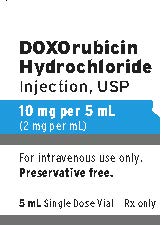
Doxorubicin Hydrochloride 2 mg/mL Injection, Solution — NDC 63323-101-61 (Billing 63323-0101-61)
This is a package of Doxorubicin Hydrochloride 2 mg/mL Injection, Solution from Fresenius Kabi USA, LLC, marketed since Jun 2000 and currently FDA-listed. It is this product's only package size.
NDC database record
One package, one record: these facts belong to NDC 63323-101-61 alone.
- Record
- FDA NDC Directory package listing · Human prescription drug
- Code segments
- 63323 labeler · 101 product · 61 package
- Package marketed since
- Jun 14, 2000
- Sample package
- No — commercial package
- Listing certified through
- Dec 31, 2026
- Barcode (UPC-A, from the NDC)
- 3 6332310161 9
- Medicaid fills, this package
- 5,551 prescriptions in the last four reported quarters
- FDA record last changed
- Jul 24, 2026
Other active recalls for Doxorubicin Hydrochloride (different manufacturers) — 1 · tap to view
Identity & classification
Regulatory identifiers FDA, NLM and CMS codes for this package
Drug-database identifiers Medi-Span GPI and First Databank GCN / HICL / AHFS classification
- GSN (GCN sequence number): 008819
- GCN: 47340
- GPI-14 (Medi-Span): 21200040102010
- HICL (First Databank): 003916
- AHFS class code: 10:00.00.00
- RxCUI (RxNorm): 1191138
Where does this data come from?
- FDA openFDA NDC Directory · synced Oct 1, 2026
- FDA label on DailyMed · label index refreshed Oct 5, 2026
- RxNorm (NLM RxNav) · catalog refreshed Oct 1, 2026
- Medi-Span GPI (licensed)
- First Databank (licensed) · refreshed Oct 1, 2026
RxNorm drug class
This medicine belongs to the Anthracycline Topoisomerase Inhibitor class.
Where does this data come from?
- RxClass (NLM) · catalog refreshed Oct 1, 2026
Clinical
- It is a chemotherapy medicine for many cancers. Standard forms treat breast cancer, leukemias, lymphomas, and several spread cancers. Liposomal forms like Doxil treat ovarian cance...
- A healthcare professional gives it into a vein in treatment cycles, usually every few weeks. You do not take it by mouth. Your team sets the exact schedule.
- Tiredness, nausea, vomiting, mouth sores, diarrhea or constipation, rash, and low blood counts are common. Liposomal forms can cause hand-foot syndrome. Let your team know about an...
- Call right away for fever or chills, unusual bleeding, shortness of breath, leg swelling, a racing heartbeat, or pain, redness, or swelling where the IV is. Heart problems can also...
Patient education
Supplement & herbal interactions
Doxorubicin may be associated with lower levels of 1 nutrient — worth a chat with your pharmacist, not a cause for alarm.
Where does this data come from?
- MedlinePlus (NLM) · refreshed Oct 1, 2026
- FDA label on DailyMed · label index refreshed Oct 5, 2026
Ask a licensed pharmacist directly — free, answered by our team.
Pricing
A drug doesn't have one price. Each row is a different public payment system, and none is what you'd pay at the counter — that depends on your insurance. The ⓘ on each row explains what it measures.
| Price system | Per mL | Per package |
|---|---|---|
| Retail pharmacies payNADAC · weekly | Not in the retail survey — common for institutional, discontinued, or low-volume packs. | |
| Medicaid paysCMS SDUD · 12 mo | $2.19 | $218.84 / 100 ml |
| Medicare drug plans payPart D · quarterly | No Part D plan price is available for this NDC in our data. | |
| Medicare Part B allowsASP · J9000 | $2.710 / J9000 unit | — |
Where does this data come from?
- CMS NADAC weekly file
- CMS ASP pricing files · refreshed Sep 20, 2026
- CMS Medicaid State Drug Utilization Data · through Q4 2025
- CMS Part D plan pricing files · refreshed Sep 24, 2026
- VA National Acquisition Center price file
Billing & reimbursement
Where does this data come from?
- CMS ASP NDC-HCPCS crosswalk · refreshed Sep 22, 2026
- DMEPDAC NDC-HCPCS crosswalk
- openFDA NSDE billing units · refreshed Sep 7, 2026
Packaging — all sizes for this product
| Package NDC | Description | Marketing start | Marketing end | Status |
|---|---|---|---|---|
| 63323-0101-61 You're viewing this Main listing | 1 VIAL, MULTI-DOSE in 1 CARTON / 100 mL in 1 VIAL, MULTI-DOSE | 2000-06-14 | — | Active |
Therapeutic equivalents
| Product | Labeler | Pack | NADAC/unit | TE | Status | Price vs. this |
|---|---|---|---|---|---|---|
| Doxorubicin Hydrochloride 2 mg/mL 00069-1442-04 | Pfizer | 1 vial | — | AP | FDA listed | — |
| Doxorubicin Hydrochloride 2 mg/mL 00069-1542-20 | Pfizer | 1 vial | — | AP | FDA listed | — |
| Doxorubicin Hydrochloride 2 mg/mL 00143-9087-01 | Hikma | 1 vial | — | AP | FDA listed | — |
| Doxorubicin Hydrochloride 2 mg/mL 00143-9091-01 | Hikma | 1 vial | — | AP | FDA listed | — |
| doxorubicin hydrochloride 2 mg/mL 25021-0207-25 | Sagent | 1 vial | — | AP | FDA listed | — |
| Doxorubicin hydrochloride 2 mg/mL 45963-0733-55 | Actavis | 1 vial | — | AP | FDA listed | — |
| DOXOrubicin Hydrochloride 2 mg/mL 62756-0827-40 | Sun | 1 vial | — | AP | FDA listed | — |
| Doxorubicin Hydrochloride 2 mg/mLthis 63323-0101-61 | Fresenius | 1 vial | — | AP | FDA listed | — |
| Doxorubicin Hydrochloride 2 mg/mL 68083-0250-01 | Gland | 1 vial | — | AP | FDA listed | — |
| Doxorubicin Hydrochloride 2 mg/mL 49315-0008-03 | Zydus | 1 vial | — | AB | FDA listed | — |
| Doxorubicin Hydrochloride 2 mg/mL 49315-0009-07 | Zydus | 1 vial | — | AB | FDA listed | — |
| DOXOrubicin Hydrochloride 2 mg/mL 62756-0826-40 | Sun | 1 vial | — | AP | FDA listed | — |
| Doxorubicin Hydrochloride 2 mg/mL 68001-0345-26 | BluePoint | 1 vial | — | AB | FDA listed | — |
| Doxorubicin Hydrochloride 2 mg/mL 16714-0742-01 | NorthStar | 1 vial | — | AB | Discontinued | — |
| Doxorubicin Hydrochloride 2 mg/mL 16714-0856-01 | NorthStar | 1 vial | — | AB | Discontinued | — |
| Doxorubicin Hydrochloride 2 mg/mL 00069-0343-02 | Pfizer | 1 vial | — | AP | FDA listed | — |
| Doxorubicin Hydrochloride 2 mg/mL 00143-9085-01 | Hikma | 1 vial | — | AP | FDA listed | — |
| Doxorubicin Hydrochloride 2 mg/mL 63323-0883-05 | Fresenius | 1 vial | — | AP | FDA listed | — |
| Doxorubicin Hydrochloride 2 mg/mL 68001-0492-36 | BluePoint | 1 vial | — | AB | FDA listed | — |
| Doxorubicin Hydrochloride 2 mg/mL 68001-0704-26 | BluePoint | 1 vial | — | AB | FDA listed | — |
| Doxorubicin Hydrochloride 2 mg/mL 00069-0277-02 | Pfizer | 1 vial | — | AP | FDA listed | — |
| Doxil 2 mg/mL 00338-0063-01 | Baxter | 1 vial | — | AB | FDA listed | — |
| Doxorubicin Hydrochloride 2 mg/mL 68083-0248-01 | Gland | 1 vial | — | AP | FDA listed | — |
| Doxorubicin Hydrochloride 2 mg/mL 00069-3358-25 | Pfizer | 1 vial | — | AP | FDA listed | — |
| Doxorubicin Hydrochloride 2 mg/mL 00069-4031-12 | Pfizer | 1 vial | — | AP | FDA listed | — |
| Doxorubicin Hydrochloride 2 mg/mL 00143-9084-01 | Hikma | 1 vial | — | AP | FDA listed | — |
| Doxorubicin Hydrochloride 2 mg/mL 00143-9090-01 | Hikma | 1 vial | — | AP | FDA listed | — |
| doxorubicin hydrochloride 2 mg/mL 62332-0810-10 | Alembic | 1 vial | — | AB | FDA listed | — |
| Doxorubicin Hydrochloride 2 mg/mL 68083-0249-01 | Gland | 1 vial | — | AP | FDA listed | — |
| Doxorubicin Hydrochloride 2 mg/mL 47335-0049-40 | Sun | 1 vial | — | AB | FDA listed | — |
| Doxil 2 mg/mL 00338-9665-01 | Baxter | 1 vial | — | AB | FDA listed | — |
| Doxorubicin Hydrochloride 2 mg/mL 68001-0703-36 | BluePoint | 1 vial | — | AB | FDA listed | — |
| Doxorubicin Hydrochloride 2 mg/mL 70121-1219-01 | Amneal | 1 vial | — | AP | FDA listed | — |
| doxorubicin hydrochloride 2 mg/mL 75907-0363-01 | Dr. | 1 vial | — | AB | FDA listed | — |
| Doxorubicin Hydrochloride 2 mg/mL 00069-0358-20 | Pfizer | 1 vial | — | AP | FDA listed | — |
| Doxorubicin Hydrochloride 2 mg/mL 00069-4205-05 | Pfizer | 1 vial | — | AP | FDA listed | — |
| Doxorubicin Hydrochloride 2 mg/mL 00143-9092-01 | Hikma | 1 vial | — | — | FDA listed | — |
| doxorubicin hydrochloride 2 mg/mL 46708-0810-10 | Alembic | 1 vial | — | AB | FDA listed | — |
| doxorubicin hydrochloride 2 mg/mL 62332-0525-25 | Alembic | 1 vial | — | AB | FDA listed | — |
| Doxorubicin Hydrochloride 2 mg/mL 68001-0493-26 | BluePoint | 1 vial | — | AB | FDA listed | — |
| Doxorubicin Hydrochloride 2 mg/mL 68001-0629-26 | BluePoint | 1 vial | — | AB | FDA listed | — |
| Doxorubicin Hydrochloride 2 mg/mL 70748-0340-01 | Lupin | 1 vial | — | AB | FDA listed | — |
| Doxorubicin Hydrochloride 2 mg/mL 00069-0255-10 | Pfizer | 1 vial | — | AP | FDA listed | — |
| Doxorubicin Hydrochloride 2 mg/mL 00143-9086-01 | Hikma | 1 vial | — | AP | FDA listed | — |
| Doxorubicin Hydrochloride 2 mg/mL 72603-0103-01 | NorthStar | 1 vial | — | AB | FDA listed | — |
| Doxorubicin Hydrochloride 2 mg/mL 72603-0200-01 | NorthStar | 1 vial | — | AB | FDA listed | — |
| Doxorubicin Hydrochloride 2 mg/mL 67457-0436-50 | Mylan | 1 vial | — | — | FDA listed | — |
| Doxorubicin Hydrochloride 2 mg/mL 70710-1531-01 | Zydus | 1 vial | — | AB | FDA listed | — |
| doxorubicin hydrochloride 2 mg/mL 75907-0364-01 | Dr. | 1 vial | — | AB | FDA listed | — |
| Doxorubicin Hydrochloride 2 mg/mL 00069-5629-05 | Pfizer | 1 vial | — | AP | FDA listed | — |
| Doxorubicin Hydrochloride Liposome 2 mg/mL 25021-0263-10 | Sagent | 1 vial | — | AB | FDA listed | — |
| doxorubicin hydrochloride 2 mg/mL 46708-0525-25 | Alembic | 1 vial | — | AB | FDA listed | — |
| Doxorubicin Hydrochloride 2 mg/mL 47335-0050-40 | Sun | 1 vial | — | AB | FDA listed | — |
| Doxorubicin Hydrochloride 2 mg/mL 00143-9088-01 | Hikma | 1 vial | — | AP | FDA listed | — |
| Doxorubicin Hydrochloride 2 mg/mL 00143-9089-01 | Hikma | 1 vial | — | AP | FDA listed | — |
| Doxorubicin Hydrochloride 2 mg/mL 00143-9093-01 | Hikma | 1 vial | — | — | FDA listed | — |
| doxorubicin hydrochloride, Liposomal 2 mg/mL 00338-9581-02 | Baxter | 1 vial | — | — | FDA listed | — |
| Doxil 2 mg/mL 00338-9667-01 | Baxter | 1 vial | — | AB | FDA listed | — |
| Doxorubicin Hydrochloride 2 mg/mL 70710-1530-01 | Zydus | 1 vial | — | AB | FDA listed | — |
| Doxorubicin Hydrochloride 2 mg/mL 70748-0339-01 | Lupin | 1 vial | — | AB | FDA listed | — |
| doxorubicin hydrochloride 2 mg/mL 68001-0706-36 | BluePoint | 1 vial | — | AB | FDA listed | — |
| doxorubicin hydrochloride 2 mg/mL 68001-0707-26 | BluePoint | 1 vial | — | AB | FDA listed | — |
Where does this data come from?
- FDA openFDA NDC Directory · synced Oct 1, 2026
- FDA Orange Book · refreshed Oct 3, 2026
- CMS NADAC weekly file
Availability & generic status
This product is an FDA-approved generic. Other versions of the same drug are listed under Therapeutic equivalents, least expensive first.
Where does this data come from?
- FDA Orange Book · refreshed Oct 3, 2026
Inactive Ingredients / Excipients
Inactive ingredients, also called excipients, are components of the drug product other than the active ingredient. They may include fillers, dyes, coatings, preservatives, flavors, or other formulation ingredients.
🧪 Avoiding an ingredient? See Doxorubicin inactive ingredients by manufacturer: every current product's list side by side, so you can ask your pharmacy for the version that does not list it.
Where does this data come from?
IACT rows and label-wide narrative are kept separate; availability and product-level specificity depend on the submitted label.- FDA label on DailyMed · label index refreshed Oct 5, 2026
- FDA openFDA NDC Directory · synced Oct 1, 2026
Inactive ingredient FAQ
Are inactive ingredients the same for every manufacturer?
Why might an inactive ingredient be missing?
Can inactive ingredients matter?
Manufacturer & labeler
More NDCs from Fresenius Kabi USA, LLC labeler code 63323
- Sodium Chloride 234 mg/mL Injection, Solution NDC 63323-088-61
- Sodium Bicarbonate 84 mg/mL Injection, Solution NDC 63323-089-50
- Sodium Chloride 2.5 meq/mL Injection, Solution, Concentrate NDC 63323-090-20
- Sodium Chloride 4 meq/mL Injection, Solution, Concentrate NDC 63323-093-30
- Sodium Chloride 4 meq/mL Injection, Solution, Concentrate NDC 63323-095-61
- Sodium Chloride 4 meq/mL Injection, Solution, Concentrate NDC 63323-099-63
- GEMCITABINE 200 mg/5mL Injection, Powder, Lyophilized, For Solution NDC 63323-102-13
- Cisplatin 1 mg/mL Injection, Solution NDC 63323-103-51
- Etoposide 20 mg/mL Injection, Solution NDC 63323-104-05
- magnesium sulfate 40 mg/mL Injection, Solution NDC 63323-106-01
- magnesium sulfate 80 mg/mL Injection, Solution NDC 63323-107-05
- Magnesium Sulfate in 5% Dextrose Magnesium Sulfate Heptahydrate 1 g/100mL Injection, Solution NDC 63323-108-01
Where does this data come from?
- FDA openFDA NDC Directory · synced Oct 1, 2026
- Drugs@FDA
Full prescribing information FDA SPL
🚨 Boxed Warning ▾
WARNING Severe local tissue necrosis will occur if there is extravasation during administration (see DOSAGE AND ADMINISTRATION ). Doxorubicin must not be given by the intramuscular or subcutaneous route. Myocardial toxicity manifested in its most severe form by potentially fatal congestive heart failure (CHF) may occur either during therapy or months to years after termination of therapy.
The probability of developing impaired myocardial function based on a combined index of signs, symptoms and decline in left ventricular ejection fraction (LVEF) is estimated to be 1 to 2% at a total cumulative dose of 300 mg/m 2 of doxorubicin, 3 to 5% at a dose of 400 mg/m 2 , 5 to 8% at 450 mg/m 2 and 6 to 20% at 500 mg/m 2 . The risk of developing CHF increases rapidly with increasing total cumulative doses of doxorubicin in excess of 400 mg/m 2 . Risk factors (active or dormant cardiovascular disease, prior or concomitant radiotherapy to the mediastinal/pericardial area, previous therapy with other anthracyclines or anthracenediones, concomitant use of other cardiotoxic drugs) may increase the risk of cardiac toxicity.
Cardiac toxicity with doxorubicin may occur at lower cumulative doses whether or not cardiac risk factors are present. Pediatric patients are at increased risk for developing delayed cardiotoxicity. Secondary acute myelogenous leukemia (AML) or myelodysplastic syndrome (MDS) has been reported in patients treated with anthracyclines, including doxorubicin (see ADVERSE REACTIONS ).
The occurrence of refractory secondary AML or MDS is more common when anthracyclines are given in combination with DNA-damaging anti-neoplastic agents or radiotherapy, when patients have been heavily pretreated with cytotoxic drugs, or when doses of anthracyclines have been escalated. The rate of developing secondary AML or MDS has been estimated in an analysis of 8,563 patients with early breast cancer treated in 6 studies conducted by the National Surgical Adjuvant Breast and Bowel Project (NSABP), including NSABP B-15.
Patients in these studies received standard doses of doxorubicin and standard or escalated doses of cyclophosphamide (AC) adjuvant chemotherapy and were followed for 61,810 patient years. Among 4,483 such patients who received conventional doses of AC, 11 cases of AML or MDS were identified, for an incidence of 0.32 cases per 1,000 patient years (95% Cl, 0.16 to 0.57) and a cumulative incidence at 5 years of 0.21% (95% Cl, 0.11 to 0.41%). In another analysis of 1,474 patients with breast cancer who received adjuvant treatment with doxorubicin-containing regimens in clinical trials conducted at University of Texas M.D.
Anderson Cancer Center, the incidence was estimated at 1.5% at 10 years. In both experiences, patients who received regimens with higher cyclophosphamide dosages, who received radiotherapy, or who were aged 50 or older had an increased risk of secondary AML or MDS. Pediatric patients are also at risk of developing secondary AML.
Dosage should be reduced in patients with impaired hepatic function. Severe myelosuppression may occur. Doxorubicin should be administered only under the supervision of a physician who is experienced in the use of cancer chemotherapeutic agents.
🎯 Indications and Usage ▾
INDICATIONS AND USAGE: Doxorubicin Hydrochloride Injection, USP has been used successfully to produce regression in disseminated neoplastic conditions such as acute lymphoblastic leukemia, acute myeloblastic leukemia, Wilms' tumor, neuroblastoma, soft tissue and bone sarcomas, breast carcinoma, ovarian carcinoma, transitional cell bladder carcinoma, thyroid carcinoma, gastric carcinoma, Hodgkin's disease, malignant lymphoma and bronchogenic carcinoma in which the small cell histologic type is the most responsive compared to other cell types.
Doxorubicin is also indicated for use as a component of adjuvant therapy in women with evidence of axillary lymph node involvement following resection of primary breast cancer.
⏱️ Dosage and Administration ▾
DOSAGE AND ADMINISTRATION: When possible, to reduce the risk of developing cardiotoxicity in patients receiving doxorubicin after stopping treatment with other cardiotoxic agents, especially those with long half-lives such as trastuzumab, doxorubicin-based therapy should be delayed until the other agents have cleared from the circulation (see WARNINGS and PRECAUTIONS, General ). Care in the administration of doxorubicin will reduce the chance of perivenous infiltration (see WARNINGS ). It may also decrease the chance of local reactions such as urticaria and erythematous streaking.
On intravenous administration of doxorubicin, extravasation may occur with or without an accompanying burning or stinging sensation, even if blood returns well on aspiration of the infusion needle. If any signs or symptoms of extravasation have occurred, the injection or infusion should be immediately terminated and restarted in another vein. If extravasation is suspected, intermittent application of ice to the site for 15 min. q.i.d. x 3 days may be useful.
The benefit of local administration of drugs has not been clearly established. Because of the progressive nature of extravasation reactions, close observation and plastic surgery consultation is recommended. Blistering, ulceration and/or persistent pain are indications for wide excision surgery, followed by split-thickness skin grafting.
The most commonly used dose schedule when used as a single agent is 60 to 75 mg/m 2 as a single intravenous injection administered at 21-day intervals. The lower dosage should be given to patients with inadequate marrow reserves due to old age, or prior therapy, or neoplastic marrow infiltration. Doxorubicin has been used concurrently with other approved chemotherapeutic agents.
Evidence is available that in some types of neoplastic disease, combination chemotherapy is superior to single agents. The benefits and risks of such therapy continue to be elucidated. When used in combination with other chemotherapy drugs, the most commonly used dosage of doxorubicin is 40 to 60 mg/m 2 given as a single intravenous injection every 21 to 28 days.
In a large randomized study (NSABP B-15) of patients with early breast cancer involving axillary lymph nodes (see CLINICAL PHARMACOLOGY , CLINICAL STUDIES and ADVERSE REACTIONS , Adverse Reactions in Patients with Early Breast Cancer Receiving Doxorubicin-Containing Adjuvant Therapy ), the combination dosage regimen of AC (doxorubicin 60 mg/m 2 and cyclophosphamide 600 mg/m 2 ) was administered intravenously on day 1 of each 21-day treatment cycle. Four cycles of treatment were administered. Dose Modifications Patients in the NSABP B-15 study could have dose modifications of AC to 75% of the starting doses for neutropenic fever/infection.
When necessary, the next cycle of treatment cycle was delayed until the absolute neutrophil count (ANC) was ≥ 1,000 cells/mm 3 and the platelet count was ≥ 100,000 cells/mm 3 and nonhematologic toxicities had resolved. Doxorubicin dosage must be reduced in case of hyperbilirubinemia as follows: Plasma bilirubin concentration (mg/dL) Dosage reduction (%) 1.2 to 3 50 3.1 to 5 75 Reconstitution Directions It is recommended that doxorubicin be slowly administered into the tubing of a freely running intravenous infusion of Sodium Chloride Injection, USP, or 5% Dextrose Injection, USP.
The tubing should be attached to a Butterfly ® needle inserted preferably into a large vein. If possible, avoid veins over joints or in extremities with compromised venous or lymphatic drainage. The rate of administration is dependent on the size of the vein and the dosage.
However, the dose should be administered in not less than 3 to 5 minutes. Local erythematous streaking along the vein as well as facial flushing may be indicative of too rapid an administration. A burning or stinging sensation may be indicative of perivenous infiltration and, if this occurs, the infusion should be immediately terminated and restarted…
⛔ Contraindications ▾
CONTRAINDICATIONS: Patients should not be treated with doxorubicin if they have any of the following conditions: baseline neutrophil count <1,500 cells/mm 3 ; severe hepatic impairment; recent myocardial infarction; severe myocardial insufficiency; severe arrhythmias; previous treatment with complete cumulative doses of doxorubicin, daunorubicin, idarubicin, and/or other anthracyclines and anthracenediones; or hypersensitivity to doxorubicin, any of its excipients, or other anthracyclines or anthracenediones (see WARNINGS and DOSAGE AND ADMINISTRATION ).
⚠️ Warnings ▾
WARNINGS: General Doxorubicin should be administered only under the supervision of qualified physicians experienced in the use of cytotoxic therapy. Patients should recover from acute toxicities of prior cytotoxic treatment (such as stomatitis, neutropenia, thrombocytopenia, and generalized infections) before beginning treatment with doxorubicin. Also, initial treatment with doxorubicin should be preceded by a careful baseline assessment of blood counts; serum levels of total bilirubin, AST, and creatinine; and cardiac function as measured by left ventricular ejection function (LVEF).
Patients should be carefully monitored during treatment for possible clinical complications due to myelosuppression. Supportive care may be necessary for the treatment of severe neutropenia and severe infectious complications. Monitoring for potential cardiotoxicity is also important, especially with greater cumulative exposure to doxorubicin.
Doxorubicin may potentiate the toxicity of other anticancer therapies (see PRECAUTIONS , Drug Interactions ). Cardiac Function Cardiotoxicity is a known risk of anthracycline treatment. Anthracycline-induced cardiotoxicity may be manifested by early (or acute) or late (delayed) events.
Early cardiotoxicity of doxorubicin consists mainly of sinus tachycardia and/or electrocardiogram (ECG) abnormalities such as non-specific ST-T wave changes. Tachyarrhythmias, including premature ventricular contractions and ventricular tachycardia, bradycardia, as well as atrioventricular and bundle-branch block have also been reported. These effects do not usually predict subsequent development of delayed cardiotoxicity, are rarely of clinical importance, and are generally not considered an indication for the suspension of doxorubicin treatment.
Delayed cardiotoxicity usually develops late in the course of therapy with doxorubicin or within 2 to 3 months after treatment termination, but later events, several months to years after completion of treatment, have also been reported. Delayed cardiomyopathy is manifested by a reduction in LVEF and/or signs and symptoms of congestive heart failure (CHF) such as tachycardia, dyspnea, pulmonary edema, dependent edema, cardiomegaly and hepatomegaly, oliguria, ascites, pleural effusion, and gallop rhythm. Subacute effects such as pericarditis/myocarditis have also been reported.
Life-threatening CHF is the most severe form of anthracycline-induced cardiomyopathy and represents the cumulative dose-limiting toxicity of the drug. The probability of developing impaired myocardial function, based on a combined index of signs, symptoms and decline in left ventricular ejection fraction (LVEF) is estimated to be 1 to 2% at a total cumulative dose of 300 mg/m 2 of doxorubicin, 3 to 5% at a dose of 400 mg/m 2 , 5 to 8% at a dose of 450 mg/m 2 and 6 to 20% at a dose of 500 mg/m 2 given in a schedule of a bolus injection once every 3 weeks.
In a retrospective review, the probability of developing congestive heart failure was reported to be 5/168 (3%) at a cumulative dose of 430 mg/m 2 of doxorubicin, 8/110 (7%) at 575 mg/m 2 , and 3/14 (21%) at 728 mg/m 2 . In a prospective study of doxorubicin in combination with cyclophosphamide, fluorouracil and/or vincristine in patients with breast cancer or small cell lung cancer, the probability of CHF at various cumulative doses of doxorubicin was 1.5% at 300 mg/m 2 , 4.9% at 400 mg/m 2 , 7.7% at 450 mg/m 2 and 20.5% at 500 mg/m 2 .
The risk of developing CHF increases rapidly with increasing total cumulative doses of doxorubicin in excess of 400 mg/m 2 . Cardiotoxicity may occur at lower doses in patients with prior mediastinal/pericardial irradiation, concomitant use of other cardiotoxic drugs, doxorubicin exposure at an early age, and advanced age. Data also suggest that pre-existing heart disease is a co-factor for increased risk of doxorubicin cardiotoxicity.
In such cases, cardiac toxicity may occur at doses lower than the recommended cumulative dos…
🤒 Adverse Reactions ▾
ADVERSE REACTIONS: Dose limiting toxicities of therapy are myelosuppression and cardiotoxicity. Other reactions reported are: Cardiotoxicity (See WARNINGS ). Cutaneous Reversible complete alopecia occurs in most cases.
Hyperpigmentation of nailbeds and dermal creases, primarily in pediatric patients, and onycholysis have been reported in a few cases. Radiation recall reaction has occurred with doxorubicin administration. Rash, itching, or photosensitivity may occur.
Gastrointestinal Acute nausea and vomiting occurs frequently and may be severe. This may be alleviated by antiemetic therapy. Mucositis (stomatitis and esophagitis) may occur within 5 to 10 days of beginning therapy, and most patients recover from this adverse event within another 5 to 10 days.
The effect may be severe leading to ulceration and represents a site of origin for severe infections. The dosage regimen consisting of administration of doxorubicin on three successive days results in greater incidence and severity of mucositis. Ulceration and necrosis of the colon, especially the cecum, may occur leading to bleeding or severe infections which can be fatal.
This reaction has been reported in patients with acute non-lymphocytic leukemia treated with a 3-day course of doxorubicin combined with cytarabine. Anorexia, abdominal pain, dehydration, diarrhea, and hyperpigmentation of the oral mucosa have been occasionally reported. Hematologic (See WARNINGS ).
Hypersensitivity Fever, chills and urticaria have been reported occasionally. Anaphylaxis may occur. A case of apparent cross sensitivity to lincomycin has been reported.
Neurological Peripheral neurotoxicity in the form of local-regional sensory and/or motor disturbances have been reported in patients treated intra-arterially with doxorubicin, mostly in combination with cisplatin. Animal studies have demonstrated seizures and coma in rodents and dogs treated with intra-carotid doxorubicin. Seizures and coma have been reported in patients treated with doxorubicin in combination with cisplatin or vincristine.
Ocular Conjunctivitis, keratitis, and lacrimation occur rarely. Other Malaise/asthenia have been reported. Adverse Reactions in Patients with Early Breast Cancer Receiving Doxorubicin-Containing Adjuvant Therapy Safety data were collected from approximately 2,300 women who participated in a randomized, open-label trial (NSABP B-15) evaluating the use of AC versus CMF in the treatment of early breast cancer involving axillary lymph nodes.
In the safety analysis, the follow-up data from all patients receiving AC were combined (N=1,492 evaluable patients) and compared with data from patients receiving conventional CMF (i.e., oral cyclophosphamide; N=739 evaluable patients). The most relevant adverse events reported in this study are provided in Table 2. Table 2.
Relevant Adverse Events in Patients with Early Breast Cancer Involving Axillary Lymph Nodes AC* Conventional CMF N=1,492 N=739 Treatment administration Mean number of cycles 3.8
5.5Total cycles 5,676 4,068 Adverse events, % of patients Leukopenia Grade 3 (1,000 to 1,999 /mm 3 ) 3.4
9.4Grade 4 (<1000/mm 3 ) 0.3
0.3 Thrombocytopenia Grade 3 (25,000 to 49,999 /mm 3 ) 0
0.3Grade 4 (<25,000 /mm 3 ) 0.1 0 Shock, sepsis 1.5
0.9Systemic infection 2.4
1.2Nausea and vomiting Nausea only 15.5
42.8Vomiting ≤ 12 hours 34.4
25.2Vomiting >12 hours 36.8 12 Intractable 4.7
1.6Alopecia 92.4
71.4Partial 22.9
56.3Complete 69.5
15.1Weight loss 5 to 10% 6.2 5.7 >10% 2.4
2.8Weight gain 5 to 10% 10.6 27.9 >10% 3.8
14.3Cardiac function Asymptomatic 0.2
0.1Transient 0.1 0 Symptomatic 0.1 0 Treatment-related death 0 0 * Includes pooled data from patients who received either AC alone for 4 cycles, or who were treated with AC for 4 cycles followed by 3 cycles of CMF
Cardiotoxicity (See WARNINGS ).
Cutaneous Reversible complete alopecia occurs in most cases. Hyperpigmentation of nailbeds and dermal creases, primarily in pediatric patients, and onycholysis have been…
🆘 Overdosage ▾
OVERDOSAGE: Acute overdosage with doxorubicin enhances the toxic effects of mucositis, leukopenia and thrombocytopenia. Treatment of acute overdosage consists of treatment of the severely myelosuppressed patient with hospitalization, antimicrobials, platelet transfusions and symptomatic treatment of mucositis. Use of hemopoietic growth factor (G-CSF, GM-CSF) may be considered.
The 200 mg doxorubicin hydrochloride injection vial is packaged as a multiple dose vial and caution should be exercised to prevent inadvertent overdosage. Cumulative dosage with doxorubicin increases the risk of cardiomyopathy and resultant congestive heart failure (see WARNINGS ). Treatment consists of vigorous management of congestive heart failure with digitalis preparations, diuretics, and after-load reducers such as ACE inhibitors.
🧬 Clinical Pharmacology ▾
CLINICAL PHARMACOLOGY: The cytotoxic effect of doxorubicin on malignant cells and its toxic effects on various organs are thought to be related to nucleotide base intercalation and cell membrane lipid binding activities of doxorubicin. Intercalation inhibits nucleotide replication and action of DNA and RNA polymerases. The interaction of doxorubicin with topoisomerase II to form DNA-cleavable complexes appears to be an important mechanism of doxorubicin cytocidal activity.
Doxorubicin cellular membrane binding may affect a variety of cellular functions. Enzymatic electron reduction of doxorubicin by a variety of oxidases, reductases and dehydrogenases generates highly reactive species including the hydroxyl free radical OH•. Free radical formation has been implicated in doxorubicin cardiotoxicity by means of Cu (II) and Fe (III) reduction at the cellular level.
Cells treated with doxorubicin have been shown to manifest the characteristic morphologic changes associated with apoptosis or programmed cell death. Doxorubicin-induced apoptosis may be an integral component of the cellular mechanism of action relating to therapeutic effects, toxicities, or both. Animal studies have shown activity in a spectrum of experimental tumors, immunosuppression, carcinogenic properties in rodents, induction of a variety of toxic effects, including delayed and progressive cardiac toxicity, myelosuppression in all species and atrophy to testes in rats and dogs.
Pharmacokinetics Pharmacokinetic studies, determined in patients with various types of tumors undergoing either single or multi-agent therapy have shown that doxorubicin follows a multiphasic disposition after intravenous injection. In four patients, doxorubicin has demonstrated dose-independent pharmacokinetics in the dose range of 30 to 70 mg/m 2 . Distribution The initial distribution half-life of approximately 5 minutes suggests rapid tissue uptake of doxorubicin, while its slow elimination from tissues is reflected by a terminal half-life of 20 to 48 hours.
Steady-state distribution volume ranges from 809 to 1,214 L/m 2 and is indicative of extensive drug uptake into tissues. Binding of doxorubicin and its major metabolite, doxorubicinol, to plasma proteins is about 74 to 76% and is independent of plasma concentration of doxorubicin up to 1.1 mcg/mL. Doxorubicin was excreted in the milk of one lactating patient, with peak milk concentration at 24 hours after treatment being approximately 4.4-fold greater than the corresponding plasma concentration.
Doxorubicin was detectable in the milk up to 72 hours after therapy with 70 mg/m 2 of doxorubicin given as a 15-minute intravenous infusion and 100 mg/m 2 of cisplatin as a 26-hour intravenous infusion. The peak concentration of doxorubicinol in milk at 24 hours was 0.11 mcg/mL and AUC up to 24 hours was 9 mcg•h/mL while the AUC for doxorubicin was 5.4 mcg•h/mL. Doxorubicin does not cross the blood brain barrier.
Metabolism Enzymatic reduction at the 7 position and cleavage of the daunosamine sugar yields aglycones which are accompanied by free radical formation, the local production of which may contribute to the cardiotoxic activity of doxorubicin. Disposition of doxorubicinol (DOX-OL) in patients is formation rate limited, with the terminal half-life of DOX-OL being similar to doxorubicin. The relative exposure of DOX-OL, i.e., the ratio between the AUC of DOX-OL and the AUC of doxorubicin, compared to doxorubicin ranges between 0.4 and 0.6.
Excretion Plasma clearance is in the range 324 to 809 mL/min/m 2 and is predominately by metabolism and biliary excretion. Approximately 40% of the dose appears in the bile in 5 days, while only 5 to 12% of the drug and its metabolites appear in the urine during the same time period. In urine, < 3% of the dose was recovered as DOX-OL over 7 days.
Systemic clearance of doxorubicin is significantly reduced in obese women with ideal body weight greater than 130%. There was a significant reduction in cle…
📦 How Supplied / Storage and Handling ▾
HOW SUPPLIED: Doxorubicin Hydrochloride Injection, USP, 2 mg per mL, a sterile product which contains no preservatives, is available as follows: Product No. NDC No. 88305 63323-883-05 Doxorubicin hydrochloride 10 mg in a 5 mL single dose flip-top vial, packaged individually.
88310 63323-883-10 Doxorubicin hydrochloride 20 mg in a 10 mL single dose flip-top vial, packaged individually. 88330 63323-883-30 Doxorubicin hydrochloride 50 mg in a 25 mL single dose flip-top vial, packaged individually. 100161 63323-101-61 Doxorubicin hydrochloride 200 mg in a 100 mL multiple dose vial, packaged individually.
REFRIGERATE AT: 2 ° to 8 °C ( 36 ° to 46 °F). Protect from light (keep in outer carton). Preservative Free.
Discard unused portion. The container closure is not made with natural rubber latex.
📋 Description ▾
DESCRIPTION: Doxorubicin is a cytotoxic anthracycline antibiotic isolated from cultures of Streptomyces peucetius var . caesius . Doxorubicin consists of a naphthacenequinone nucleus linked through a glycosidic bond at ring atom 7 to an amino sugar, daunosamine. Chemically, doxorubicin hydrochloride is: 5,12-Naphthacenedione, 10-[(3-amino-2,3,6-trideoxy-α-L- lyxo -hexopyranosyl)oxy]-7,8,9,10-tetrahydro-6,8,11-trihydroxy-8-(hydroxylacetyl)-1-methoxy-, hydrochloride (8 S - cis )-.
(8 S , 10 S )-10-[(3-Amino-2,3,6-trideoxy-α-L- lyxo -hexopyranosyl)-oxy]-8-glycoloyl-7,8,9,10-tetrahydro-6,8,11-trihydroxy-1-methoxy-5,12-naphthacenedione hydrochloride [ 25316-40-9 ]. The structural formula is as follows: C 27 H 29 NO 11 • HCl M.W. 579.99 Doxorubicin binds to nucleic acids, presumably by specific intercalation of the planar anthracycline nucleus with the DNA double helix.
The anthracycline ring is lipophilic, but the saturated end of the ring system contains abundant hydroxyl groups adjacent to the amino sugar, producing a hydrophilic center. The molecule is amphoteric, containing acidic functions in the ring phenolic groups and a basic function in the sugar amino group. It binds to cell membranes as well as plasma proteins.
Doxorubicin Hydrochloride Injection, USP is a sterile, isotonic, preservative-free solution for intravenous use. It is available in 5 mL (10 mg), 10 mL (20 mg) and 25 mL (50 mg) single dose vials and 100 mL (200 mg) multiple dose vials. Each mL contains: Doxorubicin hydrochloride 2 mg; sodium chloride 9 mg for Isotonicity: Water for Injection q.s.
Hydrochloric acid and/or sodium hydroxide may have been added for pH adjustment (2.5 to 4.5). structure
💬 Patient Medication Information ▾
PATIENT INFORMATION Doxorubicin (dakse-RU-besen) Hydrochloride Injection, USP Read this Patient information before you start receiving doxorubicin and before each infusion. This information leaflet does not take the place of talking with your doctor about your medical condition or your treatment. What is the most important information I should know about doxorubicin?
Doxorubicin may cause serious side effects including: • Heart problems. Doxorubicin may cause heart problems that may lead to death. These problems can happen during your treatment or months to years after stopping treatment.
In some cases heart problems are irreversible. Your chance of heart problems is higher if you: • already have heart problems • have a history of radiation therapy or are currently receiving radiation therapy to your chest • have had treatment with certain other anti-cancer medicines • take other medicines that can affect your heart Tell your doctor if you get any of these symptoms of heart problems: • shortness of breath • cough • swelling of your feet and ankles • fast heartbeat Your doctor should do tests to check your heart before, during, and after your treatment with doxorubicin. • Secondary cancers.
Some people who have received doxorubicin have developed acute myelogenous leukemia (AML) or myelodysplastic syndrome (MDS). Your chance of developing a secondary cancer is higher if you receive doxorubicin along with other anti-cancer medicines or with radiation therapy. • Decreased blood cell counts. Doxorubicin can cause a severe decrease in neutrophils (a type of white blood cells important in fighting in bacterial infections), red blood cells (blood cells that carry oxygen to the tissues), and platelets (important for clotting and to control bleeding).Your doctor will check your blood cell count during your treatment with doxorubicin and after you have stopped your treatment.
What is doxorubicin? Doxorubicin is a prescription anti-cancer medicine used to treat certain types of cancers. Doxorubicin may be used alone or along with other anti-cancer medicines.
Who should not receive doxorubicin? Do not receive doxorubicin if: • your blood cell counts are too low: platelets (which help your blood to clot), red blood cells (which help to carry iron and oxygen throughout your body), and white blood cells (which help to fight infection) • you have a severe liver problem • you have had a recent heart attack or have severe heart problems • you have had previous treatment with doxorubicin or certain other anticancer medicines and received the maximum dose allowed • you are allergic to certain other anti-cancer medicines, doxorubicin hydrochloride, or any other ingredient in Doxorubicin Hydrochloride Injection, USP.
See the end of this leaflet for a complete list of ingredients in Doxorubicin Hydrochloride Injection, USP. Talk to your doctor before receiving doxorubicin if you have any of the conditions listed above. What should I tell my doctor before receiving doxorubicin?
Before you receive doxorubicin, tell your doctor if you: • have heart problems • have had radiation treatment or currently receiving radiation therapy • are over the age of 50 • have liver problems • plan to receive any vaccines. Talk to your doctor about which vaccines are safe for you to receive during your treatment with doxorubicin. See “What should I avoid while receiving doxorubicin?” • have any other medical conditions • are pregnant or plan to become pregnant.
Doxorubicin can harm your unborn baby. Women who may become pregnant should use effective birth control (contraception). Talk to your doctor about the best way to prevent pregnancy while receiving doxorubicin. • are breastfeeding or plan to breast feed.
Doxorubicin can pass into your breast milk and harm your baby. You and your doctor should decide if you will receive doxorubicin or breastfeed. You should not do both.
Tell your doctor about all the medicines you take, including prescription and non-prescription m…
Medicaid utilization & spend
About this NDC listing & data coverage
What data is (and isn’t) available for this NDC — tap to expand
| NDC identity (package / product / labeler codes) | ✓ Available |
| Labeler | ✓ Available |
| Product & package description | ✓ Available |
| Marketing category & status | ✓ Available |
| Active ingredient / dosage form / route | ✓ Available |
| FDA label (SPL via DailyMed) | ✓ Available |
| Package photos | ✓ Available |
| Inactive ingredients (structured) | — Not published for this NDC The labeler did not submit a structured excipient list, or no SPL is available. |
| NADAC pharmacy acquisition price (CMS) | — Not published for this NDC CMS publishes NADAC only for NDCs reported in its retail-pharmacy survey. |
| Orange Book / therapeutic-equivalence data | ✓ Available |
| HCPCS J-code billing crosswalk | ✓ Available |
| Medicaid utilization (CMS SDUD) | ✓ Available |