
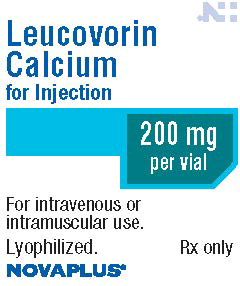
Leucovorin Calcium 200 mg/20mL Injection, Powder, Lyophilized, For Solution — NDC 63323-710-50 (Billing 63323-0710-50)
This is a package of Leucovorin Calcium 200 mg/20mL Injection, Powder, Lyophilized, For Solution from Fresenius Kabi USA, LLC, marketed since Sep 2010 and currently FDA-listed. It is the main listing for this product, which comes in 2 package sizes.
NDC database record
One package, one record: these facts belong to NDC 63323-710-50 alone.
- Record
- FDA NDC Directory package listing · Human prescription drug
- Code segments
- 63323 labeler · 710 product · 50 package
- Package marketed since
- Sep 18, 2010
- Sample package
- No — commercial package
- Listing certified through
- Dec 31, 2026
- Barcode (UPC-A, from the NDC)
- 3 6332371050 7
- Medicaid fills, this package
- 3,586 prescriptions in the last four reported quarters
- FDA record last changed
- Jul 24, 2026
Identity & classification
Regulatory identifiers FDA, NLM and CMS codes for this package
Drug-database identifiers Medi-Span GPI and First Databank GCN / HICL / AHFS classification
- GSN (GCN sequence number): 044541
- GCN: 87562
- GPI-14 (Medi-Span): 21755040102150
- HICL (First Databank): 001063
- AHFS class code: 91:04.12.00
- RxCUI (RxNorm): 1803937
Where does this data come from?
- FDA openFDA NDC Directory · synced Oct 1, 2026
- FDA label on DailyMed · label index refreshed Oct 5, 2026
- RxNorm (NLM RxNav) · catalog refreshed Oct 1, 2026
- Medi-Span GPI (licensed)
- First Databank (licensed) · refreshed Oct 1, 2026
RxNorm drug class
This medicine belongs to the Folate Analog class.
Where does this data come from?
- RxClass (NLM) · catalog refreshed Oct 1, 2026
Clinical
- It depends on which chemotherapy you're getting. If you're on methotrexate, leucovorin acts like a protective antidote — it steps in to restore the folate your cells need, shieldin...
- Why am I being given leucovorin alongside my chemotherapy?
- Yes — you can take Leucovorin Calcium tablets with or without food. Food isn't expected to meaningfully affect how your body absorbs it. If you have trouble swallowing the tablet,...
- Can I take the leucovorin tablet with food?
Patient education
Supplement & herbal interactions
Some supplements/herbs that may interact with Leucovorin Calcium — tap one for details:
Where does this data come from?
- MedlinePlus (NLM) · refreshed Oct 1, 2026
- FDA label on DailyMed · label index refreshed Oct 5, 2026
Ask a licensed pharmacist directly — free, answered by our team.
Pricing
A drug doesn't have one price. Each row is a different public payment system, and none is what you'd pay at the counter — that depends on your insurance. The ⓘ on each row explains what it measures.
| Price system | Per mL | Per package |
|---|---|---|
| Retail pharmacies payNADAC · weekly | Not in the retail survey — common for institutional, discontinued, or low-volume packs. | |
| Medicaid paysCMS SDUD · 12 mo | $54.87 | $1,097.38 / 20 ml |
| Medicare drug plans payPart D · quarterly | No Part D plan price is available for this NDC in our data. | |
| Medicare Part B allowsASP · J0640 | $2.932 / J0640 unit | — |
Where does this data come from?
- CMS NADAC weekly file
- CMS ASP pricing files · refreshed Sep 20, 2026
- CMS Medicaid State Drug Utilization Data · through Q1 2026
- CMS Part D plan pricing files · refreshed Sep 24, 2026
- VA National Acquisition Center price file
Billing & reimbursement
Where does this data come from?
- CMS ASP NDC-HCPCS crosswalk · refreshed Sep 22, 2026
- DMEPDAC NDC-HCPCS crosswalk
- openFDA NSDE billing units · refreshed Sep 7, 2026
Packaging — all sizes for this product
| Package NDC | Description | Marketing start | Marketing end | Status |
|---|---|---|---|---|
| 63323-0710-59 63323-710-59 | 1 VIAL in 1 BOX / 20 mL in 1 VIAL | 2010-09-18 | — | Active |
| 63323-0710-50 You're viewing this Main listing | 1 VIAL in 1 BOX / 20 mL in 1 VIAL | 2010-09-18 | — | Active |
In Medicaid, this is the most-dispensed pack of this product — about 100% of fills over the last four reported quarters. See all packs ↓
Pack size FAQ
What quantity is in this package?
What NDC number is used to bill for this package of Leucovorin Calcium 200 mg/20mL Injection, Powder, Lyophilized, For Solution?
Therapeutic equivalents
| Product | Labeler | Pack | NADAC/unit | TE | Status | Price vs. this |
|---|---|---|---|---|---|---|
| Leucovorin Calcium 200 mg/20mL 00143-9368-01 | Hikma | 1 vial | — | AP | FDA listed | — |
| Leucovorin Calcium 200 mg/20mL 00143-9553-01 | Hikma | 1 vial | — | AP | FDA listed | — |
| Leucovorin Calcium 200 mg/20mL 25021-0815-30 | Sagent | 1 vial | — | AP | FDA listed | — |
| Leucovorin Calcium 200 mg/20mLthis 63323-0710-50 | Fresenius | 1 vial | — | AP | FDA listed | — |
| Leucovorin Calcium 200 mg/20mL 67457-0529-20 | Mylan | 1 vial | — | AP | FDA listed | — |
| Leucovorin Calcium 200 mg/20mL 68001-0417-37 | BluePoint | 1 vial | — | AP | FDA listed | — |
| leucovorin calcium 200 mg/20mL 68001-0649-37 | BluePoint | 1 vial | — | AP | FDA listed | — |
| Leucovorin Calcium 200 mg 70436-0118-80 | Slate | 1 injection | — | AP | FDA listed | — |
| leucovorin calcium 200 mg/20mL 71288-0162-30 | Meitheal | 1 vial | — | AP | FDA listed | — |
Where does this data come from?
- FDA openFDA NDC Directory · synced Oct 1, 2026
- FDA Orange Book · refreshed Oct 3, 2026
- CMS NADAC weekly file
Availability & generic status
This product is an FDA-approved generic. Other versions of the same drug are listed under Therapeutic equivalents, least expensive first.
Where does this data come from?
- FDA Orange Book · refreshed Oct 3, 2026
Inactive Ingredients / Excipients
Inactive ingredients, also called excipients, are components of the drug product other than the active ingredient. They may include fillers, dyes, coatings, preservatives, flavors, or other formulation ingredients.
🧪 Avoiding an ingredient? See Leucovorin inactive ingredients by manufacturer: every current product's list side by side, so you can ask your pharmacy for the version that does not list it.
💡 Tap an ingredient (hover on desktop) to see what it is and why it’s used.
-
UNII QTT17582CB
A strong acid used to adjust and maintain the proper pH level in liquid medicines, ensuring stability and preventing breakdown of active ingredients.
-
180 mg / 20 mL
UNII 451W47IQ8X
Sodium chloride is common table salt. It's used in medicines as a buffer to maintain proper pH, as a filler to add bulk, or to adjust the osmotic balance in liquid formulations.
-
UNII 55X04QC32I
A strong alkaline chemical used to adjust and maintain the pH balance of liquid medicines. It helps keep the medicine stable and ensures it stays effective during storage.
3 inactive ingredients listed in the exact product block matched to this NDC.
Where does this data come from?
ingredient classCode="IACT" elements from the exact product block matched by this NDC. Label-section narrative from DailyMed / the openFDA label index is shown separately when available.- FDA label on DailyMed · label index refreshed Oct 5, 2026
- FDA openFDA NDC Directory · synced Oct 1, 2026
Inactive ingredient FAQ
Are inactive ingredients the same for every manufacturer?
Why might an inactive ingredient be missing?
Can inactive ingredients matter?
Manufacturer & labeler
More NDCs from Fresenius Kabi USA, LLC labeler code 63323
- Acetylcysteine 200 mg/mL Solution NDC 63323-692-10
- Acetylcysteine 100 mg/mL Solution NDC 63323-693-10
- Acetylcysteine 200 mg/mL Solution NDC 63323-694-04
- Acetylcysteine 100 mg/mL Solution NDC 63323-695-04
- EPINEPHRINE 1 mg/mL Injection, Solution, Concentrate NDC 63323-696-25
- EPINEPHRINE 1 mg/mL Injection, Solution, Concentrate NDC 63323-698-30
- Leucovorin Calcium 500 mg/50mL Injection, Powder, Lyophilized, For Solution NDC 63323-711-00
- Kabiven Dextrose, Soybean oil, Electrolytes, Lysine, Phenylalanine, Leucine, Valine, Threonine, Methionine, Isoleucine, Tryptophan, Alanine, Arginine, Glycine, Proline, Histidine, Glutamic Acid, Serine, Aspartic Acid and Tyrosine 10.8 g/100mL; 3.9 g/100mL; 239 mg/100mL; 174 mg/100mL; 147 mg/100mL; 96 mg/100mL; 29 mg/100mL Injection, Emulsion NDC 63323-712-10
- Linezolid 2 mg/mL Injection, Solution NDC 63323-713-13
- Perikabiven Dextrose, Soybean oil, Electrolytes, Lysine, Phenylalanine, Leucine, Valine, Threonine, Methionine, Isoleucine, Tryptophan, Alanine, Arginine, Glycine, Proline, Histidine, Glutamic Acid, Serine, Aspartic Acid and Tyrosine 7.5 g/100mL; 3.5 g/100mL; 170 mg/100mL; 124 mg/100mL; 105 mg/100mL; 68 mg/100mL; 20 mg/100mL Injection, Emulsion NDC 63323-714-14
- Fulvestrant 50 mg/mL Injection, Solution NDC 63323-715-05
- Remifentanil Hydrochloride 1 mg/mL Injection, Powder, Lyophilized, For Solution NDC 63323-723-03
Where does this data come from?
- FDA openFDA NDC Directory · synced Oct 1, 2026
- Drugs@FDA
Full prescribing information FDA SPL
🎯 Indications and Usage ▾
INDICATIONS AND USAGE: Leucovorin calcium rescue is indicated after high dose methotrexate therapy in osteosarcoma. Leucovorin calcium is also indicated to diminish the toxicity and counteract the effects of impaired methotrexate elimination and of inadvertent overdosages of folic acid antagonists. Leucovorin calcium is indicated in the treatment of megaloblastic anemias due to folic acid deficiency when oral therapy is not feasible.
Leucovorin is also indicated for use in combination with 5-fluorouracil to prolong survival in the palliative treatment of patients with advanced colorectal cancer. Leucovorin should not be mixed in the same infusion as 5-fluorouracil because a precipitate may form.
⏱️ Dosage and Administration ▾
DOSAGE AND ADMINISTRATION: Advanced Colorectal Cancer Either of the following two regimens is recommended: Leucovorin is administered at 200 mg/m 2 by slow intravenous injection over a minimum of 3 minutes, followed by 5-fluorouracil at 370 mg/m 2 by intravenous injection. Leucovorin is administered at 20 mg/m 2 by intravenous injection followed by 5-fluorouracil at 425 mg/m 2 by intravenous injection. 5-Fluorouracil and leucovorin should be administered separately to avoid the formation of a precipitate.
Treatment is repeated daily for five days. This five-day treatment course may be repeated at 4 week (28-day) intervals, for 2 courses and then repeated at 4 to 5 week (28 to 35 day) intervals provided that the patient has completely recovered from the toxic effects of the prior treatment course. In subsequent treatment course, the dosage of 5-fluorouracil should be adjusted based on patient tolerance of the prior treatment course.
The daily dosage of 5-fluorouracil should be reduced by 20% for patients who experienced moderate hematologic or gastrointestinal toxicity in the prior treatment course, and by 30% for patients who experienced severe toxicity (see PRECAUTIONS , Laboratory Tests ). For patients who experienced no toxicity in the prior treatment course, 5-fluorouracil dosage may be increased by 10%. Leucovorin dosages are not adjusted for toxicity.
Several other doses and schedules of leucovorin/5-fluorouracil therapy have also been evaluated in patients with advanced colorectal cancer; some of these alternative regimens may also have efficacy in the treatment of this disease. However, further clinical research will be required to confirm the safety and effectiveness of these alternative leucovorin/5-fluorouracil treatment regimens. Leucovorin Rescue After High-Dose Methotrexate Therapy The recommendations for leucovorin rescue are based on a methotrexate dose of 12 to 15 grams/m 2 administered by intravenous infusion over 4 hours (see methotrexate package insert for full prescribing information).
4 Leucovorin rescue at a dose of 15 mg (approximately 10 mg/m 2 ) every 6 hours for 10 doses starts 24 hours after the beginning of the methotrexate infusion. In the presence of gastrointestinal toxicity, nausea or vomiting, leucovorin should be administered parenterally. Do not administer leucovorin intrathecally.
Serum creatinine and methotrexate levels should be determined at least once daily. Leucovorin administration, hydration, and urinary alkalization (pH of 7.0 or greater) should be continued until the methotrexate level is below 5 x 10 -8 M (0.05 micromolar). The leucovorin dose should be adjusted or leucovorin rescue extended based on the following guidelines: GUIDELINES FOR LEUCOVORIN DOSAGE AND ADMINISTRATION DO NOT ADMINISTER LEUCOVORIN INTRATHECALLY Clinical Situation Laboratory Findings Leucovorin Dosage and Duration Normal Methotrexate Elimination Serum methotrexate level approximately 10 micromolar at 24 hours after administration, 1 micromolar at 48 hours, and less than 0.2 micromolar at 72 hours.
15 mg PO, IM, or IV q 6 hours for 60 hours (10 doses starting at 24 hours after start of methotrexate infusion). Delayed Late Methotrexate Elimination Serum methotrexate level remaining above 0.2 micromolar at 72 hours, and more than 0.05 micromolar at 96 hours after administration. Continue 15 mg PO, IM, or IV q 6 hours, until methotrexate level is less than 0.05 micromolar.
Delayed Early Methotrexate Elimination and/or Evidence of Acute Renal Injury Serum methotrexate level of 50 micromolar or more at 24 hours, or 5 micromolar or more at 48 hours after administration, OR; 100% or greater increase in serum creatinine level at 24 hours after methotrexate administration (e.g., an increase from 0.5 mg/dL to a level of 1 mg/dL or more). 150 mg IV q 3 hours, until methotrexate level is less than 1 micromolar; then 15 mg IV q 3 hours until methotrexate level is less than 0.05 micromolar. Patients who experience delayed… [Excerpted — this section continues on DailyMed.]
⛔ Contraindications ▾
CONTRAINDICATIONS: Leucovorin is improper therapy for pernicious anemia and other megaloblastic anemias secondary to the lack of vitamin B 12 . A hematologic remission may occur while neurologic manifestations continue to progress.
⚠️ Warnings ▾
WARNINGS: In the treatment of accidental overdosages of folic acid antagonists, intravenous leucovorin should be administered as promptly as possible. As the time interval between antifolate administration (e.g., methotrexate) and leucovorin rescue increases, leucovorin's effectiveness in counteracting toxicity decreases. In the treatment of accidental overdosages of intrathecally administered folic acid antagonists, do not administer leucovorin intrathecally.
LEUCOVORIN MAY BE HARMFUL OR FATAL IF GIVEN INTRATHECALLY. Monitoring of the serum methotrexate concentration is essential in determining the optimal dose and duration of treatment with leucovorin. Delayed methotrexate excretion may be caused by a third space fluid accumulation (i.e., ascites, pleural effusion), renal insufficiency, or inadequate hydration.
Under such circumstances, higher doses of leucovorin or prolonged administration may be indicated. Doses higher than those recommended for oral use must be given intravenously. Because of the benzyl alcohol contained in certain diluents used for reconstituting Leucovorin Calcium for Injection, when doses greater than 10 mg/m 2 are administered, Leucovorin Calcium for Injection should be reconstituted with Sterile Water for Injection, USP, and used immediately (see DOSAGE AND ADMINISTRATION ).
Because of the calcium content of the leucovorin solution, no more than 160 mg of leucovorin should be injected intravenously per minute (16 mL of a 10 mg/mL, or 8 mL of a 20 mg/mL solution per minute). Leucovorin enhances the toxicity of 5-fluorouracil. When these drugs are administered concurrently in the palliative therapy of advanced colorectal cancer, the dosage of 5-fluorouracil must be lower than usually administered.
Although the toxicities observed in patients treated with the combination of leucovorin plus 5-fluorouracil are qualitatively similar to those observed in patients treated with 5-fluorouracil alone, gastrointestinal toxicities (particularly stomatitis and diarrhea) are observed more commonly and may be more severe and of prolonged duration in patients treated with the combination. In the first Mayo/NCCTG controlled trial, toxicity, primarily gastrointestinal, resulted in 7% of patients requiring hospitalization when treated with 5-fluorouracil alone or 5-fluorouracil in combination with 200 mg/m 2 of leucovorin and 20% when treated with 5-fluorouracil in combination with 20 mg/m 2 of leucovorin.
In the second Mayo/NCCTG trial, hospitalizations related to treatment toxicity also appeared to occur more often in patients treated with the low dose leucovorin/5-fluorouracil combination than in patients treated with the high dose combination — 11% versus 3%. Therapy with leucovorin and 5-fluorouracil must not be initiated or continued in patients who have symptoms of gastrointestinal toxicity of any severity, until those symptoms have completely resolved. Patients with diarrhea must be monitored with particular care until the diarrhea has resolved, as rapid clinical deterioration leading to death can occur.
In an additional study utilizing higher weekly doses of 5-fluorouracil and leucovorin, elderly and/or debilitated patients were found to be at greater risk for severe gastrointestinal toxicity. 3 Seizures and/or syncope have been reported rarely in cancer patients receiving leucovorin, usually in association with fluoropyrimidine administration, and most commonly in those with CNS metastases or other predisposing factors, however, a causal relationship has not been established. 5 The concomitant use of leucovorin with trimethoprim-sulfamethoxazole for the acute treatment of Pneumocystis carinii pneumonia in patients with HIV infection was associated with increased rates of treatment failure and morbidity in a placebo-controlled study.
🤒 Adverse Reactions ▾
ADVERSE REACTIONS: Allergic sensitization, including anaphylactoid reactions and urticaria, has been reported following the administration of both oral and parenteral leucovorin. No other adverse reactions have been attributed to the use of leucovorin per se . The following table summarizes significant adverse events occurring in 316 patients treated with the leucovorin/5-fluorouracil combinations compared against 70 patients treated with 5-fluorouracil alone for advanced colorectal carcinoma.
These data are taken from the Mayo/NCCTG large multicenter prospective trial evaluating the efficacy and safety of the combination regimen. PERCENTAGE OF PATIENTS TREATED WITH LEUCOVORIN/FLUOROURACIL FOR ADVANCED COLORECTAL CARCINOMA REPORTING ADVERSE EXPERIENCES OR HOSPITALIZED FOR TOXICITY (High LV) /5-FU (N=155) (Low LV) /5-FU (N=161) 5-FU Alone (N=70) Any (%) Grade 3+ (%) Any (%) Grade 3+ (%) Any (%) Grade 3+ (%) Leukopenia 69 14 83 23 93 48 Thrombocytopenia 8 2 8 1 18 3 Infection 8 1 3 1 7 2 Nausea 74 10 80 9 60 6 Vomiting 46 8 44 9 40 7 Diarrhea 66 18 67 14 43 11 Stomatitis 75 27 84 29 59 16 Constipation 3 0 4 0 1 - Lethargy/Malaise/Fatigue 13 3 12 2 6 3 Alopecia 42 5 43 6 37 7 Dermatitis 21 2 25 1 13 - Anorexia 14 1 22 4 14 - Hospitalization for Toxicity 5% 15% 7% High LV = Leucovorin 200 mg/m 2 , Low LV = Leucovorin 20 mg/m 2 Any = percentage of patients reporting toxicity of any severity Grade 3+ = percentage of patients reporting toxicity Grade 3 or higher
🆘 Overdosage ▾
OVERDOSAGE: Excessive amounts of leucovorin may nullify the chemotherapeutic effect of folic acid antagonists.
🧬 Clinical Pharmacology ▾
CLINICAL PHARMACOLOGY: Leucovorin is a mixture of the diastereoisomers of the 5-formyl derivative of tetrahydrofolic acid (THF). The biologically active compound of the mixture is the (-)- I -isomer, known as Citrovorum factor or (-)-folinic acid. Leucovorin does not require reduction by the enzyme dihydrofolate reductase in order to participate in reactions utilizing folates as a source of “one-carbon” moieties.
I -Leucovorin ( I -5-formyltetrahydrofolate) is rapidly metabolized (via 5, 10-methenyltetrahydrofolate then 5, 10-methylenetetrahydrofolate) to I ,5-methyltetrahydrofolate. I ,5-Methyltetrahydrofolate can in turn be metabolized via other pathways back to 5,10-methylenetetrahydrofolate, which is converted to 5-methyltetrahydrofolate by an irreversible, enzyme catalyzed reduction using the cofactors FADH 2 and NADPH. Administration of leucovorin can counteract the therapeutic and toxic effects of folic acid antagonists such as methotrexate, which act by inhibiting dihydrofolate reductase.
In contrast, leucovorin can enhance the therapeutic and toxic effects of fluoropyrimidines used in cancer therapy, such as 5-fluorouracil. Concurrent administration of leucovorin does not appear to alter the plasma pharmacokinetics of 5-fluorouracil. 5-Fluorouracil is metabolized to fluorodeoxyuridylic acid, which binds to and inhibits the enzyme thymidylate synthase (an enzyme important in DNA repair and replication).
Leucovorin is readily converted to another reduced folate, 5,10-methylenetetrahydrofolate, which acts to stabilize the binding of fluorodeoxyridylic acid to thymidylate synthase and thereby enhances the inhibition of this enzyme. The pharmacokinetics after intravenous, intramuscular and oral administration of a 25 mg dose of leucovorin were studied in male volunteers. After intravenous administration, serum total reduced folates (as measured by Lactobacillus casei assay) reached a mean peak of 1,259 ng/mL (range 897 to 1,625).
The mean time to peak was 10 minutes. This initial rise in total reduced folates was primarily due to the parent compound 5-formyl-THF (measured by Streptococcus faecalis assay) which rose to 1,206 ng/mL at 10 minutes. A sharp drop in parent compound followed and coincided with the appearance of the active metabolite 5-methyl-THF which became the predominant circulating form of the drug.
The mean peak of 5-methyl-THF was 258 ng/mL and occurred at 1.3 hours. The terminal half-life for total reduced folates was 6.2 hours. The area under the concentration versus time curves (AUCs) for I -leucovorin, d -leucovorin and 5-methyltetrahydrofolate were 28.4 ± 3.5, 956 ± 97 and 129 ± 12 (mg/min/L ± S.E.).
When a higher dose of d,I -leucovorin (200 mg/m 2 ) was used, similar results were obtained. The d -isomer persisted in plasma at concentrations greatly exceeding those of the I -isomer. After intramuscular injection, the mean peak of serum total reduced folates was 436 ng/mL (range 240 to 725) and occurred at 52 minutes.
Similar to IV administration, the initial sharp rise was due to the parent compound. The mean peak of 5-formyl-THF was 360 ng/mL and occurred at 28 minutes. The level of the metabolite 5-methyl-THF increased subsequently over time until at 1.5 hours it represented 50% of the circulating total folates.
The mean peak of 5-methyl-THF was 226 ng/mL at 2.8 hours. The terminal half-life of total reduced folates was 6.2 hours. There was no difference of statistical significance between IM and IV administration in the AUC for total reduced folates, 5-formyl-THF, or 5-methyl-THF.
After oral administration of leucovorin reconstituted with aromatic elixir, the mean peak concentration of serum total reduced folates was 393 ng/mL (range 160 to 550). The mean time to peak was 2.3 hours and the terminal half-life was 5.7 hours. The major component was the metabolite 5-methyltetrahydrofolate to which leucovorin is primarily converted in the intestinal mucosa.
The mean peak of 5-methyl-THF was 367 ng/mL a… [Excerpted — this section continues on DailyMed.]
📦 How Supplied / Storage and Handling ▾
HOW SUPPLIED: Leucovorin Calcium for Injection is supplied as follows: Product No. NDC No. Strength NP701050 63323-710-59 200 mg per vial Packaged individually. Store at 20°C to 25°C (68° to 77°F) [see USP Controlled Room Temperature]. Protect from light (keep in outer carton). The container closure is not made with natural rubber latex.
📋 Description ▾
DESCRIPTION: Leucovorin is one of several active, chemically reduced derivatives of folic acid. It is useful as an antidote to drugs which act as folic acid antagonists. Also known as folinic acid, Citrovorum factor, or 5-formyl-5,6,7,8-tetrahydrofolic acid, this compound has the chemical designation of Calcium N -[ p -[[[(6 RS )-2-amino-5-formyl-5,6,7,8-tetrahydro-4-hydroxy-6-pteridinyl]methyl]amino]benzoyl]-L-glutamate (1:1).
The structural formula of leucovorin calcium is: C 20 H 21 CaN 7 O 7 M.W. 511.51 Leucovorin Calcium for Injection is a sterile product indicated for intramuscular (IM) or intravenous (IV) administration and is supplied in 200 mg vials. Each 200 mg vial of Leucovorin Calcium for Injection, when reconstituted with 20 mL of sterile diluent, contains leucovorin (as the calcium salt) 10 mg/mL.
In each dosage form, one milligram of leucovorin calcium contains 0.002 mmol of leucovorin and 0.002 mmol of calcium. This lyophilized product contains no preservative. The inactive ingredient is sodium chloride added to adjust tonicity.
Reconstitute with Bacteriostatic Water for Injection, USP, which contains benzyl alcohol (see WARNINGS ), or with Sterile Water for Injection, USP. The inactive ingredient is sodium chloride 180 mg/vial for the 200 mg. Sodium hydroxide and/or hydrochloric acid may be added for pH adjustment. pH adjusted to approximately 7.8.
There is 0.004 mEq of calcium per mg of leucovorin. Solution contains no bacteriostat or antimicrobial agents. structure
⚠️ Precautions ▾
PRECAUTIONS: General Parenteral administration is preferable to oral dosing if there is a possibility that the patient may vomit and not absorb the leucovorin. Leucovorin has no effect on non-hematologic toxicities of methotrexate such as the nephrotoxicity resulting from drug and/or metabolite precipitation in the kidney. Since leucovorin enhances the toxicity of fluorouracil, leucovorin/5-fluorouracil combination therapy for advanced colorectal cancer should be administered under the supervision of a physician experienced in the use of antimetabolite cancer chemotherapy.
Particular care should be taken in the treatment of elderly or debilitated colorectal cancer patients, as these patients may be at increased risk of severe toxicity. Laboratory Tests Patients being treated with the leucovorin/5-fluorouracil combination should have a CBC with differential and platelets prior to each treatment. During the first two courses a CBC with differential and platelets has to be repeated weekly and thereafter once each cycle at the time of anticipated WBC nadir.
Electrolytes and liver function tests should be performed prior to each treatment for the first three cycles then prior to every other cycle. Dosage modifications of fluorouracil should be instituted as follows, based on the most severe toxicities: Diarrhea and/or Stomatitis WBC/mm 3 Nadir Platelets/mm 3 Nadir 5-FU Dose Moderate Severe 1,000 to 1,900 <1,000 25 to 75,000 <25,000 decrease 20% decrease 30% If no toxicity occurs, the 5-fluorouracil dose may increase 10%. Treatment should be deferred until WBCs are 4,000/mm 3 and platelets 130,000/mm 3 .
If blood counts do not reach these levels within two weeks, treatment should be discontinued. Patients should be followed up with physical examination prior to each treatment course and appropriate radiological examination as needed. Treatment should be discontinued when there is clear evidence of tumor progression.
Drug Interactions Folic acid in large amounts may counteract the antiepileptic effect of phenobarbital, phenytoin and primidone, and increase the frequency of seizures in susceptible pediatric patients. Preliminary animal and human studies have shown that small quantities of systemically administered leucovorin enter the CSF primarily as 5-methyltetrahydrofolate and, in humans, remain 1 to 3 orders of magnitude lower than the usual methotrexate concentrations following intrathecal administration. However, high doses of leucovorin may reduce the efficacy of intrathecally administered methotrexate.
Leucovorin may enhance the toxicity of 5-fluorouracil (see WARNINGS ). Pregnancy Teratogenic Effects: Pregnancy Category C. Adequate animal reproduction studies have not been conducted with leucovorin.
It is also not known whether leucovorin can cause fetal harm when administered to a pregnant woman or can affect reproduction capacity. Leucovorin should be given to a pregnant woman only if clearly needed. Nursing Mothers It is not known whether this drug is excreted in human milk.
Because many drugs are excreted in human milk, caution should be exercised when leucovorin is administered to a nursing mother. Pediatric Use See PRECAUTIONS , Drug Interactions .
General Parenteral administration is preferable to oral dosing if there is a possibility that the patient may vomit and not absorb the leucovorin. Leucovorin has no effect on non-hematologic toxicities of methotrexate such as the nephrotoxicity resulting from drug and/or metabolite precipitation in the kidney. Since leucovorin enhances the toxicity of fluorouracil, leucovorin/5-fluorouracil combination therapy for advanced colorectal cancer should be administered under the supervision of a physician experienced in the use of antimetabolite cancer chemotherapy.
Particular care should be taken in the treatment of elderly or debilitated colorectal cancer patients, as these patients may be at increased risk of severe toxicity.
Laboratory Tests Patients being treated with the le… [Excerpted — this section continues on DailyMed.]
📚 References ▾
REFERENCES: Poon, MA, et al. Biochemical Modulation of Fluorouracil: Evidence of Significant Improvement of Survival and Quality of Life in patients with Advanced Colorectal Carcinoma, J Clin Oncol 1989;7:1407-1418. Poon, MA, et al.
Biochemical Modulation of Fluorouracil with Leucovorin: Confirmatory Evidence of Improved Therapeutic Efficacy in Advanced Colorectal Cancer, J Clin Oncol 1991;9,11:1967-1972. Grem, J.L., Shoemaker, D.D., Petrelli, N.J., Douglas, H.O. "Severe and Fatal Toxic Effects Observed in Treatment with High- and Low-Dose Leucovorin Plus 5-Fluorouracil for Colorectal Carcinoma", Cancer Treat Rep 71:1122,1987. Link, MP, Goorin, AH, Miser, AW, et al. “The Effect of Adjuvant Chemotherapy on Relapse-Free Survival in Patients with Osteosarcoma of the Extremity.” N Engl J Med 1986;314:1600-1606.
Meropol NJ, Creaven PJ, White RM, et al. "Seizures Associated With Leucovorin Administration in Cancer Patients." JNCL 1995;87(1):56-58. NOVAPLUS is a registered trademark of Vizient, Inc.
📄 Package Label / Principal Display Panel ▾
PACKAGE LABEL - PRINCIPAL DISPLAY - Leucovorin 200 mg Vial Label Leucovorin Calcium for Injection 200 mg per vial For intravenous or intramuscular use. Lyophilized. Rx only PACKAGE LABEL - PRINCIPAL DISPLAY - Leucovorin 200 mg Vial Carton Label Leucovorin Calcium for Injection 200 mg per vial For intravenous or intramuscular use. Lyophilized. Rx only vial pbox
Medicaid utilization & spend
Medicaid utilization by pack size
Medicare Part D spend CMS · PART D · 2026 (Q1)
About this NDC listing & data coverage
What data is (and isn’t) available for this NDC — tap to expand
| NDC identity (package / product / labeler codes) | ✓ Available |
| Labeler | ✓ Available |
| Product & package description | ✓ Available |
| Marketing category & status | ✓ Available |
| Active ingredient / dosage form / route | ✓ Available |
| FDA label (SPL via DailyMed) | ✓ Available |
| Package photos | ✓ Available |
| Inactive ingredients (structured) | ✓ Available |
| NADAC pharmacy acquisition price (CMS) | — Not published for this NDC CMS publishes NADAC only for NDCs reported in its retail-pharmacy survey. |
| Orange Book / therapeutic-equivalence data | ✓ Available |
| HCPCS J-code billing crosswalk | ✓ Available |
| Medicaid utilization (CMS SDUD) | ✓ Available |