
Drug & Supplement Interactions
Aloe + Troglitazone
Brand name of Troglitazone
- Rezulin

Medically reviewed by Dr. Brian Staiger, PharmD, BCPS
Also reviewed by the HelloPharmacist Editorial Team
Updated November 2026Details about this page
- Pair last verified Nov 22, 2026
- Dr. Brian Staiger, PharmD, BCPS, is a clinical pharmacist and pharmacotherapy specialist.
- Editorial policy
- Our sources →
AI is used only to summarize verified clinical information, never the open internet. Our AI policy
Aloe might increase the risk of hypoglycemia when taken with antidiabetes drugs. This interaction is rated moderate.
This also applies to Rezulin, a brand name of troglitazone.
Read the Full Interaction Report
Dr. Brian Staiger’s Quick Take
Oral aloe with troglitazone (Rezulin) may lower your blood sugar further, leaving you shaky, sweaty, dizzy, or unusually tired. Since the evidence is mostly lab and animal work, check your blood sugar more closely and talk with your pharmacist or doctor before combining them.
Read his full note1-minute read- Moderate
- Possible
- D
Ask a Question About This Combination
Ask in your own words about taking Aloe with Troglitazone. The answer comes from this page’s own records.
AI answers from this page’s interaction records and our own drug and supplement information, never the open internet. AI can make mistakes, so always check with your doctor or pharmacist. How we use AI
Aloe and Troglitazone Interaction
Here is the interaction we found between these two, with the evidence behind it.
Aloe With Antidiabetes Drugs
Why this applies to Troglitazone
- The SupplementAloe
- Interacts With the CategoryAntidiabetes Drugs
- Which IncludesTroglitazone
We sort drugs into categories. Troglitazone is in our Antidiabetes Drugs category, and Aloe interacts with every drug in it, so this interaction applies to Troglitazone.
Interaction Details Explained
Preliminary clinical research suggests aloe gel might lower blood glucose levels and have additive effects when used with antidiabetes drugs. Monitor blood glucose levels closely.
- Severity
- ModerateUse caution: it may call for monitoring, timing changes or a dose change.
- Likelihood
- PossibleSeen in lab or animal research, or in people only in case reports or mixed results.
- Evidence
- Grade DBased on lab or animal research, not studies in people.
Here's the simple version: troglitazone (Rezulin) is a medicine that lowers blood sugar in people with diabetes. Taking aloe by mouth may also nudge your blood sugar down a bit. When you put those two together, the effects can add up, so your sugar could drop lower than you expect. That can leave you feeling shaky, sweaty, dizzy, or unusually tired.
I want to be honest about the strength of this concern, though. It comes mostly from lab and animal work plus some early human hints, so it's far from a sure thing. The practical move is to check your blood sugar a little more closely if you start oral aloe, and loop in your pharmacist or doctor before mixing the two. Don't change your diabetes medicine on your own.
Still have a question about this interaction?
Contact Dr. Brian directlyReferences 3 sources behind this record
- Rajasekaran S, Sivagnanam K, Ravi K, Subramanian S. Hypoglycemic effect of Aloe vera gel on streptozotocin-induced diabetes in experimental rats. J Med Food 2004;7:61-6.
- Vogler BK, Ernst E. Aloe vera: a systematic review of its clinical effectiveness. Br J Gen Pract 1999;49:823-8.
- Huseini HF, Kianbakht S, Hajiaghaee R, et al. Anti-hyperglycemic and anti-hypercholesterolemic effects of Aloe vera leaf gel in hyperlipidemic type 2 diabetic patients: a randomized double-blind placebo-controlled clinical trial. Planta Med. 2012;78:311-6
Your Whole Routine
Your Other Medicines and Supplements
Aloe Also Interacts With Other Medications
Besides Troglitazone, Aloe has 1 major, 303 moderate, 156 minor known drug interactions in our database. If you take anything else, check it against the full list below.
Check Another of Your Medications Against Aloe
We haven’t checked that one against Aloe yet — ask our pharmacists directly.
Covers the 2,830 medications we’ve checked against Aloe. Pick one to open its full report.
See Every Supplement That Interacts With Troglitazone
Take other supplements too? 281 supplements have a documented interaction with Troglitazone, each explained on its page.
By severity: 4 major, 239 moderate and 38 minor.
The Most Serious There Right Now:
- Activated Charcoal and TroglitazoneMajor
- Beer and TroglitazoneMajor
- Siberian Cocklebur and TroglitazoneMajor
- Wine and TroglitazoneMajor
- Acai and TroglitazoneModerate
Taking Aloe as Part of a Dietary Supplement Product? Check It for Interactions
A product can hold more than Aloe. We have broken down 1,978 supplement products that contain it, ingredient by ingredient. Find yours and we’ll check every ingredient against Troglitazone:
About Aloe
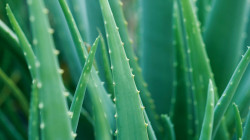
Aloe vera gel is widely used on the skin for minor burns and irritation, and some research suggests it may help. Aloe latex (the yellow part) is a strong laxative that can cause cramping and is not considered safe for regular use. Talk to your pharmacist or doctor before taking aloe by mouth, and avoid oral aloe during pregnancy.
More to Explore
More Pairs and Interactions to Check
More Pairs Like Aloe and Troglitazone
Other drugs in the category this interaction applies to, and other supplements people check with Troglitazone.
Also in Our Antidiabetes Drugs Category
Aloe interacts with every drug in this category, so each of these has the same interaction. The category is about a shared effect, not about being the same kind of medicine.
- MetforminModerate›
- TirzepatideModerate›
- SemaglutideModerate›
- Metformin HydrochlorideModerate›
- Metformin XRModerate›
- GlucoseModerate›
Show all 16 drugs in this categoryShow fewer
- Dapagliflozin, Metformin Hydrochloride, and Saxagliptin HydrochlorideModerate›
- InsulinModerate›
- Simvastatin and SitagliptinModerate›
- EmpagliflozinModerate›
- Dapagliflozin Propanediol and Saxagliptin HydrochlorideModerate›
- AcetohexamideModerate›
- AlbiglutideModerate›
- CanagliflozinModerate›
- ChlorpropamideModerate›
- Dasiglucagon HydrochlorideModerate›
69 more in this category are on the Aloe interactions list.
Other Supplements With Troglitazone
The most serious documented interactions with Troglitazone first, then supplements with none on record, the most looked-up leading.
- Vitamin AModerate›
- ChromiumModerate›
- GingerModerate›
- TurmericModerate›
- Green TeaModerate›
- InositolModerate›
Show all 26 supplementsShow fewer
- AshwagandhaModerate›
- Black PepperModerate›
- GinkgoModerate›
- Milk ThistleModerate›
- MelatoninModerate›
- QuercetinModerate›
- DandelionModerate›
- CapsicumModerate›
- Maitake MushroomModerate›
- Red Yeast RiceModerate›
- NeemModerate›
- Baikal SkullcapModerate›
- OnionModerate›
- Hibiscus SabdariffaModerate›
- Vitamin CNo Known Interaction›
- CalciumNo Known Interaction›
- Vitamin B6No Known Interaction›
- Field ScabiousNo Known Interaction›
- FigwortNo Known Interaction›
- FirNo Known Interaction›
Other Drugs & Aloe
Browse every other medication we’ve checked against Aloe — both the ones with a known interaction and the ones without. Select any drug for the full detail.
No drugs match “”.
Also checked against Aloe
Major: 1 interaction
Moderate: 303 interactions
- Diclofenac Sodium ›
- Ibuprofen ›
- Aspirin ›
- Insulin (rdna) ›
- Naproxen ›
- Minocycline ›
- Hydrochlorothiazide ›
- Glyburide ›
- Insulin (pork) ›
- Diclofenac Potassium ›
- Dipyridamole ›
- Insulin (human) ›
- Ketoprofen ›
- Trichlormethiazide ›
- Acarbose ›
- Bendroflumethiazide ›
- Bivalirudin ›
- Insulin Glargine ›
- Metolazone ›
- Phenolphthalein ›
- Semaglutide ›
- Spironolactone ›
- Warfarin Sodium ›
- Acetazolamide ›
- Bisacodyl ›
- Bromfenac Sodium ›
- Chlorpropamide ›
- Chlorthalidone ›
- Cyclothiazide ›
- Dabigatran ›
- Magnesium Hydroxide (otc Drug) ›
- Metformin Hydrochloride ›
- Metformin Xr ›
- Methazolamide ›
- Miglitol ›
- Muraglitazar ›
- Nadroparin ›
- Naproxen Sodium ›
- Nateglinide ›
- Nintedanib Esylate ›
- Nusinersen Sodium ›
- Omega-3 Fatty Acids (prescription Drug) ›
- Pazopanib ›
- Pentoxifylline ›
- Phenprocoumon ›
- Pioglitazone ›
- Polythiazide ›
- Pramlintide ›
- Quinethazone ›
- Reteplase ›
- Rivaroxaban ›
- Rosiglitazone Maleate ›
- Saxagliptin ›
- Selexipag ›
- Selumetinib Sulfate ›
- Sorafenib ›
- Sotagliflozin ›
- Tenecteplase ›
- Theobromine ›
- Ticagrelor ›
Showing 60 of 303 moderate interactions — see all 303 on the Aloe page.
Minor: 156 interactions
- Theophylline ›
- Estradiol ›
- Propranolol ›
- Verapamil ›
- Acetaminophen ›
- Diazepam ›
- Lofepramine ›
- Nortriptyline ›
- Bendamustine ›
- Caffeine (otc Drug) ›
- Cyclobenzaprine ›
- Desipramine ›
- Riluzole ›
- Asenapine ›
- Caffeine (prescription Drug) ›
- Clomipramine ›
- Clozapine ›
- Flutamide ›
- Imipramine ›
- Propafenone ›
- Ropinirole ›
- Tasimelteon ›
- Tizanidine ›
- Zileuton ›
- Agomelatine ›
- Amitriptyline ›
- Bendamustine Hydrochloride ›
- Chlordiazepoxide ›
- Enasidenib ›
- Estrogen ›
- Acetaminophen, Doxylamine, and Pseudoephedrine ›
- Acetaminophen and Meperidine ›
- Acetaminophen and Methocarbamol ›
- Acetaminophen and Orphenadrine ›
- Acetaminophen and Pentazocine ›
- Acetaminophen, Phenylephrine, and Chlorpheniramine ›
- Acetaminophen and Phenylpropanolamine ›
- Acetaminophen, Phenylpropanolamine, and Phenyltoloxamine ›
- Acetaminophen, Phenyltoloxamine, and Salicylamide ›
- Acetaminophen, Pseudoephedrine, and Triprolidine ›
- Amitriptyline and Chlordiazepoxide ›
- Belladonna, Caffeine, Ergotamine, and Pentobarbital ›
- Bellafoline, Caffeine, Ergotamine Tartrate, and Pentobarbital ›
- Benzhydrocodone and Acetaminophen ›
- Caffeine and Sodium Benzoate ›
- Caffeine, Diphenhydramine, and Ergotamine (prescription Drug) ›
- Caffeine and Ergotamine (prescription Drug) ›
- Chlordiazepoxide and Clidinium Bromide ›
- Codeine and Paracetamol ›
- Drospirenone and Estetrol ›
- Drospirenone, Ethinyl Estradiol, and Levomefolate ›
- Ephedrine Sulfate, Hydroxyzine, and Theophylline ›
- Ephedrine, Guaifenesin, Phenobarbital, and Theophylline ›
- Estradiol and Medroxyprogesterone ›
- Estradiol and Norethindrone Acetate ›
- Estradiol and Norgestimate ›
- Estradiol and Progesterone ›
- Ethinyl Estradiol and Drospirenone ›
- Ethinyl Estradiol and Levonogestrel ›
- Etonogestrel and Ethinyl Estradiol ›
Showing 60 of 156 minor interactions — see all 156 on the Aloe page.
No Interaction 2,369 drugs checked — show the list
We also checked Aloe against these medications and found no known interaction in our sources. Open any page to confirm.
- Levothyroxine ›
- Amlodipine ›
- Sertraline ›
- Rosuvastatin ›
- Losartan Potassium ›
- Atorvastatin ›
- Escitalopram ›
- Levothyroxine and Liothyronine ›
- Metoprolol ›
- Methylphenidate ›
- Tadalafil ›
- Ivermectin ›
- Testosterone ›
- Fluoxetine ›
- Amoxicillin ›
- Prednisone ›
- Amphetamine ›
- Azithromycin ›
- Isotretinoin ›
- Lisdexamfetamine ›
- Abemaciclib ›
- Methotrexate ›
- Pregabalin ›
- Lisinopril ›
- Lamotrigine ›
- Bupropion ›
- Letrozole ›
- Citalopram ›
- Clonazepam ›
- Doxycycline ›
- Atorvastatin Calcium ›
- Telmisartan ›
- Telmisartan and Amlodipine ›
- Trazodone ›
- Lithium Carbonate (prescription Drug) ›
- Metronidazole ›
- Acetaminophen, Dextromethorphan, and Phenylephrine ›
- Progestin and Oral Contraceptive ›
- Ethanol ›
- Simvastatin ›
- Anastrozole ›
- Dexamethasone ›
- Minoxidil ›
- Famotidine ›
- Desonide ›
- Perindopril Arginine and Amlodipine ›
- Cephalexin ›
- Candesartan Cilexetil ›
- Doxycycline Hyclate ›
- Prednisolone ›
- Flecainide ›
- Lorazepam ›
- Diphenhydramine ›
- Doxycycline Monohydrate ›
- Tamsulosin ›
- Levetiracetam ›
- Evolocumab ›
- Sildenafil ›
- Aripiprazole ›
- Magnesium Sulfate (prescription Drug) ›
Showing 60 of the 2,369 medications checked with no known interaction, the most looked-up first — see the full Aloe list.
Troglitazone Is Linked to Lower Levels of One Nutrient
Natural Medicines records Troglitazone as a medicine that can lower these. This is not an interaction with Aloe — it is a separate effect of the medicine, and it is a reason some people are advised to supplement rather than to avoid one:
Read the full Troglitazone nutrient depletion report ›
Depletion records come from the licensed Natural Medicines database. Do not start a supplement on the strength of this page — ask your pharmacist or doctor whether it applies to you.
Where Aloe and Troglitazone Sit Against Everything Else
Out of every supplement and medication people look up on HelloPharmacist, here is where these two land this week — and which way each has been moving.
#83 of 1,458 supplements looked up here in the last 7 days
#465 of 2,830 medications looked up here in the last 7 days
A rank of lookups on this site, not of how often either one is used. It counts every visit, automated ones included, and identifies no one.
Questions and Sources
Common Questions and Where This Comes From
Taking Aloe and Troglitazone Together: Common Questions
Can you take Aloe with Troglitazone?
Can you take Aloe with Rezulin?
How serious is the Aloe and Troglitazone interaction?
Written and reviewed by the HelloPharmacist Editorial Team. Our editorial policy
Sources & How We Checked
Interaction details are evidence-graded and sourced from the Natural Medicines database. The medication overview comes from MedlinePlus.
- Natural Medicines (Therapeutic Research Center) — Evidence-graded clinical reference for vitamins, herbs and supplements — the basis for our interaction data.
- MedlinePlus, U.S. National Library of Medicine — NIH consumer drug information, used for the medication overviews.
- NIH Dietary Supplement Label Database (DSLD) — Official supplement product labels.
Content is reviewed by the HelloPharmacist Editorial Team, the pharmacists on our staff and those we contract. See our data sources and editorial standards for how this information is built and checked.
Parts of this content are provided by the Therapeutic Research Center, LLC.
DISCLAIMER: Currently this does not check for drug-drug interactions. This is not an all-inclusive comprehensive list of potential interactions and is for informational purposes only. Not all interactions are known or well-reported in the scientific literature, and new interactions are continually being reported. Input is needed from a qualified healthcare provider including a pharmacist before starting any therapy. Application of clinical judgment is necessary.
© 2021 Therapeutic Research Center, LLC
What Our Interaction Ratings Mean
Every interaction on this page is rated three ways: how serious it is, how likely it is to happen, and how strong the research behind it is.
See what each rating means
Severity: How Serious Is It?
How clinically significant the interaction is: how much it could affect your health or your treatment.
- MajorClinically significant. Best to avoid the combination, or use only under close professional supervision.
- ModerateBe cautious. The combination may call for monitoring, timing changes, or a dose adjustment.
- MinorLimited clinical concern, but still worth being aware of and mentioning to your pharmacist.
- No Known InteractionNo documented interaction in our sources.
Likelihood: How Likely Is It to Happen?
How strong the proof is that the interaction really happens in people. More filled steps, stronger proof.
- LikelyShown in well-controlled studies in people.
- ProbableShown in small studies in people, or in animal studies backed by case reports.
- PossibleSeen in lab or animal research, or in people only in case reports or mixed results.
- UnlikelySeen in lab or animal research, but shown not to happen in people.
Evidence: How Strong Is the Research?
The quality of the studies behind the rating, graded from A, the strongest, to D.
- Grade AStrong: well-run randomized trials in people, or a review that pooled several of them.
- Grade BFair: smaller or less rigorous trials in people, or studies that followed or compared groups of people.
- Grade CLimited: the agreement or opinion of experts, not studies.
- Grade DWeak: reports of single cases, lab or animal research, or what is expected from how the two work.
Still Have a Question About Aloe and Troglitazone?
Our pharmacists answer your medication & supplement questions — free.
This information is for education only and is not a substitute for professional medical advice. Always check with your pharmacist or doctor before starting, stopping, or combining supplements and medications.