
Drug & Supplement Interactions
Caprylic Acid + Risperidone
Brand names of Risperidone
- Risperdal
- Risperdal M-TAB Orally Disintegrating
- Perseris
- Uzedy
- Rykindo
- Risperdal M-tab
- Risperdal Consta
- Rykindo extended-release microspheres

Medically reviewed by Dr. Brian Staiger, PharmD, BCPS
Also reviewed by the HelloPharmacist Editorial Team
Updated July 2026Details about this page
- Pair last verified Nov 22, 2026
- Dr. Brian Staiger, PharmD, BCPS, is a clinical pharmacist and pharmacotherapy specialist.
- Editorial policy
- Our sources →
AI is used only to summarize verified clinical information, never the open internet. Our AI policy
Can You Take Caprylic Acid With Risperidone?
No Known InteractionWe found no known interaction between Caprylic Acid and Risperidone in our sources.
This also applies to Risperdal, Risperdal M-TAB Orally Disintegrating, Perseris and other brand names of risperidone.
Still Worth Knowing
- Shared side effects: Although there is no interaction, both can cause some of the same side effects. Taken together, those side effects might add up, and a new symptom can be harder to pin on one or the other.
Medically reviewed by Dr. Brian Staiger, PharmD, BCPS
Also reviewed by the HelloPharmacist Editorial Team
Updated July 2026Details about this page
- Pair last verified Nov 22, 2026
- Dr. Brian Staiger, PharmD, BCPS, is a clinical pharmacist and pharmacotherapy specialist.
- Editorial policy
- Our sources →
AI is used only to summarize verified clinical information, never the open internet. Our AI policy
Ask a Question About This Combination
Ask in your own words about taking Caprylic Acid with Risperidone. The answer comes from this page’s own records.
AI answers from this page’s interaction records and our own drug and supplement information, never the open internet. AI can make mistakes, so always check with your doctor or pharmacist. How we use AI
Caprylic Acid and Risperidone Interaction Check
No Known Interaction Found
We did not find a documented interaction between Risperidone and Caprylic Acid in our sources. This does not guarantee that the combination is completely free of risk — there is often limited research on supplements and herbal products, especially around drug interactions.
How We Checked
Why No Interaction Is Listed for Risperidone
We sort drugs into categories, such as blood thinners or antibiotics, and many supplement interactions are recorded for a whole category rather than for one drug. So we checked every category Risperidone is in against every category Caprylic Acid has a known interaction with.
10Categories Risperidone Is In
- Risperidone by Name Interactions recorded for Risperidone itself rather than for a category. No Caprylic Acid Record
- Antipsychotic Drugs Drugs used for schizophrenia, bipolar disorder and some other conditions, such as quetiapine, risperidone, olanzapine and aripiprazole. No Caprylic Acid Record
- Qt Interval-Prolonging Drugs Drugs that can lengthen the QT interval, the part of each heartbeat when the heart recharges, such as some antibiotics, antidepressants and heart rhythm drugs. No Caprylic Acid Record
- Serotonergic Drugs Drugs that raise serotonin activity in the brain, such as many antidepressants (sertraline, fluoxetine), tramadol and triptans. No Caprylic Acid Record
- Serotonergic Drugs Drugs that raise serotonin activity in the brain, such as many antidepressants (sertraline, fluoxetine), tramadol and triptans. No Caprylic Acid Record
- Cytochrome P450 2D6 (Cyp2D6) Substrates Drugs the body breaks down mainly with the liver enzyme CYP2D6; when something slows or speeds up that enzyme, their levels in the blood can rise or fall. No Caprylic Acid Record
- Photosensitizing Drugs Drugs that make the skin burn more easily in sunlight, such as doxycycline, hydrochlorothiazide and some acne drugs. No Caprylic Acid Record
- Seizure Threshold Lowering Drugs Drugs that can make a seizure more likely in some people, such as bupropion, tramadol and some antibiotics. No Caprylic Acid Record
- Cytochrome P450 3A4 (Cyp3A4) Substrates Drugs the body breaks down mainly with the liver enzyme CYP3A4; when something slows or speeds up that enzyme, their levels in the blood can rise or fall. No Caprylic Acid Record
- Oral Drugs Any drug taken by mouth. No Caprylic Acid Record
3Drug Categories Caprylic Acid Interacts With
No overlap. Risperidone is in none of the 3 categories Caprylic Acid interacts with, so no record links the two.
- Add one new thing at a time, and note the date you started it.
- A start date turns “I’ve been feeling off” into something a pharmacist can work with.
- Do not stop a prescribed medicine on your own.
- Check with your pharmacist or doctor before changing any medicine or supplement, especially if you take several or have an ongoing health condition.
Pharmacist Q&AYou ask. We answer.
Questions Our Pharmacists Have Answered About Caprylic Acid and Risperidone
Real questions from readers, each answered by a licensed pharmacist at HelloPharmacist, written by a person and not generated from a database. An answer is written for the reader who asked and their situation, so read it for what to ask your own pharmacist rather than as a plan to follow.
Each one covers Caprylic Acid or Risperidone, not necessarily both.
-
Chris asked Is Eleuthero Safe With Psychiatric Medications?The pharmacist says
Eleuthero may theoretically increase blood levels of some psychiatric medications by affecting how your liver breaks them down, based mainly on lab and animal studies rather than proven human effects. Most research suggests that even if eleuthero does affect these liver enzymes, the change is unlikely to be clinically significant in most people. Always talk to your doctor or pharmacist about your specific psychiatric medications before taking eleuthero to get personalized guidance about your individual situation.
Answered by Dr. Brian Staiger, PharmD · July 2023 -
Lissette asked False-Positive Fentanyl Drug Test Due To InvegaThe pharmacist says
Invega (paliperidone) is known to cause false-positive drug test results for fentanyl.
Answered by Dr. Brian Staiger, PharmD · December 2022 -
Malabrigo Chunky asked What Drugs Cause Fentanyl False-Positives?The pharmacist says
False-positive results for fentanyl are less common than for other drugs because fentanyl has a unique chemical structure that doesn't typically cross-react with standard drug screening antibodies.
Answered by Dr. Brian Staiger, PharmD · July 2022
Your Whole Routine
Your Other Medicines and Supplements
Caprylic Acid Does Interact With Other Medications
Caprylic Acid has 262 moderate known drug interactions in our database — Risperidone isn’t one of them. If you take anything else, check it against the full list below.
Check Another of Your Medications Against Caprylic Acid
We haven’t checked that one against Caprylic Acid yet — ask our pharmacists directly.
Covers the 2,830 medications we’ve checked against Caprylic Acid. Pick one to open its full report.
Other Supplements for the Same Uses as Caprylic Acid, and How They Mix With Risperidone
Choosing a supplement while you take Risperidone? Pick what you use Caprylic Acid for to see other options studied for it, and whether each has a documented interaction with Risperidone.
What do you take Caprylic Acid for?
For Epilepsy
1 of them has a documented interaction with Risperidone: Cannabidiol (cbd) (moderate).
3 other supplements have at least some evidence of a benefit for epilepsy. Caprylic Acid itself is graded for it.
- Cannabidiol (cbd) Graded Moderate
- Magnesium Graded No Known Interaction
- Piracetam Graded No Known Interaction
For Colorectal Cancer
None of them has a documented interaction with Risperidone.
2 other supplements have at least some evidence of a benefit for colorectal cancer. Caprylic Acid itself is graded for it.
- Indium Graded No Known Interaction
- Turkey Tail Mushroom Graded No Known Interaction
The grades come from the Natural Medicines database and describe the research so far, not a recommendation, and none of these supplements replaces a prescribed medicine.
See Every Supplement That Interacts With Risperidone
Take other supplements too? 203 supplements have a documented interaction with Risperidone, each explained on its page.
By severity: 11 major, 150 moderate and 42 minor.
The Most Serious There Right Now:
- Activated Charcoal and RisperidoneMajor
- American Hellebore and RisperidoneMajor
- Arsenic and RisperidoneMajor
- Cesium and RisperidoneMajor
- Ephedra and RisperidoneMajor
Taking Caprylic Acid as Part of a Dietary Supplement Product? Check It for Interactions
A product can hold more than Caprylic Acid. We have broken down 514 supplement products that contain it, ingredient by ingredient. Find yours and we’ll check every ingredient against Risperidone:
Caprylic Acid Products People Look Up
Get to Know Each One
About Caprylic Acid and Risperidone
About Caprylic Acid
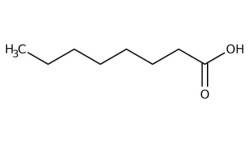
Caprylic acid is a medium-chain fatty acid found in coconut oil and palm kernel oil that is popularly used for yeast overgrowth and gut health. While laboratory studies show it has antimicrobial activity, strong human evidence for most supplement claims is limited. It is generally considered safe in food amounts, but talk with your pharmacist or doctor before using concentrated supplements.
How Caprylic Acid Is Rated
-
Caprylic Acid Overall
Use caution
Generally recognized as safe in food, but supplement doses are less well studied.
-
Pregnancy
Use caution
Food amounts are likely fine, but supplement doses lack safety data, so avoid unless your doctor approves.
-
Breastfeeding
Use caution
Caprylic acid occurs naturally in breast milk, but concentrated supplement safety is unknown, so use caution.
About Risperidone
Brand names: Risperdal, Risperdal M-TAB Orally Disintegrating, Perseris, Uzedy, Rykindo, Risperdal M-tab, Risperdal Consta, Rykindo extended-release microspheres
Risperidone is used for schizophrenia in several forms: oral tablets, orally disintegrating tablets, oral solution, and extended-release injections.
More to Explore
More Pairs and Interactions to Check
Other Supplements People Check With Risperidone
More pair pages for Risperidone: the rest of its documented supplement interactions first, then supplements with none on record, the most looked-up leading.
- GrapefruitMajor›
- St. John's WortMajor›
- LithiumMajor›
- GarlicModerate›
- PomegranateModerate›
- ResveratrolModerate›
Show all 25 supplementsShow fewer
- TribulusModerate›
- EchinaceaModerate›
- SchisandraModerate›
- PeppermintModerate›
- Slippery ElmModerate›
- AlfalfaModerate›
- Acetyl-l-carnitineModerate›
- ChlorellaModerate›
- Boswellia SerrataModerate›
- Black SeedModerate›
- AstaxanthinModerate›
- FennelModerate›
- CannabisModerate›
- Vitamin CNo Known Interaction›
- CalciumNo Known Interaction›
- Yerba SantaNo Known Interaction›
- YewNo Known Interaction›
- Yin ChenNo Known Interaction›
- Ylang Ylang OilNo Known Interaction›
Other Drugs & Caprylic Acid
Browse every other medication we’ve checked against Caprylic Acid — both the ones with a known interaction and the ones without. Select any drug for the full detail.
No drugs match “”.
Also checked against Caprylic Acid
Moderate: 262 interactions
- Diclofenac Sodium ›
- Diltiazem ›
- Nifedipine ›
- Ibuprofen ›
- Aspirin ›
- Naproxen ›
- Propranolol ›
- Hydrochlorothiazide ›
- Verapamil ›
- Flurbiprofen ›
- Diclofenac Potassium ›
- Hydralazine ›
- Indomethacin ›
- Salsalate ›
- Etodolac ›
- Ketoprofen ›
- Meloxicam ›
- Trichlormethiazide ›
- Bendroflumethiazide ›
- Lisinopril ›
- Nimodipine ›
- Olmesartan Medoxomil ›
- Oxprenolol ›
- Phenylbutazone ›
- Pindolol ›
- Piroxicam ›
- Quinapril ›
- Reserpine ›
- Tenoxicam ›
- Terazosin ›
- Tiaprofenic Acid ›
- Torsemide ›
- Treprostinil (oral) ›
- Valsartan ›
- Acetylsalicylic Acid ›
- Aliskiren ›
- Amlodipine ›
- Amlodipine Benzoate ›
- Amlodipine Besilate ›
- Amlodipine Besylate ›
- Ammonium Chloride ›
- Aprocitentan ›
- Azilsartan ›
- Benazepril ›
- Benzthiazide ›
- Bisoprolol ›
- Bosentan ›
- Bumetanide ›
- Bumetanide (iv) ›
- Bumetanide (oral) ›
- Celiprolol ›
- Chlorothiazide ›
- Cilazapril ›
- Clevidipine ›
- Clonidine ›
- Deserpidine ›
- Diclofenac ›
- Diflunisal ›
- Doxazosin Mesylate ›
- Eplerenone ›
Showing 60 of 262 moderate interactions — see all 262 on the Caprylic Acid page.
No Interaction 2,567 drugs checked — show the list
We also checked Caprylic Acid against these medications and found no known interaction in our sources. Open any page to confirm.
- Apixaban ›
- Levothyroxine ›
- Sertraline ›
- Clopidogrel ›
- Rosuvastatin ›
- Atorvastatin ›
- Levothyroxine and Liothyronine ›
- Escitalopram ›
- Rivaroxaban ›
- Metformin ›
- Methylphenidate ›
- Tirzepatide ›
- Tadalafil ›
- Ivermectin ›
- Semaglutide ›
- Testosterone ›
- Fluoxetine ›
- Amoxicillin ›
- Prednisone ›
- Acetaminophen ›
- Trifarotene ›
- Trifluoperazine ›
- Triflupromazine ›
- Triheptanoin (prescription Drug) ›
- Trihexyphenidyl ›
- Trilaciclib Dihydrochloride ›
- Trilostane ›
- Trimebutine Maleate ›
- Trimeprazine Tartrate ›
- Trimethadione ›
- Trimethobenzamide ›
- Trimethoprim ›
- Trimetrexate Glucuronate ›
- Trimipramine ›
- Trioxsalen ›
- Tripelennamine ›
- Triptorelin Pamoate ›
- Trofinetide ›
- Troglitazone ›
- Troleandomycin ›
- Trospium ›
- Trovafloxacin ›
- Trypan Blue ›
- Tubocurarine ›
- Tucatinib ›
- Tyropanoate ›
- Ublituximab-xiiy ›
- Ubrogepant ›
- Ulipristal Acetate ›
- Umbralisib Tosylate ›
- Umeclidinium Bromide ›
- Undecylenic Acid ›
- Unoprostone ›
- Upadacitinib Hemihydrate ›
- Uracil Mustard ›
- Uridine Triacetate ›
- Urinary Antiseptic #2 ›
- Urinary Antiseptic Comb. (veterinary) ›
- Urinary Tract Combination ›
- Urofollitropin ›
Showing 60 of the 2,567 medications checked with no known interaction, the most looked-up first — see the full Caprylic Acid list.
Where Caprylic Acid and Risperidone Sit Against Everything Else
Out of every supplement and medication people look up on HelloPharmacist, here is where these two land this week — and which way each has been moving.
#378 of 1,458 supplements looked up here in the last 7 days
#171 of 2,830 medications looked up here in the last 7 days
A rank of lookups on this site, not of how often either one is used. It counts every visit, automated ones included, and identifies no one.
Keep Exploring
Questions and Sources
Common Questions and Where This Comes From
Taking Caprylic Acid and Risperidone Together: Common Questions
Can you take Caprylic Acid with Risperidone?
Can you take Caprylic Acid with Risperdal?
Do Caprylic Acid and Risperidone have any of the same side effects?
How was the Caprylic Acid and Risperidone combination checked?
Do other supplements studied for epilepsy interact with Risperidone?
Does Caprylic Acid interact with any other medications?
Does Risperidone interact with any supplements?
Written and reviewed by the HelloPharmacist Editorial Team. Our editorial policy
References Cited on This Page
The 1 reference the cards above cite, from the evidence-graded Natural Medicines (TRC Healthcare) database. Citations with a link open the study on PubMed or the publisher’s site.
Show the 1 reference
- 97662. Voller B, Lines E, McCrossin G, et al. Dose-escalation study of octanoic acid in patients with essential tremor. J Clin Invest. 2016;126(4):1451-7. PubMed
All 5 references behind our Caprylic Acid records are listed in the Caprylic Acid guide.
Medication overviews come from MedlinePlus (NIH); supplement label data from the NIH Dietary Supplement Label Database. Content is reviewed by the HelloPharmacist Editorial Team. See our data sources and editorial standards.
Where Does Our Data Come From?
- Source: the Natural Medicines (TRC Healthcare) clinical database — the evidence-graded professional reference for herb & supplement interactions.
- Citation library: 105,612 references behind our interaction content, 67,053 of them resolved to verified PubMed/DOI sources. See the references behind this page ↓
- Freshness: we automatically re-check this combination every week — this pair was last verified November 22, 2026. The Caprylic Acid and Risperidone records this page draws on were last updated July 10, 2026.
What Our Interaction Ratings Mean
No interaction is on record for this pair. The other supplements and medicines on this page carry a severity rating: how serious an interaction between them is.
See what each severity means
Severity: How Serious Is It?
How clinically significant the interaction is: how much it could affect your health or your treatment.
- MajorClinically significant. Best to avoid the combination, or use only under close professional supervision.
- ModerateBe cautious. The combination may call for monitoring, timing changes, or a dose adjustment.
- MinorLimited clinical concern, but still worth being aware of and mentioning to your pharmacist.
- No Known InteractionNo documented interaction in our sources.
Still Have a Question About Caprylic Acid and Risperidone?
Our pharmacists answer your medication & supplement questions — free.
This information is for education only and is not a substitute for professional medical advice. Always check with your pharmacist or doctor before starting, stopping, or combining supplements and medications.