
EstroSoy Ingredients & Drug Interactions
by Nature's Way
What is this page for?
First and foremost: checking EstroSoy against your medications. The heart of this page is the interaction checker and the full interaction report — how this product’s ingredients may interact with prescription and over-the-counter medicines you may be taking.
Around that, we add a pharmacist’s high-level view of the product as a whole — what’s inside, the evidence for its stated use, how transparent the label is, and what safety data exists — so you can see the full picture in one place. It’s educational information from our licensed clinical databases and the clinical staff at HelloPharmacist — not medical advice — and we don’t sell or endorse products. Our editorial policy
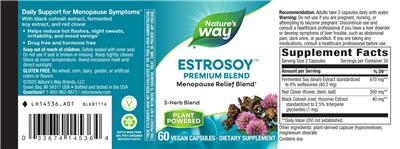
EstroSoy is a dietary supplement by Nature's Way with 3 active ingredients. Its ingredients are commonly taken for menopause symptoms (hot flashes), high cholesterol, bone health/osteoporosis.Based on those ingredients, 1,424 medications have a known interaction with it, the most serious rated major. The ingredients most likely to interact are Red Clover, Black Cohosh Rhizome, Root Extract, Soybean Extract, Fermented. Use the checker below to test your specific medication, or read the full HelloPharmacist Interaction Report.
Check Your Meds Against EstroSoy by Nature's Way
Ask about any prescription or over-the-counter medication and we check it for interactions with EstroSoy by Nature's Way — and tell you which ingredient is responsible.
AI summaries are generated from our interaction database for education only — always confirm with your pharmacist. How we use AI
Ask the Pharmacist
A licensed pharmacist will answer your question by email — free, usually within 24 hours.
Got it — thank you!
A licensed pharmacist will answer within 24 hours. Keep an eye on your email (worth checking spam, just in case).
HelloPharmacist Scorecard of EstroSoy by Nature's Way
Our pharmacy team’s full take, with four database checks built into the cards below — a summary of what is known, not a grade of the product itself.
What’s inside
Full disclosure
EstroSoy has 3 active ingredients. Red clover is a plant used traditionally for menopausal symptoms and other conditions.
The product also contains Triterpene Glycosides and Isoflavones — plant compounds often sourced from soy and clover — though the specific roles of these in this formula aren't detailed in the facts we hold. The product also lists Black Cohosh Rhizome and Root Extract and Fermented Soybean Extract, but since these are noted as ingredient groups without their individual components spelled out, we can't detail what they contribute.
Inactive ingredients (hypromellose and magnesium stearate) are fillers and binders that have no therapeutic role.
Does it work?
Not established
The evidence for red clover in EstroSoy isn't established for the conditions listed. According to the data we hold, red clover has insufficient reliable evidence to rate for menopausal symptoms, osteoporosis, osteoarthritis, and androgenic alopecia (hair loss).
That means we don't have enough quality clinical trials to say whether it works for these purposes. We also hold no effectiveness data for the Triterpene Glycosides or Isoflavones in this product, and the Black Cohosh and Fermented Soybean components aren't detailed enough in our facts to assess.
How safe is it?
Well-documented data
Red clover is generally well tolerated in the short term by healthy adults, though its estrogen-like activity means certain people need to be cautious. The most common side effects reported orally are muscle pain, nausea, and vaginal spotting.
There's also some concern from research that red clover isoflavones may slightly increase breast density in premenopausal women, which is why anyone with a history of breast cancer or related concerns should discuss this with their doctor. For pregnancy and breastfeeding: the safety data advises against use during pregnancy because of red clover's estrogen-like effects and lack of safety data.
There isn't enough information to know whether it's safe while breastfeeding, so talk with your pharmacist or doctor before using it. We hold no pregnancy or breastfeeding safety information for Triterpene Glycosides, Isoflavones, or the other ingredient groups in this product.
Meds to double-check
Moderate interaction found
Before taking EstroSoy, double-check if you're on estrogen therapy, methotrexate, or tamoxifen — red clover has Moderate-severity interactions with all three. Also flag any drugs metabolized by CYP1A2, CYP2C19, CYP2C9, or CYP3A4 enzymes, and blood thinners or antiplatelet drugs, though these are Minor concerns.
Use the medication search tool on this page to be sure.
The bottom line
Scorecard at a glanceFully disclosed formula with no established evidence rating for its marketed use. Moderate medication interactions have been identified, and safety information is well characterized.
EstroSoy may appeal to people exploring support for menopausal symptoms or bone health, but evidence for its effectiveness isn't yet established. If you take estrogen therapy, methotrexate, tamoxifen, or drugs processed through certain liver enzymes, you'll need to check with your pharmacist before starting — the interactions here are real concerns.
Pregnant or breastfeeding? Skip it and talk to your doctor.
Everyone else: run your medications through the interaction checker on this page.
Educational only — not medical advice; always confirm with your pharmacist. Our editorial policy · How we use AI
Assessment coverage: 2 of 3 active ingredients matched to our full ingredient reviews (monographs). Based on the product label dated Aug 22, 2025.
This Scorecard evaluates available label information, ingredient evidence, and known medication-safety considerations. It does not independently verify product identity, purity, potency, contamination, or manufacturing quality. How these ratings are computed
General information
Key facts about EstroSoy, straight from the product label.
| Brand | Nature's Way |
|---|---|
| Barcode (UPC) | 033674145364 |
| Net contents | 60 Vegan Capsule(s) |
| Market status | On market |
| Date entered into DSLD | Aug 22, 2025 |
| DSLD ID | 337213 |
| Product type | Botanical |
| Supplement form | Capsule |
| Dietary claims / uses | All Other, Structure/Function |
| Intended target group(s) | Vegan, Vegetarian, Women (not pregnant or lactating), Adult Female (18 - 50 Years), Menopause, Seniors/Mature (>50 Years) - Women ONLY |
Everything in this section is reproduced from the manufacturer’s own product label — it’s the label speaking, not HelloPharmacist. We show it so you can see exactly what the maker states; we don’t verify or endorse those statements.
Supplement Facts
The label details for EstroSoy by Nature's Way, sourced from the NIH Dietary Supplement Label Database.
Supplement Facts
| Ingredient | Amount | % DV |
|---|---|---|
| Triterpene Glycosides | 1 mg | -- |
| Isoflavones | 40.2 mg | -- |
| Red Clover | 300 mg | -- |
| Black Cohosh Rhizome, Root Extract | 40 mg | -- |
| Soybean Extract, Fermented | 670 mg | -- |
Other ingredients: Hypromellose, Magnesium Stearate
Tap any ingredient to jump to its full detail below.
These statements are the manufacturer’s wording, reproduced from the product label — the label is saying it, not HelloPharmacist. We don’t verify or endorse them.
Formula
Daily support for menopause symptoms with black cohosh extract, fermented soy extract, and red clover
Formulation
Helps reduce hot flashes, night sweats, irritability, and mood swings
Drug free and hormone free
Gluten free. No wheat, corn, dairy, gelatin, or artificial colors or flavors.
Bottled and tested in the USA
Vegan Gelatin Free
Vegan Gelatin Free
Menopause relief blend 3-herb blend Plant powered
Precautions
Keep out of reach of children.
Safety sealed with inner seal. Do not use if seal is broken or missing.
Warning: Do not use if you are pregnant, nursing, or attempting to become pregnant. If you are taking any medications, consult a healthcare professional before use.
Discontinue use and consult a healthcare professional if you have a liver disorder or develop symptoms of liver trouble, such as abdominal pain, dark urine, or jaundice.
Contains soy.
Storage
Keep tightly closed. Store at room temperature. Avoid excessive heat and direct sunlight.
Brand IP Statement(s)
Copyright 2025 Nature's Way Brands, LLC
Seals/Symbols
Vegan Gelatin Free
General Statements
Bottle made from 50% post-consumer recycled plastic
FDA Disclaimer Statement
These statements have not been evaluated by the Food & Drug Administration. This product is not intended to diagnose, treat, cure, or prevent any disease.
FDA Statement of Identity
Dietary Supplement
Suggested/Recommended/Usage/Directions
Recommendation: Adults take 2 capsules daily with water.
Is this label outdated? Report a formula or label change and our pharmacy team will review it.
EstroSoy by Nature's Way label
The label scan from the NIH Dietary Supplement Label Database. Tap to enlarge.
Label images are published by the NIH Dietary Supplement Label Database for the version of this product on file. Always read your actual product label.
View the full label (PDF)The Ingredients in EstroSoy by Nature's Way
These are the 3 active ingredients this product is made of. Select any to open its full monograph.
Serving size2 Capsule(s) Dosage formCapsule Servings per container30 Amounts shown are per serving.
Most supplement products combine several ingredients, and a medication can interact with the product through any one of them. Each ingredient below shows whether it has known drug interactions.
Red Clover
Interacts with867 drugs
Red clover is a plant rich in isoflavones (plant compounds with weak estrogen-like activity) that is most often used for menopause symptoms like hot f...
Red Clover monograph & interactionsBlack Cohosh Rhizome, Root Extract
Interacts with652 drugs
Black cohosh is a North American plant most often used to ease menopause symptoms like hot flashes, but the research is mixed and far from settled. It...
Black Cohosh Rhizome, Root Extract monograph & interactions- › Triterpene Glycosides
Soybean Extract, Fermented
Interacts with611 drugs
Soy is a nutritious bean that is a staple food and a popular source of plant protein and isoflavones. Eating soy foods as part of a balanced diet is g...
Soybean Extract, Fermented monograph & interactionsOther (inactive) ingredients: Hypromellose, Magnesium Stearate. These complete the product’s ingredient list but are not active constituents.
EstroSoy by Nature's Way Drug Interactions
HelloPharmacist Interaction Report
EstroSoy by Nature's Way contains red clover, which has documented interactions with several medication types.
The most serious concern is with estrogen therapy (Moderate severity): red clover contains plant compounds with estrogen-like activity that might interfere with how your estrogen medications work.
Read the full breakdown — every affected drug type, severity by severity
Red clover also carries Moderate-severity interactions with methotrexate (a drug used for psoriasis, rheumatoid arthritis, and cancer) — there's a case report of someone on methotrexate who developed toxicity symptoms after taking red clover — and with tamoxifen (a breast cancer medication), where the plant's estrogen-like compounds might theoretically reduce the drug's effectiveness.
Additionally, red clover may affect how your body processes several other drug classes through liver enzymes (CYP1A2, CYP2C19, CYP2C9, and CYP3A4 substrates), though the clinical studies we have suggest minimal real-world impact — these are all Minor severity. There's also a Minor-severity theoretical concern with blood thinners (anticoagulants) and antiplatelet drugs, though clinical evidence hasn't shown a real effect.
We could not check two ingredients — Triterpene Glycosides and Isoflavones — because we hold no interaction data for them. Black Cohosh and Fermented Soybean Extract are listed as component groups, but their individual ingredients aren't specified in the facts we have.
Altogether, these interactions span 857 individual medications. Please check your exact medications with the search tool on this page.
Check your own medications below · Editorial policy · How we use AI
Want to check YOUR meds against EstroSoy?
Ask about interactions with your drugs in plain English — “Can I take it with lisinopril?” — and we find you the answer in seconds, ingredient by ingredient.
Go to the checkerIngredients driving the most interactions
Individual Drug Interactions
The ingredients in EstroSoy interact with 1,424 drugs. Click any drug to see the details.
3 of the 3 ingredients in EstroSoy interact with drugs. Each result below shows which ingredient is responsible. Red Clover Black Cohosh Rhizome, Root Extract Soybean Extract, Fermented
AmphetamineAdensys XR-ODT, Adzenys ER, Dyanavel XR, Mydayis
How Amphetamine interacts with EstroSoy — through 2 ingredients. Tap an ingredient for the detail:
Soybean Extract, FermentedMonoamine Oxidase Inhibitors (maois) Major
Interaction Summary
Taking soy products containing high amounts of tyramine along with MAOIs can increase the risk of hypertensive crisis.
Read the full Soybean Extract, Fermented + Amphetamine interactionBlack Cohosh Rhizome, Root ExtractCytochrome P450 2d6 (cyp2d6) Substrates Moderate
Interaction Summary
Some research suggests that black cohosh might inhibit CYP2D6, but there is conflicting evidence.
Read the full Black Cohosh Rhizome, Root Extract + Amphetamine interactionIsocarboxazidMarplan
How Isocarboxazid interacts with EstroSoy — through 2 ingredients. Tap an ingredient for the detail:
Soybean Extract, FermentedMonoamine Oxidase Inhibitors (maois) Major
Interaction Summary
Taking soy products containing high amounts of tyramine along with MAOIs can increase the risk of hypertensive crisis.
Read the full Soybean Extract, Fermented + Isocarboxazid interactionBlack Cohosh Rhizome, Root ExtractSerotonergic Drugs Moderate
Interaction Summary
Combining serotonergic drugs with black cohosh might cause additive serotonergic effects.
Read the full Black Cohosh Rhizome, Root Extract + Isocarboxazid interactionMoclobemideManerix, Moclobemide
How Moclobemide interacts with EstroSoy — through 2 ingredients. Tap an ingredient for the detail:
Soybean Extract, FermentedMonoamine Oxidase Inhibitors (maois) Major
Interaction Summary
Taking soy products containing high amounts of tyramine along with MAOIs can increase the risk of hypertensive crisis.
Read the full Soybean Extract, Fermented + Moclobemide interactionRed CloverCytochrome P450 2c19 (cyp2c19) Substrates Minor
Interaction Summary
Theoretically, red clover might increase the levels and clinical effects of drugs metabolized by CYP2C19.
Read the full Red Clover + Moclobemide interactionOzanimod HydrochlorideZeposia
How Ozanimod Hydrochloride interacts with EstroSoy — through 3 ingredients. Tap an ingredient for the detail:
Soybean Extract, FermentedMonoamine Oxidase Inhibitors (maois) Major
Interaction Summary
Taking soy products containing high amounts of tyramine along with MAOIs can increase the risk of hypertensive crisis.
Read the full Soybean Extract, Fermented + Ozanimod Hydrochloride interactionBlack Cohosh Rhizome, Root ExtractHepatotoxic Drugs Moderate
Interaction Summary
Theoretically, taking black cohosh with hepatotoxic drugs may increase the risk of liver damage.
Read the full Black Cohosh Rhizome, Root Extract + Ozanimod Hydrochloride interactionIsoflavonesHepatotoxic Drugs Moderate
Interaction Summary
Theoretically, concomitant use might have additive hepatotoxic effects.
Read the full Isoflavones + Ozanimod Hydrochloride interactionPhenelzine SulfateNardil
How Phenelzine Sulfate interacts with EstroSoy — through 2 ingredients. Tap an ingredient for the detail:
Soybean Extract, FermentedMonoamine Oxidase Inhibitors (maois) Major
Interaction Summary
Taking soy products containing high amounts of tyramine along with MAOIs can increase the risk of hypertensive crisis.
Read the full Soybean Extract, Fermented + Phenelzine Sulfate interactionBlack Cohosh Rhizome, Root ExtractSerotonergic Drugs Moderate
Interaction Summary
Combining serotonergic drugs with black cohosh might cause additive serotonergic effects.
Read the full Black Cohosh Rhizome, Root Extract + Phenelzine Sulfate interactionRasagilineAzilect
How Rasagiline interacts with EstroSoy — through 3 ingredients. Tap an ingredient for the detail:
Soybean Extract, FermentedMonoamine Oxidase Inhibitors (maois) Major
Interaction Summary
Taking soy products containing high amounts of tyramine along with MAOIs can increase the risk of hypertensive crisis.
Read the full Soybean Extract, Fermented + Rasagiline interactionBlack Cohosh Rhizome, Root ExtractSerotonergic Drugs Moderate
Interaction Summary
Combining serotonergic drugs with black cohosh might cause additive serotonergic effects.
Read the full Black Cohosh Rhizome, Root Extract + Rasagiline interactionRed CloverCytochrome P450 1a2 (cyp1a2) Substrates Minor
Interaction Summary
Theoretically, red clover might increase levels of drugs metabolized by CYP1A2; however, a small clinical study found no effect.
Read the full Red Clover + Rasagiline interactionSafinamide MesylateXadago
How Safinamide Mesylate interacts with EstroSoy — through 2 ingredients. Tap an ingredient for the detail:
Soybean Extract, FermentedMonoamine Oxidase Inhibitors (maois) Major
Interaction Summary
Taking soy products containing high amounts of tyramine along with MAOIs can increase the risk of hypertensive crisis.
Read the full Soybean Extract, Fermented + Safinamide Mesylate interactionBlack Cohosh Rhizome, Root ExtractSerotonergic Drugs Moderate
Interaction Summary
Combining serotonergic drugs with black cohosh might cause additive serotonergic effects.
Read the full Black Cohosh Rhizome, Root Extract + Safinamide Mesylate interactionSelegilineCarbex, Eldepryl, Emsam, Zelapar
How Selegiline interacts with EstroSoy — through 2 ingredients. Tap an ingredient for the detail:
Soybean Extract, FermentedMonoamine Oxidase Inhibitors (maois) Major
Interaction Summary
Taking soy products containing high amounts of tyramine along with MAOIs can increase the risk of hypertensive crisis.
Read the full Soybean Extract, Fermented + Selegiline interactionBlack Cohosh Rhizome, Root ExtractSerotonergic Drugs Moderate
Interaction Summary
Combining serotonergic drugs with black cohosh might cause additive serotonergic effects.
Read the full Black Cohosh Rhizome, Root Extract + Selegiline interactionTranylcypromineParnate
How Tranylcypromine interacts with EstroSoy — through 2 ingredients. Tap an ingredient for the detail:
Soybean Extract, FermentedMonoamine Oxidase Inhibitors (maois) Major
Interaction Summary
Taking soy products containing high amounts of tyramine along with MAOIs can increase the risk of hypertensive crisis.
Read the full Soybean Extract, Fermented + Tranylcypromine interactionBlack Cohosh Rhizome, Root ExtractSerotonergic Drugs Moderate
Interaction Summary
Combining serotonergic drugs with black cohosh might cause additive serotonergic effects.
Read the full Black Cohosh Rhizome, Root Extract + Tranylcypromine interaction6-mercaptopurinePurinethol
How 6-mercaptopurine interacts with EstroSoy — through 2 ingredients. Tap an ingredient for the detail:
Black Cohosh Rhizome, Root ExtractHepatotoxic Drugs Moderate
Interaction Summary
Theoretically, taking black cohosh with hepatotoxic drugs may increase the risk of liver damage.
Read the full Black Cohosh Rhizome, Root Extract + 6-mercaptopurine interactionIsoflavonesHepatotoxic Drugs Moderate
Interaction Summary
Theoretically, concomitant use might have additive hepatotoxic effects.
Read the full Isoflavones + 6-mercaptopurine interactionAbacavir Sulfate, Dolutegravir, LamivudineTriumeq
How Abacavir Sulfate, Dolutegravir, Lamivudine interacts with EstroSoy — through 2 ingredients. Tap an ingredient for the detail:
IsoflavonesHepatotoxic Drugs Moderate
Interaction Summary
Theoretically, concomitant use might have additive hepatotoxic effects.
Read the full Isoflavones + Abacavir Sulfate, Dolutegravir, Lamivudine interactionBlack Cohosh Rhizome, Root ExtractHepatotoxic Drugs Moderate
Interaction Summary
Theoretically, taking black cohosh with hepatotoxic drugs may increase the risk of liver damage.
Read the full Black Cohosh Rhizome, Root Extract + Abacavir Sulfate, Dolutegravir, Lamivudine interactionAbacavir, LamivudineEpzicom
How Abacavir, Lamivudine interacts with EstroSoy — through 2 ingredients. Tap an ingredient for the detail:
Black Cohosh Rhizome, Root ExtractHepatotoxic Drugs Moderate
Interaction Summary
Theoretically, taking black cohosh with hepatotoxic drugs may increase the risk of liver damage.
Read the full Black Cohosh Rhizome, Root Extract + Abacavir, Lamivudine interactionIsoflavonesHepatotoxic Drugs Moderate
Interaction Summary
Theoretically, concomitant use might have additive hepatotoxic effects.
Read the full Isoflavones + Abacavir, Lamivudine interactionAbciximabReoPro
How Abciximab interacts with EstroSoy — through 2 ingredients. Tap an ingredient for the detail:
IsoflavonesAnticoagulant/antiplatelet Drugs Moderate
Interaction Summary
Theoretically, kudzu may increase the risk of bleeding if used with antiplatelet or anticoagulant drugs.
Read the full Isoflavones + Abciximab interactionRed CloverAnticoagulant/antiplatelet Drugs Minor
Interaction Summary
Although some laboratory research suggests that red clover may have anticoagulant and antiplatelet activity, clinical research has not shown this effect.
Read the full Red Clover + Abciximab interactionAbiraterone
How Abiraterone interacts with EstroSoy — through 3 ingredients. Tap an ingredient for the detail:
IsoflavonesHepatotoxic Drugs Moderate
Interaction Summary
Theoretically, concomitant use might have additive hepatotoxic effects.
Read the full Isoflavones + Abiraterone interactionBlack Cohosh Rhizome, Root ExtractHepatotoxic Drugs Moderate
Interaction Summary
Theoretically, taking black cohosh with hepatotoxic drugs may increase the risk of liver damage.
Read the full Black Cohosh Rhizome, Root Extract + Abiraterone interactionRed CloverCytochrome P450 3a4 (cyp3a4) Substrates Minor
Interaction Summary
Theoretically, red clover might increase levels of drugs metabolized by CYP3A4; however, a small clinical study found no effect.
Read the full Red Clover + Abiraterone interactionAbiraterone AcetateYonsa, Zytiga
How Abiraterone Acetate interacts with EstroSoy — through 3 ingredients. Tap an ingredient for the detail:
Black Cohosh Rhizome, Root ExtractHepatotoxic Drugs Moderate
Interaction Summary
Theoretically, taking black cohosh with hepatotoxic drugs may increase the risk of liver damage.
Read the full Black Cohosh Rhizome, Root Extract + Abiraterone Acetate interactionIsoflavonesHepatotoxic Drugs Moderate
Interaction Summary
Theoretically, concomitant use might have additive hepatotoxic effects.
Read the full Isoflavones + Abiraterone Acetate interactionRed CloverCytochrome P450 3a4 (cyp3a4) Substrates Minor
Interaction Summary
Theoretically, red clover might increase levels of drugs metabolized by CYP3A4; however, a small clinical study found no effect.
Read the full Red Clover + Abiraterone Acetate interactionAbrocitinibCibinqo
How Abrocitinib interacts with EstroSoy — through 3 ingredients. Tap an ingredient for the detail:
IsoflavonesAnticoagulant/antiplatelet Drugs Moderate
Interaction Summary
Theoretically, kudzu may increase the risk of bleeding if used with antiplatelet or anticoagulant drugs.
Read the full Isoflavones + Abrocitinib interactionRed CloverCytochrome P450 2c19 (cyp2c19) Substrates, Cytochrome P450 2c9 (cyp2c9) Substrates +1 Minor
Interaction Summary
Theoretically, red clover might increase the levels and clinical effects of drugs metabolized by CYP2C19.
Read the full Red Clover + Abrocitinib interactionSoybean Extract, FermentedCytochrome P450 2c9 (cyp2c9) Substrates Minor
Interaction Summary
Soy might modestly induce CYP2C9 enzymes.
Read the full Soybean Extract, Fermented + Abrocitinib interactionAcarboseGlucobay, Prandase, Precose
How Acarbose interacts with EstroSoy — through 3 ingredients. Tap an ingredient for the detail:
IsoflavonesHepatotoxic Drugs, Antidiabetes Drugs Moderate
Interaction Summary
Theoretically, concomitant use might have additive hepatotoxic effects.
Read the full Isoflavones + Acarbose interactionBlack Cohosh Rhizome, Root ExtractHepatotoxic Drugs Moderate
Interaction Summary
Theoretically, taking black cohosh with hepatotoxic drugs may increase the risk of liver damage.
Read the full Black Cohosh Rhizome, Root Extract + Acarbose interactionSoybean Extract, FermentedAntidiabetes Drugs Moderate
Interaction Summary
Soy can lower blood glucose and have additive effects with antidiabetes drugs.
Read the full Soybean Extract, Fermented + Acarbose interactionAcebutololRhotral, Sectral
How Acebutolol interacts with EstroSoy — through 3 ingredients. Tap an ingredient for the detail:
Black Cohosh Rhizome, Root ExtractHepatotoxic Drugs Moderate
Interaction Summary
Theoretically, taking black cohosh with hepatotoxic drugs may increase the risk of liver damage.
Read the full Black Cohosh Rhizome, Root Extract + Acebutolol interactionSoybean Extract, FermentedAntihypertensive Drugs Moderate
Interaction Summary
Theoretically soy protein may have additive effects with antihypertensive drugs and increase the risk of hypotension.
Read the full Soybean Extract, Fermented + Acebutolol interactionIsoflavonesHepatotoxic Drugs Moderate
Interaction Summary
Theoretically, concomitant use might have additive hepatotoxic effects.
Read the full Isoflavones + Acebutolol interactionAcenocoumarolSintrom
How Acenocoumarol interacts with EstroSoy — through 2 ingredients. Tap an ingredient for the detail:
IsoflavonesAnticoagulant/antiplatelet Drugs Moderate
Interaction Summary
Theoretically, kudzu may increase the risk of bleeding if used with antiplatelet or anticoagulant drugs.
Read the full Isoflavones + Acenocoumarol interactionRed CloverAnticoagulant/antiplatelet Drugs Minor
Interaction Summary
Although some laboratory research suggests that red clover may have anticoagulant and antiplatelet activity, clinical research has not shown this effect.
Read the full Red Clover + Acenocoumarol interactionAcetaminophenChildren's Tylenol, Children's Tylenol Meltaways, Tylenol, Tylenol Ex Strength
How Acetaminophen interacts with EstroSoy — through 3 ingredients. Tap an ingredient for the detail:
Black Cohosh Rhizome, Root ExtractHepatotoxic Drugs Moderate
Interaction Summary
Theoretically, taking black cohosh with hepatotoxic drugs may increase the risk of liver damage.
Read the full Black Cohosh Rhizome, Root Extract + Acetaminophen interactionIsoflavonesHepatotoxic Drugs Moderate
Interaction Summary
Theoretically, concomitant use might have additive hepatotoxic effects.
Read the full Isoflavones + Acetaminophen interactionRed CloverCytochrome P450 1a2 (cyp1a2) Substrates Minor
Interaction Summary
Theoretically, red clover might increase levels of drugs metabolized by CYP1A2; however, a small clinical study found no effect.
Read the full Red Clover + Acetaminophen interactionAcetaminophen, AspirinGemnisyn
How Acetaminophen, Aspirin interacts with EstroSoy — through 3 ingredients. Tap an ingredient for the detail:
IsoflavonesHepatotoxic Drugs, Anticoagulant/antiplatelet Drugs Moderate
Interaction Summary
Theoretically, concomitant use might have additive hepatotoxic effects.
Read the full Isoflavones + Acetaminophen, Aspirin interactionBlack Cohosh Rhizome, Root ExtractHepatotoxic Drugs Moderate
Interaction Summary
Theoretically, taking black cohosh with hepatotoxic drugs may increase the risk of liver damage.
Read the full Black Cohosh Rhizome, Root Extract + Acetaminophen, Aspirin interactionRed CloverCytochrome P450 1a2 (cyp1a2) Substrates, Anticoagulant/antiplatelet Drugs Minor
Interaction Summary
Theoretically, red clover might increase levels of drugs metabolized by CYP1A2; however, a small clinical study found no effect.
Read the full Red Clover + Acetaminophen, Aspirin interactionAcetaminophen, Aspirin, CaffeineExcedrin, Excedrin Extra Strength, Excedrin Migraine
How Acetaminophen, Aspirin, Caffeine interacts with EstroSoy — through 4 ingredients. Tap an ingredient for the detail:
IsoflavonesAnticoagulant/antiplatelet Drugs, Caffeine +1 Moderate
Interaction Summary
Theoretically, kudzu may increase the risk of bleeding if used with antiplatelet or anticoagulant drugs.
Read the full Isoflavones + Acetaminophen, Aspirin, Caffeine interactionBlack Cohosh Rhizome, Root ExtractHepatotoxic Drugs Moderate
Interaction Summary
Theoretically, taking black cohosh with hepatotoxic drugs may increase the risk of liver damage.
Read the full Black Cohosh Rhizome, Root Extract + Acetaminophen, Aspirin, Caffeine interactionSoybean Extract, FermentedCaffeine Moderate
Interaction Summary
Theoretically, soy might reduce the clearance of caffeine.
Read the full Soybean Extract, Fermented + Acetaminophen, Aspirin, Caffeine interactionRed CloverAnticoagulant/antiplatelet Drugs, Caffeine +2 Minor
Interaction Summary
Although some laboratory research suggests that red clover may have anticoagulant and antiplatelet activity, clinical research has not shown this effect.
Read the full Red Clover + Acetaminophen, Aspirin, Caffeine interactionAcetaminophen, Brompheniramine, PhenylpropanolamineDimetapp Cold and Flu
How Acetaminophen, Brompheniramine, Phenylpropanolamine interacts with EstroSoy — through 3 ingredients. Tap an ingredient for the detail:
IsoflavonesHepatotoxic Drugs Moderate
Interaction Summary
Theoretically, concomitant use might have additive hepatotoxic effects.
Read the full Isoflavones + Acetaminophen, Brompheniramine, Phenylpropanolamine interactionBlack Cohosh Rhizome, Root ExtractHepatotoxic Drugs Moderate
Interaction Summary
Theoretically, taking black cohosh with hepatotoxic drugs may increase the risk of liver damage.
Read the full Black Cohosh Rhizome, Root Extract + Acetaminophen, Brompheniramine, Phenylpropanolamine interactionRed CloverCytochrome P450 1a2 (cyp1a2) Substrates Minor
Interaction Summary
Theoretically, red clover might increase levels of drugs metabolized by CYP1A2; however, a small clinical study found no effect.
Read the full Red Clover + Acetaminophen, Brompheniramine, Phenylpropanolamine interactionAcetaminophen, ButalbitalAxocet, Bancap, Bucet, Butex Forte, Esgic CF, Orbivan CF +5 more
How Acetaminophen, Butalbital interacts with EstroSoy — through 3 ingredients. Tap an ingredient for the detail:
Black Cohosh Rhizome, Root ExtractHepatotoxic Drugs Moderate
Interaction Summary
Theoretically, taking black cohosh with hepatotoxic drugs may increase the risk of liver damage.
Read the full Black Cohosh Rhizome, Root Extract + Acetaminophen, Butalbital interactionIsoflavonesHepatotoxic Drugs Moderate
Interaction Summary
Theoretically, concomitant use might have additive hepatotoxic effects.
Read the full Isoflavones + Acetaminophen, Butalbital interactionRed CloverCytochrome P450 1a2 (cyp1a2) Substrates Minor
Interaction Summary
Theoretically, red clover might increase levels of drugs metabolized by CYP1A2; however, a small clinical study found no effect.
Read the full Red Clover + Acetaminophen, Butalbital interactionAcetaminophen, Butalbital, CaffeineEsgic, Esgic Plus, Fiogesic, Fioricet, Repan, Tecnal +1 more
How Acetaminophen, Butalbital, Caffeine interacts with EstroSoy — through 4 ingredients. Tap an ingredient for the detail:
IsoflavonesHepatotoxic Drugs, Caffeine Moderate
Interaction Summary
Theoretically, concomitant use might have additive hepatotoxic effects.
Read the full Isoflavones + Acetaminophen, Butalbital, Caffeine interactionBlack Cohosh Rhizome, Root ExtractHepatotoxic Drugs Moderate
Interaction Summary
Theoretically, taking black cohosh with hepatotoxic drugs may increase the risk of liver damage.
Read the full Black Cohosh Rhizome, Root Extract + Acetaminophen, Butalbital, Caffeine interactionSoybean Extract, FermentedCaffeine Moderate
Interaction Summary
Theoretically, soy might reduce the clearance of caffeine.
Read the full Soybean Extract, Fermented + Acetaminophen, Butalbital, Caffeine interactionRed CloverCaffeine, Cytochrome P450 1a2 (cyp1a2) Substrates +1 Minor
Interaction Summary
Theoretically, soy might reduce the clearance of caffeine; however, a small clinical study found no effect.
Read the full Red Clover + Acetaminophen, Butalbital, Caffeine interactionAcetaminophen, Butalbital, Caffeine, CodeineEsgic with Codeine, Fioricet w/ Codeine
How Acetaminophen, Butalbital, Caffeine, Codeine interacts with EstroSoy — through 4 ingredients. Tap an ingredient for the detail:
IsoflavonesCaffeine, Hepatotoxic Drugs Moderate
Interaction Summary
Theoretically, taking kudzu with caffeine might increase levels of caffeine.
Read the full Isoflavones + Acetaminophen, Butalbital, Caffeine, Codeine interactionBlack Cohosh Rhizome, Root ExtractCytochrome P450 2d6 (cyp2d6) Substrates, Hepatotoxic Drugs Moderate
Interaction Summary
Some research suggests that black cohosh might inhibit CYP2D6, but there is conflicting evidence.
Read the full Black Cohosh Rhizome, Root Extract + Acetaminophen, Butalbital, Caffeine, Codeine interactionSoybean Extract, FermentedCaffeine Moderate
Interaction Summary
Theoretically, soy might reduce the clearance of caffeine.
Read the full Soybean Extract, Fermented + Acetaminophen, Butalbital, Caffeine, Codeine interactionRed CloverCytochrome P450 3a4 (cyp3a4) Substrates, Cytochrome P450 1a2 (cyp1a2) Substrates +1 Minor
Interaction Summary
Theoretically, red clover might increase levels of drugs metabolized by CYP3A4; however, a small clinical study found no effect.
Read the full Red Clover + Acetaminophen, Butalbital, Caffeine, Codeine interactionAcetaminophen, Butalbital, CodeineBancap w/ Codeine
How Acetaminophen, Butalbital, Codeine interacts with EstroSoy — through 3 ingredients. Tap an ingredient for the detail:
IsoflavonesHepatotoxic Drugs Moderate
Interaction Summary
Theoretically, concomitant use might have additive hepatotoxic effects.
Read the full Isoflavones + Acetaminophen, Butalbital, Codeine interactionBlack Cohosh Rhizome, Root ExtractHepatotoxic Drugs, Cytochrome P450 2d6 (cyp2d6) Substrates Moderate
Interaction Summary
Theoretically, taking black cohosh with hepatotoxic drugs may increase the risk of liver damage.
Read the full Black Cohosh Rhizome, Root Extract + Acetaminophen, Butalbital, Codeine interactionRed CloverCytochrome P450 1a2 (cyp1a2) Substrates Minor
Interaction Summary
Theoretically, red clover might increase levels of drugs metabolized by CYP1A2; however, a small clinical study found no effect.
Read the full Red Clover + Acetaminophen, Butalbital, Codeine interactionAcetaminophen, Butalbital, Codeine PhosphatePhrenilin #3
How Acetaminophen, Butalbital, Codeine Phosphate interacts with EstroSoy — through 3 ingredients. Tap an ingredient for the detail:
Black Cohosh Rhizome, Root ExtractCytochrome P450 2d6 (cyp2d6) Substrates, Hepatotoxic Drugs Moderate
Interaction Summary
Some research suggests that black cohosh might inhibit CYP2D6, but there is conflicting evidence.
Read the full Black Cohosh Rhizome, Root Extract + Acetaminophen, Butalbital, Codeine Phosphate interactionIsoflavonesHepatotoxic Drugs Moderate
Interaction Summary
Theoretically, concomitant use might have additive hepatotoxic effects.
Read the full Isoflavones + Acetaminophen, Butalbital, Codeine Phosphate interactionRed CloverCytochrome P450 1a2 (cyp1a2) Substrates Minor
Interaction Summary
Theoretically, red clover might increase levels of drugs metabolized by CYP1A2; however, a small clinical study found no effect.
Read the full Red Clover + Acetaminophen, Butalbital, Codeine Phosphate interactionAcetaminophen, Caffeine, Chlorpheniramine, Hydrocodone, PhenylephrineHycomine Compound
How Acetaminophen, Caffeine, Chlorpheniramine, Hydrocodone, Phenylephrine interacts with EstroSoy — through 4 ingredients. Tap an ingredient for the detail:
IsoflavonesHepatotoxic Drugs, Caffeine Moderate
Interaction Summary
Theoretically, concomitant use might have additive hepatotoxic effects.
Read the full Isoflavones + Acetaminophen, Caffeine, Chlorpheniramine, Hydrocodone, Phenylephrine interactionBlack Cohosh Rhizome, Root ExtractHepatotoxic Drugs, Cytochrome P450 2d6 (cyp2d6) Substrates Moderate
Interaction Summary
Theoretically, taking black cohosh with hepatotoxic drugs may increase the risk of liver damage.
Read the full Black Cohosh Rhizome, Root Extract + Acetaminophen, Caffeine, Chlorpheniramine, Hydrocodone, Phenylephrine interactionSoybean Extract, FermentedCaffeine Moderate
Interaction Summary
Theoretically, soy might reduce the clearance of caffeine.
Read the full Soybean Extract, Fermented + Acetaminophen, Caffeine, Chlorpheniramine, Hydrocodone, Phenylephrine interactionRed CloverCaffeine, Cytochrome P450 3a4 (cyp3a4) Substrates +1 Minor
Interaction Summary
Theoretically, soy might reduce the clearance of caffeine; however, a small clinical study found no effect.
Read the full Red Clover + Acetaminophen, Caffeine, Chlorpheniramine, Hydrocodone, Phenylephrine interactionAcetaminophen, Caffeine, CodeineGesic C15, Gesic C30, Gesic C8, Lenoltec 1, Lenoltec 2, Lenoltec 3 +1 more
How Acetaminophen, Caffeine, Codeine interacts with EstroSoy — through 4 ingredients. Tap an ingredient for the detail:
Soybean Extract, FermentedCaffeine Moderate
Interaction Summary
Theoretically, soy might reduce the clearance of caffeine.
Read the full Soybean Extract, Fermented + Acetaminophen, Caffeine, Codeine interactionIsoflavonesCaffeine, Hepatotoxic Drugs Moderate
Interaction Summary
Theoretically, taking kudzu with caffeine might increase levels of caffeine.
Read the full Isoflavones + Acetaminophen, Caffeine, Codeine interactionBlack Cohosh Rhizome, Root ExtractCytochrome P450 2d6 (cyp2d6) Substrates, Hepatotoxic Drugs Moderate
Interaction Summary
Some research suggests that black cohosh might inhibit CYP2D6, but there is conflicting evidence.
Read the full Black Cohosh Rhizome, Root Extract + Acetaminophen, Caffeine, Codeine interactionRed CloverCytochrome P450 1a2 (cyp1a2) Substrates, Caffeine +1 Minor
Interaction Summary
Theoretically, red clover might increase levels of drugs metabolized by CYP1A2; however, a small clinical study found no effect.
Read the full Red Clover + Acetaminophen, Caffeine, Codeine interactionEach ingredient & the kinds of drugs it affects
For each ingredient in EstroSoy with known interactions, here are the types of medications they can affect. Open any type for the detail — or search your exact drug in the checker above.
Red Clover
Estrogens
Theoretically, concomitant use of large amounts of red clover might interfere with estrogen therapy.
Red clover contains phytoestrogens which might have estrogenic activity in some people. Theoretically, red clover might compete for estrogen receptors and interfere with estrogen-containing drug therapy.
Methotrexate (Trexall, Others)
Theoretically, red clover might increase the risk of methotrexate toxicity.
In a case report, a 52-year-old female receiving weekly methotrexate injections for psoriasis developed symptoms of methotrexate toxicity, including severe vomiting and epigastric pain, after three days of taking red clover 430 mg daily. Toxicity resolved after red clover was discontinued. However, no liver function tests or methotrexate levels were reported.
Tamoxifen (Nolvadex)
Theoretically, the phytoestrogens in red clover might interfere with tamoxifen.
In vitro and animal research suggests that genistein, a constituent of red clover, might antagonize the antitumor effects of tamoxifen. However, there is some evidence from an animal study that red clover does not reduce the efficacy of tamoxifen. Until more is known, tell patients taking tamoxifen to avoid red clover.
Anticoagulant/Antiplatelet Drugs
Although some laboratory research suggests that red clover may have anticoagulant and antiplatelet activity, clinical research has not shown this effect.
In vitro research suggests that genistein in red clover has antiplatelet effects, and historically, red clover was thought to have anticoagulant effects due to its coumarin content. However, some experts state that this is unlikely as most natural coumarins have not been shown to have anticoagulant effects, and their content in red clover is low. Additionally, some clinical research in postmenopausal patients found no effect on coagulation or prothrombin time with the use of red clover flowering tops 378 mg daily for 12 months or red clover isoflavone (Rimostil) 50 mg daily for 2 years.
Caffeine
Theoretically, soy might reduce the clearance of caffeine; however, a small clinical study found no effect.
Red clover contains genistein. Taking genistein 1 gram daily for 14 days seems to inhibit caffeine clearance and metabolism in healthy females. However, this effect does not seem to occur with the lower amounts of genistein found in red clover. A clinical study in healthy postmenopausal individuals shows that taking red clover capsules standardized to contain 60 mg isoflavones twice daily for 14 days does not affect the pharmacokinetics of caffeine.
Cytochrome P450 1A2 (Cyp1A2) Substrates
Theoretically, red clover might increase levels of drugs metabolized by CYP1A2; however, a small clinical study found no effect.
In vitro evidence shows that red clover inhibits CYP1A2. However, a clinical study in healthy postmenopausal individuals shows that taking red clover capsules standardized to contain 60 mg isoflavones twice daily for 14 days does not affect the pharmacokinetics of caffeine, a CYP1A2 probe substrate.
Cytochrome P450 2C19 (Cyp2C19) Substrates
Theoretically, red clover might increase the levels and clinical effects of drugs metabolized by CYP2C19.
In vitro evidence suggests that red clover weakly inhibits CYP2C19. This interaction has not been reported in humans.
Cytochrome P450 2C9 (Cyp2C9) Substrates
Theoretically, red clover might increase levels of drugs metabolized by CYP2C9; however, a small clinical study found no effect.
In vitro evidence suggests that red clover might inhibit CYP2C9. However, a clinical study in healthy postmenopausal individuals shows that taking red clover capsules standardized to contain 60 mg isoflavones twice daily for 14 days does not affect the pharmacokinetics of tolbutamide, a CYP2C9 probe substrate.
Cytochrome P450 3A4 (Cyp3A4) Substrates
Theoretically, red clover might increase levels of drugs metabolized by CYP3A4; however, a small clinical study found no effect.
In vitro evidence shows that red clover might inhibit CYP3A4 isoenzymes. However, a clinical study in healthy postmenopausal individuals shows that taking red clover capsules standardized to contain 60 mg isoflavones twice daily for 14 days does not affect the pharmacokinetics of alprazolam, a CYP3A4 probe substrate.
Black Cohosh Rhizome, Root Extract
Atorvastatin (Lipitor)
Taking black cohosh with atorvastatin might increase the risk for elevated liver function tests.
In one case report, a patient taking atorvastatin (Lipitor) developed significantly elevated liver function enzymes after starting black cohosh 100 mg four times daily. Liver enzymes returned to normal when black cohosh was discontinued. It is unclear whether the elevated liver enzymes were due to black cohosh itself or an interaction between atorvastatin and black cohosh.
Cisplatin (Platinol-Aq)
Theoretically, black cohosh may reduce the clinical effects of cisplatin.
Animal research suggests that black cohosh might decrease the cytotoxic effect of cisplatin on breast cancer cells.
Cytochrome P450 2D6 (Cyp2D6) Substrates
Some research suggests that black cohosh might inhibit CYP2D6, but there is conflicting evidence.
Some clinical research suggests that black cohosh might modestly inhibit CYP2D6 and increase levels of drugs metabolized by this enzyme. However, contradictory clinical research shows a specific black cohosh product (Remifemin, Enzymatic Therapy) 40 mg twice daily does not significantly inhibit metabolism of a CYP2D6 substrate in healthy study volunteers. Until more is known, use black cohosh cautiously in patients taking drugs metabolized by CYP2D6.
Estrogens
Theoretically, black cohosh may alter the effects of estrogen therapy.
Some research suggests that black cohosh has estrogenic effects. This may enhance or inhibit the effects of estrogen therapy.
Hepatotoxic Drugs
Theoretically, taking black cohosh with hepatotoxic drugs may increase the risk of liver damage.
There is concern that black cohosh might be linked to cases of liver failure and autoimmune hepatitis.
Serotonergic Drugs
Combining serotonergic drugs with black cohosh might cause additive serotonergic effects.
Black cohosh might increase the risk of serotonin syndrome when combined with other serotonergic drugs. Black cohosh acts as an agonist at several serotonin receptor subtypes and might interact with other serotonergic medications. In one case, a 55-year-old female who had been on stable treatment with sertraline 50 mg and duloxetine 60 mg daily developed serotonin syndrome after taking black cohosh extract 40 mg daily for 3 days.
Organic Anion-Transporting Polypeptide Substrates (Oatp)
Black cohosh may inhibit one form of OATP, OATP2B1, which could reduce the bioavailability and clinical effects of OATP2B1 substrates.
In vitro research shows that black cohosh modestly inhibits OATP2B1. OATPs are expressed in the small intestine and liver and are responsible for the uptake of drugs and other compounds into the body. Inhibition of OATP may reduce the bioavailability of oral drugs that are substrates of OATP.
Soybean Extract, Fermented
Monoamine Oxidase Inhibitors (Maois)
Taking soy products containing high amounts of tyramine along with MAOIs can increase the risk of hypertensive crisis.
Fermented soy products such as tofu and soy sauce contain tyramine, a naturally occurring chemical that affects blood pressure regulation. The metabolism of tyramine is decreased by MAOIs. Consuming more than 6 mg of tyramine while taking an MAOI can increase the risk of hypertensive crisis. The amount of tyramine in fermented soy products is usually less than 0.6 mg per serving; however, there can be significant variation depending on the specific product used, storage conditions, and length of storage. Storing one brand of tofu for a week can increase tyramine content from 0.23 mg to 4.8 mg per serving. Advise patients taking MAOIs to avoid fermented soy products that contain high amounts of tyramine.
Antidiabetes Drugs
Soy can lower blood glucose and have additive effects with antidiabetes drugs.
Clinical research shows that whole soy diets and soy-based meals reduce fasting glucose levels in diabetic and non-diabetic individuals. Also, individuals following a soy-based meal replacement plan seem to require lower doses of sulfonylureas and metformin to manage blood glucose levels when compared with individuals following a diet plan recommended by the American Diabetes Association.
Antihypertensive Drugs
Theoretically soy protein may have additive effects with antihypertensive drugs and increase the risk of hypotension.
Although some contradictory research exists, most clinical evidence suggests that consuming soy protein modestly reduces systolic and diastolic blood pressure in individuals with prehypertension or hypertension.
Caffeine
Theoretically, soy might reduce the clearance of caffeine.
Soy contains genistein. Taking genistein 1 gram daily for 14 days seems to inhibit caffeine clearance and metabolism in healthy females. This effect has been attributed to inhibition of the cytochrome P450 1A2 (CYP1A2) enzyme, which is involved in caffeine metabolism. It is unclear if this effect occurs with the lower amounts of genistein found in soy.
Diuretic Drugs
Theoretically, soy might have additive effects when used with diuretic drugs.
Animal research suggests that genistein, a soy isoflavone, increases diuresis within 6 hours of subcutaneous administration in rats. The effects seem to be similar to those of furosemide. This effect has not been reported in humans.
Estrogens
Theoretically, soy might competitively inhibit the effects of estrogen replacement therapy.
Soy contains phytoestrogens and has been shown to have estrogenic activity in some patients. Although this has not been demonstrated in humans, theoretically, concomitant use of soy with estrogen replacement therapy might reduce the effects of the estrogen replacement therapy.
Levothyroxine (Synthroid, Others)
Soy products might reduce the absorption of levothyroxine in some patients.
Preliminary clinical research and a case report suggest that soy-based formulas inhibit the absorption of levothyroxine in infants with congenital hypothyroidism. A levothyroxine dosage increase may be needed for infants with congenital hypothyroidism while using soy-based formulas, and the dose may need to be reduced when soy-based formulas are no longer administered. However, in postmenopausal adults, clinical research shows that taking a single dose of soy extract containing isoflavones 60 mg along with levothyroxine does not affect the oral bioavailability of levothyroxine.
Progesterone
Theoretically, combining soy isoflavones with transdermal progesterone may worsen bone density.
Clinical research suggests that significant bone loss may occur in females with osteoporosis who receive a combination of transdermal progesterone with soy milk containing isoflavones when compared with placebo, soy milk alone, or progesterone alone.
Tamoxifen (Nolvadex)
Theoretically, estrogenic soy isoflavones might alter the effects of tamoxifen.
Laboratory research suggests that genistein and daidzen, isoflavones from soy, can antagonize the antitumor effects of tamoxifen under some circumstances; however, soy isoflavones might have different effects when used at different doses. A relatively low in vitro concentration of soy isoflavones such as 1 microM/L seems to interfere with tamoxifen, whereas high in vitro concentrations such as those >10 microM/L might actually enhance tamoxifen effects. People on a high-soy diet have soy isoflavones levels ranging from 0.1-6 microM/L. Until more is known, advise patients taking tamoxifen to avoid therapeutic use of soy products.
Warfarin (Coumadin)
Theoretically, soy might interfere with the effects of warfarin.
Soy milk has been reported to decrease the international normalized ratio (INR) in a patient taking warfarin. The mechanism of this interaction is not known. However, animal and in vitro research suggests that soy may also inhibit platelet aggregation. Dosing adjustments for warfarin may be necessary.
Antibiotic Drugs
Theoretically, antibiotics may decrease the activity of soy isoflavones.
Intestinal bacteria are responsible in part for converting soy isoflavones into their active forms. Antibiotics may decrease the amount of intestinal bacteria and decrease its ability to convert isoflavones.
Cytochrome P450 2C9 (Cyp2C9) Substrates
Soy might modestly induce CYP2C9 enzymes. However, this effect does not seem to be clinically significant.
In vitro research suggests that an unhydrolyzed soy extract might induce CYP2C9. However, the significance of this interaction is likely minimal. In healthy females taking a specific extract of soy (Genistein Soy Complex, Source Naturals), blood levels of losartan, a CYP2C9 substrate, were not significantly affected.
Brand information
Manufacturer and brand details for EstroSoy, from the product label.
Nature's Way
See all Nature's Way products- Name
- Nature's Way Brands, LLC
- City
- Green Bay
- State
- WI
- ZipCode
- 54311
- Phone Number
- 1-800-962-8873
- Web Address
- naturesway.com
EstroSoy by Nature's Way: Common Questions
Does EstroSoy by Nature's Way interact with any medications?
How can one product interact with so many drugs?
Where does this information come from?
Can I take EstroSoy if I'm on hormone replacement therapy?
Does EstroSoy actually help with menopausal symptoms?
What are the side effects I might experience?
Is it safe to take EstroSoy while pregnant?
Can I use EstroSoy while breastfeeding?
Does EstroSoy help with bone health or osteoporosis?
Written and reviewed by the HelloPharmacist editorial staff. Our editorial policy
Not sure if EstroSoy is safe with your meds?
Our pharmacists answer your medication & supplement questions — free.
Label information is sourced from the NIH Dietary Supplement Label Database and reflects the product version on file; always read your actual product label. This page is for education only and is not a substitute for professional medical advice. Confirm with your pharmacist or doctor before combining supplements and medications.
The Full Monographs Behind EstroSoy’s Ingredients
Every ingredient we hold a full HelloPharmacist monograph for — uses, evidence, safety, and the complete interaction list.
Red Clover
Interacts with 867 drugsRed clover is a plant rich in isoflavones (plant compounds with weak estrogen-like activity) that is most often used for menopause symptoms like hot flashes. The evidence is mixed and genera...
Read the full Red Clover monograph → Herb & supplement monographBlack Cohosh
Interacts with 652 drugsBlack cohosh is a North American plant most often used to ease menopause symptoms like hot flashes, but the research is mixed and far from settled. It is generally well tolerated for short-t...
Read the full Black Cohosh monograph → Herb & supplement monographSoy
Interacts with 611 drugsSoy is a nutritious bean that is a staple food and a popular source of plant protein and isoflavones. Eating soy foods as part of a balanced diet is generally considered safe for most people...
Read the full Soy monograph → Herb & supplement monographKudzu
Interacts with 584 drugsKudzu is a fast-growing vine whose root has long been used in traditional Chinese medicine and is now studied mostly for reducing alcohol intake. Early research is promising for cutting back...
Read the full Kudzu monograph →Sources & How We Checked
EstroSoy's label data comes from the NIH Dietary Supplement Label Database; the ingredient interaction data is from the Natural Medicines database, reviewed by our pharmacists.
- NIH Dietary Supplement Label Database (DSLD) — The official product label on file for this supplement.
- Natural Medicines (Therapeutic Research Center) — Evidence-graded clinical reference behind the ingredient interaction data.
Content is written and reviewed by licensed HelloPharmacist pharmacists. See our data sources and editorial standards for how this information is built and checked.
The 201 references behind this product’s interaction data
Every citation that drives the interaction findings for this product’s ingredients, from the evidence-graded Natural Medicines (TRC Healthcare) database. Open an ingredient to browse its citations — links open the study on PubMed or the publisher’s site.
Kudzu 21 references
- Woo J, Lau E, Ho SC, et al. Comparison of Pueraria lobata with hormone replacement therapy in treating the adverse health consequences of menopause. Menopause 2003;10:352-61. PubMed
- Akita H, Sowa J, Makiura M, et al. Maculopapular drug eruption due to the Japanese herbal medicine Kakkonto (kudzu or arrowroot decoction). Contact Dermatitis 2003;48:348-9. PubMed
- Luo ZR, Zheng B. [Effect of Puerarin on platelet activating factors CD63 and CD62P, plasminogen activator inhibitor and C-reactive protein in patients with unstable angia pectoris]. Zhongguo Zhong Xi Yi Jie He Za Zhi 2001;21:31-3 .
- Lee KT, Sohn IC, Kim DH, et al. Hypoglycemic and hypolipidemic effects of tectorigenin and kaikasaponin III in the streptozotocin-lnduced diabetic rat and their antioxidant activity in vitro. Arch Pharm Res 2000;23:461-6.
- Yu Z, Zhang G, Zhao H. [Effects of Puerariae isoflavone on blood viscosity, thrombosis and platelet function]. Zhong Yao Cai 1997;20:468-9.
- Hsu FL, Liu IM, Kuo DH, et al. Antihyperglycemic effect of puerarin in streptozotocin-induced diabetic rats. J Nat Prod 2003;66:788-92. PubMed
- Chiang HM, Fang SH, Wen KC, et al. Life-threatening interaction between the root extract of Pueraria lobata and methotrexate in rats. Toxicol Appl Pharmacol 2005;209:263-8.
- Zheng, J., Chen, B., Jiang, B., Zeng, L., Tang, Z. R., Fan, L., and Zhou, H. H. The effects of puerarin on CYP2D6 and CYP1A2 activities in vivo. Arch Pharm Res 2010;33(2):243-246. PubMed
- Hsu, H. H., Chang, C. K., Su, H. C., Liu, I. M., and Cheng, J. T. Stimulatory effect of puerarin on alpha1A-adrenoceptor to increase glucose uptake into cultured C2C12 cells of mice. Planta Med 2002;68(11):999-1003.
- Zheng, G., Zhang, X., Zheng, J., Meng, Q., and Zheng, D. [Estrogen-like effects of puerarin and total isoflavones from Pueraria lobata]. Zhong.Yao Cai. 2002;25(8):566-568.
- Qi, B. L. and Qi, B. M. [Effect of the purariae-isofiavones on estrogen level in normal and ovariectomized rats]. Zhongguo Zhong.Yao Za Zhi. 2002;27(11):850-852.
- Akita, H., Sowa, J., Makiura, M., Akamatsu, H., and Matsunaga, K. Maculopapular drug eruption due to the Japanese herbal medicine Kakkonto (kudzu or arrowroot decoction). Contact Dermatitis 2003;48(6):348-349. PubMed
- Manonai, J., Chittacharoen, A., Theppisai, U., and Theppisai, H. Effect of Pueraria mirifica on vaginal health. Menopause. 2007;14(5):919-924. PubMed
- Chandeying, V. and Sangthawan, M. Efficacy comparison of Pueraria mirifica (PM) against conjugated equine estrogen (CEE) with/without medroxyprogesterone acetate (MPA) in the treatment of climacteric symptoms in perimenopausal women: phase III study. J M
- Virojchaiwong, P., Suvithayasiri, V., and Itharat, A. Comparison of Pueraria mirifica 25 and 50 mg for menopausal symptoms. Arch.Gynecol.Obstet. 2011;284(2):411-419. PubMed
- Hou, Q., Ao, X., Li, G., and Zhang, Y. [Puerarin combined with avandia for diabetic nephropathy]. Zhong.Nan.Da.Xue Xue Bao Yi Xue Ban. 2012;37(1):73-77.
- Kim HJ, Kim H, Ahn JH, Suk JH. Liver injury induced by herbal extracts containing mistletoe and kudzu. J Altern Complement Med 2015;21(3):180-5. PubMed
- Santosh N, Mohan K, Royana S, Yamini TB. Hepatotoxicity of tubers of Indian Kudzu (Pueraria tuberosa) in rats. Food Chem Toxicol. 2010 Apr;48(4):1066-71. PubMed
- Teschke R, Zhang L, Long H, Schwarzenboeck A, Schmidt-Taenzer W, Genthner A, Wolff A, Frenzel C, Schulze J, Eickhoff A. Traditional Chinese Medicine and herbal hepatotoxicity: a tabular compilation of reported cases. Ann Hepatol. 2015 Jan-Feb;14(1):7-19. DOI
- Wang D, Qiu L, Wu X, Wei H, Xu F. Evaluation of kudzu root extract-induced hepatotoxicity. J Ethnopharmacol. 2015 Dec 24;176:321-6. PubMed
- Warinsiriruk P, Tantitham C, Cherdshewasart W, Shobeiri SA, Manonai J. Effects of Pueraria mirifica on vaginal artery vascularization in postmenopausal women with genitourinary syndrome of menopause. Maturitas 2022;160:4-10. PubMed
Red Clover 24 references
- Kurzer MS, Xu X. Dietary phytoestrogens. Annu Rev Nutr 1997;17:353-81. PubMed
- Electronic Code of Federal Regulations. Title 21. Part 182 -- Substances Generally Recognized As Safe. Available at: https://www.accessdata.fda.gov/scripts/cdrh/cfdocs/cfcfr/CFRSearch.cfm?CFRPart=182
- Budzinski JW, Foster BC, Vandenhoek S, Arnason JT. An in vitro evaluation of human cytochrome P450 3A4 inhibition by selected commercial herbal extracts and tinctures. Phytomedicine 2000;7:273-82. PubMed
- This P, De La Rochefordiere A, Clough K, et al. Phytoestrogens after breast cancer. Endocr Relat Cancer 2001;8:129-34. PubMed
- Tice J, Cummings SR, Ettinger B, et al. Few adverse effects of two red clover extracts rich in phytoestrogens: a multicenter, placebo-controlled trial. Alt Ther 2001;7:S33.
- Ingram DM, Hickling C, West L, et al. A double-blind randomized controlled trial of isoflavones in the treatment of cyclical mastalgia. The Breast 2002;11:170-4. PubMed
- Unger M, Frank A. Simultaneous determination of the inhibitory potency of herbal extracts on the activity of six major cytochrome P450 enzymes using liquid chromatography/mass spectrometry and automated online extraction. Rapid Commun Mass Spectrom 2004;1 PubMed
- Cheong JL, Bucknall R. Retinal vein thrombosis associated with a herbal phytoestrogen preparation in a susceptible patient. Postgrad Med J 2005;81:266-7.. PubMed
- Geller SE, Shulman LP, van Breemen RB, et al. Safety and efficacy of black cohosh and red clover for the management of vasomotor symptoms: a randomized controlled trial. Menopause 2009;16:1156-66. PubMed
- Hidalgo LA, Chedraui PA, Morocho N, et al. The effect of red clover isoflavones on menopausal symptoms, lipids and vaginal cytology in menopausal women: a randomized, double-blind, placebo-controlled study. Gynecol Endocrinol 2005;21(5):257-264. PubMed
- Campbell MJ, Woodside JV, Honour JW, et al. Effect of red clover-derived isoflavone supplementation on insulin-like growth factor, lipid and antioxidant status in healthy female volunteers: a pilot study. Eur J Clin Nutr 2004;58(1):173-179. PubMed
- Guerrero JA, Lozano ML, Castillo J, et al. Flavonoids inhibit platelet function through binding to the thromboxane A2 receptor. J Thromb Haemost 2005;3(2):369-376. PubMed
- Kondo K, Suzuki Y, Ikeda Y, Umemura K. Genistein, an isoflavone included in soy, inhibits thrombotic vessel occlusion in the mouse femoral artery and in vitro platelet aggregation. Eur J Pharmacol 2002;455(1):53-57. PubMed
- Polini N, Rauschemberger MB, Mendiberri J, et al. Effect of genistein and raloxifene on vascular dependent platelet aggregation. Mol Cell Endocrinol 2007;267(1-2):55-62. PubMed
- Wuttke W, Jarry H, Seidlova-Wuttke D. Plant-derived alternative treatments for the aging male: facts and myths. Aging Male 2010;13(2):75-81. PubMed
- Villaseca P. Non-estrogen conventional and phytochemical treatments for vasomotor symptoms: what needs to be known for practice. Climacteric 2012;15(2):115-124. PubMed
- Chen, Y., Xiao, C. Q., He, Y. J., Chen, B. L., Wang, G., Zhou, G., Zhang, W., Tan, Z. R., Cao, S., Wang, L. P., and Zhou, H. H. Genistein alters caffeine exposure in healthy female volunteers. Eur.J Clin.Pharmacol. 2011;67(4):347-353. PubMed
- Friedman, J. A., Taylor, S. A., McDermott, W., and Alikhani, P. Multifocal and recurrent subarachnoid hemorrhage due to an herbal supplement containing natural coumarins. Neurocrit.Care 2007;7(1):76-80. PubMed
- Hooper, L., Madhavan, G., Tice, J. A., Leinster, S. J., and Cassidy, A. Effects of isoflavones on breast density in pre- and post-menopausal women: a systematic review and meta-analysis of randomized controlled trials. Hum.Reprod.Update. 2010;16(6):745-7 PubMed
- Orr A and Parker R. Red clover causing symptoms suggestive of methotrexate toxicity in a patient on high-dose methotrexate. Menopause Int. 2013;19(3):133-134. PubMed
- Clifton-Bligh PB, et al. Red cover isoflavones enriched with formononetin lower serum LDL cholesterol- a randomized, double-blind, placebo-controlled trial. Eur J Clin Nutr. 2015;69(1):134-142.
- Risk assessment for peri- and post-menopausal women taking food supplements containing isolated isoflavones. EFSA Panel on Food Additives and Nutrient Sources added to Food (ANS). 2015. DOI
- Ferraris C, Ballestra B, Listorti C, et al. Red clover and lifestyle changes to contrast menopausal symptoms in premenopausal patients with hormone-sensitive breast cancer receiving tamoxifen. Breast Cancer Res Treat 2020;180(1):157-65. doi: 10.1007/s1054 PubMed
- Chen L, Choi J, Leonard SW, et al. No Clinically Relevant Pharmacokinetic Interactions of a Red Clover Dietary Supplement with Cytochrome P450 Enzymes in Women. J Agric Food Chem. 2020;68(47):13929-13939. PubMed
Black Cohosh 68 references
- McFarlin BL, Gibson MH, O'Rear J, Harman P. A national survey of herbal preparation use by nurse-midwives for labor stimulation. Review of the literature and recommendations for practice. J Nurse Midwifery 1999;44:205-16. PubMed
- Whiting PW, Clouston A, Kerlin P. Black cohosh and other herbal remedies associated with acute hepatitis. Med J Aust 2002;177:440-3. PubMed
- Pepping J. Black cohosh: Cimicifuga racemosa. Am J Health Syst Pharm 1999;56:1400-2. PubMed
- Liske E. Therapeutic efficacy and safety of Cimicifuga racemosa for gynecologic disorders. Adv Ther 1998;15:45-53.
- Kruse SO, Lohning A, Pauli GF, et al. Fukiic and piscidic acid esters from the rhizome of Cimicifuga racemosa and the in vitro estrogenic activity of fukinolic acid. Planta Med 1999;65:763-4.
- Jacobson JS, Troxel AB, Evans J, et al. Randomized trial of black cohosh for the treatment of hot flashes among women with a history of breast cancer. J Clin Oncol 2001;19:2739-45. PubMed
- Gunn TR, Wright IM. The use of black and blue cohosh in labour. N Z Med J 1996;109:410-1.
- Baillie N, Rasmussen P. Black and blue cohosh in labour. N Z Med J 1997;110:20-1.
- Lontos S, Jones RM, Angus PW, Gow PJ. Acute liver failure associated with the use of herbal preparations containing black cohosh. Med J Aust 2003;179:390-1.. DOI
- Wuttke W, Seidlova-Wuttke D, Gorkow C. The Cimicifuga preparation BNO 1055 vs. conjugated estrogens in a double-blind placebo-controlled study: effects on menopause symptoms and bone markers. Maturitas 2003;44:S67-77. PubMed
- Huntley A, Ernst E. A systematic review of the safety of black cohosh. Menopause 2003;10:58-64.. DOI
- Cohen SM, O'Connor AM, Hart J, et al. Autoimmune hepatitis associated with the use of black cohosh: a case study. Menopause 2004;11:575-7. PubMed
- Vitetta L, Thomsen M, Sali A. Black cohosh and other herbal remedies associated with acute hepatitis. Med J Aust 2003;178:411-2.. PubMed
- Thomsen M, Vitetta L, Schmidt M, Sali A. Acute liver failure associated with the use of herbal preparations containing black cohosh. Med J Aust 2004;180:598-600.. DOI
- Cohen B, Schardt D. Center for Science in the Public Interest. Letter to Food and Drug Administration. Commissioner Mark McClellan, MD, PhD. March 4, 2004.
- Seidlova-Wuttke D, Hesse O, Jarry H, et al. Evidence for selective estrogen receptor modulator activity in a black cohosh (Cimicifuga racemosa) extract: comparison with estradiol-17beta. Eur J Endocrinol 2003;149:351-62. PubMed
- Rockwell S, Liu Y, Higgins SA. Alteration of the effects of cancer therapy agents on breast cancer cells by the herbal medicine black cohosh. Breast Cancer Res Treat 2005;90:233-9. PubMed
- Levitsky J, Alli TA, Wisecarver J, Sorrell MF. Fulminant liver failure associated with the use of black cohosh. Dig Dis Sci 2005;50:538-9. PubMed
- Cheong JL, Bucknall R. Retinal vein thrombosis associated with a herbal phytoestrogen preparation in a susceptible patient. Postgrad Med J 2005;81:266-7.. PubMed
- Nappi RE, Malavasi B, Brundu B, Facchinetti F. Efficacy of Cimicifuga racemosa on climacteric complaints: a randomized study versus low-dose transdermal estradiol. Gynecol Endocrinol 2005;20:30-5.
- Gurley BJ, Gardner SF, Hubbard MA, et al. In vivo effects of goldenseal, kava kava, black cohosh, and valerian on human cytochrome P450 1A2, 2D6, 2E1, and 3A4/5 phenotypes. Clin Pharmacol Ther 2005;77:415-26. PubMed
- Minciullo PL, Saija A, Patafi M, et al. Muscle damage induced by black cohosh (Cimicifuga racemosa). Phytomedicine 2006;13:115-8. PubMed
- Wuttke W, Gorkow C, Seidlova-Wuttke D. Effects of black cohosh (Cimicifuga racemosa) on bone turnover, vaginal mucosa, and various blood parameters in postmenopausal women: a double-blind, placebo-controlled, and conjugated estrogens-controlled study. Men PubMed
- MHRA. Black cohosh (Cimicifuga racemosa) - risk of liver problems. Herbal Safety News July 2006. Available at: http://www.mhra.gov.uk/home/idcplg?IdcService=SS_GET_PAGE&useSecondary= true&ssDocName=CON2024131&ssTargetNodeId=663.
- Dugoua JJ, Seely D, Perri D, et al. Safety and efficacy of black cohosh (cimicifuga racemosa) during pregnancy and lactation. Can J Clin Pharmacol 2006;13:e257-61.
- Raus K, Brucker C, Gorkow C, Wuttke W. First-time proof of endometrial safety of the special black cohosh extract (Actaea or Cimicifuga racemosa extract) CR BNO 1055. Menopause 2006;13:678-91. PubMed
- Lynch CR, Folkers ME, Hutson WR. Fulminant hepatic failure associated with the use of black cohosh: a case report. Liver Transpl 2006;12:989-92. PubMed
- Bai W, Henneicke-von Zepelin HH, Wang S, et al. Efficacy and tolerability of a medicinal product containing an isopropanolic black cohosh extract in Chinese women with menopausal symptoms: A randomized, double blind, parallel-controlled study versus tibol
- Meyer S, Vogt T, Obermann EC, et al. Cutaneous pseudolymphoma induced by Cimicifuga racemosa. Dermatology 2007;214:94-6.
- Gori L, Firenzuoli F. Is black cohosh a hepatotoxic medicinal herb? Forsch Komplementarmed 2007;14:109-10. PubMed
- Assessment of case reports connected to herbal medicinal products containing cimicifugae racemosa rhizoma (black cohosh, root). Doc. Ref. EMEA/269259/2006. Available at: www.emea.eu.int/pdfs/human/hmpc/26925806en.pdf (Accessed 30 November 2007).
- Chung DJ, Kim HY, Park KH, et al. Black cohosh and St. John's wort (GYNO-Plus) for climacteric symptoms. Yonsei Med J 2007;48:289-94. PubMed
- Chow ECY, Teo M, Ring JA, Chen JW. Liver failure associated with the use of black cohosh for menopausal symptoms. Med J Aust 2008;188:420-2. PubMed
- Mahady GB, Low Dog T, Barrett ML, et al. United States Pharmacopeia review of the black cohosh case reports of hepatotoxicity. Menopause 2008;15:628-38. PubMed
- Hepatotoxicity with black cohosh. Australian Adv Drug Reactions Bull 2006;25:6. Available at: www.tga.gov.au/adr/aadrb/aadr0604.htm#a1.
- Dunbar K, Solga SF. Black cohosh, safety, and public awareness. Liver Int 2007;27:1017. PubMed
- Patel NM, Derkits RM. Possible increase in liver enzymes secondary to atorvastatin and black cohosh administration. J Pharm Pract 2007;20:341-6. DOI
- Joy D, Joy J, Duane P. Black cohosh: a cause of abnormal postmenopausal liver function tests. Climacteric 2008;11:84-8. PubMed
- Australian Adverse Drug Reactions Advisory Committee. Black cohosh and liver toxicity - an update. Aust Adv Drug Reactions Bull 2007;26:11.
- Gurley BJ, Swain A, Hubbard MA, et al. Clinical assessement of CYP2D6-mediated herb-drug interactions in humans: Effects of milk-thistle, black cohosh, goldenseal, kava kava, St. John's wort, and Echinacea. Mol Nutr Food Res 2008;52:755-63.
- Spangler L, Newton KM, Grothaus LC, et al. The effects of black cohosh therapies on lipids, fibrinogen, glucose and insulin. Maturitas 2007;57:195-204. PubMed
- Teschke R, Bahre R, Genthner A, et al. Suspected black cohosh hepatotoxicity - challenges and pitfalls of causality assessment. Maturitas 2009;63:302-14. PubMed
- Brasky TM, Lampe JW, Potter JD, et al. Specialty supplements and breast cancer risk in the VITamins And Lifestyle (VITAL) cohort. Cancer Epidemiol Biomarkers Prev 2010;19:1696-708. PubMed
- Fuchikami H, Satoh H, Tsujimoto M, Ohdo S, Ohtani H, Sawada Y. Effects of herbal extracts on the function of human organic anion-transporting polypeptide OATP-B. Drug Metab Dispos 2006;34:577-82. PubMed
- Vermes G, Bánhidy F, Acs N. The effects of remifemin on subjective symptoms of menopause. Adv Ther 2005;22:148-54. PubMed
- Nuntanakorn, P., Jiang, B., Einbond, L. S., Yang, H., Kronenberg, F., Weinstein, I. B., and Kennelly, E. J. Polyphenolic constituents of Actaea racemosa. J Nat Prod 2006;69(3):314-318.
- Oktem M, Eroglu D, Karahan HB, Taskintuna N, Kuscu E, Zeyneloglu HB. Black cohosh and fluoxetine in the treatment of postmenopausal symptoms: a prospective, randomized trial. Adv Ther 2007;24:448-61. PubMed
- Briese V, Stammwitz U, Friede M, Henneicke-von Zepelin HH. Black cohosh with or without St. John's wort for symptom-specific climacteric treatment--results of a large-scale, controlled, observational study. Maturitas 2007;57:405-14. PubMed
- Naser, B. and Liske, E. Liver failure associated with the use of black cohosh for menopausal symptoms. Med J Aust. 1-19-2009;190(2):99. PubMed
- van de Meerendonk, H. W., van Hunsel, F. P., and van der Wiel, H. E. [Autoimmune hepatitis induced by Actaea racemosa. Side affects of an herb extract]. Ned.Tijdschr.Geneeskd. 2-7-2009;153(6):246-249.
- Wong, V. C., Lim, C. E., Luo, X., and Wong, W. S. Current alternative and complementary therapies used in menopause. Gynecol.Endocrinol. 2009;25(3):166-174. PubMed
- Pierard, S., Coche, J. C., Lanthier, P., Dekoninck, X., Lanthier, N., Rahier, J., and Geubel, A. P. Severe hepatitis associated with the use of black cohosh: a report of two cases and an advice for caution. Eur J Gastroenterol Hepatol. 2009;21(8):941-945 PubMed
- Vannacci, A., Lapi, F., Gallo, E., Vietri, M., Toti, M., Menniti-Ippolito, F., Raschetti, R., Firenzuoli, F., and Mugelli, A. A case of hepatitis associated with long-term use of Cimicifuga racemosa. Altern.Ther Health Med 2009;15(3):62-63.
- Zimmermann, R., Witte, A., Voll, R. E., Strobel, J., and Frieser, M. Coagulation activation and fluid retention associated with the use of black cohosh: a case study. Climacteric. 2010;13(2):187-191. PubMed
- Amsterdam JD, Yao Y, Mao JJ, Soeller I, Rockwell K, Shults J. Randomized, double-blind, placebo-controlled trial of Cimicifuga racemosa (black cohosh) in women with anxiety disorder due to menopause. J Clin Psychopharmacol 2009;29:478-83. PubMed
- Bai WP, Wang SY, Liu JL, Geng L, Hu LN, Zhang ZL, Chen SL, Zheng SR. [Efficacy and safety of remifemin compared to tibolone for controlling of perimenopausal symptoms]. Zhonghua Fu Chan Ke Za Zhi 2009;44:597-600.
- McKenzie, S. C. and Rahman, A. Bradycardia in a patient taking black cohosh. Med J Aust. 10-18-2010;193(8):479-481. PubMed
- Stolze H. [An alternative to treat menopausal complaints]. Gynecologie 1982;1:14-16.
- Guzman G, Kallwitz ER, Wojewoda C, et al. Liver Injury with Features Mimicking Autoimmune Hepatitis following the Use of Black Cohosh. Case Rep Med. 2009;2009:918156. PubMed
- Enbom ET, Le MD, Oesterich L, Rutgers J, French SW. Mechanism of hepatotoxicity due to black cohosh (Cimicifuga racemosa): histological, immunohistochemical and electron microscopy analysis of two liver biopsies with clinical correlation. Exp Mol Pathol. PubMed
- Sen A. Orobuccolingual dyskinesia after long-term use of black cohosh and ginseng. J Neuropsychiatry Clin Neurosci 2013 Fall;25(4):E50. PubMed
- Hoban CL, Byard RW, Musgrave IF. Analysis of spontaneous adverse drug reactions to echinacea, valerian, black cohosh and ginkgo in Australia from 2000 to 2015. J Integr Med. 2019;17(5):338-343. PubMed
- Pkhaladze L, Davidova N, Khomasuridze A, Shengelia R, Panossian AG. Actaea racemosa L. is more effective in combination with Rhodiola rosea L. for relief of menopausal symptoms: a randomized, double-blind, placebo-controlled study. Pharmaceuticals (Basel) PubMed
- Yalçin M, Oguz A, Bestepe EE, Saglam NGU, Ergelen M. Black cohosh associated mania in a patient with unipolar depression. Int J Psychiatry Med 2020 Sep 21:91217420961185. doi: 10.1177/0091217420961185. PubMed
- Brar HS, Marathi R. Case of cholestatic drug-induced liver injury (DILI) associated with black cohosh. BMJ Case Rep 2021;14(5):e240408. PubMed
- Castelo-Branco C, Navarro C, Beltrán E, Losa F, Camacho M; on the behalf of the Natural Products Study Group of the Spanish Menopause Society. Black cohosh efficacy and safety for menopausal symptoms. The Spanish Menopause Society statement. Gynecol Endoc PubMed
- Trant AA, Chagpar A, Wei W, et al. The Effect of Black Cohosh on Ki67 expression and Tumor Volume: A Pilot Study of Ductal Carcinoma in Situ Patients. Integr Cancer Ther 2022;21:15347354221137290. PubMed
- Dernbach MR, Carpenter JE, Shah N, Carter GB. Black Cohosh Interactions with Prescription Medications Associated with Serotonin Toxicity and Rhabdomyolysis: A Case Report. J Emerg Med 2024;66(5):e592-e596. PubMed
Soy 88 references
- Franke AA, Custer LJ, Tanaka Y. Isoflavones in human breast milk and other biological fluids. Am J Clin Nutr 1998;68:1466-73. PubMed
- Albertazzi P, Pansini F, Bonaccorsi G, et al. The effect of dietary soy supplementation on hot flushes. Obstet Gynecol 1998;91:6-11. PubMed
- Lu LJ, Anderson KE, Grady JJ, et al. Decreased ovarian hormones during a soya diet: implications for breast cancer prevention. Cancer Res 2000;60:4112-21.
- Pino AM, Valladares LE, Palma MA, et al. Dietary isoflavones affect sex hormone-binding globulin levels in postmenopausal women. J Clin Endocrinol Metab 2000;85:2797-800. DOI
- Nisley N, Klepser T. Phytoestrogens for the prevention and treatment of osteoporosis. Alt Med Alert 1999 Dec;138-42.
- McMichael-Phillips DF, Harding C, Morton M, et al. Effects of soy-protein supplementation on epithelial proliferation in the histologically normal human breast. Am J Clin Nutr 1998;68:1431S-5S. PubMed
- Petrakis NL, Barnes S, King EB, et al. Stimulatory influence of soy protein isolate on breast secretion in pre- and postmenopausal women. Cancer Epidemiol Biomarkers Prev 1996;5:785-94.
- Baird DD, Umbach DM, Lansdell L, et al. Dietary intervention study to assess estrogenicity of dietary soy among postmenopausal women. J Clin Endocrinol Metab 1995;80:1685-90. DOI
- Duncan AM, Underhill KE, Xu X, et al. Modest hormonal effects of soy isoflavones in postmenopausal women. J Clin Endocrinol Metab 1999;84:3479-84. PubMed
- Ginsburg J, Prelevic GM. Lack of significant hormonal effects and controlled trials of phyto-oestrogens. Lancet 2000;355:163-4. PubMed
- Anthony MS. Soy and cardiovascular disease: Cholesterol lowering and beyond. J Nutr 2000;130:662S-3S. PubMed
- Hargreaves DF, Potten CS, Harding C, et al. Two-week dietary soy supplementation has an estrogenic effect on normal premenopausal breast. J Clin Endocrinol Metab 1999;84:4017-24. DOI
- Lamartiniere CA. Protection against breast cancer with genistein: a component of soy. Am J Clin Nutr 2000;71:1705S-7S. PubMed
- Electronic Code of Federal Regulations. Title 21. Part 182 -- Substances Generally Recognized As Safe. Available at: https://www.accessdata.fda.gov/scripts/cdrh/cfdocs/cfcfr/CFRSearch.cfm?CFRPart=182
- Codina R, Ardusso L, Lockey RF, et al. Sensitization to soybean hull allergens in subjects exposed to different levels of soybean dust inhalation in Argentina. J Allergy Clin Immunol 2000;105:570-6. PubMed
- Anto JM, Sunyer J, Rodriguez-Roisin R, et al. Community outbreaks of asthma associated with inhalation of soybean dust. Toxicoepidemiological Committee. N Engl J Med 1989;320:1097-1102. PubMed
- White MC, Etzel RA, Olson DR, Goldstein IF. Re-examination of epidemic asthma in New Orleans, Louisianna, in relation to the presence of soy at the harbor. Am J Epidemiol 1997;145:432-8.
- Murkies A, Dalais FS, Briganti EM, et al. Phytoestrogens and breast cancer in postmenopausal women: a case control study. Menopause 2000;7:289-96. PubMed
- Setchell KD, Cassidy A. Dietary isoflavones: biological effects and relevance to human health. J Nutr 1999;129:758S-67S. PubMed
- Teixeira SR, Potter SM, Weigel R, et al. Effects of feeding 4 levels of soy protein for 3 and 6 wk on blood lipids and apolipoproteins in moderately hypercholesterolemic men. Am J Clin Nutr 2000;71:1077-84. PubMed
- White LR, Petrovitch H, Ross GW, et al. Brain aging and midlife tofu consumption. J Am Coll Nutr 2000;19:242-55. PubMed
- Grodstein F, Mayeux R, Stampfer MJ. Tofu and cognitive function: food for thought. J Am Coll Nutr 2000;19:207-9. PubMed
- Divi RL, Chang HC, Doerge DR. Anti-thyroid isoflavones from soybean: isolation, characterization, and mechanisms of action. Biochem Pharmacol 1997;54:1087-96. PubMed
- de Lemos ML. Effects of soy phytoestrogens genistein and daidzein on breast cancer growth. Ann Pharmacother 2001;35:1118-21. PubMed
- Strom BL, Schinnar R, Ziegler EE, et al. Exposure to soy-based formula in infancy and endocrinological and reproductive outcomes in young adulthood. JAMA 2001;286:807-14. PubMed
- Goodman MT, Wilkens LR, Hankin JH, et al. Association of soy and fiber consumption with the risk of endometrial cancer. Am J Epidemiol 1997;146:294-306. PubMed
- Wu AH, Yang D, Pike MC. A meta-analysis of soyfoods and risk of stomach cancer: the problem of potential confounders. Cancer Epidemiol Biomarkers Prev 2000;9:1051-8.
- Ji BT, Chow WH, Yang G, et al. Correspondence re: AH Wu et al, A meta-analysis of soyfoods and risk of stomach cancer: the problem of potential confounders. Cancer Epidemiol Biomarkers Prev 2001;10:570.
- Foth D, Cline JM. Effects of mammalian and plant estrogens on mammary glands and uteri of macaques. Am J Clin Nutr 1998;68:1413S-7S. PubMed
- Duncan AM, Merz BE, Xu X, et al. Soy isoflavones exert modest hormonal effects in premenopausal women. J Clin Endocrinol Metab 1999;84:192-7. DOI
- Morito K, Hirose T, Kinjo J, et al. Interaction of phytoestrogens with estrogen receptors alpha and beta. Biol Pharm Bull 2001;24:351-6. PubMed
- Persky VW, Turyk ME, Wang L, et al. Effect of soy protein on endogenous hormones in postmenopausal women. Am J Clin Nutr 2002;75:145-53. PubMed
- Ju YH, Doerge DR, Allred KF, et al. Dietary Genistein Negates the Inhibitory Effect of Tamoxifen on Growth of Estrogen-dependent Human Breast Cancer (MCF-7) Cells Implanted in Athymic Mice. Cancer Res 2002;62:2474-7 .
- Cambria-Kiely JA. Effect of soy milk on warfarin efficacy. Ann Pharmacother 2002;36:1893-6.. PubMed
- Ziegler RG, Hoover RN, Pike MC, et al. Migration patterns and breast cancer risk in Asian-American women. J Natl Cancer Inst 1993;85:1819-27.. PubMed
- Brown BD, Thomas W, Hutchins A, et al. Types of dietary fat and soy minimally affect hormones and biomarkers associated with breast cancer risk in premenopausal women. Nutr Cancer 2002;43:22-30.. PubMed
- Sun CL, Yuan JM, Arakawa K, et al. Dietary soy and increased risk of bladder cancer: the Singapore Chinese Health Study. Cancer Epidemiol Biomarkers Prev 2002;11:1674-7.
- Balk JL, Whiteside DA, Naus G, et al. A pilot study of the effects of phytoestrogen supplementation on postmenopausal endometrium. J Soc Gynecol Investig 2002;9:238-42.. DOI
- Horn-Ross PL, John EM, Canchola AJ, et al. Phytoestrogen intake and endometrial cancer risk. J Natl Cancer Inst 2003;95:1158-64.. PubMed
- Kumar NB, Cantor A, Allen K et al. The specific role of isoflavones in reducing prostate cancer risk. Prostate 2004;59:141-7. PubMed
- Chen A, Rogan WJ. Isoflavones in soy infant formula: a review of evidence for endocrine and other activity in infants. Annu Rev Nutr 2004;24:33-54. PubMed
- Chen YM, Ho SC, Lam SS, et al. Soy isoflavones have a favorable effect on bone loss in Chinese postmenopausal women with lower bone mass: a double-blind, randomized, controlled trial. J Clin Endocrinol Metab 2003;88:4740-7. PubMed
- Unfer V, Casini ML, Costabile L, et al. Endometrial effects of long-term treatment with phytoestrogens: a randomized, double-blind, placebo-controlled study. Fertil Steril 2004;82:145-8. PubMed
- Bruce B, Messina M, Spiller G. Isoflavone supplements do not affect thyroid function in iodine-replete postmemopausal women. J Med Food 2003;6:309-16.
- He J, Gu D, Wu X, et al. Effect of soybean protein on blood pressure: A randomized, controlled trial. Ann Intern Med 2005;143:1-9. PubMed
- Kaari C, Haidar MA, Junior JMS, et al. Randomized clinical trial comparing conjugated equine estrogens and isoflavones in postmenopausal women: a pilot study. Maturitas 2006;53:49-58. PubMed
- Sacks FM, Lichtenstein A, Van Horn L, et al. Soy protein, isoflavones, and cardiovascular health. An American Heart Association Science Advisory for Professionals from the Nutrition Committee. Circulation 2006;113:1034-44. PubMed
- Jones JL, Daley BJ, Enderson BL, et al. Genistein inhibits tamoxifen effects on cell proliferation and cell cycle arrest in T47D breast cancer cells. Am Surg 2002;68:575-7. DOI
- Shulman KI, Walker SE. Refining the MAOI diet: tyramine content of pizzas and soy products. J Clin Psychiatry 1999;60:191-3. DOI
- Gardner DM, Shulman KI, Walker SE, Tailor SA. The making of a user friendly MAOI diet. J Clin Psychiatry 1996;57:99-104.
- Walker SE, Shulman KI, Tailor SA, Gardner D. Tyramine content of previously restricted foods in monoamine oxidase inhibitor diets. J Clin Psychopharmacol 1996;16:383-8. PubMed
- Krebs EE, Ensrud KE, MacDonald R, Wilt TJ. Phytoestrogens for treatment of menopausal symptoms: a systematic review. Obstet Gynecol 2004;104:824-36. PubMed
- Wang G, Xiao CQ, Li Z, et al. Effect of soy extract administration on losartan pharmacokinetics in healthy female volunteers. Ann Pharmacother 2009;43:1045-9. PubMed
- Jabbar MA, Larrea J, Shaw RA. Abnormal thyroid function tests in infants with congenital hypothyroidism: the influence of soy-based formula. J Am Coll Nutr. 1997;16(3):280-2. PubMed
- Conrad SC, Chiu H, Silverman BL. Soy formula complicates management of congenital hypothyroidism. Arch Dis Child. 2004;89(1):37-40. PubMed
- Chen, Y., Xiao, C. Q., He, Y. J., Chen, B. L., Wang, G., Zhou, G., Zhang, W., Tan, Z. R., Cao, S., Wang, L. P., and Zhou, H. H. Genistein alters caffeine exposure in healthy female volunteers. Eur.J Clin.Pharmacol. 2011;67(4):347-353. PubMed
- Whelan, A. M., Jurgens, T. M., and Naylor, H. Herbs, vitamins and minerals in the treatment of premenstrual syndrome: a systematic review. Can.J.Clin.Pharmacol. 2009;16(3):e407-e429.
- Lydeking-Olsen, E., Beck-Jensen, J. E., Setchell, K. D., and Holm-Jensen, T. Soymilk or progesterone for prevention of bone loss--a 2 year randomized, placebo-controlled trial. Eur.J Nutr. 2004;43(4):246-257. PubMed
- Hill, D. J., Heine, R. G., Cameron, D. J., Francis, D. E., and Bines, J. E. The natural history of intolerance to soy and extensively hydrolyzed formula in infants with multiple food protein intolerance. J.Pediatr. 1999;135(1):118-121. PubMed
- Fitzpatrick, M. Soy formulas and the effects of isoflavones on the thyroid. N.Z.Med J 2-11-2000;113(1103):24-26.
- Li, Z., Hong, K., Saltsman, P., DeShields, S., Bellman, M., Thames, G., Liu, Y., Wang, H. J., Elashoff, R., and Heber, D. Long-term efficacy of soy-based meal replacements vs an individualized diet plan in obese type II DM patients: relative effects on w
- Post-Skagegard, M., Vessby, B., and Karlstrom, B. Glucose and insulin responses in healthy women after intake of composite meals containing cod-, milk-, and soy protein. Eur J Clin Nutr 2006;60(8):949-954. PubMed
- Mclachlan, J. A., Simpson, E., and Martin, M. Endocrine disrupters and female reproductive health. Best.Pract Res Clin Endocrinol.Metab 2006;20(1):63-75. PubMed
- Messina, M. and Redmond, G. Effects of soy protein and soybean isoflavones on thyroid function in healthy adults and hypothyroid patients: a review of the relevant literature. Thyroid 2006;16(3):249-258. PubMed
- Rozman, K. K., Bhatia, J., Calafat, A. M., Chambers, C., Culty, M., Etzel, R. A., Flaws, J. A., Hansen, D. K., Hoyer, P. B., Jeffery, E. H., Kesner, J. S., Marty, S., Thomas, J. A., and Umbach, D. NTP-CERHR expert panel report on the reproductive and dev
- Azadbakht, L., Kimiagar, M., Mehrabi, Y., Esmaillzadeh, A., Padyab, M., Hu, F. B., and Willett, W. C. Soy inclusion in the diet improves features of the metabolic syndrome: a randomized crossover study in postmenopausal women. Am J Clin Nutr 2007;85(3):7 PubMed
- Berseth, C. L., Johnston, W. H., Stolz, S. I., Harris, C. L., and Mitmesser, S. H. Clinical response to 2 commonly used switch formulas occurs within 1 day. Clin.Pediatr.(Phila) 2009;48(1):58-65. PubMed
- Altorf-van der Kuil, W., Engberink, M. F., Brink, E. J., van Baak, M. A., Bakker, S. J., Navis, G., van, 't, V, and Geleijnse, J. M. Dietary protein and blood pressure: a systematic review. PLoS.One. 2010;5(8):e12102. PubMed
- Clement, Y. N., Onakpoya, I., Hung, S. K., and Ernst, E. Effects of herbal and dietary supplements on cognition in menopause: a systematic review. Maturitas 2011;68(3):256-263. PubMed
- Liu, Z. M., Chen, Y. M., and Ho, S. C. Effects of soy intake on glycemic control: a meta-analysis of randomized controlled trials. Am.J.Clin.Nutr. 2011;93(5):1092-1101. PubMed
- Iyngkaran, N., Yadav, M., Looi, L. M., Boey, C. G., Lam, K. L., Balabaskaran, S., and Puthucheary, S. D. Effect of soy protein on the small bowel mucosa of young infants recovering from acute gastroenteritis. J Pediatr.Gastroenterol.Nutr 1988;7(1):68-75. DOI
- Freni-Titulaer, L. W., Cordero, J. F., Haddock, L., Lebron, G., Martinez, R., and Mills, J. L. Premature thelarche in Puerto Rico. A search for environmental factors. Am.J Dis.Child 1986;140(12):1263-1267. PubMed
- Halpin, T. C., Byrne, W. J., and Ament, M. E. Colitis, persistent diarrhea, and soy protein intolerance. J Pediatr. 1977;91(3):404-407. PubMed
- Chorazy, P. A., Himelhoch, S., Hopwood, N. J., Greger, N. G., and Postellon, D. C. Persistent hypothyroidism in an infant receiving a soy formula: case report and review of the literature. Pediatrics 1995;96(1 Pt 1):148-150. DOI
- Gimenez, I., Martinez, R. M., Lou, M., Mayoral, J. A., Garay, R. P., and Alda, J. O. Salidiuretic action by genistein in the isolated, perfused rat kidney. Hypertension 1998;31(2):706-711. PubMed
- Van Wyk JJ, Arnold MB, Wynn J, and et al. The effects of a soybean product on thyroid function in humans. Pediatrics 1959;24:752-760. DOI
- Fruzza AG, Demeterco-Berggren C, Jones KL. Unawareness of the effects of soy intake on the management of congenital hypothyroidism. Pediatrics. 2012;130(3):e699-702. PubMed
- EFSA Panel on Food Additives and Nutrient Sources added to Food (ANS). Risk assessment for peri- and post-menopausal women taking food supplements containing isolated isoflavones. EFSA J. 2015;13(10):4246. DOI
- Vitolins MZ, Griffin L, Tomlinson WV, et al. Randomized trial to assess the impact of venlafaxine and soy protein on hot flashes and quality of life in men with prostate cancer. J Clin Oncol. 2013;31(32):4092-8. PubMed
- Persiani S, Sala F, Manzotti C, et al. Evaluation of levothyroxine bioavailability after oral administration of a fixed combination of soy isoflavones in post-menopausal female volunteers. Drug Res (Stuttg). 2016;66(3):136-40. PubMed
- Wu AH, Spicer D, Garcia A, et al. Double-blind randomized 12-month soy intervention had no effects on breast MRI fibroglandular tissue density or mammographic density. Cancer Prev Res (Phila). 2015;8(10):942-51. PubMed
- Yagami A, Suzuki K, Nakamura M, et al. Case of anaphylactic reaction to soy following percutaneous sensitization by soy-based ingredients in cosmetic products. J Dermatol. 2015;42(9):917-8. PubMed
- Zhang XM, Zhang YB, Chi MH. Soy protein supplementation reduces clinical indices in type 2 diabetes and metabolic syndrome. Yonsei Med J. 2016;57(3):681-9. PubMed
- Barni S, Mori F, Pantano S, Novembre E. Adverse reaction to benzathine benzylpenicillin due to soy allergy: a case report. J Med Case Rep. 2015;9:134. PubMed
- Gao M, Wang H. Frequent milk and soybean consumption are high risks for uterine leiomyoma: A prospective cohort study. Medicine (Baltimore). 2018;97(41):e12009. PubMed
- Upson K, Sathyanarayana S, Scholes D, Holt VL. Early-life factors and endometriosis risk. Fertil Steril. 2015;104(4):964-971.e5. PubMed
- Mumford SL, Weck J, Kannan K, Buck Louis GM. Urinary phytoestrogen concentrations are not associated with incident endometriosis in premenopausal women. J Nutr. 2017;147(2):227-234. PubMed
- Yamagiwa Y, Sawada N, Shimazu T, et al. Soy Food Intake and Pancreatic Cancer Risk: The Japan Public Health Center-based Prospective Study. Cancer Epidemiol Biomarkers Prev. 2020;29(6):1214-1221. PubMed
Parts of this content are provided by the Therapeutic Research Center, LLC.
DISCLAIMER: Currently this does not check for drug-drug interactions. This is not an all-inclusive comprehensive list of potential interactions and is for informational purposes only. Not all interactions are known or well-reported in the scientific literature, and new interactions are continually being reported. Input is needed from a qualified healthcare provider including a pharmacist before starting any therapy. Application of clinical judgment is necessary.
© 2021 Therapeutic Research Center, LLC