
Drug & Supplement Interactions
Aloe + Ranitidine
Brand names of Ranitidine
- Zantac
- Zantac 75
- Zantac EFFERdose
- Tritec
- Ranitidine cool mint
- Zantac 150 EFFER
- Zantac 150 GEL
- Zantac 150
- Zantac Geldose
- Ranit
- Zantac 300
- Zantac 300 GEL
- All 13 brand names

Medically reviewed by Dr. Brian Staiger, PharmD, BCPS
Also reviewed by the HelloPharmacist Editorial Team
Updated July 2026Details about this page
- Pair last verified Nov 15, 2026
- Dr. Brian Staiger, PharmD, BCPS, is a clinical pharmacist and pharmacotherapy specialist.
- Editorial policy
- Our sources →
AI is used only to summarize verified clinical information, never the open internet. Our AI policy
We found no known interaction between Aloe and Ranitidine in our sources.
This also applies to Zantac, Zantac 75, Zantac EFFERdose and other brand names of ranitidine.
Still Worth Knowing
- Shared side effects: Although there is no interaction, both can cause some of the same side effects. Taken together, those side effects might add up, and a new symptom can be harder to pin on one or the other.
Ask a Question About This Combination
Ask in your own words about taking Aloe with Ranitidine. The answer comes from this page’s own records.
AI answers from this page’s interaction records and our own drug and supplement information, never the open internet. AI can make mistakes, so always check with your doctor or pharmacist. How we use AI
Aloe and Ranitidine Interaction Check
No Known Interaction Found
We did not find a documented interaction between Ranitidine and Aloe in our sources. This does not guarantee that the combination is completely free of risk — there is often limited research on supplements and herbal products, especially around drug interactions.
How We Checked
Why No Interaction Is Listed for Ranitidine
We sort drugs into categories, such as blood thinners or antibiotics, and many supplement interactions are recorded for a whole category rather than for one drug. So we checked every category Ranitidine is in against every category Aloe has a known interaction with.
6Categories Ranitidine Is In
- Ranitidine by Name Interactions recorded for Ranitidine itself rather than for a category. No Aloe Record
- H2-Blockers Acid-reducing drugs such as famotidine (Pepcid) and cimetidine (Tagamet). No Aloe Record
- Cytochrome P450 2D6 (Cyp2D6) Inhibitors Drugs that slow the liver enzyme CYP2D6, which can raise the levels of other drugs that enzyme breaks down. No Aloe Record
- Organic Anion Transporter 3 (Oat3) Substrates Drugs that carrier proteins called organic anion transporters (OAT1 and OAT3) move into kidney cells so they can leave the body in urine; when those carriers are blocked, their levels can rise. No Aloe Record
- P-Glycoprotein Substrates Drugs that a pump called P-glycoprotein moves out of cells in the gut, liver and kidneys; when the pump slows or speeds up, their levels can rise or fall. No Aloe Record
- Oral Drugs Any drug taken by mouth. No Aloe Record
7Drug Categories Aloe Interacts With
- Digoxin (Lanoxin)Major See why
- Anticoagulant/
Antiplatelet Drugs Moderate See why - Antidiabetes DrugsModerate See why
- Diuretic DrugsModerate See why
- Stimulant LaxativesModerate See why
- Warfarin (Coumadin)Moderate See why
Show all 7 categories
No overlap. Ranitidine is in none of the 7 categories Aloe interacts with, so no record links the two.
Before You Combine Them
Taking Aloe and Ranitidine Together
- Add one new thing at a time, and note the date you started it.
- A start date turns “I’ve been feeling off” into something a pharmacist can work with.
- Do not stop a prescribed medicine on your own.
- Check with your pharmacist or doctor before changing any medicine or supplement, especially if you take several or have an ongoing health condition.
Using Aloe for the Same Condition as Ranitidine
Why This Matters
- The same goal. Ranitidine is prescribed for gastroesophageal reflux disease (GERD), and Aloe has been studied for it too.
- It might help, or it might go too far. If Aloe does work for it, the two effects might add up. That might mean better control, or it might go further than intended.
- Tell your prescriber. A graded use is not a treatment, so do not stop or replace Ranitidine on your own. If you take Aloe for the same reason, your prescriber may want to keep a closer eye on how Ranitidine is working.
Ranitidine is a prescription medicine with approved uses on its FDA label. Aloe is a supplement: here is what researchers have looked at it for, and how strong that evidence is.
From the FDA Label
Ranitidine Is Prescribed For
Prescription ranitidine tablets, capsules and oral solution are used to treat and prevent several acid-related problems. These include active duodenal ulcers (ulcers in the first part of the small intestine), active benign stomach ulcers, GERD, and erosive esophagitis (damage to the esophagus lining from acid).
Read the rest of what Ranitidine is prescribed for
They are also used for pathological hypersecretory conditions, where the body makes too much stomach acid (such as Zollinger-Ellison syndrome and systemic mastocytosis). At lower doses, they are used to keep duodenal ulcers, stomach ulcers and erosive esophagitis healed after treatment. Over-the-counter ranitidine tablets, such as Acid Reducer, relieve and prevent heartburn from acid indigestion and sour stomach.
From the Natural Medicines Research Record
Aloe Has Been Studied For
Studied for gastroesophageal reflux disease (GERD), with too little research to rate it yet.
See what the research shows
-
Gastroesophageal reflux disease (GERD)
Studied, Not Established
Read what the research shows
It is unclear if taking aloe vera gel reduces symptoms of GERD.
The grades and the research summaries are from the Natural Medicines database, which grades evidence from “Effective” down to “Insufficient Reliable Evidence To Rate”.
Pharmacist Q&AYou ask. We answer.
Questions Our Pharmacists Have Answered About Aloe and Ranitidine
Real questions from readers, each answered by a licensed pharmacist at HelloPharmacist, written by a person and not generated from a database. An answer is written for the reader who asked and their situation, so read it for what to ask your own pharmacist rather than as a plan to follow.
Each one covers Aloe or Ranitidine, not necessarily both.
-
The pharmacist says
Antacids like TUMS are safe to take with Celexa without any interaction concerns.
Answered by Dr. Brian Staiger, PharmD · December 2022 -
The pharmacist says
Diet pills can contain unlisted ingredients like amphetamines or ephedra that may cause a positive drug test result. Dietary supplements are not regulated by the FDA before being sold, so many products contain different ingredients than what's listed on the label. Some common ingredients in diet pills and other medications can cross-react with drug tests and produce false positive results for amphetamines.
Answered by Dr. Brian Staiger, PharmD · November 2022 -
Ashanti asked What Causes False Positives On Drug Tests?The pharmacist says
Standard drug screening tests use antibodies that can react with medications or foods you're not being tested for, causing false positives through a process called cross-reactivity.
Answered by Dr. Brian Staiger, PharmD · June 2022
Your Whole Routine
Your Other Medicines and Supplements
Aloe Does Interact With Other Medications
Aloe has 1 major, 304 moderate, 156 minor known drug interactions in our database — Ranitidine isn’t one of them. If you take anything else, check it against the full list below.
Check Another of Your Medications Against Aloe
We haven’t checked that one against Aloe yet — ask our pharmacists directly.
Covers the 2,830 medications we’ve checked against Aloe. Pick one to open its full report.
Other Supplements for the Same Uses as Aloe, and How They Mix With Ranitidine
Choosing a supplement while you take Ranitidine? Pick what you use Aloe for to see other options studied for it, and whether each has a documented interaction with Ranitidine.
What do you take Aloe for?
For Diabetes
3 of them have a documented interaction with Ranitidine: Glucomannan (moderate), Blond Psyllium (minor) and Milk Thistle (minor).
26 other supplements have at least some evidence of a benefit for diabetes; the 8 below come first. Aloe itself is graded for it.
- Glucomannan Graded Moderate
- Blond Psyllium Graded Minor
- Milk Thistle Graded Minor
- Berberine Graded No Known Interaction
- Black Seed Graded No Known Interaction
- Caffeine Graded No Known Interaction
- Casein Peptides Graded No Known Interaction
- Chromium Graded No Known Interaction
For Constipation
6 of them have a documented interaction with Ranitidine: Glucomannan (moderate), Guar Gum (moderate), Black Psyllium (minor), Blond Psyllium (minor), Karaya Gum (minor) and Xanthan Gum (minor).
22 other supplements have at least some evidence of a benefit for constipation; the 8 below come first. Aloe itself is graded for it.
- Glucomannan Graded Moderate
- Guar Gum Graded Moderate
- Black Psyllium Graded Minor
- Blond Psyllium Graded Minor
- Karaya Gum Graded Minor
- Xanthan Gum Graded Minor
- Magnesium Graded No Known Interaction
- Glycerol Graded No Known Interaction
For Obesity
1 of them has a documented interaction with Ranitidine: Blond Psyllium (minor).
11 other supplements have at least some evidence of a benefit for obesity; the 8 below come first. Aloe itself is graded for it.
- Blond Psyllium Graded Minor
- Alpha-lipoic Acid Graded No Known Interaction
- Caffeine Graded No Known Interaction
- Chitosan Graded No Known Interaction
- Cissus Quadrangularis Graded No Known Interaction
- Conjugated Linoleic Acid (cla) Graded No Known Interaction
- Diacylglycerol Graded No Known Interaction
- Flaxseed Graded No Known Interaction
For Acne
None of them has a documented interaction with Ranitidine.
5 other supplements have at least some evidence of a benefit for acne. Aloe itself is graded for it.
- Black Seed Graded No Known Interaction
- Glycolic Acid Graded No Known Interaction
- Niacinamide Graded No Known Interaction
- Tea Tree Oil Graded No Known Interaction
- Zinc Graded No Known Interaction
For Burns
None of them has a documented interaction with Ranitidine.
4 other supplements have at least some evidence of a benefit for burns. Aloe itself is graded for it.
- Gotu Kola Graded No Known Interaction
- Honey Graded No Known Interaction
- Ornithine Ketoglutarate (okg) Graded No Known Interaction
- Sea Buckthorn Graded No Known Interaction
For Psoriasis
1 of them has a documented interaction with Ranitidine: Oregon Grape (moderate).
3 other supplements have at least some evidence of a benefit for psoriasis. Aloe itself is graded for it.
- Oregon Grape Graded Moderate
- Vitamin D Graded No Known Interaction
- Isatis Graded No Known Interaction
The grades come from the Natural Medicines database and describe the research so far, not a recommendation, and none of these supplements replaces a prescribed medicine.
See Every Supplement That Interacts With Ranitidine
Take other supplements too? 75 supplements have a documented interaction with Ranitidine, each explained on its page.
By severity: 2 major, 44 moderate and 29 minor.
The Most Serious There Right Now:
- Activated Charcoal and RanitidineMajor
- St. John's Wort and RanitidineMajor
- African Wild Potato and RanitidineModerate
- Banderol and RanitidineModerate
- Beer and RanitidineModerate
Taking Aloe as Part of a Dietary Supplement Product? Check It for Interactions
A product can hold more than Aloe. We have broken down 1,978 supplement products that contain it, ingredient by ingredient. Find yours and we’ll check every ingredient against Ranitidine:
Get to Know Each One
About Aloe and Ranitidine
About Aloe
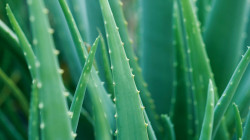
Aloe vera gel is widely used on the skin for minor burns and irritation, and some research suggests it may help. Aloe latex (the yellow part) is a strong laxative that can cause cramping and is not considered safe for regular use. Talk to your pharmacist or doctor before taking aloe by mouth, and avoid oral aloe during pregnancy.
On Its Own
Aloe Safety
How Aloe Is Rated
-
Aloe Overall
Use caution
Topical gel is generally well tolerated, but oral aloe latex can cause serious side effects.
-
Pregnancy
Possibly Unsafe
When used orally. Anthraquinones present in aloe latex and aloe whole leaf extracts have irritant, cathartic, and possible mutagenic effects.
Read the full pregnancy detail ↓ -
Breastfeeding
Possibly Unsafe
When aloe preparations are used orally. Cathartic and mutagenic anthraquinones present in aloe latex and aloe whole leaf extracts might pass into milk; avoid using.
Read the full breastfeeding detail ↓
Pregnancy & breastfeeding ratings are from Natural Medicines (Therapeutic Research Center), with the full detail in the next card.
Aloe in Pregnancy & Breastfeeding
When used orally. Anthraquinones present in aloe latex and aloe whole leaf extracts have irritant, cathartic, and possible mutagenic effects. There are also anecdotal reports and evidence from animal research that anthraquinones or aloe whole leaf extracts might induce abortion and stimulate menstruation; avoid using.
When aloe preparations are used orally. Cathartic and mutagenic anthraquinones present in aloe latex and aloe whole leaf extracts might pass into milk; avoid using.
DISCLAIMER: This tool is intended for informational purposes only, and should not be interpreted as specific medical advice. Patients should consult with a qualified healthcare provider before making decisions about therapies and/or health conditions.© 2026 Therapeutic Research Center
About Ranitidine
Brand names: Zantac, Zantac 75, Zantac EFFERdose, Tritec, Ranitidine cool mint, Zantac 150 EFFER, Zantac 150 GEL, Zantac 150, Zantac Geldose, Ranit, Zantac 300, Zantac 300 GEL, Ranitidine injection
Prescription ranitidine tablets, capsules and oral solution are used to treat and prevent several acid-related problems. These include active duodenal ulcers (ulcers in the first part of the small intestine), active benign stomach ulcers, GERD, and erosive esophagitis (damage to the esophagus lining from acid).
More to Explore
More Pairs and Interactions to Check
Other Supplements People Check With Ranitidine
More pair pages for Ranitidine: the rest of its documented supplement interactions first, then supplements with none on record, the most looked-up leading.
- GingerModerate›
- Green TeaModerate›
- Black PepperModerate›
- LicoriceModerate›
- GinkgoModerate›
- QuercetinModerate›
Show all 27 supplementsShow fewer
- RhodiolaModerate›
- EleutheroModerate›
- SchisandraModerate›
- Slippery ElmModerate›
- GoldensealModerate›
- CannabisModerate›
- YohimbeModerate›
- StrawberryModerate›
- GlucomannanModerate›
- HesperidinModerate›
- Bitter MelonModerate›
- KratomModerate›
- DiosminModerate›
- Methoxylated FlavonesModerate›
- Sweet OrangeModerate›
- Vitamin CNo Known Interaction›
- CalciumNo Known Interaction›
- Vitamin B6No Known Interaction›
- European Five-finger GrassNo Known Interaction›
- European MistletoeNo Known Interaction›
- Evening PrimroseNo Known Interaction›
Other Drugs & Aloe
Browse every other medication we’ve checked against Aloe — both the ones with a known interaction and the ones without. Select any drug for the full detail.
No drugs match “”.
Also checked against Aloe
Major: 1 interaction
Moderate: 304 interactions
- Diclofenac Sodium ›
- Ibuprofen ›
- Aspirin ›
- Insulin (rdna) ›
- Naproxen ›
- Minocycline ›
- Hydrochlorothiazide ›
- Glyburide ›
- Insulin (pork) ›
- Diclofenac Potassium ›
- Dipyridamole ›
- Insulin (human) ›
- Ketoprofen ›
- Trichlormethiazide ›
- Acarbose ›
- Bendroflumethiazide ›
- Bivalirudin ›
- Insulin Glargine ›
- Metolazone ›
- Phenolphthalein ›
- Semaglutide ›
- Spironolactone ›
- Warfarin Sodium ›
- Acetazolamide ›
- Bisacodyl ›
- Bromfenac Sodium ›
- Chlorpropamide ›
- Chlorthalidone ›
- Cyclothiazide ›
- Dabigatran ›
- Saxagliptin and Metformin Xr ›
- Simvastatin and Sitagliptin ›
- Sitagliptin and Metformin ›
- Sodium Picosulfate, Citric Acid, and Magnesium Oxide (otc Drug) ›
- Diclofenac Epolamine ›
- Exenatide ›
- Glipizide ›
- Glucagon ›
- Iloprost ›
- Indapamide ›
- Insulin Lispro ›
- Mannitol ›
- Metformin ›
- Methyclothiazide ›
- Piroxicam ›
- Repaglinide ›
- Sennosides (otc Drug) ›
- Sitagliptin ›
- Streptokinase ›
- Ticlopidine ›
- Tirzepatide ›
- Torsemide ›
- Treprostinil (oral) ›
- Abciximab ›
- Abrocitinib ›
- Acenocoumarol ›
- Acetohexamide ›
- Acetylsalicylic Acid ›
- Albiglutide ›
- Alogliptin ›
Showing 60 of 304 moderate interactions — see all 304 on the Aloe page.
Minor: 156 interactions
- Theophylline ›
- Estradiol ›
- Propranolol ›
- Verapamil ›
- Acetaminophen ›
- Diazepam ›
- Lofepramine ›
- Nortriptyline ›
- Bendamustine ›
- Caffeine (otc Drug) ›
- Cyclobenzaprine ›
- Desipramine ›
- Riluzole ›
- Asenapine ›
- Caffeine (prescription Drug) ›
- Clomipramine ›
- Clozapine ›
- Flutamide ›
- Imipramine ›
- Propafenone ›
- Ropinirole ›
- Tasimelteon ›
- Tizanidine ›
- Zileuton ›
- Agomelatine ›
- Amitriptyline ›
- Bendamustine Hydrochloride ›
- Chlordiazepoxide ›
- Enasidenib ›
- Estrogen ›
- Naloxone and Pentazocine ›
- Relugolix, Estradiol, and Norethindrone Acetate ›
- Segesterone Acetate and Ethinyl Estradiol ›
- Sofosbuvir, Velpatasvir, and Voxilaprevir ›
- Tramadol and Acetaminophen ›
- Trandolapril and Verapamil ›
- Ethinyl Estradiol ›
- Etonogestrel ›
- Fenfluamine ›
- Fezolinetant ›
- Fluvoxamine ›
- Grepafloxacin ›
- Haloperidol ›
- Levobupivacaine ›
- Mexiletine ›
- Mirtazapine ›
- Oestrogen ›
- Olanzapine ›
- Ondansetron ›
- Paracetamol ›
- Pentazocine ›
- Perampanel ›
- Pirfenidone ›
- Pomalidomide ›
- Propranolol Hydrochloride ›
- Ramelteon ›
- Rasagiline ›
- Ropivacaine ›
- Tacrine ›
- Tipranavir ›
Showing 60 of 156 minor interactions — see all 156 on the Aloe page.
No Interaction 2,368 drugs checked — show the list
We also checked Aloe against these medications and found no known interaction in our sources. Open any page to confirm.
- Levothyroxine ›
- Amlodipine ›
- Sertraline ›
- Rosuvastatin ›
- Losartan Potassium ›
- Escitalopram ›
- Atorvastatin ›
- Levothyroxine and Liothyronine ›
- Metoprolol ›
- Methylphenidate ›
- Tadalafil ›
- Ivermectin ›
- Testosterone ›
- Amoxicillin ›
- Fluoxetine ›
- Prednisone ›
- Amphetamine ›
- Isotretinoin ›
- Azithromycin ›
- Lisdexamfetamine ›
- Abemaciclib ›
- Methotrexate ›
- Pregabalin ›
- Lisinopril ›
- Lamotrigine ›
- Bupropion ›
- Letrozole ›
- Clonazepam ›
- Citalopram ›
- Doxycycline ›
- Delavirdine Mesylate ›
- Delta-9-tetrahydrocannabinol (thc) ›
- Demecarium ›
- Demeclocycline ›
- Denileukin ›
- Denosumab ›
- Deoxycholic Acid ›
- Deserpidine ›
- Desflurane ›
- Desloratadine ›
- Desmopressin Acetate ›
- Desogestrel ›
- Desoximetasone ›
- Deucravacitinib ›
- Deutetrabenazine ›
- Dexamfetamine ›
- Dexchlorpheniramine ›
- Dexfenfluramine ›
- Dexlansoprazole ›
- Dexmedetomidine ›
- Dextroamphetamine (patch) ›
- Dextroamphetamine Sulphate ›
- Dextromethorphan Hbr ›
- Dextrothyroxine ›
- Diatrizoate Meglumine ›
- Diatrizoate Sodium ›
- Diazoxide ›
- Dichlorphenamide ›
- Dicloxacillin Injection ›
- Dicloxacillin Sodium ›
Showing 60 of the 2,368 medications checked with no known interaction, the most looked-up first — see the full Aloe list.
Ranitidine Is Linked to Lower Levels of 6 Nutrients
Natural Medicines records Ranitidine as a medicine that can lower these. This is not an interaction with Aloe — it is a separate effect of the medicine, and it is a reason some people are advised to supplement rather than to avoid one:
Read the full Ranitidine nutrient depletion report ›
Depletion records come from the licensed Natural Medicines database. Do not start a supplement on the strength of this page — ask your pharmacist or doctor whether it applies to you.
Where Aloe and Ranitidine Sit Against Everything Else
Out of every supplement and medication people look up on HelloPharmacist, here is where these two land this week — and which way each has been moving.
#76 of 1,458 supplements looked up here in the last 7 days
#1,120 of 2,830 medications looked up here in the last 7 days
A rank of lookups on this site, not of how often either one is used. It counts every visit, automated ones included, and identifies no one.
Keep Exploring
Questions and Sources
Common Questions and Where This Comes From
Taking Aloe and Ranitidine Together: Common Questions
Can you take Aloe with Ranitidine?
Can you take Aloe with Zantac?
Do Aloe and Ranitidine have any of the same side effects?
Are Aloe and Ranitidine used for the same thing?
How was the Aloe and Ranitidine combination checked?
Do other supplements studied for diabetes interact with Ranitidine?
Does Aloe interact with any other medications?
Does Ranitidine interact with any supplements?
Written and reviewed by the HelloPharmacist Editorial Team. Our editorial policy
References Cited on This Page
The 18 references the cards above cite, from the evidence-graded Natural Medicines (TRC Healthcare) database. Citations with a link open the study on PubMed or the publisher’s site.
Show the 18 references
- 6138. Nusko G, Schneider B, Schneider I, et al. Anthranoid laxative use is not a risk factor for colorectal neoplasia: results of a prospective case control study. Gut 2000;46:651-5. PubMed
- 8961. Luyckx VA, Ballantine R, Claeys M, et al. Herbal remedy-associated acute renal failure secondary to Cape aloes. Am J Kidney Dis 2002;39:E13. PubMed
- 12164. Vogler BK, Ernst E. Aloe vera: a systematic review of its clinical effectiveness. Br J Gen Pract 1999;49:823-8.
- 15567. Bottenberg MM, Wall GC, Harvey RL, Habib S. Oral aloe vera-induced hepatitis. Ann Pharmacother 2007;41:1740-3. PubMed
- 15569. Rabe C, Musch A, Schirmacher P, et al. Acute hepatitis induced by an Aloe vera preparation: a case report. World J Gastroenterol 2005;11:303-4. PubMed
- 16386. Kanat O, Ozet A, Ataergin S. Aloe vera-induced acute toxic hepatitis in a healthy young man. Eur J Int Med 2006;17:589. PubMed
- 17419. Yang HN, Kim DJ, Kim YM, et al. Aloe-induced toxic hepatitis. J Korean Med Sci 2010;25:492-5. PubMed
- 19741. Choonhakarn C, Busaracome P, Sripanidkulchai B, et al. A prospective, randomized clinical trial comparing topical aloe vera with 0.1% triamcinolone acetonide in mild to moderate plaque psoriasis. J.Eur.Acad.Dermatol.Venereol. 2010;24:168-72. PubMed
- 19748. Paulsen E, Korsholm L, Brandrup F. A double-blind, placebo-controlled study of a commercial Aloe vera gel in the treatment of slight to moderate psoriasis vulgaris. J Eur Acad Dermatol Venereol. 2005;19:326-31.
- 30697. Choonhakarn, C., Busaracome, P., Sripanidkulchai, B., and Sarakarn, P. The efficacy of aloe vera gel in the treatment of oral lichen planus: a randomized controlled trial. Br J Dermatol 2008;158(3):573-577. PubMed
- 30706. Hunter, D. and Frumkin, A. Adverse reactions to vitamin E and aloe vera preparations after dermabrasion and chemical peel. Cutis 1991;47(3):193-196.
- 90122. Cosmetic Ingredient Review Expert Panel. Final report on the safety assessment of AloeAndongensis Extract, Aloe Andongensis Leaf Juice,aloe Arborescens Leaf Extract, Aloe Arborescens Leaf Juice, Aloe Arborescens Leaf Protoplasts, Aloe Barbadensis Flower E
- 90124. Hajheydari Z, Saeedi M, Morteza-Semnani K, Soltani A. Effect of Aloe vera topical gel combined with tretinoin in treatment of mild and moderate acne vulgaris: a randomized, double-blind, prospective trial. J Dermatolog Treat 2014;25(2):123-9.
- 90126. Lee J, Lee MS, Nam KW. Acute toxic hepatitis caused by an aloe vera preparation in a young patient: a case report with a literature review. Korean J Gastroenterol 2014;64(1):54-8. PubMed
- 91598. Guo X, Mei N. Aloe Vera - A Review of Toxicity and Adverse Clinical Effects. J Environ Sci Health C Environ Carcinog Ecotoxicol Rev 2016;34(2):77-96.
- 104174. Hoogenboom TCH, Patel N, Cook NA, Williams R, Taylor-Robinson SD, Lim AKP. The effect of Aloe vera juice on liver enzymes and hepatic structure in a healthy population. Integr Med (Encinitas) 2020;19(3):30-4.
- 111663. Sabbaghzadegan S, Soltani MH, Kamalinejad M, Bahrami M, Kabir A, Dadmehr M. The effect of a standardized capsule of Aloe vera gel on the quality of life in patients with systolic heart failure: A randomized double-blind placebo-controlled clinical trial.
- 111921. Lewis ED, Crowley DC, Guthrie N, Evans M. Healthy adults supplemented with a nutraceutical formulation containing Aloe vera gel, rosemary and Poria cocos enhances the effect of influenza vaccination in a randomized, triple-blind, placebo-controlled trial. PubMed
All 41 references behind our Aloe records are listed in the Aloe guide.
Medication overviews come from MedlinePlus (NIH); supplement label data from the NIH Dietary Supplement Label Database. Content is reviewed by the HelloPharmacist Editorial Team. See our data sources and editorial standards.
Where Does Our Data Come From?
- Source: the Natural Medicines (TRC Healthcare) clinical database — the evidence-graded professional reference for herb & supplement interactions.
- Citation library: 105,612 references behind our interaction content, 67,053 of them resolved to verified PubMed/DOI sources. See the references behind this page ↓
- Freshness: we automatically re-check this combination every week — this pair was last verified November 15, 2026. The Aloe and Ranitidine records this page draws on were last updated July 11, 2026.
What Our Interaction Ratings Mean
No interaction is on record for this pair. The other supplements and medicines on this page carry a severity rating: how serious an interaction between them is.
See what each severity means
Severity: How Serious Is It?
How clinically significant the interaction is: how much it could affect your health or your treatment.
- MajorClinically significant. Best to avoid the combination, or use only under close professional supervision.
- ModerateBe cautious. The combination may call for monitoring, timing changes, or a dose adjustment.
- MinorLimited clinical concern, but still worth being aware of and mentioning to your pharmacist.
- No Known InteractionNo documented interaction in our sources.
Still Have a Question About Aloe and Ranitidine?
Our pharmacists answer your medication & supplement questions — free.
This information is for education only and is not a substitute for professional medical advice. Always check with your pharmacist or doctor before starting, stopping, or combining supplements and medications.