
100% Organic Elderberry Immune Tea Ingredients & Drug Interactions
What is this page for?
First and foremost: checking 100% Organic Elderberry Immune Tea against your medications. The heart of this page is the interaction checker and the full interaction report — how this product’s ingredients may interact with prescription and over-the-counter medicines you may be taking.
Around that, we add a pharmacist’s high-level view of the product as a whole — what’s inside, the evidence for its stated use, how transparent the label is, and what safety data exists — so you can see the full picture in one place. It’s educational information from our licensed clinical databases and the clinical staff at HelloPharmacist — not medical advice — and we don’t sell or endorse products. Our editorial policy
100% Organic Elderberry Immune Tea is a dietary supplement by Earth Mama Organics with 8 active ingredients. Its ingredients are commonly taken for nausea and vomiting, motion sickness, morning sickness in pregnancy.Based on those ingredients, 1,327 medications have a known interaction with it, the most serious rated major. The ingredients most likely to interact are Hibiscus sabdariffa, Ginger, Rooibos. Use the checker below to test your specific medication, or read the full HelloPharmacist Interaction Report.
Check Your Meds Against 100% Organic Elderberry Immune Tea by Earth Mama Organics
Ask about any prescription or over-the-counter medication and we check it for interactions with 100% Organic Elderberry Immune Tea by Earth Mama Organics — and tell you which ingredient is responsible.
AI summaries are generated from our interaction database for education only — always confirm with your pharmacist. How we use AI
Ask the Pharmacist
A licensed pharmacist will answer your question by email — free, usually within 24 hours.
Got it — thank you!
A licensed pharmacist will answer within 24 hours. Keep an eye on your email (worth checking spam, just in case).
HelloPharmacist Scorecard of 100% Organic Elderberry Immune Tea by Earth Mama Organics
Our pharmacy team’s full take, with four database checks built into the cards below — a summary of what is known, not a grade of the product itself.
What’s inside
Low disclosure
This tea blend contains 8 ingredients, including several active herbal components. Ginger root is included for its warming properties; echinacea purpurea (purple coneflower) and elderberry are traditional immune-supporting herbs; hibiscus sabdariffa flowers add tartness and color; rooibos and rose hips contribute flavor and antioxidants; and stevia is the sweetening ingredient.
The product contains no inactive fillers — what you're brewing is the herbal blend itself.
Does it work?
Not established
The evidence for what this tea does is mixed and often thin. Ginger is possibly effective for pregnancy-related nausea, period pain (dysmenorrhea), and osteoarthritis, but it's possibly ineffective for muscle soreness from exercise and chemotherapy-induced nausea.
For echinacea, hibiscus, elderberry, rooibos, and stevia, the facts we hold show insufficient reliable evidence to rate their effectiveness for any condition — meaning the studies are too small, weak, or absent to say one way or another. If you're hoping this tea will boost your immunity or prevent colds, that evidence isn't established in our data.
How safe is it?
Well-documented data
Properly prepared elderberry tea is generally well tolerated. Ginger, echinacea, rooibos, and stevia are also generally well tolerated in food and supplement amounts for most healthy adults, though some people report mild digestive side effects like burping, diarrhea, heartburn, or nausea — especially at higher doses of ginger (5 grams per day or more).
Echinacea and hibiscus can cause allergic reactions in people sensitive to ragweed and related plants. A very small number of people have reported rare liver problems with echinacea and elderberry, and with rooibos at high intake (10 cups daily for over a year).
For pregnancy: the safety data advises against medicinal amounts of hibiscus during pregnancy because of possible hormonal and uterine effects. For elderberry, the data advises against supplements during pregnancy and breastfeeding — there isn't enough information to say it's safe.
Ginger, echinacea, stevia, and rooibos have no pregnancy or breastfeeding data on file, so talk with your doctor or pharmacist for personalized advice if you're pregnant or nursing.
Meds to double-check
Major interaction found
Before taking this tea, check if you use chloroquine (malaria prevention/treatment) — the hibiscus will reduce how well it works. Double-check blood thinners like warfarin or other anticoagulants, and antiplatelet drugs (ginger raises bleeding risk).
Check antidiabetes drugs and blood pressure medications including losartan, nifedipine, and ACE inhibitors (ginger, hibiscus, stevia, and rooibos can all lower blood pressure or blood sugar). Check immunosuppressant drugs and cancer medications, as well as drugs metabolized by your liver — multiple ingredients affect how your liver processes certain medications.
If you take lithium, atorvastatin, diclofenac, simvastatin, etoposide, or caffeine-containing products, run those through the checker too.
The bottom line
Scorecard at a glanceFormula with limited ingredient disclosure with no established evidence rating for its marketed use. Major medication interactions have been identified, and safety information is well characterized.
This is an herbal tea blend best suited for people who like its flavor and want a traditional immune-supporting brew, but who don't take chloroquine, blood thinners, blood pressure or diabetes medications, or immunosuppressant drugs. If you take any prescription medication, especially for blood clotting, blood sugar, blood pressure, liver metabolism, or immune suppression, run it through the checker below before you brew this tea.
Talk with your pharmacist if you're on other medications or are pregnant or breastfeeding.
Educational only — not medical advice; always confirm with your pharmacist. Our editorial policy · How we use AI
Assessment coverage: 8 of 8 active ingredients matched to our full ingredient reviews (monographs). Based on the product label dated Aug 22, 2025.
This Scorecard evaluates available label information, ingredient evidence, and known medication-safety considerations. It does not independently verify product identity, purity, potency, contamination, or manufacturing quality. How these ratings are computed
General information
Key facts about 100% Organic Elderberry Immune Tea, straight from the product label.
| Brand | Earth Mama Organics |
|---|---|
| Net contents | 16 Tea Bag(s); 0.98 Ounce(s); 28 Gram(s) |
| Market status | On market |
| Date entered into DSLD | Aug 22, 2025 |
| DSLD ID | 337495 |
| Product type | Botanical |
| Supplement form | Other (e.g. Tea Bag) |
| Dietary claims / uses | All Other, Structure/Function |
| Intended target group(s) | Adult (18 - 50 Years), Kosher, Children (All), Pregnant Women, Organic, Lactating |
Everything in this section is reproduced from the manufacturer’s own product label — it’s the label speaking, not HelloPharmacist. We show it so you can see exactly what the maker states; we don’t verify or endorse those statements.
Supplement Facts
The label details for 100% Organic Elderberry Immune Tea by Earth Mama Organics, sourced from the NIH Dietary Supplement Label Database.
Supplement Facts
| Ingredient | Amount | % DV |
|---|---|---|
| Calories | 0 Calorie(s) | -- |
| Proprietary Blend | 1.75 Gram(s) | -- |
| Ginger | 0 NP | -- |
| Rose Hips | 0 NP | -- |
| Echinacea purpurea | 0 NP | -- |
| Stevia rebaudiana | 0 NP | -- |
| Elderberry | 0 NP | -- |
| Elderberry | 0 NP | -- |
| Rooibos | 0 NP | -- |
| Hibiscus sabdariffa | 0 NP | -- |
Tap any ingredient to jump to its full detail below.
These statements are the manufacturer’s wording, reproduced from the product label — the label is saying it, not HelloPharmacist. We don’t verify or endorse them.
Brand IP Statement(s)
Earth Mama Organics Grounded in Nature, Powered by Love.
Earth Mama Organics So pretty much for everyone and their mother.
Earth Mama Organics For everyone and their mother.
Formula
This tea is like a treadmill, strength training and a little hot yoga for your immune system. Every once in a while, life can hand you a few lemons. We say when that happens, squeeze some into a cup of antioxidant-rich immune support! It's so tasty you'll forget it's a good-for-you beverage. Like fruit punch with benefits!
Formulated for all the people, including during pregnancy, breastfeeding and even the most discerning kids.
Tart-y fruity berry burst
EarthKosher Certified Kosher by EarthKosher
Formulation
Sip daily or when you need a little extra defense.
Team work makes the dream work Each herb in this tea was intentionally chosen because of how it works synergistically with the others in the formulation, amplifying their efficacy like a little symphony. It's like the colleagues who hang out together after work. They collaborate with each other which makes their job seamless.
100% Organic USDA Organic
Helps support healthy immune function
Non GMO Project Verified nongmoproject.org Caffeine free
OTCO (Oregon Tilth Certified Organic) Certified Organic by Oregon Tilth
Suggested/Recommended/Usage/Directions
Herbal Tea How-To Pour boiling water over one tea bag to make sure every bit of herbally goodness gets into your cup. Steep 5-10 minutes and sip 1-3 cups per day, or as recommended by your healthcare provider.
Seals/Symbols
USDA Organic Non GMO Project Verified nongmoproject.org
OTCO (Oregon Tilth Certified Organic) EarthKosher
FDA Statement of Identity
Herbal Tea Supplement
General Statements
Here. Drink this. It'll help. Earth mama teas Formulated for pregnancy plus! Organic Elderberry Immune Tea Organic Ginger Nausea Tea Organic Heartburn Tea Organic Peaceful Tea Organic Raspberry Leaf Tea Organic Third Trimester Tea Organic Throat Smoothie Tea Not for use during pregnancy Organic Periodic Tea Organic Milkmaid Tea Organic No More Milk Tea
Precautions
Allergen alert: Hibiscus may be intercropped with peanuts. May contain peanuts or shell fragements.
Consult your healthcare provider before using this product during pregnancy or when breastfeeding, or if symptoms persist or worsen.
FDA Disclaimer Statement
These statements have not been evaluated by the Food and Drug Administration. This product is not intended to diagnose, treat, cure or prevent any disease.
Is this label outdated? Report a formula or label change and our pharmacy team will review it.
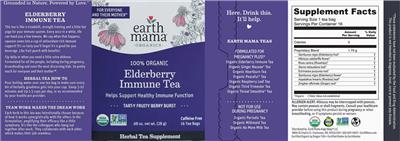
100% Organic Elderberry Immune Tea by Earth Mama Organics label
The label scan from the NIH Dietary Supplement Label Database. Tap to enlarge.
Label images are published by the NIH Dietary Supplement Label Database for the version of this product on file. Always read your actual product label.
View the full label (PDF)The Ingredients in 100% Organic Elderberry Immune Tea by Earth Mama Organics
These are the 8 active ingredients this product is made of. Select any to open its full monograph.
Serving size1 Tea Bag(s) Dosage formOther (e.g. Tea Bag) Servings per container16 Amounts shown are per serving.
Most supplement products combine several ingredients, and a medication can interact with the product through any one of them. Each ingredient below shows whether it has known drug interactions.
Proprietary Blend
100% Organic Elderberry Immune Tea by Earth Mama Organics Drug Interactions
HelloPharmacist Interaction Report
Earth Mama Organics 100% Organic Elderberry Immune Tea contains several ingredients with documented medication interactions.
The most serious is hibiscus sabdariffa, which significantly reduces chloroquine levels — a Major severity interaction — making this tea incompatible with chloroquine used for malaria treatment or prevention.
Read the full breakdown — every affected drug type, severity by severity
Ginger interacts with blood thinners and antiplatelet drugs (warfarin, phenprocoumon, and anticoagulants generally) with moderate severity due to increased bleeding risk. It also affects blood sugar control with antidiabetes drugs, blood pressure medication (losartan and nifedipine), and drugs metabolized by the liver (CYP3A4 and P-glycoprotein substrates).
Echinacea purpurea raises caffeine levels by about 30% and theoretically affects immunosuppressant therapy and certain cancer drugs (etoposide). Stevia may increase lithium levels or lower blood pressure and blood sugar when combined with related medications.
Hibiscus also has moderate interactions with blood pressure drugs, blood sugar drugs, the anti-inflammatory diclofenac, and the cholesterol drug simvastatin (which it may reduce). Rooibos inhibits several liver enzymes (CYP2C19, CYP1A2, CYP2D6, CYP2C9, and CYP3A4) and ACE inhibitor drugs, as well as atorvastatin.
Elderberry theoretically interferes with immunosuppressants and the cancer drug pazopanib. We could not check rose hips.
Altogether, these interactions span 1,264 individual medications.
Use the medication checker on this page to search your exact prescriptions before starting this tea.
Check your own medications below · Editorial policy · How we use AI
Want to check YOUR meds against 100% Organic Elderberry Immune Tea?
Ask about interactions with your drugs in plain English — “Can I take it with lisinopril?” — and we find you the answer in seconds, ingredient by ingredient.
Go to the checkerIngredients driving the most interactions
Individual Drug Interactions
The ingredients in 100% Organic Elderberry Immune Tea interact with 1,327 drugs. Click any drug to see the details.
7 of the 8 ingredients in 100% Organic Elderberry Immune Tea interact with drugs. Each result below shows which ingredient is responsible. Hibiscus sabdariffa Ginger Rooibos Echinacea purpurea Stevia rebaudiana Rose Hips Elderberry
ChloroquineAralen HCL, Aralen Phosphate, Aralen Phosphate Injection, Avloclor, Malarivon, Nivaquine
How Chloroquine interacts with 100% Organic Elderberry Immune Tea — through 1 ingredient. Tap an ingredient for the detail:
Hibiscus SabdariffaChloroquine (aralen) Major
Interaction Summary
Taking Hibiscus sabdariffa tea along with chloroquine seems to reduce levels of chloroquine.
Read the full Hibiscus Sabdariffa + Chloroquine interactionChloroquine, Primaquine PhosphateAralen / Primaquine
How Chloroquine, Primaquine Phosphate interacts with 100% Organic Elderberry Immune Tea — through 1 ingredient. Tap an ingredient for the detail:
Hibiscus SabdariffaChloroquine (aralen) Major
Interaction Summary
Taking Hibiscus sabdariffa tea along with chloroquine seems to reduce levels of chloroquine.
Read the full Hibiscus Sabdariffa + Chloroquine, Primaquine Phosphate interaction6-mercaptopurinePurinethol
How 6-mercaptopurine interacts with 100% Organic Elderberry Immune Tea — through 2 ingredients. Tap an ingredient for the detail:
Echinacea PurpureaImmunosuppressants Moderate
Interaction Summary
Echinacea has immunostimulant activity which may interfere with immunosuppressant therapy.
Read the full Echinacea Purpurea + 6-mercaptopurine interactionElderberryImmunosuppressants Moderate
Interaction Summary
Theoretically, elderberry might interfere with immunosuppressant therapy due to its immunostimulant activity.
Read the full Elderberry + 6-mercaptopurine interactionAdo-trastuzumab EmtansineKadcyla
How Ado-trastuzumab Emtansine interacts with 100% Organic Elderberry Immune Tea — through 4 ingredients. Tap an ingredient for the detail:
Echinacea PurpureaCytochrome P450 3a4 (cyp3a4) Substrates Moderate
Interaction Summary
Echinacea may induce hepatic CYP3A4 and inhibit intestinal CYP3A4.
Read the full Echinacea Purpurea + Ado-trastuzumab Emtansine interactionRooibosCytochrome P450 3a4 (cyp3a4) Substrates Moderate
Interaction Summary
Theoretically, taking rooibos with CYP3A4 substrates may increase the effects of CYP3A4 substrates.
Read the full Rooibos + Ado-trastuzumab Emtansine interactionGingerCytochrome P450 3a4 (cyp3a4) Substrates Moderate
Interaction Summary
Ginger might increase or decrease the levels of CYP3A4 substrates.
Read the full Ginger + Ado-trastuzumab Emtansine interactionHibiscus SabdariffaCytochrome P450 3a4 (cyp3a4) Substrates Minor
Interaction Summary
Theoretically, Hibiscus sabdariffa extract might reduce the metabolism of CYP3A4 substrates.
Read the full Hibiscus Sabdariffa + Ado-trastuzumab Emtansine interactionAbciximabReoPro
How Abciximab interacts with 100% Organic Elderberry Immune Tea — through 2 ingredients. Tap an ingredient for the detail:
GingerAnticoagulant/antiplatelet Drugs Moderate
Interaction Summary
Ginger may have antiplatelet effects and may increase the risk of bleeding if used with anticoagulant or antiplatelet drugs.
Read the full Ginger + Abciximab interactionRose HipsAnticoagulant/antiplatelet Drugs Moderate
Interaction Summary
Theoretically, rose hip might reduce the effectiveness of anticoagulant or antiplatelet drugs.
Read the full Rose Hips + Abciximab interactionAbemaciclibVerzenio
How Abemaciclib interacts with 100% Organic Elderberry Immune Tea — through 4 ingredients. Tap an ingredient for the detail:
GingerCytochrome P450 3a4 (cyp3a4) Substrates Moderate
Interaction Summary
Ginger might increase or decrease the levels of CYP3A4 substrates.
Read the full Ginger + Abemaciclib interactionRooibosCytochrome P450 3a4 (cyp3a4) Substrates Moderate
Interaction Summary
Theoretically, taking rooibos with CYP3A4 substrates may increase the effects of CYP3A4 substrates.
Read the full Rooibos + Abemaciclib interactionEchinacea PurpureaCytochrome P450 3a4 (cyp3a4) Substrates Moderate
Interaction Summary
Echinacea may induce hepatic CYP3A4 and inhibit intestinal CYP3A4.
Read the full Echinacea Purpurea + Abemaciclib interactionHibiscus SabdariffaCytochrome P450 3a4 (cyp3a4) Substrates Minor
Interaction Summary
Theoretically, Hibiscus sabdariffa extract might reduce the metabolism of CYP3A4 substrates.
Read the full Hibiscus Sabdariffa + Abemaciclib interactionAbiraterone
How Abiraterone interacts with 100% Organic Elderberry Immune Tea — through 4 ingredients. Tap an ingredient for the detail:
Echinacea PurpureaCytochrome P450 3a4 (cyp3a4) Substrates Moderate
Interaction Summary
Echinacea may induce hepatic CYP3A4 and inhibit intestinal CYP3A4.
Read the full Echinacea Purpurea + Abiraterone interactionGingerCytochrome P450 3a4 (cyp3a4) Substrates Moderate
Interaction Summary
Ginger might increase or decrease the levels of CYP3A4 substrates.
Read the full Ginger + Abiraterone interactionRooibosCytochrome P450 3a4 (cyp3a4) Substrates Moderate
Interaction Summary
Theoretically, taking rooibos with CYP3A4 substrates may increase the effects of CYP3A4 substrates.
Read the full Rooibos + Abiraterone interactionHibiscus SabdariffaCytochrome P450 3a4 (cyp3a4) Substrates Minor
Interaction Summary
Theoretically, Hibiscus sabdariffa extract might reduce the metabolism of CYP3A4 substrates.
Read the full Hibiscus Sabdariffa + Abiraterone interactionAbiraterone AcetateYonsa, Zytiga
How Abiraterone Acetate interacts with 100% Organic Elderberry Immune Tea — through 4 ingredients. Tap an ingredient for the detail:
RooibosCytochrome P450 3a4 (cyp3a4) Substrates Moderate
Interaction Summary
Theoretically, taking rooibos with CYP3A4 substrates may increase the effects of CYP3A4 substrates.
Read the full Rooibos + Abiraterone Acetate interactionEchinacea PurpureaCytochrome P450 3a4 (cyp3a4) Substrates Moderate
Interaction Summary
Echinacea may induce hepatic CYP3A4 and inhibit intestinal CYP3A4.
Read the full Echinacea Purpurea + Abiraterone Acetate interactionGingerCytochrome P450 3a4 (cyp3a4) Substrates Moderate
Interaction Summary
Ginger might increase or decrease the levels of CYP3A4 substrates.
Read the full Ginger + Abiraterone Acetate interactionHibiscus SabdariffaCytochrome P450 3a4 (cyp3a4) Substrates Minor
Interaction Summary
Theoretically, Hibiscus sabdariffa extract might reduce the metabolism of CYP3A4 substrates.
Read the full Hibiscus Sabdariffa + Abiraterone Acetate interactionAbrocitinibCibinqo
How Abrocitinib interacts with 100% Organic Elderberry Immune Tea — through 6 ingredients. Tap an ingredient for the detail:
ElderberryImmunosuppressants Moderate
Interaction Summary
Theoretically, elderberry might interfere with immunosuppressant therapy due to its immunostimulant activity.
Read the full Elderberry + Abrocitinib interactionEchinacea PurpureaImmunosuppressants Moderate
Interaction Summary
Echinacea has immunostimulant activity which may interfere with immunosuppressant therapy.
Read the full Echinacea Purpurea + Abrocitinib interactionRooibosCytochrome P450 2c9 (cyp2c9) Substrates, Cytochrome P450 2c19 (cyp2c19) Substrates Moderate
Interaction Summary
Theoretically, taking rooibos with CYP2C9 substrates may increase the effects of CYP2C9 substrates.
Read the full Rooibos + Abrocitinib interactionGingerCytochrome P450 2c9 (cyp2c9) Substrates, Anticoagulant/antiplatelet Drugs Moderate
Interaction Summary
Theoretically, ginger might increase the levels of CYP2C9 substrates.
Read the full Ginger + Abrocitinib interactionRose HipsAnticoagulant/antiplatelet Drugs Moderate
Interaction Summary
Theoretically, rose hip might reduce the effectiveness of anticoagulant or antiplatelet drugs.
Read the full Rose Hips + Abrocitinib interactionHibiscus SabdariffaCytochrome P450 2c9 (cyp2c9) Substrates, Cytochrome P450 2c19 (cyp2c19) Substrates Minor
Interaction Summary
Theoretically, Hibiscus sabdariffa extract might reduce the metabolism of CYP2C9 substrates.
Read the full Hibiscus Sabdariffa + Abrocitinib interactionAcalabrutinibCalquence
How Acalabrutinib interacts with 100% Organic Elderberry Immune Tea — through 4 ingredients. Tap an ingredient for the detail:
GingerCytochrome P450 3a4 (cyp3a4) Substrates, P-glycoprotein Substrates Moderate
Interaction Summary
Ginger might increase or decrease the levels of CYP3A4 substrates.
Read the full Ginger + Acalabrutinib interactionEchinacea PurpureaCytochrome P450 3a4 (cyp3a4) Substrates Moderate
Interaction Summary
Echinacea may induce hepatic CYP3A4 and inhibit intestinal CYP3A4.
Read the full Echinacea Purpurea + Acalabrutinib interactionRooibosCytochrome P450 3a4 (cyp3a4) Substrates Moderate
Interaction Summary
Theoretically, taking rooibos with CYP3A4 substrates may increase the effects of CYP3A4 substrates.
Read the full Rooibos + Acalabrutinib interactionHibiscus SabdariffaCytochrome P450 3a4 (cyp3a4) Substrates Minor
Interaction Summary
Theoretically, Hibiscus sabdariffa extract might reduce the metabolism of CYP3A4 substrates.
Read the full Hibiscus Sabdariffa + Acalabrutinib interactionAcarboseGlucobay, Prandase, Precose
How Acarbose interacts with 100% Organic Elderberry Immune Tea — through 3 ingredients. Tap an ingredient for the detail:
GingerAntidiabetes Drugs Moderate
Interaction Summary
Theoretically, taking ginger with antidiabetes drugs might increase the risk of hypoglycemia.
Read the full Ginger + Acarbose interactionHibiscus SabdariffaAntidiabetes Drugs Moderate
Interaction Summary
Theoretically, taking Hibiscus sabdariffa with antidiabetes drugs might increase the risk of hypoglycemia.
Read the full Hibiscus Sabdariffa + Acarbose interactionStevia RebaudianaAntidiabetes Drugs Minor
Interaction Summary
Theoretically, stevia might increase the risk for hypoglycemia when combined with antidiabetes drugs.
Read the full Stevia Rebaudiana + Acarbose interactionAcebutololRhotral, Sectral
How Acebutolol interacts with 100% Organic Elderberry Immune Tea — through 2 ingredients. Tap an ingredient for the detail:
Hibiscus SabdariffaAntihypertensive Drugs Moderate
Interaction Summary
Theoretically, taking Hibiscus sabdariffa with antihypertensive drugs might increase the risk of hypotension.
Read the full Hibiscus Sabdariffa + Acebutolol interactionStevia RebaudianaAntihypertensive Drugs Minor
Interaction Summary
Theoretically, combining stevia or stevia constituents with antihypertensive agents might increase the risk of hypotension.
Read the full Stevia Rebaudiana + Acebutolol interactionAcenocoumarolSintrom
How Acenocoumarol interacts with 100% Organic Elderberry Immune Tea — through 2 ingredients. Tap an ingredient for the detail:
GingerAnticoagulant/antiplatelet Drugs Moderate
Interaction Summary
Ginger may have antiplatelet effects and may increase the risk of bleeding if used with anticoagulant or antiplatelet drugs.
Read the full Ginger + Acenocoumarol interactionRose HipsAnticoagulant/antiplatelet Drugs Moderate
Interaction Summary
Theoretically, rose hip might reduce the effectiveness of anticoagulant or antiplatelet drugs.
Read the full Rose Hips + Acenocoumarol interactionAcetaminophenChildren's Tylenol, Children's Tylenol Meltaways, Tylenol, Tylenol Ex Strength
How Acetaminophen interacts with 100% Organic Elderberry Immune Tea — through 4 ingredients. Tap an ingredient for the detail:
Echinacea PurpureaCytochrome P450 1a2 (cyp1a2) Substrates Moderate
Interaction Summary
Echinacea might inhibit the metabolism of CYP1A2 and increase plasma levels of some drugs.
Read the full Echinacea Purpurea + Acetaminophen interactionRooibosCytochrome P450 1a2 (cyp1a2) Substrates Moderate
Interaction Summary
Theoretically, taking rooibos with CYP1A2 substrates may increase the effects of CYP1A2 substrates.
Read the full Rooibos + Acetaminophen interactionGingerCytochrome P450 1a2 (cyp1a2) Substrates Minor
Interaction Summary
Theoretically, ginger might increase the levels of CYP1A2 substrates.
Read the full Ginger + Acetaminophen interactionHibiscus SabdariffaAcetaminophen (tylenol, Others), Cytochrome P450 2e1 (cyp2e1) Substrates +1 Minor
Interaction Summary
Theoretically, taking Hibiscus sabdariffa with acetaminophen might decrease the clinical effects of acetaminophen.
Read the full Hibiscus Sabdariffa + Acetaminophen interactionAcetaminophen, AspirinGemnisyn
How Acetaminophen, Aspirin interacts with 100% Organic Elderberry Immune Tea — through 5 ingredients. Tap an ingredient for the detail:
RooibosCytochrome P450 1a2 (cyp1a2) Substrates Moderate
Interaction Summary
Theoretically, taking rooibos with CYP1A2 substrates may increase the effects of CYP1A2 substrates.
Read the full Rooibos + Acetaminophen, Aspirin interactionGingerCytochrome P450 1a2 (cyp1a2) Substrates, Anticoagulant/antiplatelet Drugs Moderate
Interaction Summary
Theoretically, ginger might increase the levels of CYP1A2 substrates.
Read the full Ginger + Acetaminophen, Aspirin interactionRose HipsAnticoagulant/antiplatelet Drugs, Aspirin Moderate
Interaction Summary
Theoretically, rose hip might reduce the effectiveness of anticoagulant or antiplatelet drugs.
Read the full Rose Hips + Acetaminophen, Aspirin interactionEchinacea PurpureaCytochrome P450 1a2 (cyp1a2) Substrates Moderate
Interaction Summary
Echinacea might inhibit the metabolism of CYP1A2 and increase plasma levels of some drugs.
Read the full Echinacea Purpurea + Acetaminophen, Aspirin interactionHibiscus SabdariffaCytochrome P450 1a2 (cyp1a2) Substrates, Acetaminophen (tylenol, Others) +1 Minor
Interaction Summary
Theoretically, Hibiscus sabdariffa extract might reduce the metabolism of CYP1A2 substrates.
Read the full Hibiscus Sabdariffa + Acetaminophen, Aspirin interactionAcetaminophen, Aspirin, CaffeineExcedrin, Excedrin Extra Strength, Excedrin Migraine
How Acetaminophen, Aspirin, Caffeine interacts with 100% Organic Elderberry Immune Tea — through 5 ingredients. Tap an ingredient for the detail:
Echinacea PurpureaCytochrome P450 1a2 (cyp1a2) Substrates, Caffeine +1 Moderate
Interaction Summary
Echinacea might inhibit the metabolism of CYP1A2 and increase plasma levels of some drugs.
Read the full Echinacea Purpurea + Acetaminophen, Aspirin, Caffeine interactionRooibosCytochrome P450 1a2 (cyp1a2) Substrates, Cytochrome P450 3a4 (cyp3a4) Substrates Moderate
Interaction Summary
Theoretically, taking rooibos with CYP1A2 substrates may increase the effects of CYP1A2 substrates.
Read the full Rooibos + Acetaminophen, Aspirin, Caffeine interactionGingerAnticoagulant/antiplatelet Drugs, Cytochrome P450 1a2 (cyp1a2) Substrates +1 Moderate
Interaction Summary
Ginger may have antiplatelet effects and may increase the risk of bleeding if used with anticoagulant or antiplatelet drugs.
Read the full Ginger + Acetaminophen, Aspirin, Caffeine interactionRose HipsAnticoagulant/antiplatelet Drugs, Aspirin Moderate
Interaction Summary
Theoretically, rose hip might reduce the effectiveness of anticoagulant or antiplatelet drugs.
Read the full Rose Hips + Acetaminophen, Aspirin, Caffeine interactionHibiscus SabdariffaAcetaminophen (tylenol, Others), Cytochrome P450 2e1 (cyp2e1) Substrates +2 Minor
Interaction Summary
Theoretically, taking Hibiscus sabdariffa with acetaminophen might decrease the clinical effects of acetaminophen.
Read the full Hibiscus Sabdariffa + Acetaminophen, Aspirin, Caffeine interactionAcetaminophen, Brompheniramine, PhenylpropanolamineDimetapp Cold and Flu
How Acetaminophen, Brompheniramine, Phenylpropanolamine interacts with 100% Organic Elderberry Immune Tea — through 4 ingredients. Tap an ingredient for the detail:
Echinacea PurpureaCytochrome P450 1a2 (cyp1a2) Substrates Moderate
Interaction Summary
Echinacea might inhibit the metabolism of CYP1A2 and increase plasma levels of some drugs.
Read the full Echinacea Purpurea + Acetaminophen, Brompheniramine, Phenylpropanolamine interactionRooibosCytochrome P450 1a2 (cyp1a2) Substrates Moderate
Interaction Summary
Theoretically, taking rooibos with CYP1A2 substrates may increase the effects of CYP1A2 substrates.
Read the full Rooibos + Acetaminophen, Brompheniramine, Phenylpropanolamine interactionGingerCytochrome P450 1a2 (cyp1a2) Substrates Minor
Interaction Summary
Theoretically, ginger might increase the levels of CYP1A2 substrates.
Read the full Ginger + Acetaminophen, Brompheniramine, Phenylpropanolamine interactionHibiscus SabdariffaAcetaminophen (tylenol, Others), Cytochrome P450 2e1 (cyp2e1) Substrates +1 Minor
Interaction Summary
Theoretically, taking Hibiscus sabdariffa with acetaminophen might decrease the clinical effects of acetaminophen.
Read the full Hibiscus Sabdariffa + Acetaminophen, Brompheniramine, Phenylpropanolamine interactionAcetaminophen, ButalbitalAxocet, Bancap, Bucet, Butex Forte, Esgic CF, Orbivan CF +5 more
How Acetaminophen, Butalbital interacts with 100% Organic Elderberry Immune Tea — through 4 ingredients. Tap an ingredient for the detail:
RooibosCytochrome P450 1a2 (cyp1a2) Substrates Moderate
Interaction Summary
Theoretically, taking rooibos with CYP1A2 substrates may increase the effects of CYP1A2 substrates.
Read the full Rooibos + Acetaminophen, Butalbital interactionEchinacea PurpureaCytochrome P450 1a2 (cyp1a2) Substrates Moderate
Interaction Summary
Echinacea might inhibit the metabolism of CYP1A2 and increase plasma levels of some drugs.
Read the full Echinacea Purpurea + Acetaminophen, Butalbital interactionHibiscus SabdariffaCytochrome P450 1a2 (cyp1a2) Substrates, Acetaminophen (tylenol, Others) +1 Minor
Interaction Summary
Theoretically, Hibiscus sabdariffa extract might reduce the metabolism of CYP1A2 substrates.
Read the full Hibiscus Sabdariffa + Acetaminophen, Butalbital interactionGingerCytochrome P450 1a2 (cyp1a2) Substrates Minor
Interaction Summary
Theoretically, ginger might increase the levels of CYP1A2 substrates.
Read the full Ginger + Acetaminophen, Butalbital interactionAcetaminophen, Butalbital, CaffeineEsgic, Esgic Plus, Fiogesic, Fioricet, Repan, Tecnal +1 more
How Acetaminophen, Butalbital, Caffeine interacts with 100% Organic Elderberry Immune Tea — through 4 ingredients. Tap an ingredient for the detail:
Echinacea PurpureaCytochrome P450 1a2 (cyp1a2) Substrates, Cytochrome P450 3a4 (cyp3a4) Substrates +1 Moderate
Interaction Summary
Echinacea might inhibit the metabolism of CYP1A2 and increase plasma levels of some drugs.
Read the full Echinacea Purpurea + Acetaminophen, Butalbital, Caffeine interactionRooibosCytochrome P450 1a2 (cyp1a2) Substrates, Cytochrome P450 3a4 (cyp3a4) Substrates Moderate
Interaction Summary
Theoretically, taking rooibos with CYP1A2 substrates may increase the effects of CYP1A2 substrates.
Read the full Rooibos + Acetaminophen, Butalbital, Caffeine interactionGingerCytochrome P450 1a2 (cyp1a2) Substrates, Cytochrome P450 3a4 (cyp3a4) Substrates Moderate
Interaction Summary
Theoretically, ginger might increase the levels of CYP1A2 substrates.
Read the full Ginger + Acetaminophen, Butalbital, Caffeine interactionHibiscus SabdariffaAcetaminophen (tylenol, Others), Cytochrome P450 2e1 (cyp2e1) Substrates +2 Minor
Interaction Summary
Theoretically, taking Hibiscus sabdariffa with acetaminophen might decrease the clinical effects of acetaminophen.
Read the full Hibiscus Sabdariffa + Acetaminophen, Butalbital, Caffeine interactionAcetaminophen, Butalbital, Caffeine, CodeineEsgic with Codeine, Fioricet w/ Codeine
How Acetaminophen, Butalbital, Caffeine, Codeine interacts with 100% Organic Elderberry Immune Tea — through 4 ingredients. Tap an ingredient for the detail:
GingerCytochrome P450 3a4 (cyp3a4) Substrates, Cytochrome P450 1a2 (cyp1a2) Substrates Moderate
Interaction Summary
Ginger might increase or decrease the levels of CYP3A4 substrates.
Read the full Ginger + Acetaminophen, Butalbital, Caffeine, Codeine interactionEchinacea PurpureaCaffeine, Cytochrome P450 1a2 (cyp1a2) Substrates +1 Moderate
Interaction Summary
Echinacea can increase plasma levels of caffeine by inhibiting its metabolism.
Read the full Echinacea Purpurea + Acetaminophen, Butalbital, Caffeine, Codeine interactionRooibosCytochrome P450 3a4 (cyp3a4) Substrates, Cytochrome P450 2d6 (cyp2d6) Substrates +1 Moderate
Interaction Summary
Theoretically, taking rooibos with CYP3A4 substrates may increase the effects of CYP3A4 substrates.
Read the full Rooibos + Acetaminophen, Butalbital, Caffeine, Codeine interactionHibiscus SabdariffaCytochrome P450 3a4 (cyp3a4) Substrates, Cytochrome P450 2d6 (cyp2d6) Substrates +3 Minor
Interaction Summary
Theoretically, Hibiscus sabdariffa extract might reduce the metabolism of CYP3A4 substrates.
Read the full Hibiscus Sabdariffa + Acetaminophen, Butalbital, Caffeine, Codeine interactionAcetaminophen, Butalbital, CodeineBancap w/ Codeine
How Acetaminophen, Butalbital, Codeine interacts with 100% Organic Elderberry Immune Tea — through 4 ingredients. Tap an ingredient for the detail:
RooibosCytochrome P450 1a2 (cyp1a2) Substrates, Cytochrome P450 2d6 (cyp2d6) Substrates Moderate
Interaction Summary
Theoretically, taking rooibos with CYP1A2 substrates may increase the effects of CYP1A2 substrates.
Read the full Rooibos + Acetaminophen, Butalbital, Codeine interactionEchinacea PurpureaCytochrome P450 1a2 (cyp1a2) Substrates Moderate
Interaction Summary
Echinacea might inhibit the metabolism of CYP1A2 and increase plasma levels of some drugs.
Read the full Echinacea Purpurea + Acetaminophen, Butalbital, Codeine interactionHibiscus SabdariffaCytochrome P450 1a2 (cyp1a2) Substrates, Acetaminophen (tylenol, Others) +2 Minor
Interaction Summary
Theoretically, Hibiscus sabdariffa extract might reduce the metabolism of CYP1A2 substrates.
Read the full Hibiscus Sabdariffa + Acetaminophen, Butalbital, Codeine interactionGingerCytochrome P450 1a2 (cyp1a2) Substrates Minor
Interaction Summary
Theoretically, ginger might increase the levels of CYP1A2 substrates.
Read the full Ginger + Acetaminophen, Butalbital, Codeine interactionAcetaminophen, Butalbital, Codeine PhosphatePhrenilin #3
How Acetaminophen, Butalbital, Codeine Phosphate interacts with 100% Organic Elderberry Immune Tea — through 4 ingredients. Tap an ingredient for the detail:
Echinacea PurpureaCytochrome P450 1a2 (cyp1a2) Substrates Moderate
Interaction Summary
Echinacea might inhibit the metabolism of CYP1A2 and increase plasma levels of some drugs.
Read the full Echinacea Purpurea + Acetaminophen, Butalbital, Codeine Phosphate interactionRooibosCytochrome P450 2d6 (cyp2d6) Substrates, Cytochrome P450 1a2 (cyp1a2) Substrates Moderate
Interaction Summary
Theoretically, taking rooibos with CYP2D6 substrates may increase the effects of CYP2D6 substrates.
Read the full Rooibos + Acetaminophen, Butalbital, Codeine Phosphate interactionHibiscus SabdariffaCytochrome P450 2d6 (cyp2d6) Substrates, Acetaminophen (tylenol, Others) +2 Minor
Interaction Summary
Theoretically, Hibiscus sabdariffa extract might reduce the metabolism of CYP2D6 substrates.
Read the full Hibiscus Sabdariffa + Acetaminophen, Butalbital, Codeine Phosphate interactionGingerCytochrome P450 1a2 (cyp1a2) Substrates Minor
Interaction Summary
Theoretically, ginger might increase the levels of CYP1A2 substrates.
Read the full Ginger + Acetaminophen, Butalbital, Codeine Phosphate interactionAcetaminophen, Caffeine, Chlorpheniramine, Hydrocodone, PhenylephrineHycomine Compound
How Acetaminophen, Caffeine, Chlorpheniramine, Hydrocodone, Phenylephrine interacts with 100% Organic Elderberry Immune Tea — through 4 ingredients. Tap an ingredient for the detail:
GingerCytochrome P450 1a2 (cyp1a2) Substrates, Cytochrome P450 3a4 (cyp3a4) Substrates Moderate
Interaction Summary
Theoretically, ginger might increase the levels of CYP1A2 substrates.
Read the full Ginger + Acetaminophen, Caffeine, Chlorpheniramine, Hydrocodone, Phenylephrine interactionEchinacea PurpureaCytochrome P450 1a2 (cyp1a2) Substrates, Caffeine +1 Moderate
Interaction Summary
Echinacea might inhibit the metabolism of CYP1A2 and increase plasma levels of some drugs.
Read the full Echinacea Purpurea + Acetaminophen, Caffeine, Chlorpheniramine, Hydrocodone, Phenylephrine interactionRooibosCytochrome P450 1a2 (cyp1a2) Substrates, Cytochrome P450 3a4 (cyp3a4) Substrates +1 Moderate
Interaction Summary
Theoretically, taking rooibos with CYP1A2 substrates may increase the effects of CYP1A2 substrates.
Read the full Rooibos + Acetaminophen, Caffeine, Chlorpheniramine, Hydrocodone, Phenylephrine interactionHibiscus SabdariffaAcetaminophen (tylenol, Others), Cytochrome P450 2e1 (cyp2e1) Substrates +3 Minor
Interaction Summary
Theoretically, taking Hibiscus sabdariffa with acetaminophen might decrease the clinical effects of acetaminophen.
Read the full Hibiscus Sabdariffa + Acetaminophen, Caffeine, Chlorpheniramine, Hydrocodone, Phenylephrine interactionAcetaminophen, Caffeine, CodeineGesic C15, Gesic C30, Gesic C8, Lenoltec 1, Lenoltec 2, Lenoltec 3 +1 more
How Acetaminophen, Caffeine, Codeine interacts with 100% Organic Elderberry Immune Tea — through 4 ingredients. Tap an ingredient for the detail:
RooibosCytochrome P450 2d6 (cyp2d6) Substrates, Cytochrome P450 1a2 (cyp1a2) Substrates +1 Moderate
Interaction Summary
Theoretically, taking rooibos with CYP2D6 substrates may increase the effects of CYP2D6 substrates.
Read the full Rooibos + Acetaminophen, Caffeine, Codeine interactionGingerCytochrome P450 3a4 (cyp3a4) Substrates, Cytochrome P450 1a2 (cyp1a2) Substrates Moderate
Interaction Summary
Ginger might increase or decrease the levels of CYP3A4 substrates.
Read the full Ginger + Acetaminophen, Caffeine, Codeine interactionEchinacea PurpureaCytochrome P450 3a4 (cyp3a4) Substrates, Cytochrome P450 1a2 (cyp1a2) Substrates +1 Moderate
Interaction Summary
Echinacea may induce hepatic CYP3A4 and inhibit intestinal CYP3A4.
Read the full Echinacea Purpurea + Acetaminophen, Caffeine, Codeine interactionHibiscus SabdariffaCytochrome P450 1a2 (cyp1a2) Substrates, Cytochrome P450 3a4 (cyp3a4) Substrates +3 Minor
Interaction Summary
Theoretically, Hibiscus sabdariffa extract might reduce the metabolism of CYP1A2 substrates.
Read the full Hibiscus Sabdariffa + Acetaminophen, Caffeine, Codeine interactionAcetaminophen, Caffeine, Codeine, SalicylamideCodalan No.1, Codalan No.2, Codalan No.3
How Acetaminophen, Caffeine, Codeine, Salicylamide interacts with 100% Organic Elderberry Immune Tea — through 4 ingredients. Tap an ingredient for the detail:
Echinacea PurpureaCaffeine, Cytochrome P450 3a4 (cyp3a4) Substrates +1 Moderate
Interaction Summary
Echinacea can increase plasma levels of caffeine by inhibiting its metabolism.
Read the full Echinacea Purpurea + Acetaminophen, Caffeine, Codeine, Salicylamide interactionRooibosCytochrome P450 2d6 (cyp2d6) Substrates, Cytochrome P450 3a4 (cyp3a4) Substrates +1 Moderate
Interaction Summary
Theoretically, taking rooibos with CYP2D6 substrates may increase the effects of CYP2D6 substrates.
Read the full Rooibos + Acetaminophen, Caffeine, Codeine, Salicylamide interactionGingerCytochrome P450 1a2 (cyp1a2) Substrates, Cytochrome P450 3a4 (cyp3a4) Substrates Moderate
Interaction Summary
Theoretically, ginger might increase the levels of CYP1A2 substrates.
Read the full Ginger + Acetaminophen, Caffeine, Codeine, Salicylamide interactionHibiscus SabdariffaAcetaminophen (tylenol, Others), Cytochrome P450 2e1 (cyp2e1) Substrates +3 Minor
Interaction Summary
Theoretically, taking Hibiscus sabdariffa with acetaminophen might decrease the clinical effects of acetaminophen.
Read the full Hibiscus Sabdariffa + Acetaminophen, Caffeine, Codeine, Salicylamide interactionAcetaminophen, Caffeine, DihydrocodeineDHC Plus, Panlor DC, Panlor SS
How Acetaminophen, Caffeine, Dihydrocodeine interacts with 100% Organic Elderberry Immune Tea — through 4 ingredients. Tap an ingredient for the detail:
GingerCytochrome P450 3a4 (cyp3a4) Substrates, Cytochrome P450 1a2 (cyp1a2) Substrates Moderate
Interaction Summary
Ginger might increase or decrease the levels of CYP3A4 substrates.
Read the full Ginger + Acetaminophen, Caffeine, Dihydrocodeine interactionEchinacea PurpureaCytochrome P450 1a2 (cyp1a2) Substrates, Caffeine +1 Moderate
Interaction Summary
Echinacea might inhibit the metabolism of CYP1A2 and increase plasma levels of some drugs.
Read the full Echinacea Purpurea + Acetaminophen, Caffeine, Dihydrocodeine interactionRooibosCytochrome P450 1a2 (cyp1a2) Substrates, Cytochrome P450 2d6 (cyp2d6) Substrates +1 Moderate
Interaction Summary
Theoretically, taking rooibos with CYP1A2 substrates may increase the effects of CYP1A2 substrates.
Read the full Rooibos + Acetaminophen, Caffeine, Dihydrocodeine interactionHibiscus SabdariffaCytochrome P450 2d6 (cyp2d6) Substrates, Acetaminophen (tylenol, Others) +3 Minor
Interaction Summary
Theoretically, Hibiscus sabdariffa extract might reduce the metabolism of CYP2D6 substrates.
Read the full Hibiscus Sabdariffa + Acetaminophen, Caffeine, Dihydrocodeine interactionAcetaminophen, Caffeine, IsomethepteneMigralam
How Acetaminophen, Caffeine, Isometheptene interacts with 100% Organic Elderberry Immune Tea — through 4 ingredients. Tap an ingredient for the detail:
RooibosCytochrome P450 1a2 (cyp1a2) Substrates, Cytochrome P450 3a4 (cyp3a4) Substrates Moderate
Interaction Summary
Theoretically, taking rooibos with CYP1A2 substrates may increase the effects of CYP1A2 substrates.
Read the full Rooibos + Acetaminophen, Caffeine, Isometheptene interactionGingerCytochrome P450 1a2 (cyp1a2) Substrates, Cytochrome P450 3a4 (cyp3a4) Substrates Moderate
Interaction Summary
Theoretically, ginger might increase the levels of CYP1A2 substrates.
Read the full Ginger + Acetaminophen, Caffeine, Isometheptene interactionEchinacea PurpureaCytochrome P450 3a4 (cyp3a4) Substrates, Cytochrome P450 1a2 (cyp1a2) Substrates +1 Moderate
Interaction Summary
Echinacea may induce hepatic CYP3A4 and inhibit intestinal CYP3A4.
Read the full Echinacea Purpurea + Acetaminophen, Caffeine, Isometheptene interactionHibiscus SabdariffaCytochrome P450 1a2 (cyp1a2) Substrates, Cytochrome P450 3a4 (cyp3a4) Substrates +2 Minor
Interaction Summary
Theoretically, Hibiscus sabdariffa extract might reduce the metabolism of CYP1A2 substrates.
Read the full Hibiscus Sabdariffa + Acetaminophen, Caffeine, Isometheptene interactionAcetaminophen, Caffeine, PyrilamineMidol Max Strength Menstrual
How Acetaminophen, Caffeine, Pyrilamine interacts with 100% Organic Elderberry Immune Tea — through 4 ingredients. Tap an ingredient for the detail:
Echinacea PurpureaCaffeine, Cytochrome P450 3a4 (cyp3a4) Substrates +1 Moderate
Interaction Summary
Echinacea can increase plasma levels of caffeine by inhibiting its metabolism.
Read the full Echinacea Purpurea + Acetaminophen, Caffeine, Pyrilamine interactionRooibosCytochrome P450 3a4 (cyp3a4) Substrates, Cytochrome P450 1a2 (cyp1a2) Substrates Moderate
Interaction Summary
Theoretically, taking rooibos with CYP3A4 substrates may increase the effects of CYP3A4 substrates.
Read the full Rooibos + Acetaminophen, Caffeine, Pyrilamine interactionGingerCytochrome P450 3a4 (cyp3a4) Substrates, Cytochrome P450 1a2 (cyp1a2) Substrates Moderate
Interaction Summary
Ginger might increase or decrease the levels of CYP3A4 substrates.
Read the full Ginger + Acetaminophen, Caffeine, Pyrilamine interactionHibiscus SabdariffaAcetaminophen (tylenol, Others), Cytochrome P450 2e1 (cyp2e1) Substrates +2 Minor
Interaction Summary
Theoretically, taking Hibiscus sabdariffa with acetaminophen might decrease the clinical effects of acetaminophen.
Read the full Hibiscus Sabdariffa + Acetaminophen, Caffeine, Pyrilamine interactionAcetaminophen, Chlorpheniramine Maleate, Dextromethorphan HbrVicks Formula 44M Cough, Cold & Flu Relief
How Acetaminophen, Chlorpheniramine Maleate, Dextromethorphan Hbr interacts with 100% Organic Elderberry Immune Tea — through 4 ingredients. Tap an ingredient for the detail:
GingerCytochrome P450 1a2 (cyp1a2) Substrates, Cytochrome P450 3a4 (cyp3a4) Substrates Moderate
Interaction Summary
Theoretically, ginger might increase the levels of CYP1A2 substrates.
Read the full Ginger + Acetaminophen, Chlorpheniramine Maleate, Dextromethorphan Hbr interactionEchinacea PurpureaCytochrome P450 1a2 (cyp1a2) Substrates, Cytochrome P450 3a4 (cyp3a4) Substrates Moderate
Interaction Summary
Echinacea might inhibit the metabolism of CYP1A2 and increase plasma levels of some drugs.
Read the full Echinacea Purpurea + Acetaminophen, Chlorpheniramine Maleate, Dextromethorphan Hbr interactionRooibosCytochrome P450 1a2 (cyp1a2) Substrates, Cytochrome P450 2d6 (cyp2d6) Substrates +1 Moderate
Interaction Summary
Theoretically, taking rooibos with CYP1A2 substrates may increase the effects of CYP1A2 substrates.
Read the full Rooibos + Acetaminophen, Chlorpheniramine Maleate, Dextromethorphan Hbr interactionHibiscus SabdariffaCytochrome P450 1a2 (cyp1a2) Substrates, Cytochrome P450 3a4 (cyp3a4) Substrates +3 Minor
Interaction Summary
Theoretically, Hibiscus sabdariffa extract might reduce the metabolism of CYP1A2 substrates.
Read the full Hibiscus Sabdariffa + Acetaminophen, Chlorpheniramine Maleate, Dextromethorphan Hbr interactionAcetaminophen, Chlorpheniramine, Codeine, PhenylephrineColrex
How Acetaminophen, Chlorpheniramine, Codeine, Phenylephrine interacts with 100% Organic Elderberry Immune Tea — through 4 ingredients. Tap an ingredient for the detail:
RooibosCytochrome P450 1a2 (cyp1a2) Substrates, Cytochrome P450 3a4 (cyp3a4) Substrates +1 Moderate
Interaction Summary
Theoretically, taking rooibos with CYP1A2 substrates may increase the effects of CYP1A2 substrates.
Read the full Rooibos + Acetaminophen, Chlorpheniramine, Codeine, Phenylephrine interactionGingerCytochrome P450 1a2 (cyp1a2) Substrates, Cytochrome P450 3a4 (cyp3a4) Substrates Moderate
Interaction Summary
Theoretically, ginger might increase the levels of CYP1A2 substrates.
Read the full Ginger + Acetaminophen, Chlorpheniramine, Codeine, Phenylephrine interactionEchinacea PurpureaCytochrome P450 1a2 (cyp1a2) Substrates, Cytochrome P450 3a4 (cyp3a4) Substrates Moderate
Interaction Summary
Echinacea might inhibit the metabolism of CYP1A2 and increase plasma levels of some drugs.
Read the full Echinacea Purpurea + Acetaminophen, Chlorpheniramine, Codeine, Phenylephrine interactionHibiscus SabdariffaCytochrome P450 1a2 (cyp1a2) Substrates, Cytochrome P450 3a4 (cyp3a4) Substrates +3 Minor
Interaction Summary
Theoretically, Hibiscus sabdariffa extract might reduce the metabolism of CYP1A2 substrates.
Read the full Hibiscus Sabdariffa + Acetaminophen, Chlorpheniramine, Codeine, Phenylephrine interactionEach ingredient & the kinds of drugs it affects
For each ingredient in 100% Organic Elderberry Immune Tea with known interactions, here are the types of medications they can affect. Open any type for the detail — or search your exact drug in the checker above.
Hibiscus sabdariffa
Chloroquine (Aralen)
Taking Hibiscus sabdariffa tea along with chloroquine seems to reduce levels of chloroquine.
When taken together, Hibiscus sabdariffa tea significantly reduces the bioavailability of chloroquine. This may reduce its clinical effects. People taking chloroquine for the treatment or prevention of malaria should avoid Hibiscus sabdariffa tea.
Antidiabetes Drugs
Theoretically, taking Hibiscus sabdariffa with antidiabetes drugs might increase the risk of hypoglycemia.
Most clinical research shows that Hibiscus sabdariffa can reduce blood glucose levels.
Antihypertensive Drugs
Theoretically, taking Hibiscus sabdariffa with antihypertensive drugs might increase the risk of hypotension.
Most clinical evidence suggests that taking Hibiscus sabdariffa reduces systolic and diastolic blood pressure. In animal research, Hibiscus sabdariffa increased the hypotensive effects of single doses of losartan and amlodipine.
Diclofenac (Voltaren, Others)
Taking Hibiscus sabdariffa with diclofenac may increase the levels and adverse effects of diclofenac.
Pharmacokinetic research in humans shows that drinking a beverage made with Hibiscus sabdariffa flowers reduces the excretion of diclofenac by approximately 38% when compared with water. The clinical significance of this is unknown.
Losartan (Cozaar)
Theoretically, Hibiscus sabdariffa might increase the levels and clinical effects of losartan.
Animal research in rats with laboratory-induced hypertension shows that providing Hibiscus sabdariffa for 14-17 days prior to a single administration with losartan modestly increases losartan concentrations and increases hypotensive effects when compared with a single administration of losartan alone. It is not clear if Hibiscus sabdariffa alters the concentration or effects of losartan when taken continuously. Additionally, this interaction has not been shown in humans.
Simvastatin (Zocor)
Taking Hibiscus sabdariffa with simvastatin might reduce the levels and clinical effects of simvastatin.
A pharmacokinetic study in humans shows that taking a beverage prepared with dried Hibiscus sabdariffa flower 300 grams concurrently with a single dose of simvastatin 40 mg increases the clearance of simvastatin by about 45% and reduces peak levels of simvastatin by 18%.
Acetaminophen (Tylenol, Others)
Theoretically, taking Hibiscus sabdariffa with acetaminophen might decrease the clinical effects of acetaminophen.
There is some evidence that consuming a Hibiscus sabdariffa beverage (Zobo drink) before taking acetaminophen can decrease the elimination half-life of acetaminophen. Hibiscus sabdariffa does not seem to decrease maximum concentration or area under the curve of acetaminophen. The clinical significance of this is unknown.
Cytochrome P450 1A2 (Cyp1A2) Substrates
Theoretically, Hibiscus sabdariffa extract might reduce the metabolism of CYP1A2 substrates.
In vitro research shows that Hibiscus sabdariffa calyx extract inhibits CYP1A2. This interaction has not been reported in humans.
Cytochrome P450 2A6 (Cyp2A6) Substrates
Theoretically, Hibiscus sabdariffa extract might reduce the metabolism of CYP2A6 substrates.
In vitro research shows that Hibiscus sabdariffa calyx extract inhibits CYP2A6. This interaction has not been reported in humans.
Cytochrome P450 2B6 (Cyp2B6) Substrates
Theoretically, Hibiscus sabdariffa extract might reduce the metabolism of CYP2B6 substrates.
In vitro research shows that Hibiscus sabdariffa calyx extract inhibits CYP2B6. This interaction has not been reported in humans.
Cytochrome P450 2C19 (Cyp2C19) Substrates
Theoretically, Hibiscus sabdariffa extract might reduce the metabolism of CYP2C19 substrates.
In vitro research shows that Hibiscus sabdariffa calyx extract inhibits CYP2C19. This interaction has not been reported in humans.
Cytochrome P450 2C8 (Cyp2C8) Substrates
Theoretically, Hibiscus sabdariffa might reduce the metabolism of CYP2C8 substrates.
In vitro research shows that Hibiscus sabdariffa calyx extract inhibits CYP2C8. This interaction has not been reported in humans.
Cytochrome P450 2C9 (Cyp2C9) Substrates
Theoretically, Hibiscus sabdariffa extract might reduce the metabolism of CYP2C9 substrates.
In vitro research shows that Hibiscus sabdariffa calyx extract inhibits CYP2C9. This interaction has not been reported in humans.
Cytochrome P450 2D6 (Cyp2D6) Substrates
Theoretically, Hibiscus sabdariffa extract might reduce the metabolism of CYP2D6 substrates.
In vitro research shows that Hibiscus sabdariffa calyx extract inhibits CYP2D6. This interaction has not been reported in humans.
Cytochrome P450 2E1 (Cyp2E1) Substrates
Theoretically, Hibiscus sabdariffa extract might reduce the metabolism of CYP2E1 substrates.
In vitro research shows that Hibiscus sabdariffa calyx extract inhibits CYP2E1. This interaction has not been reported in humans.
Cytochrome P450 3A4 (Cyp3A4) Substrates
Theoretically, Hibiscus sabdariffa extract might reduce the metabolism of CYP3A4 substrates.
In vitro research shows that Hibiscus sabdariffa calyx extract inhibits CYP3A4. This interaction has not been reported in humans.
Ginger
Anticoagulant/Antiplatelet Drugs
Ginger may have antiplatelet effects and may increase the risk of bleeding if used with anticoagulant or antiplatelet drugs. However, research is conflicting.
Laboratory research suggests that ginger inhibits thromboxane synthetase and decreases platelet aggregation. However, this has not been demonstrated unequivocally in humans, with mixed results from clinical trials. Theoretically, excessive amounts of ginger might increase the risk of bleeding when used with anticoagulant/antiplatelet drugs.
Antidiabetes Drugs
Theoretically, taking ginger with antidiabetes drugs might increase the risk of hypoglycemia.
Animal and human research suggests that ginger might increase insulin levels and/or decrease blood glucose levels.
Cytochrome P450 3A4 (Cyp3A4) Substrates
Ginger might increase or decrease the levels of CYP3A4 substrates.
In vitro research and some case reports suggest that ginger inhibits CYP3A4 activity. Three case reports from the World Health Organization (WHO) adverse drug reaction database describe increased toxicity in patients taking ginger and cancer medications that are CYP3A4 substrates (imatinib, dabrafenib, and crizotinib). However, the causality of this interaction is unclear due to the presence of multiple interacting drugs and routes of administration.
Conversely, other in vitro research suggests that ginger induces CYP3A4 activity, leading to reduced levels of CYP3A4 substrates. However, this interaction has not been reported in humans.
Losartan (Cozaar)
Theoretically, ginger might increase levels of losartan and the risk of hypotension.
In animal research, ginger increased the levels and hypotensive effects of a single dose of losartan. It is not clear if ginger alters the concentration or effects of losartan when taken continuously. Additionally, this interaction has not been shown in humans.
Nifedipine (Procardia)
Ginger may have antiplatelet effects and increase the risk of bleeding if used with nifedipine.
Clinical research shows that combined treatment with ginger 1 gram plus nifedipine 10 mg significantly inhibits platelet aggregation when compared to nifedipine or ginger alone.
P-Glycoprotein Substrates
Ginger might increase the absorption and blood levels of P-glycoprotein (P-gp) substrates.
In vitro research and case reports suggest that ginger inhibits drug efflux by P-gp, potentially increasing absorption and serum levels of P-gp substrates. Two case reports from the World Health Organization (WHO) adverse drug reaction database describe increased toxicity in patients taking ginger and cancer medications that are P-gp substrates (trametinib, crizotinib). However, the causality of this interaction is unclear due to the presence of multiple interacting drugs and routes of administration.
Phenprocoumon (Marcoumar, Others)
Ginger might increase the risk of bleeding with phenprocoumon.
Phenprocoumon, a warfarin-related anticoagulant, might increase the international normalized ratio (INR) when taken with ginger. There is one case report of a 76-year-old woman with a stable INR on phenprocoumon that increased to greater than 10 when she began consuming dried ginger and ginger tea.
Warfarin (Coumadin)
Ginger might increase the risk of bleeding with warfarin.
Laboratory research suggests that ginger might inhibit thromboxane synthetase and decrease platelet aggregation. In one case report, ginger increased the INR when taken with phenprocoumon, which has similar pharmacological effects as warfarin. In another case report, ginger increased the INR when taken with a combination of warfarin, hydrochlorothiazide, and acetaminophen. A longitudinal analysis suggests that taking ginger increases the risk of bleeding in patients taking warfarin for at least 4 months. However, research in healthy people suggests that ginger has no effect on INR, or the pharmacokinetics or pharmacodynamics of warfarin. Until more is known, monitor INRs closely in patients taking large amounts of ginger.
Calcium Channel Blockers
Theoretically, taking ginger with calcium channel blockers might increase the risk of hypotension.
Some animal and in vitro research suggests that ginger has hypotensive and calcium channel-blocking effects. Another animal study shows that concomitant administration of ginger and the calcium channel blocker amlodipine leads to greater reductions in blood pressure when compared with amlodipine alone.
Cyclosporine (Neoral, Sandimmune)
Theoretically, when taken prior to cyclosporine, ginger might decrease cyclosporine levels.
In an animal model, ginger juice taken 2 hours prior to cyclosporine administration reduced the maximum concentration and area under the curve of cyclosporine by 51% and 40%, respectively. This effect was not observed when ginger juice and cyclosporine were administered at the same time.
Cytochrome P450 1A2 (Cyp1A2) Substrates
Theoretically, ginger might increase the levels of CYP1A2 substrates.
In vitro research shows that ginger inhibits CYP1A2 activity. However, this interaction has not been reported in humans.
Cytochrome P450 2B6 (Cyp2B6) Substrates
Theoretically, ginger might increase the levels of CYP2B6 substrates.
In vitro research shows that ginger inhibits CYP2B6 activity. However, this interaction has not been reported in humans.
Cytochrome P450 2C9 (Cyp2C9) Substrates
Theoretically, ginger might increase the levels of CYP2C9 substrates.
In vitro research shows that ginger inhibits CYP2C9 activity. However, this interaction has not been reported in humans.
Metronidazole (Flagyl)
Theoretically, ginger might increase levels of metronidazole.
In an animal model, ginger increased the absorption and plasma half-life of metronidazole. In addition, the elimination rate and clearance of metronidazole was significantly reduced.
Rooibos
Ace Inhibitors (Aceis)
Theoretically, taking rooibos with ACEIs may increase the therapeutic and adverse effects of ACEIs.
Clinical research in healthy adults shows that taking a single dose of rooibos tea, 400 mL orally, inhibits angiotensin-converting enzyme activity.
Atorvastatin (Lipitor)
Theoretically, taking rooibos with atorvastatin may increase the therapeutic and adverse effects of atorvastatin.
Animal research shows that consuming green rooibos extract with atorvastatin daily for 3 weeks increases the maximum plasma concentration of atorvastatin by 6-fold and reduces the clearance of atorvastatin.
Cytochrome P450 1A2 (Cyp1A2) Substrates
Theoretically, taking rooibos with CYP1A2 substrates may increase the effects of CYP1A2 substrates.
In vitro research shows that the methanol extract of rooibos leaves and stems inhibits CYP1A2 enzyme activity.
Cytochrome P450 2C19 (Cyp2C19) Substrates
Theoretically, taking rooibos with CYP2C19 substrates may increase the effects of CYP2C19 substrates.
In vitro research shows that the methanol extract of rooibos leaves and stems strongly inhibits CYP2C19 enzyme activity.
Cytochrome P450 2C9 (Cyp2C9) Substrates
Theoretically, taking rooibos with CYP2C9 substrates may increase the effects of CYP2C9 substrates.
In vitro research shows that the methanol extract of rooibos leaves and stems inhibits CYP2C9 enzyme activity.
Cytochrome P450 2D6 (Cyp2D6) Substrates
Theoretically, taking rooibos with CYP2D6 substrates may increase the effects of CYP2D6 substrates.
In vitro research shows that the methanol extract of rooibos leaves and stems inhibits CYP2D6 enzyme activity.
Cytochrome P450 3A4 (Cyp3A4) Substrates
Theoretically, taking rooibos with CYP3A4 substrates may increase the effects of CYP3A4 substrates.
In vitro research shows that the methanol extract of rooibos leaves and stems strongly inhibits CYP3A4 enzyme activity.
Echinacea purpurea
Caffeine
Echinacea can increase plasma levels of caffeine by inhibiting its metabolism.
Echinacea seems to increase plasma concentrations of caffeine by around 30%. This is likely due to inhibition of cytochrome P450 1A2 (CYP1A2) by echinacea.
Cytochrome P450 1A2 (Cyp1A2) Substrates
Echinacea might inhibit the metabolism of CYP1A2 and increase plasma levels of some drugs.
Echinacea appears to inhibit CYP1A2 enzymes in humans. Additionally, echinacea seems to increase plasma concentrations of caffeine, a CYP1A2 substrate, by around 30%. Theoretically, echinacea might increase levels of other drugs metabolized by CYP1A2.
Cytochrome P450 3A4 (Cyp3A4) Substrates
Echinacea may induce hepatic CYP3A4 and inhibit intestinal CYP3A4. This may increase or decrease levels of drugs metabolized by CYP3A4.
Several clinical trials have shown that taking echinacea for up to one month does not significantly affect the metabolism of various CYP3A4 substrates, including midazolam, docetaxel, etravirine, lopinavir-ritonavir, and darunavir-ritonavir. However, other clinical research shows that echinacea may increase the clearance of midazolam, suggesting that echinacea might induce CYP3A4. The discrepancy is thought to be due to differing effects of echinacea on intestinal versus hepatic CYP3A4 enzymes. Echinacea appears to induce hepatic CYP3A4 but inhibit intestinal CYP3A4. In some cases, these effects might cancel each other out, but in others, drug levels may be increased or decreased depending on the level of effect at hepatic and intestinal sites. The effect of echinacea on CYP3A4 activity may differ depending on the CYP3A4 substrate.
Etoposide (Vepesid)
Echinacea may increase levels of etoposide.
In one report, concomitant use of etoposide and echinacea was associated with more severe thrombocytopenia than the use of etoposide alone, suggesting inhibition of etoposide metabolism. Etoposide is a cytochrome P450 3A4 (CYP3A4) substrate. Echinacea has variable effects on CYP3A4, but some studies have reported inhibition of the enzyme.
Immunosuppressants
Echinacea has immunostimulant activity which may interfere with immunosuppressant therapy.
Theoretically, echinacea may interfere with immunosuppressant therapy because of its immunostimulant activity.
Darunavir (Prezista)
Theoretically, echinacea may interfere with the metabolism of darunavir; however, a small clinical study found no effect.
Darunavir is metabolized by cytochrome P450 3A4 (CYP3A4) and is administered with the CYP3A4 inhibitor ritonavir to increase its plasma concentrations. Echinacea has variable effects on CYP3A4, but administration of an E. purpurea root extract (Arkocapsulas Echinacea, Arkopharma) 500 mg four times daily for 14 days did not affect darunavir/ritonavir pharmacokinetics in 15 HIV-infected patients.
Dayquil Severe
Echinacea is reported to have varying effects on a number of Cytochrome P450 metabolizing enzymes in the liver, including CYP1A2 and CYP3A4, which play a role in acetaminophen and dextromethorphan metabolism (both contained in DayQuil Severe), respectively. Studies have reported both enzyme inhibition and induction, making it difficult to predict clinically significant drug interactions with reliability. Specific drug interaction studies reporting definitive results are rare, and potential drug interactions involving echinacea should likely be taken on a case-by-case basis. Based on what we know about how acetaminophen and dextromethorphan are metabolized, the risk of a clinically significant interaction between echinacea and DayQuil Severe is low.
Docetaxel (Taxotere)
Theoretically, echinacea may interfere with the metabolism of docetaxel; however, a small clinical study found no effect.
Docetaxel is metabolized by cytochrome P450 3A4 (CYP3A4). Echinacea has variable effects on CYP3A4, but taking E. purpurea whole plant extract (Echinaforce, A. Vogel Biopharma AG) 20 drops three times daily for 2 weeks did not alter the pharmacokinetics of docetaxel in one clinical study.
Etravirine (Intelence)
Theoretically, echinacea may interfere with the metabolism of etravirine; however, a small clinical study found no effect.
Etravirine is metabolized by cytochrome P450 3A4 (CYP3A4). Echinacea has variable effects on CYP3A4, but taking E. purpurea root extract (Arkocapsulas Echinacea, Arkopharma) 500 mg three times daily for 14 days did not alter the pharmacokinetics of etravirine in HIV-infected patients.
Lopinavir/Ritonavir (Kaletra)
Theoretically, echinacea may interfere with the metabolism of lopinavir; however, a small clinical study found no effect.
Lopinavir is metabolized by cytochrome P450 3A4 (CYP3A4) and is administered with the CYP3A4 inhibitor ritonavir to increase its plasma concentrations. Echinacea has variable effects on CYP3A4, but taking E. purpurea (Echinamide, Natural Factors Nutritional Products, Inc.) 500 mg three times daily for 14 days did not alter the pharmacokinetics of lopinavir/ritonavir in healthy volunteers.
Midazolam (Versed)
Theoretically, echinacea may increase the metabolism of intravenous midazolam.
Echinacea induces hepatic CYP3A4 and might decrease plasma levels of midazolam by about 20%, reducing the effectiveness of intravenous midazolam. Echinacea also appears to inhibit intestinal CYP3A4, which could theoretically increase the bioavailability of oral midazolam. This may cancel out the decrease in availability caused by induction of hepatic CYP3A4, such that overall plasma levels after oral administration of midazolam are not affected by echinacea.
Warfarin (Coumadin)
Echinacea seems to increase the clearance of warfarin, although the effect may not be clinically significant.
Preliminary clinical research in healthy male volunteers suggests that taking echinacea increases the clearance of the active S-isomer of warfarin after a single dose of warfarin, but there was not a clinically significant effect on the INR.
Stevia rebaudiana
Lithium
Theoretically, stevia might decrease clearance and increase levels of lithium.
Animal research suggests that stevia extracts might have diuretic activity. Theoretically, increased reabsorption of lithium along with sodium might reduce excretion and increase levels of lithium.
Antidiabetes Drugs
Theoretically, stevia might increase the risk for hypoglycemia when combined with antidiabetes drugs.
Preliminary clinical research in patients with type 2 diabetes suggests that taking a single dose of stevia extract 1000 mg reduces postprandial blood glucose levels when taken with a meal. However, other clinical research in patients with type 1 or type 2 diabetes suggests that taking stevioside 250 mg three times daily does not significantly affect blood glucose levels or glycated hemoglobin (HbA1C) after three months of treatment.
Antihypertensive Drugs
Theoretically, combining stevia or stevia constituents with antihypertensive agents might increase the risk of hypotension.
Stevia extract and stevioside might lower blood pressure in patients with hypertension. However, other clinical research suggests that stevioside does not significantly lower blood pressure in patients with hypertension.
Rose Hips
Alkylating Agents
Theoretically, the antioxidant effects of rose hip might reduce the effectiveness of alkylating agents but might also reduce the oxidative damage caused by certain alkylating agents.
Rose hip contains vitamin C. The use of antioxidants like vitamin C during chemotherapy is controversial. There is concern that antioxidants could reduce the activity of chemotherapy drugs that generate free radicals, such as cyclophosphamide, chlorambucil, carmustine, busulfan, and thiotepa. In contrast, some researchers theorize that antioxidants might make chemotherapy more effective by reducing oxidative stress that could interfere with apoptosis (cell death) of cancer cells. Further, some animal research suggests that the antioxidant effects of rose hip might attenuate cyclophosphamide-induced testicular toxicity. More evidence is needed to determine what effect, if any, antioxidants found in rose hip, such as vitamin C, have on the effectiveness and adverse effects of chemotherapy.
Aluminum
Theoretically, rose hip might increase the amount of aluminum absorbed from aluminum compounds.
Rose hip contains vitamin C. Theoretically, vitamin C increases the absorption of aluminum. Concomitant use might increase aluminum absorption, but the clinical significance of this is unknown. Administer rose hip two hours before or four hours after antacids.
Anticoagulant/Antiplatelet Drugs
Theoretically, rose hip might reduce the effectiveness of anticoagulant or antiplatelet drugs.
In vitro and animal research suggests that a constituent of rose hip, rugosin E, can induce platelet aggregation. This has not been shown in humans. Theoretically, concomitant use of rose hip might reduce the effectiveness of antiplatelet or anticoagulant drugs.
Antitumor Antibiotics
Theoretically, the antioxidant effects of rose hip might reduce the effectiveness of antitumor antibiotics.
Rose hip contains the antioxidant vitamin C. There is concern that antioxidants might reduce the activity of chemotherapy drugs that generate free radicals, such as antitumor antibiotics. In contrast, other researchers theorize that antioxidants might make antitumor antibiotic chemotherapy more effective by reducing oxidative stress that could interfere with apoptosis (cell death) of cancer cells. More evidence is needed to determine what effects, if any, antioxidants such as vitamin C have on antitumor antibiotic chemotherapy.
Estrogens
Theoretically, rose hip might increase blood levels of estrogens.
Rose hip contains vitamin C. Increases in plasma estrogen levels of up to 55% have occured under some circumstances when vitamin C is taken concurrently with oral contraceptives or hormone replacement therapy, including topical products. It is suggested that vitamin C prevents oxidation of estrogen in the tissues, regenerates oxidized estrogen, and reduces sulfate conjugation of estrogen in the gut wall. When tissue levels of vitamin C are high, these processes are already maximized and supplemental vitamin C does not have any effect on estrogen levels. However, increases in plasma estrogen levels may occur when women who are deficient in vitamin C take supplements.
Lithium
Theoretically, rose hip might increase blood levels of lithium.
Rose hip is thought to have diuretic properties. Theoretically, due to these potential diuretic effects, rose hip might reduce excretion and increase levels of lithium. The dose of lithium might need to be decreased.
Aspirin
Theoretically, rose hip might reduce the clearance of aspirin; however, its vitamin C content is likely too low to produce clinically significant effects.
Rose hip contains vitamin C. It has been suggested that acidification of the urine by vitamin C can decrease the urinary excretion of salicylates, increasing plasma salicylate levels. However, short-term use of up to 6 grams daily of vitamin C does not seem to affect urinary pH or salicylate excretion. The vitamin C content of rose hip is typically about 500 mg per 100 grams. Thus, a clinically significant interaction between rose hip and aspirin is unlikely.
Warfarin (Coumadin)
Theoretically, rose hip might reduce the effectiveness of warfarin; however, its vitamin C content is likely too low to produce clinically significant effects.
Rose hip contains vitamin C. High doses of vitamin C may reduce the response to warfarin, possibly by causing diarrhea and reducing warfarin absorption. This occurred in two people who took up to 16 grams daily of vitamin C, and resulted in decreased prothrombin time. Lower doses of 5-10 grams daily of vitamin C can also reduce warfarin absorption, but this does not seem to be clinically significant. The vitamin C content of rose hip is typically about 500 mg per 100 grams. Thus, a clinically significant interaction between rose hip and warfarin is unlikely.
Elderberry
Immunosuppressants
Theoretically, elderberry might interfere with immunosuppressant therapy due to its immunostimulant activity.
Elderberry has immunostimulant activity, increasing the production of cytokines, including interleukin and tumor necrosis factor.
Pazopanib (Votrient)
Theoretically, elderberry might interact with pazopanib, potentially increasing the risk of adverse effects.
Brand information
Manufacturer and brand details for 100% Organic Elderberry Immune Tea, from the product label.
Earth Mama Organics
See all Earth Mama Organics products- Name
- Earth Mama Angel Baby LLC
- Street Address
- 9866 SE Empire Ct.
- City
- Clackamas
- State
- OR
- ZipCode
- 97015
- Phone Number
- 503-607-0607
100% Organic Elderberry Immune Tea by Earth Mama Organics: Common Questions
Does 100% Organic Elderberry Immune Tea by Earth Mama Organics interact with any medications?
How can one product interact with so many drugs?
Where does this information come from?
Can I drink this if I'm pregnant?
What does ginger in this tea do?
Will this tea boost my immune system?
Can I drink this if I take blood pressure medication?
What are the side effects of drinking this tea?
Is this safe if I'm breastfeeding?
Written and reviewed by the HelloPharmacist editorial staff. Our editorial policy
Not sure if 100% Organic Elderberry Immune Tea is safe with your meds?
Our pharmacists answer your medication & supplement questions — free.
Label information is sourced from the NIH Dietary Supplement Label Database and reflects the product version on file; always read your actual product label. This page is for education only and is not a substitute for professional medical advice. Confirm with your pharmacist or doctor before combining supplements and medications.
The Full Monographs Behind 100% Organic Elderberry Immune Tea’s Ingredients
Every ingredient we hold a full HelloPharmacist monograph for — uses, evidence, safety, and the complete interaction list.
Ginger
Interacts with 1,007 drugsGinger is a widely used culinary spice with a long history in traditional medicine, and it has the strongest evidence for helping with nausea and vomiting, including from motion sickness, pr...
Read the full Ginger monograph → Herb & supplement monographRose Hip
Interacts with 213 drugsRose hip is the vitamin C–rich fruit of the wild rose, used traditionally for colds and joint pain. A standardized rose hip powder has some research support for easing osteoarthritis symptom...
Read the full Rose Hip monograph → Herb & supplement monographEchinacea
Interacts with 816 drugsEchinacea is a popular herb taken to help prevent or shorten the common cold, but study results are mixed and the overall benefit appears small at best. It is generally well tolerated for sh...
Read the full Echinacea monograph → Herb & supplement monographStevia
Interacts with 259 drugsStevia is a plant-based, calorie-free sweetener that is widely used as a sugar alternative and is considered safe in normal food amounts by major regulators. Purified stevia extracts have a...
Read the full Stevia monograph → Herb & supplement monographElderberry
Interacts with 121 drugsElderberry is a popular herbal supplement, mainly taken to help with colds and flu. Some small studies suggest it may modestly shorten cold or flu symptoms, but the evidence is limited and n...
Read the full Elderberry monograph → Herb & supplement monographRooibos
Interacts with 879 drugsRooibos is a caffeine-free herbal tea from South Africa that is rich in antioxidants and generally considered safe as a beverage. While lab and early studies suggest possible benefits for he...
Read the full Rooibos monograph → Herb & supplement monographHibiscus Sabdariffa
Interacts with 1,087 drugsHibiscus sabdariffa is a tart, cranberry-flavored plant most often consumed as a tea, and its best-studied use is for mildly lowering blood pressure. Evidence for other uses is limited, and...
Read the full Hibiscus Sabdariffa monograph →Sources & How We Checked
100% Organic Elderberry Immune Tea's label data comes from the NIH Dietary Supplement Label Database; the ingredient interaction data is from the Natural Medicines database, reviewed by our pharmacists.
- NIH Dietary Supplement Label Database (DSLD) — The official product label on file for this supplement.
- Natural Medicines (Therapeutic Research Center) — Evidence-graded clinical reference behind the ingredient interaction data.
Content is written and reviewed by licensed HelloPharmacist pharmacists. See our data sources and editorial standards for how this information is built and checked.
The 178 references behind this product’s interaction data
Every citation that drives the interaction findings for this product’s ingredients, from the evidence-graded Natural Medicines (TRC Healthcare) database. Open an ingredient to browse its citations — links open the study on PubMed or the publisher’s site.
Ginger 64 references
- Fischer-Rasmussen W, Kjaer SK, Dahl C, Asping U. Ginger treatment of hyperemesis gravidarum. Eur J Obstet Gynecol Reprod Biol 1991;38:19-24. PubMed
- Jewell D, Young G. Interventions for nausea and vomiting in early pregnancy. Cochrane Database Syst Rev 2000;(2):CD000145. PubMed
- Vutyavanich T, Kraisarin T, Ruangsri R. Ginger for nausea and vomiting in pregnancy: randomized, double-masked, placebo-controlled trial. Obstet Gynecol 2001;97:577-82. DOI
- Backon J. Ginger in preventing nausea and vomiting of pregnancy; a caveat due to its thromboxane synthetase activity and effect on testosterone binding. Eur J Obstet Gynecol Reprod Biol 1991;42:163-4. PubMed
- Srivastava KC. Effect of onion and ginger consumption on platelet thromboxane production in humans. Prostaglandins Leukot Essent Fatty Acids 1989;35:183-5. PubMed
- Stewart JJ, Wood MJ, Wood CD, Mims ME. Effects of ginger on motion sickness susceptibility and gastric function. Pharmacology 1991;42:111-20. PubMed
- Smith C, Crowther C, Willson K, et al. A randomized controlled trial of ginger to treat nausea and vomiting in pregnancy. Obstet Gynecol 2004;103:639-45. PubMed
- Portnoi G, Chng LA, Karimi-Tabesh L, et al. Prospective comparative study of the safety and effectiveness of ginger for the treatment of nausea and vomiting in pregnancy. Am J Obstet Gynecol 2003;189:1374-7.. PubMed
- Wigler I, Grotto I, Caspi D, Yaron M. The effects of Zintona EC (a ginger extract) on symptomatic gonarthritis. Osteoarthritis Cartilage 2003;11:783-9. PubMed
- Ghayur MN, Gilani AH. Ginger lowers blood pressure through blockade of voltage-dependent calcium channels. J Cardiovasc Pharmacol 2005;45:74-80. PubMed
- Thomson M, Al-Qattan KK, Al-Sawan SM, et al. The use of ginger (Zingiber officinale Rosc.) as a potential anti-inflammatory and antithrombotic agent. Prostaglandins Leukot Essent Fatty Acids 2002;67:475-8. PubMed
- Kanerva L, Estlander T, Jolanki R. Occupational allergic contact dermatitis from spices. Contact Dermatitis 1996;35:157-62. PubMed
- Akhani SP, Vishwakarma SL, Goyal RK. Anti-diabetic activity of Zingiber officinale in streptozotocin-induced type I diabetic rats. J Pharm Pharmacol 2004;56:101-5.
- Kruth P, Brosi E, Fux R, et al. Ginger-associated overanticoagulation by phenprocoumon. Ann Pharmacother 2004;38:257-60. PubMed
- Jiang X, Williams KM, Liauw WS, et al. Effect of ginkgo and ginger on the pharmacokinetics and pharmacodynamics of warfarin in healthy subjects. Br J Clin Pharmacol 2005;59:425-32. PubMed
- Borrelli F, Capasso R, Aviello G, et al. Effectiveness and safety of ginger in the treatment of pregnancy-induced nausea and vomiting. Obstet Gynecol 2005;105:849-56. PubMed
- Smith C, Crowther C, Wilson K et al. A randomized controlled trial of ginger to treat nausea and vomiting in pregnancy. Obstet Gynecol 2004;103:639-45. PubMed
- Jiang X, Blair EY, McLachlan AJ. Investigation of the effects of herbal medicines on warfarin response in healthy subjects: a population pharmacokinetic-pharmacodynamic modeling approach. J Clin Pharmacol 2006;46:1370-8. PubMed
- Chittumma P, Kaewkiattikun K, Wiriyasiriwach B. Comparison of the effectiveness of ginger and vitamin B6 for treatment of nausea and vomiting in early pregnancy: a randomized double-blind controlled trial. J Med Assoc Thai 2007;90:15-20.
- Ozgoli G, Goli M, Moattar F. Comparison of effects of ginger, mefenamic acid, and ibuprofen on pain in women with primary dysmenorrhea. J Altern Complement Med 2009;15:129-32. PubMed
- Black CD, Herring MP, Hurley DJ, O'Connor PJ. Ginger (Zingiber officinale) reduces muscle pain caused by eccentric exercise. J Pain 2010;11:894-903. PubMed
- Heitmann K, Nordeng H, Holst L. Safety of ginger use in pregnancy: results from a large population-based cohort study. Eur J Clin Pharmacol 2012 Jun 17. PubMed
- Ryan JL, Heckler CE, Roscoe JA, et al. Ginger (Zingiber officinale) reduces acute chemotherapy-induced nausea: a URCC CCOP study of 576 patients. Support Care Cancer. 2012;20:1479-89. PubMed
- Backon J. Ginger as an antiemetic: possible side effects due to its thromboxane synthetase activity. Anaesthesia. 1991;46(8):705-6.. PubMed
- Abebe W. Herbal medication: potential for adverse interactions with analgesic drugs. J Clin Pharm Ther. 2002;27:391-401. PubMed
- Argento A, Tiraferri E, Marzaloni M. [Oral anticoagulants and medicinal plants. An emerging interaction]. Ann Ital Med Int. 2000;15:139-43.
- Young HY, Liao JC, Chang YS, et al. Synergistic effect of ginger and nifedipine on human platelet aggregation: a study in hypertensive patients and normal volunteers. Am J Chin Med. 2006;34:545-51. PubMed
- Greenway FL, Liu Z, Martin CK, et al. Safety and efficacy of NT, an herbal supplement, in treating human obesity. Int J Obes (Lond). 2006;30:1737-41. PubMed
- Shalansky S, Lynd L, Richardson K, et al. Risk of warfarin-related bleeding events and supratherapeutic international normalized ratios associated with complementary and alternative medicine: a longitudinal analysis. Pharmacotherapy. 2007;27:1237-47. PubMed
- Lesho EP, Saullo L, Udvari-Nagy S. A 76-year-old woman with erratic anticoagulation. Cleve Clin J Med. 2004;71:651-6. PubMed
- Okonta JM, Uboh M, Obonga WO. Herb-Drug Interaction: A Case Study of Effect of Ginger on the Pharmacokinetic of Metronidazole in Rabbit. Indian Journal of Pharmaceutical Sciences (India) 2008;70(230):232. PubMed
- Chiang HM, Chao PD, Hsiu SL, et al. Ginger significantly decreased the oral bioavailability of cyclosporine in rats. Am J Chin Med. 2006;34:845-55. PubMed
- Bhandari U, Kanojia R, Pillai KK. Effect of ethanolic extract of Zingiber officinale on dyslipidaemia in diabetic rats. J Ethnopharmacol. 2005;97:227-30. PubMed
- Ojewole JA. Analgesic, antiinflammatory and hypoglycaemic effects of ethanol extract of Zingiber officinale (Roscoe) rhizomes (Zingiberaceae) in mice and rats. Phytother Res. 2006;20:764-72.
- Al-Amin ZM, Thomson M, Al-Qattan KK, et al. Anti-diabetic and hypolipidaemic properties of ginger (Zingiber officinale) in streptozotocin-induced diabetic rats. Br J Nutr. 2006;96:660-6.
- Islam MS, Choi H. Comparative effects of dietary ginger (Zingiber officinale) and garlic (Allium sativum) investigated in a type 2 diabetes model of rats. J Med Food. 2008;11:152-9.
- Cady RK, Goldstein J, Nett R, et al. A double-blind placebo-controlled pilot study of sublingual feverfew and ginger (LipiGesic M) in the treatment of migraine. Headache 2011;51:1078-86.
- Futrell, J. M. and Rietschel, R. L. Spice allergy evaluated by results of patch tests. Cutis 1993;52(5):288-290.
- Sripramote, M. and Lekhyananda, N. A randomized comparison of ginger and vitamin B6 in the treatment of nausea and vomiting of pregnancy. J Med Assoc.Thai. 2003;86(9):846-853.
- Lohsiriwat, S., Rukkiat, M., Chaikomin, R., and Leelakusolvong, S. Effect of ginger on lower esophageal sphincter pressure. J.Med.Assoc.Thai. 2010;93(3):366-372.
- Liu, P. H. and Ho, H. L. Ginger and drug bezoar induced small bowel obstruction. J R.Coll.Surg.Edinb. 1983;28(6):397-398.
- Maghbooli M, Golipour F, Moghimi Esfandabadi A, Yousefi M. Comparison between the efficacy of ginger and sumatriptan in the ablative treatment of the common migraine. Phytother Res 2014;28(3):412-5. PubMed
- Mahluji S, Attari VE, Mobasseri M, Payahoo L, Ostadrahimi A, Golzari SE. Effects of ginger (Zingiber officinale) on plasma glucose level, HbA1c and insulin sensitivity in type 2 diabetic patients. Int J Food Sci Nutr 2013;64(6):682-6.
- Mozaffari-Khosravi H, Talaei B, Jalali BA, Najarzadeh A, Mozayan MR. The effect of ginger powder supplementation on insulin resistance and glycemic indices in patients with type 2 diabetes: a randomized, double-blind, placebo-controlled trial. Complement PubMed
- Paramdeep G. Efficacy and tolerability of ginger (Zingiber officinale) in patients of osteoarthritis of knee. Indian J Physiol Pharmacol 2013;57(2):177-83.
- Rahnama P, Montazeri A, Huseini HF, Kianbakht S, Naseri M. Effect of Zingiber officinale R. rhizomes (ginger) on pain relief in primary dysmenorrhea: a placebo randomized trial. BMC Complement Altern Med 2012;12:92. PubMed
- Viljoen E, Visser J, Koen N, Musekiwa A. A systematic review and meta-analysis of the effect and safety of ginger in the treatment of pregnancy-associated nausea and vomiting. Nutr J 2014;13:20. PubMed
- Bartels EM, Folmer VN, Bliddal H, et al. Efficacy and safety of ginger in osteoarthritis patients: a meta-analysis of randomized placebo-controlled trials. Osteoarthritis Cartilage. 2015;23(1):13-21. PubMed
- Choi JS, Han JY, Ahn HK, et al. Assessment of fetal and neonatal outcomes in the offspring of women who had been treated with dried ginger (Zingiberis rhizoma siccus) for a variety of illnesses during pregnancy. J Obstet Gynaecol. 2015;35(2):125-30.
- Marx W, McKavanagh D, McCarthy AL, Bird R, Ried K, Chan A, Isenring L. The effect of ginger (Zingiber officinale) on platelet aggregation: A systematic literature review. PLoS One. 2015;10(10):e0141119. PubMed
- Crichton M, Marshall S, Marx W, McCarthy AL, Isenring E. Efficacy of ginger (Zingiber officinale) in ameliorating chemotherapy-induced nausea and vomiting and chemotherapy-related outcomes: A systematic review update and meta-analysis. J Acad Nutr Diet. 2 PubMed
- Martins LB, Rodrigues AMDS, Monteze NM, et al. Double-blind placebo-controlled randomized clinical trial of ginger (Zingiber officinale Rosc.) in the prophylactic treatment of migraine. Cephalalgia. 2020;40(1):88-95.
- Martins LB, Rodrigues AMDS, Rodrigues DF, Dos Santos LC, Teixeira AL, Ferreira AVM. Double-blind placebo-controlled randomized clinical trial of ginger (Zingiber officinale Rosc.) addition in migraine acute treatment. Cephalalgia. 2019;39(1):68-76.
- Ahad A, Raish M, Bin Jardan YA, Alam MA, Al-Mohizea AM, Al-Jenoobi FI. Effect of Hibiscus sabdariffa and Zingiber officinale on the antihypertensive activity and pharmacokinetic of losartan in hypertensive rats. Xenobiotica. 2020:1-11.
- Okuhira H, Nakatani Y, Furukawa F, Kanazawa N. Anaphylaxis to ginger induced by herbal medicine. Allergol Int. 2020;69(1):159-160. PubMed
- Yamprasert R, Chanvimalueng W, Mukkasombut N, Itharat A. Ginger extract versus Loratadine in the treatment of allergic rhinitis: a randomized controlled trial. BMC Complement Med Ther. 2020;20(1):116. PubMed
- Ebrahimzadeh A, Ebrahimzadeh A, Mirghazanfari SM, Hazrati E, Hadi S, Milajerdi A. The effect of ginger supplementation on metabolic profiles in patients with type 2 diabetes mellitus: a systematic review and meta-analysis of randomized controlled trials. PubMed
- Alam MA, Bin Jardan YA, Alzenaidy B, et al. Effect of Hibiscus sabdariffa and Zingiber officinale on pharmacokinetics and pharmacodynamics of amlodipine. J Pharm Pharmacol 2021;73(9):1151-60.
- Akbarzadeh E, Heydari M, Atarzadeh F, Jaladat AM. Chronic dysuria following ginger (Zingiber officinale) use: a case report. Galen Med J 2018;7:e1086. DOI
- Haron MH, Dale O, Martin K, et al. Evaluation of the Herb-Drug Interaction Potential of Commonly Used Botanicals on the US Market with Regard to PXR- and AhR-Mediated Influences on CYP3A4 and CYP1A2. J Diet Suppl 2022. PubMed
- Rostamkhani H, Veisi P, Niknafs B, Jafarabadi MA, Ghoreishi Z. The effect of zingiber officinale on prooxidant-antioxidant balance and glycemic control in diabetic patients with ESRD undergoing hemodialysis: a double-blind randomized control trial. BMC Co PubMed
- Husain I, Dale OR, Idrisi M, et al. Evaluation of the Herb-Drug Interaction (HDI) Potential of Zingiber officinale and Its Major Phytoconstituents. J Agric Food Chem. 2023;71(19):7521-7534.
- Committee on Practice Bulletins-Obstetrics. ACOG Practice Bulletin No. 189: Nausea And Vomiting Of Pregnancy. Obstet Gynecol. 2018;131(1):e15-e30. PubMed
- Pochet S, Lechon AS, Lescrainier C, et al. Herb-anticancer drug interactions in real life based on VigiBase, the WHO global database. Sci Rep 2022;12(1):14178. PubMed
Rose Hip 24 references
- Foster S, Tyler VE. Tyler's Honest Herbal: A Sensible Guide to the Use of Herbs and Related Remedies. 3rd ed., Binghamton, NY: Haworth Herbal Press, 1993.
- McEvoy GK, ed. AHFS Drug Information. Bethesda, MD: American Society of Health-System Pharmacists, 1998.
- Gruenwald J, Brendler T, Jaenicke C. PDR for Herbal Medicines. 1st ed. Montvale, NJ: Medical Economics Company, Inc., 1998.
- Back DJ, Breckenridge AM, MacIver M, et al. Interaction of ethinyloestradiol with ascorbic acid in man. Br Med J (Clin Res Ed) 1981;282:1516.
- Morris JC, Beeley L, Ballantine N. Interaction of ethinyloestradiol with ascorbic acid in man [letter]. Br Med J (Clin Res Ed) 1981;283:503.
- Labriola D, Livingston R. Possible interactions between dietary antioxidants and chemotherapy. Oncology 1999;13:1003-8.
- Hansten PD, Horn JR. Drug Interactions Analysis and Management. Vancouver, WA: Applied Therapeutics Inc., 1997 and updates.
- Food and Nutrition Board, Institute of Medicine. Dietary Reference Intakes for Vitamin C, Vitamin E, Selenium, and Carotenoids. Washington, DC: National Academy Press, 2000. Available at: http://www.nap.edu/books/0309069351/html/.
- Rosenthal G. Interaction of ascorbic acid and warfarin. JAMA 1971;215:1671. DOI
- Hume R, Johnstone JM, Weyers E. Interaction of ascorbic acid and warfarin. JAMA 1972;219:1479. DOI
- Smith EC, Skalski RJ, Johnson GC, Rossi GV. Interaction of ascorbic acid and warfarin. JAMA 1972;221:1166. DOI
- Mc Leod DC, Nahata MC. Inefficacy of ascorbic acid as a urinary acidifier (letter). N Engl J Med 1977;296:1413. DOI
- Hansten PD, Hayton WL. Effect of antacid and ascorbic acid on serum salicylate concentration. J Clin Pharmacol 1980;20:326-31. PubMed
- Vihtamaki T, Parantainen J, Koivisto AM, et al. Oral ascorbic acid increases plasma oestradiol during postmenopausal hormone replacement therapy. Maturitas 2002;42:129-35. PubMed
- Feetam CL, Leach RH, Meynell MJ. Lack of a clinically important interaction between warfarin and ascorbic acid. Toxicol Appl Pharmacol 1975;31:544-7. PubMed
- Weintraub M, Griner PF. Warfarin and ascorbic acid: lack of evidence for a drug interaction. Toxicol Appl Pharmacol 1974;28:53-6. PubMed
- Prasad KN. Rationale for using high-dose multiple dietary antioxidants as an adjunct to radiation therapy and chemotherapy. J Nutr 2004;134:3182S-3S. PubMed
- Conklin KA. Cancer chemotherapy and antioxidants. J Nutr 2004;134:3201S-3204S. PubMed
- Andersson U, Berger K, Hogberg A, et al. Effects of rose hip intake on risk markers of type 2 diabetes and cardiovascular disease: a randomized, double-blind, cross-over investigation in obese persons. Eur J Clin Nutr 2012;66:585-90. PubMed
- Rein, E., Kharazmi, A., and Winther, K. A herbal remedy, Hyben Vital (stand. powder of a subspecies of Rosa canina fruits), reduces pain and improves general wellbeing in patients with osteoarthritis--a double-blind, placebo-controlled, randomised trial. PubMed
- Winther, K., Apel, K., and Thamsborg, G. A powder made from seeds and shells of a rose-hip subspecies (Rosa canina) reduces symptoms of knee and hip osteoarthritis: a randomized, double-blind, placebo-controlled clinical trial. Scand J Rheumatol. 2005;34
- Teng, C. M., Kang, Y. F., Chang, Y. L., Ko, F. N., Yang, S. C., and Hsu, F. L. ADP-mimicking platelet aggregation caused by rugosin E, an ellagitannin isolated from Rosa rugosa Thunb. Thromb.Haemost. 1997;77(3):555-561. DOI
- Seifi M, Abbasalizadeh S, Mohammad-Alizadeh-Charandabi S, Khodaie L, Mirghafourvand M. The effect of Rosa (L. Rosa canina) on the incidence of urinary tract infection in the puerperium: a randomized placebo-controlled trial. Phytother Res 2018;32(1):76-83
- Parandin R, Ghowsi M, Dadbod A. Protective effects of hydroalcoholic extract of Rosa canina L. fruit on cyclophosphamide-induced testicular toxicity in mice. Avicenna J Phytomed 2023;13(1):7-17.
Echinacea 51 references
- Mullins RJ. Echinacea-associated anaphylaxis. Med J Aust 1998;168:170-1. PubMed
- Mullins RJ. Allergic reactions to Echinacea. J Allergy Clin Immunol 2000;104:S340-341 (Abstract 1003).
- Chavez ML, Chavez PI. Echinacea. Hosp Pharm 1998;33:180-8.
- Grimm W, Muller HH. A randomized controlled trial of the effect of fluid extract of Echinacea purpurea on the incidence and severity of colds and respiratory infections. Am J Med 1999;106:138-43. PubMed
- Taylor JA, Weber W, Standish L, et al. Efficacy and safety of echinacea in treating upper respiratory tract infections in children: a randomized controlled trial. JAMA 2003;290:2824-30.. PubMed
- Luettig B, Steinmuller C, Gifford GE, et al. Macrophage activation by the polysaccharide arabinogalactan isolated from plant cell cultures of Echinacea purpurea. J Natl Cancer Inst 1989;81:669-75. PubMed
- Stimpel M, Proksch A, Wagner H, et al. Macrophage activation and induction of macrophage cytotoxicity by purified polysaccharide fractions from the plant Echinacea purpurea. Infect Immun 1984;46:845-9. PubMed
- Budzinski JW, Foster BC, Vandenhoek S, Arnason JT. An in vitro evaluation of human cytochrome P450 3A4 inhibition by selected commercial herbal extracts and tinctures. Phytomedicine 2000;7:273-82. PubMed
- Gallo M, Sarkar M, Au W, et al. Pregnancy outcome following gestational exposure to echinacea: A prospective controlled study. Arch Intern Med 2000;160:3141-3. PubMed
- Soon SL, Crawford RI. Recurrent erythema nodosum associated with echinacea herbal therapy. J Am Acad Dermatol 2001;44:298-9. PubMed
- Mullins RJ, Heddle R. Adverse reactions associated with echinacea: the Australian experience. Ann Allergy Asthma Immunol 2002;88:42-51. PubMed
- Logan JL, Ahmed J. Critical hypokalemic renal tubular acidosis due to Sjogren's syndrome: association with the purported immune stimulant echinacea. Clin Rheumatol 2003;22:158-9.
- Schulten B, Bulitta M, Ballering-Bruhl B, et al. Efficacy of Echinacea purpurea in patients with a common cold. A placebo-controlled, randomised, double-blind clinical trial. Arzneimittelforschung 2001;51:563-8.. PubMed
- Yale SH, Glurich I. Analysis of the inhibitory potential of Ginkgo biloba, Echinacea purpurea, and Serenoa repens on the metabolic activity of cytochrome P450 3A4, 2D6, and 2C9. J Altern Complement Med 2005;11:433-9.
- Yale SH, Liu K. Echinacea purpurea therapy for the treatment of the common cold: a randomized, double-blind, placebo-controlled clinical trial. Arch Intern Med 2004;164:1237-41. PubMed
- Gorski JC, Huang S, Zaheer NA, et al. The effect of echinacea (Echinacea purpurea root) on cytochrome P450 activity in vivo.Clin Pharmacol Ther 2003;73 (Abstract PDII-A-8):P94. PubMed
- Lee AN, Werth VP. Activation of autoimmunity following use of immunostimulatory herbal supplements. Arch Dermatol 2004;140:723-7. PubMed
- Goel V, Lovlin R, Barton R, et al. Efficacy of a standardized echinacea preparation (Echinilin) for the treatment of the common cold: a randomized, double-blind, placebo-controlled trial. J Clin Pharm Ther 2004;29:75-83.
- Barrett B. Medicinal properties of Echinacea: a critical review. Phytomedicine 2003;10:66-86. PubMed
- Huntley AL, Thompson Coon J, Ernst E. The safety of herbal medicinal products derived from Echinacea species: a systematic review. Drug Saf 2005;28:387-400. PubMed
- Turner RB, Bauer R, Woelkart K, et al. An evaluation of Echinacea angustifolia in experimental rhinovirus infections. N Engl J Med 2005;353:341-8.
- Gurley BJ, Gardner SF, Hubbard MA, et al. In vivo assessment of botanical supplementation on human cytochrome P450 phenotypes: Citrus aurantium, Echinacea purpurea, milk thistle, and saw palmetto. Clin Pharmacol Ther 2004;76:428-40. .
- Perri D, Dugoua JJ, Mills E, Koren G. Safety and efficacy of echinacea (Echinacea augustafolia, e. purpurea and e. pallida) during pregnancy and lactation. Can J Clin Pharmacol 2006;13:e262-7.
- Kocaman O, Hulagu S, Senturk O. Echinacea-induced severe acute hepatitis with features of cholestatic autoimmune hepatitis. Eur J Intern Med 2008;19:148. PubMed
- Barrett B, Brown R, Rakel D. et al. Echinacea for treating the common cold: a randomized trial. Ann Intern Med 2010;153:769-77. PubMed
- Press Release: Echinacea herbal products should not be used in children under 12 years old. Medicines and Healthcare Products Regulatory Agency (UK). August 20, 2012. Available at: www.mhra.gov.uk/NewsCentre/Pressreleases/CON180627. (Accessed 21 October
- Barrett B, Brown R, Rakel D, Rabago D, et al. Placebo effects and the common cold: a randomized controlled trial. Ann.Fam.Med 2011;9:312-22. PubMed
- Haller J, Freund, TF, Pelczer, KG, et al. The anxiolytic potential and psychotropic side effects of an echinacea preparation in laboratory animals and healthy volunteers. Phytother.Res. 2013;27:54-61.
- Grbic J, Wexler I, Celenti R, et al. A phase II trial of a transmucosal herbal patch for the treatment of gingivitis. J Am Dent.Assoc. 2011;142:1168-75. PubMed
- Schapowal A, Berger D, Klein P, et al. Echinacea/sage or chlorhexidine/lidocaine for treating acute sore throats: a randomized double-blind trial. Eur.J Med Res 9-1-2009;14:406-12. PubMed
- Bossaer JB and Odle BL. Probable etoposide interaction with Echinacea. J.Diet.Suppl 2012;9:90-5.
- Abdul MI, Jiang X, Williams KM, et al. Pharmacokinetic and pharmacodynamic interactions of echinacea and policosanol with warfarin in healthy subjects. Br J Clin.Pharmacol. 2010;69:508-15. PubMed
- Kemp, D. E. and Franco, K. N. Possible leukopenia associated with long-term use of echinacea. J Am Board Fam.Pract. 2002;15(5):417-419.
- Liatsos, G., Elefsiniotis, I., Todorova, R., and Moulakakis, A. Severe thrombotic thrombocytopenic purpura (TTP) induced or exacerbated by the immunostimulatory herb Echinacea. Am J Hematol. 2006;81(3):224.
- Penzak, S. R., Robertson, S. M., Hunt, J. D., Chairez, C., Malati, C. Y., Alfaro, R. M., Stevenson, J. M., and Kovacs, J. A. Echinacea purpurea significantly induces cytochrome P450 3A activity but does not alter lopinavir-ritonavir exposure in healthy s
- Maskatia, Z. K. and Baker, K. Hypereosinophilia associated with echinacea use. South.Med J 2010;103(11):1173-1174. PubMed
- Parnham MJ. Benefit-risk assessment of the squeezed sap of the purple coneflower (Echinacea purpurea) for long-term oral immunostimulation. Phytomed 1996;3:95-102. PubMed
- Schroder-Aasen T, Molden G, Nilsen OG. In vitro inhibition of CYP3A4 by the multiherbal commercial product Sambucus Force and its main constituents Echinacea purpurea and Sambucus nigra. Phytother Res 2012;26(11):1606-13.
- Moltó J, Valle M, Miranda C, et al. Herb-drug interaction between Echinacea purpurea and darunavir-ritonavir in HIV-infected patients. Antimicrob Agents Chemother 2011;55(1):326-30.
- Goey AK, Meijerman I, Rosing H, et al. The effect of Echinacea purpurea on the pharmacokinetics of docetaxel. Br J Clin Pharmacol 2013;76(3):467-74.
- Moltó J, Valle M, Miranda C, et al. Herb-drug interaction between Echinacea purpurea and etravirine in HIV-infected patients. Antimicrob Agents Chemother 2012;56(10):5328-31. PubMed
- Lawrenson JA, Walls T, Day AS. Echinacea-induced acute liver failure in a child. J Paediatr Child Health 2014;50(10):841.
- Hansen TS, Nilsen OG. In vitro CYP3A4 metabolism: inhibition by Echinacea purpurea and choice of substrate for the evaluation of herbal inhibition. Basic Clin Pharmacol Toxicol 2008;103:445-9.
- Gabranis I, Koufakis T1, Papakrivos I, Batala S. Echinacea-associated acute cholestatic hepatitis. J Postgrad Med. 2015;61(3):211-2. PubMed
- Jalloh MA, Gregory PJ, Hein D, et al. Dietary supplement interactions with antiretrovirals: a systematic review. Int J STD AIDS. 2017 Jan;28(1):4-15. PubMed
- Karsch-Völk M, Barrett B, Kiefer D, Bauer R, Ardjomand-Woelkart K, Linde K. Echinacea for preventing and treating the common cold. Cochrane Database Syst Rev.2014;(2):CD000530. doi: 10.1002/14651858.CD000530.pub3. PubMed
- Hoban CL, Byard RW, Musgrave IF. Analysis of spontaneous adverse drug reactions to echinacea, valerian, black cohosh and ginkgo in Australia from 2000 to 2015. J Integr Med. 2019;17(5):338-343. PubMed
- Ogal M, Johnston SL, Klein P, Schoop R. Echinacea reduces antibiotic usage in children through respiratory tract infection prevention: a randomized, blinded, controlled clinical trial. Eur J Med Res. 2021 Apr 8;26(1):33. PubMed
- Lopresti AL, Smith SJ. An investigation into the anxiety-relieving and mood-enhancing effects of Echinacea angustifolia (EP107 ™): A randomised, double-blind, placebo-controlled study. J Affect Disord 2021;293:229-237.
- Weishaupt R, Buchkov A, Kolev E, Klein P, Schoop R. Reduction of viral load in patients with acute sore throats: Results from an observational clinical trial with Echinacea / Salvia lozenges [published online ahead of print, 2023 Mar 8]. Complement Med Re
- Sumer J, Keckeis K, Scanferla G, et al. Novel Echinacea formulations for the treatment of acute respiratory tract infections in adults-A randomized blinded controlled trial. Front Med (Lausanne) 2023;10:948787. PubMed
Stevia 10 references
- Chan P, Xu DY, Liu JC, et al. The effect of stevioside on blood pressure and plasma catecholamines in spontaneously hypertensive rats. Life Sci 1998;63:1679-84. PubMed
- Melis MS. A crude extract of Stevia rebaudiana increases the renal plasma flow of normal and hypertensive rats. Braz J Med Biol Res 1996;29:669-75.
- Melis MS. Chronic administration of aqueous extract of Stevia rebaudiana in rats: renal effects. J Ethnopharmacol 1995;47:129-34. PubMed
- Melis MS, Sainati AR. Effect of calcium and verapamil on renal function of rats during treatment with stevioside. J Ethnopharmacol 1991;33:257-622. PubMed
- Hsieh MH, Chan P, Sue YM, et al. Efficacy and tolerability of oral stevioside in patients with mild essential hypertension: a two-year, randomized, placebo-controlled study. Clin Ther 2003;25:2797-808. PubMed
- Chan P, Tomlinson B, Chen YJ, et al. A double-blind placebo-controlled study of the effectiveness and tolerability of oral stevioside in human hypertension. Br J Clin Pharmacol 2000;50:215-20. PubMed
- Gregersen S, Jeppesen PB, Holst JJ, Hermansen K. Antihyperglycemic effects of stevioside in type 2 diabetic subjects. Metabolism 2004;53:73-6. PubMed
- Barriocanal LA, Palacios M, Benitez G, et al. Apparent lack of pharmacological effect of steviol glycosides used as sweeteners in humans. A pilot study of repeated exposures in some normotensive and hypotensive individuals and in Type 1 and Type 2 diabeti
- Ferri LA, Alves-Do-Prado W, Yamada SS, et al. Investigation of the antihypertensive effect of oral crude stevioside in patients with mild essential hypertension. Phytother Res 2006;20:732-6. PubMed
- Almiron-Roig E, Navas-Carretero S, Castelnuovo G, et al. Impact of acute consumption of beverages containing plant-based or alternative sweetener blends on postprandial appetite, food intake, metabolism, and gastro-intestinal symptoms: Results of the SWEE
Elderberry 6 references
- Barak V, Halperin T, Kalickman I. The effect of Sambucol, a black elderberry-based, natural product, on the production of human cytokines: I. Inflammatory cytokines. Eur Cytokine Netw 2001;12:290-6..
- Elderberry (Sambucus species). The Poison Plant Patch, Novia Scotia Museum, 2007. Available at: http://museum.gov.ns.ca/poison/?section=species&id=117 (Accessed 16 October 2009).
- European elder. Canadian Poisonous Plants Information System. Available at: http://www.cbif.gc.ca/pls/pp/ppack.jump?p_null=all&p_psn=121&p_type=all&p_sci=comm&p_x=px (Accessed 16 October 2009).
- Raus K, Pleschka S, Klein P, Schoop R, Fisher P. Effect of an echinacea-based hot drink versus oseltamivir in Influenza treatment: a randomized, double-blind, double-dummy, multicenter, noninferiority clinical trial. . Curr Ther Res Clin Exp. 2015;20;77:6 PubMed
- Ramachandran A, Antala D, Pudasainee P, Panginikkod S, Gupta H. A Plausible Association Between the Use of Elderberry and Autoimmune Hepatitis. Cureus 2022;14(4):e24250. PubMed
- Agarwal N, Mangla A. Elderberry interaction with pazopanib in a patient with soft-tissue sarcoma: A case report and literature review. Mol Clin Oncol 2024;20(5):36. PubMed
Rooibos 4 references
- Fantoukh OI, Dale OR, Parveen A, et al. Safety Assessment of Phytochemicals Derived from the Globalized South African Rooibos Tea (Aspalathus linearis) through Interaction with CYP, PXR, and P-gp. J Agric Food Chem. 2019;67(17):4967-4975.
- Persson IA, Persson K, Hägg S, Andersson RG. Effects of green tea, black tea and Rooibos tea on angiotensin-converting enzyme and nitric oxide in healthy volunteers. Public Health Nutr. 2010;13(5):730-7. PubMed
- Reddy S, Mishra P, Qureshi S, Nair S, Straker T. Hepatotoxicity due to red bush tea consumption: a case report. J Clin Anesth. 2016;35:96-98. PubMed
- Patel O, Muller CJF, Joubert E, et al. Pharmacokinetic Interaction of Green Rooibos Extract With Atorvastatin and Metformin in Rats. Front Pharmacol. 2019;10:1243. PubMed
Hibiscus Sabdariffa 19 references
- Brinker F. Herb Contraindications and Drug Interactions. 2nd ed. Sandy, OR: Eclectic Medical Publications, 1998.
- Kolawole JA, Maduenyi A. Effect of zobo drink (Hibiscus sabdariffa water extract) on pharmacokinetics of acetaminophen in human volunteers. Eur J Drug Metab Pharmacokinet 2004;29:25-9.
- McKay DL, Chen CY, Saltzman E, Blumberg JB. Hibiscus Sabdariffa L. tea (tisane) lowers blood pressure in prehypertensive and mildly hypertensive adults. J Nutr 2010;140:298-303. PubMed
- Kuriyan R, Kumar DR, Rajendran R, Kurpad AV. An evaluation of the hypolipidemic effect of an extract of Hibiscus Sabdariffa leaves in hyperlipidemic Indians: a double blind, placebo controlled trial. BMC Complement Altern Med 2010;10:27. PubMed
- Haji, Faraji M. and Haji, Tarkhani A. The effect of sour tea (Hibiscus sabdariffa) on essential hypertension. J.Ethnopharmacol. 1999;65(3):231-236. PubMed
- Mozaffari-Khosravi, H., Jalali-Khanabadi, B. A., Afkhami-Ardekani, M., Fatehi, F., and Noori-Shadkam, M. The effects of sour tea (Hibiscus sabdariffa) on hypertension in patients with type II diabetes. J Hum.Hypertens 2009;23(1):48-54. PubMed
- Gurrola-Diaz, C. M., Garcia-Lopez, P. M., Sanchez-Enriquez, S., Troyo-Sanroman, R., Andrade-Gonzalez, I., and Gomez-Leyva, J. F. Effects of Hibiscus sabdariffa extract powder and preventive treatment (diet) on the lipid profiles of patients with metaboli
- Hernandez-Perez, F. and Herrera-Arellano, A. [Therapeutic use Hibiscus sabadariffa extract in the treatment of hypercholesterolemia. A randomized clinical trial]. Rev.Med Inst.Mex.Seguro.Soc. 2011;49(5):469-480.
- Mahmoud, B. M., Ali, H. M., Homeida, M. M., and Bennett, J. L. Significant reduction in chloroquine bioavailability following coadministration with the Sudanese beverages Aradaib, Karkadi and Lemon. J.Antimicrob.Chemother. 1994;33(5):1005-1009.
- Iyare EE, Adegoke OA. Maternal consumption of an aqueous extract of Hibiscus sabdariffa during lactation accelerates postnatal weight and delays onset of puberty in female offspring. Niger J Physiol Sci. 2008 Jun-Dec;23(1-2):89-94. PubMed
- Johnson SS, Oyelola FT, Ari T, Juho H. In vitro inhibitory activities of the extract of Hibiscus sabdariffa L. (family Malvaceae) on selected cytochrome P450 isoforms. Afr J Tradit Complement Altern Med. 2013 Apr 12;10(3):533-40.
- Sabzghabaee AM, Ataei E, Kelishadi R, Ghannadi A, Soltani R, Badri S, Shirani S. Effect of Hibiscus sabdariffa Calices on Dyslipidemia in Obese Adolescents: A Triple-masked Randomized Controlled Trial. Mater Sociomed. 2013;25(2):76-9. PubMed
- Showande SJ, Adegbolagun OM, Igbinoba SI, Fakeye TO. In vivo pharmacodynamic and pharmacokinetic interactions of Hibiscus sabdariffa calyces extracts with simvastatin. J Clin Pharm Ther. 2017;42(6):695-703.
- Fakeye TO, Adegoke AO, Omoyeni OC, Famakinde AA. Effects of water extract of Hibiscus sabdariffa, Linn (Malvaceae) 'Roselle' on excretion of a diclofenac formulation. Phytother Res. 2007;21(1):96-8.
- Al-Anbaki M, Nogueira RC, Cavin AL, et al. Treating uncontrolled hypertension with Hibiscus sabdariffa when standard treatment is insufficient: Pilot intervention. J Altern Complement Med. 2019;25(12):1200-1205.
- Ahad A, Raish M, Bin Jardan YA, Alam MA, Al-Mohizea AM, Al-Jenoobi FI. Effect of Hibiscus sabdariffa and Zingiber officinale on the antihypertensive activity and pharmacokinetic of losartan in hypertensive rats. Xenobiotica. 2020:1-11.
- Najafpour Boushehri S, Karimbeiki R, Ghasempour S, et al. The efficacy of sour tea (Hibiscus sabdariffa L.) on selected cardiovascular disease risk factors: A systematic review and meta-analysis of randomized clinical trials. Phytother Res. 2020;34(2):329
- Bule M, Albelbeisi AH, Nikfar S, Amini M, Abdollahi M. The antidiabetic and antilipidemic effects of Hibiscus sabdariffa: A systematic review and meta-analysis of randomized clinical trials. Food Res Int. 2020;130:108980. PubMed
- Alam MA, Bin Jardan YA, Alzenaidy B, et al. Effect of Hibiscus sabdariffa and Zingiber officinale on pharmacokinetics and pharmacodynamics of amlodipine. J Pharm Pharmacol 2021;73(9):1151-60.
Parts of this content are provided by the Therapeutic Research Center, LLC.
DISCLAIMER: Currently this does not check for drug-drug interactions. This is not an all-inclusive comprehensive list of potential interactions and is for informational purposes only. Not all interactions are known or well-reported in the scientific literature, and new interactions are continually being reported. Input is needed from a qualified healthcare provider including a pharmacist before starting any therapy. Application of clinical judgment is necessary.
© 2021 Therapeutic Research Center, LLC