
Caprylic Acid + Chlorthalidone, Clonidine
Chlorthalidone, Clonidine brand names: Clorpres, Combipres.
Caprylic Acid has a moderate interaction with Chlorthalidone, Clonidine. Theoretically, caprylic acid might increase the risk of hypotension when used with antihypertensive drugs.
Read the full interaction reportCaprylic Acid and Chlorthalidone, Clonidine
Here is the interaction we found between these two, with the evidence behind it.
ANTIHYPERTENSIVE DRUGS
Why this applies to Chlorthalidone, Clonidine
Chlorthalidone, Clonidine falls under ANTIHYPERTENSIVE DRUGS — the group Caprylic Acid interacts with.
Animal research suggests that caprylic acid might have positive inotropic effects, resulting in reduced arterial pressure and vascular resistance and increased cardiac output.
Interaction has been documented in animal or in lab research, or the interaction has been documented in humans but is limited to case reports or conflicting clinical research exists.

Your medication is a combo pill: chlorthalidone (a water pill) plus clonidine, both used to lower blood pressure. The idea here is pretty simple. Caprylic acid might have a small blood-pressure-lowering effect of its own, so stacking it on top of a medicine that already brings your numbers down could push them too low.
I'll be honest with you, this concern comes only from animal lab studies, so it's theoretical and not well proven in people. Food amounts (like coconut oil) are very unlikely to matter. With concentrated supplements, just keep an eye out for dizziness, lightheadedness, or feeling faint when standing. Before adding it, it's worth a quick chat with your pharmacist or doctor.
- Kristev A, Mitkov D, Lukanov Y, Chapkynov P. The effect of octanoic fatty acid on the cardiovascular system of the guinea pig. Cor Vasa 1989;31(4):321-7.
What These Ratings Mean
Every interaction above is graded three ways — here’s the key to each label.
Clinically significant. Avoid the combination, or use only under close professional supervision.
Usually worth avoiding or managing — may need monitoring, a dose change, or timing apart.
Generally not serious. Be aware of it and mention it to your pharmacist.
- LikelyWell-controlled human studies have demonstrated the likely existence of this interaction.
- ProbableInteraction has not been documented in well-controlled studies, however, the interaction has been demonstrated in some small human studies or in controlled animal studies in conjunction with multiple case reports.
- PossibleInteraction has been documented in animal or in lab research, or the interaction has been documented in humans but is limited to case reports or conflicting clinical research exists.
- UnlikelyInteraction has been demonstrated in animal or in lab research but has been shown not to occur in humans.
- AHigh-quality meta-analysis (quantitative systematic review).
- BCase-control study.
- CConsensus.
- DAnecdotal evidence.
These ratings are for information only. Never start, stop, or otherwise change your therapy before speaking with your provider.
Caprylic Acid Also Interacts With Other Medications
Caprylic Acid has 261 moderate known drug interactions in our database — the Chlorthalidone, Clonidine one above is one of them. If you take anything else, check it against the full list below.
Check Another of Your Medications Against Caprylic Acid
We haven’t checked that one against Caprylic Acid yet — ask our pharmacists directly.
Covers the 2,830 medications we’ve checked against Caprylic Acid. Pick one to open its full report.
See Every Supplement That Interacts With Chlorthalidone, Clonidine
This page covers Caprylic Acid only. If you take other supplements — a multivitamin, a sleep aid, something for joints — the Chlorthalidone, Clonidine page lists 224 supplements it has a documented interaction with, worst first, each one explained.
The most serious there right now: Activated Charcoal (major), American Hellebore (major), American Mistletoe (major), Dolomite (major) and Lithium (major).
By severity: 8 major · 192 moderate · 24 minor.
From our pharmacist’s overview on the Chlorthalidone, Clonidine page
“Clorpres pairs chlorthalidone, a diuretic, with clonidine, and both work by lowering blood pressure, so the 224 supplements and herbs on file deserve more than a casual read. Most either push blood pressure lower than intended or, like tyramine, fight the medication and let pressure climb.”
Reviewed by 2 · Jul 18, 2026
Taking Caprylic Acid as Part of a Dietary Supplement Product? Check It for Interactions
We hold 514 real supplement products containing Caprylic Acid, each one broken down to its full ingredient list — and combination products often carry several ingredients besides Caprylic Acid. Your product may carry other ingredients that interact with Chlorthalidone, Clonidine too, on top of Caprylic Acid — and those would not show on this page. Find your product and we’ll check every ingredient on its label:
Where Caprylic Acid and Chlorthalidone, Clonidine Sit Against Everything Else
Out of every supplement and medication people look up on HelloPharmacist, here is where these two land this week — and which way each has been moving.
#345 of 1,452 supplements looked up here in the last 7 days
#472 of 2,830 medications looked up here in the last 7 days
Position among everything looked up on this site, not a measure of how commonly either one is used or how important it is. A supplement can climb this list because of a news story. It counts every request to the page, automated ones included, and nothing here identifies anyone.
About Caprylic Acid
What is Caprylic Acid?
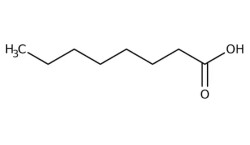
- Candida and yeast overgrowth
- Gut health support
- Antimicrobial
- Digestive health
- Part of ketogenic diets
Caprylic acid is a medium-chain fatty acid found in coconut oil and palm kernel oil that is popularly used for yeast overgrowth and gut health. While laboratory studies show it has antimicrobial activity, strong human evidence for most supplement claims is limited. It is generally considered safe in food amounts, but talk with your pharmacist or doctor before using concentrated supplements.
Other Drugs & Caprylic Acid
Browse every other medication we’ve checked against Caprylic Acid — both the ones with a known interaction and the ones without. Select any drug for the full detail.
No drugs match “”.
261 interactions
- Diclofenac Sodium ›
- Diltiazem ›
- Nifedipine ›
- Ibuprofen ›
- Aspirin ›
- Naproxen ›
- Propranolol ›
- Hydrochlorothiazide ›
- Verapamil ›
- Flurbiprofen ›
- Diclofenac Potassium ›
- Hydralazine ›
- Indomethacin ›
- Salsalate ›
- Etodolac ›
- Ketoprofen ›
- Meloxicam ›
- Trichlormethiazide ›
- Bendroflumethiazide ›
- Lisinopril ›
- Metolazone ›
- Minoxidil ›
- Nicardipine ›
- Prazosin ›
- Spironolactone ›
- Sulindac ›
- Timolol ›
- Tolmetin Sodium ›
- Warfarin Sodium ›
- Acebutolol ›
- Acetazolamide ›
- Ambrisentan ›
- Amiloride ›
- Atenolol ›
- Betaxolol ›
- Bromfenac Sodium ›
- Candesartan Cilexetil ›
- Captopril ›
- Carteolol ›
- Carvedilol ›
- Celecoxib ›
- Chlorthalidone ›
- Cyclothiazide ›
- Diclofenac Epolamine ›
- Enalapril Maleate ›
- Felodipine ›
- Guanethidine Monosulfate ›
- Iloprost ›
- Indapamide ›
- Irbesartan ›
- Ketorolac Tromethamine ›
- Labetalol ›
- Mannitol ›
- Methyclothiazide ›
- Methyldopa ›
- Metoprolol ›
- Nabumetone ›
- Nadolol ›
- Nebivolol ›
- Nepafenac ›
Showing 60 of 261 moderate interactions — see all 261 on the Caprylic Acid page.
No interaction 2,568 drugs checked — show the list
We also checked Caprylic Acid against these medications and found no known interaction in our sources. Open any page to confirm.
- Apixaban ›
- Levothyroxine ›
- Methylphenidate ›
- Sertraline ›
- Testosterone ›
- Ivermectin ›
- Abemaciclib ›
- Acetaminophen ›
- Rosuvastatin ›
- Rivaroxaban ›
- Escitalopram ›
- Clopidogrel ›
- Atorvastatin ›
- Tadalafil ›
- Docusate ›
- Tirzepatide ›
- Methamphetamine ›
- Hydroxyurea ›
- Valacyclovir ›
- Sumatriptan ›
- Semaglutide ›
- Prednisone ›
- Lisdexamfetamine ›
- Metformin ›
- Amitriptyline ›
- Amoxicillin ›
- Isotretinoin ›
- Methotrexate ›
- Bendamustine ›
- Bupropion ›
- Amphetamine ›
- Fluoxetine ›
- Doxycycline ›
- Acyclovir ›
- Azithromycin ›
- Lamotrigine ›
- Pregabalin ›
- Dextroamphetamine ›
- Gabapentin ›
- Acetaminophen, Codeine ›
- Quetiapine ›
- Clonazepam ›
- Levothyroxine, Liothyronine ›
- Omeprazole ›
- Letrozole ›
- Methylene Blue ›
- Duloxetine ›
- Citalopram ›
- Buspirone ›
- Ciprofloxacin ›
- Acetaminophen, Oxycodone ›
- Amoxicillin, Clavulanate Potassium ›
- Diazepam ›
- Dapsone ›
- Acetaminophen, Dextromethorphan, Doxylamine ›
- Cyclopentolate ›
- Atorvastatin Calcium ›
- Cephalexin ›
- Acetaminophen, Caffeine, Codeine ›
- Roxithromycin ›
Showing the 60 most looked-up of 2,568 medications checked with no known interaction — see the full Caprylic Acid list.
Sources & How We Checked
Interaction details are evidence-graded and sourced from the Natural Medicines database. The medication overview comes from MedlinePlus.
- Natural Medicines (Therapeutic Research Center) — Evidence-graded clinical reference for vitamins, herbs and supplements — the basis for our interaction data.
- MedlinePlus, U.S. National Library of Medicine — NIH consumer drug information, used for the medication overviews.
- NIH Dietary Supplement Label Database (DSLD) — Official supplement product labels.
Content is written and reviewed by licensed HelloPharmacist pharmacists. See our data sources and editorial standards for how this information is built and checked.
Parts of this content are provided by the Therapeutic Research Center, LLC.
DISCLAIMER: Currently this does not check for drug-drug interactions. This is not an all-inclusive comprehensive list of potential interactions and is for informational purposes only. Not all interactions are known or well-reported in the scientific literature, and new interactions are continually being reported. Input is needed from a qualified healthcare provider including a pharmacist before starting any therapy. Application of clinical judgment is necessary.
© 2021 Therapeutic Research Center, LLC
Chlorthalidone, Clonidine Is Linked to Lower Levels of 8 Nutrients
Natural Medicines records Chlorthalidone, Clonidine as a medicine that can lower these. This is not an interaction with Caprylic Acid — it is a separate effect of the medicine, and it is a reason some people are advised to supplement rather than to avoid one:
Read the full Chlorthalidone, Clonidine nutrient depletion report ›
Depletion records come from the licensed Natural Medicines database. Do not start a supplement on the strength of this page — ask your pharmacist or doctor whether it applies to you.
Taking Caprylic Acid and Chlorthalidone, Clonidine Together: Common Questions
Can you take Caprylic Acid with Chlorthalidone, Clonidine?
How serious is the Caprylic Acid and Chlorthalidone, Clonidine interaction?
Written and reviewed by the HelloPharmacist editorial staff. Our editorial policy
Still Have a Question About Chlorthalidone, Clonidine and Caprylic Acid?
Our pharmacists answer your medication & supplement questions — free.
This information is for education only and is not a substitute for professional medical advice. Always check with your pharmacist or doctor before starting, stopping, or combining supplements and medications.