
Drug & Supplement Interactions
Phellodendron + Anisindione
Brand name of Anisindione
- Miradon

Medically reviewed by Dr. Brian Staiger, PharmD, BCPS
Also reviewed by the HelloPharmacist Editorial Team
Updated November 2026Details about this page
- Pair last verified Nov 15, 2026
- Dr. Brian Staiger, PharmD, BCPS, is a clinical pharmacist and pharmacotherapy specialist.
- Editorial policy
- Our sources →
AI is used only to summarize verified clinical information, never the open internet. Our AI policy
Theoretically, phellodendron might increase the risk of bleeding when used with anticoagulant or antiplatelet drugs. This interaction is rated moderate.
This also applies to Miradon, a brand name of anisindione.
Read the Full Interaction Report
Dr. Brian Staiger, PharmD, Explains
What This Interaction Means for You
Why it happens, what you might notice and what to do, in plain words.1-minute read
- Moderate
- Possible
- D
Ask a Question About This Combination
Ask in your own words about taking Phellodendron with Anisindione. The answer comes from this page’s own records.
AI answers from this page’s interaction records and our own drug and supplement information, never the open internet. AI can make mistakes, so always check with your doctor or pharmacist. How we use AI
Phellodendron and Anisindione Interaction
Here is the interaction we found between these two, with the evidence behind it.
Phellodendron With Anticoagulant/Antiplatelet Drugs
Why this applies to Anisindione
- The SupplementPhellodendron
- Interacts With the CategoryAnticoagulant/
Antiplatelet Drugs - Which IncludesAnisindione
We sort drugs into categories. Anisindione is in our Anticoagulant/
Interaction Details Explained
Phellodendron contains berberine. In vitro and in vivo research suggest that berberine can inhibit platelet aggregation. Theoretically, phellodendron might also inhibit platelet aggregation.
- Severity
- ModerateUse caution: it may call for monitoring, timing changes or a dose change.
- Likelihood
- PossibleSeen in lab or animal research, or in people only in case reports or mixed results.
- Evidence
- Grade DBased on lab or animal research, not studies in people.
Anisindione (Miradon) is a blood thinner, an older anticoagulant that works much like warfarin to slow how fast your blood clots. Phellodendron, the bark you are asking about, contains a compound called berberine. In lab and animal studies, berberine appears to make platelets (the cells that help blood clot) stickier together less easily. So the worry here is simple: adding it on top of your blood thinner could nudge your bleeding risk a bit higher.
To be fair, this is a theoretical concern based only on lab and animal data, not on real people taking both together, so I don't want to alarm you. Still, because anisindione is already a potent thinner, watch for easy bruising, nosebleeds, bleeding gums, or unusually dark stools. Please check with your pharmacist or doctor before combining them.
Still have a question about this interaction?
Contact Dr. Brian directlyReferences 2 sources behind this record
- Wu, J. F. and Liu, T. P. [Effects of berberine on platelet aggregation and plasma levels of TXB2 and 6-keto-PGF1 alpha in rats with reversible middle cerebral artery occlusion]. Yao Xue.Xue.Bao. 1995;30(2):98-102.
- Tripathi YB and Shukla SD. Berberis artistata inhibits PAF induced aggregation of rabbit platelets. Phytotherapy Research 1996;10:628-630.
Your Whole Routine
Your Other Medicines and Supplements
Phellodendron Also Interacts With Other Medications
Besides Anisindione, Phellodendron has 1,161 moderate known drug interactions in our database. If you take anything else, check it against the full list below.
Check Another of Your Medications Against Phellodendron
We haven’t checked that one against Phellodendron yet — ask our pharmacists directly.
Covers the 2,830 medications we’ve checked against Phellodendron. Pick one to open its full report.
See Every Supplement That Interacts With Anisindione
Take other supplements too? 223 supplements have a documented interaction with Anisindione, each explained on its page.
By severity: 2 major, 196 moderate and 25 minor.
The Most Serious There Right Now:
- Activated Charcoal and AnisindioneMajor
- Piracetam and AnisindioneMajor
- 7,8-benzoflavone and AnisindioneModerate
- Aconite and AnisindioneModerate
- Allspice and AnisindioneModerate
Taking Phellodendron as Part of a Dietary Supplement Product? Check It for Interactions
A product can hold more than Phellodendron. We have broken down 393 supplement products that contain it, ingredient by ingredient. Find yours and we’ll check every ingredient against Anisindione:
Phellodendron Products People Look Up
About Phellodendron
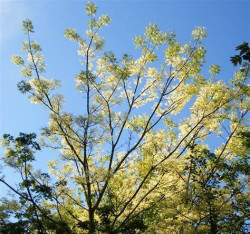
Phellodendron is a traditional Chinese medicine bark (Huang Bai) that contains berberine and other plant compounds with antimicrobial and anti-inflammatory activity in lab studies. Human evidence for most uses is limited, and it is often sold in combination with other herbs, making its individual effects hard to judge. Talk with your pharmacist or doctor before using it, and avoid it during pregnancy and breastfeeding.
More to Explore
More Pairs and Interactions to Check
More Pairs Like Phellodendron and Anisindione
Other drugs in the category this interaction applies to, and other supplements people check with Anisindione.
Also in Our Anticoagulant/Antiplatelet Drugs Category
Phellodendron interacts with every drug in this category, so each of these has the same interaction. The category is about a shared effect, not about being the same kind of medicine.
- ApixabanModerate›
- WarfarinModerate›
- ClopidogrelModerate›
- AspirinModerate›
- Warfarin SodiumModerate›
- RivaroxabanModerate›
Show all 16 drugs in this categoryShow fewer
105 more in this category are on the Phellodendron interactions list.
Other Supplements With Anisindione
The most serious documented interactions with Anisindione first, then supplements with none on record, the most looked-up leading.
- Vitamin EModerate›
- SeleniumModerate›
- GingerModerate›
- TurmericModerate›
- Green TeaModerate›
- CaffeineModerate›
Show all 28 supplementsShow fewer
- Black PepperModerate›
- Alpha-lipoic AcidModerate›
- GrapeModerate›
- BromelainModerate›
- GinkgoModerate›
- MelatoninModerate›
- LycopeneModerate›
- N-acetyl Cysteine (nac)Moderate›
- DandelionModerate›
- CapsicumModerate›
- BasilModerate›
- Bear's GarlicModerate›
- Bishop's WeedModerate›
- BismuthModerate›
- Black CurrantModerate›
- BoldoModerate›
- Vitamin CNo Known Interaction›
- CalciumNo Known Interaction›
- Vitamin B6No Known Interaction›
- Spleen ExtractNo Known Interaction›
- Spotted GeraniumNo Known Interaction›
- SqualamineNo Known Interaction›
Other Drugs & Phellodendron
Browse every other medication we’ve checked against Phellodendron — both the ones with a known interaction and the ones without. Select any drug for the full detail.
No drugs match “”.
Also checked against Phellodendron
Moderate: 1,161 interactions
- Diclofenac Sodium ›
- Diltiazem ›
- Nifedipine ›
- Ibuprofen ›
- Diphenhydramine ›
- Aspirin ›
- Hydrocortisone ›
- Insulin (rdna) ›
- Naproxen ›
- Erythromycin ›
- Estradiol ›
- Minocycline ›
- Propranolol ›
- Lidocaine ›
- Guaifenesin ›
- Hydrochlorothiazide ›
- Norethindrone ›
- Testosterone ›
- Verapamil ›
- Levonorgestrel ›
- Prednisone ›
- Quinidine ›
- Cyclosporine ›
- Dexamethasone ›
- Flurazepam ›
- Glyburide ›
- Insulin (pork) ›
- Triazolam ›
- Zopiclone ›
- Colchicine ›
- Vibegron ›
- Vigabatrin ›
- Vilazodone ›
- Vildagliptin ›
- Vinblastine ›
- Vincristine ›
- Vincristine Sulfate ›
- Vinorelbine ›
- Voclosporin ›
- Vorapaxar ›
- Voriconazole ›
- Voxelotor ›
- Warfarin ›
- Zafirlukast ›
- Zanubrutinib ›
- Ziconotide ›
- Ziprasidone ›
- Zolpidem Tartrate ›
- Zuclopenthizol ›
- Zuranolone ›
- Abiraterone ›
- Irinotecan Hydrochloride ›
- Isavuconazonium Sulfate ›
- Treprostinil ›
- Ethinyl Estradiol and Norethindrone ›
- Chlorpheniramine and Pseudoephedrine ›
- Ethinyl Estradiol and Levonorgestrel ›
- Dextromethorphan and Guaifenesin ›
- Acetaminophen and Hydrocodone ›
- Chlorpheniramine, Methscopolamine, and Phenylephrine ›
Showing 60 of 1,161 moderate interactions — see all 1,161 on the Phellodendron page.
No Interaction 1,668 drugs checked — show the list
We also checked Phellodendron against these medications and found no known interaction in our sources. Open any page to confirm.
- Levothyroxine ›
- Rosuvastatin ›
- Levothyroxine and Liothyronine ›
- Methylphenidate ›
- Ivermectin ›
- Amoxicillin ›
- Acetaminophen ›
- Isotretinoin ›
- Azithromycin ›
- Methotrexate ›
- Bupropion ›
- Doxycycline ›
- Levothyroxine Sodium ›
- Methylene Blue ›
- Hydroxyurea ›
- Docusate ›
- Valacyclovir ›
- Amoxicillin and Clavulanate Potassium ›
- Thyroid Hormone ›
- Acyclovir ›
- Ciprofloxacin ›
- Sumatriptan ›
- Ezetimibe ›
- Paracetamol ›
- Hydroxychloroquine ›
- Metronidazole ›
- Birth Control Pills ›
- Doxycycline Hyclate ›
- Doxycycline Monohydrate ›
- Ethanol ›
- Olezarsen ›
- Olipudase Alfa-rpcp ›
- Olopatadine Hydrochloride ›
- Olsalazine Sodium ›
- Omacetaxine Mepesuccinate ›
- Omadacycline (iv) ›
- Omadacycline (oral) ›
- Omalizumab ›
- Omaveloxolone ›
- Omidenepag Isopropyl ›
- Opicapone ›
- Organophosphate ›
- Oritavancin Diphosphate ›
- Orlistat ›
- Orphenadrine ›
- Oseltamivir Phosphate ›
- Oteseconazole ›
- Ovine Hyaluronidase ›
- Oxacillin ›
- Oxaliplatin ›
- Oxamniquine ›
- Oxandrolone ›
- Oxaprozin ›
- Oxtriphylline ›
- Oxymetazoline Hydrochloride ›
- Oxymethelone ›
- Oxymetholone ›
- Oxyphencyclimine ›
- Oxytetracycline ›
- Oxytocin ›
Showing 60 of the 1,668 medications checked with no known interaction, the most looked-up first — see the full Phellodendron list.
Where Phellodendron and Anisindione Sit Against Everything Else
Out of every supplement and medication people look up on HelloPharmacist, here is where these two land this week — and which way each has been moving.
#149 of 1,458 supplements looked up here in the last 7 days
#1,579 of 2,830 medications looked up here in the last 7 days
A rank of lookups on this site, not of how often either one is used. It counts every visit, automated ones included, and identifies no one.
Questions and Sources
Common Questions and Where This Comes From
Taking Phellodendron and Anisindione Together: Common Questions
Can you take Phellodendron with Anisindione?
Can you take Phellodendron with Miradon?
How serious is the Phellodendron and Anisindione interaction?
Written and reviewed by the HelloPharmacist Editorial Team. Our editorial policy
Sources & How We Checked
Interaction details are evidence-graded and sourced from the Natural Medicines database. The medication overview comes from MedlinePlus.
- Natural Medicines (Therapeutic Research Center) — Evidence-graded clinical reference for vitamins, herbs and supplements — the basis for our interaction data.
- MedlinePlus, U.S. National Library of Medicine — NIH consumer drug information, used for the medication overviews.
- NIH Dietary Supplement Label Database (DSLD) — Official supplement product labels.
Content is reviewed by the HelloPharmacist Editorial Team, the pharmacists on our staff and those we contract. See our data sources and editorial standards for how this information is built and checked.
Parts of this content are provided by the Therapeutic Research Center, LLC.
DISCLAIMER: Currently this does not check for drug-drug interactions. This is not an all-inclusive comprehensive list of potential interactions and is for informational purposes only. Not all interactions are known or well-reported in the scientific literature, and new interactions are continually being reported. Input is needed from a qualified healthcare provider including a pharmacist before starting any therapy. Application of clinical judgment is necessary.
© 2021 Therapeutic Research Center, LLC
What Our Interaction Ratings Mean
Every interaction on this page is rated three ways: how serious it is, how likely it is to happen, and how strong the research behind it is.
See what each rating means
Severity: How Serious Is It?
How clinically significant the interaction is: how much it could affect your health or your treatment.
- MajorClinically significant. Best to avoid the combination, or use only under close professional supervision.
- ModerateBe cautious. The combination may call for monitoring, timing changes, or a dose adjustment.
- MinorLimited clinical concern, but still worth being aware of and mentioning to your pharmacist.
- No Known InteractionNo documented interaction in our sources.
Likelihood: How Likely Is It to Happen?
How strong the proof is that the interaction really happens in people. More filled steps, stronger proof.
- LikelyShown in well-controlled studies in people.
- ProbableShown in small studies in people, or in animal studies backed by case reports.
- PossibleSeen in lab or animal research, or in people only in case reports or mixed results.
- UnlikelySeen in lab or animal research, but shown not to happen in people.
Evidence: How Strong Is the Research?
The quality of the studies behind the rating, graded from A, the strongest, to D.
- Grade AStrong: well-run randomized trials in people, or a review that pooled several of them.
- Grade BFair: smaller or less rigorous trials in people, or studies that followed or compared groups of people.
- Grade CLimited: the agreement or opinion of experts, not studies.
- Grade DWeak: reports of single cases, lab or animal research, or what is expected from how the two work.
Still Have a Question About Phellodendron and Anisindione?
Our pharmacists answer your medication & supplement questions — free.
This information is for education only and is not a substitute for professional medical advice. Always check with your pharmacist or doctor before starting, stopping, or combining supplements and medications.