
Phellodendron + Carvedilol
Carvedilol brand names: Coreg, Coreg CR.
Carvedilol falls into 3 drug categories that Phellodendron can interact with; the most serious is rated moderate. Theoretically, phellodendron might have additive effects with antihypertensive drugs.
Read the full interaction reportPhellodendron and Carvedilol
These two interact in 3 distinct ways. Each one is explained separately below.
Why Are There 3 Interactions?
Phellodendron interacts with whole categories of medication. Carvedilol falls into 3 of those categories, so it can interact with Phellodendron in 3 different ways. We’ve listed each one below — your overall risk is driven by the most serious of them (Moderate).
ANTIHYPERTENSIVE DRUGS
1 of 3Why this applies to Carvedilol
Carvedilol falls under ANTIHYPERTENSIVE DRUGS — the group Phellodendron interacts with.
Phellodendron contains berberine. Animal research suggests that berberine can have hypotensive effects. Also, a clinical study suggests that taking berberine in combination with amlodipine can lower systolic and diastolic blood pressure when compared with amlodipine alone. Theoretically, phellodendron might also reduce blood pressure.
Interaction has been documented in animal or in lab research, or the interaction has been documented in humans but is limited to case reports or conflicting clinical research exists.

Here's the simple version: Carvedilol already lowers your blood pressure and slows your heart rate, and Phellodendron (because of the berberine it contains) may nudge blood pressure down a little on its own. Stacking the two together could add up, so your readings might drop more than expected.
If that happens, you may notice dizziness, lightheadedness, feeling tired, or a slow heartbeat, especially when you stand up quickly. I want to be honest though, this concern is mostly theoretical and based on animal studies plus one trial using berberine with a different blood pressure drug, not Carvedilol itself. It's not a sure thing. Still, since both can affect blood pressure, check with your pharmacist or doctor before combining them, and don't change your Carvedilol on your own.
- Sabir M and Bhide NK. Study of some pharmacological actions of berberine. Ind J Physiol & Pharmac 1971;15(3):111-132.
- Chun YT, Yip TT, Lau KL, and et al. A biochemical study on the hypotensive effect of berberine in rats. Gen Pharmac 1979;10:177-182. PubMed
- Lan J, Zhao Y, Dong F, et al. Meta-analysis of the effect and safety of berberine in the treatment of type 2 diabetes mellitus, hyperlipemia and hypertension. J Ethnopharmacol. 2015;161:69-81. PubMed
CYTOCHROME P450 2D6 (CYP2D6) SUBSTRATES
2 of 3Carvedilol also falls under CYTOCHROME P450 2D6 (CYP2D6) SUBSTRATES.
Phellodendron contains berberine. In vitro research and preliminary clinical evidence show that berberine can inhibit CYP2D6. Theoretically, phellodendron might also inhibit CYP2D6.
Interaction has been documented in animal or in lab research, or the interaction has been documented in humans but is limited to case reports or conflicting clinical research exists.
Here's the gist: your body uses a liver enzyme called CYP2D6 to help break down carvedilol. Phellodendron contains berberine, which lab studies and some early human data suggest can slow that enzyme down. If carvedilol clears more slowly, more of it can hang around in your blood, which could make its effects stronger than expected.
With carvedilol, that might show up as extra low blood pressure, a slower heart rate, dizziness, or feeling more tired or lightheaded, especially when you stand up. The good news is this interaction is mostly theoretical right now, so it isn't a sure thing. Still, since carvedilol works on your heart and blood pressure, don't start or stop anything on your own. Check with your pharmacist or doctor first.
- Chatterjee P, Franklin MR. Human cytochrome p450 inhibition and metabolic-intermediate complex formation by goldenseal extract and its methylenedioxyphenyl components. Drug Metab Dispos 2003;31:1391-7. PubMed
- Guo, Y., Chen, Y., Tan, Z. R., Klaassen, C. D., and Zhou, H. H. Repeated administration of berberine inhibits cytochromes P450 in humans. Eur J Clin Pharmacol 2012;68(2):213-217. PubMed
- Hermann, R. and von, Richter O. Clinical evidence of herbal drugs as perpetrators of pharmacokinetic drug interactions. Planta Med 2012;78(13):1458-1477. PubMed
CYTOCHROME P450 2C9 (CYP2C9) SUBSTRATES
3 of 3Carvedilol also falls under CYTOCHROME P450 2C9 (CYP2C9) SUBSTRATES.
Phellodendron contains berberine. Preliminary clinical research shows that berberine can inhibit CYP2C9. Theoretically, phellodendron might also inhibit CYP2C9.
Interaction has been documented in animal or in lab research, or the interaction has been documented in humans but is limited to case reports or conflicting clinical research exists.
Here's the simple version. Your body uses a liver enzyme called CYP2C9 to help break down carvedilol. Phellodendron contains berberine, and early research hints that berberine may slow that enzyme down. If that happens, carvedilol could clear out a little more slowly and build up in your blood, making its effects stronger.
Carvedilol is not a prodrug, so more of it in your system means more of its usual actions: lower blood pressure, a slower heart rate, and possibly more dizziness, lightheadedness, or fatigue. I want to be honest though, this concern is theoretical and based on how the enzyme works, not solid human studies. It's still worth mentioning to your pharmacist or doctor before you combine them so they can keep an eye on your blood pressure and pulse.
- Guo, Y., Chen, Y., Tan, Z. R., Klaassen, C. D., and Zhou, H. H. Repeated administration of berberine inhibits cytochromes P450 in humans. Eur J Clin Pharmacol 2012;68(2):213-217. PubMed
What These Ratings Mean
Every interaction above is graded three ways — here’s the key to each label.
Clinically significant. Avoid the combination, or use only under close professional supervision.
Usually worth avoiding or managing — may need monitoring, a dose change, or timing apart.
Generally not serious. Be aware of it and mention it to your pharmacist.
- LikelyWell-controlled human studies have demonstrated the likely existence of this interaction.
- ProbableInteraction has not been documented in well-controlled studies, however, the interaction has been demonstrated in some small human studies or in controlled animal studies in conjunction with multiple case reports.
- PossibleInteraction has been documented in animal or in lab research, or the interaction has been documented in humans but is limited to case reports or conflicting clinical research exists.
- UnlikelyInteraction has been demonstrated in animal or in lab research but has been shown not to occur in humans.
- AHigh-quality meta-analysis (quantitative systematic review).
- BCase-control study.
- CConsensus.
- DAnecdotal evidence.
These ratings are for information only. Never start, stop, or otherwise change your therapy before speaking with your provider.
Phellodendron Also Interacts With Other Medications
Phellodendron has 1,161 moderate known drug interactions in our database — the Carvedilol one above is among them. If you take anything else, check it against the full list below.
Check Another of Your Medications Against Phellodendron
We haven’t checked that one against Phellodendron yet — ask our pharmacists directly.
Covers the 2,830 medications we’ve checked against Phellodendron. Pick one to open its full report.
Questions About Phellodendron or Carvedilol
These are real questions from readers, answered by the pharmacists at HelloPharmacist — written by a person, not generated from a database. Each one covers Phellodendron or Carvedilol, not necessarily both, but if one is close to what you were about to ask it will usually go further than a database entry can:
- Can You Take Coreg With Sea Moss? ›
- Does Lemon Verbena Interact With Coreg (Carvedilol)? ›
- Is Amoxicillin Safe With Losartan, Carvedilol And Prasugrel? ›
Not quite your question? Ask our pharmacists directly — it is free, there is no account required, and answers usually come back within 24 hours.
See Every Supplement That Interacts With Carvedilol
This page covers Phellodendron only. If you take other supplements — a multivitamin, a sleep aid, something for joints — the Carvedilol page lists 211 supplements it has a documented interaction with, worst first, each one explained.
The most serious there right now: Activated Charcoal (major), American Hellebore (major), American Mistletoe (major), Grapefruit (major) and Indian Snakeroot (major).
By severity: 6 major · 171 moderate · 34 minor.
From our pharmacist’s overview on the Carvedilol page
“People take carvedilol (Coreg) for heart failure and high blood pressure, conditions where a sudden swing in pressure or heart rate matters, and its supplement list runs to 211 ingredients, so this one calls for genuine care. More than half of those entries lower blood pressure on their own, fish oil and celery seed among them, and can…”
Reviewed by 2 · Jul 18, 2026
Taking Phellodendron as Part of a Dietary Supplement Product? Check It for Interactions
We hold 393 real supplement products containing Phellodendron, each one broken down to its full ingredient list — and combination products often carry several ingredients besides Phellodendron. Your product may carry other ingredients that interact with Carvedilol too, on top of Phellodendron — and those would not show on this page. Find your product and we’ll check every ingredient on its label:
Where Phellodendron and Carvedilol Sit Against Everything Else
Out of every supplement and medication people look up on HelloPharmacist, here is where these two land this week — and which way each has been moving.
#263 of 1,452 supplements looked up here in the last 7 days
#587 of 2,830 medications looked up here in the last 7 days
Position among everything looked up on this site, not a measure of how commonly either one is used or how important it is. A supplement can climb this list because of a news story. It counts every request to the page, automated ones included, and nothing here identifies anyone.
About Phellodendron
What is Phellodendron?
- Digestive complaints and diarrhea
- Inflammation and joint discomfort
- Stress and weight management (in combination products)
- Skin conditions (topical, traditional)
- Antimicrobial support
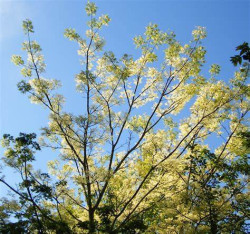
Phellodendron is a traditional Chinese medicine bark (Huang Bai) that contains berberine and other plant compounds with antimicrobial and anti-inflammatory activity in lab studies. Human evidence for most uses is limited, and it is often sold in combination with other herbs, making its individual effects hard to judge. Talk with your pharmacist or doctor before using it, and avoid it during pregnancy and breastfeeding.
About Carvedilol
What Is Carvedilol Used For?
Brand names: Coreg, Coreg CR
Carvedilol is used to treat three main conditions: mild to severe chronic heart failure, high blood pressure (hypertension), and left ventricular dysfunction (reduced pumping ability of the heart's main chamber) in people who have survived a heart attack. For heart failure, it is typically used alongside other medications such as diuretics, ACE inhibitors, and digitalis to help improve survival and reduce hospital stays.
For people who have had a heart attack with reduced heart function, carvedilol is used to lower the risk of dying from cardiovascular causes. For high blood pressure, it can be used alone or combined with other blood pressure medications.
Other Drugs & Phellodendron
Browse every other medication we’ve checked against Phellodendron — both the ones with a known interaction and the ones without. Select any drug for the full detail.
No drugs match “”.
1,161 interactions
- Diclofenac Sodium ›
- Diltiazem ›
- Nifedipine ›
- Ibuprofen ›
- Diphenhydramine ›
- Aspirin ›
- Hydrocortisone ›
- Insulin (rdna) ›
- Naproxen ›
- Erythromycin ›
- Estradiol ›
- Minocycline ›
- Propranolol ›
- Lidocaine ›
- Guaifenesin ›
- Hydrochlorothiazide ›
- Norethindrone ›
- Testosterone ›
- Verapamil ›
- Levonorgestrel ›
- Prednisone ›
- Quinidine ›
- Cyclosporine ›
- Dexamethasone ›
- Flurazepam ›
- Glyburide ›
- Insulin (pork) ›
- Triazolam ›
- Zopiclone ›
- Colchicine ›
- Fentanyl ›
- Flurbiprofen ›
- Oxybutynin ›
- Oxycodone ›
- Phenytoin ›
- Prednisolone ›
- Tacrolimus ›
- Temazepam ›
- Budesonide ›
- Carbamazepine ›
- Clindamycin ›
- Dextromethorphan ›
- Diclofenac Potassium ›
- Dipyridamole ›
- Doxorubicin ›
- Fluticasone ›
- Formoterol ›
- Hydralazine ›
- Indomethacin ›
- Insulin (human) ›
- Miconazole ›
- Morphine Sulfate ›
- Nitrazepam ›
- Trimipramine ›
- Amphetamine ›
- Buprenorphine ›
- Conjugated Estrogens ›
- Diazepam ›
- Everolimus ›
- Ivabradine ›
Showing 60 of 1,161 moderate interactions — see all 1,161 on the Phellodendron page.
No interaction 1,668 drugs checked — show the list
We also checked Phellodendron against these medications and found no known interaction in our sources. Open any page to confirm.
- Levothyroxine ›
- Methylphenidate ›
- Ivermectin ›
- Rosuvastatin ›
- Acetaminophen ›
- Isotretinoin ›
- Levothyroxine, Liothyronine ›
- Docusate ›
- Sumatriptan ›
- Valacyclovir ›
- Hydroxyurea ›
- Amoxicillin ›
- Methotrexate ›
- Bupropion ›
- Azithromycin ›
- Doxycycline ›
- Acyclovir ›
- Bendamustine ›
- Methylene Blue ›
- Ciprofloxacin ›
- Amoxicillin, Clavulanate Potassium ›
- Calcium Oxybate, Magnesium Oxybate, Potassium Oxybate, Sodium Oxybate ›
- Ezetimibe ›
- Bismuth Subcarbonate, Calcium Carbonate, Opium ›
- Cephalexin ›
- Acetaminophen, Brompheniramine, Phenylpropanolamine ›
- Cyclopentolate ›
- Levodopa ›
- Isoniazid, Pyrazinamide, Rifampin ›
- Daunorubicin, Cytarabine ›
- Hydrocortisone, Clioquinol, Pramoxine ›
- Carbidopa, Levodopa ›
- Sodium Bicarbonate (otc Drug) ›
- Ephedrine Sulfate, Hydroxyzine, Theophylline ›
- Efgartigimod Alfa-fcab ›
- Ceftolozane Sulfate, Tazobactam Sodium ›
- Thyroid Hormone ›
- Cytomegalovirus Immune Globulin ›
- Alginic Acid, Aluminum Hydroxide ›
- Measles, Mumps, Rubella Virus Live ›
- Aminolevulinic Acid Hydrochloride ›
- Pyrilamine Maleate ›
- Peginterferon Alfa-2a, Ribavirin ›
- Atropine Methyl Nitrate, Digestive Enzymes ›
- Vestronidase Alfa-vjbk ›
- Acetaminophen, Phenylpropanolamine, Phenyltoloxamine ›
- Glycerol Phenylbutyrate ›
- Psyllium , Senna (otc Drug) ›
- Sulfadiazine, Trimethoprim ›
- Neomycin, Polymyxin B, Gramicidin ›
- Lonapegsomatropin-tcgd ›
- Levothyroxine Sodium ›
- Acetaminophen, Butalbital ›
- Tubocurarine ›
- Charcoal (otc Drug) ›
- Human Papillomavirus Vaccine ›
- Daxibotulinumtoxina-lanm ›
- Acetaminophen, Phenyltoloxamine, Salicylamide ›
- Imipenem, Cilastatin, Relebactam ›
- Delafloxacin (oral) ›
Showing the 60 most looked-up of 1,668 medications checked with no known interaction — see the full Phellodendron list.
Sources & How We Checked
Interaction details are evidence-graded and sourced from the Natural Medicines database. The medication overview comes from MedlinePlus.
- Natural Medicines (Therapeutic Research Center) — Evidence-graded clinical reference for vitamins, herbs and supplements — the basis for our interaction data.
- MedlinePlus, U.S. National Library of Medicine — NIH consumer drug information, used for the medication overviews.
- NIH Dietary Supplement Label Database (DSLD) — Official supplement product labels.
Content is written and reviewed by licensed HelloPharmacist pharmacists. See our data sources and editorial standards for how this information is built and checked.
Parts of this content are provided by the Therapeutic Research Center, LLC.
DISCLAIMER: Currently this does not check for drug-drug interactions. This is not an all-inclusive comprehensive list of potential interactions and is for informational purposes only. Not all interactions are known or well-reported in the scientific literature, and new interactions are continually being reported. Input is needed from a qualified healthcare provider including a pharmacist before starting any therapy. Application of clinical judgment is necessary.
© 2021 Therapeutic Research Center, LLC
Carvedilol Is Linked to Lower Levels of One Nutrient
Natural Medicines records Carvedilol as a medicine that can lower these. This is not an interaction with Phellodendron — it is a separate effect of the medicine, and it is a reason some people are advised to supplement rather than to avoid one:
Read the full Carvedilol nutrient depletion report ›
Depletion records come from the licensed Natural Medicines database. Do not start a supplement on the strength of this page — ask your pharmacist or doctor whether it applies to you.
Taking Phellodendron and Carvedilol Together: Common Questions
Can you take Phellodendron with Carvedilol?
Why are there 3 interactions listed for Phellodendron and Carvedilol?
How serious is the Phellodendron and Carvedilol interaction?
Written and reviewed by the HelloPharmacist editorial staff. Our editorial policy
Still Have a Question About Carvedilol and Phellodendron?
Our pharmacists answer your medication & supplement questions — free.
This information is for education only and is not a substitute for professional medical advice. Always check with your pharmacist or doctor before starting, stopping, or combining supplements and medications.