
Go Blue Raspberry Ingredients & Drug Interactions
by EXT
What is this page for?
First and foremost: checking Go Blue Raspberry against your medications. The heart of this page is the interaction checker and the full interaction report — how this product’s ingredients may interact with prescription and over-the-counter medicines you may be taking.
Around that, we add a pharmacist’s high-level view of the product as a whole — what’s inside, the evidence for its stated use, how transparent the label is, and what safety data exists — so you can see the full picture in one place. It’s educational information from our licensed clinical databases and the clinical staff at HelloPharmacist — not medical advice — and we don’t sell or endorse products. Our editorial policy
Go Blue Raspberry is a dietary supplement by EXT with 12 active ingredients. Its ingredients are commonly taken for high cholesterol, vitamin b3 deficiency (pellagra), heart health support.Based on those ingredients, 1,517 medications have a known interaction with it, the most serious rated major. The ingredients most likely to interact are Plumbago zeylanica, Rauwolfia serpentina, Niacin. Use the checker below to test your specific medication, or read the full HelloPharmacist Interaction Report.
Check Your Meds Against Go Blue Raspberry by EXT
Ask about any prescription or over-the-counter medication and we check it for interactions with Go Blue Raspberry by EXT — and tell you which ingredient is responsible.
AI summaries are generated from our interaction database for education only — always confirm with your pharmacist. How we use AI
Ask the Pharmacist
A licensed pharmacist will answer your question by email — free, usually within 24 hours.
Got it — thank you!
A licensed pharmacist will answer within 24 hours. Keep an eye on your email (worth checking spam, just in case).
HelloPharmacist Scorecard of Go Blue Raspberry by EXT
Four independent checks of what is known — a summary of the available information, not a grade of the product itself.
By FDA rules, dietary supplements can’t claim to treat, cure, or prevent disease — so labels speak in careful marketing language. We discern each product’s intended use from its name, label claims, and label statements, then grade the clinical evidence for that use. How these ratings are computed
The stated purpose hasn't been mapped to our evidence data yet.
Why this rating?
- We haven't mapped this product's purpose to our evidence data yet — it'll be graded on the next content refresh.
Most active ingredients don't disclose an individual amount — you can't tell how much of each you're getting.
Why this rating?
- The label discloses an exact amount for 1 of its 11 active ingredients.
- “GO(TM) MATRIX (Proprietary blend)” is a proprietary blend — the label gives one combined amount (3,635 mg) without saying how much of each component you get.
At least one ingredient has a documented Major-severity interaction. Check your medications for a personalized result.
Why this rating?
- 7 of the 10 matched ingredients can interact with medications — Indian Snakeroot, Glutamine, Niacin, Taurine, Glycine, among others.
- The most serious interaction on file is rated Major.
- Some involve high-stakes drug classes: anticoagulant / antiplatelet drugs; seizure medications; immunosuppressants / transplant drugs; diabetes medications; heart-rhythm medications; lithium; Parkinson's medications.
- For scale: 1,518 individual medications appear in the full list. A big number alone doesn't make a product dangerous — what matters is whether YOUR medication is on it, so run yours through the interaction checker on this page.
Adverse-effect, pregnancy, and general safety data are on file for most of these ingredients.
Why this rating?
- We hold adverse-effect (side-effect) data for 9 of the 10 matched ingredients.
- Pregnancy & breastfeeding safety ratings cover 10 of 10.
- General safety write-ups exist for 10 of 10.
- Remember: this measures how much safety information exists. Thin data is not the same as being safe.
HelloPharmacist summaryFormula with limited ingredient disclosure with no assessable stated purpose. Major medication interactions have been identified, and safety information is well characterized.
Assessment coverage: 10 of 11 active ingredients matched to our full ingredient reviews (monographs). Based on the product label dated Mar 25, 2013.
This Scorecard evaluates available label information, ingredient evidence, and known medication-safety considerations. It does not independently verify product identity, purity, potency, contamination, or manufacturing quality. How these ratings are computed
General information
Key facts about Go Blue Raspberry, straight from the product label.
| Brand | EXT |
|---|---|
| Barcode (UPC) | 851780003985 |
| Net contents | 5.29 oz.; 150 g; 30 Serving(s) |
| Market status | Off market |
| Date entered into DSLD | Mar 25, 2013 |
| DSLD ID | 19224 |
| Product type | Other Combinations |
| Supplement form | Powder |
| Dietary claims / uses | All Other, Structure/Function |
| Intended target group(s) | Adult (18 - 50 Years) |
Everything in this section is reproduced from the manufacturer’s own product label — it’s the label speaking, not HelloPharmacist. We show it so you can see exactly what the maker states; we don’t verify or endorse those statements.
Supplement Facts
The label details for Go Blue Raspberry by EXT, sourced from the NIH Dietary Supplement Label Database.
Supplement Facts
| Ingredient | Amount | % DV |
|---|---|---|
| Calories | 6 {Calories} | -- |
| Total Carbohydrates | 1.5 g | 1% |
| Sugar | 0 g | -- |
| Glycine | 0 NP | -- |
| Niacin | 30 mg | 150% |
| L-Taurine | 0 NP | -- |
| CarnoSyn | 0 NP | -- |
| Creatine | 0 NP | -- |
| Psoralea corylifolia | 0 NP | -- |
| L-Citrulline | 0 NP | -- |
| GO(TM) MATRIX (Proprietary blend) | 3635 mg | -- |
| Plumbago zeylanica | 0 NP | -- |
| Iris germanica | 0 NP | -- |
| Glutamine | 0 NP | -- |
| Rauwolfia serpentina | 0 NP | -- |
Other ingredients: Maltodextrin, Natural & Artificial flavors, Silica, Citric Acid, Sucralose, Acesulfame-K, FD&C Blue No. 1
Tap any ingredient to jump to its full detail below.
These statements are the manufacturer’s wording, reproduced from the product label — the label is saying it, not HelloPharmacist. We don’t verify or endorse them.
General Statements
It is a throwback to the days when“building muscle” was more important than aimless based energy.
PERFORMANCE PRE-TRAINING POWDER*^
Natural & Artificial Flavors
WORKOUT - ENERGY*^, PUMP*^, MUSCLE*^, STRENGTH*^, DEFINITION*^, VASCULARITY*^, FOCUS*^.
Its potent micro-dosed CNS properties may promote significant results fast.*^
5 GRAMS Per Scoop
FEEL THE BUZZ
STRENGTH - ENERGY - PERFORMANCE - FOCUS - PUMP
^When combined with a proper exercise and nutrition regimen. Statements based on early-stage independent 3rd party in vivo and / or in vitro model scientific research data findings.
To report an adverse event or for more information call: 954.284.3387 (tel)
Brand IP Statement(s)
GO(TM) is geared towards anyone that wants to power through their training sessions like nothing ever that came before it. Before you even think that GO(TM) won’t get you buzzed, think again. GO(TM) is an overwhelming Energetic, Muscle Building, “no holds bar” training formula.^* READY. SET. GO(TM)!
GO(TM) is a selective exercise antagonist.
Licensed under one or more of U.S. Pat. Nos. 5,965,596, 6,426,361, 7,504,376 and 8,067,381, each of which is owned by Natural Alternatives International, Inc. (NAI). NAI is also the owner of the registered trademark CarnoSyn(R)
GO(TM) is a Monumental Muscle Building Pre-Exercise Powder.
Suggested/Recommended/Usage/Directions
Please read entire label before use. Suggested Use: Use on training days only. Take one (1) serving (1 scoop) approximately 15-30 minutes prior to training, blended into 6-8 ounces of cold water or beverage, or as suggested by a qualified healthcare practitioner. Important Note(s): Do not exceed one (1) serving (1 scoop) per training day. Avoid eating food or drinking a protein shake within an hour after consuming GO(TM). To avoid sleeplessness, do not take within four (4) hours of bedtime. Taking GO(TM) with food, or on a full stomach, may diminish its effects. Many individuals notice the initial energy, mental focus, and volumizing effects within just 5-15 minutes of ingestion, with a progressive increase every few minutes thereafter. Others may begin to notice initial signs within 30-45 minutes of ingestion.
Precautions
Warnings: Not intended for use by persons under age 18.
Please read the warning on the back of this label carefully before consumption.
Do not exceed recommended dose. Do not take for more than eight (8) consecutive weeks.
This product should not be taken by pregnant or lactating women. Get the consent of a licensed physician before using this product, especially if you are taking medication, have a medical condition, or thinking about becoming pregnant.
KEEP THIS PRODUCT AND ALL SUPPLEMENTS OUT OF THE REACH OF CHILDREN.
Caffeine Warning: The recommended serving of this product contains approximately as much caffeine as three cups of coffee. Do not consume caffeine, or combine with synephrine from other sources, including but not limited to coffee, tea, soda and other dietary supplements or medications containing phenylephrine or caffeine. Too much caffeine may cause nervousness, irritability, sleeplessness, and occasionally rapid heartbeat. Discontinue use if you experience dizziness, severe headache, rapid heartbeat or shortness of breath.
FDA Statement of Identity
DIETARY SUPPLEMENT
FDA Disclaimer Statement
* THESE STATEMENTS HAVE NOT BEEN EVALUATED BY THE FOOD AND DRUG ADMINISTRATION. THIS PRODUCT IS NOT INTENDED TO DIAGNOSE, TREAT, CURE, OR PREVENT ANY DISEASE.
Seals/Symbols
CarnoSyn(R) Carnosine Synthesizer
General
Rev. 01-001-GOP003 05/12
Is this label outdated? Report a formula or label change and our pharmacy team will review it.
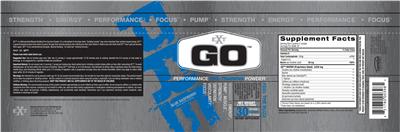
Go Blue Raspberry by EXT label
The label scan from the NIH Dietary Supplement Label Database. Tap to enlarge.
Label images are published by the NIH Dietary Supplement Label Database for the version of this product on file. Always read your actual product label.
View the full label (PDF)The Ingredients in Go Blue Raspberry by EXT
These are the 12 active ingredients this product is made of. Select any to open its full monograph.
Serving size5 Gram(s) Dosage formPowder Servings per container30 Amounts shown are per serving.
Most supplement products combine several ingredients, and a medication can interact with the product through any one of them. Each ingredient below shows whether it has known drug interactions.
Sugar
Niacin
Interacts with727 drugs
Niacin (vitamin B3) is an essential nutrient your body needs for energy and metabolism, and deficiency is uncommon in most developed countries. Prescr...
Niacin monograph & interactionsGO(TM) MATRIX (Proprietary blend)
- › Glycine
- › L-Taurine
- › CarnoSyn
- › Creatine
- › Psoralea corylifolia
- › L-Citrulline
- › Plumbago zeylanica
- › Iris germanica
- › Glutamine
- › Rauwolfia serpentina
Other (inactive) ingredients: Maltodextrin, Natural & Artificial flavors, Silica, Citric Acid, Sucralose, Acesulfame-K, FD&C Blue No. 1. These complete the product’s ingredient list but are not active constituents.
Go Blue Raspberry by EXT Drug Interactions
Go Blue Raspberry contains 12 ingredients, and 7 of them have known drug interactions. Altogether they interact with 1,517 medications. Here’s the picture, then you can look up your own drug.
Want to check YOUR meds against Go Blue Raspberry?
Ask about interactions with your drugs in plain English — “Can I take it with lisinopril?” — and we find you the answer in seconds, ingredient by ingredient.
Go to the checkerIngredients driving the most interactions
Individual Drug Interactions
The ingredients in Go Blue Raspberry interact with 1,517 drugs. Click any drug to see the details.
7 of the 12 ingredients in Go Blue Raspberry interact with drugs. Each result below shows which ingredient is responsible. Plumbago zeylanica Rauwolfia serpentina Niacin L-Citrulline L-Taurine Glutamine Glycine
Dorzolamide, TimololCosopt
How Dorzolamide, Timolol interacts with Go Blue Raspberry — through 2 ingredients. Tap an ingredient for the detail:
Rauwolfia SerpentinaBeta-blockers, Cytochrome P450 2d6 (cyp2d6) Substrates Major
Interaction Summary
Theoretically, taking Indian snakeroot with beta-blockers might increase the risk of bradycardia and/or hypotension.
Read the full Rauwolfia Serpentina + Dorzolamide, Timolol interactionPlumbago ZeylanicaCytochrome P450 2d6 (cyp2d6) Substrates Moderate
Interaction Summary
Plumbagin, a constituent of Ceylon leadwort, has been shown to inhibit cytochrome P450 2D6 (CYP2D6) in vitro.
Read the full Plumbago Zeylanica + Dorzolamide, Timolol interactionEsmololBrevibloc
How Esmolol interacts with Go Blue Raspberry — through 4 ingredients. Tap an ingredient for the detail:
Rauwolfia SerpentinaBeta-blockers, Antihypertensive Drugs Major
Interaction Summary
Theoretically, taking Indian snakeroot with beta-blockers might increase the risk of bradycardia and/or hypotension.
Read the full Rauwolfia Serpentina + Esmolol interactionNiacinAntihypertensive Drugs Moderate
Interaction Summary
Theoretically, niacin may increase the risk of hypotension when used with antihypertensive drugs.
Read the full Niacin + Esmolol interactionL-taurineAntihypertensive Drugs Moderate
Interaction Summary
Theoretically, taurine might increase the risk of hypotension when taken with antihypertensive drugs.
Read the full L-taurine + Esmolol interactionL-citrullineAntihypertensive Drugs Moderate
Interaction Summary
Theoretically, concomitant use of L-citrulline with antihypertensive drugs might have additive effects and increase the chance of hypotension.
Read the full L-citrulline + Esmolol interactionFlupenthixolFluanxol
How Flupenthixol interacts with Go Blue Raspberry — through 2 ingredients. Tap an ingredient for the detail:
Rauwolfia SerpentinaCytochrome P450 2d6 (cyp2d6) Substrates, Cns Depressants +1 Major
Interaction Summary
Theoretically, Indian snakeroot might inhibit CYP2D6 enzymes and reduce the metabolism of CYP2D6 substrates.
Read the full Rauwolfia Serpentina + Flupenthixol interactionPlumbago ZeylanicaCytochrome P450 2d6 (cyp2d6) Substrates, Immunosuppressants Moderate
Interaction Summary
Plumbagin, a constituent of Ceylon leadwort, has been shown to inhibit cytochrome P450 2D6 (CYP2D6) in vitro.
Read the full Plumbago Zeylanica + Flupenthixol interactionFluphenazineFluphenazine, Permitil, Prolixin
How Fluphenazine interacts with Go Blue Raspberry — through 2 ingredients. Tap an ingredient for the detail:
Rauwolfia SerpentinaAntipsychotic Drugs, Cytochrome P450 2d6 (cyp2d6) Substrates Major
Interaction Summary
Theoretically, concomitant use might increase the risk of adverse effects.
Read the full Rauwolfia Serpentina + Fluphenazine interactionPlumbago ZeylanicaCytochrome P450 2d6 (cyp2d6) Substrates Moderate
Interaction Summary
Plumbagin, a constituent of Ceylon leadwort, has been shown to inhibit cytochrome P450 2D6 (CYP2D6) in vitro.
Read the full Plumbago Zeylanica + Fluphenazine interactionHaloperidolHaldol
How Haloperidol interacts with Go Blue Raspberry — through 2 ingredients. Tap an ingredient for the detail:
Rauwolfia SerpentinaCytochrome P450 2d6 (cyp2d6) Substrates, Antipsychotic Drugs Major
Interaction Summary
Theoretically, Indian snakeroot might inhibit CYP2D6 enzymes and reduce the metabolism of CYP2D6 substrates.
Read the full Rauwolfia Serpentina + Haloperidol interactionPlumbago ZeylanicaCytochrome P450 1a2 (cyp1a2) Substrates, Cytochrome P450 2d6 (cyp2d6) Substrates +1 Moderate
Interaction Summary
Plumbagin, a constituent of Ceylon leadwort, has been shown to inhibit cytochrome P450 1A2 (CYP1A2) in vitro.
Read the full Plumbago Zeylanica + Haloperidol interactionHydrochlorothiazide, LabetalolTrandate HCT
How Hydrochlorothiazide, Labetalol interacts with Go Blue Raspberry — through 4 ingredients. Tap an ingredient for the detail:
Rauwolfia SerpentinaBeta-blockers, Antihypertensive Drugs Major
Interaction Summary
Theoretically, taking Indian snakeroot with beta-blockers might increase the risk of bradycardia and/or hypotension.
Read the full Rauwolfia Serpentina + Hydrochlorothiazide, Labetalol interactionNiacinHepatotoxic Drugs, Antihypertensive Drugs Moderate
Interaction Summary
Theoretically, concomitant use of niacin and hepatotoxic drugs might increase the risk of hepatotoxicity.
Read the full Niacin + Hydrochlorothiazide, Labetalol interactionL-taurineAntihypertensive Drugs Moderate
Interaction Summary
Theoretically, taurine might increase the risk of hypotension when taken with antihypertensive drugs.
Read the full L-taurine + Hydrochlorothiazide, Labetalol interactionL-citrullineAntihypertensive Drugs Moderate
Interaction Summary
Theoretically, concomitant use of L-citrulline with antihypertensive drugs might have additive effects and increase the chance of hypotension.
Read the full L-citrulline + Hydrochlorothiazide, Labetalol interactionHydrochlorothiazide, MetoprololLopressor HCT
How Hydrochlorothiazide, Metoprolol interacts with Go Blue Raspberry — through 5 ingredients. Tap an ingredient for the detail:
Rauwolfia SerpentinaCytochrome P450 2d6 (cyp2d6) Substrates, Beta-blockers +1 Major
Interaction Summary
Theoretically, Indian snakeroot might inhibit CYP2D6 enzymes and reduce the metabolism of CYP2D6 substrates.
Read the full Rauwolfia Serpentina + Hydrochlorothiazide, Metoprolol interactionNiacinAntihypertensive Drugs Moderate
Interaction Summary
Theoretically, niacin may increase the risk of hypotension when used with antihypertensive drugs.
Read the full Niacin + Hydrochlorothiazide, Metoprolol interactionL-taurineAntihypertensive Drugs Moderate
Interaction Summary
Theoretically, taurine might increase the risk of hypotension when taken with antihypertensive drugs.
Read the full L-taurine + Hydrochlorothiazide, Metoprolol interactionL-citrullineAntihypertensive Drugs Moderate
Interaction Summary
Theoretically, concomitant use of L-citrulline with antihypertensive drugs might have additive effects and increase the chance of hypotension.
Read the full L-citrulline + Hydrochlorothiazide, Metoprolol interactionPlumbago ZeylanicaCytochrome P450 2d6 (cyp2d6) Substrates Moderate
Interaction Summary
Plumbagin, a constituent of Ceylon leadwort, has been shown to inhibit cytochrome P450 2D6 (CYP2D6) in vitro.
Read the full Plumbago Zeylanica + Hydrochlorothiazide, Metoprolol interactionHydrochlorothiazide, PindololViskazide
How Hydrochlorothiazide, Pindolol interacts with Go Blue Raspberry — through 5 ingredients. Tap an ingredient for the detail:
Rauwolfia SerpentinaBeta-blockers, Antihypertensive Drugs +1 Major
Interaction Summary
Theoretically, taking Indian snakeroot with beta-blockers might increase the risk of bradycardia and/or hypotension.
Read the full Rauwolfia Serpentina + Hydrochlorothiazide, Pindolol interactionNiacinAntihypertensive Drugs Moderate
Interaction Summary
Theoretically, niacin may increase the risk of hypotension when used with antihypertensive drugs.
Read the full Niacin + Hydrochlorothiazide, Pindolol interactionL-taurineAntihypertensive Drugs Moderate
Interaction Summary
Theoretically, taurine might increase the risk of hypotension when taken with antihypertensive drugs.
Read the full L-taurine + Hydrochlorothiazide, Pindolol interactionL-citrullineAntihypertensive Drugs Moderate
Interaction Summary
Theoretically, concomitant use of L-citrulline with antihypertensive drugs might have additive effects and increase the chance of hypotension.
Read the full L-citrulline + Hydrochlorothiazide, Pindolol interactionPlumbago ZeylanicaCytochrome P450 2d6 (cyp2d6) Substrates Moderate
Interaction Summary
Plumbagin, a constituent of Ceylon leadwort, has been shown to inhibit cytochrome P450 2D6 (CYP2D6) in vitro.
Read the full Plumbago Zeylanica + Hydrochlorothiazide, Pindolol interactionHydrochlorothiazide, PropranololInderide
How Hydrochlorothiazide, Propranolol interacts with Go Blue Raspberry — through 5 ingredients. Tap an ingredient for the detail:
Rauwolfia SerpentinaCytochrome P450 2d6 (cyp2d6) Substrates, Beta-blockers +1 Major
Interaction Summary
Theoretically, Indian snakeroot might inhibit CYP2D6 enzymes and reduce the metabolism of CYP2D6 substrates.
Read the full Rauwolfia Serpentina + Hydrochlorothiazide, Propranolol interactionPlumbago ZeylanicaCytochrome P450 2d6 (cyp2d6) Substrates, Cytochrome P450 1a2 (cyp1a2) Substrates Moderate
Interaction Summary
Plumbagin, a constituent of Ceylon leadwort, has been shown to inhibit cytochrome P450 2D6 (CYP2D6) in vitro.
Read the full Plumbago Zeylanica + Hydrochlorothiazide, Propranolol interactionL-taurineAntihypertensive Drugs Moderate
Interaction Summary
Theoretically, taurine might increase the risk of hypotension when taken with antihypertensive drugs.
Read the full L-taurine + Hydrochlorothiazide, Propranolol interactionL-citrullineAntihypertensive Drugs Moderate
Interaction Summary
Theoretically, concomitant use of L-citrulline with antihypertensive drugs might have additive effects and increase the chance of hypotension.
Read the full L-citrulline + Hydrochlorothiazide, Propranolol interactionNiacinAntihypertensive Drugs Moderate
Interaction Summary
Theoretically, niacin may increase the risk of hypotension when used with antihypertensive drugs.
Read the full Niacin + Hydrochlorothiazide, Propranolol interactionHydrochlorothiazide, TimololTimolide
How Hydrochlorothiazide, Timolol interacts with Go Blue Raspberry — through 5 ingredients. Tap an ingredient for the detail:
Rauwolfia SerpentinaCytochrome P450 2d6 (cyp2d6) Substrates, Beta-blockers +1 Major
Interaction Summary
Theoretically, Indian snakeroot might inhibit CYP2D6 enzymes and reduce the metabolism of CYP2D6 substrates.
Read the full Rauwolfia Serpentina + Hydrochlorothiazide, Timolol interactionL-taurineAntihypertensive Drugs Moderate
Interaction Summary
Theoretically, taurine might increase the risk of hypotension when taken with antihypertensive drugs.
Read the full L-taurine + Hydrochlorothiazide, Timolol interactionL-citrullineAntihypertensive Drugs Moderate
Interaction Summary
Theoretically, concomitant use of L-citrulline with antihypertensive drugs might have additive effects and increase the chance of hypotension.
Read the full L-citrulline + Hydrochlorothiazide, Timolol interactionPlumbago ZeylanicaCytochrome P450 2d6 (cyp2d6) Substrates Moderate
Interaction Summary
Plumbagin, a constituent of Ceylon leadwort, has been shown to inhibit cytochrome P450 2D6 (CYP2D6) in vitro.
Read the full Plumbago Zeylanica + Hydrochlorothiazide, Timolol interactionNiacinAntihypertensive Drugs Moderate
Interaction Summary
Theoretically, niacin may increase the risk of hypotension when used with antihypertensive drugs.
Read the full Niacin + Hydrochlorothiazide, Timolol interactionIsopropamide IodideDarbid
How Isopropamide Iodide interacts with Go Blue Raspberry — through 1 ingredient. Tap an ingredient for the detail:
Rauwolfia SerpentinaAntipsychotic Drugs Major
Interaction Summary
Theoretically, concomitant use might increase the risk of adverse effects.
Read the full Rauwolfia Serpentina + Isopropamide Iodide interactionIsopropamide, ProchlorperazineCombid
How Isopropamide, Prochlorperazine interacts with Go Blue Raspberry — through 1 ingredient. Tap an ingredient for the detail:
Rauwolfia SerpentinaAntipsychotic Drugs Major
Interaction Summary
Theoretically, concomitant use might increase the risk of adverse effects.
Read the full Rauwolfia Serpentina + Isopropamide, Prochlorperazine interactionIsopropamide, TrifluoperazineStelabid Forte, Stelabid No 1, Stelabid No 2
How Isopropamide, Trifluoperazine interacts with Go Blue Raspberry — through 1 ingredient. Tap an ingredient for the detail:
Rauwolfia SerpentinaAntipsychotic Drugs Major
Interaction Summary
Theoretically, concomitant use might increase the risk of adverse effects.
Read the full Rauwolfia Serpentina + Isopropamide, Trifluoperazine interactionLabetalolNormodyne, Trandate
How Labetalol interacts with Go Blue Raspberry — through 4 ingredients. Tap an ingredient for the detail:
Rauwolfia SerpentinaBeta-blockers, Antihypertensive Drugs Major
Interaction Summary
Theoretically, taking Indian snakeroot with beta-blockers might increase the risk of bradycardia and/or hypotension.
Read the full Rauwolfia Serpentina + Labetalol interactionL-taurineAntihypertensive Drugs Moderate
Interaction Summary
Theoretically, taurine might increase the risk of hypotension when taken with antihypertensive drugs.
Read the full L-taurine + Labetalol interactionL-citrullineAntihypertensive Drugs Moderate
Interaction Summary
Theoretically, concomitant use of L-citrulline with antihypertensive drugs might have additive effects and increase the chance of hypotension.
Read the full L-citrulline + Labetalol interactionNiacinHepatotoxic Drugs, Antihypertensive Drugs Moderate
Interaction Summary
Theoretically, concomitant use of niacin and hepatotoxic drugs might increase the risk of hepatotoxicity.
Read the full Niacin + Labetalol interactionLevodopaInbrija, Larodopa
How Levodopa interacts with Go Blue Raspberry — through 1 ingredient. Tap an ingredient for the detail:
Rauwolfia SerpentinaLevodopa Major
Interaction Summary
Theoretically, taking Indian snakeroot with levodopa may reduce the effectiveness of levodopa.
Read the full Rauwolfia Serpentina + Levodopa interactionLevodopa, CarbidopaDuodopa
How Levodopa, Carbidopa interacts with Go Blue Raspberry — through 1 ingredient. Tap an ingredient for the detail:
Rauwolfia SerpentinaLevodopa Major
Interaction Summary
Theoretically, taking Indian snakeroot with levodopa may reduce the effectiveness of levodopa.
Read the full Rauwolfia Serpentina + Levodopa, Carbidopa interactionLithium Carbonate (prescription Drug)Eskalith, Lithium Carbonate
How Lithium Carbonate (prescription Drug) interacts with Go Blue Raspberry — through 2 ingredients. Tap an ingredient for the detail:
Rauwolfia SerpentinaCns Depressants, Antipsychotic Drugs Major
Interaction Summary
Theoretically, taking Indian snakeroot might cause additive sedative effects.
Read the full Rauwolfia Serpentina + Lithium Carbonate (prescription Drug) interactionL-taurineLithium Moderate
Interaction Summary
Theoretically, taurine might reduce excretion and increase plasma levels of lithium.
Read the full L-taurine + Lithium Carbonate (prescription Drug) interactionLoxapineAdasuve, Loxitane
How Loxapine interacts with Go Blue Raspberry — through 1 ingredient. Tap an ingredient for the detail:
Rauwolfia SerpentinaCns Depressants, Antipsychotic Drugs Major
Interaction Summary
Theoretically, taking Indian snakeroot might cause additive sedative effects.
Read the full Rauwolfia Serpentina + Loxapine interactionLurasidoneLatuda
How Lurasidone interacts with Go Blue Raspberry — through 2 ingredients. Tap an ingredient for the detail:
Rauwolfia SerpentinaAntipsychotic Drugs Major
Interaction Summary
Theoretically, concomitant use might increase the risk of adverse effects.
Read the full Rauwolfia Serpentina + Lurasidone interactionPlumbago ZeylanicaCytochrome P450 3a4 (cyp3a4) Substrates Moderate
Interaction Summary
Plumbagin, a constituent of Ceylon leadwort, has been shown to inhibit cytochrome P450 3A4 (CYP3A4) in vitro.
Read the full Plumbago Zeylanica + Lurasidone interactionMesoridazine BesylateSerentil
How Mesoridazine Besylate interacts with Go Blue Raspberry — through 1 ingredient. Tap an ingredient for the detail:
Rauwolfia SerpentinaAntipsychotic Drugs Major
Interaction Summary
Theoretically, concomitant use might increase the risk of adverse effects.
Read the full Rauwolfia Serpentina + Mesoridazine Besylate interactionMethotrimeprazine MaleateMethoprazine
How Methotrimeprazine Maleate interacts with Go Blue Raspberry — through 1 ingredient. Tap an ingredient for the detail:
Rauwolfia SerpentinaAntipsychotic Drugs Major
Interaction Summary
Theoretically, concomitant use might increase the risk of adverse effects.
Read the full Rauwolfia Serpentina + Methotrimeprazine Maleate interactionMetoprololLopressor, Toprol XL
How Metoprolol interacts with Go Blue Raspberry — through 5 ingredients. Tap an ingredient for the detail:
Rauwolfia SerpentinaBeta-blockers, Antihypertensive Drugs +1 Major
Interaction Summary
Theoretically, taking Indian snakeroot with beta-blockers might increase the risk of bradycardia and/or hypotension.
Read the full Rauwolfia Serpentina + Metoprolol interactionNiacinAntihypertensive Drugs Moderate
Interaction Summary
Theoretically, niacin may increase the risk of hypotension when used with antihypertensive drugs.
Read the full Niacin + Metoprolol interactionL-taurineAntihypertensive Drugs Moderate
Interaction Summary
Theoretically, taurine might increase the risk of hypotension when taken with antihypertensive drugs.
Read the full L-taurine + Metoprolol interactionL-citrullineAntihypertensive Drugs Moderate
Interaction Summary
Theoretically, concomitant use of L-citrulline with antihypertensive drugs might have additive effects and increase the chance of hypotension.
Read the full L-citrulline + Metoprolol interactionPlumbago ZeylanicaCytochrome P450 2d6 (cyp2d6) Substrates Moderate
Interaction Summary
Plumbagin, a constituent of Ceylon leadwort, has been shown to inhibit cytochrome P450 2D6 (CYP2D6) in vitro.
Read the full Plumbago Zeylanica + Metoprolol interactionMolindoneMoban
How Molindone interacts with Go Blue Raspberry — through 1 ingredient. Tap an ingredient for the detail:
Rauwolfia SerpentinaAntipsychotic Drugs Major
Interaction Summary
Theoretically, concomitant use might increase the risk of adverse effects.
Read the full Rauwolfia Serpentina + Molindone interactionNadololCorgard, Nadolol
How Nadolol interacts with Go Blue Raspberry — through 4 ingredients. Tap an ingredient for the detail:
Rauwolfia SerpentinaBeta-blockers, Antihypertensive Drugs Major
Interaction Summary
Theoretically, taking Indian snakeroot with beta-blockers might increase the risk of bradycardia and/or hypotension.
Read the full Rauwolfia Serpentina + Nadolol interactionL-taurineAntihypertensive Drugs Moderate
Interaction Summary
Theoretically, taurine might increase the risk of hypotension when taken with antihypertensive drugs.
Read the full L-taurine + Nadolol interactionL-citrullineAntihypertensive Drugs Moderate
Interaction Summary
Theoretically, concomitant use of L-citrulline with antihypertensive drugs might have additive effects and increase the chance of hypotension.
Read the full L-citrulline + Nadolol interactionNiacinAntihypertensive Drugs Moderate
Interaction Summary
Theoretically, niacin may increase the risk of hypotension when used with antihypertensive drugs.
Read the full Niacin + Nadolol interactionNebivololBystolic, Nebilet
How Nebivolol interacts with Go Blue Raspberry — through 5 ingredients. Tap an ingredient for the detail:
Rauwolfia SerpentinaCytochrome P450 2d6 (cyp2d6) Substrates, Beta-blockers +1 Major
Interaction Summary
Theoretically, Indian snakeroot might inhibit CYP2D6 enzymes and reduce the metabolism of CYP2D6 substrates.
Read the full Rauwolfia Serpentina + Nebivolol interactionL-taurineAntihypertensive Drugs Moderate
Interaction Summary
Theoretically, taurine might increase the risk of hypotension when taken with antihypertensive drugs.
Read the full L-taurine + Nebivolol interactionL-citrullineAntihypertensive Drugs Moderate
Interaction Summary
Theoretically, concomitant use of L-citrulline with antihypertensive drugs might have additive effects and increase the chance of hypotension.
Read the full L-citrulline + Nebivolol interactionPlumbago ZeylanicaCytochrome P450 2d6 (cyp2d6) Substrates Moderate
Interaction Summary
Plumbagin, a constituent of Ceylon leadwort, has been shown to inhibit cytochrome P450 2D6 (CYP2D6) in vitro.
Read the full Plumbago Zeylanica + Nebivolol interactionNiacinAntihypertensive Drugs Moderate
Interaction Summary
Theoretically, niacin may increase the risk of hypotension when used with antihypertensive drugs.
Read the full Niacin + Nebivolol interactionNebivolol Hydrochloride, ValsartanByvalson
How Nebivolol Hydrochloride, Valsartan interacts with Go Blue Raspberry — through 5 ingredients. Tap an ingredient for the detail:
Rauwolfia SerpentinaBeta-blockers, Antihypertensive Drugs +1 Major
Interaction Summary
Theoretically, taking Indian snakeroot with beta-blockers might increase the risk of bradycardia and/or hypotension.
Read the full Rauwolfia Serpentina + Nebivolol Hydrochloride, Valsartan interactionNiacinAntihypertensive Drugs Moderate
Interaction Summary
Theoretically, niacin may increase the risk of hypotension when used with antihypertensive drugs.
Read the full Niacin + Nebivolol Hydrochloride, Valsartan interactionPlumbago ZeylanicaCytochrome P450 2d6 (cyp2d6) Substrates, Cytochrome P450 2c9 (cyp2c9) Substrates Moderate
Interaction Summary
Plumbagin, a constituent of Ceylon leadwort, has been shown to inhibit cytochrome P450 2D6 (CYP2D6) in vitro.
Read the full Plumbago Zeylanica + Nebivolol Hydrochloride, Valsartan interactionL-taurineAntihypertensive Drugs Moderate
Interaction Summary
Theoretically, taurine might increase the risk of hypotension when taken with antihypertensive drugs.
Read the full L-taurine + Nebivolol Hydrochloride, Valsartan interactionL-citrullineAntihypertensive Drugs Moderate
Interaction Summary
Theoretically, concomitant use of L-citrulline with antihypertensive drugs might have additive effects and increase the chance of hypotension.
Read the full L-citrulline + Nebivolol Hydrochloride, Valsartan interactionOlanzapineZyprexa
How Olanzapine interacts with Go Blue Raspberry — through 2 ingredients. Tap an ingredient for the detail:
Rauwolfia SerpentinaAntipsychotic Drugs, Cytochrome P450 2d6 (cyp2d6) Substrates Major
Interaction Summary
Theoretically, concomitant use might increase the risk of adverse effects.
Read the full Rauwolfia Serpentina + Olanzapine interactionPlumbago ZeylanicaCytochrome P450 2d6 (cyp2d6) Substrates, Cytochrome P450 1a2 (cyp1a2) Substrates Moderate
Interaction Summary
Plumbagin, a constituent of Ceylon leadwort, has been shown to inhibit cytochrome P450 2D6 (CYP2D6) in vitro.
Read the full Plumbago Zeylanica + Olanzapine interactionPaliperidoneInvega
How Paliperidone interacts with Go Blue Raspberry — through 1 ingredient. Tap an ingredient for the detail:
Rauwolfia SerpentinaAntipsychotic Drugs Major
Interaction Summary
Theoretically, concomitant use might increase the risk of adverse effects.
Read the full Rauwolfia Serpentina + Paliperidone interactionPaliperidone PalmitateInvega Trinza
How Paliperidone Palmitate interacts with Go Blue Raspberry — through 1 ingredient. Tap an ingredient for the detail:
Rauwolfia SerpentinaAntipsychotic Drugs Major
Interaction Summary
Theoretically, concomitant use might increase the risk of adverse effects.
Read the full Rauwolfia Serpentina + Paliperidone Palmitate interactionPenbutolol SulfateLevatol
How Penbutolol Sulfate interacts with Go Blue Raspberry — through 4 ingredients. Tap an ingredient for the detail:
Rauwolfia SerpentinaBeta-blockers, Antihypertensive Drugs Major
Interaction Summary
Theoretically, taking Indian snakeroot with beta-blockers might increase the risk of bradycardia and/or hypotension.
Read the full Rauwolfia Serpentina + Penbutolol Sulfate interactionNiacinAntihypertensive Drugs Moderate
Interaction Summary
Theoretically, niacin may increase the risk of hypotension when used with antihypertensive drugs.
Read the full Niacin + Penbutolol Sulfate interactionL-taurineAntihypertensive Drugs Moderate
Interaction Summary
Theoretically, taurine might increase the risk of hypotension when taken with antihypertensive drugs.
Read the full L-taurine + Penbutolol Sulfate interactionL-citrullineAntihypertensive Drugs Moderate
Interaction Summary
Theoretically, concomitant use of L-citrulline with antihypertensive drugs might have additive effects and increase the chance of hypotension.
Read the full L-citrulline + Penbutolol Sulfate interactionEach ingredient & the kinds of drugs it affects
For each ingredient in Go Blue Raspberry with known interactions, here are the types of medications they can affect. Open any type for the detail — or search your exact drug in the checker above.
Plumbago zeylanica
Anticoagulant/Antiplatelet Drugs
There is some concern that Ceylon leadwort might potentiate the effects of anticoagulant and antiplatelet drugs and possibly increase the risk of bleeding. Ceylon leadwort root extract has been shown to decrease platelet adhesion and prolong bleeding in animals. However, this effect has not yet been demonstrated in humans. Until more is known, use cautiously in patients taking anticoagulant or antiplatelet drugs. Some of these drugs include aspirin, clopidogrel (Plavix), dalteparin (Fragmin), enoxaparin (Lovenox), heparin, ticlopidine (Ticlid), warfarin (Coumadin), and others.
Antidiabetes Drugs
Ceylon leadwort root extract has been shown to both increase and decrease blood glucose levels in animal research. This effect has not yet been demonstrated in humans. Theoretically, Ceylon leadwort might reduce or potentiate the effects of antidiabetes drugs. Monitor blood glucose levels closely. Medication dose adjustments may be necessary. Some antidiabetes drugs include glimepiride (Amaryl), glyburide (Diabeta, Glynase PresTab, Micronase), insulin, pioglitazone (Actos), rosiglitazone (Avandia), and others.
Cytochrome P450 1A2 (Cyp1A2) Substrates
Plumbagin, a constituent of Ceylon leadwort, has been shown to inhibit cytochrome P450 1A2 (CYP1A2) in vitro. So far, this interaction has not been reported in humans. Theoretically, Ceylon leadwort might increase the levels of drugs metabolized by CYP1A2. Some substrates of CYP1A2 include clozapine (Clozaril), cyclobenzaprine (Flexeril), fluvoxamine (Luvox), haloperidol (Haldol), imipramine (Tofranil), mexiletine (Mexitil), olanzapine (Zyprexa), pentazocine (Talwin), propranolol (Inderal), tacrine (Cognex), zileuton (Zyflo), zolmitriptan (Zomig), and others.
Cytochrome P450 2B6 (Cyp2B6) Substrates
Plumbagin, a constituent of Ceylon leadwort, has been shown to inhibit cytochrome P450 2B6 (CYP2B6) in vitro. So far, this interaction has not been reported in humans. Theoretically, Ceylon leadwort might increase the levels of drugs metabolized by CYP2B6. Drugs that are metabolized by CYP2B6 include ketamine (Ketalar), phenobarbital, orphenadrine (Norflex), secobarbital (Seconal), and dexamethasone (Decadron).
Cytochrome P450 2C9 (Cyp2C9) Substrates
Plumbagin, a constituent of Ceylon leadwort, has been shown to inhibit cytochrome P450 2C9 (CYP2C9) in vitro. So far, this interaction has not been reported in humans. Theoretically, Ceylon leadwort might increase the levels of drugs metabolized by CYP2C9. Drugs that are metabolized by CYP2C9 include celecoxib (Celebrex), diclofenac (Voltaren), fluvastatin (Lescol), glipizide (Glucotrol), ibuprofen (Advil, Motrin), irbesartan (Avapro), losartan (Cozaar), phenytoin (Dilantin), piroxicam (Feldene), tamoxifen (Nolvadex), tolbutamide (Tolinase), torsemide (Demadex), and S-warfarin (Coumadin).
Cytochrome P450 2D6 (Cyp2D6) Substrates
Plumbagin, a constituent of Ceylon leadwort, has been shown to inhibit cytochrome P450 2D6 (CYP2D6) in vitro. So far, this interaction has not been reported in humans. Theoretically, Ceylon leadwort might increase the levels of drugs metabolized by CYP2D6. Some drugs metabolized by CYP2D6 include amitriptyline (Elavil), codeine, desipramine (Norpramin), flecainide (Tambocor), fluoxetine (Prozac), ondansetron (Zofran), tramadol (Ultram), and others.
Cytochrome P450 2E1 (Cyp2E1) Substrates
Plumbagin, a constituent of Ceylon leadwort, has been shown to inhibit cytochrome P450 2E1 (CYP2E1) in vitro. So far, this interaction has not been reported in humans. Theoretically, Ceylon leadwort might increase the levels of drugs metabolized by CYP2E1. Some drugs metabolized by CYP2E1 include acetaminophen, chlorzoxazone (Parafon Forte), ethanol, theophylline, and anesthetics such as enflurane (Ethrane), halothane (Fluothane), isoflurane (Forane), methoxyflurane (Penthrane).
Cytochrome P450 3A4 (Cyp3A4) Substrates
Plumbagin, a constituent of Ceylon leadwort, has been shown to inhibit cytochrome P450 3A4 (CYP3A4) in vitro. So far, this interaction has not been reported in humans. Theoretically, Ceylon leadwort might increase the levels of drugs metabolized by CYP3A4. Some drugs metabolized by CYP3A4 include lovastatin (Mevacor), clarithromycin (Biaxin), indinavir (Crixivan), sildenafil (Viagra), triazolam (Halcion), and numerous others.
Estrogens
Laboratory research suggests that Ceylon leadwort root extract has anti-estrogenic activity. Theoretically, Ceylon leadwort may interfere with hormone therapy.
Immunosuppressants
Plumbagin, a constituent of Ceylon leadwort, has demonstrated immunosuppressant activity in animal research. Theoretically, Ceylon leadwort might interfere with immunosuppressive therapy. Immunosuppressant drugs include azathioprine (Imuran), basiliximab (Simulect), cyclosporine (Neoral, Sandimmune), daclizumab (Zenapax), muromonab-CD3 (OKT3, Orthoclone OKT3), mycophenolate (CellCept), tacrolimus (FK506, Prograf), sirolimus (Rapamune), prednisone (Deltasone, Orasone), corticosteroids (glucocorticoids), and others.
Rauwolfia serpentina
Antipsychotic Drugs
Theoretically, concomitant use might increase the risk of adverse effects.
Concomitant use of neuroleptics with Indian snakeroot may potentiate the effects of these drugs, as well as the alkaloid constituents of Indian snakeroot.
Beta-Blockers
Theoretically, taking Indian snakeroot with beta-blockers might increase the risk of bradycardia and/or hypotension.
Indian snakeroot contains small amounts of reserpine. Reserpine causes catecholamine-depletion. Concomitant use of Indian snakeroot and beta-blockers might increase the risk or bradycardia and/or hypotension.
Digoxin (Lanoxin)
Theoretically, taking Indian snakeroot with digoxin might increase the risk of bradycardia.
Bradycardia has been reported in clinical trials using Indian snakeroot. Concomitant use of digoxin with Indian snakeroot might potentiate this effect.
Levodopa
Theoretically, taking Indian snakeroot with levodopa may reduce the effectiveness of levodopa.
Extrapyramidal motor symptoms and Parkinson-like symptoms have been reported in clinical trials using Indian snakeroot. Concomitant use of Indian snakeroot with levodopa may reduce the effectiveness of levodopa and increase extrapyramidal motor symptoms.
Anticoagulant/Antiplatelet Drugs
Theoretically, taking Indian snakeroot might increase the risk of bleeding when used with antiplatelet or anticoagulant drugs.
Indian snakeroot contains small amounts of the drug yohimbine. In vitro research shows that yohimbine inhibits platelet aggregation.
Antidiabetes Drugs
Theoretically, concomitant use of Indian snakeroot with antidiabetes drugs might increase the risk of hypoglycemia.
Animal research shows that Indian snakeroot lowers blood glucose levels. This effect has not been reported in humans.
Antihypertensive Drugs
Theoretically, concomitant use of Indian snakeroot and antihypertensive drugs might increase the risk of hypotension.
Indian snakeroot, which contains reserpine, can reduce both systolic and diastolic blood pressure.
Cns Depressants
Theoretically, taking Indian snakeroot might cause additive sedative effects.
Sedation and drowsiness have been reported in clinical trials using Indian snakeroot.
Cytochrome P450 2D6 (Cyp2D6) Substrates
Theoretically, Indian snakeroot might inhibit CYP2D6 enzymes and reduce the metabolism of CYP2D6 substrates.
Indian snakeroot contains small amounts of the drug yohimbine. In vitro research shows that yohimbine inhibits CYP2D6 enzyme activity.
Ephedrine
Theoretically, taking Indian snakeroot with ephedrine might alter the effects and side effects of ephedrine.
Indian snakeroot contains small amounts of reserpine. Reserpine reduces indirect sympathomimetic drug activity. However, another constituent of Indian snakeroot, yohimbine, has stimulant activity and may increase the risk of adverse effects with ephedrine.
Monoamine Oxidase Inhibitors (Maois)
Theoretically, taking Indian snakeroot with MAOIs might cause additive effects.
Yohimbine, a constituent of Indian snakeroot, has MAO inhibitory effects. At high doses, yohimbine is a non-selective inhibitor of MAO.
Stimulant Drugs
Theoretically, concomitant use might cause additive effects.
Yohimbine, a constituent of Indian snakeroot, has sympathomimetic effects and increases blood pressure in a dose-dependent manner. Theoretically, taking Indian snakeroot with stimulant drugs can have additive stimulant and hypertensive effects.
Tricyclic Antidepressants (Tcas)
Theoretically, concomitant use might alter the effects of Indian snakeroot and increase the risk of adverse effects.
A small clinical study in patients taking TCAs for at least 4 weeks shows that receiving doses of intravenous yohimbine, a constituent of Indian snakeroot, 2.5-20 mg daily for up to 7 days precipitates severe anxiety, agitation, and tremor. Also, concomitant use of TCAs with Indian snakeroot may decrease the effects of other rauwolfia alkaloids.
Niacin
Alcohol (Ethanol)
Concomitant use of alcohol and niacin might increase the risk of flushing and hepatotoxicity.
Alcohol can exacerbate the flushing and pruritus associated with niacin. Large doses of niacin might also exacerbate liver dysfunction associated with chronic alcohol use. A case report describes delirium and lactic acidosis in a patient taking niacin 3 grams daily who ingested 1 liter of wine. Advise patients to avoid large amounts of alcohol while taking niacin.
Allopurinol (Zyloprim)
Theoretically, niacin might antagonize the therapeutic effects of uricosurics such as allopurinol.
Large doses of niacin can reduce urinary excretion of uric acid, potentially resulting in hyperuricemia. Doses of uricosurics such as allopurinol might need to be increased to maintain control of gout in patients who start taking niacin. People who have frequent attacks of gout despite uricosuric therapy should avoid niacin.
Anticoagulant/Antiplatelet Drugs
Theoretically, niacin may have additive effects when used with anticoagulant or antiplatelet drugs.
Several cases of clotting factor synthesis deficiency and coagulopathy have been reported in patients taking sustained-release niacin. Also, thrombocytopenia has been reported in patients treated with niacin or niacin plus lovastatin.
Antidiabetes Drugs
Niacin can increase blood glucose levels and may diminish the effects of antidiabetes drugs.
Niacin impairs glucose tolerance in a dose-dependent manner, probably by causing or aggravating insulin resistance and increasing hepatic production of glucose. In diabetes patients, niacin 4.5 grams daily for 5 weeks can increase plasma glucose by an average of 16% and glycated hemoglobin (HbA1c) by 21%. However, lower doses of 1.5 grams daily or less appear to have minimal effects on blood glucose. In some patients, glucose levels increase when niacin is started, but then return to baseline when a stable dose is reached. Up to 35% of patients with diabetes may need adjustments in hypoglycemic therapy when niacin is added.
Antihypertensive Drugs
Theoretically, niacin may increase the risk of hypotension when used with antihypertensive drugs.
The vasodilating effects of niacin can cause hypotension. Furthermore, some clinical evidence suggests that a one-hour infusion of niacin can reduce systolic, diastolic, and mean blood pressure in hypertensive patients. This effect is not observed in normotensive patients.
Bile Acid Sequestrants
Bile acid sequestrants can bind niacin and decrease absorption. Separate administration by 4-6 hours to avoid an interaction.
In vitro studies show that colestipol (Colestid) binds about 98% of available niacin and cholestyramine (Questran) binds 10% to 30%.
Gemfibrozil (Lopid)
Theoretically, concomitant use of niacin and gemfibrozil might increase the risk of myopathy in some patients.
A case of myopathy from concomitant use of niacin and gemfibrozil has been reported. Niacin alone has also been associated with cases of myopathy. Using gemfibrozil with niacin might further increase the risk of developing myopathy.
Hepatotoxic Drugs
Theoretically, concomitant use of niacin and hepatotoxic drugs might increase the risk of hepatotoxicity.
Niacin has been associated with cases of liver toxicity, especially when used in pharmacologic doses. Sustained-release niacin preparations appear to be associated with a higher risk of hepatotoxicity than immediate-release niacin.
Hmg-Coa Reductase Inhibitors ("Statins")
Theoretically, concomitant use of niacin and statins might increase the risk of myopathy and rhabdomyolysis in some patients.
Some case reports have raised concerns that niacin might increase the risk of myopathy and rhabdomyolysis when combined with statins. However, a significantly increased risk of myopathy has not been demonstrated in clinical trials, including those using an FDA-approved combination of lovastatin and niacin (Advicor).
Probenecid (Benemid)
Theoretically, niacin might antagonize the therapeutic effects of uricosurics such as probenecid.
Large doses of niacin reduce urinary excretion of uric acid, potentially causing hyperuricemia. Doses of uricosurics such as probenecid might need to be increased to maintain control of gout in patients who start taking niacin. People who have frequent attacks of gout despite uricosuric therapy should avoid niacin.
Sulfinpyrazone (Anturane)
Theoretically, niacin might antagonize the therapeutic effects of uricosurics such as sulfinpyrazone.
Large doses of niacin reduce urinary excretion of uric acid, potentially causing hyperuricemia. Doses of uricosurics such as sulfinpyrazone might need to be increased to maintain control of gout in patients who start taking niacin. People who have frequent attacks of gout despite uricosuric therapy should avoid niacin.
Thyroid Hormone
Theoretically, niacin might antagonize the therapeutic effects of thyroid hormones.
Clinical research and case reports suggests that taking niacin can reduce serum levels of thyroxine-binding globulin by up to 25% and moderately reduce levels of thyroxine (T4). Patients taking thyroid hormone for hypothyroidism might need dose adjustments when using niacin.
Transdermal Nicotine (Nicoderm)
Theoretically, concomitant use of niacin and transdermal nicotine might increase the risk of flushing and dizziness.
Niacin and nicotine can both cause flushing and dizziness.
Warfarin (Coumadin)
There is limited evidence that niacin may increase the anticoagulant effects of warfarin.
In a case report, a patient on warfarin developed an elevated international normalized ratio (INR) of 3.9 after taking niacin for two weeks. The patient's INR was previously stable, ranging between 2 and 3 in recent months, and no other medication changes were identified. The elevated INR returned to therapeutic range within 4 days following the discontinuation of niacin.
Aspirin
Large doses of aspirin might alter the clearance of niacin.
Aspirin is often used with niacin to reduce niacin-induced flushing. Doses of 80-975 mg aspirin have been used, but 325 mg appears to be optimal. Aspirin also seems to reduce the clearance of niacin by competing for glycine conjugation. Taking aspirin 1 gram seems to reduce niacin clearance by 45%. This is probably a dose-related effect and not clinically significant with the more common aspirin dose of 325 mg.
L-Citrulline
Antihypertensive Drugs
Theoretically, concomitant use of L-citrulline with antihypertensive drugs might have additive effects and increase the chance of hypotension.
L-citrulline is converted to L-arginine, which can increase nitric oxide and cause vasodilation. However, a meta-analysis of 5 small clinical studies suggests that taking L-citrulline 3-6 grams daily for 1-8 weeks does not lower blood pressure when compared with control.
Phosphodiesterase-5 Inhibitors
Theoretically, concurrent use of phosphodiesterase-5 (PDE-5) inhibitors and L-citrulline might result in additive vasodilation.
L-citrulline is converted to L-arginine, which can increase nitric oxide and cause vasodilation. Theoretically, taking L-arginine with PDE-5 inhibitors might have additive vasodilatory and hypotensive effects. However, in studies evaluating the combined use of L-arginine and sildenafil for erectile dysfunction, hypotension was not reported.
L-Taurine
Antihypertensive Drugs
Theoretically, taurine might increase the risk of hypotension when taken with antihypertensive drugs.
Some clinical evidence suggests that taurine can reduce both systolic and diastolic blood pressure.
Lithium
Theoretically, taurine might reduce excretion and increase plasma levels of lithium.
Taurine is thought to have diuretic properties, which might reduce the excretion of lithium.
Glutamine
Anticonvulsants
Theoretically, glutamine might antagonize the effects of anticonvulsant medications.
Glutamine is metabolized to the excitatory neurotransmitter glutamate. Glutamate might have antagonistic effects with anticonvulsant drugs. However, this interaction has not yet been reported in humans.
Glycine
Clozapine (Clozaril)
Theoretically, glycine might decrease the effectiveness of clozapine.
One small clinical study in patients with schizophrenia shows that adding glycine to clozapine therapy worsens symptoms of schizophrenia when compared with clozapine alone. The mechanism of this interaction is unclear.
Brand information
Manufacturer and brand details for Go Blue Raspberry, from the product label.
Go Blue Raspberry by EXT: Common Questions
Does Go Blue Raspberry by EXT interact with any medications?
How can one product interact with so many drugs?
Where does this information come from?
Written and reviewed by the HelloPharmacist editorial staff. Our editorial policy
Not sure if Go Blue Raspberry is safe with your meds?
Our pharmacists answer your medication & supplement questions — free.
Label information is sourced from the NIH Dietary Supplement Label Database and reflects the product version on file; always read your actual product label. This page is for education only and is not a substitute for professional medical advice. Confirm with your pharmacist or doctor before combining supplements and medications.
The Full Monographs Behind Go Blue Raspberry’s Ingredients
Every ingredient we hold a full HelloPharmacist monograph for — uses, evidence, safety, and the complete interaction list.
Niacin
Interacts with 727 drugsNiacin (vitamin B3) is an essential nutrient your body needs for energy and metabolism, and deficiency is uncommon in most developed countries. Prescription-strength niacin has been used to...
Read the full Niacin monograph → Herb & supplement monographGlycine
Interacts with 1 drugGlycine is a non-essential amino acid your body makes on its own and that also appears in protein-rich foods. It is most studied for improving sleep quality, where early research is promisin...
Read the full Glycine monograph → Herb & supplement monographTaurine
Interacts with 173 drugsTaurine is an amino acid your body makes naturally and that you also get from animal foods. It is widely used in energy drinks and sports supplements, and short-term use appears generally sa...
Read the full Taurine monograph → Herb & supplement monographBeta-alanine
Beta-alanine is an amino acid taken mostly by athletes to raise muscle carnosine, which may help buffer acid and reduce fatigue during short, high-intensity exercise. The evidence is moderat...
Read the full Beta-alanine monograph → Herb & supplement monographCreatine
Creatine is one of the most studied sports supplements, with solid evidence that it can boost strength and performance during short, high-intensity activities like weightlifting and sprintin...
Read the full Creatine monograph → Herb & supplement monographL-citrulline
Interacts with 178 drugsL-citrulline is an amino acid that the body turns into L-arginine to help make nitric oxide, which relaxes blood vessels and may improve blood flow. It is popular for exercise performance an...
Read the full L-citrulline monograph → Herb & supplement monographCeylon Leadwort
Interacts with 1,097 drugsCeylon Leadwort (Plumbago zeylanica) is a plant long used in Ayurvedic and other traditional medicine systems, mainly for digestion, skin problems, and pain. Solid human studies are lacking,...
Read the full Ceylon Leadwort monograph → Herb & supplement monographOrris
Orris is the dried, aged rhizome of certain iris species, valued mainly for its violet-like scent in perfumes, cosmetics, and flavorings rather than for proven health benefits. There is very...
Read the full Orris monograph → Herb & supplement monographGlutamine
Interacts with 50 drugsGlutamine is the most abundant amino acid in the body and is usually made in your muscles. A prescription form is FDA-approved to help reduce sickle cell disease complications, but for most...
Read the full Glutamine monograph → Herb & supplement monographIndian Snakeroot
Interacts with 843 drugsIndian snakeroot is a traditional Ayurvedic plant that contains reserpine, a compound with real blood-pressure-lowering and sedative effects. Because its potent alkaloids can cause serious s...
Read the full Indian Snakeroot monograph →Sources & How We Checked
Go Blue Raspberry's label data comes from the NIH Dietary Supplement Label Database; the ingredient interaction data is from the Natural Medicines database, reviewed by our pharmacists.
- NIH Dietary Supplement Label Database (DSLD) — The official product label on file for this supplement.
- Natural Medicines (Therapeutic Research Center) — Evidence-graded clinical reference behind the ingredient interaction data.
Content is written and reviewed by licensed HelloPharmacist pharmacists. See our data sources and editorial standards for how this information is built and checked.
The 266 references behind this product’s interaction data
Every citation that drives the interaction findings for this product’s ingredients, from the evidence-graded Natural Medicines (TRC Healthcare) database. Open an ingredient to browse its citations — links open the study on PubMed or the publisher’s site.
Glycine 5 references
- Heresco-Levy U, Javitt DC, Ermilov M, et al. Efficacy of high-dose glycine in the treatment of enduring negative symptoms of schizophrenia. Arch Gen Psychiatry 1999;56:29-36.. PubMed
- Potkin SG, Jin Y, Bunney BG, Costa J, Gulasekaram B. Effect of clozapine and adjunctive high-dose glycine in treatment-resistant schizophrenia. Am J Psychiatry 1999;156:145-7.. PubMed
- Gusev EI, Skvortsova VI, Dambinova SA, et al. Neuroprotective effects of glycine for therapy of acute ischaemic stroke. Cerebrovasc Dis 2000;10:49-60. PubMed
- Inagawa K, Kawai N, Ono K, Sukegawa E, Tsubuku S, Takahashi M. Assessment of acute adverse effects of glycine ingestion at a high dose in human volunteers. Seikatsu Eisei. 2006; 50:27-32.
- Woods SW, Walsh BC, Hawkins KA, Miller TJ, Saksa JR, D'Souza DC, Pearlson GD, Javitt DC, McGlashan TH, Krystal JH. Glycine treatment of the risk syndrome for psychosis: report of two pilot studies. Eur Neuropsychopharmacol. 2013 Aug;23(8):931-40. PubMed
Niacin 66 references
- Garg R, Malinow MR, Pettinger M, et al. Niacin treatment increases plasma homocysteine levels. Am Heart J 1999;138:1082-7.
- Anon. Inositol hexaniacinate. Altern Med Rev 1998;3:222-3.
- Knodel LC, Talbert RL. Adverse effects of hypolipidaemic drugs. Med Toxicol 1987;2:10-32. PubMed
- Guyton JR, Blazing MA, Hagar J, et al. Extended-release niacin vs gemfibrozil for the treatment of low levels of high-density lipoprotein cholesterol. Niaspan-Gemfibrozil Study Group. Arch Intern Med 2000;160:1177-84. PubMed
- Gibbons LW, Gonzalez V, Gordon N, Grundy S. The prevalence of side effects with regular and sustained-release nicotinic acid. Am J Med 1995;99:378-85. PubMed
- Whelan AM, Price SO, Fowler SF, Hainer BL. The effect of aspirin on niacin-induced cutaneous reactions. J Fam Pract 1992;34:165-8.
- Jungnickel PW, Maloley PA, Vander Tuin EL, et al. Effect of two aspirin pretreatment regimens on niacin-induced cutaneous reactions. J Gen Intern Med 1997;12:591-6. PubMed
- Capuzzi DM, Guyton JR, Morgan JM, et al. Efficacy and safety of an extended-release niacin (Niaspan): a long-term study. Am J Cardiol 1998;82:74-81;disc. 85U-6U. PubMed
- Gray DR, Morgan T, Chretien SD, Kashyap ML. Efficacy and safety of controlled-release niacin in dyslipoproteinemic veterans. Ann Intern Med 1994;121:252-8. PubMed
- McKenney JM, Proctor JD, Harris S, Chinchili VM. A comparison of the efficacy and toxic effects of sustained- vs immediate-release niacin in hypercholesterolemic patients. JAMA 1994;271:672-7. DOI
- Knopp RH, Alagona P, Davidson M, et al. Equivalent efficacy of a time-release form of niacin (Niaspan) given once-a-night versus plain niacin in the management of hyperlipidemia. Metabolism 1998;47:1097-104. PubMed
- Knopp RH. Clinical profiles of plain versus sustained-release niacin (Niaspan) and the physiologic rationale for nighttime dosing. Am J Cardiol 1998;82:24U-28U;discussion 39U-41U. PubMed
- Garg A, Grundy SM. Nicotinic acid as therapy for dyslipidemia in non-insulin-dependent diabetes mellitus. JAMA 1990;264:723-6. DOI
- Leighton RF, Gordon NF, Small GS, et al. Dental and gingival pain as side effects of niacin therapy. Chest 1998;114:1472-4. PubMed
- American Society of Health-System Pharmacists. ASHP Therapeutic Position Statement on the safe use of niacin in the management of dyslipidemias. Am J Health Syst Pharm 1997;54:2815-9. DOI
- Vega GL, Grundy SM. Lipoprotein responses to treatment with lovastatin, gemfibrozil, and nicotinic acid in normolipidemic patients with hypoalphalipoproteinemia. Arch Intern Med 1994;154:73-82. DOI
- Guyton JR, Goldberg AC, Kreisberg RA, et al. Effectiveness of once-nightly dosing of extended-release niacin alone and in combination for hypercholesterolemia. Am J Cardiol 1998;82:737-43.
- Food and Nutrition Board, Institute of Medicine. Dietary Reference Intakes for Thiamin, Riboflavin, Niacin, Vitamin B6, Folate, Vitamin B12, Pantothenic Acid, Biotin, and Choline (2000). Washington, DC: National Academy Press, 2000. Available at: http://b
- Brown BG, Zhao XQ, Chait A, et al. Simvastatin and niacin, antioxidant vitamins, or the combination for the prevention of coronary disease. N Engl J Med 2001;345:1583-93. DOI
- Bays HE, Dujovne CA. Drug interactions of lipid-altering drugs. Drug Saf 1998;19:355-71. PubMed
- Rader JI, Calvert RJ, Hathcock JN. Hepatic toxicity of unmodified and time-release preparations of niacin. Am J Med 1992;92:77-81. PubMed
- Kahn SE, Beard JC, Schwartz MW, et al. Increased B-cell secretory capacity as mechanism for islet adaptation to nicotinic acid-induced insulin resistance. Diabetes 1989;38:562-8.
- Schwartz ML. Severe reversible hyperglycemia as a consequence of niacin therapy. Arch Int Med 1993;153:2050-2. DOI
- Raising HDL and Niacin Use. Pharmacist's Letter/Prescriber's Letter 2004;20(5):200504.
- McKenney J. New perspectives on the use of niacin in the treatment of lipid disorders. Arch Intern Med 2004;164:697-705. PubMed
- Reaven P, Witztum JL. Lovastatin, nicotinic acid and rhabdomyolysis (letter). Ann Int Med 1988;109:597-8. PubMed
- Ito MK. Advances in the understanding and management of dyslipidemia: using niacin-based therapies. Am J Health-Syst Pharm 2003;60(suppl 2):s15-21. PubMed
- Schwab RA, Bachhuber BH. Delirium and lactic acidosis caused by ethanol and niacin coingestion. Am J Emerg Med 1991;9:363-5. PubMed
- Product information: Niaspan. Kos Pharmaceuticals. Cranbury, NJ. 2005. Available at www.niaspan.com/professional/content/pdfs/productinfo.pdf. (Accessed 3 March 2006).
- Ding RW, Kolbe K, Merz B, et al. Pharmacokinetics of nicotinic acid-salicylic acid interaction. Clin Pharmacol Ther 1989;46:642-7. PubMed
- NIH News. NIH stops clinical trial on combination cholesterol treatment. May 26, 2011. http://www.nih.gov/news/health/may2011/nhlbi-26.htm. (Accessed 3 June 2011).
- Dearing BD, Lavie CJ, Lohmann TP, Genton E. Niacin-induced clotting factor synthesis deficiency with coagulopathy. Arch Intern Med. 1992;152(4):861-3. DOI
- O'Brien T, Silverberg JD, Nguyen TT. Nicotinic acid-induced toxicity associated with cytopenia and decreased levels of thyroxine-binding globulin. Mayo Clin Proc. 1992;67(5):465-8. PubMed
- Gadegbeku CA, Dhandayuthapani A, Shrayyef MZ, Egan BM. Hemodynamic effects of nicotinic acid infusion in normotensive and hypertensive subjects. Am J Hypertens. 2003;16(1):67-71. PubMed
- Garnett WR. Interactions with hydroxymethylglutaryl-coenzyme A reductase inhibitors. Am J Health Syst Pharm. 1995;52(15):1639-45. PubMed
- Litin SC, Anderson CF. Nicotinic acid-associated myopathy: a report of three cases. Am J Med. 1989;86(4):481-3. PubMed
- Dunn RT, Ford MA, Rindone JP, Kwiecinski FA. Low-Dose Aspirin and Ibuprofen Reduce the Cutaneous Reactions Following Niacin Administration. Am J Ther. 1995;2(7):478-480. PubMed
- Cashin-Hemphill L, Spencer CA, Nicoloff JT, et al. Alterations in serum thyroid hormonal indices with colestipol-niacin therapy. Ann Intern Med. 1987;107(3):324-9. PubMed
- Drinka PJ. Alterations in thyroid and hepatic function tests associated with preparations of sustained-release niacin. Mayo Clin Proc. 1992;67(12):1206. PubMed
- Shakir KM, Kroll S, Aprill BS, Drake AJ 3rd, Eisold JF. Nicotinic acid decreases serum thyroid hormone levels while maintaining a euthyroid state. Mayo Clin Proc. 1995;70(6):556-8. PubMed
- Etchason JA, Miller TD, Squires RW, et al. Niacin-induced hepatitis: a potential side effect with low-dose time-release niacin. Mayo Clin Proc. 1991;66(1):23-8. PubMed
- Henkin Y, Johnson KC, Segrest JP. Rechallenge with crystalline niacin after drug-induced hepatitis from sustained-release niacin. JAMA. 1990;264(2):241-3. DOI
- Henkin Y, Oberman A, Hurst DC, Segrest JP. Niacin revisited: clinical observations on an important but underutilized drug. Am J Med. 1991;91(3):239-46. PubMed
- Brown BG, Bardsley J, Poulin D, et al. Moderate dose, three-drug therapy with niacin, lovastatin, and colestipol to reduce low-density lipoprotein cholesterol <100 mg/dl in patients with hyperlipidemia and coronary artery disease. Am J Cardiol. 1997;80(2)
- Goldberg A, Alagona P Jr, Capuzzi DM, et al. Multiple-dose efficacy and safety of an extended-release form of niacin in the management of hyperlipidemia. Am J Cardiol. 2000;85(9):1100-5. PubMed
- Aronov DM, Keenan JM, Akhmedzhanov NM, et al. Clinical trial of wax-matrix sustained-release niacin in a Russian population with hypercholesterolemia. Arch Fam Med. 1996;5(10):567-75. PubMed
- Morgan JM, Capuzzi DM, Guyton JR, et al. Treatment Effect of Niaspan, a Controlled-release Niacin, in Patients With Hypercholesterolemia: A Placebo-controlled Trial. J Cardiovasc Pharmacol Ther. 1996;1(3):195-202. PubMed
- Andersson RG, Aberg G, Brattsand R, Ericsson E, Lundholm L. Studies on the mechanism of flush induced by nicotinic acid. Acta Pharmacol Toxicol (Copenh). 1977 Jul;41(1):1-10. PubMed
- Brown WV. Niacin for lipid disorders. Indications, effectiveness, and safety. Postgrad Med. 1995 Aug;98(2):185-9, 192-3. PubMed
- O'REILLY PO, CALLBECK MJ, HOFFER A. Sustained-release nicotinic acid (nicospan); effect on (1) cholesterol levels and (2) leukocytes. Can Med Assoc J. 1959;80(5):359-62.
- Gharavi AG, Diamond JA, Smith DA, Phillips RA. Niacin-induced myopathy. Am J Cardiol. 1994;74(8):841-2. PubMed
- Litin SC, Anderson CF. Nicotinic acid-associated myopathy: a report of three cases. Am J Med. 1989;86(4):481-3. PubMed
- Fraunfelder FW, Fraunfelder FT, Illingworth DR. Adverse ocular effects associated with niacin therapy. Br J Ophthalmol 1995;79:54-56. PubMed
- Ali EH, McJunkin B, Jubelirer S, Hood W. Niacin induced coagulopathy as a manifestation of occult liver injury. W V Med J. 2013 Jan-Feb;109(1):12-4
- Aramwit P, Srisawadwong R, Supasyndh O. Effectiveness and safety of extended-release nicotinic acid for reducing serum phosphorus in hemodialysis patients. J Nephrol. 2012 May-Jun;25(3):354-62. PubMed
- Bassan M. A case for immediate-release niacin. Heart Lung. 2012 Jan-Feb;41(1):95-8. PubMed
- Davidson MH, Rooney M, Pollock E, Drucker J, Choy Y. Effect of colesevelam and niacin on low-density lipoprotein cholesterol and glycemic control in subjects with dyslipidemia and impaired fasting glucose. J Clin Lipidol. 2013 Sep-Oct;7(5):423-32. PubMed
- Guyton JR, Fazio S, Adewale AJ, Jensen E, Tomassini JE, Shah A, Tershakovec AM. Effect of extended-release niacin on new-onset diabetes among hyperlipidemic patients treated with ezetimibe/simvastatin in a randomized controlled trial. Diabetes Care. 2012 PubMed
- Loebl T, Raskin S. A novel case report: acute manic psychotic episode after treatment with niacin. J Neuropsychiatry Clin Neurosci. 2013 Fall;25(4):E14. PubMed
- Teo KK, Goldstein LB, Chaitman BR, Grant S, Weintraub WS, Anderson DC, Sila CA, Cruz-Flores S, Padley RJ, Kostuk WJ, Boden WE; AIM-HIGH Investigators. Extended-release niacin therapy and risk of ischemic stroke in patients with cardiovascular disease: the
- Goldie C, Taylor AJ, Nguyen P, McCoy C, Zhao XQ, Preiss D. Niacin therapy and the risk of new-onset diabetes: a meta-analysis of randomized controlled trials. Heart. 2016 Feb;102(3):198-203.
- Schandelmaier S, Briel M, Saccilotto R, Olu KK, Arpagaus A, Hemkens LG, Nordmann AJ. Niacin for primary and secondary prevention of cardiovascular events. Cochrane Database Syst Rev. 2017 Jun 14;6:CD009744. PubMed
- Jenkins DJA, Spence JD, Giovannucci EL, et al. Supplemental vitamins and minerals for CVD prevention and treatment. J Am Coll Cardiol 2018;71(22):2570-84. PubMed
- Song S, Lee CJ, Oh J, Park S, Kang SM, Lee SH. Effect of Niacin on Carotid Atherosclerosis in Patients at Low-Density Lipoprotein-Cholesterol Goal but High Lipoprotein (a) Level: a 2-Year Follow-Up Study. J Lipid Atheroscler. 2019;8(1):58-66. PubMed
- Kimura H, Umemori Y, Yuki D. Anaphylactic shock-like symptoms due to niacin overdose: A case report. J Dermatol 2022;49(8):e287-e288. PubMed
- Nawaz N, Mistretta T, Karime C, Lewis J, Wolf E. Cholestatic Drug-Induced Liver Injury in a Patient Taking High-Dose Niacin for Hyperlipidemia. J Investig Med High Impact Case Rep 2024;12:23247096231224349. PubMed
Taurine 21 references
- Ahmad S, Robertson HT, Golper TA, et al. Multicenter trial of L-carnitine in maintenance hemodialysis patients. II. Clinical and biochemical effects. Kidney Int 1990;38:912-8. PubMed
- Machado-Vieira R, Viale CI, Kapczinski F. Mania associated with an energy drink: the possible role of caffeine, taurine, and inositol. Can J Psychiatry 2001;46:454-5. PubMed
- Obermann M, Schorn CF, Mummel P, et al. Taurine induced toxic encephalopathy? Clin Neurol Neurosurg 2006;108:812-3. PubMed
- Bichler, A., Swenson, A., and Harris, M. A. A combination of caffeine and taurine has no effect on short term memory but induces changes in heart rate and mean arterial blood pressure. Amino Acids 2006;31(4):471-476. PubMed
- Iyadurai, S. J. and Chung, S. S. New-onset seizures in adults: possible association with consumption of popular energy drinks. Epilepsy Behav 2007;10(3):504-508. PubMed
- Berger, A. J. and Alford, K. Cardiac arrest in a young man following excess consumption of caffeinated "energy drinks". Med J Aust. 1-5-2009;190(1):41-43. PubMed
- Worthley, M. I., Prabhu, A., De, Sciscio P., Schultz, C., Sanders, P., and Willoughby, S. R. Detrimental effects of energy drink consumption on platelet and endothelial function. Am J Med 2010;123(2):184-187. PubMed
- Morchon, Simon D. and Perez Castrillon, J. L. [Hypoglycemia by intake of taurine]. Rev.Clin Esp. 2010;210(1):49.
- Livshits, Z., Hoffman, R. S., Hymes, K. B., and Nelson, L. S. If vitamins could kill: massive hemolysis following naturopathic vitamin infusion. J Med Toxicol. 2011;7(3):224-226. PubMed
- Schoffl, I., Kothmann, J. F., Schoffl, V., Rupprecht, H. D., and Rupprecht, T. "Vodka energy": too much for the adolescent nephron? Pediatrics 2011;128(1):e227-e231. PubMed
- Calabro, R. S., Italiano, D., Gervasi, G., and Bramanti, P. Single tonic-clonic seizure after energy drink abuse. Epilepsy Behav 2012;23(3):384-385. PubMed
- Fujita, T., Ando, K., Noda, H., Ito, Y., and Sato, Y. Effects of increased adrenomedullary activity and taurine in young patients with borderline hypertension. Circulation 1987;75(3):525-532. PubMed
- Darling, P. B., Lepage, G., Leroy, C., Masson, P., and Roy, C. C. Effect of taurine supplements on fat absorption in cystic fibrosis. Pediatr Res 1985;19(6):578-582. PubMed
- Fukuyama, Y. and Ochiai, Y. Therapeutic trial by taurine for intractable childhood epilepsies. Brain Dev. 1982;4(1):63-69. PubMed
- Franconi, F., Bennardini, F., Mattana, A., Miceli, M., Ciuti, M., Mian, M., Gironi, A., Anichini, R., and Seghieri, G. Plasma and platelet taurine are reduced in subjects with insulin-dependent diabetes mellitus: effects of taurine supplementation. Am.J. DOI
- Stohs SJ, Miller M. A case study involving allergic reactions to sulfur-containing compounds including, sulfite, taurine, acesulfame potassium and sulfonamides. Food Chem Toxicol. 2014 Jan;63:240-3. PubMed
- Sun Q, Wang B, Li Y, Sun F, et al. Taurine supplementation lowers blood pressure and improves vascular function in prehypertension: randomized, double-blind, placebo-controlled study. Hypertension 2016 Mar;67(3):541-9. PubMed
- Jang ES, Hwang SH, Kim JW, Jeong SH. Effectiveness of 4-week oral taurine treatment for muscle cramps in patients with liver cirrhosis: a single-arm pilot study. Yonsei Med J 2021;62(1):21-8. PubMed
- Guan L, Miao P. The effects of taurine supplementation on obesity, blood pressure and lipid profile: A meta-analysis of randomized controlled trials. Eur J Pharmacol 2020;885:173533. PubMed
- Higgins JP, Liras GN, Liras IN, et al. Energy Drink Effects on Hemodynamics and Endothelial Function in Young Adults. Cardiology. 2021;146(2):258-262. PubMed
- Pallangyo P, Bhalia SV, Komba M, et al. Acute Myocardial Infarction Following the Consumption of Energy Drink in a 28-Year-Old Male: A Case Report. J Investig Med High Impact Case Rep. 2023 Jan-Dec;11:23247096231168811. PubMed
Beta-alanine 13 references
- Harris RC, Tallon MJ, Dunnett M, et al. The absorption of orally supplied beta-alanine and its effect on muscle carnosine synthesis in human vastus lateralis. Amino Acids 2006;30:279-89.
- Hill CA, Harris RC, Kim HJ, et al. Influence of beta-alanine supplementation on skeletal muscle carnosine concentrations and high intensity cycling capacity. Amino Acids 2007;32:225-33.
- Bellinger PM, Minahan CL. The effect of ß-alanine supplementation on cycling time trials of different length. Eur J Sport Sci 2016;16(7):829-36.
- Chung W, Shaw G, Anderson ME, et al. Effect of 10 week beta-alanine supplementation on competition and training performance in elite swimmers. Nutrients 2012;4(10):1441-53. PubMed
- Glenn JM, Gray M, Stewart R, et al. Incremental effects of 28 days of beta-alanine supplementation on high-intensity cycling performance and blood lactate in masters female cyclists. Amino Acids 2015;47(12):2593-600. PubMed
- Gross M, Bieri K, Hoppeler H, Norman B, Vogt M. Beta-alanine supplementation improves jumping power and affects severe-intensity performance in professional alpine skiers. Int J Sport Nutr Exerc Metab 2014;24(6):665-73. PubMed
- Howe ST, Bellinger PM, Driller MW, Shing CM, Fell JW. The effect of beta-alanine supplementation on isokinetic force and cycling performance in highly trained cyclists. Int J Sport Nutr Exerc Metab 2013;23(6):562-70. PubMed
- Sweeney KM, Wright GA, Glenn Brice A, Doberstein ST. The effect of beta-alanine supplementation on power performance during repeated sprint activity. J Strength Cond Res 2010;24(1):79-87.
- Décombaz J, Beaumont M, Vuichoud J, Bouisset F, Stellingwerff T. Effect of slow-release ß-alanine tablets on absorption kinetics and paresthesia. Amino Acids 2012;43(1):67-76. Erratum in: Amino Acids 2013;45(4):1015.
- Stellingwerff T, Anwander H, Egger A, et al. Effect of two ß-alanine dosing protocols on muscle carnosine synthesis and washout. Amino Acids 2012;42(6):2461-72. PubMed
- da Silva RP, de Oliveira LF, Saunders B, et al. Effects of ß-alanine and sodium bicarbonate supplementation on the estimated energy system contribution during high-intensity intermittent exercise. Amino Acids. 2019;51(1):83-96. PubMed
- Varanoske AN, Hoffman JR, Church DD, et al. Comparison of sustained-release and rapid-release ß-alanine formulations on changes in skeletal muscle carnosine and histidine content and isometric performance following a muscle-damaging protocol. Amino Acids. PubMed
- Perim P, Gobbi N, Duarte B, et al. Beta-alanine did not improve high-intensity performance throughout simulated road cycling. Eur J Sport Sci 2021. PubMed
Creatine 86 references
- Koshy KM, Griswold E, Schneeberger EE. Interstitial nephritis in a patient taking creatine. N Engl J Med 1999;340:814-5. PubMed
- Vahedi K, Domingo V, Amarenco P, Bousser MG. Ischemic stroke in a sportsman who consumed MaHuang extract and creatine monohydrate for bodybuilding. J Neurol Neurosurg Psychiatr 2000;68:112-3.
- Greenhaff P. Renal dysfunction accompanying oral creatine supplements. Lancet 1998;352:233-4. PubMed
- Vandenberghe K, Goris M, Van Hecke P, et al. Long-term creatine intake is beneficial to muscle performance during resistance training (abstract). J Appl Physiol 1997;83:2055-63. PubMed
- Hultman E, Soderlund K, Timmons JA, et al. Muscle creatine loading in men. J Appl Physiol 1996;81:232-7. PubMed
- Pritchard NR, Kalra PA. Renal dysfunction accompanying oral creatine supplements. Lancet 1998;351:1252-3. PubMed
- Poortmans JR, Auquier H, Renaut V, et al. Effect of short-term creatine supplementation on renal responses in men (abstract). Eur J Appl Physiol Occup Physiol 1997;76:566-7. PubMed
- Poortmans JR, Francaux M. Long-term oral creatine supplementation does not impair renal function in healthy athletes. Med Sci Sports Exerc 1999;31:1108-10. PubMed
- Mihic S, MacDonald JR, McKenzie S, Tarnopolsky MA. Acute creatine loading increases fat-free mass, but does not affect blood pressure, plasma creatinine, or CK activity in men and women. Med Sci Sports Exerc 2000;32:291-6. PubMed
- Rawson ES, Wehnert ML, Clarkson PM. Effects of 30 days of creatine ingestion in older men. Eur J Appl Physiol Occup Physiol 1999;80:139-44. PubMed
- Earnest CP, Almada AL, Mitchell TL. High-performance capillary electrophoresis-pure creatine monohydrate reduces blood lipids in men and women. Clin Sci (Colch) 1996;91:113-8. PubMed
- Juhn MS. Oral creatine supplementation. Separating fact from hype. Phys Sportsmed 1999;27:47-50,53-54,56,61,89. PubMed
- Juhn MS, O'Kane JW, Vinci DM. Oral creatine supplementation in male collegiate athletes: a survey of dosing habits and side effects. J Am Diet Assoc 1999;99:593-5.
- Green AL, Hultman E, Macdonald IA, et al. Carbohydrate ingestion augments skeletal muscle creatine accumulation during creatine supplementation in humans. Am J Physiol 1996;271:E821-6. PubMed
- Balsom PD, Soderlund K, Sjodin B, Ekblom B. Skeletal muscle metabolism during short duration high-intensity exercise: influence of creatine supplementation. Acta Physiol Scand 1995;154:303-10. PubMed
- Snow RJ, McKenna MJ, Selig SE, et al. Effect of creatine supplementation on sprint exercise performance and muscle metabolism. (abstract) J Appl Physiol 1998;84:1667-73. PubMed
- McNaughton LR, Dalton B, Tarr J. The effects of creatine supplementation on high-intensity exercise performance in elite performers. (abstract) Eur J Appl Physiol Occup Physiol 1998;78:236-40. PubMed
- Groeneveld GJ, Veldink JH, van der Tweel I, et al. A randomized sequential trial of creatine in amyotrophic lateral sclerosis. Ann Neurol 2003;53:437-45. . PubMed
- Robinson SJ. Acute quadriceps compartment syndrome and rhabdomyolysis in a weight lifter using high-dose creatine supplementation. J Am Board Fam Pract 2000;13:134-7. PubMed
- Kammer RT. Lone atrial fibrillation associated with creatine monohydrate supplementation. Pharmacotherapy 2005;25:762-4. PubMed
- Gualano B, Ugrinowitsch C, Novaes RB, et al. Effects of creatine supplementation on renal function: a randomized, double-blind, placebo-controlled clinical trial. Eur J Appl Physiol 2008;103:33-40. PubMed
- Pfeffer, G., Majamaa, K., Turnbull, D. M., Thorburn, D., and Chinnery, P. F. Treatment for mitochondrial disorders. Cochrane Database.Syst.Rev. 2012;4:CD004426. PubMed
- Boos, C. J., White, S. H., Bland, S. A., and McAllister, P. D. Dietary supplements and military operations: caution is advised. J R.Army Med Corps 2010;156(1):41-43. PubMed
- Kreider, R. B. Dietary supplements and the promotion of muscle growth with resistance exercise. Sports Med 1999;27(2):97-110. PubMed
- Juhn, M. S., O'Kane, J. W., and Vinci, D. M. Oral creatine supplementation in male collegiate athletes: a survey of dosing habits and side effects. J Am.Diet.Assoc 1999;99(5):593-595.
- Volek, J. S., Duncan, N. D., Mazzetti, S. A., Putukian, M., Gomez, A. L., and Kraemer, W. J. No effect of heavy resistance training and creatine supplementation on blood lipids. Int J Sport Nutr.Exerc.Metab 2000;10(2):144-156. PubMed
- Robinson, T. M., Sewell, D. A., Casey, A., Steenge, G., and Greenhaff, P. L. Dietary creatine supplementation does not affect some haematological indices, or indices of muscle damage and hepatic and renal function. Br.J Sports Med 2000;34(4):284-288. PubMed
- Tarnopolsky, M. A. Potential benefits of creatine monohydrate supplementation in the elderly. Curr.Opin.Clin Nutr.Metab Care 2000;3(6):497-502. PubMed
- Tarnopolsky, M. A. and MacLennan, D. P. Creatine monohydrate supplementation enhances high-intensity exercise performance in males and females. Int J Sport Nutr.Exerc.Metab 2000;10(4):452-463. PubMed
- Arciero, P. J., Hannibal, N. S., III, Nindl, B. C., Gentile, C. L., Hamed, J., and Vukovich, M. D. Comparison of creatine ingestion and resistance training on energy expenditure and limb blood flow. Metabolism 2001;50(12):1429-1434. PubMed
- Chrusch, M. J., Chilibeck, P. D., Chad, K. E., Davison, K. S., and Burke, D. G. Creatine supplementation combined with resistance training in older men. Med Sci.Sports Exerc. 2001;33(12):2111-2117. PubMed
- Cox, G., Mujika, I., Tumilty, D., and Burke, L. Acute creatine supplementation and performance during a field test simulating match play in elite female soccer players. Int J Sport Nutr.Exerc.Metab 2002;12(1):33-46. PubMed
- Kilduff, L. P., Vidakovic, P., Cooney, G., Twycross-Lewis, R., Amuna, P., Parker, M., Paul, L., and Pitsiladis, Y. P. Effects of creatine on isometric bench-press performance in resistance-trained humans. Med Sci.Sports Exerc. 2002;34(7):1176-1183. PubMed
- Brose, A., Parise, G., and Tarnopolsky, M. A. Creatine supplementation enhances isometric strength and body composition improvements following strength exercise training in older adults. J Gerontol A Biol.Sci.Med Sci. 2003;58(1):11-19. PubMed
- Volek, J. S., Ratamess, N. A., Rubin, M. R., Gomez, A. L., French, D. N., McGuigan, M. M., Scheett, T. P., Sharman, M. J., Hakkinen, K., and Kraemer, W. J. The effects of creatine supplementation on muscular performance and body composition responses to
- Tyler, T. F., Nicholas, S. J., Hershman, E. B., Glace, B. W., Mullaney, M. J., and McHugh, M. P. The effect of creatine supplementation on strength recovery after anterior cruciate ligament (ACL) reconstruction: a randomized, placebo-controlled, double-b DOI
- Groeneveld, G. J., Beijer, C., Veldink, J. H., Kalmijn, S., Wokke, J. H., and van den Berg, L. H. Few adverse effects of long-term creatine supplementation in a placebo-controlled trial. Int J Sports Med 2005;26(4):307-313. PubMed
- Astorino, T. A., Marrocco, A. C., Gross, S. M., Johnson, D. L., Brazil, C. M., Icenhower, M. E., and Kneessi, R. J. Is running performance enhanced with creatine serum ingestion? J Strength.Cond.Res 2005;19(4):730-734. PubMed
- Cramer, J. T., Stout, J. R., Culbertson, J. Y., and Egan, A. D. Effects of creatine supplementation and three days of resistance training on muscle strength, power output, and neuromuscular function. J Strength.Cond.Res 2007;21(3):668-677. PubMed
- Young, P., De, Jonghe P., Stogbauer, F., and Butterfass-Bahloul, T. Treatment for Charcot-Marie-Tooth disease. Cochrane.Database.Syst.Rev. 2008;(1):CD006052. PubMed
- Ostojic, S. M. and Ahmetovic, Z. Gastrointestinal distress after creatine supplementation in athletes: are side effects dose dependent? Res.Sports Med. 2008;16(1):15-22. PubMed
- Whitt, K. N., Ward, S. C., Deniz, K., Liu, L., Odin, J. A., and Qin, L. Cholestatic liver injury associated with whey protein and creatine supplements. Semin.Liver Dis. 2008;28(2):226-231. PubMed
- Koenig CA, Benardot D Cody M Thompson WR. Comparison of creatine monohydrate and carbohydrate supplementation on repeated jump height performance. J Strength Cond Res. 2008;22(4):1081-1086. PubMed
- Gordon, P. H., Cheung, Y. K., Levin, B., Andrews, H., Doorish, C., Macarthur, R. B., Montes, J., Bednarz, K., Florence, J., Rowin, J., Boylan, K., Mozaffar, T., Tandan, R., Mitsumoto, H., Kelvin, E. A., Chapin, J., Bedlack, R., Rivner, M., McCluskey, L.
- Bender, A., Samtleben, W., Elstner, M., and Klopstock, T. Long-term creatine supplementation is safe in aged patients with Parkinson disease. Nutr.Res. 2008;28(3):172-178. PubMed
- Parness, J. You're "hot" from pumping iron? Anesth.Analg. 2009;108(3):711-713. PubMed
- Gualano, B., Ferreira, D. C., Sapienza, M. T., Seguro, A. C., and Lancha, A. H., Jr. Effect of short-term high-dose creatine supplementation on measured GFR in a young man with a single kidney. Am.J.Kidney Dis. 2010;55(3):e7-e9. PubMed
- Saidi, H. and Mani, M. Severe metabolic acidosis secondary to coadministration of creatine and metformin, a case report. Am.J.Emerg.Med. 2010;28(3):388-6. PubMed
- Gualano, B., de, Salles Painelli, V, Roschel, H., Lugaresi, R., Dorea, E., Artioli, G. G., Lima, F. R., da Silva, M. E., Cunha, M. R., Seguro, A. C., Shimizu, M. H., Otaduy, M. C., Sapienza, M. T., da Costa, Leite C., Bonfa, E., and Lancha Junior, A. H.
- Neves, M., Jr., Gualano, B., Roschel, H., Lima, F. R., Lucia, de Sa-Pinto, Seguro, A. C., Shimizu, M. H., Sapienza, M. T., Fuller, R., Lancha, A. H., Jr., and Bonfa, E. Effect of creatine supplementation on measured glomerular filtration rate in postmeno
- Gufford, B. T., Sriraghavan, K., Miller, N. J., Miller, D. W., Gu, X., Vennerstrom, J. L., and Robinson, D. H. Physicochemical characterization of creatine N-methylguanidinium salts. J.Diet.Suppl 2010;7(3):240-252.
- Lugaresi, R., Leme, M., de, Salles Painelli, V, Murai, I. H., Roschel, H., Sapienza, M. T., Lancha Junior, A. H., and Gualano, B. Does long-term creatine supplementation impair kidney function in resistance-trained individuals consuming a high-protein di
- Poortmans, J. R. and Francaux, M. Renal dysfunction accompanying oral creatine supplements. Lancet 7-18-1998;352(9123):234. PubMed
- Maganaris, C. N. and Maughan, R. J. Creatine supplementation enhances maximum voluntary isometric force and endurance capacity in resistance trained men. Acta Physiol Scand. 1998;163(3):279-287. PubMed
- Vandebuerie, F., Vanden Eynde, B., Vandenberghe, K., and Hespel, P. Effect of creatine loading on endurance capacity and sprint power in cyclists. Int J Sports Med 1998;19(7):490-495. PubMed
- Juhn, M. S. and Tarnopolsky, M. Oral creatine supplementation and athletic performance: a critical review. Clin J Sport Med 1998;8(4):286-297. PubMed
- Vandenberghe K, Van Hecke P, Van Leemputte M, and et al. Inhibition of muscle phosphocreatine resynthesis by caffeine after creatine loading. Med Sci Sports Exerc 1997;29(5 Supplement):249.
- Ziegenfuss T, Lowery LM, and Lemon PW. Acute fluid volume changes in men during three days of creatine supplementation. J Exerc Physiol Online 1998;1(3): .
- Kuehl K, Goldberg L, and Elliot D. Renal insufficiency after creatine supplementation in a college football athlete. Med Sci Sports Exerc 1998;30(5 Suppl ):S235. DOI
- Balsom PD, Ekblom B, Soderlund K, and et al. Creatine supplementation and dynamic high-intensity intermittent excercise. Scand J Med Sci Sports 1993;3:143-149.
- Kirksey KB, Warren BJ, Stone MH, and et al. The effects of six weeks of creatine monohydrate supplementation in male and female track athletes. Med Sci Sports Exerc 1997;29(5 Suppl):S145.
- Kreider R, Ransom J, Rasmussen C, and et al. Creatine supplementation during pre-season football does not affect markers of renal function. 83rd Annual Experimental Biology Meeting 1999;
- Rasmussen C, Kreider R, Ransom J, and et al. Creatine supplementation during pre-season football training does not affect fluid or electrolyte status. 46th Annual American College of Sports Medicine Annual Meeting 1999; DOI
- Tan CW, Hae Tha M, Joo Ng H. Creatine supplementation and venous thrombotic events. Am J Med 2014;127(8):e7-8. PubMed
- Young C, Oladipo O, Frasier S, et al. Hemorrhagic stroke in young healthy male following use of sports supplement Jack3d. Mil Med 2012;177(12):1450-4. PubMed
- Vilella AL, Limsuwat C, Williams DR, Seifert CF. Cholestatic jaundice as a result of combination designer supplement ingestion. Ann Pharmacother 2013;47(7-8):e33. PubMed
- Li N, Hauser R, Holford T, et al. Muscle-building supplement use and increased risk of testicular germ cell cancer in men from Connecticut and Massachusetts. Br J Cancer 2015;112(7):1247-50. PubMed
- Centers for Disease Control and Prevention (CDC). Hyperthermia and dehydration-related deaths associated with rapid weight loss in three collegiate wrestlers - North Carolina, Wisconsin, and Michigan, November-December 1997. MMWR Morb Mortal Wkly Rep 1998
- Litsky F. Collegiate wrestling deaths raise fears about training. The New York Times. December 19, 1997. Available at: http://www.nytimes.com/1997/12/19/sports/wrestling-collegiate-wrestling-deaths-raise-fears-about-training.html.
- The Associated Press. Creatine ruled out in athletes' deaths. The New York Times. May 2, 1998. Available at: http://www.nytimes.com/1998/05/02/sports/plus-college-wrestling-creatine-ruled-out-in-athletes-deaths.html.
- Creatine in the dock. Men's Fitness Magazine (Australia). September 2013. Available at: http://www.mensfitnessmagazine.com.au/2013/09/creatine-in-the-dock/.
- Galvan E, Walker Dk, Simbo SY, et al. Acute and chronic safety and efficacy of dose dependent creatine nitrate supplementation and exercise performance. J Int Soc Sports Nutr. 2016 Mar 31;13:12. PubMed
- Deminice R, Rosa FT, Pfrimer K, Ferrioli E, Jorao AA, Freitas E. Creatine supplementation increases total body water in soccer players: a deuterium oxide dilution study. Int J Sports Med. 2016 Feb;37(2):149-53. PubMed
- Wilkinson TJ, Lemmy AB, Jones AG, et al. Can creatine supplementation improve body composition and objective physical function in Rheumatoid Arthritis patients? A randomized controlled trial. Arthritis Care Res (Hoboken). 2016 Jun;68(6):729-37. PubMed
- Kreider RB, Kalman DS, Antonio J, et al. International Society of Sports Nutrition position stand: safety and efficacy of creating supplementation in exercise, sport, and medicine. J Int Soc Sports Nutr. 2017;14:18.
- de Guingand DL, Palmer KR, Snow RJ, Davies-Tuck ML, Ellery SJ. Risk of adverse outcomes in females taking oral creatine monohydrate: a systematic review and meta-analysis. Nutrients. 2020;12(6):E1780. PubMed
- Almeida D, Colombini A, Machado M. Creatine supplementation improves performance, but is it safe? Double-blind placebo-controlled study. J Sports Med Phys Fitness. 2020;60(7):1034-9. PubMed
- Mills S, Candow DG, Forbes SC, Neary JP, Ormsbee MJ, Antonio J. Effects of creatine supplementation during resistance training sessions in physically active young adults. Nutrients. 2020;12(6):1880. PubMed
- Whinton AK, Donahoe K, Gao R, et al. Repeated application of a novel creatine cream improves muscular peak and average power in male subjects. J Strength Cond Res. 2020;34(9):2482-2491. PubMed
- Dover S, Stephens S, Schneiderman JE, et al. The effect of creatine supplementation on muscle function in childhood myositis: A randomized, double-blind, placebo-controlled feasibility study. J Rheumatol. 2020:jrheum.191375. PubMed
- Chilibeck PD, Candow DG, Landeryou T, Kaviani M, Paus-Jenssen L. Effects of creatine and resistance training on bone health in postmenopausal women. Med Sci Sports Exerc. 2015;47(8):1587-95. PubMed
- Forbes SC, Candow DG, Ostojic SM, Roberts MD, Chilibeck PD. Meta-analysis examining the importance of creatine ingestion strategies on lean tissue mass and strength in older adults. Nutrients 2021;13(6):1912. PubMed
- Silva C, Fung AWS, Masson V, et al. Vitamin D toxicity from an unusual and unexpected source: a report of 2 cases. Horm Res Paediatr 2022. PubMed
- Delpino FM, Figueiredo LM, Forbes SC, Candow DG, Santos HO. Influence of age, sex, and type of exercise on the efficacy of creatine supplementation on lean body mass: A systematic review and meta-analysis of randomized clinical trials. Nutrition 2022;103- PubMed
- Todorovic N, Korovljev D, Stajer V, Jorga J, Ostojic SM. Creatine consumption and liver disease manifestations in individuals aged 12?years and over. Food Sci Nutr 2022;11(2):1134-1141. PubMed
- Robles EL, Pache KM, Gluck JS. Acute compartment syndrome of the leg caused by cocaine use, creatine supplementation and vigorous exercise. J Surg Case Rep 2022;2022(11):rjac502. PubMed
L-citrulline 8 references
- Cheng JW, Balwin SN. L-arginine in the management of cardiovascular diseases. Ann Pharmacother 2001;35:755-64. PubMed
- Schwedhelm E, Maas R, Freese R, et al. Pharmacokinetic and pharmacodynamic properties of oral L-citrulline and L-arginine: impact on nitric oxide metabolism. Br J Clin Pharmacol 2008;65:51-9. PubMed
- Romero MJ, Platt DH, Caldwell RB, Caldwell RW. Therapeutic use of citrulline in cardiovascular disease. Cardiovasc Drug Rev 2006;24:275-90. PubMed
- Balderas-Munoz K, Castillo-Martínez L, Orea-Tejeda A, et al. Improvement of ventricular function in systolic heart failure patients with oral L-citrulline supplementation. Cardiol J 2012;19:612-7. PubMed
- Sharif Kashani B, Tahmaseb Pour P, Malekmohammad M, et al. Oral l-citrulline malate in patients with idiopathic pulmonary arterial hypertension and Eisenmenger Syndrome: a clinical trial. J Cardiol 2014;64:231-5. PubMed
- Pérez-Guisado J, Jakeman PM. Citrulline malate enhances athletic anaerobic performance and relieves muscle soreness. J Strength Cond Res 2010;24:1215-22. PubMed
- Mirenayat MS, Moradi S, Mohammadi H, Rouhani MH. Effect of L-citrulline supplementation on blood pressure: a systematic review and meta-analysis of clinical trials. Curr Hypertens Rep. 2018;20(11):98. PubMed
- Xu Z, Liu C, Liu S, Zhou Z. Comparison of efficacy and safety of daily oral L-arginine and PDE5Is alone or combination in treating erectile dysfunction: A systematic review and meta-analysis of randomised controlled trials. Andrologia. 2021:e14007. PubMed
Ceylon Leadwort 10 references
- Mandavkar, YD, Jalalpure, SS. A comprehensive review on Plumbago zeylanica Linn. African J. Pharmacy and Pharmacology. 2011;5(25):2738-2747. DOI
- Kumar SS, Shanmugasundaram KR. Amrita Bindu-an antioxidant inducer therapy in asthma children. J. Ethnopharmacol. 2004;90:105-114. PubMed
- Sandeep G, Dheeraj A, Sharma NK, Jhade D, Bharti A. Effect of plumbagin free alcohol extract of Plumbago zeylanica Linn. root on reproductive system of female Wistar rats. Asian Pac J Trop Med. 2011 Dec;4(12):978-84. PubMed
- Vijayakumar R, Senthilvelan M, Ravindran R, Devi RS. Plumbago zeylanica action on blood coagulation profile with and without blood volume reduction. Vascul Pharmacol. 2006 Aug;45(2):86-90. PubMed
- Olagunju JA, Jobi AA, Oyedapo OO. An investigation into the biochemical basis of the observed hyperglycaemia in rats treated with ethanol root extract of plumbago zeylanica. Phytother Res. 1999 Jun;13(4):346-8.
- Chen A, Zhou X, Tang S, Liu M, Wang X. Evaluation of the inhibition potential of plumbagin against cytochrome P450 using LC-MS/MS and cocktail approach. Sci Rep. 2016 Jun 22;6:28482. PubMed
- Sunil C, Duraipandiyan V, Agastian P, Ignacimuthu S. Antidiabetic effect of plumbagin isolated from Plumbago zeylanica L. root and its effect on GLUT4 translocation in streptozotocin-induced diabetic rats. Food Chem Toxicol. 2012 Dec;50(12):4356-63. PubMed
- Checker R, Sharma D, Sandur SK, Khanam S, Poduval TB. Anti-inflammatory effects of plumbagin are mediated by inhibition of NF-kappaB activation in lymphocytes. Int Immunopharmacol. 2009 Jul;9(7-8):949-58. PubMed
- Jia Y, Jing J, Bai Y, Li Z, Liu L, Luo J, Liu M, Chen H. Amelioration of experimental autoimmune encephalomyelitis by plumbagin through down-regulation of JAK-STAT and NF-?B signaling pathways. PLoS One. 2011;6(10):e27006. PubMed
- Poosarla A, D N R, Athota RR, Sunkara VG. Modulation of T cell proliferation and cytokine response by Plumbagin, extracted from Plumbago zeylanica in collagen induced arthritis. BMC Complement Altern Med. 2011 Nov 16;11:114. PubMed
Orris 3 references
- McGuffin M, Hobbs C, Upton R, Goldberg A, eds. American Herbal Products Association's Botanical Safety Handbook. Boca Raton, FL: CRC Press, LLC 1997.
- Gruenwald J, Brendler T, Jaenicke C. PDR for Herbal Medicines. 1st ed. Montvale, NJ: Medical Economics Company, Inc., 1998.
- Baudy A, Samaran Q, Dereure O, Raison-Peyron N. Allergic contact dermatitis to Iris germanica root in a "natural" cosmetic. Contact Dermatitis 2021;85(1):111-112.
Glutamine 11 references
- Miller AL. Therapeutic considerations of L-glutamine: a review of the literature. Altern Med Rev 1999;4:239-48..
- Bozzetti F, Biganzoli L, Gavazzi C, et al. Glutamine supplementation in cancer patients receiving chemotherapy: a double-blind randomized study. Nutrition 1997;13:748-51.. PubMed
- Mebane AH. L-Glutamine and mania. Am J Psychiatry 984;141:1302-3.
- Meldrum BS. Glutamate as a neurotransmitter in the brain: review of physiology and pathology. J Nutr 2000;130:1007S-15S.. PubMed
- Garlick PJ. Assessment of the safety of glutamine and other amino acids. J Nutr 2001;131:2556S-61S.. PubMed
- Chapman AG. Glutamate and epilepsy. J Nutr 2000;130:1043S-5S.. PubMed
- Ziegler TR. Glutamine supplementation in cancer patients receiving bone marrow transplantation and high dose chemotherapy. J Nutr 2001;131:2578S-84S.. PubMed
- Laviano A, Molfino A, Lacaria MT, Canelli A, De Leo S, Preziosa I, Rossi Fanelli F. Glutamine supplementation favors weight loss in nondieting obese female patients. A pilot study. Eur J Clin Nutr. 2014 Nov;68(11):1264-6. PubMed
- Endari (l-glutamine) [package insert]. Torrance, CA: Emmaus Medical,Inc; 2017.
- Niihara Y, Miller ST, Kanter J, et al. A Phase 3 Trial of l-Glutamine in Sickle Cell Disease. N Engl J Med 2018;379(3):226-35. doi: 10.1056/NEJMoa1715971.
- Ogden HB, Child RB, Fallowfield JL, et al. Gastrointestinal Tolerance of Low, Medium and High Dose Acute Oral l-Glutamine Supplementation in Healthy Adults: A Pilot Study. Nutrients. 2020;12(10):2953. PubMed
Indian Snakeroot 43 references
- Blumenthal M, ed. The Complete German Commission E Monographs: Therapeutic Guide to Herbal Medicines. Trans. S. Klein. Boston, MA: American Botanical Council, 1998.
- Leung AY, Foster S. Encyclopedia of Common Natural Ingredients Used in Food, Drugs and Cosmetics. 2nd ed. New York, NY: John Wiley & Sons, 1996.
- McGuffin M, Hobbs C, Upton R, Goldberg A, eds. American Herbal Products Association's Botanical Safety Handbook. Boca Raton, FL: CRC Press, LLC 1997.
- McEvoy GK, ed. AHFS Drug Information. Bethesda, MD: American Society of Health-System Pharmacists, 1998.
- Gruenwald J, Brendler T, Jaenicke C. PDR for Herbal Medicines. 1st ed. Montvale, NJ: Medical Economics Company, Inc., 1998.
- Brinker F. Herb Contraindications and Drug Interactions. 2nd ed. Sandy, OR: Eclectic Medical Publications, 1998.
- Young DS. Effects of Drugs on Clinical Laboratory Tests 4th ed. Washington: AACC Press, 1995.
- Milman N, Scheibel J, Jessen O. Lysine prophylaxis in recurrent herpes simplex labialis: a double-blind, controlled crossover study. Acta Derm Venereol 1980;60:85-7.
- Teloken C, Rhoden EL, Sogari P, et al. Therapeutic effects of high dose yohimbine hydrochloride on organic erectile dysfunction. J Urol 1998;159:122-4. PubMed
- Jacobsen FM. Fluoxetine-induced sexual dysfunction and an open trial of yohimbine. J Clin Psychiatry 1992;53:119-22.
- Hollander E, McCarley A. Yohimbine treatment of sexual side effects induced by serotonin reuptake blockers. J Clin Psychiatry 1992;53:207-9.
- Sandler B, Aronson P. Yohimbine-induced cutaneous drug eruption, progressive renal failure, and lupus-like syndrome. Urol 1993;41:343-5. PubMed
- Kearney T, Tu N, Haller C. Adverse drug events associated with yohimbine-containing products: a retrospective review of the California Poison Control System reported cases. Ann Pharmacother 2010;44:1022-9. PubMed
- VandenBrink, B. M., Foti, R. S., Rock, D. A., Wienkers, L. C., and Wahlstrom, J. L. Prediction of CYP2D6 drug interactions from in vitro data: evidence for substrate-dependent inhibition. Drug Metab Dispos. 2012;40(1):47-53. PubMed
- Mustonen, P., Savola, J., and Lassila, R. Atipamezole, an imidazoline-type alpha(2)-adrenoceptor inhibitor, binds to human platelets and inhibits their adrenaline-induced aggregation more effectively than yohimbine. Thromb.Res 8-1-2000;99(3):231-237.
- Bagheri, H., Schmitt, L., Berlan, M., and Montastruc, J. L. Effect of 3 weeks treatment with yohimbine on salivary secretion in healthy volunteers and in depressed patients treated with tricyclic antidepressants. Br J Clin Pharmacol 1992;34(6):555-558. PubMed
- Swann, A. C., Birnbaum, D., Jagar, A. A., Dougherty, D. M., and Moeller, F. G. Acute yohimbine increases laboratory-measured impulsivity in normal subjects. Biol.Psychiatry 5-15-2005;57(10):1209-1211. PubMed
- Adeniyi, A. A., Brindley, G. S., Pryor, J. P., and Ralph, D. J. Yohimbine in the treatment of orgasmic dysfunction. Asian J Androl 2007;9(3):403-407. PubMed
- Giampreti, A., Lonati, D., Locatelli, C., Rocchi, L., and Campailla, M. T. Acute neurotoxicity after yohimbine ingestion by a body builder. Clin Toxicol.(Phila) 2009;47(8):827-829. PubMed
- Myers, A. and Barrueto, F., Jr. Refractory priapism associated with ingestion of yohimbe extract. J Med Toxicol. 2009;5(4):223-225.
- Berlin, I., Crespo-Laumonnier, B., Cournot, A., Landault, C., Aubin, F., Legrand, J. C., and Puech, A. J. The alpha 2-adrenergic receptor antagonist yohimbine inhibits epinephrine-induced platelet aggregation in healthy subjects. Clin Pharmacol.Ther. 199
- Swann, A. C. Mechanisms of impulsivity in bipolar disorder and related illness. Epidemiol.Psichiatr.Soc. 2010;19(2):120-130.
- Landis, E. and Shore, E. Yohimbine-induced bronchospasm. Chest 1989;96(6):1424. PubMed
- Susset, J. G., Tessier, C. D., Wincze, J., Bansal, S., Malhotra, C., and Schwacha, M. G. Effect of yohimbine hydrochloride on erectile impotence: a double-blind study. J Urol. 1989;141(6):1360-1363. PubMed
- Braddock, L., Cowen, P. J., Elliott, J. M., Fraser, S., and Stump, K. Binding of yohimbine and imipramine to platelets in depressive illness. Psychol.Med 1986;16(4):765-773. PubMed
- Charney, D. S., Heninger, G. R., and Sternberg, D. E. Assessment of alpha 2 adrenergic autoreceptor function in humans: effects of oral yohimbine. Life Sci 6-7-1982;30(23):2033-2041.
- Boon, N. A., Elliott, J. M., Grahame-Smith, D. G., John-Green, T., and Stump, K. A comparison of alpha 2-adrenoreceptor binding characteristics of intact human platelets identified by [3H]-yohimbine and [3H]- dihydroergocryptine. J Auton.Pharmacol 1983;3
- Siddiqui, M. A., More-O'Ferrall, D., Hammod, R. S., Baime, R. V., and Staddon, A. P. Agranulocytosis associated with yohimbine use. Arch.Intern.Med 6-10-1996;156(11):1235-1237.
- Mann, K., Klingler, T., Noe, S., Roschke, J., Muller, S., and Benkert, O. Effects of yohimbine on sexual experiences and nocturnal penile tumescence and rigidity in erectile dysfunction. Arch.Sex Behav. 1996;25(1):1-16. PubMed
- Riley AJ, Goodman R, Kellett JM, and et al. Double blind trial of yohimbine hydrochloride in the treatment of erection inadequacy. Sexual Marital Ther 1989;4(1):17-26. DOI
- Ruck B, Shih RD, Marcus SM. Hypertensive crisis from herbal treatment of impotence. Am J Emerg Med. 1999;17:317-318. PubMed
- Wylie KR. Yohimbine and sinusitis. Br J Psychiatry. 1996;169(3):384-5. PubMed
- Lobay D. Rauwolfia in the Treatment of Hypertension. Integr Med (Encinitas). 2015 Jun;14(3):40-6.
- Lowinger P. Rauwolfia serpentina in the control of anxiety. Psychiatr Q. 1957 Jul;31(3):445-53. PubMed
- Sheldon MB, Kotte JH. Effect of Rauwolfia serpentina and reserpine on the blood pressure in essential hypertension; a long-term double-blind study. Circulation. 1957 Aug;16(2):200-6.
- Vakil RJ. A clinical trial of Rauwolfia serpentina in essential hypertension. Br Heart J. 1949 Oct;11(4):350-5. PubMed
- Azmi MB, Qureshi SA. Methanolic Root Extract of Rauwolfia serpentina Benth Improves the Glycemic, Antiatherogenic, and Cardioprotective Indices in Alloxan-Induced Diabetic Mice. Adv Pharmacol Sci. 2012;2012:376429.
- Azmi MB, Qureshi SA. Rauwolfia serpentina improves altered glucose and lipid homeostasis in fructose-induced type 2 diabetic mice. Pak J Pharm Sci. 2016 Sep;29(5):1619-1624.
- Achor RW, Hanson NO, Gifford RW Jr. Hypertension treated with Rauwolfia serpentina (whole root) and with reserpine; controlled study disclosing occasional severe depression. J Am Med Assoc. 1955 Oct 29;159(9):841-5. PubMed
- Wilkins RW, Judson WE. The use of Rauwolfia serpentina in hypertensive patients. N Engl J Med. 1953 Jan 8;248(2):48-53.
- Ryan JJ, Hanes DA, Corroon J, Taylor J, Bradley R. Prospective safety evaluation of a cardiovascular health dietary supplement in adults with prehypertension and stage I hypertension. J Altern Complement Med 2019;25(2):249-56. doi:10.1089/acm.2018.0311. PubMed
- Bharucha AE, Skaar T, Andrews CN, et al Relationship of cytochrome P450 pharmacogenetics to the effects of yohimbine on gastrointestinal transit and catecholamines in healthy subjects. Neurogastroenterol Motil. 2008;20(8):891-9. PubMed
- Schmauss M, Laakmann G, Dieterle D. Effects of alpha 2-receptor blockade in addition to tricyclic antidepressants in therapy-resistant depression. J Clin Psychopharmacol. 1988;8(2):108-11.
Parts of this content are provided by the Therapeutic Research Center, LLC.
DISCLAIMER: Currently this does not check for drug-drug interactions. This is not an all-inclusive comprehensive list of potential interactions and is for informational purposes only. Not all interactions are known or well-reported in the scientific literature, and new interactions are continually being reported. Input is needed from a qualified healthcare provider including a pharmacist before starting any therapy. Application of clinical judgment is necessary.
© 2021 Therapeutic Research Center, LLC