
Drug & Supplement Interactions
Methylene Blue + Digoxin
Brand names of Digoxin
- Lanoxin
- Cardoxin
- Digitek
- Lanoxicaps
- Digox

Medically reviewed by Dr. Brian Staiger, PharmD, BCPS
Also reviewed by the HelloPharmacist Editorial Team
Updated October 2026Details about this page
- Pair last verified Nov 22, 2026
- Dr. Brian Staiger, PharmD, BCPS, is a clinical pharmacist and pharmacotherapy specialist.
- Editorial policy
- Our sources →
AI is used only to summarize verified clinical information, never the open internet. Our AI policy
We found no known interaction between Methylene Blue and Digoxin in our sources.
This also applies to Lanoxin, Cardoxin, Digitek and other brand names of digoxin.
Still Worth Knowing
- Shared side effects: Although there is no interaction, both can cause some of the same side effects. Taken together, those side effects might add up, and a new symptom can be harder to pin on one or the other.
Ask a Question About This Combination
Ask in your own words about taking Methylene Blue with Digoxin. The answer comes from this page’s own records.
AI answers from this page’s interaction records and our own drug and supplement information, never the open internet. AI can make mistakes, so always check with your doctor or pharmacist. How we use AI
Methylene Blue and Digoxin Interaction Check
No Known Interaction Found
We did not find a documented interaction between Digoxin and Methylene Blue in our sources. This does not guarantee that the combination is completely free of risk — there is often limited research on supplements and herbal products, especially around drug interactions.
How We Checked
Why No Interaction Is Listed for Digoxin
We sort drugs into categories, such as blood thinners or antibiotics, and many supplement interactions are recorded for a whole category rather than for one drug. So we checked every category Digoxin is in against every category Methylene Blue has a known interaction with.
4Categories Digoxin Is In
- Digoxin by Name Interactions recorded for Digoxin itself rather than for a category. No Methylene Blue Record
- Glucuronidated Drugs Drugs the liver clears by attaching a sugar-like molecule to them (glucuronidation), such as acetaminophen, lorazepam and lamotrigine. No Methylene Blue Record
- P-Glycoprotein Substrates Drugs that a pump called P-glycoprotein moves out of cells in the gut, liver and kidneys; when the pump slows or speeds up, their levels can rise or fall. No Methylene Blue Record
- Oral Drugs Any drug taken by mouth. No Methylene Blue Record
2Drug Categories Methylene Blue Interacts With
No overlap. Digoxin is in none of the 2 categories Methylene Blue interacts with, so no record links the two.
- Add one new thing at a time, and note the date you started it.
- A start date turns “I’ve been feeling off” into something a pharmacist can work with.
- Do not stop a prescribed medicine on your own.
- Check with your pharmacist or doctor before changing any medicine or supplement, especially if you take several or have an ongoing health condition.
Pharmacist Q&AYou ask. We answer.
Questions Our Pharmacists Have Answered About Methylene Blue and Digoxin
Real questions from readers, each answered by a licensed pharmacist at HelloPharmacist, written by a person and not generated from a database. An answer is written for the reader who asked and their situation, so read it for what to ask your own pharmacist rather than as a plan to follow.
Each one covers Methylene Blue or Digoxin, not necessarily both.
-
Answered by Dr. Brian Staiger, PharmD · September 2026
-
Faisal asked Is It Safe To Combine Potassium Citrate And Khellin?The pharmacist says
There is no known drug interaction between khella and potassium citrate based on available evidence. Khella does have potential interactions with other drugs like digoxin, certain liver-toxic medications, and drugs that increase sun sensitivity, but potassium citrate is not among them. Always inform your doctor about all medications and supplements you are taking so you can be properly monitored.
Answered by Dr. Brian Staiger, PharmD · January 2023 -
Johnwick asked Safety of Combining Methylene Blue with L-GlutamineThe pharmacist says
L-glutamine and methylene blue do not interact with each other and can be taken together in the morning.
Answered by Dr. Brian Staiger, PharmD · July 2026 -
Fenton asked Does Metoprolol Cause Depression?The pharmacist says
Metoprolol has been reported to cause depression in about 5% of patients taking it, though research studies show conflicting results about how common this side effect truly is. Metoprolol is a lipophilic beta-blocker, meaning it crosses into the brain more easily than some other blood pressure medications and may be more likely to cause depression and other central nervous system effects. If you experience depression or mood changes while taking metoprolol, talk with your doctor about your symptoms and concerns.
Answered by Dr. Brian Staiger, PharmD · August 2022
Your Whole Routine
Your Other Medicines and Supplements
Methylene Blue Does Interact With Other Medications
Methylene Blue has 315 moderate known drug interactions in our database — Digoxin isn’t one of them. If you take anything else, check it against the full list below.
Check Another of Your Medications Against Methylene Blue
We haven’t checked that one against Methylene Blue yet — ask our pharmacists directly.
Covers the 2,830 medications we’ve checked against Methylene Blue. Pick one to open its full report.
Other Supplements for the Same Uses as Methylene Blue, and How They Mix With Digoxin
Choosing a supplement while you take Digoxin? Pick what you use Methylene Blue for to see other options studied for it, and whether each has a documented interaction with Digoxin.
What do you take Methylene Blue for?
For Depression
1 of them has a documented interaction with Digoxin: St. John's Wort (major).
11 other supplements have at least some evidence of a benefit for depression; the 8 below come first. Methylene Blue itself is graded for it.
- St. John's Wort Graded Major
- 5-htp Graded No Known Interaction
- Acetyl-l-carnitine Graded No Known Interaction
- Ba Ji Tian Graded No Known Interaction
- Dhea Graded No Known Interaction
- Eicosapentaenoic Acid (epa) Graded No Known Interaction
- Folic Acid Graded No Known Interaction
- Lemon Balm Graded No Known Interaction
For Alzheimer Disease
None of them has a documented interaction with Digoxin.
7 other supplements have at least some evidence of a benefit for Alzheimer disease. Methylene Blue itself is graded for it.
- Acetyl-l-carnitine Graded No Known Interaction
- Alpha-gpc Graded No Known Interaction
- Huperzine A Graded No Known Interaction
- Idebenone Graded No Known Interaction
- Phosphatidylserine Graded No Known Interaction
- Saffron Graded No Known Interaction
- Vitamin E Graded No Known Interaction
For Anxiety
1 of them has a documented interaction with Digoxin: Ginkgo (moderate).
5 other supplements have at least some evidence of a benefit for anxiety. Methylene Blue itself is graded for it.
- Ginkgo Graded Moderate
- Ashwagandha Graded No Known Interaction
- Galphimia Glauca Graded No Known Interaction
- Melatonin Graded No Known Interaction
- Passion Flower Graded No Known Interaction
For Cognitive Function
1 of them has a documented interaction with Digoxin: Sage (moderate).
5 other supplements have at least some evidence of a benefit for cognitive function. Methylene Blue itself is graded for it.
- Sage Graded Moderate
- Iron Graded No Known Interaction
- Panax Ginseng Graded No Known Interaction
- Theanine Graded No Known Interaction
- Tyrosine Graded No Known Interaction
For Aging Skin
None of them has a documented interaction with Digoxin.
4 other supplements have at least some evidence of a benefit for aging skin. Methylene Blue itself is graded for it.
- Collagen Peptides Graded No Known Interaction
- Dhea Graded No Known Interaction
- Glycolic Acid Graded No Known Interaction
- Vitamin A Graded No Known Interaction
For Kidney Stones (Nephrolithiasis)
None of them has a documented interaction with Digoxin.
4 other supplements have at least some evidence of a benefit for kidney stones (nephrolithiasis). Methylene Blue itself is graded for it.
- Potassium Graded No Known Interaction
- Chanca Piedra Graded No Known Interaction
- Phosphate Salts Graded No Known Interaction
- Vitamin B6 Graded No Known Interaction
The grades come from the Natural Medicines database and describe the research so far, not a recommendation, and none of these supplements replaces a prescribed medicine.
See Every Supplement That Interacts With Digoxin
Take other supplements too? 114 supplements have a documented interaction with Digoxin, each explained on its page.
By severity: 18 major, 80 moderate and 16 minor.
The Most Serious There Right Now:
- Activated Charcoal and DigoxinMajor
- Aloe and DigoxinMajor
- Blue Flag and DigoxinMajor
- Danshen and DigoxinMajor
- European Buckthorn and DigoxinMajor
Get to Know Each One
About Methylene Blue and Digoxin
About Methylene Blue
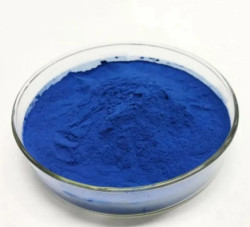
Methylene blue is a synthetic dye that is an FDA-approved prescription medicine for a rare blood disorder called methemoglobinemia, and it is also used as a diagnostic dye. Its popular use as a supplement for energy, brain health, or anti-aging is not well supported by solid human evidence, and it can cause serious side effects. Talk to a pharmacist or doctor before using it, and never take non-pharmaceutical or industrial-grade products.
On Its Own
Methylene Blue Safety
How Methylene Blue Is Rated
-
Methylene Blue Overall
Use caution
It is a real drug with real risks; medical-grade forms need supervision and it should not be self-dosed casually.
-
Pregnancy
Likely Unsafe
When prescription methylene blue is used intra-amniotically. When provided during the second trimester, methylene blue has caused fetal intestinal atresia and death.
Read the full pregnancy detail ↓ -
Breastfeeding
Possibly Unsafe
When prescription methylene blue products are administered to patients who are lactating. Breast-feeding should be discontinued during and for 8 days after treatment.
Read the full breastfeeding detail ↓
Pregnancy & breastfeeding ratings are from Natural Medicines (Therapeutic Research Center), with the full detail in the next card.
Methylene Blue in Pregnancy & Breastfeeding
When prescription methylene blue is used intra-amniotically. When provided during the second trimester, methylene blue has caused fetal intestinal atresia and death. When used close to term, adverse effects have been reported in the newborn including hemolytic anemia, hyperbilirubinemia, methemoglobinemia, photosensitivity, and respiratory distress. Phototherapy and blood exchange transfusion have been required.
When prescription methylene blue products are administered to patients who are lactating. Breast-feeding should be discontinued during and for 8 days after treatment.
DISCLAIMER: This tool is intended for informational purposes only, and should not be interpreted as specific medical advice. Patients should consult with a qualified healthcare provider before making decisions about therapies and/or health conditions.© 2026 Therapeutic Research Center
About Digoxin
Brand names: Lanoxin, Cardoxin, Digitek, Lanoxicaps, Digox
Digoxin treats mild to moderate heart failure in adults. It also helps control the resting heart rate (ventricular rate) in adults with chronic atrial fibrillation.
More to Explore
More Pairs and Interactions to Check
Other Supplements People Check With Digoxin
More pair pages for Digoxin: the rest of its documented supplement interactions first, then supplements with none on record, the most looked-up leading.
- St. John's WortMajor›
- FoxgloveMajor›
- Indian SnakerootMajor›
- Lily-of-the-valleyMajor›
- OleanderMajor›
- Pheasant's EyeMajor›
Show all 25 supplementsShow fewer
- Pleurisy RootMajor›
- ProcaineMajor›
- SquillMajor›
- Swamp MilkweedMajor›
- UzaraMajor›
- WahooMajor›
- Yellow DockMajor›
- CalotropisModerate›
- Canadian HempModerate›
- Cannabidiol (cbd)Moderate›
- CereusModerate›
- CinchonaModerate›
- ColocynthModerate›
- Vitamin CNo Known Interaction›
- Vitamin B6No Known Interaction›
- Vitamin B12No Known Interaction›
- Wood SageNo Known Interaction›
- Wood SorrelNo Known Interaction›
- WormseedNo Known Interaction›
Other Drugs & Methylene Blue
Browse every other medication we’ve checked against Methylene Blue — both the ones with a known interaction and the ones without. Select any drug for the full detail.
No drugs match “”.
Also checked against Methylene Blue
Moderate: 315 interactions
- Diphenhydramine ›
- Methylphenidate ›
- Glycopyrrolate ›
- Fentanyl ›
- Oxybutynin ›
- Carbamazepine ›
- Dextromethorphan ›
- Ipratropium ›
- Phenylephrine ›
- Procainamide ›
- Trimipramine ›
- Buprenorphine ›
- Dimenhydrinate ›
- Lofepramine ›
- Nortriptyline ›
- Procyclidine ›
- Selegiline ›
- Sumatriptan Succinate ›
- Amantadine ›
- Aripiprazole ›
- Cyclobenzaprine ›
- Desipramine ›
- Doxepin ›
- Duloxetine ›
- Fluphenazine ›
- Hydroxyzine ›
- Hyoscyamine ›
- Meclizine ›
- Metoclopramide ›
- Paroxetine ›
- Safinamide Mesylate ›
- Sertraline ›
- Sibutramine ›
- Sodium Valproate ›
- Solifenacin Succinate ›
- Sumatriptan ›
- Tegaserod ›
- Thioridazine ›
- Tiotropium ›
- Tiotropium Bromide ›
- Tranylcypromine ›
- Trazodone Hcl ›
- Tridihexethyl Chloride ›
- Trifluoperazine ›
- Triflupromazine ›
- Umeclidinium Bromide ›
- Vilazodone ›
- Ziprasidone ›
- Zolmitriptan ›
- Zuclopenthizol ›
- Chlorpheniramine and Pseudoephedrine ›
- Dextromethorphan and Guaifenesin ›
- Chlorpheniramine, Methscopolamine, and Phenylephrine ›
- Pheniramine, Phenylpropanolamine, Phenyltoloxamine, and Pyrilamine ›
- Dextromethorphan, Guaifenesin, and Pseudoephedrine ›
- Acetaminophen, Chlorpheniramine, and Pseudoephedrine ›
- Chlorpheniramine Tannate, Phenylephrine Tannate, and Pyrilamine Tannate ›
- Chlorpheniramine, Phenylephrine, Phenylpropanolamine, and Phenyltoloxamine ›
- Chlorpheniramine and Phenylpropanolamine ›
- Belladonna Alkaloids, Ergotamine Tartrate, and Phenobarbital ›
Showing 60 of 315 moderate interactions — see all 315 on the Methylene Blue page.
No Interaction 2,514 drugs checked — show the list
We also checked Methylene Blue against these medications and found no known interaction in our sources. Open any page to confirm.
- Apixaban ›
- Warfarin ›
- Levothyroxine ›
- Amlodipine ›
- Clopidogrel ›
- Rosuvastatin ›
- Losartan Potassium ›
- Aspirin ›
- Atorvastatin ›
- Levothyroxine and Liothyronine ›
- Warfarin Sodium ›
- Rivaroxaban ›
- Metformin ›
- Metoprolol ›
- Tirzepatide ›
- Tadalafil ›
- Ibuprofen ›
- Semaglutide ›
- Ivermectin ›
- Testosterone ›
- Amoxicillin ›
- Prednisone ›
- Acetaminophen ›
- Amphetamine ›
- Azithromycin ›
- Isotretinoin ›
- Abemaciclib ›
- Methotrexate ›
- Propranolol ›
- Pregabalin ›
- Sulfapyridine ›
- Sulfasalazine ›
- Sulfinpyrazone ›
- Sulfisoxazole ›
- Sulfur Hexafluoride Lipid-type A Microspheres ›
- Sulindac ›
- Sunitinib ›
- Suprofen ›
- Sutimlimab-jome ›
- Suvorexant ›
- Tacrine ›
- Tafamidis ›
- Tafamidis Meglumine ›
- Tafasitamab-cxix ›
- Tafenoquine ›
- Tafluprost ›
- Tagraxofusp-erzs ›
- Talazoparib ›
- Talbutal ›
- Taliglucerase Alfa ›
- Talinolol ›
- Talquetamab-tgvs ›
- Tapinarof ›
- Tasimelteon ›
- Tavaborole ›
- Tazarotene ›
- Tazemetostat Hydrobromide ›
- Tebentafusp-tebn ›
- Technetium (99m Tc) Fanolesomab ›
- Technetium Tc-99m Exametazime ›
Showing 60 of the 2,514 medications checked with no known interaction, the most looked-up first — see the full Methylene Blue list.
Digoxin Is Linked to Lower Levels of One Nutrient
Natural Medicines records Digoxin as a medicine that can lower these. This is not an interaction with Methylene Blue — it is a separate effect of the medicine, and it is a reason some people are advised to supplement rather than to avoid one:
Read the full Digoxin nutrient depletion report ›
Depletion records come from the licensed Natural Medicines database. Do not start a supplement on the strength of this page — ask your pharmacist or doctor whether it applies to you.
Where Methylene Blue and Digoxin Sit Against Everything Else
Out of every supplement and medication people look up on HelloPharmacist, here is where these two land this week — and which way each has been moving.
#947 of 1,458 supplements looked up here in the last 7 days
#246 of 2,830 medications looked up here in the last 7 days
A rank of lookups on this site, not of how often either one is used. It counts every visit, automated ones included, and identifies no one.
Keep Exploring
Questions and Sources
Common Questions and Where This Comes From
Taking Methylene Blue and Digoxin Together: Common Questions
Can you take Methylene Blue with Digoxin?
Can you take Methylene Blue with Lanoxin?
Do Methylene Blue and Digoxin have any of the same side effects?
How was the Methylene Blue and Digoxin combination checked?
Do other supplements studied for depression interact with Digoxin?
Does Methylene Blue interact with any other medications?
Does Digoxin interact with any supplements?
Written and reviewed by the HelloPharmacist Editorial Team. Our editorial policy
References Cited on This Page
The 8 references the cards above cite, from the evidence-graded Natural Medicines (TRC Healthcare) database. Citations with a link open the study on PubMed or the publisher’s site.
Show the 8 references
- 116388. Repici A, Di Stefano AF, Radicioni MM, Jas V, Moro L, Danese S. Methylene blue MMX tablets for chromoendoscopy. Safety tolerability and bioavailability in healthy volunteers. Contemp Clin Trials 2012;33(2):260-7. PubMed
- 116408. Sanei ZS, Shahrahmani F, Khaleghi Manesh B, et al. Methylene blue for COVID-19 ARDS: insights from a randomized Clinical Trial. Naunyn Schmiedebergs Arch Pharmacol 2025;398(2):1915-1924. PubMed
- 116409. Hamidi-Alamdari D, Hafizi-Lotfabadi S, Bagheri-Moghaddam A, et al. METHYLENE BLUE FOR TREATMENT OF HOSPITALIZED COVID-19 PATIENTS: A RANDOMIZED, CONTROLLED, OPEN-LABEL CLINICAL TRIAL, PHASE 2. Rev Invest Clin 2021;73(3):190-198. PubMed
- 116414. Wilcock GK, Gauthier S, Frisoni GB, et al. Potential of Low Dose Leuco-Methylthioninium Bis(Hydromethanesulphonate) (LMTM) Monotherapy for Treatment of Mild Alzheimer's Disease: Cohort Analysis as Modified Primary Outcome in a Phase III Clinical Trial. J PubMed
- 116417. Wischik CM, Staff RT, Wischik DJ, et al. Tau aggregation inhibitor therapy: an exploratory phase 2 study in mild or moderate Alzheimer's disease. J Alzheimers Dis 2015;44(2):705-20. PubMed
- 116419. Alda M, McKinnon M, Blagdon R, et al. Methylene blue treatment for residual symptoms of bipolar disorder: randomised crossover study. Br J Psychiatry 2017;210(1):54-60. PubMed
- 116424. Telch MJ, Bruchey AK, Rosenfield D, et al. Effects of post-session administration of methylene blue on fear extinction and contextual memory in adults with claustrophobia. Am J Psychiatry 2014;171(10):1091-8. PubMed
- 116431. US Food and Drug Administration (FDA). PROVAYBLUE® (methylene blue) Prescribing Information. January 2024. Available at: https://www.accessdata.fda.gov/drugsatfda_docs/label/2024/204630s021lbl.pdf. Accessed July 16, 2025
All 60 references behind our Methylene Blue records are listed in the Methylene Blue guide.
Medication overviews come from MedlinePlus (NIH); supplement label data from the NIH Dietary Supplement Label Database. Content is reviewed by the HelloPharmacist Editorial Team. See our data sources and editorial standards.
Where Does Our Data Come From?
- Source: the Natural Medicines (TRC Healthcare) clinical database — the evidence-graded professional reference for herb & supplement interactions.
- Citation library: 105,612 references behind our interaction content, 67,053 of them resolved to verified PubMed/DOI sources. See the references behind this page ↓
- Freshness: we automatically re-check this combination every week — this pair was last verified November 22, 2026. The Methylene Blue and Digoxin records this page draws on were last updated October 13, 2026.
What Our Interaction Ratings Mean
No interaction is on record for this pair. The other supplements and medicines on this page carry a severity rating: how serious an interaction between them is.
See what each severity means
Severity: How Serious Is It?
How clinically significant the interaction is: how much it could affect your health or your treatment.
- MajorClinically significant. Best to avoid the combination, or use only under close professional supervision.
- ModerateBe cautious. The combination may call for monitoring, timing changes, or a dose adjustment.
- MinorLimited clinical concern, but still worth being aware of and mentioning to your pharmacist.
- No Known InteractionNo documented interaction in our sources.
Still Have a Question About Methylene Blue and Digoxin?
Our pharmacists answer your medication & supplement questions — free.
This information is for education only and is not a substitute for professional medical advice. Always check with your pharmacist or doctor before starting, stopping, or combining supplements and medications.