
Alpha EAA Dragonfruit Candy Ingredients & Drug Interactions
What is this page for?
First and foremost: checking Alpha EAA Dragonfruit Candy against your medications. The heart of this page is the interaction checker and the full interaction report — how this product’s ingredients may interact with prescription and over-the-counter medicines you may be taking.
Around that, we add a pharmacist’s high-level view of the product as a whole — what’s inside, the evidence for its stated use, how transparent the label is, and what safety data exists — so you can see the full picture in one place. It’s educational information from our licensed clinical databases and the clinical staff at HelloPharmacist — not medical advice — and we don’t sell or endorse products. Our editorial policy
Alpha EAA Dragonfruit Candy is a dietary supplement by NutraBio Performance with 15 active ingredients. Its ingredients are commonly taken for liver health and fatty liver, brain and memory support, prenatal nutrition and fetal development.Based on those ingredients, 1,524 medications have a known interaction with it, the most serious rated major. The ingredients most likely to interact are KSM-66 Ashwagandha Root Extract, L-Tryptophan, CocoPure. Use the checker below to test your specific medication, or read the full HelloPharmacist Interaction Report.
Check Your Meds Against Alpha EAA Dragonfruit Candy by NutraBio Performance
Ask about any prescription or over-the-counter medication and we check it for interactions with Alpha EAA Dragonfruit Candy by NutraBio Performance — and tell you which ingredient is responsible.
AI summaries are generated from our interaction database for education only — always confirm with your pharmacist. How we use AI
Ask the Pharmacist
A licensed pharmacist will answer your question by email — free, usually within 24 hours.
Got it — thank you!
A licensed pharmacist will answer within 24 hours. Keep an eye on your email (worth checking spam, just in case).
HelloPharmacist Scorecard of Alpha EAA Dragonfruit Candy by NutraBio Performance
Our pharmacy team’s full take, with four database checks built into the cards below — a summary of what is known, not a grade of the product itself.
What’s inside
Full disclosure
Alpha EAA Dragonfruit Candy contains 18 ingredients, including a full spectrum of essential amino acids (the building blocks your body needs but cannot make itself). The key actives are L-leucine, L-isoleucine, L-valine (branched-chain amino acids that fuel muscle), L-phenylalanine, L-methionine, L-lysine, L-histidine, L-threonine, and L-tryptophan.
You'll also find choline and choline bitartrate for brain and muscle function, taurine for heart and exercise support, plus botanical extracts: ashwagandha for stress and sleep, huperzine A from toothed clubmoss for cognitive support, and alpha-GPC for brain health. Calcium phosphate provides mineral support.
The product also contains coconut water powder for hydration. Inactive ingredients include citric acid, flavoring, malic acid, sucralose, beet powder, and acesulfame potassium.
Does it work?
Not established
Evidence for this product's ingredients is mixed. Ashwagandha is possibly effective for insomnia and anxiety, and may help with stress.
Alpha-GPC is possibly effective for Alzheimer's disease. Taurine is possibly effective for heart failure and liver health.
L-phenylalanine shows possibly ineffective evidence for ADHD. Many other ingredients—choline, L-tryptophan, toothed clubmoss, and lysine—have insufficient evidence in our data to establish whether they work for their intended uses.
Calcium is effective for bone health and certain GI conditions. Most of the amino acids in this formula are studied for specific medical conditions (like lysine for cold sores) rather than as a general supplement for muscle or performance, and we don't have effectiveness ratings establishing their use for athletic or fitness purposes in this data.
How safe is it?
Well-documented data
Most ingredients are generally well tolerated at typical doses. Calcium, methionine, choline, taurine, and ashwagandha are rated likely safe in food amounts or standard supplement doses.
L-tryptophan carries a caution label due to its past association with a contaminated-product safety scare (eosinophilia-myalgia syndrome in 1989—almost all cases traced to one Japanese manufacturer). Common side effects across ingredients include digestive upset (diarrhea, constipation, nausea), headache, and drowsiness; ashwagandha and alpha-GPC may cause dizziness or insomnia in some users.
High-dose choline can cause fishy body odor and gastrointestinal problems. Ashwagandha has rare case reports linking it to acute liver damage and, in one case, to intracranial bleeding.
For pregnancy: L-phenylalanine is unsafe; L-tryptophan, ashwagandha, huperzine A, and alpha-GPC have insufficient or unsafe data. For breastfeeding, L-tryptophan, ashwagandha, and huperzine A lack safety data.
Methionine, choline, lysine, and calcium are likely safe in pregnancy and lactation; consult your doctor before using if you are pregnant or nursing.
Meds to double-check
Major interaction found
Before taking this product, double-check with your pharmacist if you take Parkinson's medication (levodopa), HIV integrase inhibitors (dolutegravir or elvitegravir), the antibiotic ceftriaxone, or NMDA antagonists—these carry major interaction risks. Moderate caution applies to blood pressure medications, diabetes drugs, sedatives or benzodiazepines, antidepressants or other serotonergic drugs, thyroid hormones, lithium, levothyroxine, beta-blockers, muscle relaxants, or immunosuppressants.
No interactions are documented for L-leucine, L-isoleucine, L-valine, or AstraGin.
The bottom line
Scorecard at a glanceFully disclosed formula with no established evidence rating for its marketed use. Major medication interactions have been identified, and safety information is well characterized.
This is a comprehensive amino acid and nootropic blend suited for people looking for essential amino acid supplementation combined with brain-support ingredients. However, it's essential you check your medications against this product first, especially if you take Parkinson's drugs, HIV treatments, blood pressure or diabetes medications, sedatives, or antidepressants.
If you're pregnant, breastfeeding, have liver disease, or take any prescription medication, talk with your pharmacist or doctor before starting.
Educational only — not medical advice; always confirm with your pharmacist. Our editorial policy · How we use AI
Assessment coverage: 14 of 18 active ingredients matched to our full ingredient reviews (monographs). Based on the product label dated May 21, 2025.
This Scorecard evaluates available label information, ingredient evidence, and known medication-safety considerations. It does not independently verify product identity, purity, potency, contamination, or manufacturing quality. How these ratings are computed
General information
Key facts about Alpha EAA Dragonfruit Candy, straight from the product label.
| Brand | NutraBio Performance |
|---|---|
| Barcode (UPC) | 649908268947 |
| Net contents | 0.52 Ounce(s); 14.88 Gram(s) |
| Market status | On market |
| Date entered into DSLD | May 21, 2025 |
| DSLD ID | 329319 |
| Product type | Other Combinations |
| Supplement form | Powder |
| Dietary claims / uses | Nutrient, All Other, Structure/Function |
| Intended target group(s) | Vegetarian, Adult (18 - 50 Years), Women (not pregnant or lactating), Gluten Free |
Everything in this section is reproduced from the manufacturer’s own product label — it’s the label speaking, not HelloPharmacist. We show it so you can see exactly what the maker states; we don’t verify or endorse those statements.
Supplement Facts
The label details for Alpha EAA Dragonfruit Candy by NutraBio Performance, sourced from the NIH Dietary Supplement Label Database.
Supplement Facts
| Ingredient | Amount | % DV |
|---|---|---|
| Calories | 5 Calorie(s) | -- |
| Total Carbohydrates | 1 Gram(s) | 1% |
| L-Leucine | 3 Gram(s) | -- |
| L-Isoleucine | 1.5 Gram(s) | -- |
| L-Methionine | 25 mg | -- |
| L-Lysine Hydrochloride | 850 mg | -- |
| L-Phenylalanine | 300 mg | -- |
| L-Valine | 1.5 Gram(s) | -- |
| L-Histidine Hydrochloride | 100 mg | -- |
| Choline | 205 mg | 35% |
| Calcium Phosphate | 300 mg | -- |
| L-Threonine | 850 mg | -- |
| L-Tryptophan | 75 mg | -- |
| Choline Bitartrate | 500 mg | -- |
| Taurine | 1200 mg | -- |
| Branched-Chain Amino Acids | 6 Gram(s) | -- |
| Build: Full Spectrum EAA-BCAA Matrix | 8.2 Gram(s) | -- |
| Hydrate: Electrolyte Hydration Matrix | 1.7 Gram(s) | -- |
| Focus: Nootropic Adaptogen Matrix | 1.4 Gram(s) | -- |
| Absorption Enhancer | 0 NP | -- |
| AstraGin | 50 mg | -- |
| L-Alpha-Glycerylphosphorylcholine | 300 mg | -- |
| Huperzine A | 50 mcg | -- |
| Alpha-Glycerylphosphorylcholine, Powder | 600 mg | -- |
| KSM-66 Ashwagandha Root Extract | 300 mg | -- |
| CocoPure | 500 mg | -- |
| Huperzia serrata Leaf Extract | 5 mg | -- |
Other ingredients: Citric Acid, Natural & Artificial Flavors, Malic Acid, Sucralose, Beet, Powder, Acesulfame Potassium
Tap any ingredient to jump to its full detail below.
These statements are the manufacturer’s wording, reproduced from the product label — the label is saying it, not HelloPharmacist. We don’t verify or endorse them.
Formula
All day aminos Dragonfruit candy Natural & artificial flavoring
8 G EAAs 1.4 G Nootropics Adaptogen 9.4 G Aminos 6 G BCAAs 500 MG Coconut water powder
AstraGin KSM-66 Ashwagandha CocoPure Alpha GPC
Formulation
Stim-free
Build Hydrate Focus
Made without gluten, lactose and GMOs.
Vegetarian
FDA Statement of Identity
Dietary Supplement
Precautions
Contains: Tree nuts (coconut).
Warning: Keep out of reach of children. Not for use by individuals under the age of 18 years.
Do not use if pregnant or nursing. Consult a physician before use if you have a medical condition or are taking any medication.
Discontinue use two weeks prior to surgery.
Processed in a facility that also processes milk.
Suggested/Recommended/Usage/Directions
Suggested use: Mix 1 packet with 8-10 ounces of water. Consume before, during or after exercise or sip throughout the day as a healthy energy drink substitute.
Brand IP Statement(s)
KSM-66 Ashwagandha is a trademark of Ixoreal Biomed Inc. Astragin is a registered trademarks of NuLiv Science USA.
FDA Disclaimer Statement
These statements have not been evaluated by the Food and Drug Administration. This product is not intended to diagnose, treat, cure or prevent any disease.
Is this label outdated? Report a formula or label change and our pharmacy team will review it.
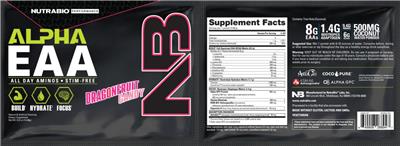
Alpha EAA Dragonfruit Candy by NutraBio Performance label
The label scan from the NIH Dietary Supplement Label Database. Tap to enlarge.
Label images are published by the NIH Dietary Supplement Label Database for the version of this product on file. Always read your actual product label.
View the full label (PDF)The Ingredients in Alpha EAA Dragonfruit Candy by NutraBio Performance
These are the 15 active ingredients this product is made of. Select any to open its full monograph.
Serving size14.88 Gram(s) Dosage formPowder Servings per container1 Amounts shown are per serving.
Most supplement products combine several ingredients, and a medication can interact with the product through any one of them. Each ingredient below shows whether it has known drug interactions.
Choline
Interacts with16 drugs
Choline is an essential nutrient your body needs for liver function, brain health, and nerve signaling, and many people get enough from foods like egg...
Choline monograph & interactionsBuild: Full Spectrum EAA-BCAA Matrix
- › L-Methionine
- › L-Lysine Hydrochloride
- › L-Phenylalanine
- › L-Histidine Hydrochloride
- › L-Threonine
- › L-Tryptophan
- › Branched-Chain Amino Acids
Focus: Nootropic Adaptogen Matrix
Absorption Enhancer
- › AstraGin
Huperzine A
Interacts with219 drugs
Huperzine A is a purified compound from a Chinese clubmoss that acts like a mild cholinesterase inhibitor, similar in mechanism to some prescription A...
Huperzine A monograph & interactionsOther (inactive) ingredients: Citric Acid, Natural & Artificial Flavors, Malic Acid, Sucralose, Beet, Powder, Acesulfame Potassium. These complete the product’s ingredient list but are not active constituents.
Alpha EAA Dragonfruit Candy by NutraBio Performance Drug Interactions
HelloPharmacist Interaction Report
Alpha EAA Dragonfruit Candy by NutraBio Performance contains several amino acids and botanical ingredients with documented interactions to medications.
The most serious interaction involves L-phenylalanine, which can significantly reduce the effectiveness of levodopa (a Parkinson's medication) by competing for transport into the brain—especially concerning at higher doses.
Read the full breakdown — every affected drug type, severity by severity
Calcium phosphate in this product has major interactions with HIV integrase inhibitors (dolutegravir and elvitegravir) and the antibiotic ceftriaxone; it may also moderately reduce absorption of levothyroxine (thyroid hormone), beta-blockers like sotalol, and vitamin D analogs used for psoriasis. L-tryptophan carries major risks with CNS depressants (sedatives, painkillers, alcohol) and moderate risks with serotonergic drugs (antidepressants, some migraine medications).
Ashwagandha has moderate interactions with blood pressure medications, diabetes drugs, sedatives, benzodiazepines, immunosuppressants, thyroid hormones, and drugs metabolized by certain liver enzymes; it may also increase the risk of liver damage when combined with hepatotoxic drugs.
Additionally, taurine may lower blood pressure further with antihypertensive drugs and may increase lithium levels. Threonine theoretically reduces effects of NMDA antagonists (certain anesthetics and seizure/pain medications).
Lysine and choline have minor interactions with specific drug classes. Coconut water may increase risks of low blood pressure with blood pressure meds and lower blood sugar with diabetes drugs.
Altogether, these interactions span 1,502 individual medications. We could not check L-leucine, L-isoleucine, L-valine, or AstraGin.
Use the medication checker below with your exact prescriptions before starting this product.
Check your own medications below · Editorial policy · How we use AI
Want to check YOUR meds against Alpha EAA Dragonfruit Candy?
Ask about interactions with your drugs in plain English — “Can I take it with lisinopril?” — and we find you the answer in seconds, ingredient by ingredient.
Go to the checkerIngredients driving the most interactions
Individual Drug Interactions
The ingredients in Alpha EAA Dragonfruit Candy interact with 1,524 drugs. Click any drug to see the details.
10 of the 15 ingredients in Alpha EAA Dragonfruit Candy interact with drugs. Each result below shows which ingredient is responsible. KSM-66 Ashwagandha Root Extract L-Tryptophan CocoPure Huperzine A Taurine Choline L-Phenylalanine Alpha-Glycerylphosphorylcholine, Powder L-Threonine L-Lysine Hydrochloride
Ado-trastuzumab EmtansineKadcyla
How Ado-trastuzumab Emtansine interacts with Alpha EAA Dragonfruit Candy — through 1 ingredient. Tap an ingredient for the detail:
Ksm-66 Ashwagandha Root ExtractCytochrome P450 3a4 (cyp3a4) Substrates Minor
Interaction Summary
Theoretically, ashwagandha might decrease the levels and clinical effects of CYP3A4 substrates.
Read the full Ksm-66 Ashwagandha Root Extract + Ado-trastuzumab Emtansine interactionAbemaciclibVerzenio
How Abemaciclib interacts with Alpha EAA Dragonfruit Candy — through 1 ingredient. Tap an ingredient for the detail:
Ksm-66 Ashwagandha Root ExtractCytochrome P450 3a4 (cyp3a4) Substrates Minor
Interaction Summary
Theoretically, ashwagandha might decrease the levels and clinical effects of CYP3A4 substrates.
Read the full Ksm-66 Ashwagandha Root Extract + Abemaciclib interactionAcalabrutinibCalquence
How Acalabrutinib interacts with Alpha EAA Dragonfruit Candy — through 1 ingredient. Tap an ingredient for the detail:
Ksm-66 Ashwagandha Root ExtractCytochrome P450 3a4 (cyp3a4) Substrates Minor
Interaction Summary
Theoretically, ashwagandha might decrease the levels and clinical effects of CYP3A4 substrates.
Read the full Ksm-66 Ashwagandha Root Extract + Acalabrutinib interactionAgomelatineValdoxan
How Agomelatine interacts with Alpha EAA Dragonfruit Candy — through 1 ingredient. Tap an ingredient for the detail:
Ksm-66 Ashwagandha Root ExtractCytochrome P450 1a2 (cyp1a2) Substrates Minor
Interaction Summary
Theoretically, ashwagandha might decrease the levels and clinical effects of CYP1A2 substrates.
Read the full Ksm-66 Ashwagandha Root Extract + Agomelatine interactionAlfuzosinUroxatral
How Alfuzosin interacts with Alpha EAA Dragonfruit Candy — through 1 ingredient. Tap an ingredient for the detail:
Ksm-66 Ashwagandha Root ExtractCytochrome P450 3a4 (cyp3a4) Substrates Minor
Interaction Summary
Theoretically, ashwagandha might decrease the levels and clinical effects of CYP3A4 substrates.
Read the full Ksm-66 Ashwagandha Root Extract + Alfuzosin interactionAlpelisibPiqray
How Alpelisib interacts with Alpha EAA Dragonfruit Candy — through 1 ingredient. Tap an ingredient for the detail:
Ksm-66 Ashwagandha Root ExtractCytochrome P450 3a4 (cyp3a4) Substrates Minor
Interaction Summary
Theoretically, ashwagandha might decrease the levels and clinical effects of CYP3A4 substrates.
Read the full Ksm-66 Ashwagandha Root Extract + Alpelisib interactionAmprenavirAgenerase
How Amprenavir interacts with Alpha EAA Dragonfruit Candy — through 1 ingredient. Tap an ingredient for the detail:
Ksm-66 Ashwagandha Root ExtractCytochrome P450 3a4 (cyp3a4) Substrates Minor
Interaction Summary
Theoretically, ashwagandha might decrease the levels and clinical effects of CYP3A4 substrates.
Read the full Ksm-66 Ashwagandha Root Extract + Amprenavir interactionAnagrelideAgrylin
How Anagrelide interacts with Alpha EAA Dragonfruit Candy — through 1 ingredient. Tap an ingredient for the detail:
Ksm-66 Ashwagandha Root ExtractCytochrome P450 1a2 (cyp1a2) Substrates Minor
Interaction Summary
Theoretically, ashwagandha might decrease the levels and clinical effects of CYP1A2 substrates.
Read the full Ksm-66 Ashwagandha Root Extract + Anagrelide interactionApalutamideErleada
How Apalutamide interacts with Alpha EAA Dragonfruit Candy — through 1 ingredient. Tap an ingredient for the detail:
Ksm-66 Ashwagandha Root ExtractCytochrome P450 3a4 (cyp3a4) Substrates Minor
Interaction Summary
Theoretically, ashwagandha might decrease the levels and clinical effects of CYP3A4 substrates.
Read the full Ksm-66 Ashwagandha Root Extract + Apalutamide interactionApixabanEliquis
How Apixaban interacts with Alpha EAA Dragonfruit Candy — through 1 ingredient. Tap an ingredient for the detail:
Ksm-66 Ashwagandha Root ExtractCytochrome P450 3a4 (cyp3a4) Substrates Minor
Interaction Summary
Theoretically, ashwagandha might decrease the levels and clinical effects of CYP3A4 substrates.
Read the full Ksm-66 Ashwagandha Root Extract + Apixaban interactionApremilastOtezla
How Apremilast interacts with Alpha EAA Dragonfruit Candy — through 1 ingredient. Tap an ingredient for the detail:
Ksm-66 Ashwagandha Root ExtractCytochrome P450 3a4 (cyp3a4) Substrates Minor
Interaction Summary
Theoretically, ashwagandha might decrease the levels and clinical effects of CYP3A4 substrates.
Read the full Ksm-66 Ashwagandha Root Extract + Apremilast interactionAprepitantCinvanti, Emend
How Aprepitant interacts with Alpha EAA Dragonfruit Candy — through 1 ingredient. Tap an ingredient for the detail:
Ksm-66 Ashwagandha Root ExtractCytochrome P450 3a4 (cyp3a4) Substrates Minor
Interaction Summary
Theoretically, ashwagandha might decrease the levels and clinical effects of CYP3A4 substrates.
Read the full Ksm-66 Ashwagandha Root Extract + Aprepitant interactionArmodafinilNuvigil
How Armodafinil interacts with Alpha EAA Dragonfruit Candy — through 1 ingredient. Tap an ingredient for the detail:
Ksm-66 Ashwagandha Root ExtractCytochrome P450 3a4 (cyp3a4) Substrates Minor
Interaction Summary
Theoretically, ashwagandha might decrease the levels and clinical effects of CYP3A4 substrates.
Read the full Ksm-66 Ashwagandha Root Extract + Armodafinil interactionAsenapineSaphris, Secuado
How Asenapine interacts with Alpha EAA Dragonfruit Candy — through 1 ingredient. Tap an ingredient for the detail:
Ksm-66 Ashwagandha Root ExtractCytochrome P450 1a2 (cyp1a2) Substrates Minor
Interaction Summary
Theoretically, ashwagandha might decrease the levels and clinical effects of CYP1A2 substrates.
Read the full Ksm-66 Ashwagandha Root Extract + Asenapine interactionAspirin, Butalbital, CaffeineFiorinal
How Aspirin, Butalbital, Caffeine interacts with Alpha EAA Dragonfruit Candy — through 1 ingredient. Tap an ingredient for the detail:
Ksm-66 Ashwagandha Root ExtractCytochrome P450 3a4 (cyp3a4) Substrates, Cytochrome P450 1a2 (cyp1a2) Substrates Minor
Interaction Summary
Theoretically, ashwagandha might decrease the levels and clinical effects of CYP3A4 substrates.
Read the full Ksm-66 Ashwagandha Root Extract + Aspirin, Butalbital, Caffeine interactionAspirin, Butalbital, Caffeine, PhenacetinMarnal
How Aspirin, Butalbital, Caffeine, Phenacetin interacts with Alpha EAA Dragonfruit Candy — through 1 ingredient. Tap an ingredient for the detail:
Ksm-66 Ashwagandha Root ExtractCytochrome P450 3a4 (cyp3a4) Substrates, Cytochrome P450 1a2 (cyp1a2) Substrates Minor
Interaction Summary
Theoretically, ashwagandha might decrease the levels and clinical effects of CYP3A4 substrates.
Read the full Ksm-66 Ashwagandha Root Extract + Aspirin, Butalbital, Caffeine, Phenacetin interactionAspirin, CaffeineAnacin
How Aspirin, Caffeine interacts with Alpha EAA Dragonfruit Candy — through 1 ingredient. Tap an ingredient for the detail:
Ksm-66 Ashwagandha Root ExtractCytochrome P450 1a2 (cyp1a2) Substrates, Cytochrome P450 3a4 (cyp3a4) Substrates Minor
Interaction Summary
Theoretically, ashwagandha might decrease the levels and clinical effects of CYP1A2 substrates.
Read the full Ksm-66 Ashwagandha Root Extract + Aspirin, Caffeine interactionAspirin, Caffeine, Dover's PwdAcedoval, Dovacet
How Aspirin, Caffeine, Dover's Pwd interacts with Alpha EAA Dragonfruit Candy — through 1 ingredient. Tap an ingredient for the detail:
Ksm-66 Ashwagandha Root ExtractCytochrome P450 3a4 (cyp3a4) Substrates, Cytochrome P450 1a2 (cyp1a2) Substrates Minor
Interaction Summary
Theoretically, ashwagandha might decrease the levels and clinical effects of CYP3A4 substrates.
Read the full Ksm-66 Ashwagandha Root Extract + Aspirin, Caffeine, Dover's Pwd interactionAspirin, Caffeine, Isobutylallylbarbituric Acid, PhenacetinLanorinal
How Aspirin, Caffeine, Isobutylallylbarbituric Acid, Phenacetin interacts with Alpha EAA Dragonfruit Candy — through 1 ingredient. Tap an ingredient for the detail:
Ksm-66 Ashwagandha Root ExtractCytochrome P450 3a4 (cyp3a4) Substrates, Cytochrome P450 1a2 (cyp1a2) Substrates Minor
Interaction Summary
Theoretically, ashwagandha might decrease the levels and clinical effects of CYP3A4 substrates.
Read the full Ksm-66 Ashwagandha Root Extract + Aspirin, Caffeine, Isobutylallylbarbituric Acid, Phenacetin interactionAspirin, Caffeine, OrphenadrineInvagesic, Invagesic Forte, Norgesic, Norgesic Forte, Orphengesic, Orphengesic Forte
How Aspirin, Caffeine, Orphenadrine interacts with Alpha EAA Dragonfruit Candy — through 1 ingredient. Tap an ingredient for the detail:
Ksm-66 Ashwagandha Root ExtractCytochrome P450 1a2 (cyp1a2) Substrates, Cytochrome P450 3a4 (cyp3a4) Substrates Minor
Interaction Summary
Theoretically, ashwagandha might decrease the levels and clinical effects of CYP1A2 substrates.
Read the full Ksm-66 Ashwagandha Root Extract + Aspirin, Caffeine, Orphenadrine interactionAspirin, OmeprazoleYosprala
How Aspirin, Omeprazole interacts with Alpha EAA Dragonfruit Candy — through 1 ingredient. Tap an ingredient for the detail:
Ksm-66 Ashwagandha Root ExtractCytochrome P450 3a4 (cyp3a4) Substrates Minor
Interaction Summary
Theoretically, ashwagandha might decrease the levels and clinical effects of CYP3A4 substrates.
Read the full Ksm-66 Ashwagandha Root Extract + Aspirin, Omeprazole interactionAtazanavirReyataz
How Atazanavir interacts with Alpha EAA Dragonfruit Candy — through 1 ingredient. Tap an ingredient for the detail:
Ksm-66 Ashwagandha Root ExtractCytochrome P450 3a4 (cyp3a4) Substrates Minor
Interaction Summary
Theoretically, ashwagandha might decrease the levels and clinical effects of CYP3A4 substrates.
Read the full Ksm-66 Ashwagandha Root Extract + Atazanavir interactionAtazanavir, CobicistatEvotaz
How Atazanavir, Cobicistat interacts with Alpha EAA Dragonfruit Candy — through 1 ingredient. Tap an ingredient for the detail:
Ksm-66 Ashwagandha Root ExtractCytochrome P450 3a4 (cyp3a4) Substrates Minor
Interaction Summary
Theoretically, ashwagandha might decrease the levels and clinical effects of CYP3A4 substrates.
Read the full Ksm-66 Ashwagandha Root Extract + Atazanavir, Cobicistat interactionAtogepantQulipta
How Atogepant interacts with Alpha EAA Dragonfruit Candy — through 1 ingredient. Tap an ingredient for the detail:
Ksm-66 Ashwagandha Root ExtractCytochrome P450 3a4 (cyp3a4) Substrates Minor
Interaction Summary
Theoretically, ashwagandha might decrease the levels and clinical effects of CYP3A4 substrates.
Read the full Ksm-66 Ashwagandha Root Extract + Atogepant interactionAvanafilStendra
How Avanafil interacts with Alpha EAA Dragonfruit Candy — through 1 ingredient. Tap an ingredient for the detail:
Ksm-66 Ashwagandha Root ExtractCytochrome P450 3a4 (cyp3a4) Substrates Minor
Interaction Summary
Theoretically, ashwagandha might decrease the levels and clinical effects of CYP3A4 substrates.
Read the full Ksm-66 Ashwagandha Root Extract + Avanafil interactionAvapritinibAyvakit
How Avapritinib interacts with Alpha EAA Dragonfruit Candy — through 1 ingredient. Tap an ingredient for the detail:
Ksm-66 Ashwagandha Root ExtractCytochrome P450 3a4 (cyp3a4) Substrates Minor
Interaction Summary
Theoretically, ashwagandha might decrease the levels and clinical effects of CYP3A4 substrates.
Read the full Ksm-66 Ashwagandha Root Extract + Avapritinib interactionAxitinibInlyta
How Axitinib interacts with Alpha EAA Dragonfruit Candy — through 1 ingredient. Tap an ingredient for the detail:
Ksm-66 Ashwagandha Root ExtractCytochrome P450 3a4 (cyp3a4) Substrates Minor
Interaction Summary
Theoretically, ashwagandha might decrease the levels and clinical effects of CYP3A4 substrates.
Read the full Ksm-66 Ashwagandha Root Extract + Axitinib interactionAzelastine Hydrochloride, Fluticasone PropionateDymista
How Azelastine Hydrochloride, Fluticasone Propionate interacts with Alpha EAA Dragonfruit Candy — through 1 ingredient. Tap an ingredient for the detail:
Ksm-66 Ashwagandha Root ExtractCytochrome P450 3a4 (cyp3a4) Substrates Minor
Interaction Summary
Theoretically, ashwagandha might decrease the levels and clinical effects of CYP3A4 substrates.
Read the full Ksm-66 Ashwagandha Root Extract + Azelastine Hydrochloride, Fluticasone Propionate interactionBazedoxifene Acetate, Conjugated EstrogensDuavee
How Bazedoxifene Acetate, Conjugated Estrogens interacts with Alpha EAA Dragonfruit Candy — through 1 ingredient. Tap an ingredient for the detail:
Ksm-66 Ashwagandha Root ExtractCytochrome P450 3a4 (cyp3a4) Substrates Minor
Interaction Summary
Theoretically, ashwagandha might decrease the levels and clinical effects of CYP3A4 substrates.
Read the full Ksm-66 Ashwagandha Root Extract + Bazedoxifene Acetate, Conjugated Estrogens interactionBedaquilineSirturo
How Bedaquiline interacts with Alpha EAA Dragonfruit Candy — through 1 ingredient. Tap an ingredient for the detail:
Ksm-66 Ashwagandha Root ExtractCytochrome P450 3a4 (cyp3a4) Substrates Minor
Interaction Summary
Theoretically, ashwagandha might decrease the levels and clinical effects of CYP3A4 substrates.
Read the full Ksm-66 Ashwagandha Root Extract + Bedaquiline interactionEach ingredient & the kinds of drugs it affects
For each ingredient in Alpha EAA Dragonfruit Candy with known interactions, here are the types of medications they can affect. Open any type for the detail — or search your exact drug in the checker above.
KSM-66 Ashwagandha Root Extract
Antidiabetes Drugs
Theoretically, taking ashwagandha with antidiabetes drugs might increase the risk of hypoglycemia.
There is preliminary clinical evidence suggesting that ashwagandha might lower blood glucose levels. Theoretically, ashwagandha might have additive effects when used with antidiabetes drugs and increase the risk of hypoglycemia.
Antihypertensive Drugs
Theoretically, taking ashwagandha with antihypertensive drugs might increase the risk of hypotension.
Animal research suggests that ashwagandha might lower systolic and diastolic blood pressure. Theoretically, ashwagandha might have additive effects when used with antihypertensive drugs and increase the risk of hypotension.
Benzodiazepines
Theoretically, taking ashwagandha might increase the sedative effects of benzodiazepines.
There is preliminary evidence that ashwagandha might have an additive effect with diazepam (Valium) and clonazepam (Klonopin). This may also occur with other benzodiazepines.
Cns Depressants
Theoretically, taking ashwagandha might increase the sedative effects of CNS depressants.
Ashwagandha seems to have sedative effects. Theoretically, this may potentiate the effects of barbiturates, other sedatives, and anxiolytics.
Hepatotoxic Drugs
Theoretically, taking ashwagandha with hepatotoxic drugs might increase the risk of liver damage.
Ashwagandha has been linked to cases of acute hepatitis, liver failure, hepatic encephalopathy, autoimmune hepatitis, the need for liver transplantation, and death due to liver failure.
Immunosuppressants
Theoretically, taking ashwagandha might decrease the effects of immunosuppressants.
Ashwagandha has demonstrated immunostimulant effects in humans. Animal research has shown that ashwagandha can attenuate the immunosuppression caused by cyclophosphamide.
Thyroid Hormone
Ashwagandha might increase the effects and adverse effects of thyroid hormone.
Concomitant use of ashwagandha with thyroid hormones may cause additive therapeutic and adverse effects. Preliminary clinical research and animal studies suggest that ashwagandha boosts thyroid hormone synthesis and secretion. In one clinical study, ashwagandha increased triiodothyronine (T3) and thyroxine (T4) levels by 41.5% and 19.6%, respectively, and reduced serum TSH levels by 17.4% from baseline in adults with subclinical hypothyroidism.
Cytochrome P450 1A2 (Cyp1A2) Substrates
Theoretically, ashwagandha might decrease the levels and clinical effects of CYP1A2 substrates.
In vitro research shows that ashwagandha extract induces CYP1A2 enzymes.
Cytochrome P450 3A4 (Cyp3A4) Substrates
Theoretically, ashwagandha might decrease the levels and clinical effects of CYP3A4 substrates.
In vitro research shows that ashwagandha extract induces CYP3A4 enzymes.
Serotonergic Drugs
Some animal studies have reported that ashwagandha can enhance serotonergic transmission by altering certain serotonin (5-HT) receptors. However, there is no evidence to suggest that ashwagandha increases the risk of serotonin-related effects, and there have been no published case reports of serotonin syndrome when combined with other serotonergic drugs. Nevertheless, due to the lack of extensive studies on the matter and the fact that ashwagandha appears to affect serotonergic pathways, it would be prudent to exercise caution when combining it with drugs that affect serotonin. [References: - Effects of Withania somnifera (Ashwaga ndha) on Stress and the Stress-Related Neuropsychiatric Disorders Anxiety, Depression, and Insomnia. Curr Neuropharmacol. 2021 Sep 14; 19: 1468–1495. - A Prospective, Randomized Double-Blind, Placebo-Controlled Study of Safety and Efficacy of a High-Concentration Full-Spectrum Extract of Ashwagandha Root in Reducing Stress and Anxiety in Adults. https://www.ncbi.nlm.nih.gov/pmc/articles/PMC3573577/]
L-Tryptophan
Cns Depressants
Theoretically, concomitant use of L-tryptophan with CNS depressants might cause additive sedative effects.
Clinical research shows that L-tryptophan can cause fatigue and drowsiness.
Serotonergic Drugs
Theoretically, combining L-tryptophan with serotonergic drugs might cause additive serotonergic effects.
L-tryptophan is a precursor to serotonin. Theoretically, combining serotonergic drugs with L-tryptophan might increase the risk of serotonergic side effects, including serotonin syndrome and cerebral vasoconstrictive disorders.
CocoPure
Antihypertensive Drugs
Theoretically, taking coconut water with antihypertensive drugs might increase the risk of hypotension.
Preliminary clinical research shows that drinking coconut water might lower systolic and diastolic blood pressure in patients with hypertension.
Quinolone Antibiotics
Many quinolone antibiotics, such as ciprofloxacin and levofloxacin, may have reduced absorption when taken with calcium-containing products due to chelation. It is generally recommended to take quinolones at least 2 hours before or 6 hours after consuming oral products that contain calcium. The calcium content of coconut water varies by product but is generally between 100mg-300mg per 1,000mL. Consumption of a small amount of coconut water may be safe but it would be prudent to avoid drinking large amounts at the same time as a quinolone antibiotic. Reference: https://www.accessdata.fda.gov/drugsatfda_docs/label/2016/019537s086lbl.pdf
Antidiabetes Drugs
Theoretically, taking coconut water with antidiabetes drugs might increase the risk of hypoglycemia.
Animal research suggests that coconut water might increase insulin levels and/or decrease blood glucose levels.
Huperzine A
Anticholinergic Drugs
Theoretically, huperzine A might decrease the effects of anticholinergic drugs.
Huperzine A has acetylcholinesterase (AChE) inhibiting effects. In animal models, huperzine A reversed cognitive deficits induced by scopolamine, an anticholinergic drug.
Cholinergic Drugs
Theoretically, concurrent use of huperzine A with cholinergic drugs might increase the effects and side effects of these medications.
Huperzine A can inhibit acetylcholinesterase (AChE) and might cause cumulative effects if used with cholinergic drugs.
Taurine
Antihypertensive Drugs
Theoretically, taurine might increase the risk of hypotension when taken with antihypertensive drugs.
Some clinical evidence suggests that taurine can reduce both systolic and diastolic blood pressure.
Lithium
Theoretically, taurine might reduce excretion and increase plasma levels of lithium.
Taurine is thought to have diuretic properties, which might reduce the excretion of lithium.
Choline
Atropine
Theoretically, choline might decrease the effects of atropine in the brain.
Animal research shows that administering choline one hour before administering atropine can attenuate atropine-induced decreases in brain levels of acetylcholine. Theoretically, concomitant use of choline and atropine may decrease the effects of atropine.
L-Phenylalanine
Levodopa
Phenylalanine, especially in high doses, can reduce the effectiveness of levodopa.
Phenylalanine competes with levodopa for carrier-mediated transport into the brain. The resulting reduction in levels of levodopa in the brain can exacerbate tremor, rigidity, and the "on-off" phenomenon in patients with Parkinson disease.
Baclofen
Concomitant intake of phenylalanine may reduce the intestinal absorption of baclofen.
Phenylalanine and baclofen share the same intestinal carrier for absorption; phenylalanine competitively inhibits the absorption of baclofen, reducing its plasma levels.
Monoamine Oxidase Inhibitors (Maois)
Theoretically, concomitant use of L-phenylalanine and non-selective MAOIs might increase the risk of hypertensive crisis.
L-phenylalanine is metabolized to tyrosine. Some evidence suggests that L-phenylalanine, given with the non-selective MAOI pargyline, might prevent the elimination of tyramine, increasing the risk of hypertensive crisis. However, this was not reported in a small number of patients when using L-phenylalanine with the partially selective MAO-B inhibitor, selegiline.
Alpha-Glycerylphosphorylcholine, Powder
Scopolamine (Transderm Scop)
Theoretically, alpha-GPC might decrease the effects of scopolamine.
A small clinical study shows that alpha-GPC can partially counteract the attention and memory impairment effects caused by scopolamine given intramuscularly. Whether alpha-GPC can decrease the beneficial anti-motion sickness effects of the scopolamine patch (Transderm Scop) is unclear.
L-Threonine
Nmda Antagonists
Theoretically, threonine might decrease the effects of NMDA antagonists.
Threonine increases central nervous system (CNS) glycine levels. Glycine seems to bind a site on NMDA receptors and enhance the activity of the receptors.
L-Lysine Hydrochloride
5-Ht4 Agonists
Theoretically, lysine may reduce the effects of 5-HT4 agonists.
Animal research suggests that L-lysine is a partial serotonin receptor 4 (5-HT4) antagonist and inhibits diarrhea induced by the 5-HT4 agonist, 5-hydroxytryptophane.
Brand information
Manufacturer and brand details for Alpha EAA Dragonfruit Candy, from the product label.
NutraBio Performance
See all NutraBio Performance products- Name
- NutraBio Labs, Inc.
- Street Address
- 564 Lincoln Blvd.
- City
- Middlesex
- State
- NJ
- ZipCode
- 08846
- Phone Number
- 732-748-8606
- Web Address
- www.nutrabio.com
Alpha EAA Dragonfruit Candy by NutraBio Performance: Common Questions
Does Alpha EAA Dragonfruit Candy by NutraBio Performance interact with any medications?
How can one product interact with so many drugs?
Where does this information come from?
Can I take this if I'm on blood pressure medication?
Is this safe if I'm pregnant?
What does L-tryptophan do in this supplement?
Can I take this with my antidepressant?
Does this contain any fillers or artificial ingredients?
Why is there calcium in a muscle-building amino acid blend?
Written and reviewed by the HelloPharmacist editorial staff. Our editorial policy
Not sure if Alpha EAA Dragonfruit Candy is safe with your meds?
Our pharmacists answer your medication & supplement questions — free.
Label information is sourced from the NIH Dietary Supplement Label Database and reflects the product version on file; always read your actual product label. This page is for education only and is not a substitute for professional medical advice. Confirm with your pharmacist or doctor before combining supplements and medications.
The Full Monographs Behind Alpha EAA Dragonfruit Candy’s Ingredients
Every ingredient we hold a full HelloPharmacist monograph for — uses, evidence, safety, and the complete interaction list.
Choline
Interacts with 16 drugsCholine is an essential nutrient your body needs for liver function, brain health, and nerve signaling, and many people get enough from foods like eggs, meat, and fish. Supplements may help...
Read the full Choline monograph → Herb & supplement monographMethionine
Methionine is an essential amino acid that your body needs for protein building and many basic chemical reactions. Most people get enough from a normal diet, and supplements are generally no...
Read the full Methionine monograph → Herb & supplement monographLysine
Interacts with 1 drugLysine is an essential amino acid your body cannot make on its own, so it must come from food or supplements. People most often take extra lysine to try to prevent or shorten cold sores, but...
Read the full Lysine monograph → Herb & supplement monographPhenylalanine
Interacts with 16 drugsPhenylalanine is an essential amino acid the body uses to make brain chemicals like dopamine and norepinephrine. Some people take it for mood, vitiligo, or pain, but the evidence is mostly l...
Read the full Phenylalanine monograph → Herb & supplement monographHistidine
Histidine is an essential amino acid your body needs to build proteins and to make compounds like histamine and carnosine. Most people get enough from a normal diet, and good-quality researc...
Read the full Histidine monograph → Herb & supplement monographThreonine
Interacts with 3 drugsThreonine is an essential amino acid your body needs but cannot make, so you must get it from food or supplements. Most people get plenty from a normal diet, and high-quality evidence for ta...
Read the full Threonine monograph → Herb & supplement monographL-tryptophan
Interacts with 394 drugsL-tryptophan is an essential amino acid the body uses to make serotonin and melatonin, and people take it to support sleep and mood. The evidence for supplement use is limited and mixed, and...
Read the full L-tryptophan monograph → Herb & supplement monographTaurine
Interacts with 173 drugsTaurine is an amino acid your body makes naturally and that you also get from animal foods. It is widely used in energy drinks and sports supplements, and short-term use appears generally sa...
Read the full Taurine monograph → Herb & supplement monographCoconut Water
Interacts with 279 drugsCoconut water is a natural drink rich in potassium and other electrolytes that many people use for hydration, especially around exercise. For most healthy people it is a safe, tasty beverage...
Read the full Coconut Water monograph → Herb & supplement monographAlpha-gpc
Interacts with 16 drugsAlpha-GPC is a choline-containing compound used mainly for memory, brain health, and as a choline source. There is some evidence it may help cognition in people with dementia, but evidence i...
Read the full Alpha-gpc monograph → Herb & supplement monographAshwagandha
Interacts with 1,372 drugsAshwagandha is an Ayurvedic herb most often taken to help with stress, anxiety, and sleep, and some small studies suggest it may help, though the evidence is still limited. It is generally w...
Read the full Ashwagandha monograph → Herb & supplement monographHuperzine A
Interacts with 219 drugsHuperzine A is a purified compound from a Chinese clubmoss that acts like a mild cholinesterase inhibitor, similar in mechanism to some prescription Alzheimer's drugs. Some small studies sug...
Read the full Huperzine A monograph → Herb & supplement monographToothed Clubmoss
Interacts with 219 drugsToothed Clubmoss is a moss-like plant best known as the natural source of huperzine A, a compound studied mainly for memory and Alzheimer's disease. Some early research is promising, but the...
Read the full Toothed Clubmoss monograph →Sources & How We Checked
Alpha EAA Dragonfruit Candy's label data comes from the NIH Dietary Supplement Label Database; the ingredient interaction data is from the Natural Medicines database, reviewed by our pharmacists.
- NIH Dietary Supplement Label Database (DSLD) — The official product label on file for this supplement.
- Natural Medicines (Therapeutic Research Center) — Evidence-graded clinical reference behind the ingredient interaction data.
Content is written and reviewed by licensed HelloPharmacist pharmacists. See our data sources and editorial standards for how this information is built and checked.
The 221 references behind this product’s interaction data
Every citation that drives the interaction findings for this product’s ingredients, from the evidence-graded Natural Medicines (TRC Healthcare) database. Open an ingredient to browse its citations — links open the study on PubMed or the publisher’s site.
Methionine 12 references
- La Vecchia C, Negri E, Franceschi S, Decarli A. Case-control study on influence of methionine, nitrite, and salt on gastric carcinogenesis in northern Italy. Nutr Cancer 1997;27:65-8. PubMed
- Btaiche IF, Khalidi N. Parenteral nutrition-associated liver complications in children. Pharmacotherapy 2002;22:188-211.. PubMed
- Cottington EM, LaMantia C, Stabler SP, et al. Adverse event associated with methionine loading test: a case report. Arterioscler Thromb Vasc Biol 2002;22:1046-50.. PubMed
- Anon. Should methionine be added to paracetamol formulations? Drug Ther Perspect 1997;10:11-3. DOI
- Smulders, Y. M., Rakic, M., Slaats, E. H., Treskes, M., Sijbrands, E. J., Odekerken, D. A., Stehouwer, C. D., and Silberbusch, J. Fasting and post-methionine homocysteine levels in NIDDM. Determinants and correlations with retinopathy, albuminuria, and c
- McAuley, D. F., Hanratty, C. G., McGurk, C., Nugent, A. G., and Johnston, G. D. Effect of methionine supplementation on endothelial function, plasma homocysteine, and lipid peroxidation. J.Toxicol.Clin.Toxicol. 1999;37(4):435-440. PubMed
- Hanratty, C. G., McGrath, L. T., McAuley, D. F., Young, I. S., and Johnston, G. D. The effects of oral methionine and homocysteine on endothelial function. Heart 2001;85(3):326-330. PubMed
- Ward, M., McNulty, H., McPartlin, J., Strain, J. J., Weir, D. G., and Scott, J. M. Effect of supplemental methionine on plasma homocysteine concentrations in healthy men: a preliminary study. Int.J.Vitam.Nutr.Res. 2001;71(1):82-86. PubMed
- Yaghmai, R., Kashani, A. H., Geraghty, M. T., Okoh, J., Pomper, M., Tangerman, A., Wagner, C., Stabler, S. P., Allen, R. H., Mudd, S. H., and Braverman, N. Progressive cerebral edema associated with high methionine levels and betaine therapy in a patient
- Talukdar R, Murthy HV, Reddy DN. Role of methionine containing antioxidant combination in the management of pain in chronic pancreatitis: a systematic review and meta-analysis. Pancreatology 2015;15(2):136-44. PubMed
- Food and Nutrition Board, Institute of Medicine. Dietary Reference Intakes for Energy, Carbohydrate, Fiber, Fat, Fatty Acids, Cholesterol, Protein, and Amino Acids. Washington, DC: The National Academies Press, 2005. Available at: https://doi.org/10.17226 DOI
- Khairan P, Sobue T, Eshak ES, et al. Association of B Vitamins and Methionine Intake with the Risk of Gastric Cancer: The Japan Public Health Center-based Prospective Study. Cancer Prev Res (Phila) 2022;15(2):101-110. PubMed
Lysine 7 references
- Thein DJ, Hurt WC. Lysine as a prophylactic agent in the treatment of recurrent herpes simplex labialis. Oral Surg Oral Med Oral Pathol 1984;58:659-66. PubMed
- McCune MA, Perry HO, Muller SA, O'Fallon WM. Treatment of recurrent herpes simplex infections with L-lysine monohydrochloride. Cutis 1984;34:366-73.
- DiGiovanna JJ, Blank H. Failure of lysine in frequently recurrent herpes simplex infection. Treatment and prophylaxis. Arch Dermatol 1984;120:48-51. DOI
- Milman N, Scheibel J, Jessen O. Lysine prophylaxis in recurrent herpes simplex labialis: a double-blind, controlled crossover study. Acta Derm Venereol 1980;60:85-7.
- Griffith RS, Walsh DE, Myrmel KH, et al. Success of L-lysine therapy in frequently recurrent herpes simplex infection. Treatment and prophylaxis. Dermatologica 1987;175:183-90. DOI
- Lo JC, Chertow GM, Rennke H, Seifter JL. Fanconi's syndrome and tubulointerstitial nephritis in association with L-lysine ingestion. Am J Kidney Dis 1996;28:614-7. PubMed
- Smriga M, Torii K. L-Lysine acts like a partial serotonin receptor 4 antagonist and inhibits serotonin-mediated intestinal pathologies and anxiety in rats. Proc Natl Acad Sci U S A. 2003 Dec 23;100(26):15370-5.
Phenylalanine 23 references
- Rouse B, Azen C, Koch R, et al. Maternal phenylketonuria collaborative Study (MPKUCS) offspring: facial anomalies, malformations, and early neurological sequelae. Am J Med Genet 1997;69:89-95. DOI
- Sturtevant FM. Use of aspartame in pregnancy. Int J Fertil 1985;30:85-7.
- Silkaitis RP, Mosnaim AD. Pathways linking L-phenylalanine and 2-phenylethylamine with p-tyramine in rabbit brain. Brain Res 1976;114:105-15.
- Lehmann WD, Theobald N, Fischer R, Heinrich HC. Stereospecificity of phenylalanine plasma kinetics and hydroxylation in man following oral application of a stable isotope-labelled pseudo-racemic mixture of L- and D-phenylalanine. Clin Chim Acta 1983;128 PubMed
- Mosnik DM, Spring B, Rogers K, Baruah S. Tardive dyskinesia exacerbated after ingestion of phenylalanine by schizophrenic patients. Neuropsychopharmacology 1997;16:136-46. PubMed
- Siddiqui AH, Stolk LM, Bhaggoe R, et al. L-phenylalanine and UVA irradiation in the treatment of vitiligo. Dermatology 1994;88:215-8. PubMed
- Birkmayer W, Riederer P, Linauer W, Knoll J. L-deprenyl plus L-phenylalanine in the treatment of depression. J Neural Transm 1984;59:81-7. PubMed
- Nutt JG, Woodward WR, Hammerstad JP, et al. The "on-off" phenomenon in Parkinson's disease. Relation to levodopa absorption and transport. N Engl J Med 1984;310:483-8. PubMed
- Baruzzi A, Contin M, Riva R, et al. Influence of meal ingestion time on pharmacokinetics of orally administered levodopa in parkinsonian patients. Clin Neuropharmacol 1987;10:527-37. PubMed
- Juncos JL, Fabbrini G, Mouradian MM, et al. Dietary influences on the antiparkinsonian response to levodopa. Arch Neurol 1987;44:1003-5. PubMed
- Eriksson T, Granerus AK, Linde A, et al. "On-off" phenomenon in Parkinson's disease: relationship between dopa and other large neutral amino acids in plasma. Neurology 1988;38:1245-8. PubMed
- Baker GB, Bornstein RA, Rouget AC, et al. Phenylethylaminergic mechanisms in attention-deficit disorder. Biol Psychiatry 1991;29:15-22.. PubMed
- Wood DR, Reimherr FW, Wender PH. Treatment of attention deficit disorder with DL-phenylalanine. Psychiatry Res 1985;16:21-6.. PubMed
- Food and Nutrition Board, Institute of Medicine. Dietary Reference Intakes for Energy, Carbohydrate, Fiber, Fat, Fatty Acids, Cholesterol, Protein, and Amino Acids (Macronutrients). Washington, DC: National Academy Press, 2002. Available at: http://www.n
- Cederbaum S. Phenylketonuria: an update. Curr Opin Pediatr 2002;14:702-6. PubMed
- Cejudo-Ferragud, E., Nacher, A., Polache, A., Cercos-Fortea, T., Merino, M., and Casabo, V. G. Evidence of competitive inhibition for the intestinal absorption of baclofen by phenylalanine. Int J of Pharm (Amsterdam) 1996;132:63-69. DOI
- Fischer, E., Heller, B., Nachon, M., and Spatz, H. Therapy of depression by phenylalanine. Preliminary note. Arzneimittelforschung. 1975;25(1):132.
- Beckmann, H., Strauss, M. A., and Ludolph, E. Dl-phenylalanine in depressed patients: an open study. J.Neural Transm. 1977;41(2-3):123-134. PubMed
- Sabelli, H. C., Fawcett, J., Gusovsky, F., Javaid, J. I., Wynn, P., Edwards, J., Jeffriess, H., and Kravitz, H. Clinical studies on the phenylethylamine hypothesis of affective disorder: urine and blood phenylacetic acid and phenylalanine dietary supplem
- Cotzias, G. C., Van Woert, M. H., and Schiffer, L. M. Aromatic amino acids and modification of parkinsonism. N Engl.J Med 2-16-1967;276(7):374-379. PubMed
- Kravitz, H. M., Sabelli, H. C., and Fawcett, J. Dietary supplements of phenylalanine and other amino acid precursors of brain neuroamines in the treatment of depressive disorders. J Am Osteopath.Assoc 1984;84(1 Suppl):119-123. DOI
- Mann, J., Peselow, E. D., Snyderman, S., and Gershon, S. D-phenylalanine in endogenous depression. Am.J.Psychiatry 1980;137(12):1611-1612. PubMed
- Katoulis AC, Alevizou A, Bozi E, et al. A randomized, double-blind, vehicle-controlled study of a preparation containing undecylenoyl phenylalanine 2% in the treatment of solar lentigines. Clin Exp Dermatol 2010;35(5):473-6. PubMed
Histidine 3 references
Choline 14 references
- Yates AA, Schlicker SA, Suitor CW. Dietary reference intakes: The new basis for recommendations for calcium and related nutrients, B vitamins, and choline. J Am Diet Assoc 1998;98:699-706. PubMed
- Cho E, Willett WC, Colditz GA, et al. Dietary choline and betaine and the risk of distal colorectal adenoma in women. J Natl Cancer Inst 2007;99:1224-31. PubMed
- Schmidt, C., Abicht, A., Krampfl, K., Voss, W., Stucka, R., Mildner, G., Petrova, S., Schara, U., Mortier, W., Bufler, J., Huebner, A., and Lochmuller, H. Congenital myasthenic syndrome due to a novel missense mutation in the gene encoding choline acetyl
- Tamminga, C., Smith, R. C., Chang, S., Haraszti, J. S., and Davis, J. M. Depression associated with oral choline. Lancet 10-23-1976;2(7991):905. PubMed
- Wood, J. L. and Allison, R. G. Effects of consumption of choline and lecithin on neurological and cardiovascular systems. Fed.Proc. 1982;41(14):3015-3021.
- Growdon, J. H. and Gelenberg, A. J. Choline and lecithin administration to patients with tardive dyskinesia. Trans.Am.Neurol.Assoc. 1978;103:95-99.
- Smith, C. M., Swash, M., Exton-Smith, A. N., Phillips, M. J., Overstall, P. W., Piper, M. E., and Bailey, M. R. Choline therapy in Alzheimer's disease. Lancet 8-5-1978;2(8084):318. PubMed
- Morrison, L. M. and W. F. Gonzales. Choline in coronary atherosclerosis. Amer.Heart J. 1950;39:729.
- Christie, J. G. Blackburn 1. M. Glen A. I. M. Zeisel S. Shering A. & Yates C. M. Effects of choline and lecithin on CSF choline levels and on cognitive functioning in patients with presenile dementia of the Alzheimer type. Nutrition and the brain 1979;5
- Sidhu N, Davies S, Nadarajah A, et al. Oral choline supplementation for postoperative pain. Br J Anaesth 2013;111(2):249-55. PubMed
- Wozniak JR, Fuglestad AJ, Eckerle JK, et al. Choline supplementation in children with fetal alcohol spectrum disorders has high feasibility and tolerability. Nutr Res. 2013;33(11):897-904. PubMed
- Wozniak JR, Fuglestad AJ, Eckerle JK, et al. Choline supplementation in children with fetal alcohol disorders: a randomized, double-blind, placebo-controlled trial. Am J Clin Nutr. 2015;102(5): 1113-25.
- Ross RG, Hunter SK, McCarthy L, et al. Perinatal choline effects on neonatal pathophysiology related to later schizophrenia risk. Am J Psychiatry. 2013;170(3):290-8. PubMed
- Food and Nutrition Board, Institute of Medicine. Choline. Dietary Reference Intakes: Thiamin, Riboflavin, Niacin, Vitamin B-6, Vitamin B-12, Pantothenic Acid, Biotin, and Choline. Washington D.C.: National Academy Press; 1998:390-422.
Calcium 62 references
- Shils M, Olson A, Shike M. Modern Nutrition in Health and Disease. 8th ed. Philadelphia, PA: Lea and Febiger, 1994.
- Hernandez-Avila M, Gonzalez-Cossio T, Hernandez-Avila JE, et al. Dietary calcium supplements to lower blood lead levels in lactating women: a randomized placebo-controlled trial. Epidemiology 2003;14:206-12.. PubMed
- Thys-Jacobs S, Ceccarelli S, Bierman A, et al. Calcium supplementation in premenstrual syndrome: a randomized crossover trial. J Gen Intern Med 1989;4:183-9. PubMed
- Maton PN, Burton ME. Antacids revisited: a review of their clinical pharmacology and recommended therapeutic use. Drugs 1999;57:855-70.
- Clemens JD, Feinstein AR. Calcium carbonate and constipation: a historical review of medical mythopoeia. Gastroenterology 1977;72:957-61. DOI
- Saunders D, Sillery J, Chapman R. Effect of calcium carbonate and aluminum hydroxide on human intestinal function. Dig Dis Sci 1988;33:409-13. PubMed
- Friedman PA, Bushinsky DA. Diuretic effects on calcium metabolism. Semin Nephrol 1999;19:551-6.
- Koo WK, Walters JC, Esterlitz J, et al. Maternal calcium supplementation and fetal bone mineralization. Obstet Gynecol 1999;94:577-82. DOI
- Raman L, Rajalakshmi K, Krishnamachari KAVR, et al. Effect of calcium supplementation to undernourished mothers during pregnancy on the bone density of the neonates. Am J Clin Nutr 1978; 31:466-9. DOI
- Murry JJ, Healy MD. Drug-mineral interactions: a new responsibility for the hospital dietician. J Am Diet Assoc 1991;91:66-73.
- Chan JM, Giovannucci E, Andersson SO, et al. Dairy products, calcium, phosphorous, vitamin D, and risk of prostate cancer. Cancer Causes Control 1998;9:559-66.
- Butner LE, Fulco PP, Feldman G, et al. Calcium carbonate-induced hypothyroidism. Ann Intern Med 2000:132:595. PubMed
- Schneyer CR. Calcium carbonate and reduction of levothyroxine efficacy. JAMA 1998;279:750. PubMed
- Moser LR, Smythe MA, Tisdale JE. The use of calcium salts in the prevention and management of verapamil-induced hypotension. Ann Pharmacother 2000;34:622-9. PubMed
- Singh N, Singh PN, Hershman JM. Effect of calcium carbonate on the absorption of levothyroxine. JAMA 2000;283:2822-5. PubMed
- Kahela P, Anttila M, Tikkanen R, Sundquist H. Effect of food, food constituents and fluid volume on the bioavailability of sotalol. Acta Pharmacol Toxicol (Copenh) 1979;44:7-12.. PubMed
- Pletz MW, Petzold P, Allen A, et al. Effect of calcium carbonate on bioavailability of orally administered gemifloxacin. Antimicrob Agents Chemother 2003;47:2158-60.. PubMed
- Bar-Or D, Yoel G. Calcium and calciferol antagonize effect of verapamil in atrial fibrillation. Br Med J 1981;282:1585-6.
- Decktor DL, Robinson M, Maton PN, et al. Effects of aluminum/magnesium hydroxide and calcium carbonate on esophageal and gastric pH in subjects with heartburn. Am J Ther 1995;2:546-52. PubMed
- Simoneau G. Absence of rebound effect with calcium carbonate. Eur J Drug Metab Pharmacokinet 1996;21:351-7. PubMed
- Peters ML, Leonard M, Licata AA. Role of alendronate and risedronate in preventing and treating osteoporosis. Cleve Clin J Med 2001;68:945-51. PubMed
- Bourke JF, Mumford R, Whittaker P, et al. The effects of topical calcipotriol on systemic calcium homeostasis in patients with chronic plaque psoriasis. J Am Acad Dermatol 1997;37:929-34.
- Gueguen L, Pointillart A. The bioavailability of dietary calcium. J Am Coll Nutr 2000;19:119s-136s. PubMed
- Vella A, Gerber TC, Hayes DL, Reeder GS. Digoxin, hypercalcaemia, and cardiac conduction. Postgrad Med J 1999;75:554-6. PubMed
- Bania TC, Blaufeux B, Hughes S, et al. Calcium and digoxin vs. calcium alone for severe verapamil toxicity. Acad Emerg Med 2000;7:1089-96. PubMed
- Tseng M, Breslow RA, Graubard BI, Ziegler RG. Dairy, calcium, and vitamin D intakes and prostate cancer risk in the National Health and Nutrition Examination Epidemiologic Follow-up Study cohort. Am J Clin Nutr 2005;81:1147-54. PubMed
- Weingarten MA, Zalmanovici A, Yaphe J. Dietary calcium supplementation for preventing colorectal cancer and adenomatous polyps. Cochrane Database Syst Rev 2004;(1):CD003548. PubMed
- Tavani A, Bertuccio P, Bosetti C, et al. Dietary intake of calcium, vitamin D, phosphorus and the risk of prostate cancer. Eur Urol 2005;48:27-33. PubMed
- Giovannucci E, Liu Y, Stampfer MJ, Willett WC. A prospective study of calcium intake and incident and fatal prostate cancer. Cancer Epidemiol Biomarkers Prev 2006;15:203-10. PubMed
- Rocephin (ceftriaxone) and calcium interaction. Pharmacist's Letter / Prescriber's Letter 2007;23(10):231005.
- Bolland MJ, Barber PA, Doughty RN, et al. Vascular events in healthy older women receiving calcium supplementation: randomised control trial. BMJ 2008;336:262-6.
- Bolland MJ, Avenell A, Baron JA, et al. Effect of calcium supplements on risk of myocardial infarction and cardiovascular events: meta-analysis. BMJ 2010;341:c3691. PubMed
- Calcium supplementation and vascular events. Pharmacist's Letter / Prescriber's Letter 2008;24(3):240306.
- Dietary reference intakes for calcium and vitamin D. Institute of Medicine, November 30, 2010. Available at: http://www.iom.edu/~/media/Files/Report%20Files/2010/Dietary-Reference-Intakes-for-Calcium-and-Vitamin-D/Vitamin%20D%20and%20Calcium%202010%20Repo
- Coburn JW, Mischel MG, Goodman WG, et al. Calcium citrate markedly enhances aluminum absorption from aluminum hydroxide. Am J Kidney Dis. 1991;17(6):708-11. PubMed
- Bradley JS, Wassel RT, Lee L, et al. Intravenous ceftriaxone and calcium in the neonate: assessing the risk for cardiopulmonary adverse events. Pediatrics. 2009;123(4):e609-13. PubMed
- Kays MB, Overholser BR, Mueller BA, et al. Effects of sevelamer hydrochloride and calcium acetate on the oral bioavailability of ciprofloxacin. Am J Kidney Dis. 2003;42(6):1253-9. PubMed
- Neuhofel, A. L., Wilton, J. H., Victory, J. M., Hejmanowsk, L. G., and Amsden, G. W. Lack of bioequivalence of ciprofloxacin when administered with calcium-fortified orange juice: a new twist on an old interaction. J Clin Pharmacol. 2002;42(4):461-466. DOI
- Dickinson, H. O., Nicolson, D. J., Cook, J. V., Campbell, F., Beyer, F. R., Ford, G. A., and Mason, J. Calcium supplementation for the management of primary hypertension in adults. Cochrane.Database.Syst.Rev. 2006;(2):CD004639. PubMed
- Jones, B. J. and Twomey, P. J. Requesting patterns for serum calcium concentration in patients on long-term lithium therapy. Int J Clin Pract. 2009;63(1):170-172. PubMed
- Levine, M., Nikkanen, H., and Pallin, D. J. The effects of intravenous calcium in patients with digoxin toxicity. J Emerg.Med. 2011;40(1):41-46. PubMed
- Castelo-Branco, C., Ciria-Recasens, M., Cancelo-Hidalgo, M. J., Palacios, S., Haya-Palazuelos, J., Carbonell-Abello, J., Blanch-Rubio, J., Martinez-Zapata, M. J., Manasanch, J., and Perez-Edo, L. Efficacy of ossein-hydroxyapatite complex compared with ca
- Li K, Kaaks R, Linseisen J, Rohrmann S. Associations of dietary calcium intake and calcium supplementation with myocardial infarction and stroke risk and overall cardiovascular mortality in the Heidelberg cohort of the European Prospective Investigation i
- Chung M, Tang AM, Fu Z. Calcium Intake and Cardiovascular Disease Risk: An Updated Systematic Review and Meta-analysis. Ann Intern Med. 2016 Oct 25. PubMed
- Nolan CR, Califano JR, Butzin CA. Influence of calcium acetate or calcium citrate on intestinal aluminum absorption. Kidney Int. 1990;38(5):937-41. PubMed
- Lewis JR, Radavelli-Bagatini S, Rejnmark L, et al. The effects of calcium supplementation on verified coronary heart disease hospitalization and death in postmenopausal women: a collaborative meta-analysis of randomized controlled trials. J Bone Miner Res PubMed
- Jalloh MA, Gregory PJ, Hein D, et al. Dietary supplement interactions with antiretrovirals: a systematic review. Int J STD AIDS. 2017 Jan;28(1):4-15. PubMed
- Lappe J, Watson P, Travers-Gustafson D, Recker R, Garland C, Gorham E, Baggerly K, McDonnell SL. Effect of Vitamin D and Calcium Supplementation on Cancer Incidence in Older Women: A Randomized Clinical Trial. JAMA. 2017 Mar 28;317(12):1234-1243. PubMed
- Grove ML, Cook D. Calcium and heart attacks. Doesn't apply to most calcium prescriptions. BMJ. 2010;341:c5003. PubMed
- Insentress [package insert]. Whitehouse Station, NJ: Merck Sharp & Dohme Corp.; 2014.
- Roberts JL, Kiser JJ, Hindman JT, Meditz AL. Virologic failure with a raltegravir-containing antiretroviral regimen and concomitant calcium administration. Pharmacotherapy 2011;31(10):298e-302e. DOI
- Vitekta [package insert]. Foster City, CA: Gilead Sciences, Inc.; 2014.
- Storan ER, O'Gorman SM, Murphy A, Laing M. Case Report of Calciphylaxis Secondary to Calcium and Vitamin D<sub>3</sub> Supplementation. J Cutan Med Surg. 2017;21(2):162-163. DOI
- Jenkins DJA, Spence JD, Giovannucci EL, et al. Supplemental vitamins and minerals for CVD prevention and treatment. J Am Coll Cardiol 2018;71(22):2570-84. PubMed
- Borkenhagen JF, Connor EL, Stafstrom CE. Neonatal hypocalcemic seizures due to excessive maternal calcium ingestion. Pediatr Neurol 2013;48(6):469-71. PubMed
- WHO recommendations on antenatal care for a positive pregnancy experience. Geneva: World Health Organization; 2016 (http://www.who.int/reproductivehealth/publications/maternal_perinatal_health/ anc-positive-pregnancy-experience/en/).
- Aune D, Navarro Rosenblatt DA, Chan DS, et al. Dairy products, calcium, and prostate cancer risk: a systematic review and meta-analysis of cohort studies. Am J Clin Nutr. 2015;101(1):87-117. PubMed
- Lan T, Park Y, Colditz GA, et al. Adolescent dairy product and calcium intake in relation to later prostate cancer risk and mortality in the NIH-AARP Diet and Health Study. Cancer Causes Control. 2020;31(10):891-904. PubMed
- Zhang Y, Li Y, Liu J, et al. Association of Vitamin D or Calcium Supplementation with Cardiovascular Outcomes and Mortality: A Meta-Analysis with Trial Sequential Analysis. J Nutr Health Aging 2021;25(2):263-270. PubMed
- Myung SK, Kim HB, Lee YJ, Choi YJ, Oh SW. Calcium Supplements and Risk of Cardiovascular Disease: A Meta-Analysis of Clinical Trials. Nutrients 2021;13(2):368. PubMed
- Hetaimish B. Neonatal Calcinosis Cutis After Treatment of Hypocalcemia with Calcium Gluconate: A Report of 2 Cases. Am J Case Rep 2024;25:e943397. PubMed
- US Food and Drug Administration (FDA). Biktarvy Prescribing Information. October 2024. Available at: https://www.accessdata.fda.gov/drugsatfda_docs/label/2024/210251Orig1s020lbl.pdf. Accessed July 16, 2025.
Threonine 4 references
- Tandan R, Bromberg MB, Forshew D, et al. A controlled trial of amino acid therapy in amyotrophic lateral sclerosis: I. Clinical, functional, and maximum isometric torque data. Neurology 1996;47:1220-6. PubMed
- Lee A, Patterson V. A double blind study of L-threonine in patients with spinal spasticity. Acta Neurol Scand 1993;88:334-8. PubMed
- Blin O, Pouget J, Aubrespy G, et al. A double-blind placebo controlled trial of L-threonine in amyotrophic lateral sclerosis. J Neurol 1992;239:79-81.
- Roufs JB. L-threonine as a symptomatic treatment for amyotrophic lateral sclerosis (ALS). Med Hypotheses 1991;34:20-3. PubMed
L-tryptophan 18 references
- Messiha FS. Fluoxetine: adverse effects and drug-drug interactions. J Toxicol Clin Toxicol 1993;31:603-30. PubMed
- Devoe LD, Castillo RA, Searle NS. Maternal dietary substrates and human fetal biophysical activity. The effects of tryptophan and glucose on fetal breathing movements. Am J Obstet Gynecol 1986;155:135-9. DOI
- Lieberman HR, Corkin S, Spring BJ. The effects of dietary neurotransmitter precursors on human behavior. Am J Clin Nutr 1985;42:366-70. PubMed
- U. S. Food and Drug Administration, Center for Food Safety and Applied Nutrition, Office of Nutritional Products, Labeling, and Dietary Supplements. Information Paper on L-Tryptophan and 5-hydroxy-L-tryptophan, February 2001.
- Sullivan EA, Kamb ML, Jones JL, et al. The natural history of eosinophilia-myalgia syndrome in a tryptophan-exposed cohort in South Carolina. Arch Intern Med 1996;156:973-9. DOI
- Philen RM, Hill RH, Flanders WD, et al. Tryptophan contaminants associated with eosinophilia-myalgia syndrome. Am J Epidemiol 1993;138:154-9. PubMed
- Bohme A, Wolter M, Hoelzer D. L-tryptophan-related eosinophilia-myalgia syndrome possibly associated with a chronic B-lymphocytic leukemia. Ann Hematol 1998;77:235-8. PubMed
- Singhal AB, Caviness VS, Begleiter AF, et al. Cerebral vasoconstriction and stroke after use of serotonergic drugs. Neurology 2002;58:130-3. PubMed
- Priori R, Conti F, Luan FL, et al. Chronic fatigue: a peculiar evolution of eosinophilia myalgia syndrome following treatment with L-tryptophan in four Italian adolescents. Eur J Pediatr 1994;153:344-6..
- Klein R, Berg PA. A comparative study on antibodies to nucleoli and 5-hydroxytryptamine in patients with fibromyalgia syndrome and tryptophan-induced eosinophilia-myalgia syndrome. Clin Investig 1994;72:541-9.. PubMed
- Simat TJ, Kleeberg KK, Muller B, Sierts A. Synthesis, formation, and occurrence of contaminants in biotechnologically manufactured L-tryptophan. Adv Exp Med Biol 1999;467:469-80.. PubMed
- Shaw K, Turner J, Del Mar C. Tryptophan and 5-hydroxytryptophan for depression. Cochrane Database Syst Rev 2002;(1):CD003198. PubMed
- Kilbourne EM, Philen RM, Kamb ML, Falk H. Tryptophan produced by Showa Denko and epidemic eosinophilia-myalgia syndrome. J Rheumatol Suppl 1996;46:81-8.
- Horwitz RI, Daniels SR. Bias or biology: evaluating the epidemiologic studies of L-tryptophan and the eosinophilia-myalgia syndrome. J Rheumatol Suppl 1996;46:60-72.
- Shapiro S. Epidemiologic studies of the association of L-tryptophan with the eosinophilia-myalgia syndrome: a critique. J Rheumatol Suppl 1996;46:44-58.
- Mayeno AN, Gleich GJ. The eosinophilia-myalgia syndrome: lessons from Germany. Mayo Clin Proc 1994;69:702-4. PubMed
- Carr L, Ruther E, Berg PA, Lehnert H. Eosinophilia-myalgia syndrome in Germany: an epidemiologic review. Mayo Clin Proc 1994;69:620-5. PubMed
- Ullrich SS, Fitzgerald PCE, Giesbertz P, Steinert RE, Horowitz M, Feinle-Bisset C. Effects of intragastric administration of tryptophan on the blood glucose response to a nutrient drink and energy intake, in lean and obese men. Nutrients 2018;10(4). pii: PubMed
Taurine 21 references
- Ahmad S, Robertson HT, Golper TA, et al. Multicenter trial of L-carnitine in maintenance hemodialysis patients. II. Clinical and biochemical effects. Kidney Int 1990;38:912-8. PubMed
- Machado-Vieira R, Viale CI, Kapczinski F. Mania associated with an energy drink: the possible role of caffeine, taurine, and inositol. Can J Psychiatry 2001;46:454-5. PubMed
- Obermann M, Schorn CF, Mummel P, et al. Taurine induced toxic encephalopathy? Clin Neurol Neurosurg 2006;108:812-3. PubMed
- Bichler, A., Swenson, A., and Harris, M. A. A combination of caffeine and taurine has no effect on short term memory but induces changes in heart rate and mean arterial blood pressure. Amino Acids 2006;31(4):471-476. PubMed
- Iyadurai, S. J. and Chung, S. S. New-onset seizures in adults: possible association with consumption of popular energy drinks. Epilepsy Behav 2007;10(3):504-508. PubMed
- Berger, A. J. and Alford, K. Cardiac arrest in a young man following excess consumption of caffeinated "energy drinks". Med J Aust. 1-5-2009;190(1):41-43. PubMed
- Worthley, M. I., Prabhu, A., De, Sciscio P., Schultz, C., Sanders, P., and Willoughby, S. R. Detrimental effects of energy drink consumption on platelet and endothelial function. Am J Med 2010;123(2):184-187. PubMed
- Morchon, Simon D. and Perez Castrillon, J. L. [Hypoglycemia by intake of taurine]. Rev.Clin Esp. 2010;210(1):49.
- Livshits, Z., Hoffman, R. S., Hymes, K. B., and Nelson, L. S. If vitamins could kill: massive hemolysis following naturopathic vitamin infusion. J Med Toxicol. 2011;7(3):224-226. PubMed
- Schoffl, I., Kothmann, J. F., Schoffl, V., Rupprecht, H. D., and Rupprecht, T. "Vodka energy": too much for the adolescent nephron? Pediatrics 2011;128(1):e227-e231. PubMed
- Calabro, R. S., Italiano, D., Gervasi, G., and Bramanti, P. Single tonic-clonic seizure after energy drink abuse. Epilepsy Behav 2012;23(3):384-385. PubMed
- Fujita, T., Ando, K., Noda, H., Ito, Y., and Sato, Y. Effects of increased adrenomedullary activity and taurine in young patients with borderline hypertension. Circulation 1987;75(3):525-532. PubMed
- Darling, P. B., Lepage, G., Leroy, C., Masson, P., and Roy, C. C. Effect of taurine supplements on fat absorption in cystic fibrosis. Pediatr Res 1985;19(6):578-582. PubMed
- Fukuyama, Y. and Ochiai, Y. Therapeutic trial by taurine for intractable childhood epilepsies. Brain Dev. 1982;4(1):63-69. PubMed
- Franconi, F., Bennardini, F., Mattana, A., Miceli, M., Ciuti, M., Mian, M., Gironi, A., Anichini, R., and Seghieri, G. Plasma and platelet taurine are reduced in subjects with insulin-dependent diabetes mellitus: effects of taurine supplementation. Am.J. DOI
- Stohs SJ, Miller M. A case study involving allergic reactions to sulfur-containing compounds including, sulfite, taurine, acesulfame potassium and sulfonamides. Food Chem Toxicol. 2014 Jan;63:240-3. PubMed
- Sun Q, Wang B, Li Y, Sun F, et al. Taurine supplementation lowers blood pressure and improves vascular function in prehypertension: randomized, double-blind, placebo-controlled study. Hypertension 2016 Mar;67(3):541-9. PubMed
- Jang ES, Hwang SH, Kim JW, Jeong SH. Effectiveness of 4-week oral taurine treatment for muscle cramps in patients with liver cirrhosis: a single-arm pilot study. Yonsei Med J 2021;62(1):21-8. PubMed
- Guan L, Miao P. The effects of taurine supplementation on obesity, blood pressure and lipid profile: A meta-analysis of randomized controlled trials. Eur J Pharmacol 2020;885:173533. PubMed
- Higgins JP, Liras GN, Liras IN, et al. Energy Drink Effects on Hemodynamics and Endothelial Function in Young Adults. Cardiology. 2021;146(2):258-262. PubMed
- Pallangyo P, Bhalia SV, Komba M, et al. Acute Myocardial Infarction Following the Consumption of Energy Drink in a 28-Year-Old Male: A Case Report. J Investig Med High Impact Case Rep. 2023 Jan-Dec;11:23247096231168811. PubMed
Alpha-gpc 4 references
- Di Perri R, Coppola G, Ambrosio LA, et al. A multicentre trial to the evaluate the efficacy and tolerability of alpha-glycerylphosphorylcholine versus cytosine diphosphocholine in patients with vascular dementia. J Int Med Res 1991;19:330-41.
- Barbagallo Sangiorgi G, Barbagallo M, Giordano M, et al. Alpha-glycerophosphocholine in the mental recovery of cerebral ischemic attacks: An Italian multicenter clinical trial. Ann N Y Acad Sci 1994;717:253-69. PubMed
- Canal N, Franceschi M, Alberoni M, et al. Effect of L-alpha-glyceryl-phosphorylcholine on amnesia caused by scopolamine. Int J Clin Pharmacol Ther Toxicol 1991;29:103-7.
- Lee G, Choi S, Chang J, et al. Association of L-a glycerylphosphorylcholine with subsequent stroke risk after 10 Years. JAMA Netw Open 2021;4(11):e2136008.
Huperzine A 13 references
- Skolnick AA. Old Chinese herbal medicine used for fever yields possible new Alzheimer Disease therapy. JAMA 1997;277:776. DOI
- Ye JW, Cai JX, Wang LM, Tang XC. Improving effects of huperzine A on spatial working memory in aged monkeys and young adult monkeys with experimental cognitive impairment. J Pharmacol Exp Ther 1999;288:814-9.. DOI
- Wang T, Tang XC. Reversal of scopolamine-induced deficits in radial maze performance by (-)-huperzine A: comparison with E2020 and tacrine. Eur J Pharmacol 1998;349:137-42. PubMed
- Xu SS, Gao ZX, Weng Z, et al. Efficacy of tablet huperzine-A on memory, cognition, and behavior in Alzheimer's disease. Zhongguo Yao Li Xue Bao 1995;16:391-5.
- Zhang RW, Tang XC, Han YY, et al. [Drug evaluation of huperzine A in the treatment of senile memory disorders]. Chung Kuo Yao Li Hsueh Pao 1991;12:250-2.
- Xu SS, Cai ZY, Qu ZW, et al. Huperzine-A in capsules and tablets for treating patients with Alzheimer disease. Zhongguo Yao Li Xue Bao 1999;20:486-90.
- Felgenhauer N, Zilker T, Worek F, Eyer P. Intoxication with huperzine A, a potent anticholinesterase found in the fir club moss. J Toxicol Clin Toxicol 2000;38:803-8.. PubMed
- Zhang, Z., Wang, X., Chen, Q., Shu, L., Wang, J., and Shan, G. [Clinical efficacy and safety of huperzine Alpha in treatment of mild to moderate Alzheimer disease, a placebo-controlled, double-blind, randomized trial]. Zhonghua Yi Xue Za Zhi 7-25-2002;82
- Cheng, D. H., Ren, H., and Tang, X. C. Huperzine A, a novel promising acetylcholinesterase inhibitor. Neuroreport 12-20-1996;8(1):97-101. PubMed
- Wang BS, Wang H, Wei ZH, Song YY, Zhang L, Chen HZ. Efficacy and safety of natural acetylcholinesterase inhibitor huperzine A in the treatment of Alzheimer's disease: an updated meta-analysis. J Neural Transm (Vienna) 2009;116(4):457-65. PubMed
- Xu ZQ, Liang XM, Juan-Wu, Zhang YF, Zhu CX, Jiang XJ. Treatment with Huperzine A improves cognition in vascular dementia patients. Cell Biochem Biophys 2012;62(1):55-8. PubMed
- Yang G, Wang Y, Tian J, Liu JP. Huperzine A for Alzheimer's disease: a systematic review and meta-analysis of randomized clinical trials. PLoS One 2013;8(9):e74916. PubMed
- Xing SH, Zhu CX, Zhang R, An L. Huperzine a in the treatment of Alzheimer's disease and vascular dementia: a meta-analysis. Evid Based Complement Alternat Med 2014;2014:363985. PubMed
Ashwagandha 32 references
- McGuffin M, Hobbs C, Upton R, Goldberg A, eds. American Herbal Products Association's Botanical Safety Handbook. Boca Raton, FL: CRC Press, LLC 1997.
- Upton R, ed. Ashwagandha Root (Withania somnifera): Analytical, quality control, and therapuetic monograph. Santa Cruz, CA: American Herbal Pharmacopoeia 2000:1-25.
- Davis L, Kuttan G. Effect of Withania somnifera on cyclophosphamide-induced urotoxicity. Cancer Lett 2000;148:9-17. PubMed
- Davis L, Kuttan G. Suppressive effect of cyclophosphamide-induced toxicity by Withania somnifera extract in mice. J Ethnopharmacol 1998;62:209-14. PubMed
- Mishra LC, Singh BB, Dagenais S. Scientific basis for the therapeutic use of Withania somnifera (ashwagandha): a review. Altern Med Rev 2000;5:334-46. DOI
- Andallu B, Radhika B. Hypoglycemic, diuretic and hypocholesterolemic effect of winter cherry (Withania somnifera, Dunal) root. Indian J Exp Biol 2000;38:607-9.
- Kulkarni RR, Patki PS, Jog VP, et al. Treatment of osteoarthritis with a herbomineral formulation: a double-blind, placebo-controlled, cross-over study. J Ethnopharmacol 1991;33:91-5. PubMed
- Ahumada F, Aspee F, Wikman G, Hancke J. Withania somnifera exract. Its effects on arterial blood pressure in anaesthetized dogs. Phytother Res 1991;5:111-14.
- Panda S, Kar A. Withania somnifera and Bauhinia purpurea in the regulation of circulating thyroid hormone concentrations in female mice. J Ethnopharmacol 1999;67:233-39. PubMed
- Panda S, Kar A. Changes in thyroid hormone concentrations after administration of ashwagandha root extract to adult male mice. J Pharm Pharmacol 1998;50:1065-68. PubMed
- Sehgal, V. N., Verma, P., and Bhattacharya, S. N. Fixed-drug eruption caused by ashwagandha (Withania somnifera): a widely used Ayurvedic drug. Skinmed. 2012;10(1):48-49.
- Agnihotri AP, Sontakke SD, Thawani VR, Saoji A, Goswami VS. Effects of Withania somnifera in patients of schizophrenia: a randomized, double blind, placebo controlled pilot trial study. Indian J Pharmacol. 2013;45(4):417-8. PubMed
- Biswal BM, Sulaiman SA, Ismail HC, Zakaria H, Musa KI. Effect of Withania somnifera (Ashwagandha) on the development of chemotherapy-induced fatigue and quality of life in breast cancer patients. Integr Cancer Ther. 2013;12(4):312-22.
- Sharma AK, Basu I, Singh S. Efficacy and safety of Ashwagandha root extract in subclinical hypothyroid patients: a double-blind, randomized placebo-controlled trial. J Altern Complement Med. 2018 Mar;24(3):243-248. PubMed
- Durg S, Bavage S, Shivaram SB. Withania somnifera (Indian ginseng) in diabetes mellitus: A systematic review and meta-analysis of scientific evidence from experimental research to clinical application. Phytother Res. 2020;34(5):1041-1059.
- Björnsson HK, Björnsson ES, Avula B, et al. Ashwagandha-induced liver injury: A case series from Iceland and the US Drug-Induced Liver Injury Network. Liver Int. 2020;40(4):825-829. PubMed
- Tharakan A, Shukla H, Benny IR, Tharakan M, George L, Koshy S. Immunomodulatory Effect of Withania somnifera (Ashwagandha) Extract-A Randomized, Double-Blind, Placebo Controlled Trial with an Open Label Extension on Healthy Participants. J Clin Med 2021;1 PubMed
- Ireland PJ, Hardy T, Burt AD, Donnelly MC. Drug-induced hepatocellular injury due to herbal supplement ashwagandha. J R Coll Physicians Edinb. 2021;51(4):363-365. PubMed
- Kamal HI, Patel K, Brdak A, Heffernan J, Ahmad N. Ashwagandha as a unique cause of thyrotoxicosis presenting with supraventricular tachycardia. Cureus. 2022 Mar 25;14(3):e23494. PubMed
- Suryawanshi G, Abdallah M, Thomson M, Desai N, Chauhan A, Lim N. Ashwagandha-Associated Acute Liver Failure Requiring Liver Transplantation. Am J Ther 2023;30(1):e80-e83. PubMed
- Pusec CM, Wolsky R, Llerena C, Sura P. A Case of Supplement-Induced Hepatitis. Cureus 2022;14(10):e30433. PubMed
- Ajgaonkar A, Jain M, Debnath K. Efficacy and Safety of Ashwagandha (Withania somnifera) Root Extract for Improvement of Sexual Health in Healthy Women: A Prospective, Randomized, Placebo-Controlled Study. Cureus 2022;14(10):e30787. PubMed
- Haron MH, Dale O, Martin K, et al. Evaluation of the Herb-Drug Interaction Potential of Commonly Used Botanicals on the US Market with Regard to PXR- and AhR-Mediated Influences on CYP3A4 and CYP1A2. J Diet Suppl 2022. PubMed
- Lubarska M, Halasinski P, Hryhorowicz S, et al. Liver Dangers of Herbal Products: A Case Report of Ashwagandha-Induced Liver Injury. Int J Environ Res Public Health 2023;20(5):3921. PubMed
- Tóth M, Benedek AE, Longerich T, Seitz HK. Ashwagandha-induced acute liver injury: A case report. Clin Case Rep 2023;11(3):e7078.
- Bokan G, Glamocanin T, Mavija Z, et al. Herb-Induced Liver Injury by Ayurvedic Ashwagandha as Assessed for Causality by the Updated RUCAM: An Emerging Cause. Pharmaceuticals (Basel) 2023;16(8):1129. PubMed
- Patel PA, Sanborn E, Then R, Williams DM. Recurrent Reversible Cerebral Vasoconstriction Syndrome: A Report of Two Cases. Cureus 2023;15(8):e42992. PubMed
- Majeed M, Nagabhushanam K, Murali A, Vishwanathan DT, Mamidala RV, Mundkur L. A Standardized Withania somniferra (Linn.) Root Extract with Piperine Alleviates the Symptoms of Anxiety and Depression by Increasing Serotonin Levels: A Double-Blind, Randomize
- Philips CA, Valsan A, Theruvath AH, et al. Ashwagandha-induced liver injury-A case series from India and literature review. Hepatol Commun 2023;7(10):e0270. PubMed
- Hayashi M, Hamada H, Azuma SI, Hayashi K. Painless Thyroiditis by Withania somnifera (Ashwagandha). Cureus 2024;16(3):e55352. PubMed
- Vazirani S, Kothari A, Fujimoto J, Gomez M. Supplements Are Not a Synonym for Safe: Suspected Liver Injury From Ashwagandha. Fed Pract 2023;40(9):315-319. PubMed
- Patel M, Newell R, Hillier M, Ramalingam R. Herbal remedies as a potential cause of hypoadrenalism. Br J Hosp Med (Lond) 2024;85(6):1-4. PubMed
Coconut Water 5 references
- Alleyne T, Roache S, Thomas C, Shirley A. The control of hypertension by use of coconut water and mauby: two tropical food drinks. West Indian Med J 2005;54:3-8. PubMed
- Birkelund T, Johansen RF, Illum DG, et al. Fatal 3-nitropropionic acid poisoning after consuming coconut water. Emerg Infect Dis 2021;27(1):278-280. PubMed
- Alatawi KA, Alshubaily FA. Coconut products alleviate hyperglycaemic, hyperlipidimic and nephropathy indices in streptozotocin-induced diabetic wistar rats. Saudi J Biol Sci. 2021;28(8):4224-4231. PubMed
- Dai Y, Peng L, Zhang X, et al. Effects of coconut water on blood sugar and retina of rats with diabetes. PeerJ. 2021;9:e10667. PubMed
- Soriano LP, Rollins MD, Barreto Chang OL. Case Report of Hyponatremic Seizures in a Term Neonate Attributed to Excessive Maternal Coconut Water Ingestion During Labor. A A Pract 2024;18(7):e01815. PubMed
Toothed Clubmoss 3 references
- Budavari S, ed. The Merck Index. 12th ed. Whitehouse Station, NJ: Merck & Co., Inc., 1996.
- Zhang RW, Tang XC, Han YY, et al. [Drug evaluation of huperzine A in the treatment of senile memory disorders]. Chung Kuo Yao Li Hsueh Pao 1991;12:250-2.
- Ohba T, Yoshino Y, Ishisaka M, et al. Japanese Huperzia serrata extract and the constituent, huperzine A, ameliorate the scopolamine-induced cognitive impairment in mice. Biosci Biotechnol Biochem. 2015;79(11):1838-44.
Parts of this content are provided by the Therapeutic Research Center, LLC.
DISCLAIMER: Currently this does not check for drug-drug interactions. This is not an all-inclusive comprehensive list of potential interactions and is for informational purposes only. Not all interactions are known or well-reported in the scientific literature, and new interactions are continually being reported. Input is needed from a qualified healthcare provider including a pharmacist before starting any therapy. Application of clinical judgment is necessary.
© 2021 Therapeutic Research Center, LLC