
Go Blue Raspberry by EXT Ingredients, Side Effects and Drug Interactions
Dietary Supplement Powder Other Combinations
Go Blue Raspberry by EXT is a dietary supplement with eleven active ingredients: 1 vitamin, 4 plant ingredients such as Plumbago zeylanica, Psoralea corylifolia and Rauwolfia serpentina, 4 amino acids and 2 others. It is marketed for Pre-workout energy, muscle strength and performance.
UPC 8 51780 00398 5 Match it to the barcode on your bottle

Medically reviewed by Dr. Brian Staiger, PharmD, BCPS
Also reviewed by the HelloPharmacist Editorial Team
Updated Details about this page
- Label on file from the NIH Dietary Supplement Label Database, dated Mar 25, 2013.
- The interaction, evidence and safety records come from the Natural Medicines database, which we license, read against this label by our own system; the pharmacy team’s sections are written from those records.
- Dr. Brian Staiger, PharmD, BCPS, is a clinical pharmacist and pharmacotherapy specialist.
- Editorial policy Our sources
AI is used only to summarize verified clinical information, never the open internet. Our AI policy
Summary: The HelloPharmacist Team’s Take
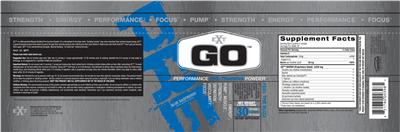
This summary is for Go Blue Raspberry by EXT
- Form
- Powder
- Serving Size
- 5 g
- Servings
- 30 per container
- Container Holds
- 5.29 oz.; 150 g; 30 Servings
- Status
- No longer sold, per the NIH record
- What is Go Blue Raspberry?A supplement from EXT with eleven active ingredients, in powder form.
- Active Ingredients 1 vitamin, 4 plant ingredients such as Plumbago zeylanica, Psoralea corylifolia and Rauwolfia serpentina, 4 amino acids and 2 others: Niacin 30 mgCreatineGlycineCarnoSynL-TaurinePlumbago zeylanicaL-CitrullinePsoralea corylifoliaRauwolfia serpentinaIris germanicaGlutamine Eleven active ingredients. Each one can interact with drugs or cause side effects on its own, so we check every one. The full Supplement Facts
- Drug Interactions 1,519 drugs have a documented interaction with this supplement; the most serious is rated major. Of those, 1,059 are single drugs and 460 are combination products (two or more drugs in one), each listed under its own name. Based on the 10 of its 11 ingredients we could check. Ask your pharmacist first if you take a drug in any of these categories, the most serious of the 36 on record:
- Major · 45 drugs
- Major · 32 drugs
- Major · 5 drugs
- Major · 1 drug
- Possible Side EffectsStomach upset 6 ingredientsBloating 3 ingredientsNausea 3 ingredientsDrowsiness 2 ingredientsHeadache 2 ingredientsRed +22 moreCombined from nine of its eleven active ingredients. Not studied in this exact product.
- Well documented Why
Does Go Blue Raspberry work?
What It Is Marketed For
- Pre-workout energy
- Muscle strength
- Performance
From the claims on the product’s label.
The Closest Use the Research Grades
Creatine
Some studies support it, but the evidence isn’t conclusive.
Its ingredients have research behind other uses too:
- Beta-alanine
- L-Citrulline
- Niacin
- Creatine
- Creatine
- Physical performance Beta-alanine
These grades are for each ingredient, not this exact product, and never a promise it will work for you.
What the research says- AllergensNone of its ingredient names point to a major food allergen, and the label text we have carries no allergen statement
- Barcode (UPC)8 51780 00398 5Match it to the barcode on your bottle to be sure this is your product. Not your product? Search for it here
Who Might Consider It
- People looking for Pre-workout energy, muscle strength and performance, which is what it is marketed for. The closest use the research grades is athletic performance, rated Possibly Effective.
- People who want it for athletic performance, metabolic syndrome, muscle strength, sarcopenia or another graded use: the other uses with research behind them. See each grade
More Before You Take It Show both answersHide Pregnancy and Breastfeeding The Label’s Directions
-
Pregnant or breastfeeding?
- Pregnancy and Breastfeeding Ceylon Leadwort
- ! When used orally or topically.
- Pregnancy and Breastfeeding Creatine
- Insufficient reliable information available; avoid using.
- Pregnancy and Breastfeeding Glycine
- Insufficient reliable information available; avoid using.
-
How does the label say to take it?
“Please read entire label before use. Suggested Use: Use on training days only. …”
The maker’s words. Your pharmacist or doctor may advise differently.
Everything the label says
From the label dated Mar 25, 2013: 10 of its 11 active ingredients were checked against our records; the other one is not in them yet. A summary of what is known, not a grade or a test of the product. How these ratings are computed
Ask Anything About This Supplement
Name a drug you take, or ask about side effects, ingredients or pregnancy.
There’s a lot of information about this supplement on this page! Ask anything in plain English for a quick answer drawn from it.
AI answers come from this label and our own records, never the open internet. AI can make mistakes, so always check with your doctor or pharmacist. How we use AI
Ask the Pharmacist
A licensed pharmacist will answer your question by email — free, as soon as they can.
Got it — thank you!
A licensed pharmacist will answer as soon as they can. Keep an eye on your email (worth checking spam, just in case).
What’s Inside Go Blue Raspberry by EXT
Eleven Active Ingredients
In the order the label lists them, each with its own card below.
The label gives an exact amount for 1 of its 11 active ingredients. The other ten are inside one proprietary blend, “GO(TM) MATRIX (Proprietary blend)”, and the label gives one total for it, not how much of each ingredient is in it.
- 1 state an exact amount
- 10 have no amount of their own
- GO(TM) MATRIX (Proprietary blend) 3,635 mg in total · 10 ingredients, no amount for each
This rates what the label tells you, not the quality of the product.
Supplement Facts
| Amount Per Serving | % Daily Value | |
|---|---|---|
| Calories | 6 {Calories} | † |
| Total Carbohydrates | 1.5 g | 1% |
| Sugar | † | |
| Niacin | 30 mg | 150% |
| GO(TM) MATRIX (Proprietary blend) | 3635 mg | † |
| Creatine | † | |
| Glycine | † | |
| CarnoSyn | † | |
| L-Taurine | † | |
| Plumbago zeylanica | † | |
| L-Citrulline | † | |
| Psoralea corylifolia | † | |
| Rauwolfia serpentina | † | |
| Iris germanica | † | |
| Glutamine | † | |
Other ingredients: Maltodextrin, Natural & Artificial flavors, Silica, Citric Acid, Sucralose, Acesulfame-K, FD&C Blue No. 1
† Daily Value not established.
Daily Values for adults and children 4 or more years of age.
As the label prints it, from the NIH Dietary Supplement Label Database.
Each Ingredient and Its Drug Interactions
Tap one for more about it and its full guide. A drug can interact with this supplement through any one of them.
-
Niacin 30 mg Interacts with 729 drugs
Form on the label: Nicotinic Acid
Niacin (vitamin B3) is an essential nutrient your body needs for energy and metabolism, and deficiency is uncommon in most developed countries.
- Prescription-strength niacin has been used to adjust cholesterol levels, but high doses can cause flushing and other side effects and should only be taken under medical supervision.
- Always talk with a pharmacist or doctor before using high-dose niacin supplements.
The full Niacin guide: uses, dosage and safety Every Niacin drug interaction
-
GO(TM) MATRIX (Proprietary blend) 3635 mg Ten ingredients inside it, each checked on its own
- Creatine
- Glycine 1 drug
- CarnoSyn
- L-Taurine 173 drugs
- Plumbago zeylanica 1,099 drugs
- L-Citrulline 178 drugs
- Psoralea corylifolia
- Rauwolfia serpentina 843 drugs
- Iris germanica
- Glutamine 50 drugs
Other Ingredients (Inactive)
The capsule or tablet itself, fillers, coatings and flavors. Not part of the drug interaction check; the allergen check below reads them.
- Maltodextrin
- Natural & Artificial flavors
- Silica
- Citric Acid
- Sucralose
- Acesulfame-K
- FD&C Blue No. 1
Allergens in Go Blue Raspberry
None of its ingredient names point to a major food allergen, and the label text we have carries no allergen statement.
Not named in the ingredients
- Milk
- Egg
- Fish
- Shellfish
- Tree nuts
- Peanuts
- Wheat or other gluten grains
- Soy
- Sesame
From the label text and ingredient names on file; we do not test products. With a serious allergy, check your bottle and ask the maker or your pharmacist.
What the Label Says
The maker’s own words, from the label. We do not verify or endorse them.
- General statements
-
“It is a throwback to the days when“building muscle” was more important than aimless based energy.”
“PERFORMANCE PRE-TRAINING POWDER*^”
8 more from the label
“Natural & Artificial Flavors”
“WORKOUT - ENERGY*^, PUMP*^, MUSCLE*^, STRENGTH*^, DEFINITION*^, VASCULARITY*^, FOCUS*^.”
“Its potent micro-dosed CNS properties may promote significant results fast.*^”
“5 GRAMS Per Scoop”
“FEEL THE BUZZ”
“STRENGTH - ENERGY - PERFORMANCE - FOCUS - PUMP”
“^When combined with a proper exercise and nutrition regimen. Statements based on early-stage independent 3rd party in vivo and / or in vitro model scientific research data findings.”
“To report an adverse event or for more information call: 954.284.3387 (tel)”
- Brand IP Statement(s)
-
“GO(TM) is geared towards anyone that wants to power through their training sessions like nothing ever that came before it. Before you even think that GO(TM) won’t get you buzzed, think again. GO(TM) is an overwhelming Energetic, Muscle Building, “no holds bar” training formula.^* READY. SET. GO(TM)!”
“GO(TM) is a selective exercise antagonist.”
2 more from the label
“Licensed under one or more of U.S. Pat. Nos. 5,965,596, 6,426,361, 7,504,376 and 8,067,381, each of which is owned by Natural Alternatives International, Inc. (NAI). NAI is also the owner of the registered trademark CarnoSyn(R)”
“GO(TM) is a Monumental Muscle Building Pre-Exercise Powder.”
- Directions
-
“Please read entire label before use. Suggested Use: Use on training days only. Take one (1) serving (1 scoop) approximately 15-30 minutes prior to training, blended into 6-8 ounces of cold water or beverage, or as suggested by a qualified healthcare practitioner. Important Note(s): Do not exceed one (1) serving (1 scoop) per training day. Avoid eating food or drinking a protein shake within an hour after consuming GO(TM). To avoid sleeplessness, do not take within four (4) hours of bedtime. Taking GO(TM) with food, or on a full stomach, may diminish its effects. Many individuals notice the initial energy, mental focus, and volumizing effects within just 5-15 minutes of ingestion, with a progressive increase every few minutes thereafter. Others may begin to notice initial signs within 30-45 minutes of ingestion.”
- FDA Statement of Identity
-
“DIETARY SUPPLEMENT”
- Seals and symbols
-
“CarnoSyn(R) Carnosine Synthesizer”
- General
-
“Rev. 01-001-GOP003 05/12”
The Go Blue Raspberry Label on File
The label scan on file at the NIH Dietary Supplement Label Database, dated March 2013. Always read the label on the bottle you have.
Product Facts
- Brand
- EXT
- Barcode (UPC)
- 851780003985
- Net contents
- 5.29 oz.; 150 g; 30 Servings
- Market status
- Off market
- Date entered into DSLD
- Mar 25, 2013
- DSLD ID
- 19224
- Product type
- Other Combinations
- Supplement form
- Powder
- Dietary claims / uses
- All Other, Structure/Function
- Intended target group(s)
- Adult (18 - 50 Years)
Is this label outdated? Report a formula or label change and our pharmacy team will review it.
HelloPharmacist Score Go Blue Raspberry by EXT
Up to 10 points for research, amount, label and outside testing. Not a safety rating. How this one adds up
for muscle strength
Some research suggests creatine, one of its ingredients, may help with muscle strength, which is what it is marketed for.
- Research4 of 5 points
- Amount0 of 2 points
- Label0 of 2 points
- Outside testing0 of 1 point
Major drug interactions. The score does not count drug interactions. Check them against any drugs you take. See them
How It Earns Its 4
Score: 4 out of 10. Preliminary for muscle strength.
3 of its ingredients have research for what it is marketed for or a use close to it. The best graded use of each:
- Creatine: Possibly Effective for athletic performance
- Beta-alanine: Possibly Effective for athletic performance
- L-citrulline: Possibly Effective for athletic performance
Grades come from the Natural Medicines database, which we license. Only one of its ingredients has research for this exact use; with 3 of them researched for it or a use close to it, research counts for at most 4 of 5 points.
4 of 5 points
Amount
The label does not say how much creatine is in it.
0 of 2 points
Label
It states the amount of one of its 11 active ingredients; ten are inside blends that give only a total.
0 of 2 points
Outside testing
We found no mark from an outside testing program, such as USP Verified or NSF Certified, on the label we have on file.
0 of 1 point
Go Blue Raspberry by EXT Side Effects
Why this rating?
We look for three kinds of safety information on each ingredient: side effects reported in studies, a pregnancy and breastfeeding rating, and a safety write-up from our pharmacy team. Of the ten ingredients we could check, nine have side-effect reports, all ten have a pregnancy rating and all ten have a safety write-up.
So this rates how much is known, not whether Go Blue Raspberry is right for you.
Reported with ten of its ingredients
- Most often
- Stomach upset, bloating, nausea, drowsiness, headache and red
- !Rare but serious
- Liver injury, myopathy and low platelets See details
Side Effects, Ingredient by Ingredient
A supplement’s side effects come from its ingredients. Here is what is reported with each one.
Niacin
Most reported
- Red
- Tingling
Creatine
Most reported
- Water retention
- Bloating
- Stomach upset
Glycine
Most reported
- Upset stomach
- Nausea
- Soft stools
- Drowsiness
Beta-alanine
Most reported
- Flushing
- Prickling sensation
- Neck
- Scalp
Taurine
Most reported
- Stomach upset
- Nausea
- Headache
Ceylon Leadwort
Most reported
- Skin irritation, redness, or blistering when applied to the skin
- Stomach upset, nausea, vomiting, or diarrhea when taken by mouth
- Mouth or throat irritation
L-Citrulline
Most reported
- Stomach upset
- Bloating
- Headache
Indian Snakeroot
Most reported
- Drowsiness
- Dizziness
- Stuffy nose
- Dry mouth
Glutamine
Most reported
- Stomach upset
- Nausea
- Bloating
- Gas
Orris has side-effect reports, but no list of the most common ones. Read them in the Orris guide
Go Blue Raspberry Warnings: Who Should Be Careful
Go Blue Raspberry has eleven active ingredients, and each can carry warnings of its own. We checked the ten in our ingredient guides, and each warning below names the ingredient it comes from. Psoralea corylifolia is not in our guides yet, so ask your pharmacist about it. If any of these apply to you, talk to your doctor or pharmacist before you start it.
- Niacin2 warnings below
- Creatine3 warnings below
- Glycine2 warnings below
- Beta-alanine2 warnings below
- Taurine1 warning below
- Ceylon Leadwort3 warnings below
- L-Citrulline1 warning below
- Indian Snakeroot3 warnings below
- Orris2 warnings below
- Glutamine3 warnings below
- Psoralea corylifoliaNot in our guides yet
-
Diabetes or Low Blood Sugar
- NiacinPeople with liver disease, stomach ulcers, gout, diabetes, low blood pressure, or a history of heart problems should be especially careful and talk to a healthcare provider first.
-
Blood Pressure
- L-CitrullineBecause it can lower blood pressure and affect blood flow, people who take blood pressure medicines, have low blood pressure, or have heart or kidney problems should talk with a healthcare provider before using it.
- Indian SnakerootSelf-treating high blood pressure or anxiety with this plant is not recommended.
- Indian SnakerootThose with stomach ulcers, low blood pressure, slow heart rate, Parkinson's disease, or gallstones should also avoid it.
-
Liver Disease
- GlycinePeople with kidney or liver disease should be cautious and check with a doctor first, since these organs handle amino acids and protein.
- Ceylon LeadwortPeople with stomach or bowel problems, liver or kidney disease, or those taking other medicines should be especially careful and should talk with a healthcare professional first.
- GlutamineUse extra caution if you have kidney disease or liver disease, since these organs are involved in processing amino acids and the byproducts of protein.
-
Kidney Disease or Kidney Stones
- CreatinePeople with kidney disease or reduced kidney function should be cautious and talk to a doctor first, since the kidneys process creatine and its by-products.
- Beta-alaninePeople with kidney problems or other chronic health conditions should talk to a doctor or pharmacist before using it, since long-term safety and effects in these groups are not well studied.
- TaurinePeople with kidney problems, heart conditions, or other health issues should check with a doctor first, since their bodies may handle taurine differently.
-
Seizure Disorders
- GlutaminePeople with a history of seizures or certain mental health conditions should also talk to a doctor first, because glutamine is related to glutamate, a chemical messenger in the brain.
-
Mental Health Conditions
- Indian SnakerootPeople with depression or a history of depression should avoid it, since reserpine can trigger or worsen depression, sometimes severely.
-
Allergies
- OrrisIf you have allergies, asthma, or a chronic health condition, check with your pharmacist or doctor before using orris in any form beyond ordinary food or fragrance amounts.
-
Children
- CreatineIt is also best to be cautious in children and teens, since most studies have been done in adults.
- Beta-alanineChildren and teens have not been well studied either.
- Ceylon LeadwortChildren should not use it.
- OrrisChildren should not be given orris root for teething or other uses.
-
If You Take Other Drugs
- NiacinAlways check with a pharmacist or doctor before starting high-dose niacin, especially if you take other medicines or have a chronic health condition.
- CreatineAnyone with a medical condition or who takes regular medications should check with a pharmacist or doctor before starting.
-
Other Cautions
- GlycineGetting glycine from normal foods is not a concern; this caution is about concentrated supplements.
- Ceylon LeadwortCeylon Leadwort should be used with caution.
- GlutaminePeople with these conditions should only take glutamine under the supervision of a healthcare provider.
-
What the Label Warns
- “Warnings: Not intended for use by persons under age 18.”
- “Please read the warning on the back of this label carefully before consumption.”
- “Do not exceed recommended dose. Do not take for more than eight (8) consecutive weeks.”
- “This product should not be taken by pregnant or lactating women. Get the consent of a licensed physician before using this product, especially if you are taking medication, have a medical condition, or thinking about becoming pregnant.”
- “KEEP THIS PRODUCT AND ALL SUPPLEMENTS OUT OF THE REACH OF CHILDREN.”
- “Caffeine Warning: The recommended serving of this product contains approximately as much caffeine as three cups of coffee. Do not consume caffeine, or combine with synephrine from other sources, including but not limited to coffee, tea, soda and other dietary supplements or medications containing phenylephrine or caffeine. Too much caffeine may cause nervousness, irritability, sleeplessness, and occasionally rapid heartbeat. Discontinue use if you experience dizziness, severe headache, rapid heartbeat or shortness of breath.”
The maker’s wording, from the product label.
-
Pregnant or Breastfeeding
Each ingredient’s rating for pregnancy and for breastfeeding, and what it covers.
Pregnancy and Breastfeeding The record rates both the same
-
When used orally or topically.
Ceylon leadwort is traditionally used orally and intravaginally as an abortifacient or for permanent sterilization; avoid using.
Pregnancy and Breastfeeding The record rates both the same
-
Insufficient reliable information available; avoid using.
Show 8 more ingredients
Pregnancy and Breastfeeding The record rates both the same
-
Insufficient reliable information available; avoid using.
Pregnancy and Breastfeeding The record rates both the same
-
Insufficient reliable information available; avoid using in medicinal amounts.
Pregnancy and Breastfeeding The record rates both the same
-
Insufficient reliable information available; avoid using.
Pregnancy and Breastfeeding The record rates both the same
-
Insufficient reliable information available; avoid using.
The reserpine alkaloid constituents appear to cross the placenta and are excreted in breast milk.
Pregnancy and Breastfeeding The record rates both the same
-
Insufficient reliable information available; avoid using.
Pregnancy and Breastfeeding The record rates both the same
-
When used orally in amounts that do not exceed the tolerable upper intake level (UL).
The UL of niacin during pregnancy and lactation is 30 mg daily for 14-18 years of age and 35 mg daily for 19 years and older.
There is insufficient reliable information available about the safety of larger oral doses of niacin during pregnancy or lactation; avoid using.
Pregnancy and Breastfeeding The record rates both the same
-
When used in amounts found in foods.
There is insufficient reliable information available about the safety of taurine when used in medicinal amounts during pregnancy and lactation; avoid using.
Pregnancy and Breastfeeding The record rates both the same
-
When consumed in amounts commonly found in foods.
There is insufficient reliable information available about the safety of glutamine when used in larger amounts as medicine during pregnancy or lactation.
Ratings and the words beside them are from the Natural Medicines database, which we license.
-
Rare but Serious Side Effects
-
!
Niacin
Higher doses can sometimes cause more serious problems, such as liver injury, increased blood sugar, gout flares, and changes in vision.
Orally: Hepatotoxicity, myopathy, thrombocytopenia, and vision changes.
-
!
Creatine
It is one of the most studied supplements, and long-term use in healthy people has not been clearly linked to serious harm.
Orally: Case reports have raised concerns about interstitial nephritis, renal insufficiency, rhabdomyolysis, and venous thrombosis.
-
!
Glycine
Serious reactions appear to be rare.
-
!
Beta-alanine
Serious side effects have not been clearly reported in healthy users, but long-term, high-dose use has not been thoroughly studied.
-
!
Taurine
Serious side effects are uncommon with taurine alone.
Orally: Hypersensitivity reactions in sensitive individuals. Case reports raise concerns for serious cardiovascular adverse effects, but these reports have involved energy drinks containing taurine and other ingredients. It is unclear if these adverse effects are due to taurine, other ingredients, or the combination.
-
!
L-Citrulline
Serious side effects appear to be rare.
-
!
Indian Snakeroot
More serious effects can include very low blood pressure, fainting, and worsening of stomach ulcers.
Orally: Atrial fibrillation, convulsions, depression, myocardial infarction.
-
!
Orris
Reported problems include skin irritation, rash, and allergic reactions, especially from handling the root or powder or from fragrance contact.
-
!
Glutamine
Serious reactions are uncommon.
When to get help: a serious allergic reaction, with trouble breathing or swelling of the face, lips or throat, needs emergency care: call 911. For any other side effect that worries you, call your doctor or pharmacist.
These reports describe each ingredient, not studies of this exact product. Not medical advice: a side effect you notice after starting a supplement is worth a word with your pharmacist or doctor.
Go Blue Raspberry by EXT Drug Interactions
We checked all eleven active ingredients in this supplement against every drug in our records. A drug can interact with it through any one of them. Psoralea corylifolia is not in our interaction records yet.
A major interaction on record
3 of 3, on a scale from Minor or none to Major.Why this rating?
We rate this by the most serious interaction on record, not by how many there are. For Indian Snakeroot, Glutamine, Niacin, Taurine and Glycine, the most serious is rated major, which means the combination is best avoided, or used only under close supervision. Some involve kinds of drugs where a small change can matter, such as blood thinners, seizure drugs and transplant drugs.
1,520 drugs are on the full list. What matters is whether one you take is on it, so check yours with the interaction checker on this page.
Seven of its eleven active ingredients have drug interactions on record. The ones below matter most. We have no interaction records for Creatine, Beta-alanine, Psoralea corylifolia and Orris.
- Interacts with
- 1,099 drugs
- Most serious
- Moderate
- Most of its records involve Cytochrome P450 3A4 (CYP3A4) Substrates, Cytochrome P450 2D6 (CYP2D6) Substrates and Cytochrome P450 1A2 (CYP1A2) Substrates.
- Interacts with
- 843 drugs
- Most serious
- Major
- Most of its records involve CNS Depressants, Cytochrome P450 2D6 (CYP2D6) Substrates and Antihypertensive Drugs.
- Interacts with
- 729 drugs
- Most serious
- Moderate
- Most of its records involve Hepatotoxic Drugs, Antihypertensive Drugs and Anticoagulant/Antiplatelet Drugs.
Show three more ingredients
- Interacts with
- 178 drugs
- Most serious
- Moderate
- Most of its records involve Antihypertensive Drugs and PHOSPHODIESTERASE-5 Inhibitors.
- Interacts with
- 173 drugs
- Most serious
- Moderate
- Most of its records involve Antihypertensive Drugs and Lithium.
- Interacts with
- 50 drugs
- Most serious
- Moderate
- Most of its records involve Anticonvulsants.
And one more ingredient with records, each in the cards below.
Why Go Blue Raspberry Interacts, Ingredient by Ingredient
A product interacts through its ingredients. Each card: how many drugs, the most serious rating, and the kinds of drugs it affects most (tap a kind for what it means).
The ingredients driving the most interactions
-
Plumbago zeylanica 1,099 drugs
Most serious: Moderate10 interaction records on file
The kinds of drugs it affects most
- 645 drugs
- 193 drugs
- 186 drugs
- 122 drugs
Every Ceylon Leadwort drug interaction, 10 records The Ceylon Leadwort records cite 10 references, listed in the Ceylon Leadwort guide.
-
Rauwolfia serpentina 843 drugs
Most serious: Major13 interaction records on file
The kinds of drugs it affects most
- 248 drugs
- 193 drugs
- 172 drugs
- 172 drugs
Every Indian Snakeroot drug interaction, 13 records The Indian Snakeroot records cite 43 references, listed in the Indian Snakeroot guide.
-
Niacin 729 drugs
Most serious: Moderate15 interaction records on file
The kinds of drugs it affects most
- 372 drugs
- 172 drugs
- 122 drugs
- 86 drugs
Every Niacin drug interaction, 15 records The Niacin records cite 66 references, listed in the Niacin guide.
-
L-Citrulline 178 drugs
Most serious: Moderate2 interaction records on file
The kinds of drugs it affects most
- 172 drugs
- PHOSPHODIESTERASE-5 Inhibitors 7 drugs
Every L-Citrulline drug interaction, 2 records The L-Citrulline records cite 9 references, listed in the L-Citrulline guide.
-
L-Taurine 173 drugs
Most serious: Moderate2 interaction records on file
The kinds of drugs it affects most
- 172 drugs
- 1 drug
Every Taurine drug interaction, 2 records The Taurine records cite 21 references, listed in the Taurine guide.
-
Glutamine 50 drugs
Most serious: Moderate1 interaction record on file
The kinds of drugs it affects most
- 50 drugs
Every Glutamine drug interaction, 1 record The Glutamine records cite 11 references, listed in the Glutamine guide.
-
Glycine 1 drug
Most serious: Moderate1 interaction record on file
The kinds of drugs it affects most
- Clozapine (Clozaril) 1 drug
Every Glycine drug interaction, 1 record The Glycine records cite 5 references, listed in the Glycine guide.
The Breakdown by Severity
Each drug counted once, at its most serious rating. Tap a tile to list those drugs.
Find Your Drug
Type a drug or brand name to see whether it is on the list.
- Only drugs with a documented interaction are listed, the most serious first.
- A drug with no known interaction is not listed, but searching its name tells you so.
- Open a drug to see which ingredient is responsible. Of those, 1,059 are single drugs and 460 are combination products (two or more drugs in one), each listed under its own name.
-
Hydrochlorothiazide and ValsartanDiovan HCT Moderate
The 5 ingredients responsible:
-
L-Taurine Moderate Hydrochlorothiazide and Valsartan is in the Antihypertensive Drugs category.
Theoretically, taurine might increase the risk of hypotension when taken with antihypertensive drugs.
The full L-Taurine + Hydrochlorothiazide and Valsartan interaction -
L-Citrulline Moderate Hydrochlorothiazide and Valsartan is in the Antihypertensive Drugs category.
Theoretically, concomitant use of L-citrulline with antihypertensive drugs might have additive effects and increase the chance of hypotension.
The full L-Citrulline + Hydrochlorothiazide and Valsartan interaction -
Plumbago Zeylanica Moderate Hydrochlorothiazide and Valsartan is in the Cytochrome P450 2C9 (CYP2C9) Substrates category.
Plumbagin, a constituent of Ceylon leadwort, has been shown to inhibit cytochrome P450 2C9 (CYP2C9) in vitro.
The full Plumbago Zeylanica + Hydrochlorothiazide and Valsartan interaction -
Niacin Moderate Hydrochlorothiazide and Valsartan is in the Antihypertensive Drugs category.
Theoretically, niacin may increase the risk of hypotension when used with antihypertensive drugs.
The full Niacin + Hydrochlorothiazide and Valsartan interaction -
Rauwolfia Serpentina Moderate Hydrochlorothiazide and Valsartan is in the Antihypertensive Drugs category.
Theoretically, concomitant use of Indian snakeroot and antihypertensive drugs might increase the risk of hypotension.
The full Rauwolfia Serpentina + Hydrochlorothiazide and Valsartan interaction
-
-
Naproxen and SumatriptanTreximet Moderate
The 3 ingredients responsible:
-
Rauwolfia Serpentina Moderate Naproxen and Sumatriptan is in the Anticoagulant/Antiplatelet Drugs category.
Theoretically, taking Indian snakeroot might increase the risk of bleeding when used with antiplatelet or anticoagulant drugs.
The full Rauwolfia Serpentina + Naproxen and Sumatriptan interaction -
Plumbago Zeylanica Moderate Naproxen and Sumatriptan is in these Anticoagulant/Antiplatelet Drugs, Cytochrome P450 2C9 (CYP2C9) Substrates, Cytochrome P450 1A2 (CYP1A2) Substrates categories.
There is some concern that Ceylon leadwort might potentiate the effects of anticoagulant and antiplatelet drugs and possibly increase the risk of bleeding.
The full Plumbago Zeylanica + Naproxen and Sumatriptan interaction -
Niacin Moderate Naproxen and Sumatriptan is in the Anticoagulant/Antiplatelet Drugs category.
Theoretically, niacin may have additive effects when used with anticoagulant or antiplatelet drugs.
The full Niacin + Naproxen and Sumatriptan interaction
-
-
Estradiol and ProgesteroneBijuvanda Moderate
The ingredient responsible:
-
Plumbago Zeylanica Moderate Estradiol and Progesterone is in these Estrogens, Cytochrome P450 3A4 (CYP3A4) Substrates, Cytochrome P450 1A2 (CYP1A2) Substrates categories.
Laboratory research suggests that Ceylon leadwort root extract has anti-estrogenic activity.
The full Plumbago Zeylanica + Estradiol and Progesterone interaction
-
-
Acetaminophen, Caffeine, Codeine, and SalicylamideCodalan No.1, Codalan No.2, Codalan No.3 Moderate
The 3 ingredients responsible:
-
Plumbago Zeylanica Moderate Acetaminophen, Caffeine, Codeine, and Salicylamide is in these Cytochrome P450 2D6 (CYP2D6) Substrates, Cytochrome P450 1A2 (CYP1A2) Substrates, Cytochrome P450 3A4 (CYP3A4) Substrates and 1 more categories.
Plumbagin, a constituent of Ceylon leadwort, has been shown to inhibit cytochrome P450 2D6 (CYP2D6) in vitro.
The full Plumbago Zeylanica + Acetaminophen, Caffeine, Codeine, and Salicylamide interaction -
Rauwolfia Serpentina Moderate Acetaminophen, Caffeine, Codeine, and Salicylamide is in these Cytochrome P450 2D6 (CYP2D6) Substrates, Stimulant Drugs, CNS Depressants categories.
Theoretically, Indian snakeroot might inhibit CYP2D6 enzymes and reduce the metabolism of CYP2D6 substrates.
The full Rauwolfia Serpentina + Acetaminophen, Caffeine, Codeine, and Salicylamide interaction -
Niacin Moderate Acetaminophen, Caffeine, Codeine, and Salicylamide is in the Hepatotoxic Drugs category.
Theoretically, concomitant use of niacin and hepatotoxic drugs might increase the risk of hepatotoxicity.
The full Niacin + Acetaminophen, Caffeine, Codeine, and Salicylamide interaction
-
-
Acetaminophen, Chlorpheniramine, and Dextromethorphan HydrobromideCoricidin HBP Maximum Strength Flu Moderate
The 3 ingredients responsible:
-
Niacin Moderate Acetaminophen, Chlorpheniramine, and Dextromethorphan Hydrobromide is in the Hepatotoxic Drugs category.
Theoretically, concomitant use of niacin and hepatotoxic drugs might increase the risk of hepatotoxicity.
The full Niacin + Acetaminophen, Chlorpheniramine, and Dextromethorphan Hydrobromide interaction -
Rauwolfia Serpentina Moderate Acetaminophen, Chlorpheniramine, and Dextromethorphan Hydrobromide is in the Cytochrome P450 2D6 (CYP2D6) Substrates category.
Theoretically, Indian snakeroot might inhibit CYP2D6 enzymes and reduce the metabolism of CYP2D6 substrates.
The full Rauwolfia Serpentina + Acetaminophen, Chlorpheniramine, and Dextromethorphan Hydrobromide interaction -
Plumbago Zeylanica Moderate Acetaminophen, Chlorpheniramine, and Dextromethorphan Hydrobromide is in these Cytochrome P450 1A2 (CYP1A2) Substrates, Cytochrome P450 2D6 (CYP2D6) Substrates, Cytochrome P450 3A4 (CYP3A4) Substrates and 1 more categories.
Plumbagin, a constituent of Ceylon leadwort, has been shown to inhibit cytochrome P450 1A2 (CYP1A2) in vitro.
The full Plumbago Zeylanica + Acetaminophen, Chlorpheniramine, and Dextromethorphan Hydrobromide interaction
-
-
Candesartan Cilexetil and HydrochlorothiazideAtacand HCT Moderate
The 4 ingredients responsible:
-
L-Citrulline Moderate Candesartan Cilexetil and Hydrochlorothiazide is in the Antihypertensive Drugs category.
Theoretically, concomitant use of L-citrulline with antihypertensive drugs might have additive effects and increase the chance of hypotension.
The full L-Citrulline + Candesartan Cilexetil and Hydrochlorothiazide interaction -
L-Taurine Moderate Candesartan Cilexetil and Hydrochlorothiazide is in the Antihypertensive Drugs category.
Theoretically, taurine might increase the risk of hypotension when taken with antihypertensive drugs.
The full L-Taurine + Candesartan Cilexetil and Hydrochlorothiazide interaction -
Rauwolfia Serpentina Moderate Candesartan Cilexetil and Hydrochlorothiazide is in the Antihypertensive Drugs category.
Theoretically, concomitant use of Indian snakeroot and antihypertensive drugs might increase the risk of hypotension.
The full Rauwolfia Serpentina + Candesartan Cilexetil and Hydrochlorothiazide interaction -
Niacin Moderate Candesartan Cilexetil and Hydrochlorothiazide is in the Antihypertensive Drugs category.
Theoretically, niacin may increase the risk of hypotension when used with antihypertensive drugs.
The full Niacin + Candesartan Cilexetil and Hydrochlorothiazide interaction
-
-
Glyburide and MetforminGlucovance Moderate
The 3 ingredients responsible:
-
Plumbago Zeylanica Moderate Glyburide and Metformin is in these Antidiabetes Drugs, Cytochrome P450 2C9 (CYP2C9) Substrates categories.
Ceylon leadwort root extract has been shown to both increase and decrease blood glucose levels in animal research.
The full Plumbago Zeylanica + Glyburide and Metformin interaction -
Rauwolfia Serpentina Moderate Glyburide and Metformin is in the Antidiabetes Drugs category.
Theoretically, concomitant use of Indian snakeroot with antidiabetes drugs might increase the risk of hypoglycemia.
The full Rauwolfia Serpentina + Glyburide and Metformin interaction -
Niacin Moderate Glyburide and Metformin is in these Hepatotoxic Drugs, Antidiabetes Drugs categories.
Theoretically, concomitant use of niacin and hepatotoxic drugs might increase the risk of hepatotoxicity.
The full Niacin + Glyburide and Metformin interaction
-
-
Alogliptin and MetforminKazano Moderate
The 3 ingredients responsible:
-
Rauwolfia Serpentina Moderate Alogliptin and Metformin is in the Antidiabetes Drugs category.
Theoretically, concomitant use of Indian snakeroot with antidiabetes drugs might increase the risk of hypoglycemia.
The full Rauwolfia Serpentina + Alogliptin and Metformin interaction -
Niacin Moderate Alogliptin and Metformin is in the Antidiabetes Drugs category.
Niacin can increase blood glucose levels and may diminish the effects of antidiabetes drugs.
The full Niacin + Alogliptin and Metformin interaction -
Plumbago Zeylanica Moderate Alogliptin and Metformin is in the Antidiabetes Drugs category.
Ceylon leadwort root extract has been shown to both increase and decrease blood glucose levels in animal research.
The full Plumbago Zeylanica + Alogliptin and Metformin interaction
-
-
Acetaminophen, Dextromethorphan, Guaifenesin, and PhenylephrineConar-A Moderate
The 3 ingredients responsible:
-
Plumbago Zeylanica Moderate Acetaminophen, Dextromethorphan, Guaifenesin, and Phenylephrine is in these Cytochrome P450 1A2 (CYP1A2) Substrates, Cytochrome P450 2D6 (CYP2D6) Substrates, Cytochrome P450 3A4 (CYP3A4) Substrates and 1 more categories.
Plumbagin, a constituent of Ceylon leadwort, has been shown to inhibit cytochrome P450 1A2 (CYP1A2) in vitro.
The full Plumbago Zeylanica + Acetaminophen, Dextromethorphan, Guaifenesin, and Phenylephrine interaction -
Niacin Moderate Acetaminophen, Dextromethorphan, Guaifenesin, and Phenylephrine is in the Hepatotoxic Drugs category.
Theoretically, concomitant use of niacin and hepatotoxic drugs might increase the risk of hepatotoxicity.
The full Niacin + Acetaminophen, Dextromethorphan, Guaifenesin, and Phenylephrine interaction -
Rauwolfia Serpentina Moderate Acetaminophen, Dextromethorphan, Guaifenesin, and Phenylephrine is in these Cytochrome P450 2D6 (CYP2D6) Substrates, Stimulant Drugs categories.
Theoretically, Indian snakeroot might inhibit CYP2D6 enzymes and reduce the metabolism of CYP2D6 substrates.
The full Rauwolfia Serpentina + Acetaminophen, Dextromethorphan, Guaifenesin, and Phenylephrine interaction
-
-
Letrozole and Ribociclib SuccinateKisqali Femara Co-Pack Moderate
The ingredient responsible:
-
Plumbago Zeylanica Moderate Letrozole and Ribociclib Succinate is in the Cytochrome P450 3A4 (CYP3A4) Substrates category.
Plumbagin, a constituent of Ceylon leadwort, has been shown to inhibit cytochrome P450 3A4 (CYP3A4) in vitro.
The full Plumbago Zeylanica + Letrozole and Ribociclib Succinate interaction
-
-
Metformin and RosiglitazoneAvandamet Moderate
The 3 ingredients responsible:
-
Niacin Moderate Metformin and Rosiglitazone is in these Antidiabetes Drugs, Hepatotoxic Drugs categories.
Niacin can increase blood glucose levels and may diminish the effects of antidiabetes drugs.
The full Niacin + Metformin and Rosiglitazone interaction -
Plumbago Zeylanica Moderate Metformin and Rosiglitazone is in these Cytochrome P450 2C9 (CYP2C9) Substrates, Antidiabetes Drugs categories.
Plumbagin, a constituent of Ceylon leadwort, has been shown to inhibit cytochrome P450 2C9 (CYP2C9) in vitro.
The full Plumbago Zeylanica + Metformin and Rosiglitazone interaction -
Rauwolfia Serpentina Moderate Metformin and Rosiglitazone is in the Antidiabetes Drugs category.
Theoretically, concomitant use of Indian snakeroot with antidiabetes drugs might increase the risk of hypoglycemia.
The full Rauwolfia Serpentina + Metformin and Rosiglitazone interaction
-
-
Acetaminophen, Dextromethorphan, and DoxylamineNyQuil Moderate
The ingredient responsible:
-
Rauwolfia Serpentina Moderate Acetaminophen, Dextromethorphan, and Doxylamine is in the CNS Depressants category.
Theoretically, taking Indian snakeroot might cause additive sedative effects.
The full Rauwolfia Serpentina + Acetaminophen, Dextromethorphan, and Doxylamine interaction
-
-
Acetaminophen, Chlorpheniramine, Phenylephrine, and SalicylamideRhinogesic, Rhinogesic JR Moderate
The 3 ingredients responsible:
-
Plumbago Zeylanica Moderate Acetaminophen, Chlorpheniramine, Phenylephrine, and Salicylamide is in these Cytochrome P450 3A4 (CYP3A4) Substrates, Cytochrome P450 1A2 (CYP1A2) Substrates, Cytochrome P450 2E1 (CYP2E1) Substrates categories.
Plumbagin, a constituent of Ceylon leadwort, has been shown to inhibit cytochrome P450 3A4 (CYP3A4) in vitro.
The full Plumbago Zeylanica + Acetaminophen, Chlorpheniramine, Phenylephrine, and Salicylamide interaction -
Niacin Moderate Acetaminophen, Chlorpheniramine, Phenylephrine, and Salicylamide is in the Hepatotoxic Drugs category.
Theoretically, concomitant use of niacin and hepatotoxic drugs might increase the risk of hepatotoxicity.
The full Niacin + Acetaminophen, Chlorpheniramine, Phenylephrine, and Salicylamide interaction -
Rauwolfia Serpentina Moderate Acetaminophen, Chlorpheniramine, Phenylephrine, and Salicylamide is in the Stimulant Drugs category.
Theoretically, concomitant use might cause additive effects.
The full Rauwolfia Serpentina + Acetaminophen, Chlorpheniramine, Phenylephrine, and Salicylamide interaction
-
-
Acetaminophen, Chlorpheniramine, Guaifenesin, Phenylephrine, and SalicylamideRhinogesic GG Moderate
The 3 ingredients responsible:
-
Niacin Moderate Acetaminophen, Chlorpheniramine, Guaifenesin, Phenylephrine, and Salicylamide is in the Hepatotoxic Drugs category.
Theoretically, concomitant use of niacin and hepatotoxic drugs might increase the risk of hepatotoxicity.
The full Niacin + Acetaminophen, Chlorpheniramine, Guaifenesin, Phenylephrine, and Salicylamide interaction -
Rauwolfia Serpentina Moderate Acetaminophen, Chlorpheniramine, Guaifenesin, Phenylephrine, and Salicylamide is in the Stimulant Drugs category.
Theoretically, concomitant use might cause additive effects.
The full Rauwolfia Serpentina + Acetaminophen, Chlorpheniramine, Guaifenesin, Phenylephrine, and Salicylamide interaction -
Plumbago Zeylanica Moderate Acetaminophen, Chlorpheniramine, Guaifenesin, Phenylephrine, and Salicylamide is in these Cytochrome P450 1A2 (CYP1A2) Substrates, Cytochrome P450 3A4 (CYP3A4) Substrates, Cytochrome P450 2E1 (CYP2E1) Substrates categories.
Plumbagin, a constituent of Ceylon leadwort, has been shown to inhibit cytochrome P450 1A2 (CYP1A2) in vitro.
The full Plumbago Zeylanica + Acetaminophen, Chlorpheniramine, Guaifenesin, Phenylephrine, and Salicylamide interaction
-
-
Acetaminophen, Doxylamine, and PseudoephedrineEx Strength Tylenol Sinus Nighttime Moderate
The 3 ingredients responsible:
-
Plumbago Zeylanica Moderate Acetaminophen, Doxylamine, and Pseudoephedrine is in these Cytochrome P450 2E1 (CYP2E1) Substrates, Cytochrome P450 1A2 (CYP1A2) Substrates categories.
Plumbagin, a constituent of Ceylon leadwort, has been shown to inhibit cytochrome P450 2E1 (CYP2E1) in vitro.
The full Plumbago Zeylanica + Acetaminophen, Doxylamine, and Pseudoephedrine interaction -
Rauwolfia Serpentina Moderate Acetaminophen, Doxylamine, and Pseudoephedrine is in the Stimulant Drugs category.
Theoretically, concomitant use might cause additive effects.
The full Rauwolfia Serpentina + Acetaminophen, Doxylamine, and Pseudoephedrine interaction -
Niacin Moderate Acetaminophen, Doxylamine, and Pseudoephedrine is in the Hepatotoxic Drugs category.
Theoretically, concomitant use of niacin and hepatotoxic drugs might increase the risk of hepatotoxicity.
The full Niacin + Acetaminophen, Doxylamine, and Pseudoephedrine interaction
-
-
Acetaminophen, Chlorpheniramine, Dextromethorphan, and PhenylpropanolamineMulti Symptom Cold Relief Moderate
The 3 ingredients responsible:
-
Plumbago Zeylanica Moderate Acetaminophen, Chlorpheniramine, Dextromethorphan, and Phenylpropanolamine is in these Cytochrome P450 2E1 (CYP2E1) Substrates, Cytochrome P450 1A2 (CYP1A2) Substrates, Cytochrome P450 2D6 (CYP2D6) Substrates and 1 more categories.
Plumbagin, a constituent of Ceylon leadwort, has been shown to inhibit cytochrome P450 2E1 (CYP2E1) in vitro.
The full Plumbago Zeylanica + Acetaminophen, Chlorpheniramine, Dextromethorphan, and Phenylpropanolamine interaction -
Rauwolfia Serpentina Moderate Acetaminophen, Chlorpheniramine, Dextromethorphan, and Phenylpropanolamine is in these Cytochrome P450 2D6 (CYP2D6) Substrates, Stimulant Drugs categories.
Theoretically, Indian snakeroot might inhibit CYP2D6 enzymes and reduce the metabolism of CYP2D6 substrates.
The full Rauwolfia Serpentina + Acetaminophen, Chlorpheniramine, Dextromethorphan, and Phenylpropanolamine interaction -
Niacin Moderate Acetaminophen, Chlorpheniramine, Dextromethorphan, and Phenylpropanolamine is in the Hepatotoxic Drugs category.
Theoretically, concomitant use of niacin and hepatotoxic drugs might increase the risk of hepatotoxicity.
The full Niacin + Acetaminophen, Chlorpheniramine, Dextromethorphan, and Phenylpropanolamine interaction
-
-
Antidiabetes and Dipeptidyl Peptidase-4 (dpp-iv) InhibitorGlyxambi Moderate
The 3 ingredients responsible:
-
Rauwolfia Serpentina Moderate Antidiabetes and Dipeptidyl Peptidase-4 (dpp-iv) Inhibitor is in the Antidiabetes Drugs category.
Theoretically, concomitant use of Indian snakeroot with antidiabetes drugs might increase the risk of hypoglycemia.
The full Rauwolfia Serpentina + Antidiabetes and Dipeptidyl Peptidase-4 (dpp-iv) Inhibitor interaction -
Niacin Moderate Antidiabetes and Dipeptidyl Peptidase-4 (dpp-iv) Inhibitor is in the Antidiabetes Drugs category.
Niacin can increase blood glucose levels and may diminish the effects of antidiabetes drugs.
The full Niacin + Antidiabetes and Dipeptidyl Peptidase-4 (dpp-iv) Inhibitor interaction -
Plumbago Zeylanica Moderate Antidiabetes and Dipeptidyl Peptidase-4 (dpp-iv) Inhibitor is in the Antidiabetes Drugs category.
Ceylon leadwort root extract has been shown to both increase and decrease blood glucose levels in animal research.
The full Plumbago Zeylanica + Antidiabetes and Dipeptidyl Peptidase-4 (dpp-iv) Inhibitor interaction
-
-
Acetaminophen, Codeine, and MethocarbamolAcetaminophen, Codeine, Methocarbamol, Robaxacet 8 Moderate
The 3 ingredients responsible:
-
Plumbago Zeylanica Moderate Acetaminophen, Codeine, and Methocarbamol is in these Cytochrome P450 2D6 (CYP2D6) Substrates, Cytochrome P450 1A2 (CYP1A2) Substrates, Cytochrome P450 2E1 (CYP2E1) Substrates categories.
Plumbagin, a constituent of Ceylon leadwort, has been shown to inhibit cytochrome P450 2D6 (CYP2D6) in vitro.
The full Plumbago Zeylanica + Acetaminophen, Codeine, and Methocarbamol interaction -
Rauwolfia Serpentina Moderate Acetaminophen, Codeine, and Methocarbamol is in these Cytochrome P450 2D6 (CYP2D6) Substrates, CNS Depressants categories.
Theoretically, Indian snakeroot might inhibit CYP2D6 enzymes and reduce the metabolism of CYP2D6 substrates.
The full Rauwolfia Serpentina + Acetaminophen, Codeine, and Methocarbamol interaction -
Niacin Moderate Acetaminophen, Codeine, and Methocarbamol is in the Hepatotoxic Drugs category.
Theoretically, concomitant use of niacin and hepatotoxic drugs might increase the risk of hepatotoxicity.
The full Niacin + Acetaminophen, Codeine, and Methocarbamol interaction
-
-
Aspirin, Caffeine, and OrphenadrineInvagesic, Invagesic Forte, Norgesic, Norgesic Forte, Orphengesic and 1 more Moderate
The 3 ingredients responsible:
-
Niacin Moderate It contains aspirin, the drug this record is about. Aspirin, Caffeine, and Orphenadrine is in the Anticoagulant/Antiplatelet Drugs category.
Theoretically, niacin may have additive effects when used with anticoagulant or antiplatelet drugs.
The full Niacin + Aspirin, Caffeine, and Orphenadrine interaction -
Plumbago Zeylanica Moderate Aspirin, Caffeine, and Orphenadrine is in these Cytochrome P450 1A2 (CYP1A2) Substrates, Cytochrome P450 3A4 (CYP3A4) Substrates, Anticoagulant/Antiplatelet Drugs and 1 more categories.
Plumbagin, a constituent of Ceylon leadwort, has been shown to inhibit cytochrome P450 1A2 (CYP1A2) in vitro.
The full Plumbago Zeylanica + Aspirin, Caffeine, and Orphenadrine interaction -
Rauwolfia Serpentina Moderate Aspirin, Caffeine, and Orphenadrine is in these Stimulant Drugs, Anticoagulant/Antiplatelet Drugs categories.
Theoretically, concomitant use might cause additive effects.
The full Rauwolfia Serpentina + Aspirin, Caffeine, and Orphenadrine interaction
-
-
Aspirin, Codeine Phosphate, and MethocarbamolRobaxisal C Moderate
The 3 ingredients responsible:
-
Plumbago Zeylanica Moderate Aspirin, Codeine Phosphate, and Methocarbamol is in these Anticoagulant/Antiplatelet Drugs, Cytochrome P450 2D6 (CYP2D6) Substrates categories.
There is some concern that Ceylon leadwort might potentiate the effects of anticoagulant and antiplatelet drugs and possibly increase the risk of bleeding.
The full Plumbago Zeylanica + Aspirin, Codeine Phosphate, and Methocarbamol interaction -
Rauwolfia Serpentina Moderate Aspirin, Codeine Phosphate, and Methocarbamol is in these Cytochrome P450 2D6 (CYP2D6) Substrates, Anticoagulant/Antiplatelet Drugs, CNS Depressants categories.
Theoretically, Indian snakeroot might inhibit CYP2D6 enzymes and reduce the metabolism of CYP2D6 substrates.
The full Rauwolfia Serpentina + Aspirin, Codeine Phosphate, and Methocarbamol interaction -
Niacin Moderate It contains aspirin, the drug this record is about. Aspirin, Codeine Phosphate, and Methocarbamol is in the Anticoagulant/Antiplatelet Drugs category.
Theoretically, niacin may have additive effects when used with anticoagulant or antiplatelet drugs.
The full Niacin + Aspirin, Codeine Phosphate, and Methocarbamol interaction
-
-
Naproxen and PseudoephedrineAleve Cold and Sinus Moderate
The 3 ingredients responsible:
-
Plumbago Zeylanica Moderate Naproxen and Pseudoephedrine is in these Anticoagulant/Antiplatelet Drugs, Cytochrome P450 1A2 (CYP1A2) Substrates, Cytochrome P450 2C9 (CYP2C9) Substrates categories.
There is some concern that Ceylon leadwort might potentiate the effects of anticoagulant and antiplatelet drugs and possibly increase the risk of bleeding.
The full Plumbago Zeylanica + Naproxen and Pseudoephedrine interaction -
Niacin Moderate Naproxen and Pseudoephedrine is in the Anticoagulant/Antiplatelet Drugs category.
Theoretically, niacin may have additive effects when used with anticoagulant or antiplatelet drugs.
The full Niacin + Naproxen and Pseudoephedrine interaction -
Rauwolfia Serpentina Moderate Naproxen and Pseudoephedrine is in these Anticoagulant/Antiplatelet Drugs, Stimulant Drugs categories.
Theoretically, taking Indian snakeroot might increase the risk of bleeding when used with antiplatelet or anticoagulant drugs.
The full Rauwolfia Serpentina + Naproxen and Pseudoephedrine interaction
-
-
Acetaminophen, Chlorpheniramine, Phenylpropanolamine, and PhenyltoloxamineNorel Plus Moderate
The 3 ingredients responsible:
-
Plumbago Zeylanica Moderate Acetaminophen, Chlorpheniramine, Phenylpropanolamine, and Phenyltoloxamine is in these Cytochrome P450 3A4 (CYP3A4) Substrates, Cytochrome P450 1A2 (CYP1A2) Substrates, Cytochrome P450 2E1 (CYP2E1) Substrates categories.
Plumbagin, a constituent of Ceylon leadwort, has been shown to inhibit cytochrome P450 3A4 (CYP3A4) in vitro.
The full Plumbago Zeylanica + Acetaminophen, Chlorpheniramine, Phenylpropanolamine, and Phenyltoloxamine interaction -
Rauwolfia Serpentina Moderate Acetaminophen, Chlorpheniramine, Phenylpropanolamine, and Phenyltoloxamine is in the Stimulant Drugs category.
Theoretically, concomitant use might cause additive effects.
The full Rauwolfia Serpentina + Acetaminophen, Chlorpheniramine, Phenylpropanolamine, and Phenyltoloxamine interaction -
Niacin Moderate Acetaminophen, Chlorpheniramine, Phenylpropanolamine, and Phenyltoloxamine is in the Hepatotoxic Drugs category.
Theoretically, concomitant use of niacin and hepatotoxic drugs might increase the risk of hepatotoxicity.
The full Niacin + Acetaminophen, Chlorpheniramine, Phenylpropanolamine, and Phenyltoloxamine interaction
-
-
Acetaminophen, Chlorpheniramine, and DextromethorphanCoricidin II Extra Strength Cold and Flu Moderate
The 3 ingredients responsible:
-
Plumbago Zeylanica Moderate Acetaminophen, Chlorpheniramine, and Dextromethorphan is in these Cytochrome P450 2D6 (CYP2D6) Substrates, Cytochrome P450 3A4 (CYP3A4) Substrates, Cytochrome P450 1A2 (CYP1A2) Substrates and 1 more categories.
Plumbagin, a constituent of Ceylon leadwort, has been shown to inhibit cytochrome P450 2D6 (CYP2D6) in vitro.
The full Plumbago Zeylanica + Acetaminophen, Chlorpheniramine, and Dextromethorphan interaction -
Rauwolfia Serpentina Moderate Acetaminophen, Chlorpheniramine, and Dextromethorphan is in the Cytochrome P450 2D6 (CYP2D6) Substrates category.
Theoretically, Indian snakeroot might inhibit CYP2D6 enzymes and reduce the metabolism of CYP2D6 substrates.
The full Rauwolfia Serpentina + Acetaminophen, Chlorpheniramine, and Dextromethorphan interaction -
Niacin Moderate Acetaminophen, Chlorpheniramine, and Dextromethorphan is in the Hepatotoxic Drugs category.
Theoretically, concomitant use of niacin and hepatotoxic drugs might increase the risk of hepatotoxicity.
The full Niacin + Acetaminophen, Chlorpheniramine, and Dextromethorphan interaction
-
-
Aspirin, Carisoprodol, and Codeine PhosphateSoma Compound w/ Codeine Moderate
The 3 ingredients responsible:
-
Rauwolfia Serpentina Moderate Aspirin, Carisoprodol, and Codeine Phosphate is in these Cytochrome P450 2D6 (CYP2D6) Substrates, Anticoagulant/Antiplatelet Drugs, CNS Depressants categories.
Theoretically, Indian snakeroot might inhibit CYP2D6 enzymes and reduce the metabolism of CYP2D6 substrates.
The full Rauwolfia Serpentina + Aspirin, Carisoprodol, and Codeine Phosphate interaction -
Niacin Moderate It contains aspirin, the drug this record is about. Aspirin, Carisoprodol, and Codeine Phosphate is in the Anticoagulant/Antiplatelet Drugs category.
Large doses of aspirin might alter the clearance of niacin.
The full Niacin + Aspirin, Carisoprodol, and Codeine Phosphate interaction -
Plumbago Zeylanica Moderate Aspirin, Carisoprodol, and Codeine Phosphate is in these Cytochrome P450 2D6 (CYP2D6) Substrates, Anticoagulant/Antiplatelet Drugs categories.
Plumbagin, a constituent of Ceylon leadwort, has been shown to inhibit cytochrome P450 2D6 (CYP2D6) in vitro.
The full Plumbago Zeylanica + Aspirin, Carisoprodol, and Codeine Phosphate interaction
-
-
Ezetimibe and AtorvastatinLiptruzet Moderate
The 2 ingredients responsible:
-
Niacin Moderate Ezetimibe and Atorvastatin is in these Hepatotoxic Drugs, HMG-CoA REDUCTASE INHIBITORS ("Statins") categories.
Theoretically, concomitant use of niacin and hepatotoxic drugs might increase the risk of hepatotoxicity.
The full Niacin + Ezetimibe and Atorvastatin interaction -
Plumbago Zeylanica Moderate Ezetimibe and Atorvastatin is in the Cytochrome P450 3A4 (CYP3A4) Substrates category.
Plumbagin, a constituent of Ceylon leadwort, has been shown to inhibit cytochrome P450 3A4 (CYP3A4) in vitro.
The full Plumbago Zeylanica + Ezetimibe and Atorvastatin interaction
-
-
Glipizide and MetforminMetaglip Moderate
The 3 ingredients responsible:
-
Plumbago Zeylanica Moderate Glipizide and Metformin is in these Antidiabetes Drugs, Cytochrome P450 2C9 (CYP2C9) Substrates categories.
Ceylon leadwort root extract has been shown to both increase and decrease blood glucose levels in animal research.
The full Plumbago Zeylanica + Glipizide and Metformin interaction -
Rauwolfia Serpentina Moderate Glipizide and Metformin is in the Antidiabetes Drugs category.
Theoretically, concomitant use of Indian snakeroot with antidiabetes drugs might increase the risk of hypoglycemia.
The full Rauwolfia Serpentina + Glipizide and Metformin interaction -
Niacin Moderate Glipizide and Metformin is in the Antidiabetes Drugs category.
Niacin can increase blood glucose levels and may diminish the effects of antidiabetes drugs.
The full Niacin + Glipizide and Metformin interaction
-
-
Aspirin and PentazocineTalwin Compound Moderate
The 3 ingredients responsible:
-
Niacin Moderate Aspirin and Pentazocine is in the Anticoagulant/Antiplatelet Drugs category.
Large doses of aspirin might alter the clearance of niacin.
The full Niacin + Aspirin and Pentazocine interaction -
Plumbago Zeylanica Moderate Aspirin and Pentazocine is in these Cytochrome P450 1A2 (CYP1A2) Substrates, Anticoagulant/Antiplatelet Drugs categories.
Plumbagin, a constituent of Ceylon leadwort, has been shown to inhibit cytochrome P450 1A2 (CYP1A2) in vitro.
The full Plumbago Zeylanica + Aspirin and Pentazocine interaction -
Rauwolfia Serpentina Moderate Aspirin and Pentazocine is in these CNS Depressants, Anticoagulant/Antiplatelet Drugs categories.
Theoretically, taking Indian snakeroot might cause additive sedative effects.
The full Rauwolfia Serpentina + Aspirin and Pentazocine interaction
-
-
Acetaminophen, Caffeine, and PyrilamineMidol Max Strength Menstrual Moderate
The 3 ingredients responsible:
-
Plumbago Zeylanica Moderate Acetaminophen, Caffeine, and Pyrilamine is in these Cytochrome P450 3A4 (CYP3A4) Substrates, Cytochrome P450 1A2 (CYP1A2) Substrates, Cytochrome P450 2E1 (CYP2E1) Substrates categories.
Plumbagin, a constituent of Ceylon leadwort, has been shown to inhibit cytochrome P450 3A4 (CYP3A4) in vitro.
The full Plumbago Zeylanica + Acetaminophen, Caffeine, and Pyrilamine interaction -
Niacin Moderate Acetaminophen, Caffeine, and Pyrilamine is in the Hepatotoxic Drugs category.
Theoretically, concomitant use of niacin and hepatotoxic drugs might increase the risk of hepatotoxicity.
The full Niacin + Acetaminophen, Caffeine, and Pyrilamine interaction -
Rauwolfia Serpentina Moderate Acetaminophen, Caffeine, and Pyrilamine is in the Stimulant Drugs category.
Theoretically, concomitant use might cause additive effects.
The full Rauwolfia Serpentina + Acetaminophen, Caffeine, and Pyrilamine interaction
-
-
Aspirin and DipyridamoleAggrenox, Asasantin Retard Moderate
The 3 ingredients responsible:
-
Plumbago Zeylanica Moderate Aspirin and Dipyridamole is in the Anticoagulant/Antiplatelet Drugs category.
There is some concern that Ceylon leadwort might potentiate the effects of anticoagulant and antiplatelet drugs and possibly increase the risk of bleeding.
The full Plumbago Zeylanica + Aspirin and Dipyridamole interaction -
Rauwolfia Serpentina Moderate Aspirin and Dipyridamole is in the Anticoagulant/Antiplatelet Drugs category.
Theoretically, taking Indian snakeroot might increase the risk of bleeding when used with antiplatelet or anticoagulant drugs.
The full Rauwolfia Serpentina + Aspirin and Dipyridamole interaction -
Niacin Moderate Aspirin and Dipyridamole is in the Anticoagulant/Antiplatelet Drugs category.
Theoretically, niacin may have additive effects when used with anticoagulant or antiplatelet drugs.
The full Niacin + Aspirin and Dipyridamole interaction
-
-
Dapagliflozin Propanediol and MetforminXigduo XR Moderate
The 3 ingredients responsible:
-
Rauwolfia Serpentina Moderate Dapagliflozin Propanediol and Metformin is in the Antidiabetes Drugs category.
Theoretically, concomitant use of Indian snakeroot with antidiabetes drugs might increase the risk of hypoglycemia.
The full Rauwolfia Serpentina + Dapagliflozin Propanediol and Metformin interaction -
Niacin Moderate Dapagliflozin Propanediol and Metformin is in the Antidiabetes Drugs category.
Niacin can increase blood glucose levels and may diminish the effects of antidiabetes drugs.
The full Niacin + Dapagliflozin Propanediol and Metformin interaction -
Plumbago Zeylanica Moderate Dapagliflozin Propanediol and Metformin is in the Antidiabetes Drugs category.
Ceylon leadwort root extract has been shown to both increase and decrease blood glucose levels in animal research.
The full Plumbago Zeylanica + Dapagliflozin Propanediol and Metformin interaction
-
Does It Work? Go Blue Raspberry by EXT
What the research says for what it is marketed for, then its ingredients’ other uses and each ingredient on its own. A grade is the research so far, never an endorsement.
What the Research Supports
First for what it is marketed for, then the other uses its ingredients are graded for, strongest research first.
Marketed for Pre-workout energy, muscle strength and performance
- Creatine, Beta-alanine and L-Citrulline
- Creatine
- Creatine
- Physical performance Beta-alanine
Other uses its ingredients are graded for
- Niacin
The Evidence, Ingredient by Ingredient
The detail behind the list above: our notes on each ingredient and its graded uses.
Niacin
From our Niacin guide
- Preventing and treating deficiency: Niacin clearly works to prevent and treat its deficiency disease, called pellagra.
- This is its most well-established use.
Research suggests a benefit for
- Pellagra
- Metabolic syndrome
Not counted here: one graded use is for a condition treated by a doctor or in a hospital (HIV/AIDS-related dyslipidemia).
Every graded use, in the Niacin guideCreatine
From our Creatine guide
- The strongest evidence supports creatine for improving performance during short, high-intensity exercise such as weightlifting, sprinting, and repeated bursts of effort.
- Many studies suggest it can help increase muscle strength and power, and may support gains in muscle size when paired with resistance training.
Research suggests a benefit for
- Athletic performance (the use on its label), muscle strength, sarcopenia and cerebral creatine deficiency syndromes
Glycine
From our Glycine guide
- The most studied use of glycine is for sleep quality.
- A few small studies suggest that taking glycine before bed may help some people fall asleep more easily and feel less tired during the day.
Not counted here: one graded use is for a condition treated by a doctor or in a hospital (schizophrenia).
Every graded use, in the Glycine guideBeta-alanine
From our Beta-alanine guide
- The most studied use of beta-alanine is to improve exercise performance, especially during short, intense efforts lasting roughly one to several minutes (such as sprinting, rowing, or repeated high-effort sets).
- Several studies suggest it may give a small benefit in these kinds of activities by raising muscle carnosine over time.
Research suggests a benefit for
- Athletic performance and physical performance
Taurine
From our Taurine guide
- Taurine is popular, but the science behind many of its uses is still developing.
Not counted here: two graded uses are for conditions treated by a doctor or in a hospital (congestive heart failure (CHF) and hepatitis).
Every graded use, in the Taurine guideCeylon Leadwort
From our Ceylon Leadwort guide
- People have traditionally used Ceylon Leadwort for digestive problems, poor appetite, skin conditions, wounds, and joint or muscle pain.
- It also appears in folk remedies as an antimicrobial and as a general 'tonic.'
No use is graded effective, likely effective or possibly effective for it yet.
Every graded use, in the Ceylon Leadwort guideL-Citrulline
From our L-Citrulline guide
- L-citrulline is best known as a workout supplement.
- Some studies suggest it may modestly improve exercise performance and reduce muscle soreness after intense activity, but results are mixed and the effects tend to be small.
Research suggests a benefit for
- Athletic performance
Indian Snakeroot
From our Indian Snakeroot guide
- The most studied use of Indian snakeroot is for high blood pressure.
- Its main active compound, reserpine, does lower blood pressure, and reserpine was once a widely prescribed medication.
No use is graded effective, likely effective or possibly effective for it yet.
Every graded use, in the Indian Snakeroot guideOrris
From our Orris guide
- People have traditionally used orris root for coughs, chest congestion, digestive complaints, and to freshen breath.
- In the past it was even rubbed on infant gums during teething, a practice that is no longer recommended.
No use is graded effective, likely effective or possibly effective for it yet.
Every graded use, in the Orris guideGlutamine
From our Glutamine guide
- People use glutamine for many reasons, but the strength of the evidence varies a lot depending on the use.
Not counted here: five graded uses are for conditions treated by a doctor or in a hospital (HIV/AIDS-related wasting, sickle cell disease, critical illness (trauma) and others).
Every graded use, in the Glutamine guideThe grades are the Natural Medicines database’s, which we license; tap a grade for what it means. They are about each ingredient, not this exact product.
About EXT
Manufacturer and brand details for Go Blue Raspberry, from the product label.
EXT has 9 products in our supplement database, 7 of them on the market, with labels on file since 2012. Our database is built from the NIH’s Dietary Supplement Label Database and our pharmacy team’s own additions, so it covers the labels filed there, not every product the brand sells.
- Phone Number
- 954.284.3387
Go Blue Raspberry by EXT: Common Questions
Does Go Blue Raspberry by EXT interact with any drugs?
What are the side effects of Go Blue Raspberry by EXT?
Who should be careful taking Go Blue Raspberry by EXT?
Can Go Blue Raspberry by EXT affect the liver?
Can Go Blue Raspberry by EXT affect the kidneys?
How can Go Blue Raspberry by EXT interact with so many drugs?
Where does the information about Go Blue Raspberry by EXT come from?
Written and reviewed by the HelloPharmacist Editorial Team. Our editorial policy
Still Have a Question About Go Blue Raspberry?
Our pharmacists answer drug and supplement questions, free, by email.
Label information is sourced from the NIH Dietary Supplement Label Database and reflects the product version on file; always read your actual product label. This page is for education only and is not a substitute for professional medical advice. Confirm with your pharmacist or doctor before combining supplements and drugs.
Who Reviews This Page
The pharmacist behind it, and how it is checked.
Dr. Brian Staiger, PharmD, BCPS
Clinical pharmacist and founder of HelloPharmacist
A licensed pharmacist for more than 13 years, he built the system behind this page: it reads the label on file, matches each active ingredient to its record in the Natural Medicines database, checks those records against every drug we cover, and our pharmacy team writes the take and the interaction summary from those records.
- 13+ Years in PharmacyRetail and clinical pharmacy, medication safety and healthcare administration.
- Board Certified (BCPS)A pharmacotherapy specialist, certified by the Board of Pharmacy Specialties.
- Herbalist TrainingCertificates in medical ethnobotany, for the herbs and supplements people take.
Where This Page Comes From
Go Blue Raspberry’s label data comes from the NIH Dietary Supplement Label Database; the ingredient interaction data is from the Natural Medicines database, reviewed by our pharmacists.
- NIH Dietary Supplement Label Database (DSLD)
- The official product label on file for this supplement.
- Natural Medicines (Therapeutic Research Center)
- The evidence-graded clinical reference behind the ingredient interaction, evidence and safety records, which we license.
- HelloPharmacist Editorial Team
- Content is reviewed by the HelloPharmacist Editorial Team, the pharmacists on our staff and those we contract. See our data sources and editorial standards for how this information is built and checked.
- The ratings in the Quick Summary
- They summarize available label information, ingredient evidence and known drug-safety records: a summary of what is known, not a grade of the product itself. They do not verify product identity, purity, potency, contamination or manufacturing quality. How these ratings are computed
The References Behind the Interaction Records
Every citation the ingredients’ records rest on is listed in that ingredient’s guide, in context: Niacin, 66 references; Creatine, 83 references; Glycine, 5 references; Beta-alanine, 13 references; Taurine, 21 references; Ceylon Leadwort, 10 references; L-Citrulline, 9 references; Indian Snakeroot, 43 references; Orris, 3 references; Glutamine, 11 references .
Parts of this content are provided by the Therapeutic Research Center, LLC.
DISCLAIMER: Currently this does not check for drug-drug interactions. This is not an all-inclusive comprehensive list of potential interactions and is for informational purposes only. Not all interactions are known or well-reported in the scientific literature, and new interactions are continually being reported. Input is needed from a qualified healthcare provider including a pharmacist before starting any therapy. Application of clinical judgment is necessary.
© 2021 Therapeutic Research Center, LLC
Keep Exploring
- Supplement interaction checkerCheck any supplement or product against your drugs
- Drug–drug interactionsCheck two or more of your drugs against each other
- Browse drugs A to ZEvery drug we have checked against herbs and supplements
- NDC and pricing lookupFind a drug’s NDCs, packaging and costs
- Ask a pharmacistA free, personal answer from our licensed team