
Drug & Supplement Interactions
Phellodendron + Atenolol
Brand names of Atenolol
- Tenormin
- Atenix

Medically reviewed by Dr. Brian Staiger, PharmD, BCPS
Also reviewed by the HelloPharmacist Editorial Team
Updated November 2026Details about this page
- Pair last verified Nov 22, 2026
- Dr. Brian Staiger, PharmD, BCPS, is a clinical pharmacist and pharmacotherapy specialist.
- Editorial policy
- Our sources →
AI is used only to summarize verified clinical information, never the open internet. Our AI policy
Theoretically, phellodendron might have additive effects with antihypertensive drugs. This interaction is rated moderate.
This also applies to Tenormin and Atenix, brand names of atenolol.
Read the Full Interaction Report
Dr. Brian Staiger’s Quick Take
Phellodendron's berberine may lower blood pressure a bit, so with atenolol the effects could stack and push your numbers lower than expected. Check with your pharmacist or doctor before combining them, and watch for dizziness, lightheadedness, unusual tiredness, or feeling faint when you stand up.
Read his full note1-minute read- Moderate
- Possible
- D
Ask a Question About This Combination
Ask in your own words about taking Phellodendron with Atenolol. The answer comes from this page’s own records.
AI answers from this page’s interaction records and our own drug and supplement information, never the open internet. AI can make mistakes, so always check with your doctor or pharmacist. How we use AI
Phellodendron and Atenolol Interaction
Here is the interaction we found between these two, with the evidence behind it.
Phellodendron With Antihypertensive Drugs
Why this applies to Atenolol
- The SupplementPhellodendron
- Interacts With the CategoryAntihypertensive Drugs
- Which IncludesAtenolol
We sort drugs into categories. Atenolol is in our Antihypertensive Drugs category, and Phellodendron interacts with every drug in it, so this interaction applies to Atenolol.
Interaction Details Explained
Phellodendron contains berberine. Animal research suggests that berberine can have hypotensive effects. Also, a clinical study suggests that taking berberine in combination with amlodipine can lower systolic and diastolic blood pressure when compared with amlodipine alone. Theoretically, phellodendron might also reduce blood pressure.
- Severity
- ModerateUse caution: it may call for monitoring, timing changes or a dose change.
- Likelihood
- PossibleSeen in lab or animal research, or in people only in case reports or mixed results.
- Evidence
- Grade DBased on what is expected from how the two work, not yet studied.
Here's the gist: atenolol already works to bring your blood pressure down and slow your heart rate. Phellodendron contains berberine, which animal studies and one small human trial suggest may also lower blood pressure a bit. Put the two together and the effects could stack up, pushing your numbers lower than expected.
If that happens, you might notice dizziness, lightheadedness, unusual tiredness, or feeling faint when you stand up, especially in the first days or after a dose change. Keep in mind this is a theoretical concern based mostly on how these things work, not strong human proof, so it may never cause trouble for you. Still, since blood pressure is involved, please check with your pharmacist or doctor before combining them, and don't change your atenolol on your own.
Still have a question about this interaction?
Contact Dr. Brian directlyReferences 3 sources behind this record
- Sabir M and Bhide NK. Study of some pharmacological actions of berberine. Ind J Physiol & Pharmac 1971;15(3):111-132.
- Chun YT, Yip TT, Lau KL, and et al. A biochemical study on the hypotensive effect of berberine in rats. Gen Pharmac 1979;10:177-182. PubMed
- Lan J, Zhao Y, Dong F, et al. Meta-analysis of the effect and safety of berberine in the treatment of type 2 diabetes mellitus, hyperlipemia and hypertension. J Ethnopharmacol. 2015;161:69-81. PubMed
Pharmacist Q&AYou ask. We answer.
Questions Our Pharmacists Have Answered About Phellodendron and Atenolol
Real questions from readers, each answered by a licensed pharmacist at HelloPharmacist, written by a person and not generated from a database. An answer is written for the reader who asked and their situation, so read it for what to ask your own pharmacist rather than as a plan to follow.
Each one covers Phellodendron or Atenolol, not necessarily both.
-
The pharmacist says
L-arginine, ashwagandha, tribulus terrestris, and horny goat weed may add to atenolol's blood-pressure-lowering effect, so start any of them one at a time and check your blood pressure at home.
Answered by Dr. Brian Staiger, PharmD · October 2026 -
The pharmacist says
NSAIDs like Celebrex can raise blood pressure and reduce how well bisoprolol works to control it by decreasing helpful compounds in the kidneys that help relax blood vessels.
Answered by Dr. Brian Staiger, PharmD · April 2025 -
The pharmacist says
Hair loss is a rarely reported side effect of metoprolol that has been documented after the drug came to market. The hair loss caused by metoprolol appears to be reversible, so it may resolve if you stop taking the medication. Some beta-blockers like nebivolol do not list hair loss as a potential side effect, so discussing alternative options with your doctor may be worth considering.
Answered by Dr. Brian Staiger, PharmD · April 2024
Your Whole Routine
Your Other Medicines and Supplements
Phellodendron Also Interacts With Other Medications
Besides Atenolol, Phellodendron has 1,161 moderate known drug interactions in our database. If you take anything else, check it against the full list below.
Check Another of Your Medications Against Phellodendron
We haven’t checked that one against Phellodendron yet — ask our pharmacists directly.
Covers the 2,830 medications we’ve checked against Phellodendron. Pick one to open its full report.
See Every Supplement That Interacts With Atenolol
Take other supplements too? 143 supplements have a documented interaction with Atenolol, each explained on its page.
By severity: 5 major, 118 moderate and 20 minor.
The Most Serious There Right Now:
- Activated Charcoal and AtenololMajor
- American Hellebore and AtenololMajor
- American Mistletoe and AtenololMajor
- Indian Snakeroot and AtenololMajor
- Tyramine and AtenololMajor
Taking Phellodendron as Part of a Dietary Supplement Product? Check It for Interactions
A product can hold more than Phellodendron. We have broken down 393 supplement products that contain it, ingredient by ingredient. Find yours and we’ll check every ingredient against Atenolol:
Phellodendron Products People Look Up
Get to Know Each One
About Phellodendron and Atenolol
About Phellodendron
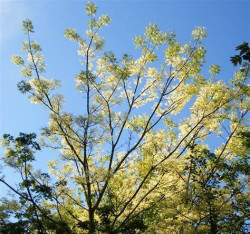
Phellodendron is a traditional Chinese medicine bark (Huang Bai) that contains berberine and other plant compounds with antimicrobial and anti-inflammatory activity in lab studies. Human evidence for most uses is limited, and it is often sold in combination with other herbs, making its individual effects hard to judge. Talk with your pharmacist or doctor before using it, and avoid it during pregnancy and breastfeeding.
About Atenolol
Brand names: Tenormin, Atenix
Atenolol tablets (including the brand Tenormin) are used to lower high blood pressure. Lowering blood pressure reduces the risk of strokes and heart attacks.
More to Explore
More Pairs and Interactions to Check
More Pairs Like Phellodendron and Atenolol
Other drugs in the category this interaction applies to, and other supplements people check with Atenolol.
Also in Our Antihypertensive Drugs Category
Phellodendron interacts with every drug in this category, so each of these has the same interaction. The category is about a shared effect, not about being the same kind of medicine.
- AmlodipineModerate›
- Losartan PotassiumModerate›
- MetoprololModerate›
- PropranololModerate›
- BenzthiazideModerate›
- BetaxololModerate›
Show all 16 drugs in this categoryShow fewer
155 more in this category are on the Phellodendron interactions list.
Other Supplements With Atenolol
The most serious documented interactions with Atenolol first, then supplements with none on record, the most looked-up leading.
- Vitamin B6Moderate›
- SodiumModerate›
- AshwagandhaModerate›
- Chanca PiedraMinor›
- Humann Superbeets Heart ChewsMinor›
- N-methyltyramineMinor›
Show all 25 supplementsShow fewer
- Nicotinamide RibosideMinor›
- PuraviveMinor›
- TaurineModerate›
- GinkgoModerate›
- LicoriceModerate›
- MelatoninModerate›
- TheanineModerate›
- QuercetinModerate›
- N-acetyl Cysteine (nac)Moderate›
- RhodiolaModerate›
- Fish OilModerate›
- PomegranateModerate›
- GarlicModerate›
- Vitamin CNo Known Interaction›
- CalciumNo Known Interaction›
- BarleyNo Known Interaction›
- Black CohoshNo Known Interaction›
- PhenylalanineNo Known Interaction›
- KavaNo Known Interaction›
Other Drugs & Phellodendron
Browse every other medication we’ve checked against Phellodendron — both the ones with a known interaction and the ones without. Select any drug for the full detail.
No drugs match “”.
Also checked against Phellodendron
Moderate: 1,161 interactions
- Diclofenac Sodium ›
- Diltiazem ›
- Nifedipine ›
- Ibuprofen ›
- Diphenhydramine ›
- Aspirin ›
- Hydrocortisone ›
- Insulin (rdna) ›
- Naproxen ›
- Erythromycin ›
- Estradiol ›
- Minocycline ›
- Propranolol ›
- Lidocaine ›
- Guaifenesin ›
- Hydrochlorothiazide ›
- Norethindrone ›
- Testosterone ›
- Verapamil ›
- Levonorgestrel ›
- Ivacaftor and Lumacaftor ›
- Lansoprazole, Amoxicillin, and Clarithromycin ›
- Lesinurad and Allopurinol ›
- Letrozole and Ribociclib Succinate ›
- Leuprolide Acetate and Norethindrone Acetate ›
- Linagliptin and Metformin Hydrochloride ›
- Lopinavir and Ritonavir ›
- Macitentan and Tadalafil ›
- Medroxyprogesterone Acetate, Oestrogens, Conjugated ›
- Memantine and Donepezil ›
- Mestranol and Norethynodrel ›
- Metformin and Linagliptin ›
- Metformin and Rosiglitazone ›
- Methyclothiazide and Pargyline ›
- Methyclothiazide and Reserpine ›
- Miconazole, Zinc Oxide, and Petrolatum ›
- Mometasone and Formoterol ›
- Naloxone and Pentazocine ›
- Naltrexone Hydrochloride and Oxycodone Hydrochloride ›
- Naproxen and Pseudoephedrine ›
- Naproxen and Sumatriptan ›
- Nebivolol Hydrochloride and Valsartan ›
- Netupitant and Palonosetron (oral) ›
- Niacin and Lovastatin ›
- Niacin and Simvastatin ›
- Niraparib and Abiraterone ›
- Nirmatrelvir and Ritonavir ›
- Olodaterol Hydrochloride and Tiotropium Bromide ›
- Olopatadine Hydrochloride and Mometasone Furoate ›
- Ombitasvir and Paritaprevir Ritonavir ›
- Ombitasvir, Paritaprevir, Ritonavir, and Dasabuvir ›
- Omeprazole and Sodium Bicarbonate ›
- Oxycodone and Naloxone ›
- Perindopril Arginine and Amlodipine ›
- Phenobarbital and Phenytoin ›
- Phenobarbital and Sodium Nitrate ›
- Phentermine and Topiramate ›
- Pioglitazone and Metformin ›
- Polythiazide and Prazosin ›
- Polythiazide and Reserpine ›
Showing 60 of 1,161 moderate interactions — see all 1,161 on the Phellodendron page.
No Interaction 1,668 drugs checked — show the list
We also checked Phellodendron against these medications and found no known interaction in our sources. Open any page to confirm.
- Levothyroxine ›
- Rosuvastatin ›
- Levothyroxine and Liothyronine ›
- Methylphenidate ›
- Ivermectin ›
- Amoxicillin ›
- Acetaminophen ›
- Azithromycin ›
- Isotretinoin ›
- Methotrexate ›
- Bupropion ›
- Doxycycline ›
- Methylene Blue ›
- Hydroxyurea ›
- Docusate ›
- Levothyroxine Sodium ›
- Valacyclovir ›
- Amoxicillin and Clavulanate Potassium ›
- Thyroid Hormone ›
- Acyclovir ›
- Arformoterol ›
- Arsenic Trioxide (prescription Drug) ›
- Artemether ›
- Artesunate ›
- Asciminib ›
- Asenapine ›
- Asfotase Alfa ›
- Asparaginase ›
- Asparaginase Erwina Chrysantemi ›
- Asparaginase Erwinia Chrysanthemi (recombinant)-rywn ›
- Astemizole ›
- Atezolizumab ›
- Atovaquone ›
- Atracurium ›
- Atropine ›
- Atropine Sulfate ›
- Attapulgite ›
- Auranofin ›
- Avacincaptad Pegol ›
- Avalglucosidase Alfa-ngpt ›
- Avelumab ›
- Azacitidine ›
- Azamune ›
- Azatadine ›
- Azathioprine ›
- Azelaic Acid ›
- Azelastine ›
- Aztreonam ›
- Bacampicillin ›
- Bacille Calmette-guerin ›
- Bacillus Calmette-guerin ›
- Bacitracin ›
- Baloxavir Marboxil ›
- Balsalazide Disodium ›
- Baricitinib ›
- Barium Sulfate ›
- Basiliximab ›
- Belantamab Mafodotin-blmf ›
- Belatacept ›
- Belimumab ›
Showing 60 of the 1,668 medications checked with no known interaction, the most looked-up first — see the full Phellodendron list.
Atenolol Is Linked to Lower Levels of One Nutrient
Natural Medicines records Atenolol as a medicine that can lower these. This is not an interaction with Phellodendron — it is a separate effect of the medicine, and it is a reason some people are advised to supplement rather than to avoid one:
Read the full Atenolol nutrient depletion report ›
Depletion records come from the licensed Natural Medicines database. Do not start a supplement on the strength of this page — ask your pharmacist or doctor whether it applies to you.
Where Phellodendron and Atenolol Sit Against Everything Else
Out of every supplement and medication people look up on HelloPharmacist, here is where these two land this week — and which way each has been moving.
#176 of 1,458 supplements looked up here in the last 7 days
#177 of 2,830 medications looked up here in the last 7 days
A rank of lookups on this site, not of how often either one is used. It counts every visit, automated ones included, and identifies no one.
Questions and Sources
Common Questions and Where This Comes From
Taking Phellodendron and Atenolol Together: Common Questions
Can you take Phellodendron with Atenolol?
Can you take Phellodendron with Tenormin?
How serious is the Phellodendron and Atenolol interaction?
Written and reviewed by the HelloPharmacist Editorial Team. Our editorial policy
Sources & How We Checked
Interaction details are evidence-graded and sourced from the Natural Medicines database. The medication overview comes from MedlinePlus.
- Natural Medicines (Therapeutic Research Center) — Evidence-graded clinical reference for vitamins, herbs and supplements — the basis for our interaction data.
- MedlinePlus, U.S. National Library of Medicine — NIH consumer drug information, used for the medication overviews.
- NIH Dietary Supplement Label Database (DSLD) — Official supplement product labels.
Content is reviewed by the HelloPharmacist Editorial Team, the pharmacists on our staff and those we contract. See our data sources and editorial standards for how this information is built and checked.
Parts of this content are provided by the Therapeutic Research Center, LLC.
DISCLAIMER: Currently this does not check for drug-drug interactions. This is not an all-inclusive comprehensive list of potential interactions and is for informational purposes only. Not all interactions are known or well-reported in the scientific literature, and new interactions are continually being reported. Input is needed from a qualified healthcare provider including a pharmacist before starting any therapy. Application of clinical judgment is necessary.
© 2021 Therapeutic Research Center, LLC
What Our Interaction Ratings Mean
Every interaction on this page is rated three ways: how serious it is, how likely it is to happen, and how strong the research behind it is.
See what each rating means
Severity: How Serious Is It?
How clinically significant the interaction is: how much it could affect your health or your treatment.
- MajorClinically significant. Best to avoid the combination, or use only under close professional supervision.
- ModerateBe cautious. The combination may call for monitoring, timing changes, or a dose adjustment.
- MinorLimited clinical concern, but still worth being aware of and mentioning to your pharmacist.
- No Known InteractionNo documented interaction in our sources.
Likelihood: How Likely Is It to Happen?
How strong the proof is that the interaction really happens in people. More filled steps, stronger proof.
- LikelyShown in well-controlled studies in people.
- ProbableShown in small studies in people, or in animal studies backed by case reports.
- PossibleSeen in lab or animal research, or in people only in case reports or mixed results.
- UnlikelySeen in lab or animal research, but shown not to happen in people.
Evidence: How Strong Is the Research?
The quality of the studies behind the rating, graded from A, the strongest, to D.
- Grade AStrong: well-run randomized trials in people, or a review that pooled several of them.
- Grade BFair: smaller or less rigorous trials in people, or studies that followed or compared groups of people.
- Grade CLimited: the agreement or opinion of experts, not studies.
- Grade DWeak: reports of single cases, lab or animal research, or what is expected from how the two work.
Still Have a Question About Phellodendron and Atenolol?
Our pharmacists answer your medication & supplement questions — free.
This information is for education only and is not a substitute for professional medical advice. Always check with your pharmacist or doctor before starting, stopping, or combining supplements and medications.