
Drug & Supplement Interactions
DHEA + Tofacitinib
Brand names of Tofacitinib
- Xeljanz
- Xeljanz XR

Medically reviewed by Dr. Brian Staiger, PharmD, BCPS
Also reviewed by the HelloPharmacist Editorial Team
Updated November 2026Details about this page
- Pair last verified Nov 15, 2026
- Dr. Brian Staiger, PharmD, BCPS, is a clinical pharmacist and pharmacotherapy specialist.
- Editorial policy
- Our sources →
AI is used only to summarize verified clinical information, never the open internet. Our AI policy
Theoretically, DHEA might increase the levels of drugs metabolized by CYP3A4. This interaction is rated moderate.
This also applies to Xeljanz and Xeljanz XR, brand names of tofacitinib.
Read the Full Interaction Report
Dr. Brian Staiger’s Quick Take
Taking DHEA with Xeljanz (tofacitinib) could, in theory, let the drug build up, bringing stronger effects like headaches, a higher chance of infections, or changes in lab values. The real-world impact isn't well established, so talk with your pharmacist or doctor before adding DHEA.
Read his full note1-minute read- Moderate
- Possible
- D
Ask a Question About This Combination
Ask in your own words about taking DHEA with Tofacitinib. The answer comes from this page’s own records.
AI answers from this page’s interaction records and our own drug and supplement information, never the open internet. AI can make mistakes, so always check with your doctor or pharmacist. How we use AI
DHEA and Tofacitinib Interaction
Here is the interaction we found between these two, with the evidence behind it.
DHEA With Cytochrome P450 3A4 (CYP3A4) Substrates
Why this applies to Tofacitinib
- The SupplementDHEA
- Interacts With the CategoryCytochrome P450 3A4 (CYP3A4) Substrates
- Which IncludesTofacitinib
We sort drugs into categories. Tofacitinib is in our Cytochrome P450 3A4 (CYP3A4) Substrates category, and DHEA interacts with every drug in it, so this interaction applies to Tofacitinib.
Interaction Details Explained
Some preliminary evidence shows that DHEA may inhibit CYP3A4; however, the clinical significance of this potential interaction is not known.
- Severity
- ModerateUse caution: it may call for monitoring, timing changes or a dose change.
- Likelihood
- PossibleSeen in lab or animal research, or in people only in case reports or mixed results.
- Evidence
- Grade DBased on reports of single cases, not a controlled study.
Here's the gist: your body partly clears tofacitinib (Xeljanz) using a liver enzyme called CYP3A4. There's some early, anecdotal evidence that DHEA may slow that enzyme down a bit. If that happened, tofacitinib could build up slightly and hang around longer than expected, which in theory could mean stronger effects and a higher chance of side effects like headaches, increased risk of infections, or changes in your lab values.
I want to be honest with you, though. This interaction is mostly theoretical, and the real-world impact isn't well established. It's not a reason to panic. Since tofacitinib already affects your immune system, I'd just loop in your pharmacist or doctor before adding DHEA so they can weigh in for your situation.
Still have a question about this interaction?
Contact Dr. Brian directlyReferences 1 source behind this record
- Frye RF, Kroboth PD, Folan MM, et al. Effect of DHEA on CYP3A-mediated metabolism of triazolam. Clin Pharmacol Ther 2000;67:109 (abstract PI-82).
Your Whole Routine
Your Other Medicines and Supplements
DHEA Also Interacts With Other Medications
Besides Tofacitinib, DHEA has 768 moderate, 8 minor known drug interactions in our database. If you take anything else, check it against the full list below.
Check Another of Your Medications Against DHEA
We haven’t checked that one against DHEA yet — ask our pharmacists directly.
Covers the 2,830 medications we’ve checked against DHEA. Pick one to open its full report.
See Every Supplement That Interacts With Tofacitinib
Take other supplements too? 189 supplements have a documented interaction with Tofacitinib, each explained on its page.
By severity: 3 major, 146 moderate and 40 minor.
The Most Serious There Right Now:
- Activated Charcoal and TofacitinibMajor
- Grapefruit and TofacitinibMajor
- St. John's Wort and TofacitinibMajor
- 7,8-benzoflavone and TofacitinibModerate
- Acacia Rigidula and TofacitinibModerate
Taking DHEA as Part of a Dietary Supplement Product? Check It for Interactions
A product can hold more than DHEA. We have broken down 945 supplement products that contain it, ingredient by ingredient. Find yours and we’ll check every ingredient against Tofacitinib:
Get to Know Each One
About DHEA and Tofacitinib
About DHEA
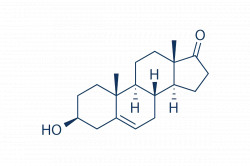
DHEA is a natural hormone that the body makes and that declines with age, and it is sold as a supplement claiming many benefits. The evidence is mixed and limited for most uses, and because it acts as a hormone it can cause real side effects. Talk to a pharmacist or doctor before using it, especially if you have a hormone-sensitive condition.
About Tofacitinib
Brand names: Xeljanz, Xeljanz XR
Tofacitinib treats several immune-related inflammatory conditions. It is used when a TNF blocker (another type of arthritis or colitis medicine) did not work well enough or was not tolerated.
More to Explore
More Pairs and Interactions to Check
More Pairs Like DHEA and Tofacitinib
Other drugs in the category this interaction applies to, and other supplements people check with Tofacitinib.
Also in Our Cytochrome P450 3A4 (CYP3A4) Substrates Category
DHEA interacts with every drug in this category, so each of these has the same interaction. The category is about a shared effect, not about being the same kind of medicine.
- ApixabanModerate›
- AmlodipineModerate›
- ClopidogrelModerate›
- EscitalopramModerate›
- AtorvastatinModerate›
- AbemaciclibModerate›
Show all 16 drugs in this categoryShow fewer
384 more in this category are on the DHEA interactions list.
Other Supplements With Tofacitinib
The most serious documented interactions with Tofacitinib first, then supplements with none on record, the most looked-up leading.
- Vitamin EModerate›
- SeleniumModerate›
- GingerModerate›
- TurmericModerate›
- AshwagandhaModerate›
- Black PepperModerate›
Show all 27 supplementsShow fewer
- GrapeModerate›
- LicoriceModerate›
- GinkgoModerate›
- BeetModerate›
- QuercetinModerate›
- MelatoninModerate›
- CranberryModerate›
- RhodiolaModerate›
- GarlicModerate›
- AstaxanthinModerate›
- Slippery ElmModerate›
- Black SeedModerate›
- GoldensealModerate›
- CannabisModerate›
- CloveModerate›
- Vitamin CNo Known Interaction›
- CalciumNo Known Interaction›
- Vitamin B6No Known Interaction›
- Rauvolfia VomitoriaNo Known Interaction›
- RauwolscineNo Known Interaction›
- Red MapleNo Known Interaction›
Other Drugs & DHEA
Browse every other medication we’ve checked against DHEA — both the ones with a known interaction and the ones without. Select any drug for the full detail.
No drugs match “”.
Also checked against DHEA
Moderate: 768 interactions
- Diclofenac Sodium ›
- Diltiazem ›
- Nifedipine ›
- Ibuprofen ›
- Aspirin ›
- Hydrocortisone ›
- Naproxen ›
- Erythromycin ›
- Estradiol ›
- Minocycline ›
- Lidocaine ›
- Norethindrone ›
- Testosterone ›
- Verapamil ›
- Levonorgestrel ›
- Prednisone ›
- Quinidine ›
- Cyclosporine ›
- Dexamethasone ›
- Triazolam ›
- Zopiclone ›
- Bupropion ›
- Colchicine ›
- Fentanyl ›
- Oxybutynin ›
- Prednisolone ›
- Tacrolimus ›
- Temazepam ›
- Budesonide ›
- Carbamazepine ›
- Elexacaftor, Tezacaftor, and Ivacaftor ›
- Elvitegravir, Cobicistat, Emtricitabine, and Tenofovir Disoproxil Fumarate ›
- Emtricitabine, Rilpivirine, and Tenofovir ›
- Emtricitabine, Rilpivirine, and Tenofovir Alafenamide ›
- Enalapril Maleate and Felodipine ›
- Erythromycin Ethylsuccinate and Sulfisoxazole ›
- Erythromycin and Sulfisoxazole ›
- Esomeprazole and Naproxen ›
- Esterified Estrogens and Methyltestosterone ›
- Estradiol and Medroxyprogesterone ›
- Estradiol and Norethindrone Acetate ›
- Estradiol and Progesterone ›
- Ethinyl Estradiol and Drospirenone ›
- Ethinyl Estradiol and Levonogestrel ›
- Ethynodiol Diacetate and Mestranol ›
- Etonogestrel and Ethinyl Estradiol ›
- Ezetimibe and Atorvastatin ›
- Famotidine and Ibuprofen ›
- Fentanyl Citrate and Oral Transmucosal Fentanyl Citrate ›
- Fexofenadine and Pseudoephedrine ›
- Finasteride and Tadalafil ›
- Fluticasone Furoate, Umeclidinium, and Vilanterol ›
- Fluticasone Furoate and Vilanterol Trifenatate ›
- Fluticasone Proprionate and Salmeterol ›
- Fluticasone and Salmeterol ›
- Fosnetupitant and Palonosetron (iv) ›
- Glecaprevir and Pibrentasvir ›
- Glycopyrrolate and Indacaterol Maleate ›
- Guaifenesin, Hydrocodone Bitartrate, and Pseudoephedrine Hydrochloride ›
- Hydrochlorothiazide and Losartan Potassium ›
Showing 60 of 768 moderate interactions — see all 768 on the DHEA page.
Minor: 8 interactions
No Interaction 2,053 drugs checked — show the list
We also checked DHEA against these medications and found no known interaction in our sources. Open any page to confirm.
- Levothyroxine ›
- Rosuvastatin ›
- Levothyroxine and Liothyronine ›
- Metformin ›
- Metoprolol ›
- Tirzepatide ›
- Methylphenidate ›
- Semaglutide ›
- Ivermectin ›
- Amoxicillin ›
- Acetaminophen ›
- Amphetamine ›
- Isotretinoin ›
- Azithromycin ›
- Lisdexamfetamine ›
- Methotrexate ›
- Pregabalin ›
- Propranolol ›
- Lisinopril ›
- Lamotrigine ›
- Doxycycline ›
- Gabapentin ›
- Levothyroxine Sodium ›
- Methylene Blue ›
- Hydroxyurea ›
- Methamphetamine ›
- Docusate ›
- Valacyclovir ›
- Thyroid Hormone ›
- Amoxicillin and Clavulanate Potassium ›
- Dehydrocholic Acid, Homatropine Methylbromide, and Phenobarbital ›
- Deserpidine and Hydrochlorothiazide ›
- Deserpidine and Methyclothiazide ›
- Dexbrompheniramine and Pseudoephedrine ›
- Dibasic Sodium Phosphate, Monobasic Potassium Phosphate, and Monobasic Sodium Phosphate Monohydrate (prescription Drug) ›
- Dicyclomine and Phenobarbital ›
- Dihydro-alpha-ergocryptine Mesylate, Dihydro-beta-ergocryptine Mesylate, Dihydroergocornine Mesylate, and Dihydroergocristine Mesylate ›
- Diphenhydramine and Calamine ›
- Diphenhydramine and Menthol ›
- Diphenhydramine, Menthol, and Aloe Vera ›
- Diphenhydramine and Pseudoephedrine ›
- Diphenhydramine, Resorcinol, and Aloe Vera ›
- Diphenhydramine and Zinc Oxide ›
- Docusate Calcium and Phenolphthalein ›
- Docusate Sodium and Phenolphthalein ›
- Docusate Sodium and Sennosides (otc Drug) ›
- Dolutegravir, Emtricitabine, and Tenofovir Alafenamide ›
- Dorzolamide Hydrochloride and Timolol Maleate ›
- Dorzolamide and Timolol ›
- Doxylamine Succinate and Pyridoxine Hydrochloride ›
- Dyphylline, Ephedrine, Guaifenesin, and Phenobarbital ›
- Dyphylline and Guaifenesin ›
- Edrophonium and Atropine ›
- Emtricitabine and Tenofovir ›
- Emtricitabine and Tenofovir Alafenamide Fumarate ›
- Ephedrine Sulfate, Hydroxyzine, and Theophylline ›
- Ephedrine and Guaifenesin (otc Drug) ›
- Ephedrine, Guaifenesin, Phenobarbital, and Theophylline ›
- Ephedrine, Hydroxyzine, and Theophylline ›
- Ephedrine, Phenobarbital, Potassium Iodide, and Theophylline ›
Showing 60 of the 2,053 medications checked with no known interaction, the most looked-up first — see the full DHEA list.
Where DHEA and Tofacitinib Sit Against Everything Else
Out of every supplement and medication people look up on HelloPharmacist, here is where these two land this week — and which way each has been moving.
#107 of 1,458 supplements looked up here in the last 7 days
#1,249 of 2,830 medications looked up here in the last 7 days
A rank of lookups on this site, not of how often either one is used. It counts every visit, automated ones included, and identifies no one.
Questions and Sources
Common Questions and Where This Comes From
Taking DHEA and Tofacitinib Together: Common Questions
Can you take DHEA with Tofacitinib?
Can you take DHEA with Xeljanz?
How serious is the DHEA and Tofacitinib interaction?
Written and reviewed by the HelloPharmacist Editorial Team. Our editorial policy
Sources & How We Checked
Interaction details are evidence-graded and sourced from the Natural Medicines database. The medication overview comes from MedlinePlus.
- Natural Medicines (Therapeutic Research Center) — Evidence-graded clinical reference for vitamins, herbs and supplements — the basis for our interaction data.
- MedlinePlus, U.S. National Library of Medicine — NIH consumer drug information, used for the medication overviews.
- NIH Dietary Supplement Label Database (DSLD) — Official supplement product labels.
Content is reviewed by the HelloPharmacist Editorial Team, the pharmacists on our staff and those we contract. See our data sources and editorial standards for how this information is built and checked.
Parts of this content are provided by the Therapeutic Research Center, LLC.
DISCLAIMER: Currently this does not check for drug-drug interactions. This is not an all-inclusive comprehensive list of potential interactions and is for informational purposes only. Not all interactions are known or well-reported in the scientific literature, and new interactions are continually being reported. Input is needed from a qualified healthcare provider including a pharmacist before starting any therapy. Application of clinical judgment is necessary.
© 2021 Therapeutic Research Center, LLC
What Our Interaction Ratings Mean
Every interaction on this page is rated three ways: how serious it is, how likely it is to happen, and how strong the research behind it is.
See what each rating means
Severity: How Serious Is It?
How clinically significant the interaction is: how much it could affect your health or your treatment.
- MajorClinically significant. Best to avoid the combination, or use only under close professional supervision.
- ModerateBe cautious. The combination may call for monitoring, timing changes, or a dose adjustment.
- MinorLimited clinical concern, but still worth being aware of and mentioning to your pharmacist.
- No Known InteractionNo documented interaction in our sources.
Likelihood: How Likely Is It to Happen?
How strong the proof is that the interaction really happens in people. More filled steps, stronger proof.
- LikelyShown in well-controlled studies in people.
- ProbableShown in small studies in people, or in animal studies backed by case reports.
- PossibleSeen in lab or animal research, or in people only in case reports or mixed results.
- UnlikelySeen in lab or animal research, but shown not to happen in people.
Evidence: How Strong Is the Research?
The quality of the studies behind the rating, graded from A, the strongest, to D.
- Grade AStrong: well-run randomized trials in people, or a review that pooled several of them.
- Grade BFair: smaller or less rigorous trials in people, or studies that followed or compared groups of people.
- Grade CLimited: the agreement or opinion of experts, not studies.
- Grade DWeak: reports of single cases, lab or animal research, or what is expected from how the two work.
Still Have a Question About DHEA and Tofacitinib?
Our pharmacists answer your medication & supplement questions — free.
This information is for education only and is not a substitute for professional medical advice. Always check with your pharmacist or doctor before starting, stopping, or combining supplements and medications.