
Aloe Drug Interactions, Uses, Effectiveness, Safety & More
What is this page for?
First and foremost: how Aloe interacts with medications. The heart of this page is the interaction list — every drug Aloe is known to interact with, and how serious each one is.
But these pages have grown well beyond that into a full monograph — what Aloe is, what people use it for and how strong the evidence is, its safety and side effects, and answers to the questions we’re asked most — written and reviewed by the clinical staff at HelloPharmacist. It’s educational information from our licensed clinical databases, not medical advice, and we don’t sell or endorse products. Our editorial policy
Check Aloe against your medication
Add one medicationAloe Drug Interactions: The Bottom Line
From the HelloPharmacist Editorial Team · Updated July 2026Based on the available evidence, the overall risk of a clinically significant Aloe drug interaction appears low for most people. Only one interaction is rated major, and nearly all of the rest rest on theoretical or limited evidence rather than confirmed problems in people.
The best-documented concern involves digoxin: overusing aloe latex can deplete potassium, which raises the risk of digoxin toxicity, so this combination deserves real caution. Diabetes medications also stand out, since early human research suggests aloe gel can lower blood sugar and could add to their effect, making close glucose monitoring sensible. People taking warfarin or diuretics should avoid heavy use of aloe latex, because its laxative effect can cause diarrhea or potassium loss that shifts how those medicines work.
The long list of interacting medications reflects mostly moderate and minor concerns predicted from lab research, such as aloe possibly affecting an enzyme the body uses to clear certain medications. A prediction like that does not mean every combination is harmful, and most of these effects have not been shown to cause meaningful changes in people.
Based on HelloPharmacist’s Aloe interaction data and reviewed under our editorial standards.
Drugs that interact with Aloe
461 medications have a known interaction with Aloe, graded by severity. Select any drug for the full evidence-based detail.
1 major interaction. These combinations can be clinically significant — best avoided, or used only with close professional supervision. Always check with your pharmacist before combining them with Aloe.
Don’t want to scroll the list? Just ask.
Tell us the medications you take and we’ll check each one against Aloe using our pharmacist-reviewed interaction data.
AI summaries are generated from our Aloe interaction data for education only — always confirm with your pharmacist. How we use AI
No drugs match “”.
What Severity, Likelihood & Evidence Mean
Severity — How Serious It Can Be
- Major. Clinically significant; generally best avoided, or used only under direct professional supervision.
- Moderate. May need monitoring, a dose adjustment, or separating the times you take each one.
- Minor. Generally not clinically significant, but still worth noting and mentioning to your pharmacist.
- No known interaction. Checked against our sources with nothing documented — not the same as proven safety.
Likelihood — How Well It’s Documented
- Likely. Well-controlled human studies have demonstrated the likely existence of this interaction
- Probable. Interaction has not been documented in well-controlled studies, however, the interaction has been demonstrated in some small human studies or in controlled animal studies in conjunction with multiple case reports.
- Possible. Interaction has been documented in animal or in lab research, or the interaction has been documented in humans but is limited to case reports or conflicting clinical research exists
- Unlikely. Interaction has been demonstrated in animal or in lab research but has been shown not to occur in humans.
Where This Data Comes From
- Interaction records are evidence-graded and sourced from the Natural Medicines database (TRC Healthcare), the same reference used by pharmacists and hospitals.
- Each drug listed above links to the full report for that exact Aloe combination — clinical detail, likelihood, evidence level, and citations.
- Content is reviewed by licensed HelloPharmacist pharmacists — see our data sources and editorial standards.
The kinds of drugs Aloe affects
Every type of medication (drug category) Aloe is known to interact with. Open any category for the detail — or search your exact drug in the checker above.
Digoxin (Lanoxin)
Theoretically, aloe latex might increase the risk of adverse effects when taken with cardiac glycosides.
Overuse of aloe latex can increase the risk of adverse effects from cardiac glycoside drugs, such as digoxin, due to potassium depletion. Overuse of aloe, along with cardiac glycoside drugs, can increase the risk of toxicity.
Anticoagulant/Antiplatelet Drugs
Theoretically, aloe gel might increase the risk of bleeding when taken with anticoagulant or antiplatelet drugs.
In vitro research shows that aloe gel can inhibit platelet aggregation. This inhibition was greater than that seen with celecoxib, but less than that seen with aspirin.
Antidiabetes Drugs
Aloe might increase the risk of hypoglycemia when taken with antidiabetes drugs.
Preliminary clinical research suggests aloe gel might lower blood glucose levels and have additive effects when used with antidiabetes drugs. Monitor blood glucose levels closely.
Diuretic Drugs
Theoretically, aloe latex might increase the risk of hypokalemia when taken with diuretic drugs.
Overuse of aloe latex might compound diuretic-induced potassium loss, increasing the risk of hypokalemia.
Stimulant Laxatives
Theoretically, aloe latex might increase the risk for fluid and electrolyte loss when taken with stimulant laxatives.
Due to cathartic laxative effects of aloe latex, concomitant use with other stimulant laxatives might compound fluid and electrolyte loss.
Warfarin (Coumadin)
Theoretically, aloe latex might increase the risk of bleeding when taken with warfarin.
Aloe latex has stimulant laxative effects. In some people aloe latex can cause diarrhea. Diarrhea can increase the effects of warfarin, increase international normalized ratio (INR), and increase the risk of bleeding. Advise patients who take warfarin not to take excessive amounts of aloe vera.
Cytochrome P450 1A2 (Cyp1A2) Substrates
Theoretically, aloe might decrease the levels and clinical effects of CYP1A2 substrates.
In vitro research shows that aloe extract induces CYP1A2 enzymes.
Aloe: Uses, Safety & Side Effects
Aloe vera gel is widely used on the skin for minor burns and irritation, and some research suggests it may help. Aloe latex (the yellow part) is a strong laxative that can cause cramping and is not considered safe for regular use. Talk to your pharmacist or doctor before taking aloe by mouth, and avoid oral aloe during pregnancy.
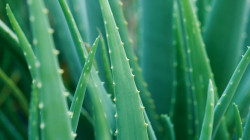
- Scientific name
- Aloe vera
- Family
- Asphodelaceae
- Part used
- Leaves (gel from the inner leaf and latex from just under the skin)
- Common forms
- Topical gels and creams, juice, capsules, tablets, and as an ingredient in cosmetics and skin care products
- Minor burns and skin irritation
- Wound healing
- Constipation
- Skin hydration and moisturizing
- Digestive complaints
- Hair and scalp care
Popular and traditional uses — not proof it works. See “Uses & effectiveness” below for the evidence.
Topical gel is generally well tolerated, but oral aloe latex can cause serious side effects.
When used orally. Anthraquinones present in aloe latex and aloe whole leaf extracts have irritant, cathartic, and possible mutagenic effects. There ar...
Read the full pregnancy detailWhen aloe preparations are used orally. Cathartic and mutagenic anthraquinones present in aloe latex and aloe whole leaf extracts might pass into milk...
Read the full breastfeeding detailPregnancy & breastfeeding ratings are from Natural Medicines (Therapeutic Research Center). Safety guidance is general; always confirm with your pharmacist or doctor for your situation.
Overview
Aloe is a succulent plant with thick, fleshy leaves. It is native to the Arabian Peninsula but is now grown in many warm, dry parts of the world. The most common species used in health products is Aloe vera.
The leaves contain two main parts. The clear gel from the inner leaf is used in skin creams, lotions, and drinks. The yellow latex found just under the leaf skin contains compounds that act as a strong laxative.
People use aloe in many ways. The gel is popular for soothing the skin after burns or irritation, and it appears in cosmetics, sunburn products, and moisturizers. Aloe is also sold as juice, capsules, and tablets taken by mouth.
How it works
Aloe gel contains water, vitamins, enzymes, sugars (called polysaccharides), and other plant compounds. These are thought to help keep the skin moist and may support the skin's natural healing. Some lab studies suggest aloe has anti-inflammatory and antioxidant effects, but much of this work is based on cell or animal research and may not fully apply to people.
The laxative effect of aloe comes from the latex, which contains compounds called anthraquinones (such as aloin). These irritate the lining of the gut and increase movement, which is why they cause a bowel movement but also cramping.
Does Aloe work?
How to read these evidence grades
Natural Medicines’ 7-point scale. We show each rating’s label word-for-word.
Possibly Effective Acne
Topical aloe gel may reduce acne lesions when used with topical tretinoin in children and adults with acne.
Possibly Effective Burns
Topical aloe gel or cream may reduce healing time in patients with superficial or partial thickness burns.
Possibly Effective Constipation
Oral aloe latex may improve symptoms in patients with constipation; however, the U.S. Food and Drug Administration (FDA) has banned the use of aloe latex as a laxative due to safety concerns.
Possibly Effective Diabetes
Oral aloe may reduce blood glucose and glycated hemoglobin (HbA1c) in patients with diabetes. It may be most effective in patients with fasting blood glucose levels of 200 mg/dL or greater.
Possibly Effective Genital herpes
Topical aloe extract cream may improve healing of genital herpes lesions.
Possibly Effective Lichen planus
Rinsing the mouth with aloe-containing mouthwash or applying aloe gel to the mouth or vulva may reduce symptoms and improve lesion healing in patients with lichen planus.
Possibly Effective Obesity
Oral aloe gel may modestly reduce body weight and fat mass in adults who are overweight or obese.
Possibly Effective Oral submucous fibrosis
Topical aloe may reduce burning sensations in patients with oral submucous fibrosis, but it may not improve mouth opening, tongue protrusion, or cheek flexibility in these patients.
Possibly Effective Psoriasis
Topical aloe extract cream may reduce erythema and scaling and improve the resolution of psoriatic plaques in patients with psoriasis. Limited research suggests that topical aloe gel does not have the same effects.
Possibly Effective Traumatic oral ulcers
Topical aloe gel may prevent oral ulcers after application of orthodontic appliances in adolescents and adults.
Also studied for 48 conditions — evidence insufficient to rate
Insufficient Reliable Evidence To Rate Alveolar osteitis
It is unclear if topical aloe or the aloe constituent acemannan is beneficial in patients with alveolar osteitis.
Insufficient Reliable Evidence To Rate Amenorrhea
Although there has been interest in using oral aloe for amenorrhea, there is insufficient reliable information about the clinical effects of aloe for this purpose.
Insufficient Reliable Evidence To Rate Anal fissures
It is unclear if topical aloe is beneficial in patients with anal fissures.
Insufficient Reliable Evidence To Rate Asthma
Although there has been interest in using oral aloe for asthma, there is insufficient reliable information about the clinical effects of aloe for this purpose.
Insufficient Reliable Evidence To Rate Atopic dermatitis (eczema)
Topical aloe has only been evaluated in combination with other ingredients; its effect when used alone is unclear.
Insufficient Reliable Evidence To Rate Breast engorgement
It is unclear if topical aloe improves lactation-associated breast pain.
Insufficient Reliable Evidence To Rate Burning mouth syndrome
It is unclear if topical aloe is beneficial in patients with burning mouth syndrome.
Insufficient Reliable Evidence To Rate Cancer
Oral aloe has only been evaluated in combination with other ingredients; its effect when used alone is unclear.
Insufficient Reliable Evidence To Rate Canker sores
Small clinical studies suggest that applying the aloe constituent acemannan to cancer sores may reduce ulcer size, but not pain. However, the effect of aloe is unclear.
Insufficient Reliable Evidence To Rate Chemotherapy-induced acral erythema
It is unclear if topical aloe is beneficial for the prevention or treatment chemotherapy-induced acral erythema.
Insufficient Reliable Evidence To Rate Common cold
Although there has been interest in using oral aloe for the common cold, there is insufficient reliable information about the clinical effects of aloe for this purpose.
Insufficient Reliable Evidence To Rate Dental plaque
Using aloe-containing toothpaste may reduce dental plaque in adults; however, it is unclear if this is more effective than fluoride-containing toothpaste. Rinsing with an aloe-containing mouthwash may reduce dental plaque in children.
Insufficient Reliable Evidence To Rate Depression
Although there has been interest in using oral aloe for depression, there is insufficient reliable information about the clinical effects of aloe for this purpose.
Insufficient Reliable Evidence To Rate Diabetic foot ulcers
It is unclear whether topical aloe is beneficial for patients with diabetic foot ulcers.
Insufficient Reliable Evidence To Rate Diaper rash
Topical aloe has only been evaluated in combination with other ingredients; its effect when used alone is unclear.
Insufficient Reliable Evidence To Rate Dry mouth
It is unclear if rinsing with an aloe-containing mouthwash is beneficial for dry mouth.
Insufficient Reliable Evidence To Rate Dry skin
Topical aloe or oral aloe sterols may improve some measures of dry skin. However, findings are mixed due to the use of varied formulations and doses.
Insufficient Reliable Evidence To Rate Epilepsy
Although there has been interest in using oral aloe for epilepsy, there is insufficient reliable information about the clinical effects of aloe for this purpose.
Insufficient Reliable Evidence To Rate Frostbite
Although there has been interest in using topical aloe for frostbite, there is insufficient reliable information about the clinical effects of aloe for this purpose.
Insufficient Reliable Evidence To Rate Gastroesophageal reflux disease (GERD)
It is unclear if taking aloe vera gel reduces symptoms of GERD.
Insufficient Reliable Evidence To Rate Gingivitis
Using aloe-containing toothpaste or mouthwash may reduce gingivitis in adults, but it does not seem to be more effective than fluoride-containing toothpaste or chlorhexidine mouthwash. Rinsing with an aloe-containing mouthwash may reduce gingivitis in children.
Insufficient Reliable Evidence To Rate Heart failure
It is unclear if oral aloe is beneficial in patients with systolic heart failure.
Insufficient Reliable Evidence To Rate Hematopoietic stem cell transplant (HSCT)
Oral and topical aloe have only been evaluated in combination with other ingredients; its effect when used alone is unclear.
Insufficient Reliable Evidence To Rate Hepatitis
It is unclear if oral aloe is beneficial in patients with hepatitis.
Insufficient Reliable Evidence To Rate HIV/AIDS
Small clinical studies suggest that oral aloe or the aloe constituent acemannan may not improve CD4 counts or viral load in patients with HIV.
Insufficient Reliable Evidence To Rate Hyperlipidemia
Although there has been interest in using oral aloe for hyperlipidemia, there is insufficient reliable information about the clinical effects of aloe for this purpose.
Insufficient Reliable Evidence To Rate Hypertrophic scars
Topical aloe has only been evaluated in combination with other ingredients; its effect when used alone is unclear.
Insufficient Reliable Evidence To Rate Influenza
Oral aloe has only been evaluated in combination with other ingredients; its effect when used alone is unclear.
Insufficient Reliable Evidence To Rate Irritable bowel syndrome (IBS)
Small clinical studies suggest that oral aloe extract or juice may not improve symptoms in patients with IBS.
Insufficient Reliable Evidence To Rate Multiple sclerosis (MS)
Although there has been interest in using oral aloe for MS, there is insufficient reliable information about the clinical effects of aloe for this purpose.
Insufficient Reliable Evidence To Rate Nipple Fissures
It is unclear if application of an aloe poultice improves nipple-related complications of breastfeeding, such as nipple fissures.
Insufficient Reliable Evidence To Rate Oral mucositis
Oral aloe juice or application of aloe solution inside the mouth may reduce the severity of oral mucositis in patients receiving chemotherapy or radiation.
Insufficient Reliable Evidence To Rate Osteoarthritis
Although there has been interest in using oral and topical aloe for osteoarthritis, there is insufficient reliable information about the clinical effects of aloe for this purpose.
Insufficient Reliable Evidence To Rate Peptic ulcers
Although there has been interest in using oral aloe for peptic ulcers, there is insufficient reliable information about the clinical effects of aloe for this purpose.
Insufficient Reliable Evidence To Rate Periodontitis
It is unclear if application of aloe inside the mouth is beneficial for chronic periodontitis, due to conflicting results across clinical studies.
Insufficient Reliable Evidence To Rate Pressure ulcers
It is unclear if topical aloe is beneficial for the prevention or treatment of pressure ulcers.
Insufficient Reliable Evidence To Rate Radiation dermatitis
There is conflicting evidence about the effectiveness of topical aloe gel for preventing or delaying dermatitis in patients undergoing radiation therapy. These conflicting findings may be due to differences in study designs, products used, and application practices.
Insufficient Reliable Evidence To Rate Radiation proctopathy
It is unclear if topical aloe is beneficial for the prevention or treatment of radiation proctopathy.
Insufficient Reliable Evidence To Rate Scabies
It is unclear if topical aloe is beneficial in patients with scabies.
Insufficient Reliable Evidence To Rate Seborrheic dermatitis
It is unclear if topical aloe is beneficial in patients with seborrheic dermatitis.
Insufficient Reliable Evidence To Rate Stretch marks (striae distensae)
It is unclear if topical aloe is effective for the prevention or treatment of stretch marks.
Insufficient Reliable Evidence To Rate Sunburn
Although there has been interest in using topical aloe for sunburn, there is insufficient reliable information about the clinical effects of aloe for this purpose.
Insufficient Reliable Evidence To Rate Tungiasis
Topical aloe has only been evaluated in combination with other ingredients; its effect when used alone is unclear.
Insufficient Reliable Evidence To Rate Ulcerative colitis
It is unclear if oral aloe gel is beneficial in patients with ulcerative colitis.
Insufficient Reliable Evidence To Rate Vaginitis
It is unclear if topical aloe is beneficial for vaginitis.
Insufficient Reliable Evidence To Rate Varicose veins
Although there has been interest in using oral and topical aloe for varicose veins, there is insufficient reliable information about the clinical effects of aloe for this purpose.
Insufficient Reliable Evidence To Rate Wound healing
There is conflicting evidence about the effectiveness of topical aloe products for improving wound healing. These conflicting findings may be due to differences in study designs, products used, and application practices.
Insufficient Reliable Evidence To Rate Wrinkled skin
Although there has been interest in using topical aloe for wrinkled skin, there is insufficient reliable information about the clinical effects of aloe for this purpose.
Source & disclaimer. Effectiveness ratings and evidence summaries are provided by Natural Medicines (Therapeutic Research Center) and shown as licensed. Where Natural Medicines hasn’t rated a use, HelloPharmacist’s pharmacists may add their own reviewed rating and evidence (each such entry is labeled). This is educational information, not medical advice — talk with your pharmacist or doctor before starting, stopping, or changing a supplement.
Safety & precautions
Aloe gel applied to the skin is generally well tolerated for most people, though some may have an allergic reaction.
Aloe taken by mouth, especially the latex, is more concerning. Long-term or high-dose use of aloe latex has been linked to serious problems, and products containing aloin have raised safety questions. Many oral products now have most of the latex removed (called decolorized or purified aloe).
Pregnancy: Avoid taking aloe by mouth during pregnancy. The latex acts as a strong laxative and may stimulate the uterus.
Breastfeeding: Avoid oral aloe while breastfeeding because of limited safety information and its laxative effect.
People with kidney problems, bowel conditions, or diabetes should be especially careful and check with a doctor or pharmacist before taking aloe by mouth.
Side effects
When used on the skin, aloe may cause redness, itching, or an allergic skin reaction in some people.
When taken by mouth, aloe latex can cause stomach cramps, diarrhea, and dehydration. Loss of fluids and electrolytes (like potassium) can occur with frequent use. Long-term use of oral aloe latex has been linked to more serious harms and is generally discouraged.
Stop using aloe and seek medical care if you have signs of an allergic reaction, severe stomach pain, or ongoing diarrhea.
Aloe: Reported Adverse Effects
Documented safety reports on Aloe from the evidence-graded Natural Medicines (TRC Healthcare) database, shown word-for-word from the licensed record.
Orally and topically, aloe products are generally well tolerated when used in typical doses. However, oral aloe latex is associated with a greater risk of adverse effects, especially when used in high doses or long-term.
Most Common Adverse Effects:
Orally: Aloe latex may cause abdominal pain, cramps, and diarrhea.
Topically: Burning, erythema, and itching. Contact dermatitis in sensitive individuals.
Serious Adverse Effects (Rare):
Orally: Aloe latex is associated with serious adverse effects when taken in high doses or long-term. Cases of acute hepatitis due to a hypersensitivity reaction to aloe leaf extract has been reported.
Albuminuria Gastrointestinal
Orally, aloe latex can cause abdominal pain and cramps. Long-term use or abuse of aloe latex can cause diarrhea, sometimes with hypokalemia, albuminuria, hematuria, muscle weakness, weight loss, arrhythmia, and pseudomelanosis coli (pigment spots in intestinal mucosa). Pseudomelanosis coli is believed to be harmless, and usually reverses with discontinuation of aloe. It is not directly associated with an increased risk of developing colorectal adenoma or carcinoma. Orally, aloe gel may cause nausea, stomach cramps, and other gastrointestinal complaints in some patients.
Topically, applying aloe gel in the mouth may cause nausea within 5 minutes of application in some patients.
- Nusko G, Schneider B, Schneider I, et al. Anthranoid laxative use is not a risk factor for colorectal neoplasia: results of a prospective case control study. Gut 2000;46:651-5.
- Hoogenboom TCH, Patel N, Cook NA, Williams R, Taylor-Robinson SD, Lim AKP. The effect of Aloe vera juice on liver enzymes and hepatic structure in a healthy population. Integr Med (Encinitas) 2020;19(3):30-4.
- Lewis ED, Crowley DC, Guthrie N, Evans M. Healthy adults supplemented with a nutraceutical formulation containing Aloe vera gel, rosemary and Poria cocos enhances the effect of influenza vaccination in a randomized, triple-blind, placebo-controlled trial.
- Sabbaghzadegan S, Soltani MH, Kamalinejad M, Bahrami M, Kabir A, Dadmehr M. The effect of a standardized capsule of Aloe vera gel on the quality of life in patients with systolic heart failure: A randomized double-blind placebo-controlled clinical trial.
- Hajheydari Z, Saeedi M, Morteza-Semnani K, Soltani A. Effect of Aloe vera topical gel combined with tretinoin in treatment of mild and moderate acne vulgaris: a randomized, double-blind, prospective trial. J Dermatolog Treat 2014;25(2):123-9.
Breast cancer Endocrine
A case of severe hypokalemia has been reported for a male breast cancer patient who was undergoing chemotherapy and using aloe vera 1 liter daily orally for 2 weeks. The hypokalemia was attributed to the cathartic effects of aloe and resolved once aloe use was discontinued.
Dermatitis Dermatologic
Topically, aloe gel has occasionally been associated with burning, itching, eczema, erythema, contact dermatitis, popular eruption, and urticaria. Also, a case of generalized nummular and popular dermatitis attributed to hypersensitivity has been reported for a 47-year-old male who used aloe leaf gel, both topically and orally, for 4 years.
- Vogler BK, Ernst E. Aloe vera: a systematic review of its clinical effectiveness. Br J Gen Pract 1999;49:823-8.
- Choonhakarn C, Busaracome P, Sripanidkulchai B, et al. A prospective, randomized clinical trial comparing topical aloe vera with 0.1% triamcinolone acetonide in mild to moderate plaque psoriasis. J.Eur.Acad.Dermatol.Venereol. 2010;24:168-72.
- Choonhakarn, C., Busaracome, P., Sripanidkulchai, B., and Sarakarn, P. The efficacy of aloe vera gel in the treatment of oral lichen planus: a randomized controlled trial. Br J Dermatol 2008;158(3):573-577.
- Hunter, D. and Frumkin, A. Adverse reactions to vitamin E and aloe vera preparations after dermabrasion and chemical peel. Cutis 1991;47(3):193-196.
- Cosmetic Ingredient Review Expert Panel. Final report on the safety assessment of AloeAndongensis Extract, Aloe Andongensis Leaf Juice,aloe Arborescens Leaf Extract, Aloe Arborescens Leaf Juice, Aloe Arborescens Leaf Protoplasts, Aloe Barbadensis Flower E
- Paulsen E, Korsholm L, Brandrup F. A double-blind, placebo-controlled study of a commercial Aloe vera gel in the treatment of slight to moderate psoriasis vulgaris. J Eur Acad Dermatol Venereol. 2005;19:326-31.
- Bhalang K, Thunyakitpisal P, Rungsirisatean N. Acemannan, a polysaccharide extracted from Aloe vera, is effective in the treatment of oral aphthous ulceration. J Altern Complement Med 2013;19(5):429-34.
- Williams MS, Burk M, Loprinzi CL, et al. Phase III double-blind evaluation of an aloe vera gel as a prophylactic agent for radiation-induced skin toxicity. Int J Radiat Oncol Biol Phys 1996;36:345-9.
- Ferreira, M., Teixeira, M., Silva, E., and Selores, M. Allergic contact dermatitis to Aloe vera. Contact Dermatitis 2007;57(4):278-279.
- Savchak VI. Acute bullous allergic dermatitis due to local application of aloe leaves. Vestnik Dermatologii i Venerologii 1977;12:44-45.
- Nakamura, T. and Kotajima, S. Contact dermatitis from aloe arborescens. Contact Dermatitis 1984;11(1):51.
- Shoji, A. Contact dermatitis to Aloe arborescens. Contact Dermatitis 1982;8(3):164-167.
- Morrow, D. M., Rapaport, M. J., and Strick, R. A. Hypersensitivity to aloe. Arch Dermatol. 1980;116(9):1064-1065.
- Hogan, D. J. Widespread dermatitis after topical treatment of chronic leg ulcers and stasis dermatitis. CMAJ. 2-15-1988;138(4):336-338.
- Alvarez-Perea, A., Garcia, A. P., Hernandez, A. L., de, Barrio M., and Baeza, M. L. Urticaria due to aloe vera: a new sensitizer? Ann.Allergy Asthma Immunol. 2010;105(5):404-405.
Hepatitis Hepatic
Cases of acute hepatitis have been reported after ingestion of aloe leaf extracts for between 3 weeks and 5 years. This is thought to be a hypersensitivity reaction. A case of acute hepatitis has also been reported for a 45-year-old female who drank two ounces of Euforia juice (Nuverus International), a product containing green tea, noni, goji, and aloe, daily for one month. However, one small clinical trial in healthy individuals shows that taking aloe gel 2 ounces twice daily for 60 days does not impair liver function.
- Bottenberg MM, Wall GC, Harvey RL, Habib S. Oral aloe vera-induced hepatitis. Ann Pharmacother 2007;41:1740-3.
- Rabe C, Musch A, Schirmacher P, et al. Acute hepatitis induced by an Aloe vera preparation: a case report. World J Gastroenterol 2005;11:303-4.
- Kanat O, Ozet A, Ataergin S. Aloe vera-induced acute toxic hepatitis in a healthy young man. Eur J Int Med 2006;17:589.
- Yang HN, Kim DJ, Kim YM, et al. Aloe-induced toxic hepatitis. J Korean Med Sci 2010;25:492-5.
- Lee J, Lee MS, Nam KW. Acute toxic hepatitis caused by an aloe vera preparation in a young patient: a case report with a literature review. Korean J Gastroenterol 2014;64(1):54-8.
- Guo X, Mei N. Aloe Vera - A Review of Toxicity and Adverse Clinical Effects. J Environ Sci Health C Environ Carcinog Ecotoxicol Rev 2016;34(2):77-96.
- Jiménez-Encarnación E, Ríos G, Muñoz-Mirabal A, Vilá LM. Euforia-induced acute hepatitis in a patient with scleroderma. BMJ Case Rep 2012;2012.
- Hoogenboom TCH, Patel N, Cook NA, Williams R, Taylor-Robinson SD, Lim AKP. The effect of Aloe vera juice on liver enzymes and hepatic structure in a healthy population. Integr Med (Encinitas) 2020;19(3):30-4.
Kidney failure Renal
Orally, aloe latex can cause hemorrhagic gastritis, nephritis, and acute kidney failure following prolonged use of high doses (1 gram daily or more).
Pain Hematologic
A case of Henoch-Schonlein purpura, characterized by abdominal pain, purpura, and severe arthralgia, has been reported in a 52-year-old male who drank aloe juice prepared from four to five leaflets for 10 days prior to symptom development.
Adverse-effects data: Natural Medicines, Therapeutic Research Center
Dosing
There is no single standard dose of aloe. The right amount depends on the product, the form, and how it is used.
For skin products, follow the directions on the label and apply to clean skin. For oral products, follow the label closely and avoid using aloe latex as a regular laxative.
Because products vary widely in strength and quality, it is best to check with your pharmacist or doctor before taking aloe by mouth, especially if you have a health condition or take other medicines.
Aloe & Pregnancy
Aloe & Breastfeeding
© 2026 Therapeutic Research Center
Pregnancy & lactation ratings: Natural Medicines, Therapeutic Research Center
References & further reading
The 41 references that drive our Aloe monograph and interaction data, from the evidence-graded Natural Medicines (TRC Healthcare) database. Citations with a link open the study on PubMed or the publisher’s site.
- Newall CA, Anderson LA, Philpson JD. Herbal Medicine: A Guide for Healthcare Professionals. London, UK: The Pharmaceutical Press, 1996.
- Wichtl MW. Herbal Drugs and Phytopharmaceuticals. Ed. N.M. Bisset. Stuttgart: Medpharm GmbH Scientific Publishers, 1994.
- Brinker F. Herb Contraindications and Drug Interactions. 2nd ed. Sandy, OR: Eclectic Medical Publications, 1998.
- Nusko G, Schneider B, Schneider I, et al. Anthranoid laxative use is not a risk factor for colorectal neoplasia: results of a prospective case control study. Gut 2000;46:651-5. PubMed
- Luyckx VA, Ballantine R, Claeys M, et al. Herbal remedy-associated acute renal failure secondary to Cape aloes. Am J Kidney Dis 2002;39:E13. PubMed
- Rajasekaran S, Sivagnanam K, Ravi K, Subramanian S. Hypoglycemic effect of Aloe vera gel on streptozotocin-induced diabetes in experimental rats. J Med Food 2004;7:61-6.
- Williams MS, Burk M, Loprinzi CL, et al. Phase III double-blind evaluation of an aloe vera gel as a prophylactic agent for radiation-induced skin toxicity. Int J Radiat Oncol Biol Phys 1996;36:345-9. PubMed
- Vogler BK, Ernst E. Aloe vera: a systematic review of its clinical effectiveness. Br J Gen Pract 1999;49:823-8.
- Bottenberg MM, Wall GC, Harvey RL, Habib S. Oral aloe vera-induced hepatitis. Ann Pharmacother 2007;41:1740-3. PubMed
- Rabe C, Musch A, Schirmacher P, et al. Acute hepatitis induced by an Aloe vera preparation: a case report. World J Gastroenterol 2005;11:303-4. PubMed
- Kanat O, Ozet A, Ataergin S. Aloe vera-induced acute toxic hepatitis in a healthy young man. Eur J Int Med 2006;17:589. PubMed
- Mueller SO, Stopper H. Characterization of the genotoxicity of anthraquinones in mammalian cells. Biochim Biophys Acta 1999;1428:406-14. PubMed
- Schorkhuber M, Richter M, Dutter A, et al. Effect of anthraquinone laxatives on the proliferation and urokinase secretion of normal, premalignant and malignant colonic epithelial cells. Eur J Cancer 1998;34:1091-8. PubMed
- Yang HN, Kim DJ, Kim YM, et al. Aloe-induced toxic hepatitis. J Korean Med Sci 2010;25:492-5. PubMed
- Choonhakarn C, Busaracome P, Sripanidkulchai B, et al. A prospective, randomized clinical trial comparing topical aloe vera with 0.1% triamcinolone acetonide in mild to moderate plaque psoriasis. J.Eur.Acad.Dermatol.Venereol. 2010;24:168-72. PubMed
- Ishii Y, Tanizawa H, Takino Y. Studies of aloe. IV. Mechanism of cathartic effect. (3). Biol Pharm Bull. 1994;17:495-7. PubMed
- Ishii Y, Tanizawa H, Takino Y. Studies of aloe. V. Mechanism of cathartic effect. (4). Biol Pharm Bull. 1994;17:651-3. PubMed
- Nelemans FA. Clinical and toxicological aspects of anthraquinone laxatives. Pharmacology. 1976;14 Suppl 1:73-7. PubMed
- Paulsen E, Korsholm L, Brandrup F. A double-blind, placebo-controlled study of a commercial Aloe vera gel in the treatment of slight to moderate psoriasis vulgaris. J Eur Acad Dermatol Venereol. 2005;19:326-31.
- Huseini HF, Kianbakht S, Hajiaghaee R, et al. Anti-hyperglycemic and anti-hypercholesterolemic effects of Aloe vera leaf gel in hyperlipidemic type 2 diabetic patients: a randomized double-blind placebo-controlled clinical trial. Planta Med. 2012;78:311-6
- Ferreira, M., Teixeira, M., Silva, E., and Selores, M. Allergic contact dermatitis to Aloe vera. Contact Dermatitis 2007;57(4):278-279.
- Choonhakarn, C., Busaracome, P., Sripanidkulchai, B., and Sarakarn, P. The efficacy of aloe vera gel in the treatment of oral lichen planus: a randomized controlled trial. Br J Dermatol 2008;158(3):573-577. PubMed
- Baretta, Z., Ghiotto, C., Marino, D., and Jirillo, A. Aloe-induced hypokalemia in a patient with breast cancer during chemotherapy. Ann.Oncol. 2009;20(8):1445-1446. PubMed
- Hunter, D. and Frumkin, A. Adverse reactions to vitamin E and aloe vera preparations after dermabrasion and chemical peel. Cutis 1991;47(3):193-196.
- Alvarez-Perea, A., Garcia, A. P., Hernandez, A. L., de, Barrio M., and Baeza, M. L. Urticaria due to aloe vera: a new sensitizer? Ann.Allergy Asthma Immunol. 2010;105(5):404-405. PubMed
- Hogan, D. J. Widespread dermatitis after topical treatment of chronic leg ulcers and stasis dermatitis. CMAJ. 2-15-1988;138(4):336-338.
- Savchak VI. Acute bullous allergic dermatitis due to local application of aloe leaves. Vestnik Dermatologii i Venerologii 1977;12:44-45.
- Nakamura, T. and Kotajima, S. Contact dermatitis from aloe arborescens. Contact Dermatitis 1984;11(1):51. PubMed
- Shoji, A. Contact dermatitis to Aloe arborescens. Contact Dermatitis 1982;8(3):164-167. PubMed
- Morrow, D. M., Rapaport, M. J., and Strick, R. A. Hypersensitivity to aloe. Arch Dermatol. 1980;116(9):1064-1065. DOI
- Cosmetic Ingredient Review Expert Panel. Final report on the safety assessment of AloeAndongensis Extract, Aloe Andongensis Leaf Juice,aloe Arborescens Leaf Extract, Aloe Arborescens Leaf Juice, Aloe Arborescens Leaf Protoplasts, Aloe Barbadensis Flower E
- Bhalang K, Thunyakitpisal P, Rungsirisatean N. Acemannan, a polysaccharide extracted from Aloe vera, is effective in the treatment of oral aphthous ulceration. J Altern Complement Med 2013;19(5):429-34.
- Hajheydari Z, Saeedi M, Morteza-Semnani K, Soltani A. Effect of Aloe vera topical gel combined with tretinoin in treatment of mild and moderate acne vulgaris: a randomized, double-blind, prospective trial. J Dermatolog Treat 2014;25(2):123-9.
- Jiménez-Encarnación E, Ríos G, Muñoz-Mirabal A, Vilá LM. Euforia-induced acute hepatitis in a patient with scleroderma. BMJ Case Rep 2012;2012. PubMed
- Lee J, Lee MS, Nam KW. Acute toxic hepatitis caused by an aloe vera preparation in a young patient: a case report with a literature review. Korean J Gastroenterol 2014;64(1):54-8. PubMed
- Guo X, Mei N. Aloe Vera - A Review of Toxicity and Adverse Clinical Effects. J Environ Sci Health C Environ Carcinog Ecotoxicol Rev 2016;34(2):77-96.
- Hoogenboom TCH, Patel N, Cook NA, Williams R, Taylor-Robinson SD, Lim AKP. The effect of Aloe vera juice on liver enzymes and hepatic structure in a healthy population. Integr Med (Encinitas) 2020;19(3):30-4.
- Mushtaq S, Mushtaq Z, Sarfraz J, et al. Comparison of effect of aloe vera gel with aspirin and celecoxib on platelet aggregation. Professional Med J. 2020; 27(5):973-978. DOI
- Haron MH, Dale O, Martin K, et al. Evaluation of the Herb-Drug Interaction Potential of Commonly Used Botanicals on the US Market with Regard to PXR- and AhR-Mediated Influences on CYP3A4 and CYP1A2. J Diet Suppl 2022. PubMed
- Sabbaghzadegan S, Soltani MH, Kamalinejad M, Bahrami M, Kabir A, Dadmehr M. The effect of a standardized capsule of Aloe vera gel on the quality of life in patients with systolic heart failure: A randomized double-blind placebo-controlled clinical trial.
- Lewis ED, Crowley DC, Guthrie N, Evans M. Healthy adults supplemented with a nutraceutical formulation containing Aloe vera gel, rosemary and Poria cocos enhances the effect of influenza vaccination in a randomized, triple-blind, placebo-controlled trial. PubMed
This information is for education only and is not a substitute for professional medical advice. Always check with your pharmacist or doctor before starting, stopping, or combining supplements and medications.
Parts of this content are provided by the Therapeutic Research Center, LLC.
DISCLAIMER: Currently this does not check for drug-drug interactions. This is not an all-inclusive comprehensive list of potential interactions and is for informational purposes only. Not all interactions are known or well-reported in the scientific literature, and new interactions are continually being reported. Input is needed from a qualified healthcare provider including a pharmacist before starting any therapy. Application of clinical judgment is necessary.
© 2021 Therapeutic Research Center, LLC
Brands that make products with Aloe
633 brands in our database make a supplement containing Aloe.
Supplement products with Aloe
2,748 products in our database contain Aloe. Open any to see its full ingredient list and every drug interaction we check.
Aloe: Common Questions
What is Aloe used for, and does it work?
Does Aloe interact with prescription medications?
How are Aloe interactions rated?
Is it safe to take Aloe with my medications?
Where does this Aloe interaction information come from?
What is Aloe most commonly used for?
Is it safe to drink Aloe vera juice?
Can I use Aloe while pregnant or breastfeeding?
What is the difference between Aloe gel and Aloe latex?
Written and reviewed by the HelloPharmacist editorial staff. Our editorial policy
Products that contain Aloe
A rotating sample of real supplements in our database that list Aloe — open any to see its full ingredients and every drug interaction we check.
- Vegi Source by Bronson Laboratories
- Manna Cleanse by Mannatech
- Fat, Sugar, and Starch Blocker by MediPlan Diet Services
- Hair Skin & Nails by Buried Treasure Liquid Nutrients
- Fiberwise Orange by Melaleuca
- Max For Women by Country Life
- Ultra Binder Sensitive Formula by Quicksilver Scientific
- Super Digestaway by Solaray
- It's Vital Cor Nutrition by It Works!
- Aloe Vera Juice Whole Leaf Filtered by Lily of the Desert
Have a question about Aloe?
Our pharmacists answer your medication & supplement questions — free.