
D-Drink Ingredients & Drug Interactions
by FitLine
What is this page for?
First and foremost: checking D-Drink against your medications. The heart of this page is the interaction checker and the full interaction report — how this product’s ingredients may interact with prescription and over-the-counter medicines you may be taking.
Around that, we add a pharmacist’s high-level view of the product as a whole — what’s inside, the evidence for its stated use, how transparent the label is, and what safety data exists — so you can see the full picture in one place. It’s educational information from our licensed clinical databases and the clinical staff at HelloPharmacist — not medical advice — and we don’t sell or endorse products. Our editorial policy
D-Drink is a dietary supplement by FitLine with 19 active ingredients. Its ingredients are commonly taken for thyroid health support, antioxidant support, immune support.Based on those ingredients, 2,278 medications have a known interaction with it, the most serious rated major. The ingredients most likely to interact are Dietary Fiber, Curcuma Extract, Ginger Extract, Powder. Use the checker below to test your specific medication, or read the full HelloPharmacist Interaction Report.
Check Your Meds Against D-Drink by FitLine
Ask about any prescription or over-the-counter medication and we check it for interactions with D-Drink by FitLine — and tell you which ingredient is responsible.
AI summaries are generated from our interaction database for education only — always confirm with your pharmacist. How we use AI
Ask the Pharmacist
A licensed pharmacist will answer your question by email — free, usually within 24 hours.
Got it — thank you!
A licensed pharmacist will answer within 24 hours. Keep an eye on your email (worth checking spam, just in case).
HelloPharmacist Scorecard of D-Drink by FitLine
Our pharmacy team’s full take, with four database checks built into the cards below — a summary of what is known, not a grade of the product itself.
What’s inside
Low disclosure
D-Drink contains 16 active ingredients, including essential minerals (selenium, zinc, chromium, molybdenum), herbal extracts (nettle, milk thistle, turmeric, ginger), plant powders (broccoli, artichoke, apple fiber, spirulina, chlorella), choline, and a proprietary blend. Rice Fiber and Wild Garlic are also included.
These work together to support various aspects of wellness—minerals aid enzyme function and immune support, herbal extracts target inflammation and metabolic health, and plant concentrates provide phytonutrients and fiber. The formula also contains inactive ingredients: guar gum, natural flavors, maltodextrin, citric acid, γ-cyclodextrin, and steviol glycosides (sweetener).
Does it work?
Strong evidence
Evidence varies widely by ingredient and condition. Selenium is Likely Effective for selenium deficiency and Possibly Effective for Kashin-Beck disease, pre-eclampsia, and autoimmune thyroiditis, but Possibly Ineffective for dyslipidemia.
Zinc is Effective for zinc deficiency and Likely Effective for Wilson disease, with Possibly Effective ratings for acne and age-related macular degeneration. Chromium is Likely Effective for chromium deficiency and Possibly Effective for diabetes, but Possibly Ineffective for prediabetes and hypertension.
For other ingredients, the evidence is more limited. Molybdenum is Likely Effective only for molybdenum deficiency; Choline, Broccoli, Artichoke, Milk Thistle, Turmeric, and Ginger show Possibly Effective or Insufficient Evidence ratings for various conditions like osteoarthritis, hyperlipidemia, and depression.
Chlorella and Spirulina have insufficient or mixed evidence for most conditions listed. The data we hold does not establish overall effectiveness for this product as a whole.
How safe is it?
Well-documented data
Most individual ingredients are generally well tolerated at typical supplement doses. Selenium, zinc, chromium, and molybdenum carry cautions about high-dose toxicity—selenium and molybdenum in excess can cause serious multi-organ effects, and zinc above 40 mg daily may deplete copper.
Choline is Likely Safe in pregnancy and lactation but should be dosed under professional guidance. Chlorella and Spirulina carry quality and contamination concerns, with allergic reactions and anaphylaxis reported rarely.
Ginger is generally safe in food and moderate supplement amounts. Broccoli, as a food, is Likely Safe in pregnancy.
Apple Fiber is safe as food. Nettle and Artichoke have insufficient safety data for pregnancy and breastfeeding and are best avoided in concentrated supplement form without medical approval.
Milk Thistle and Turmeric carry rare but documented risks of liver damage with prolonged use; turmeric has been linked to at least 70 cases of liver injury.
Meds to double-check
Major interaction found
Check these medication types before taking D-Drink: blood thinners or antiplatelet drugs (warfarin, phenprocoumon, antiplatelet agents)—Moderate to Major risk of increased bleeding. Blood pressure drugs, especially atenolol, losartan, nifedipine, and other antihypertensives—risk of lowered blood pressure or reduced effectiveness.
Diabetes medications—risk of low blood sugar (hypoglycemia). Allergy medications like fexofenadine.
Antibiotics, especially quinolones, tetracyclines, and cephalexin—reduced antibiotic absorption and effectiveness. HIV medications (ritonavir, integrase inhibitors, bictegravir/emtricitabine/tenofovir alafenamide).
Medications metabolized by liver enzymes (CYP1A2, CYP2A6, CYP2C19, CYP2B6, CYP3A4). Levothyroxine (thyroid).
Lithium. Immunosuppressants.
Barbiturates. Cisplatin and other chemotherapy agents.
The bottom line
Scorecard at a glanceFormula with limited ingredient disclosure with strong clinical evidence behind its ingredients' uses. Major medication interactions have been identified, and safety information is well characterized.
If you take any blood thinners, diabetes medications, blood pressure drugs, or allergy medications, check this product against your medications before starting—the interactions are real and dose-dependent. The mineral content is significant, so avoid if you have kidney disease or take other mineral supplements without review.
Talk to your pharmacist or doctor, especially if you're pregnant, breastfeeding, or managing a chronic condition.
Educational only — not medical advice; always confirm with your pharmacist. Our editorial policy · How we use AI
Assessment coverage: 15 of 17 active ingredients matched to our full ingredient reviews (monographs). Based on the product label dated Jan 23, 2025.
This Scorecard evaluates available label information, ingredient evidence, and known medication-safety considerations. It does not independently verify product identity, purity, potency, contamination, or manufacturing quality. How these ratings are computed
General information
Key facts about D-Drink, straight from the product label.
| Brand | FitLine |
|---|---|
| Net contents | 14 Packet(s); 7 Gram(s); 0.25 Ounce(s) |
| Market status | On market |
| Date entered into DSLD | Jan 23, 2025 |
| DSLD ID | 321589 |
| Product type | Botanical With Nutrients |
| Supplement form | Powder |
| Dietary claims / uses | All Other, Structure/Function |
| Intended target group(s) | Adult (18 - 50 Years) |
Everything in this section is reproduced from the manufacturer’s own product label — it’s the label speaking, not HelloPharmacist. We show it so you can see exactly what the maker states; we don’t verify or endorse those statements.
Supplement Facts
The label details for D-Drink by FitLine, sourced from the NIH Dietary Supplement Label Database.
Supplement Facts
| Ingredient | Amount | % DV |
|---|---|---|
| Calories | 25 Calorie(s) | -- |
| Total Carbohydrates | 3 Gram(s) | 1% |
| Sugar | 1 Gram(s) | -- |
| Selenium | 17 mcg | 31% |
| Proprietary Blend | 5.7 Gram(s) | -- |
| Choline | 75 mg | 14% |
| Zinc | 3.2 mg | 29% |
| Total Fat | 1.5 Gram(s) | 2% |
| Saturated Fat | 0.5 Gram(s) | 2% |
| Dietary Fiber | 1 Gram(s) | 5% |
| Protein | 1 Gram(s) | 1% |
| Chromium | 13 mcg | 37% |
| Molybdenum | 16 mcg | 36% |
| Chlorella | 0 NP | -- |
| Spirulina | 0 NP | -- |
| Rice Fiber | 0 NP | -- |
| Nettle Extract | 0 NP | -- |
| Broccoli, Powder | 0 NP | -- |
| Artichoke, Powder | 0 NP | -- |
| Milk Thistle Extract | 0 NP | -- |
| Wild Garlic, Powder | 0 NP | -- |
| Curcuma Extract | 0 NP | -- |
| Apple Fiber | 0 NP | -- |
| Ginger Extract, Powder | 0 NP | -- |
Other ingredients: Guar Gum, Natural Flavors, Maltodextrin, Citric Acid, y-Cyclodextrin, Steviol Glycosides
Tap any ingredient to jump to its full detail below.
These statements are the manufacturer’s wording, reproduced from the product label — the label is saying it, not HelloPharmacist. We don’t verify or endorse them.
Suggested/Recommended/Usage/Directions
Preparation: Dissolve one packet (7g/0.25 oz.) in 150 ml (5.1 fl. oz.) still water. Daily Recommendation: 1 portion (1 packet) per day.
Precautions
Caution: Do not exceed the recommended servings per day. Dietary supplements should not be used as a substitute for a varied and balanced diet and a healthy lifestyle.
Keep out of reach of young children.
Dietary supplement in powder form with Selenium, Zinc, Chromium, Molybdenum and Choline. Flavor: Apple-Lemongrass. With sweetener. Sweetener: Steviol glycosides from Stevia of vegetable origin.
General Statements
14 packets 7g/0.25 oz. e = 98 g/ 3.46 oz
The individual packets are not labeled for retail sale.
Formulation
Excellent product quality according to international GMP standards.
Product quality regularly independently tested by ELAB www.elab-analytik.de/pm-international PM-International - Made in Germany
NTC Nutrient Concept Made in Germany
Storage
Store in a cool, dry place.
FDA Disclaimer Statement
These statements have not been evaluated by the Food and Drug Administration. This product is not intended to treat, cure or prevent any disease.
FDA Statement of Identity
Dietary Supplement
Is this label outdated? Report a formula or label change and our pharmacy team will review it.
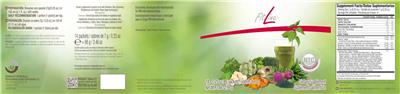
D-Drink by FitLine label
The label scan from the NIH Dietary Supplement Label Database. Tap to enlarge.
Label images are published by the NIH Dietary Supplement Label Database for the version of this product on file. Always read your actual product label.
View the full label (PDF)The Ingredients in D-Drink by FitLine
These are the 19 active ingredients this product is made of. Select any to open its full monograph.
Serving size7 Gram(s) Dosage formPowder Servings per container14 Amounts shown are per serving.
Most supplement products combine several ingredients, and a medication can interact with the product through any one of them. Each ingredient below shows whether it has known drug interactions.
Sugar
Selenium
Interacts with321 drugs
Selenium is an essential trace mineral your body needs in small amounts for thyroid function, antioxidant defense, and immune health. Most people who...
Selenium monograph & interactionsProprietary Blend
- › Chlorella
- › Spirulina
- › Rice Fiber
- › Nettle Extract
- › Broccoli, Powder
- › Artichoke, Powder
- › Milk Thistle Extract
- › Wild Garlic, Powder
- › Curcuma Extract
- › Apple Fiber
- › Ginger Extract, Powder
Choline
Interacts with16 drugs
Choline is an essential nutrient your body needs for liver function, brain health, and nerve signaling, and many people get enough from foods like egg...
Choline monograph & interactionsZinc
Interacts with67 drugs
Zinc is an essential mineral that your body needs for immune function, wound healing, taste, and smell. Most people get enough from food, but suppleme...
Zinc monograph & interactionsDietary Fiber
Interacts with2,025 drugs
Black psyllium is a soluble-fiber supplement made from the seeds of a Plantago plant, used mostly to ease constipation and support digestive health. I...
Dietary Fiber monograph & interactionsProtein
Chromium
Interacts with178 drugs
Chromium is an essential trace mineral involved in how the body handles sugar and fat. Some studies suggest it may modestly help blood sugar control i...
Chromium monograph & interactionsMolybdenum
No knowninteractions
Molybdenum is an essential trace mineral your body needs in tiny amounts to help certain enzymes work. Most people get enough from a normal diet, so s...
Molybdenum monograph & interactionsOther (inactive) ingredients: Guar Gum, Natural Flavors, Maltodextrin, Citric Acid, Y-Cyclodextrin, Steviol Glycosides. These complete the product’s ingredient list but are not active constituents.
D-Drink by FitLine Drug Interactions
HelloPharmacist Interaction Report
D-Drink by FitLine is a 16-ingredient powder that does interact with a number of medications.
The most serious interaction involves Apple Fiber, which can significantly reduce absorption of several blood pressure and allergy drugs through an OATP-blocking effect—this is rated Major severity.
Read the full breakdown — every affected drug type, severity by severity
Several ingredients carry Moderate-severity interactions with blood thinners (anticoagulants). Selenium, Chlorella, Spirulina, Nettle Extract, and Ginger may all increase bleeding risk or interfere with warfarin activity if taken together.
Ginger also poses a specific concern with phenprocoumon and may raise bleeding risk when combined with nifedipine.
Additionally, multiple ingredients can affect blood sugar control. Chromium, Spirulina, Nettle Extract, Milk Thistle, and Ginger may have additive effects with diabetes medications and increase low blood sugar (hypoglycemia) risk.
Selenium, Chromium, Broccoli, Artichoke, and Turmeric interact with various drug-metabolizing enzymes in the liver, potentially altering levels of dozens of medications. Apple Fiber specifically reduces absorption of fexofenadine (allergy), atenolol (blood pressure), and aliskiren (blood pressure).
Altogether, these interactions span 1,500 individual medications. Rice Fiber and Wild Garlic Powder could not be checked.
Use the medication checker on this page to confirm your exact prescriptions before starting.
Check your own medications below · Editorial policy · How we use AI
Want to check YOUR meds against D-Drink?
Ask about interactions with your drugs in plain English — “Can I take it with lisinopril?” — and we find you the answer in seconds, ingredient by ingredient.
Go to the checkerIngredients driving the most interactions
Individual Drug Interactions
The ingredients in D-Drink interact with 2,278 drugs. Click any drug to see the details.
14 of the 19 ingredients in D-Drink interact with drugs. Each result below shows which ingredient is responsible. Dietary Fiber Curcuma Extract Ginger Extract, Powder Milk Thistle Extract Artichoke, Powder Chlorella Spirulina Selenium Apple Fiber Broccoli, Powder Chromium Nettle Extract Zinc Choline
AtorvastatinAtorvaliq
How Atorvastatin interacts with D-Drink — through 5 ingredients. Tap an ingredient for the detail:
Apple FiberOrganic Anion-transporting Polypeptide Substrates (oatp) Major
Interaction Summary
Concomitant consumption of apple juice can significantly decrease oral absorption and blood levels of OATP substrates.
Read the full Apple Fiber + Atorvastatin interactionMilk Thistle ExtractCytochrome P450 3a4 (cyp3a4) Substrates, Organic Anion-transporting Polypeptide Substrates (oatp) +2 Moderate
Interaction Summary
It is unclear if milk thistle inhibits CYP3A4; research is conflicting.
Read the full Milk Thistle Extract + Atorvastatin interactionCurcuma ExtractHepatotoxic Drugs, Cytochrome P450 3a4 (cyp3a4) Substrates +1 Moderate
Interaction Summary
Theoretically, turmeric might increase the risk of liver damage when taken with hepatotoxic drugs.
Read the full Curcuma Extract + Atorvastatin interactionGinger Extract, PowderCytochrome P450 3a4 (cyp3a4) Substrates Moderate
Interaction Summary
Ginger might increase or decrease the levels of CYP3A4 substrates.
Read the full Ginger Extract, Powder + Atorvastatin interactionDietary FiberOral Drugs Minor
Interaction Summary
Theoretically, psyllium might increase, decrease, or have no effect on the absorption of oral drugs.
Read the full Dietary Fiber + Atorvastatin interactionAtorvastatin CalciumLipitor
How Atorvastatin Calcium interacts with D-Drink — through 5 ingredients. Tap an ingredient for the detail:
Apple FiberOrganic Anion-transporting Polypeptide Substrates (oatp) Major
Interaction Summary
Concomitant consumption of apple juice can significantly decrease oral absorption and blood levels of OATP substrates.
Read the full Apple Fiber + Atorvastatin Calcium interactionCurcuma ExtractOrganic Anion-transporting Polypeptide Substrates (oatp), Cytochrome P450 3a4 (cyp3a4) Substrates +1 Moderate
Interaction Summary
Theoretically, turmeric might increase blood levels of OATP4C1 substrates.
Read the full Curcuma Extract + Atorvastatin Calcium interactionMilk Thistle ExtractGlucuronidated Drugs, Cytochrome P450 3a4 (cyp3a4) Substrates +2 Moderate
Interaction Summary
Theoretically, milk thistle might affect the clearance of drugs that undergo glucuronidation.
Read the full Milk Thistle Extract + Atorvastatin Calcium interactionGinger Extract, PowderCytochrome P450 3a4 (cyp3a4) Substrates Moderate
Interaction Summary
Ginger might increase or decrease the levels of CYP3A4 substrates.
Read the full Ginger Extract, Powder + Atorvastatin Calcium interactionDietary FiberOral Drugs Minor
Interaction Summary
Theoretically, psyllium might increase, decrease, or have no effect on the absorption of oral drugs.
Read the full Dietary Fiber + Atorvastatin Calcium interactionBosentanTracleer
How Bosentan interacts with D-Drink — through 6 ingredients. Tap an ingredient for the detail:
Apple FiberAntihypertensive Drugs, Organic Anion-transporting Polypeptide Substrates (oatp) Major
Interaction Summary
Consuming apple juice with antihypertensive drugs might interfere with blood pressure control.
Read the full Apple Fiber + Bosentan interactionCurcuma ExtractHepatotoxic Drugs, Cytochrome P450 3a4 (cyp3a4) Substrates +1 Moderate
Interaction Summary
Theoretically, turmeric might increase the risk of liver damage when taken with hepatotoxic drugs.
Read the full Curcuma Extract + Bosentan interactionArtichoke, PowderAntihypertensive Drugs Moderate
Interaction Summary
Theoretically, artichoke leaf extract may increase the risk of hypotension when taken with antihypertensive drugs.
Read the full Artichoke, Powder + Bosentan interactionGinger Extract, PowderCytochrome P450 3a4 (cyp3a4) Substrates, Cytochrome P450 2c9 (cyp2c9) Substrates Moderate
Interaction Summary
Ginger might increase or decrease the levels of CYP3A4 substrates.
Read the full Ginger Extract, Powder + Bosentan interactionMilk Thistle ExtractOrganic Anion-transporting Polypeptide Substrates (oatp), Cytochrome P450 3a4 (cyp3a4) Substrates +1 Minor
Interaction Summary
Milk thistle may inhibit one form of OATP, OATP-B1, which could reduce the bioavailability and clinical effects of OATP-B1 substrates.
Read the full Milk Thistle Extract + Bosentan interactionDietary FiberOral Drugs Minor
Interaction Summary
Theoretically, psyllium might increase, decrease, or have no effect on the absorption of oral drugs.
Read the full Dietary Fiber + Bosentan interactionBrincidofovirTembexa
How Brincidofovir interacts with D-Drink — through 4 ingredients. Tap an ingredient for the detail:
Apple FiberOrganic Anion-transporting Polypeptide Substrates (oatp) Major
Interaction Summary
Concomitant consumption of apple juice can significantly decrease oral absorption and blood levels of OATP substrates.
Read the full Apple Fiber + Brincidofovir interactionCurcuma ExtractOrganic Anion-transporting Polypeptide Substrates (oatp) Moderate
Interaction Summary
Theoretically, turmeric might increase blood levels of OATP4C1 substrates.
Read the full Curcuma Extract + Brincidofovir interactionMilk Thistle ExtractOrganic Anion-transporting Polypeptide Substrates (oatp) Minor
Interaction Summary
Milk thistle may inhibit one form of OATP, OATP-B1, which could reduce the bioavailability and clinical effects of OATP-B1 substrates.
Read the full Milk Thistle Extract + Brincidofovir interactionDietary FiberOral Drugs Minor
Interaction Summary
Theoretically, psyllium might increase, decrease, or have no effect on the absorption of oral drugs.
Read the full Dietary Fiber + Brincidofovir interactionCeliprololCelicard
How Celiprolol interacts with D-Drink — through 6 ingredients. Tap an ingredient for the detail:
Apple FiberAntihypertensive Drugs, Organic Anion-transporting Polypeptide Substrates (oatp) Major
Interaction Summary
Consuming apple juice with antihypertensive drugs might interfere with blood pressure control.
Read the full Apple Fiber + Celiprolol interactionCurcuma ExtractOrganic Anion-transporting Polypeptide Substrates (oatp), P-glycoprotein Substrates Moderate
Interaction Summary
Theoretically, turmeric might increase blood levels of OATP4C1 substrates.
Read the full Curcuma Extract + Celiprolol interactionArtichoke, PowderAntihypertensive Drugs Moderate
Interaction Summary
Theoretically, artichoke leaf extract may increase the risk of hypotension when taken with antihypertensive drugs.
Read the full Artichoke, Powder + Celiprolol interactionGinger Extract, PowderP-glycoprotein Substrates Moderate
Interaction Summary
Ginger might increase the absorption and blood levels of P-glycoprotein (P-gp) substrates.
Read the full Ginger Extract, Powder + Celiprolol interactionMilk Thistle ExtractP-glycoprotein Substrates, Organic Anion-transporting Polypeptide Substrates (oatp) Minor
Interaction Summary
Theoretically, milk thistle might increase the absorption of P-glycoprotein substrates.
Read the full Milk Thistle Extract + Celiprolol interactionDietary FiberOral Drugs Minor
Interaction Summary
Theoretically, psyllium might increase, decrease, or have no effect on the absorption of oral drugs.
Read the full Dietary Fiber + Celiprolol interactionCerivastatin SodiumBaycol
How Cerivastatin Sodium interacts with D-Drink — through 4 ingredients. Tap an ingredient for the detail:
Apple FiberOrganic Anion-transporting Polypeptide Substrates (oatp) Major
Interaction Summary
Concomitant consumption of apple juice can significantly decrease oral absorption and blood levels of OATP substrates.
Read the full Apple Fiber + Cerivastatin Sodium interactionCurcuma ExtractOrganic Anion-transporting Polypeptide Substrates (oatp), Hepatotoxic Drugs Moderate
Interaction Summary
Theoretically, turmeric might increase blood levels of OATP4C1 substrates.
Read the full Curcuma Extract + Cerivastatin Sodium interactionDietary FiberOral Drugs Minor
Interaction Summary
Theoretically, psyllium might increase, decrease, or have no effect on the absorption of oral drugs.
Read the full Dietary Fiber + Cerivastatin Sodium interactionMilk Thistle ExtractHmg-coa Reductase Inhibitors ("statins"), Organic Anion-transporting Polypeptide Substrates (oatp) Minor
Interaction Summary
Theoretically, milk thistle might interfere with statin therapy by decreasing the activity of organic anion transporting polypeptide 1B1 (OATB1B1) and inhibiting breast cancer resistance protein (BCRP).
Read the full Milk Thistle Extract + Cerivastatin Sodium interactionCinoxacinCinobac
How Cinoxacin interacts with D-Drink — through 6 ingredients. Tap an ingredient for the detail:
Apple FiberOrganic Anion-transporting Polypeptide Substrates (oatp) Major
Interaction Summary
Concomitant consumption of apple juice can significantly decrease oral absorption and blood levels of OATP substrates.
Read the full Apple Fiber + Cinoxacin interactionCurcuma ExtractHepatotoxic Drugs, Organic Anion-transporting Polypeptide Substrates (oatp) Moderate
Interaction Summary
Theoretically, turmeric might increase the risk of liver damage when taken with hepatotoxic drugs.
Read the full Curcuma Extract + Cinoxacin interactionChlorellaPhotosensitizing Drugs Moderate
Interaction Summary
Theoretically, chlorella might have additive effects with photosensitizing drugs.
Read the full Chlorella + Cinoxacin interactionZincQuinolone Antibiotics Moderate
Interaction Summary
Zinc can decrease the levels and clinical effects of quinolones antibiotics.
Read the full Zinc + Cinoxacin interactionDietary FiberOral Drugs Minor
Interaction Summary
Theoretically, psyllium might increase, decrease, or have no effect on the absorption of oral drugs.
Read the full Dietary Fiber + Cinoxacin interactionMilk Thistle ExtractOrganic Anion-transporting Polypeptide Substrates (oatp) Minor
Interaction Summary
Milk thistle may inhibit one form of OATP, OATP-B1, which could reduce the bioavailability and clinical effects of OATP-B1 substrates.
Read the full Milk Thistle Extract + Cinoxacin interactionCiprofloxacinCiloxan, Cipro, Cipro IV, Cipro XR, Ciprobay, Otiprio
How Ciprofloxacin interacts with D-Drink — through 6 ingredients. Tap an ingredient for the detail:
Apple FiberOrganic Anion-transporting Polypeptide Substrates (oatp) Major
Interaction Summary
Concomitant consumption of apple juice can significantly decrease oral absorption and blood levels of OATP substrates.
Read the full Apple Fiber + Ciprofloxacin interactionZincQuinolone Antibiotics Moderate
Interaction Summary
Zinc can decrease the levels and clinical effects of quinolones antibiotics.
Read the full Zinc + Ciprofloxacin interactionCurcuma ExtractOrganic Anion-transporting Polypeptide Substrates (oatp), Hepatotoxic Drugs Moderate
Interaction Summary
Theoretically, turmeric might increase blood levels of OATP4C1 substrates.
Read the full Curcuma Extract + Ciprofloxacin interactionChlorellaPhotosensitizing Drugs Moderate
Interaction Summary
Theoretically, chlorella might have additive effects with photosensitizing drugs.
Read the full Chlorella + Ciprofloxacin interactionDietary FiberOral Drugs Minor
Interaction Summary
Theoretically, psyllium might increase, decrease, or have no effect on the absorption of oral drugs.
Read the full Dietary Fiber + Ciprofloxacin interactionMilk Thistle ExtractOrganic Anion-transporting Polypeptide Substrates (oatp) Minor
Interaction Summary
Milk thistle may inhibit one form of OATP, OATP-B1, which could reduce the bioavailability and clinical effects of OATP-B1 substrates.
Read the full Milk Thistle Extract + Ciprofloxacin interactionCiprofloxacin, HydrocortisoneCipro HC Otic
How Ciprofloxacin, Hydrocortisone interacts with D-Drink — through 3 ingredients. Tap an ingredient for the detail:
Apple FiberOrganic Anion-transporting Polypeptide Substrates (oatp) Major
Interaction Summary
Concomitant consumption of apple juice can significantly decrease oral absorption and blood levels of OATP substrates.
Read the full Apple Fiber + Ciprofloxacin, Hydrocortisone interactionCurcuma ExtractOrganic Anion-transporting Polypeptide Substrates (oatp) Moderate
Interaction Summary
Theoretically, turmeric might increase blood levels of OATP4C1 substrates.
Read the full Curcuma Extract + Ciprofloxacin, Hydrocortisone interactionMilk Thistle ExtractOrganic Anion-transporting Polypeptide Substrates (oatp) Minor
Interaction Summary
Milk thistle may inhibit one form of OATP, OATP-B1, which could reduce the bioavailability and clinical effects of OATP-B1 substrates.
Read the full Milk Thistle Extract + Ciprofloxacin, Hydrocortisone interactionClinafloxacinClinafloxacin
How Clinafloxacin interacts with D-Drink — through 5 ingredients. Tap an ingredient for the detail:
Apple FiberOrganic Anion-transporting Polypeptide Substrates (oatp) Major
Interaction Summary
Concomitant consumption of apple juice can significantly decrease oral absorption and blood levels of OATP substrates.
Read the full Apple Fiber + Clinafloxacin interactionCurcuma ExtractOrganic Anion-transporting Polypeptide Substrates (oatp) Moderate
Interaction Summary
Theoretically, turmeric might increase blood levels of OATP4C1 substrates.
Read the full Curcuma Extract + Clinafloxacin interactionZincQuinolone Antibiotics Moderate
Interaction Summary
Zinc can decrease the levels and clinical effects of quinolones antibiotics.
Read the full Zinc + Clinafloxacin interactionMilk Thistle ExtractOrganic Anion-transporting Polypeptide Substrates (oatp) Minor
Interaction Summary
Milk thistle may inhibit one form of OATP, OATP-B1, which could reduce the bioavailability and clinical effects of OATP-B1 substrates.
Read the full Milk Thistle Extract + Clinafloxacin interactionDietary FiberOral Drugs Minor
Interaction Summary
Theoretically, psyllium might increase, decrease, or have no effect on the absorption of oral drugs.
Read the full Dietary Fiber + Clinafloxacin interactionEnoxacinPenetrex
How Enoxacin interacts with D-Drink — through 6 ingredients. Tap an ingredient for the detail:
Apple FiberOrganic Anion-transporting Polypeptide Substrates (oatp) Major
Interaction Summary
Concomitant consumption of apple juice can significantly decrease oral absorption and blood levels of OATP substrates.
Read the full Apple Fiber + Enoxacin interactionCurcuma ExtractOrganic Anion-transporting Polypeptide Substrates (oatp) Moderate
Interaction Summary
Theoretically, turmeric might increase blood levels of OATP4C1 substrates.
Read the full Curcuma Extract + Enoxacin interactionChlorellaPhotosensitizing Drugs Moderate
Interaction Summary
Theoretically, chlorella might have additive effects with photosensitizing drugs.
Read the full Chlorella + Enoxacin interactionZincQuinolone Antibiotics Moderate
Interaction Summary
Zinc can decrease the levels and clinical effects of quinolones antibiotics.
Read the full Zinc + Enoxacin interactionDietary FiberOral Drugs Minor
Interaction Summary
Theoretically, psyllium might increase, decrease, or have no effect on the absorption of oral drugs.
Read the full Dietary Fiber + Enoxacin interactionMilk Thistle ExtractOrganic Anion-transporting Polypeptide Substrates (oatp) Minor
Interaction Summary
Milk thistle may inhibit one form of OATP, OATP-B1, which could reduce the bioavailability and clinical effects of OATP-B1 substrates.
Read the full Milk Thistle Extract + Enoxacin interactionEtoposideEtopophos, VePesid, VP16
How Etoposide interacts with D-Drink — through 5 ingredients. Tap an ingredient for the detail:
Apple FiberOrganic Anion-transporting Polypeptide Substrates (oatp) Major
Interaction Summary
Concomitant consumption of apple juice can significantly decrease oral absorption and blood levels of OATP substrates.
Read the full Apple Fiber + Etoposide interactionCurcuma ExtractOrganic Anion-transporting Polypeptide Substrates (oatp), P-glycoprotein Substrates +1 Moderate
Interaction Summary
Theoretically, turmeric might increase blood levels of OATP4C1 substrates.
Read the full Curcuma Extract + Etoposide interactionGinger Extract, PowderP-glycoprotein Substrates, Cytochrome P450 3a4 (cyp3a4) Substrates Moderate
Interaction Summary
Ginger might increase the absorption and blood levels of P-glycoprotein (P-gp) substrates.
Read the full Ginger Extract, Powder + Etoposide interactionMilk Thistle ExtractP-glycoprotein Substrates, Cytochrome P450 3a4 (cyp3a4) Substrates +1 Minor
Interaction Summary
Theoretically, milk thistle might increase the absorption of P-glycoprotein substrates.
Read the full Milk Thistle Extract + Etoposide interactionDietary FiberOral Drugs Minor
Interaction Summary
Theoretically, psyllium might increase, decrease, or have no effect on the absorption of oral drugs.
Read the full Dietary Fiber + Etoposide interactionEzetimibe, AtorvastatinLiptruzet
How Ezetimibe, Atorvastatin interacts with D-Drink — through 5 ingredients. Tap an ingredient for the detail:
Apple FiberOrganic Anion-transporting Polypeptide Substrates (oatp) Major
Interaction Summary
Concomitant consumption of apple juice can significantly decrease oral absorption and blood levels of OATP substrates.
Read the full Apple Fiber + Ezetimibe, Atorvastatin interactionMilk Thistle ExtractCytochrome P450 3a4 (cyp3a4) Substrates, Organic Anion-transporting Polypeptide Substrates (oatp) +2 Moderate
Interaction Summary
It is unclear if milk thistle inhibits CYP3A4; research is conflicting.
Read the full Milk Thistle Extract + Ezetimibe, Atorvastatin interactionCurcuma ExtractOrganic Anion-transporting Polypeptide Substrates (oatp), Cytochrome P450 3a4 (cyp3a4) Substrates +1 Moderate
Interaction Summary
Theoretically, turmeric might increase blood levels of OATP4C1 substrates.
Read the full Curcuma Extract + Ezetimibe, Atorvastatin interactionGinger Extract, PowderCytochrome P450 3a4 (cyp3a4) Substrates Moderate
Interaction Summary
Ginger might increase or decrease the levels of CYP3A4 substrates.
Read the full Ginger Extract, Powder + Ezetimibe, Atorvastatin interactionDietary FiberOral Drugs Minor
Interaction Summary
Theoretically, psyllium might increase, decrease, or have no effect on the absorption of oral drugs.
Read the full Dietary Fiber + Ezetimibe, Atorvastatin interactionFexofenadineAllegra
How Fexofenadine interacts with D-Drink — through 5 ingredients. Tap an ingredient for the detail:
Apple FiberOrganic Anion-transporting Polypeptide Substrates (oatp), Fexofenadine (allegra) Major
Interaction Summary
Concomitant consumption of apple juice can significantly decrease oral absorption and blood levels of OATP substrates.
Read the full Apple Fiber + Fexofenadine interactionCurcuma ExtractP-glycoprotein Substrates, Organic Anion-transporting Polypeptide Substrates (oatp) +1 Moderate
Interaction Summary
Theoretically, turmeric might increase the absorption of P-glycoprotein substrates.
Read the full Curcuma Extract + Fexofenadine interactionGinger Extract, PowderP-glycoprotein Substrates, Cytochrome P450 3a4 (cyp3a4) Substrates Moderate
Interaction Summary
Ginger might increase the absorption and blood levels of P-glycoprotein (P-gp) substrates.
Read the full Ginger Extract, Powder + Fexofenadine interactionDietary FiberOral Drugs Minor
Interaction Summary
Theoretically, psyllium might increase, decrease, or have no effect on the absorption of oral drugs.
Read the full Dietary Fiber + Fexofenadine interactionMilk Thistle ExtractP-glycoprotein Substrates, Cytochrome P450 3a4 (cyp3a4) Substrates +1 Minor
Interaction Summary
Theoretically, milk thistle might increase the absorption of P-glycoprotein substrates.
Read the full Milk Thistle Extract + Fexofenadine interactionFexofenadine, PseudoephedrineAllegra D
How Fexofenadine, Pseudoephedrine interacts with D-Drink — through 5 ingredients. Tap an ingredient for the detail:
Apple FiberOrganic Anion-transporting Polypeptide Substrates (oatp), Fexofenadine (allegra) Major
Interaction Summary
Concomitant consumption of apple juice can significantly decrease oral absorption and blood levels of OATP substrates.
Read the full Apple Fiber + Fexofenadine, Pseudoephedrine interactionCurcuma ExtractCytochrome P450 3a4 (cyp3a4) Substrates, Organic Anion-transporting Polypeptide Substrates (oatp) +1 Moderate
Interaction Summary
Turmeric might increase or decrease levels of drugs metabolized by CYP3A4.
Read the full Curcuma Extract + Fexofenadine, Pseudoephedrine interactionGinger Extract, PowderP-glycoprotein Substrates, Cytochrome P450 3a4 (cyp3a4) Substrates Moderate
Interaction Summary
Ginger might increase the absorption and blood levels of P-glycoprotein (P-gp) substrates.
Read the full Ginger Extract, Powder + Fexofenadine, Pseudoephedrine interactionMilk Thistle ExtractOrganic Anion-transporting Polypeptide Substrates (oatp), Cytochrome P450 3a4 (cyp3a4) Substrates +1 Minor
Interaction Summary
Milk thistle may inhibit one form of OATP, OATP-B1, which could reduce the bioavailability and clinical effects of OATP-B1 substrates.
Read the full Milk Thistle Extract + Fexofenadine, Pseudoephedrine interactionDietary FiberOral Drugs Minor
Interaction Summary
Theoretically, psyllium might increase, decrease, or have no effect on the absorption of oral drugs.
Read the full Dietary Fiber + Fexofenadine, Pseudoephedrine interactionFluvastatinLescol, Lescol XL
How Fluvastatin interacts with D-Drink — through 5 ingredients. Tap an ingredient for the detail:
Apple FiberOrganic Anion-transporting Polypeptide Substrates (oatp) Major
Interaction Summary
Concomitant consumption of apple juice can significantly decrease oral absorption and blood levels of OATP substrates.
Read the full Apple Fiber + Fluvastatin interactionCurcuma ExtractHepatotoxic Drugs, Organic Anion-transporting Polypeptide Substrates (oatp) Moderate
Interaction Summary
Theoretically, turmeric might increase the risk of liver damage when taken with hepatotoxic drugs.
Read the full Curcuma Extract + Fluvastatin interactionGinger Extract, PowderCytochrome P450 2c9 (cyp2c9) Substrates Minor
Interaction Summary
Theoretically, ginger might increase the levels of CYP2C9 substrates.
Read the full Ginger Extract, Powder + Fluvastatin interactionMilk Thistle ExtractHmg-coa Reductase Inhibitors ("statins"), Organic Anion-transporting Polypeptide Substrates (oatp) +1 Minor
Interaction Summary
Theoretically, milk thistle might interfere with statin therapy by decreasing the activity of organic anion transporting polypeptide 1B1 (OATB1B1) and inhibiting breast cancer resistance protein (BCRP).
Read the full Milk Thistle Extract + Fluvastatin interactionDietary FiberOral Drugs Minor
Interaction Summary
Theoretically, psyllium might increase, decrease, or have no effect on the absorption of oral drugs.
Read the full Dietary Fiber + Fluvastatin interactionGatifloxacinTequin, Tequin Injection
How Gatifloxacin interacts with D-Drink — through 6 ingredients. Tap an ingredient for the detail:
Apple FiberOrganic Anion-transporting Polypeptide Substrates (oatp) Major
Interaction Summary
Concomitant consumption of apple juice can significantly decrease oral absorption and blood levels of OATP substrates.
Read the full Apple Fiber + Gatifloxacin interactionZincQuinolone Antibiotics Moderate
Interaction Summary
Zinc can decrease the levels and clinical effects of quinolones antibiotics.
Read the full Zinc + Gatifloxacin interactionCurcuma ExtractHepatotoxic Drugs, Organic Anion-transporting Polypeptide Substrates (oatp) Moderate
Interaction Summary
Theoretically, turmeric might increase the risk of liver damage when taken with hepatotoxic drugs.
Read the full Curcuma Extract + Gatifloxacin interactionChlorellaPhotosensitizing Drugs Moderate
Interaction Summary
Theoretically, chlorella might have additive effects with photosensitizing drugs.
Read the full Chlorella + Gatifloxacin interactionDietary FiberOral Drugs Minor
Interaction Summary
Theoretically, psyllium might increase, decrease, or have no effect on the absorption of oral drugs.
Read the full Dietary Fiber + Gatifloxacin interactionMilk Thistle ExtractOrganic Anion-transporting Polypeptide Substrates (oatp) Minor
Interaction Summary
Milk thistle may inhibit one form of OATP, OATP-B1, which could reduce the bioavailability and clinical effects of OATP-B1 substrates.
Read the full Milk Thistle Extract + Gatifloxacin interactionGemifloxacinFactive
How Gemifloxacin interacts with D-Drink — through 5 ingredients. Tap an ingredient for the detail:
Apple FiberOrganic Anion-transporting Polypeptide Substrates (oatp) Major
Interaction Summary
Concomitant consumption of apple juice can significantly decrease oral absorption and blood levels of OATP substrates.
Read the full Apple Fiber + Gemifloxacin interactionZincQuinolone Antibiotics Moderate
Interaction Summary
Zinc can decrease the levels and clinical effects of quinolones antibiotics.
Read the full Zinc + Gemifloxacin interactionCurcuma ExtractOrganic Anion-transporting Polypeptide Substrates (oatp) Moderate
Interaction Summary
Theoretically, turmeric might increase blood levels of OATP4C1 substrates.
Read the full Curcuma Extract + Gemifloxacin interactionDietary FiberOral Drugs Minor
Interaction Summary
Theoretically, psyllium might increase, decrease, or have no effect on the absorption of oral drugs.
Read the full Dietary Fiber + Gemifloxacin interactionMilk Thistle ExtractOrganic Anion-transporting Polypeptide Substrates (oatp) Minor
Interaction Summary
Milk thistle may inhibit one form of OATP, OATP-B1, which could reduce the bioavailability and clinical effects of OATP-B1 substrates.
Read the full Milk Thistle Extract + Gemifloxacin interactionGlyburideAlbert Glyburide, Diabeta, Glycron, Glynase, Glynase PresTab, Micronase +1 more
How Glyburide interacts with D-Drink — through 10 ingredients. Tap an ingredient for the detail:
Apple FiberAntidiabetes Drugs, Organic Anion-transporting Polypeptide Substrates (oatp) Major
Interaction Summary
Theoretically, consuming apple juice with antidiabetes drugs might interfere with blood glucose control.
Read the full Apple Fiber + Glyburide interactionGinger Extract, PowderAntidiabetes Drugs, Cytochrome P450 2c9 (cyp2c9) Substrates Moderate
Interaction Summary
Theoretically, taking ginger with antidiabetes drugs might increase the risk of hypoglycemia.
Read the full Ginger Extract, Powder + Glyburide interactionChromiumAntidiabetes Drugs Moderate
Interaction Summary
Theoretically, chromium may have additive effects with antidiabetic agents and increase the risk of hypoglycemia.
Read the full Chromium + Glyburide interactionSpirulinaAntidiabetes Drugs Moderate
Interaction Summary
Theoretically, taking blue-green algae with antidiabetes drugs might increase the risk of hypoglycemia.
Read the full Spirulina + Glyburide interactionArtichoke, PowderAntidiabetes Drugs Moderate
Interaction Summary
Theoretically, artichoke leaf extract may increase the risk of hypoglycemia when taken with antidiabetes drugs.
Read the full Artichoke, Powder + Glyburide interactionChlorellaPhotosensitizing Drugs Moderate
Interaction Summary
Theoretically, chlorella might have additive effects with photosensitizing drugs.
Read the full Chlorella + Glyburide interactionCurcuma ExtractOrganic Anion-transporting Polypeptide Substrates (oatp), Antidiabetes Drugs +2 Moderate
Interaction Summary
Theoretically, turmeric might increase blood levels of OATP4C1 substrates.
Read the full Curcuma Extract + Glyburide interactionNettle ExtractAntidiabetes Drugs Moderate
Interaction Summary
Theoretically, stinging nettle might have additive effects with antidiabetes drugs.
Read the full Nettle Extract + Glyburide interactionMilk Thistle ExtractOrganic Anion-transporting Polypeptide Substrates (oatp), Antidiabetes Drugs +1 Moderate
Interaction Summary
Milk thistle may inhibit one form of OATP, OATP-B1, which could reduce the bioavailability and clinical effects of OATP-B1 substrates.
Read the full Milk Thistle Extract + Glyburide interactionDietary FiberOral Drugs Minor
Interaction Summary
Theoretically, psyllium might increase, decrease, or have no effect on the absorption of oral drugs.
Read the full Dietary Fiber + Glyburide interactionGlyburide, MetforminGlucovance
How Glyburide, Metformin interacts with D-Drink — through 10 ingredients. Tap an ingredient for the detail:
Apple FiberOrganic Anion-transporting Polypeptide Substrates (oatp), Antidiabetes Drugs Major
Interaction Summary
Concomitant consumption of apple juice can significantly decrease oral absorption and blood levels of OATP substrates.
Read the full Apple Fiber + Glyburide, Metformin interactionDietary FiberMetformin (glucophage), Oral Drugs Moderate
Interaction Summary
Theoretically, black psyllium might increase the therapeutic and adverse effects of metformin.
Read the full Dietary Fiber + Glyburide, Metformin interactionMilk Thistle ExtractCytochrome P450 2c9 (cyp2c9) Substrates, Antidiabetes Drugs +1 Moderate
Interaction Summary
It is unclear if milk thistle inhibits CYP2C9; research is conflicting.
Read the full Milk Thistle Extract + Glyburide, Metformin interactionCurcuma ExtractAntidiabetes Drugs, Glyburide (diabeta, Others) +2 Moderate
Interaction Summary
Theoretically, taking turmeric with antidiabetes drugs might increase the risk of hypoglycemia.
Read the full Curcuma Extract + Glyburide, Metformin interactionArtichoke, PowderAntidiabetes Drugs Moderate
Interaction Summary
Theoretically, artichoke leaf extract may increase the risk of hypoglycemia when taken with antidiabetes drugs.
Read the full Artichoke, Powder + Glyburide, Metformin interactionNettle ExtractAntidiabetes Drugs Moderate
Interaction Summary
Theoretically, stinging nettle might have additive effects with antidiabetes drugs.
Read the full Nettle Extract + Glyburide, Metformin interactionChlorellaPhotosensitizing Drugs Moderate
Interaction Summary
Theoretically, chlorella might have additive effects with photosensitizing drugs.
Read the full Chlorella + Glyburide, Metformin interactionGinger Extract, PowderCytochrome P450 2c9 (cyp2c9) Substrates, Antidiabetes Drugs Moderate
Interaction Summary
Theoretically, ginger might increase the levels of CYP2C9 substrates.
Read the full Ginger Extract, Powder + Glyburide, Metformin interactionSpirulinaAntidiabetes Drugs Moderate
Interaction Summary
Theoretically, taking blue-green algae with antidiabetes drugs might increase the risk of hypoglycemia.
Read the full Spirulina + Glyburide, Metformin interactionChromiumAntidiabetes Drugs Moderate
Interaction Summary
Theoretically, chromium may have additive effects with antidiabetic agents and increase the risk of hypoglycemia.
Read the full Chromium + Glyburide, Metformin interactionGrepafloxacinRaxar
How Grepafloxacin interacts with D-Drink — through 7 ingredients. Tap an ingredient for the detail:
Apple FiberOrganic Anion-transporting Polypeptide Substrates (oatp) Major
Interaction Summary
Concomitant consumption of apple juice can significantly decrease oral absorption and blood levels of OATP substrates.
Read the full Apple Fiber + Grepafloxacin interactionCurcuma ExtractCytochrome P450 1a2 (cyp1a2) Substrates, Organic Anion-transporting Polypeptide Substrates (oatp) Moderate
Interaction Summary
Theoretically, turmeric might increase levels of drugs metabolized by CYP1A2.
Read the full Curcuma Extract + Grepafloxacin interactionZincQuinolone Antibiotics Moderate
Interaction Summary
Zinc can decrease the levels and clinical effects of quinolones antibiotics.
Read the full Zinc + Grepafloxacin interactionBroccoli, PowderCytochrome P450 1a2 (cyp1a2) Substrates Moderate
Interaction Summary
Theoretically, broccoli might reduce the levels and effects of drugs metabolized by CYP1A2.
Read the full Broccoli, Powder + Grepafloxacin interactionDietary FiberOral Drugs Minor
Interaction Summary
Theoretically, psyllium might increase, decrease, or have no effect on the absorption of oral drugs.
Read the full Dietary Fiber + Grepafloxacin interactionGinger Extract, PowderCytochrome P450 1a2 (cyp1a2) Substrates Minor
Interaction Summary
Theoretically, ginger might increase the levels of CYP1A2 substrates.
Read the full Ginger Extract, Powder + Grepafloxacin interactionMilk Thistle ExtractOrganic Anion-transporting Polypeptide Substrates (oatp) Minor
Interaction Summary
Milk thistle may inhibit one form of OATP, OATP-B1, which could reduce the bioavailability and clinical effects of OATP-B1 substrates.
Read the full Milk Thistle Extract + Grepafloxacin interactionIrinotecanCamptosar, Onivyde
How Irinotecan interacts with D-Drink — through 5 ingredients. Tap an ingredient for the detail:
Apple FiberOrganic Anion-transporting Polypeptide Substrates (oatp) Major
Interaction Summary
Concomitant consumption of apple juice can significantly decrease oral absorption and blood levels of OATP substrates.
Read the full Apple Fiber + Irinotecan interactionMilk Thistle ExtractGlucuronidated Drugs, Organic Anion-transporting Polypeptide Substrates (oatp) +1 Moderate
Interaction Summary
Theoretically, milk thistle might affect the clearance of drugs that undergo glucuronidation.
Read the full Milk Thistle Extract + Irinotecan interactionGinger Extract, PowderCytochrome P450 3a4 (cyp3a4) Substrates Moderate
Interaction Summary
Ginger might increase or decrease the levels of CYP3A4 substrates.
Read the full Ginger Extract, Powder + Irinotecan interactionCurcuma ExtractTopoisomerase I Inhibitors, Organic Anion-transporting Polypeptide Substrates (oatp) +1 Moderate
Interaction Summary
Turmeric has antioxidant effects.
Read the full Curcuma Extract + Irinotecan interactionDietary FiberOral Drugs Minor
Interaction Summary
Theoretically, psyllium might increase, decrease, or have no effect on the absorption of oral drugs.
Read the full Dietary Fiber + Irinotecan interactionIrinotecan Hydrochloride
How Irinotecan Hydrochloride interacts with D-Drink — through 4 ingredients. Tap an ingredient for the detail:
Apple FiberOrganic Anion-transporting Polypeptide Substrates (oatp) Major
Interaction Summary
Concomitant consumption of apple juice can significantly decrease oral absorption and blood levels of OATP substrates.
Read the full Apple Fiber + Irinotecan Hydrochloride interactionMilk Thistle ExtractCytochrome P450 3a4 (cyp3a4) Substrates, Glucuronidated Drugs +1 Moderate
Interaction Summary
It is unclear if milk thistle inhibits CYP3A4; research is conflicting.
Read the full Milk Thistle Extract + Irinotecan Hydrochloride interactionCurcuma ExtractCytochrome P450 3a4 (cyp3a4) Substrates, Topoisomerase I Inhibitors +1 Moderate
Interaction Summary
Turmeric might increase or decrease levels of drugs metabolized by CYP3A4.
Read the full Curcuma Extract + Irinotecan Hydrochloride interactionGinger Extract, PowderCytochrome P450 3a4 (cyp3a4) Substrates Moderate
Interaction Summary
Ginger might increase or decrease the levels of CYP3A4 substrates.
Read the full Ginger Extract, Powder + Irinotecan Hydrochloride interactionIsoniazid, Pyrazinamide, RifampinRifater
How Isoniazid, Pyrazinamide, Rifampin interacts with D-Drink — through 5 ingredients. Tap an ingredient for the detail:
Apple FiberOrganic Anion-transporting Polypeptide Substrates (oatp) Major
Interaction Summary
Concomitant consumption of apple juice can significantly decrease oral absorption and blood levels of OATP substrates.
Read the full Apple Fiber + Isoniazid, Pyrazinamide, Rifampin interactionCurcuma ExtractHepatotoxic Drugs, Organic Anion-transporting Polypeptide Substrates (oatp) Moderate
Interaction Summary
Theoretically, turmeric might increase the risk of liver damage when taken with hepatotoxic drugs.
Read the full Curcuma Extract + Isoniazid, Pyrazinamide, Rifampin interactionChlorellaPhotosensitizing Drugs Moderate
Interaction Summary
Theoretically, chlorella might have additive effects with photosensitizing drugs.
Read the full Chlorella + Isoniazid, Pyrazinamide, Rifampin interactionMilk Thistle ExtractOrganic Anion-transporting Polypeptide Substrates (oatp) Minor
Interaction Summary
Milk thistle may inhibit one form of OATP, OATP-B1, which could reduce the bioavailability and clinical effects of OATP-B1 substrates.
Read the full Milk Thistle Extract + Isoniazid, Pyrazinamide, Rifampin interactionDietary FiberOral Drugs Minor
Interaction Summary
Theoretically, psyllium might increase, decrease, or have no effect on the absorption of oral drugs.
Read the full Dietary Fiber + Isoniazid, Pyrazinamide, Rifampin interactionIsoniazid, RifampinRifamate
How Isoniazid, Rifampin interacts with D-Drink — through 4 ingredients. Tap an ingredient for the detail:
Apple FiberOrganic Anion-transporting Polypeptide Substrates (oatp) Major
Interaction Summary
Concomitant consumption of apple juice can significantly decrease oral absorption and blood levels of OATP substrates.
Read the full Apple Fiber + Isoniazid, Rifampin interactionCurcuma ExtractOrganic Anion-transporting Polypeptide Substrates (oatp), Hepatotoxic Drugs Moderate
Interaction Summary
Theoretically, turmeric might increase blood levels of OATP4C1 substrates.
Read the full Curcuma Extract + Isoniazid, Rifampin interactionDietary FiberOral Drugs Minor
Interaction Summary
Theoretically, psyllium might increase, decrease, or have no effect on the absorption of oral drugs.
Read the full Dietary Fiber + Isoniazid, Rifampin interactionMilk Thistle ExtractOrganic Anion-transporting Polypeptide Substrates (oatp) Minor
Interaction Summary
Milk thistle may inhibit one form of OATP, OATP-B1, which could reduce the bioavailability and clinical effects of OATP-B1 substrates.
Read the full Milk Thistle Extract + Isoniazid, Rifampin interactionLevofloxacinLeva-pak, Levaquin, Levaquin Injection
How Levofloxacin interacts with D-Drink — through 6 ingredients. Tap an ingredient for the detail:
Apple FiberOrganic Anion-transporting Polypeptide Substrates (oatp) Major
Interaction Summary
Concomitant consumption of apple juice can significantly decrease oral absorption and blood levels of OATP substrates.
Read the full Apple Fiber + Levofloxacin interactionCurcuma ExtractHepatotoxic Drugs, Organic Anion-transporting Polypeptide Substrates (oatp) Moderate
Interaction Summary
Theoretically, turmeric might increase the risk of liver damage when taken with hepatotoxic drugs.
Read the full Curcuma Extract + Levofloxacin interactionChlorellaPhotosensitizing Drugs Moderate
Interaction Summary
Theoretically, chlorella might have additive effects with photosensitizing drugs.
Read the full Chlorella + Levofloxacin interactionZincQuinolone Antibiotics Moderate
Interaction Summary
Zinc can decrease the levels and clinical effects of quinolones antibiotics.
Read the full Zinc + Levofloxacin interactionDietary FiberOral Drugs Minor
Interaction Summary
Theoretically, psyllium might increase, decrease, or have no effect on the absorption of oral drugs.
Read the full Dietary Fiber + Levofloxacin interactionMilk Thistle ExtractOrganic Anion-transporting Polypeptide Substrates (oatp) Minor
Interaction Summary
Milk thistle may inhibit one form of OATP, OATP-B1, which could reduce the bioavailability and clinical effects of OATP-B1 substrates.
Read the full Milk Thistle Extract + Levofloxacin interactionLevofloxacin (ophthalmic)Levofloxacin
How Levofloxacin (ophthalmic) interacts with D-Drink — through 4 ingredients. Tap an ingredient for the detail:
Apple FiberOrganic Anion-transporting Polypeptide Substrates (oatp) Major
Interaction Summary
Concomitant consumption of apple juice can significantly decrease oral absorption and blood levels of OATP substrates.
Read the full Apple Fiber + Levofloxacin (ophthalmic) interactionZincQuinolone Antibiotics Moderate
Interaction Summary
Zinc can decrease the levels and clinical effects of quinolones antibiotics.
Read the full Zinc + Levofloxacin (ophthalmic) interactionCurcuma ExtractOrganic Anion-transporting Polypeptide Substrates (oatp) Moderate
Interaction Summary
Theoretically, turmeric might increase blood levels of OATP4C1 substrates.
Read the full Curcuma Extract + Levofloxacin (ophthalmic) interactionMilk Thistle ExtractOrganic Anion-transporting Polypeptide Substrates (oatp) Minor
Interaction Summary
Milk thistle may inhibit one form of OATP, OATP-B1, which could reduce the bioavailability and clinical effects of OATP-B1 substrates.
Read the full Milk Thistle Extract + Levofloxacin (ophthalmic) interactionLomefloxacinMaxaquin
How Lomefloxacin interacts with D-Drink — through 6 ingredients. Tap an ingredient for the detail:
Apple FiberOrganic Anion-transporting Polypeptide Substrates (oatp) Major
Interaction Summary
Concomitant consumption of apple juice can significantly decrease oral absorption and blood levels of OATP substrates.
Read the full Apple Fiber + Lomefloxacin interactionChlorellaPhotosensitizing Drugs Moderate
Interaction Summary
Theoretically, chlorella might have additive effects with photosensitizing drugs.
Read the full Chlorella + Lomefloxacin interactionCurcuma ExtractOrganic Anion-transporting Polypeptide Substrates (oatp), Hepatotoxic Drugs Moderate
Interaction Summary
Theoretically, turmeric might increase blood levels of OATP4C1 substrates.
Read the full Curcuma Extract + Lomefloxacin interactionZincQuinolone Antibiotics Moderate
Interaction Summary
Zinc can decrease the levels and clinical effects of quinolones antibiotics.
Read the full Zinc + Lomefloxacin interactionMilk Thistle ExtractOrganic Anion-transporting Polypeptide Substrates (oatp) Minor
Interaction Summary
Milk thistle may inhibit one form of OATP, OATP-B1, which could reduce the bioavailability and clinical effects of OATP-B1 substrates.
Read the full Milk Thistle Extract + Lomefloxacin interactionDietary FiberOral Drugs Minor
Interaction Summary
Theoretically, psyllium might increase, decrease, or have no effect on the absorption of oral drugs.
Read the full Dietary Fiber + Lomefloxacin interactionLovastatinAltocor, Mevacor
How Lovastatin interacts with D-Drink — through 5 ingredients. Tap an ingredient for the detail:
Apple FiberOrganic Anion-transporting Polypeptide Substrates (oatp) Major
Interaction Summary
Concomitant consumption of apple juice can significantly decrease oral absorption and blood levels of OATP substrates.
Read the full Apple Fiber + Lovastatin interactionMilk Thistle ExtractHmg-coa Reductase Inhibitors ("statins"), Organic Anion-transporting Polypeptide Substrates (oatp) +2 Moderate
Interaction Summary
Theoretically, milk thistle might interfere with statin therapy by decreasing the activity of organic anion transporting polypeptide 1B1 (OATB1B1) and inhibiting breast cancer resistance protein (BCRP).
Read the full Milk Thistle Extract + Lovastatin interactionCurcuma ExtractHepatotoxic Drugs, Cytochrome P450 3a4 (cyp3a4) Substrates +1 Moderate
Interaction Summary
Theoretically, turmeric might increase the risk of liver damage when taken with hepatotoxic drugs.
Read the full Curcuma Extract + Lovastatin interactionGinger Extract, PowderCytochrome P450 3a4 (cyp3a4) Substrates Moderate
Interaction Summary
Ginger might increase or decrease the levels of CYP3A4 substrates.
Read the full Ginger Extract, Powder + Lovastatin interactionDietary FiberOral Drugs Minor
Interaction Summary
Theoretically, psyllium might increase, decrease, or have no effect on the absorption of oral drugs.
Read the full Dietary Fiber + Lovastatin interactionMethotrexateOtrexup, Rasuvo, Reditrex, Rheumatrex
How Methotrexate interacts with D-Drink — through 4 ingredients. Tap an ingredient for the detail:
Apple FiberOrganic Anion-transporting Polypeptide Substrates (oatp) Major
Interaction Summary
Concomitant consumption of apple juice can significantly decrease oral absorption and blood levels of OATP substrates.
Read the full Apple Fiber + Methotrexate interactionCurcuma ExtractHepatotoxic Drugs, Methotrexate (trexall, Others) +1 Moderate
Interaction Summary
Theoretically, turmeric might increase the risk of liver damage when taken with hepatotoxic drugs.
Read the full Curcuma Extract + Methotrexate interactionDietary FiberOral Drugs Minor
Interaction Summary
Theoretically, psyllium might increase, decrease, or have no effect on the absorption of oral drugs.
Read the full Dietary Fiber + Methotrexate interactionMilk Thistle ExtractOrganic Anion-transporting Polypeptide Substrates (oatp) Minor
Interaction Summary
Milk thistle may inhibit one form of OATP, OATP-B1, which could reduce the bioavailability and clinical effects of OATP-B1 substrates.
Read the full Milk Thistle Extract + Methotrexate interactionEach ingredient & the kinds of drugs it affects
For each ingredient in D-Drink with known interactions, here are the types of medications they can affect. Open any type for the detail — or search your exact drug in the checker above.
Dietary Fiber
Carbamazepine (Tegretol)
Theoretically, black psyllium might reduce the effects of carbamazepine and increase the risk for convulsions.
Theoretically, black psyllium might reduce carbamazepine absorption. A preliminary study using blond psyllium reported decreased carbamazepine bioavailability due to binding of the drug to psyllium, as well as reduction of available fluid in the gut for dissolution of the drug. This interaction may also occur with black psyllium.
Lithium
Theoretically, taking black psyllium at the same time as lithium might reduce lithium absorption.
The fiber in black psyllium might reduce lithium absorption and plasma levels. Some case reports describe a reduction in plasma lithium levels with concomitant administration of blond psyllium. This was reversed when psyllium was stopped. This interaction may also occur with black psyllium.
Metformin (Glucophage)
Theoretically, black psyllium might increase the therapeutic and adverse effects of metformin.
Animal research shows that concurrent consumption of blond psyllium with metformin slows and increases the absorption of metformin. This interaction may also occur with black psyllium. To avoid changes in absorption, take psyllium 30-60 minutes after metformin.
Olanzapine (Zyprexa)
Theoretically, taking black psyllium at the same time as olanzapine might reduce olanzapine absorption.
The fiber in black psyllium might decrease the absorption of olanzapine. A single case report describes a reduction in the effectiveness of olanzapine when it was concomitantly administered with an unspecified type of psyllium 3 grams orally twice daily. This effect was reversed when psyllium was stopped.
Digoxin (Lanoxin)
Theoretically, taking black psyllium at the same time as digoxin might reduce digoxin absorption and decrease digoxin levels.
Psyllium might bind digoxin in the gut. However, some clinical evidence suggests that psyllium does not impact digoxin absorption.
Ethinyl Estradiol
Theoretically, taking black psyllium at the same time as ethinyl estradiol might alter levels of estradiol.
Concurrent use of blond psyllium with ethinyl estradiol results in a slight increase in the extent of ethinyl estradiol absorption and a slower rate of absorption. This is unlikely to be clinically significant.
Oral Drugs
Theoretically, psyllium might increase, decrease, or have no effect on the absorption of oral drugs.
Psyllium seems to have variable effects on drug absorption. To avoid changes in absorption, take psyllium 30-60 minutes after oral medications. Animal research shows that blond psyllium delays and increases the absorption of metformin and ethinyl estradiol. Case reports and animal research suggest that blond psyllium might reduce absorption of lithium, digoxin, olanzapine, and carbamazepine. Finally, some pharmacokinetic studies show that psyllium does not affect the absorption of levothyroxine or warfarin. Although many of these studies evaluated blond psyllium, the fiber content in black psyllium may have similar effects.
Curcuma Extract
Alkylating Agents
Turmeric has antioxidant effects. Theoretically, this may reduce the activity of chemotherapy drugs that generate free radicals. However, research is conflicting.
In vitro research suggests that curcumin, a constituent of turmeric, inhibits mechlorethamine-induced apoptosis of breast cancer cells by up to 70%. Also, animal research shows that curcumin inhibits cyclophosphamide-induced tumor regression. However, some in vitro research shows that curcumin does not affect the apoptosis capacity of etoposide. Also, other laboratory research suggests that curcumin might augment the cytotoxic effects of alkylating agents. Reasons for the discrepancies may relate to the dose of curcumin and the specific chemotherapeutic agent. Lower doses of curcumin might have antioxidant effects while higher doses might have pro-oxidant effects. More evidence is needed to determine what effect, if any, turmeric might have on alkylating agents.
Amlodipine (Norvasc)
Taking turmeric with amlodipine may increase levels of amlodipine.
Animal research shows that giving amlodipine 1 mg/kg as a single dose following the use of turmeric extract 200 mg/kg daily for 2 weeks increases the maximum concentration and area under the curve by 53% and 56%, respectively, when compared with amlodipine alone. Additional animal research shows that taking amlodipine 1 mg/kg with a curcumin 2 mg/kg pretreatment for 10 days increases the maximum concentration and area under the curve by about 2-fold when compared with amlodipine alone.
Anticoagulant/Antiplatelet Drugs
Turmeric may have antiplatelet effects and may increase the risk of bleeding if used with anticoagulant or antiplatelet drugs. However, research is conflicting.
Curcumin, a constituent of turmeric, has demonstrated antiplatelet effects in vitro. Furthermore, two case reports have found that taking turmeric along with warfarin or fluindione was associated with an increased international normalized ratio (INR). However, one clinical study in healthy volunteers shows that taking curcumin 500 mg daily for 3 weeks, alone or with aspirin 100 mg, does not increase antiplatelet effects or bleeding risk. It is possible that the dose of turmeric used in this study was too low to produce a notable effect.
Antidiabetes Drugs
Theoretically, taking turmeric with antidiabetes drugs might increase the risk of hypoglycemia.
Animal research and case reports suggest that curcumin, a turmeric constituent, can reduce blood glucose levels in patients with diabetes. Furthermore, clinical research in adults with type 2 diabetes shows that taking curcumin 475 mg daily for 10 days prior to taking glyburide 5 mg decreased postprandial glucose levels for up to 24 hours when compared with glyburide alone, despite the lack of a significant pharmacokinetic interaction. Other clinical studies in patients with diabetes show that taking curcumin daily can reduce blood glucose levels when compared with placebo.
Antitumor Antibiotics
Turmeric has antioxidant effects. Theoretically, this may reduce the activity of chemotherapy drugs that generate free radicals. However, research is conflicting.
In vitro and animal research shows that curcumin, a constituent of turmeric, inhibits doxorubicin-induced apoptosis of breast cancer cells by up to 65%. However, curcumin does not seem to affect the apoptosis capacity of daunorubicin. In fact, some research shows that curcumin might augment the cytotoxic effects of antitumor antibiotics, increasing their effectiveness. Reasons for the discrepancies may relate to the dose of curcumin and the chemotherapeutic agent. Lower doses of curcumin might have antioxidant effects while higher doses might have pro-oxidant effects. More evidence is needed to determine what effects, if any, antioxidants such as turmeric have on antitumor antibiotics.
Cytochrome P450 3A4 (Cyp3A4) Substrates
Turmeric might increase or decrease levels of drugs metabolized by CYP3A4.
In vitro and animal research show that turmeric and its constituents curcumin and curcuminoids inhibit CYP3A4. Also, 8 case reports from the World Health Organization (WHO) adverse drug reaction database describe increased toxicity in patients taking turmeric and cancer medications that are CYP3A4 substrates, including everolimus, ruxolitinib, ibrutinib, and palbociclib, and bortezomib. In another case report, a transplant patient presented with acute nephrotoxicity and elevated tacrolimus levels after consuming turmeric powder at a dose of 15 or more spoonfuls daily for ten days prior. It was thought that turmeric increased levels of tacrolimus due to CYP3A4 inhibition.
Conversely, other in vitro research suggests that turmeric induces CYP3A4 activity, leading to reduced levels of CYP3A4 substrates. An animal model suggests that induction of CYP3A4 occurs after daily curcumin use for 1 week. However, the induction of CYP3A4 by turmeric has not been reported in humans.
Hepatotoxic Drugs
Theoretically, turmeric might increase the risk of liver damage when taken with hepatotoxic drugs.
There is concern that turmeric might cause hepatotoxicity, especially when highly bioavailable formulations are used in high doses.
Methotrexate (Trexall, Others)
Theoretically, turmeric might have additive effects when used with hepatotoxic drugs such as methotrexate.
In one case report, a 39-year-old female taking methotrexate, turmeric, and linseed oil developed hepatotoxicity.
Organic Anion-Transporting Polypeptide Substrates (Oatp)
Theoretically, turmeric might increase blood levels of OATP4C1 substrates.
In vitro research shows that the turmeric constituent curcumin competitively inhibits OATP4C1 transport. This transporter is expressed in the kidney and facilitates the renal excretion of certain drugs. Theoretically, taking turmeric might decrease renal excretion of OATP substrates.
Sulfasalazine (Azulfidine)
Turmeric might increase the effects and adverse effects of sulfasalazine.
Clinical research shows that taking the turmeric constituent, curcumin, can increase blood levels of sulfasalazine by 3.2-fold.
Tacrolimus (Prograf)
Turmeric might increase the effects and adverse effects of tacrolimus.
In one case report, a transplant patient presented with acute nephrotoxicity and elevated tacrolimus levels of 29 ng/mL. The patient previously had tacrolimus levels within the therapeutic range at 9.7 ng/mL. Ten days prior to presenting at the emergency room the patient started consumption of turmeric powder at a dose of 15 or more spoonfuls daily. It was thought that turmeric increased levels of tacrolimus due to cytochrome P450 3A4 (CYP3A4) inhibition. In vitro and animal research show that turmeric and its constituent curcumin inhibit CYP3A4.
Talinolol
Turmeric may reduce the absorption of talinolol in some situations.
Clinical research shows that taking curcumin for 6 days decreases the bioavailability of talinolol when taken together on the seventh day. The clinical significance of this effect is unclear.
Tamoxifen (Nolvadex)
Theoretically, turmeric might reduce the levels and clinical effects of tamoxifen.
In a small clinical trial in patients with breast cancer taking tamoxifen 20-30 mg daily, adding curcumin 1200 mg plus piperine 10 mg three times daily reduces the 24-hour area under the curve of tamoxifen and the active metabolite endoxifen by 12.8% and 12.4%, respectively, as well as the maximum concentrations of tamoxifen, when compared with tamoxifen alone. However, in the absence of piperine, the area under the curve for endoxifen and the maximum concentration of tamoxifen were not significantly reduced. Effects were most pronounced in patients who were extensive cytochrome P450 (CYP) 2D6 metabolizers.
Topoisomerase I Inhibitors
Turmeric has antioxidant effects. There is some concern that this may reduce the activity of chemotherapy drugs that generate free radicals. However, research is conflicting.
In vitro research shows that curcumin, a constituent of turmeric, inhibits camptothecin-induced apoptosis of breast cancer cells by up to 71%. However, other in vitro research shows that curcumin augments the cytotoxic effects of camptothecin. Reasons for the discrepancies may relate to the dose of curcumin and the chemotherapeutic agents. Lower doses of curcumin might have antioxidant effects while higher doses might have pro-oxidant effects. More evidence is needed to determine what effect, if any, turmeric might have.
Tramadol (Ultram)
Theoretically, turmeric might increase or decrease levels of tramadol.
Animal research suggests that a single dose of curcumin, a constituent of turmeric, may increase tramadol's maximum concentration (Cmax) by inhibiting metabolism, while continued daily use for 7 days may reduce the area under the curve (AUC) due to the induction of drug-metabolizing enzymes such as cytochrome P450 3A4 (CYP3A4). However, this interaction has not been reported in humans.
Warfarin (Coumadin)
Turmeric might increase the risk of bleeding with warfarin.
One case of increased international normalized ratio (INR) has been reported for a patient taking warfarin who began taking turmeric. Prior to taking turmeric, the patient had stable INR measurements. Within a few weeks of starting turmeric supplementation, the patient's INR increased to 10. Additionally, curcumin, the active constituent in turmeric, has demonstrated antiplatelet effects in vitro, which may produce additive effects when taken with warfarin.
Cytochrome P450 1A2 (Cyp1A2) Substrates
Theoretically, turmeric might increase levels of drugs metabolized by CYP1A2. However, research is conflicting.
In vitro and animal research show that the turmeric constituent, curcumin, inhibits CYP1A2. However, other in vitro research suggests that curcumin does not significantly affect CYP1A2.
Docetaxel (Taxotere)
Theoretically, turmeric might increase blood levels of oral docetaxel.
Animal research suggests that the turmeric constituent, curcumin, enhances the oral bioavailability of docetaxel. However, the significance of this interaction is unclear, as this drug is typically administered intravenously in clinical settings.
Estrogens
Theoretically, large amounts of turmeric might interfere with hormone replacement therapy through competition for estrogen receptors.
In vitro research shows that curcumin, a constituent of turmeric, displaces the binding of estrogen to its receptors.
Glyburide (Diabeta, Others)
Theoretically, taking turmeric and glyburide in combination might increase the risk of hypoglycemia.
Clinical research shows that taking curcumin 475 mg daily for 10 days prior to taking glyburide 5 mg increases blood levels of glyburide by 12% at 2 hours after the dose in patients with type 2 diabetes. While maximal blood concentrations of glyburide were not affected, turmeric modestly decreased postprandial glucose levels for up to 24 hours when compared to glyburide alone, possibly due to the hypoglycemic effect of turmeric demonstrated in animal research.
Losartan (Cozaar)
Theoretically, turmeric might increase the effects of losartan.
Research in hypertensive rats shows that taking turmeric can increase the hypotensive effects of losartan.
Norfloxacin (Noroxin)
Theoretically, turmeric might increase the effects and adverse effects of norfloxacin.
Animal research shows that taking curcumin, a turmeric constituent, can increase blood levels of orally administered norfloxacin.
P-Glycoprotein Substrates
Theoretically, turmeric might increase the absorption of P-glycoprotein substrates.
In vitro and animal research shows that curcuminoids and other constituents found in turmeric can inhibit P-glycoprotein expression and activity.
Paclitaxel (Abraxane, Onxol)
Theoretically, turmeric might alter blood levels of paclitaxel, although any effect may not be clinically relevant.
Clinical research in adults with breast cancer receiving intravenous paclitaxel suggests that taking turmeric may modestly alter paclitaxel pharmacokinetics. Patients received paclitaxel on day 1, followed by either no treatment or turmeric 2 grams daily from days 2-22. Pharmacokinetic modeling suggests that turmeric reduces the maximum concentration and area under the curve of paclitaxel by 12.1% and 7.7%, respectively. However, these changes are not likely to be considered clinically relevant. Conversely, animal research suggests that curcumin, a constituent of turmeric, enhances the oral bioavailability of paclitaxel. However, the significance of this interaction is unclear, as this drug is typically administered intravenously in clinical settings.
Ginger Extract, Powder
Anticoagulant/Antiplatelet Drugs
Ginger may have antiplatelet effects and may increase the risk of bleeding if used with anticoagulant or antiplatelet drugs. However, research is conflicting.
Laboratory research suggests that ginger inhibits thromboxane synthetase and decreases platelet aggregation. However, this has not been demonstrated unequivocally in humans, with mixed results from clinical trials. Theoretically, excessive amounts of ginger might increase the risk of bleeding when used with anticoagulant/antiplatelet drugs.
Antidiabetes Drugs
Theoretically, taking ginger with antidiabetes drugs might increase the risk of hypoglycemia.
Animal and human research suggests that ginger might increase insulin levels and/or decrease blood glucose levels.
Cytochrome P450 3A4 (Cyp3A4) Substrates
Ginger might increase or decrease the levels of CYP3A4 substrates.
In vitro research and some case reports suggest that ginger inhibits CYP3A4 activity. Three case reports from the World Health Organization (WHO) adverse drug reaction database describe increased toxicity in patients taking ginger and cancer medications that are CYP3A4 substrates (imatinib, dabrafenib, and crizotinib). However, the causality of this interaction is unclear due to the presence of multiple interacting drugs and routes of administration.
Conversely, other in vitro research suggests that ginger induces CYP3A4 activity, leading to reduced levels of CYP3A4 substrates. However, this interaction has not been reported in humans.
Losartan (Cozaar)
Theoretically, ginger might increase levels of losartan and the risk of hypotension.
In animal research, ginger increased the levels and hypotensive effects of a single dose of losartan. It is not clear if ginger alters the concentration or effects of losartan when taken continuously. Additionally, this interaction has not been shown in humans.
Nifedipine (Procardia)
Ginger may have antiplatelet effects and increase the risk of bleeding if used with nifedipine.
Clinical research shows that combined treatment with ginger 1 gram plus nifedipine 10 mg significantly inhibits platelet aggregation when compared to nifedipine or ginger alone.
P-Glycoprotein Substrates
Ginger might increase the absorption and blood levels of P-glycoprotein (P-gp) substrates.
In vitro research and case reports suggest that ginger inhibits drug efflux by P-gp, potentially increasing absorption and serum levels of P-gp substrates. Two case reports from the World Health Organization (WHO) adverse drug reaction database describe increased toxicity in patients taking ginger and cancer medications that are P-gp substrates (trametinib, crizotinib). However, the causality of this interaction is unclear due to the presence of multiple interacting drugs and routes of administration.
Phenprocoumon (Marcoumar, Others)
Ginger might increase the risk of bleeding with phenprocoumon.
Phenprocoumon, a warfarin-related anticoagulant, might increase the international normalized ratio (INR) when taken with ginger. There is one case report of a 76-year-old woman with a stable INR on phenprocoumon that increased to greater than 10 when she began consuming dried ginger and ginger tea.
Warfarin (Coumadin)
Ginger might increase the risk of bleeding with warfarin.
Laboratory research suggests that ginger might inhibit thromboxane synthetase and decrease platelet aggregation. In one case report, ginger increased the INR when taken with phenprocoumon, which has similar pharmacological effects as warfarin. In another case report, ginger increased the INR when taken with a combination of warfarin, hydrochlorothiazide, and acetaminophen. A longitudinal analysis suggests that taking ginger increases the risk of bleeding in patients taking warfarin for at least 4 months. However, research in healthy people suggests that ginger has no effect on INR, or the pharmacokinetics or pharmacodynamics of warfarin. Until more is known, monitor INRs closely in patients taking large amounts of ginger.
Calcium Channel Blockers
Theoretically, taking ginger with calcium channel blockers might increase the risk of hypotension.
Some animal and in vitro research suggests that ginger has hypotensive and calcium channel-blocking effects. Another animal study shows that concomitant administration of ginger and the calcium channel blocker amlodipine leads to greater reductions in blood pressure when compared with amlodipine alone.
Cyclosporine (Neoral, Sandimmune)
Theoretically, when taken prior to cyclosporine, ginger might decrease cyclosporine levels.
In an animal model, ginger juice taken 2 hours prior to cyclosporine administration reduced the maximum concentration and area under the curve of cyclosporine by 51% and 40%, respectively. This effect was not observed when ginger juice and cyclosporine were administered at the same time.
Cytochrome P450 1A2 (Cyp1A2) Substrates
Theoretically, ginger might increase the levels of CYP1A2 substrates.
In vitro research shows that ginger inhibits CYP1A2 activity. However, this interaction has not been reported in humans.
Cytochrome P450 2B6 (Cyp2B6) Substrates
Theoretically, ginger might increase the levels of CYP2B6 substrates.
In vitro research shows that ginger inhibits CYP2B6 activity. However, this interaction has not been reported in humans.
Cytochrome P450 2C9 (Cyp2C9) Substrates
Theoretically, ginger might increase the levels of CYP2C9 substrates.
In vitro research shows that ginger inhibits CYP2C9 activity. However, this interaction has not been reported in humans.
Metronidazole (Flagyl)
Theoretically, ginger might increase levels of metronidazole.
In an animal model, ginger increased the absorption and plasma half-life of metronidazole. In addition, the elimination rate and clearance of metronidazole was significantly reduced.
Milk Thistle Extract
Antidiabetes Drugs
Taking milk thistle with antidiabetes drugs may increase the risk of hypoglycemia.
Clinical research shows that milk thistle extract, alone or along with tree turmeric extract, can lower blood glucose levels and glycated hemoglobin (HbA1c) in patients with type 2 diabetes, including those already taking antidiabetes drugs. Additionally, animal research shows that milk thistle extract increases the metformin maximum plasma concentration and area under the curve and decreases the renal clearance of metformin, due to inhibition of the multi-drug and toxin extrusion protein 1 (MATE1) renal tubular transport protein.
Cytochrome P450 2B6 (Cyp2B6) Substrates
Theoretically, milk thistle might inhibit CYP2B6.
An in vitro study shows that silybin, a constituent of milk thistle, binds to and noncompetitively inhibits CYP2B6. Additionally, silybin might downregulate the expression of CYP2B6 by decreasing mRNA and protein levels.
Glucuronidated Drugs
Theoretically, milk thistle might affect the clearance of drugs that undergo glucuronidation.
Laboratory research shows that milk thistle constituents inhibit uridine diphosphoglucuronosyl transferase (UGT), the major phase 2 enzyme that is responsible for glucuronidation. Theoretically, this could decrease the clearance and increase levels of glucuronidated drugs. Other laboratory research suggests that a milk thistle extract of silymarin might inhibit beta-glucuronidase, although the significance of this effect is unclear.
Ledipasvir
Theoretically, milk thistle might increase the levels and clinical effects of ledipasvir.
Animal research in rats shows that milk thistle increases the area under the curve (AUC) for ledipasvir and slows its elimination.
Morphine
Theoretically, concomitant use of milk thistle with morphine might affect serum levels of morphine and either increase or decrease its effects.
Animal research shows that milk thistle reduces serum levels of morphine by up to 66%. In contrast, laboratory research shows that milk thistle constituents inhibit uridine diphosphoglucuronosyl transferase (UGT), the major phase 2 enzyme that is responsible for glucuronidation. Theoretically, this could decrease the clearance and increase morphine levels. The effect of taking milk thistle on morphine metabolism in humans is not known.
Raloxifene (Evista)
Theoretically, milk thistle might decrease the clearance and increase levels of raloxifene.
Laboratory research suggests that the milk thistle constituents silibinin and silymarin inhibit the glucuronidation of raloxifene in the intestines.
Sirolimus (Rapamune)
Milk thistle might decrease the clearance of sirolimus.
Pharmacokinetic research shows that a milk thistle extract of silymarin decreases the apparent clearance of sirolimus in hepatically impaired renal transplant patients. It is unclear if this interaction occurs in patients without hepatic impairment.
Sofosbuvir (Solvaldi)
Theoretically, milk thistle might decrease the levels and clinical effects of sofosbuvir.
Animal research in rats shows that milk thistle reduces the metabolism of sofosbuvir, as well as the hepatic uptake of its active metabolite.
Tamoxifen (Nolvadex)
Theoretically, the milk thistle constituent silibinin might increase tamoxifen levels and interfere with its conversion to an active metabolite.
Animal research suggests that the milk thistle constituent silibinin might increase plasma levels of tamoxifen and alter its conversion to an active metabolite. The mechanism appears to involve inhibition of pre-systemic metabolism of tamoxifen by cytochrome P450 (CYP) 2C9 and CYP3A4, and inhibition of P-glycoprotein-mediated efflux of tamoxifen into the intestine for excretion. Whether this interaction occurs in humans is not known.
Warfarin (Coumadin)
Theoretically, milk thistle might increase the effects of warfarin.
In one case report, a man stabilized on warfarin experienced an increase in INR from 2.64 to 4.12 after taking a combination product containing milk thistle 200 mg daily, as well as dandelion, wild yam, niacinamide, and vitamin B12. Levels returned to normal after stopping the supplement. Although a direct correlation between milk thistle and the change in INR cannot be confirmed, some in vitro research suggests that milk thistle might inhibit cytochrome P450 2C9 (CYP2C9), an enzyme involved in the metabolism of various drugs, including warfarin.
Cytochrome P450 2C9 (Cyp2C9) Substrates
It is unclear if milk thistle inhibits CYP2C9; research is conflicting.
In vitro research suggests that milk thistle might inhibit CYP2C9. Additionally, 3 case reports from the World Health Organization (WHO) adverse drug reaction database describe increased toxicity in patients taking milk thistle and cancer medications that are CYP2C9 substrates, including imatinib and capecitabine. However, contradictory clinical research shows that milk thistle extract does not inhibit CYP2C9 or significantly affect levels of the CYP2C9 substrate tolbutamide. Differences in results could be due to differences in dosages or formulations utilized.
Cytochrome P450 3A4 (Cyp3A4) Substrates
It is unclear if milk thistle inhibits CYP3A4; research is conflicting.
While laboratory research shows conflicting results, pharmacokinetic research shows that taking milk thistle extract 420-1350 mg daily does not significantly affect the metabolism of the CYP3A4 substrates irinotecan, midazolam, or indinavir. However, 8 case reports from the World Health Organization (WHO) adverse drug reaction database describe increased toxicity in patients taking milk thistle and cancer medications that are CYP3A4 substrates, including gefitinib, sorafenib, doxorubicin, and vincristine.
Estrogens
Theoretically, milk thistle might interfere with estrogen therapy through competition for estrogen receptors.
Animal research suggests that a milk thistle extract of silymarin binds to estrogen receptor beta.
Hmg-Coa Reductase Inhibitors ("Statins")
Theoretically, milk thistle might interfere with statin therapy by decreasing the activity of organic anion transporting polypeptide 1B1 (OATB1B1) and inhibiting breast cancer resistance protein (BCRP).
Preliminary evidence suggests that a milk thistle extract of silymarin can decrease the activity of the OATP1B1, which transports HMG-CoA reductase inhibitors into the liver to their site of action, and animal research shows this increases the maximum plasma concentration of pitavastatin and pravastatin. The silibinin component also inhibits BCRP, which transports statins from the liver into the bile for excretion. However, in a preliminary study in healthy males, silymarin 140 mg three times daily had no effect on the pharmacokinetics of a single 10 mg dose of rosuvastatin.
Indinavir (Crixivan)
Theoretically, milk thistle may induce cytochrome P450 3A4 (CYP3A4) enzymes and increase the metabolism of indinavir; however, results are conflicting.
One pharmacokinetic study shows that taking milk thistle (Standardized Milk Thistle, General Nutrition Corp.) 175 mg three times daily in combination with multiple doses of indinavir 800 mg every 8 hours decreases the mean trough levels of indinavir by 25%. However, results from the same pharmacokinetic study show that milk thistle does not affect the overall exposure to indinavir. Furthermore, two other pharmacokinetic studies show that taking specific milk thistle extract (Legalon, Rottapharm Madaus; Thisilyn, Nature's Way) 160-450 mg every 8 hours in combination with multiple doses of indinavir 800 mg every 8 hours does not reduce levels of indinavir.
Organic Anion-Transporting Polypeptide Substrates (Oatp)
Milk thistle may inhibit one form of OATP, OATP-B1, which could reduce the bioavailability and clinical effects of OATP-B1 substrates.
In vitro research shows that milk thistle inhibits OATP-B1. Two case reports from the World Health Organization (WHO) adverse drug reaction database describe increased toxicity in patients taking milk thistle and cancer medications that are OATP substrates, including sorafenib and methotrexate. OATPs are expressed in the small intestine and liver and are responsible for the uptake of drugs and other compounds into the body. Inhibition of OATP may reduce the bioavailability of oral drugs that are substrates of OATP.
P-Glycoprotein Substrates
Theoretically, milk thistle might increase the absorption of P-glycoprotein substrates. However, this effect does not seem to be clinically significant.
In vitro research shows that milk thistle can inhibit P-glycoprotein activity and 1 case report from the World Health Organization (WHO) adverse drug reaction database describes increased abdominal pain in a patient taking milk thistle and the cancer medication vincristine, a P-glycoprotein substrate, though this patient was also taking methotrexate. However, a small pharmacokinetic study in healthy volunteers shows that taking milk thistle (Enzymatic Therapy Inc.) 900 mg, standardized to 80% silymarin, in 3 divided doses daily for 14 days does not affect absorption of digoxin, a P-glycoprotein substrate.
Artichoke, Powder
Antidiabetes Drugs
Theoretically, artichoke leaf extract may increase the risk of hypoglycemia when taken with antidiabetes drugs.
A meta-analysis of small clinical studies shows that taking artichoke leaf extract for 8-12 weeks can modestly reduce fasting plasma glucose when compared with placebo.
Antihypertensive Drugs
Theoretically, artichoke leaf extract may increase the risk of hypotension when taken with antihypertensive drugs.
A meta-analysis of small clinical studies in patients with hypertension shows that taking artichoke can reduce systolic blood pressure by around 3 mmHg and diastolic blood pressure by around 2 mmHg when compared with placebo.
Cytochrome P450 2B6 (Cyp2B6) Substrates
Theoretically, artichoke might increase serum levels of drugs metabolized by CYP2B6.
In vitro research shows that artichoke leaf extract inhibits CYP2B6 activity. However, this interaction has not been reported in humans.
Cytochrome P450 2C19 (Cyp2C19) Substrates
Theoretically, artichoke might increase serum levels of drugs metabolized by CYP2C19.
In vitro research shows that artichoke leaf extract inhibits CYP2C19 activity. However, this interaction has not been reported in humans.
Chlorella
Photosensitizing Drugs
Theoretically, chlorella might have additive effects with photosensitizing drugs.
Chlorella has been reported to cause photosensitization. In five case reports, patients who had ingested chlorella exhibited swelling followed by erythematopurpuric lesions on sun-exposed areas of the body. Theoretically, concomitant use with photosensitizing drugs may exacerbate effects.
Warfarin (Coumadin)
Theoretically, chlorella might reduce the clinical effects of warfarin.
Chlorella contains significant amounts of vitamin K. There is at least one case report of warfarin therapy becoming sub-therapeutic after initiation of chlorella supplements.
Spirulina
Anticoagulant/Antiplatelet Drugs
Theoretically, spirulina blue-green algae might increase the risk of bleeding if used with other anticoagulant or antiplatelet drugs. However, this is unlikely.
Spirulina blue-green algae have shown antiplatelet and anticoagulant effects in vitro. However, one preliminary study in 24 patients receiving spirulina blue-green algae 2.3 grams daily for 2 weeks showed no effect on platelet activation or measures of clotting time.
Antidiabetes Drugs
Theoretically, taking blue-green algae with antidiabetes drugs might increase the risk of hypoglycemia.
Human research shows that spirulina blue-green algae can have hypoglycemic effects in patients with diabetes, at least some of whom were using antidiabetes drugs. However, blue-green algae does not seem to improve glycated hemoglobin (HbA1c) levels in patients with diabetes. A meta-analysis of animal studies also suggests that spirulina blue-green algae have hypoglycemic effects.
Immunosuppressants
Theoretically, concurrent use of blue-green algae might interfere with immunosuppressive therapy.
Blue-green algae have been shown to stimulate the immune system.
Selenium
Anticoagulant/Antiplatelet Drugs
Selenium may have antiplatelet effects and may increase the risk of bleeding if used with anticoagulant or antiplatelet drugs.
Clinical research suggests that taking selenium 10 mcg/kg/day can increase bleeding times by increasing prostacyclin production, which inhibits platelet activity. Other clinical research suggests that taking selenium 75 mcg daily, in combination with ascorbic acid 600 mg, alpha-tocopherol 300 mg, and beta-carotene 27 mg, reduces platelet aggregation.
Barbiturates
Theoretically, selenium might prolong the sedating effects of barbiturates.
Laboratory research suggests that selenium can inhibit the hepatic metabolism of barbiturates. Selenium seems to prolong the sedative effect of pentobarbital in animal models.
Immunosuppressants
Theoretically, selenium supplementation may reduce the effectiveness of immunosuppressant therapy.
In vitro research and preliminary clinical evidence suggests that selenium may stimulate the immune system.
Warfarin (Coumadin)
Theoretically, selenium might interfere with warfarin activity.
Animal research suggests that selenium can increase warfarin activity. Selenium might interact with warfarin by displacing it from albumin binding sites, reducing its metabolism in the liver, or by decreasing production of vitamin K-dependent clotting factors. Selenium can also prolong bleeding times in humans by increasing prostacyclin production, which inhibits platelet activity.
Contraceptive Drugs
Contraceptive drugs might increase levels of selenium, although the clinical significance of this effect is unclear.
Some research suggests that oral contraceptives increase serum selenium levels in women taking oral contraceptives; however, other research shows no change in selenium levels. It is suggested that an increase could be due to increased carrier proteins, indicating a redistribution of selenium rather than a change in total body selenium.
Niacin
Selenium might reduce the beneficial effects of niacin on high-density lipoprotein (HDL) levels.
A combination of niacin and simvastatin (Zocor) effectively raises HDL cholesterol levels in patients with coronary disease and low HDL levels. Clinical research shows that taking a combination of antioxidants (vitamin C, vitamin E, beta-carotene, and selenium) along with niacin and simvastatin (Zocor) attenuates this rise in HDL, specifically the HDL-2 and apolipoprotein A1 fractions, by more than 50% in patients with coronary disease. It is not known whether this adverse effect is due to a single antioxidant such as selenium, or to the combination. It also is not known whether it will occur in other patient populations.
Apple Fiber
Organic Anion-Transporting Polypeptide Substrates (Oatp)
Concomitant consumption of apple juice can significantly decrease oral absorption and blood levels of OATP substrates.
Research shows that consuming apple juice inhibits OATP, which reduces bioavailability of oral drugs that are substrates of OATP. Fexofenadine, atenolol, and aliskiren are substrates of OATP. Clinical research shows that coadministration of apple juice decreases bioavailability of fexofenadine by up to 78%, aliskiren by 63%, and atenolol by up to 82%. These effects appear to increase with larger quantities of apple juice. It is thought that apple juice might affect OATP for only a short time. Therefore, separating drug administration and consumption of apple juice by at least 4 hours might avoid this interaction.
Aliskiren (Tekturna, Rasilez)
Concomitant consumption of apple juice can significantly decrease oral absorption and blood levels of aliskiren.
Pharmacokinetic research shows that coadministration of apple juice 200 mL along with aliskiren 150 mg decreases the bioavailability of aliskiren by 63%. Apple juice seems to inhibit organic anion transporting polypeptide (OATP), which is involved in drug uptake in the gut, liver, and kidney. It is thought that apple juice might affect OATP for only a short time. Therefore, separating drug administration and consumption of apple juice by at least 4 hours might avoid this interaction.
Antidiabetes Drugs
Theoretically, consuming apple juice with antidiabetes drugs might interfere with blood glucose control.
Clinical research suggests that consuming apples or drinking apple juice can raise blood glucose levels, with the effects of drinking apple juice being more significant than consuming apples.
Antihypertensive Drugs
Consuming apple juice with antihypertensive drugs might interfere with blood pressure control.
Some clinical evidence suggests that consuming apple and cherry juice can increase blood pressure in elderly patients.
Atenolol (Tenormin)
Concomitant consumption of apple juice can significantly decrease oral absorption and blood levels of atenolol.
Pharmacokinetic research shows that coadministration of apple juice 600-1200 mL decreases levels of atenolol by 58% to 82% in a dose-dependent manner. Apple juice seems to inhibit organic anion transporting polypeptide (OATP), which is involved in drug uptake in the gut, liver, and kidney. It is thought that apple juice might affect OATP for only a short time. Therefore, separating drug administration and consumption of apple juice by at least 4 hours might avoid this interaction.
Fexofenadine (Allegra)
Concomitant consumption of apple juice can significantly decrease oral absorption and blood levels of fexofenadine.
Pharmacokinetic research shows that coadministration of apple juice 400-1200 mL along with fexofenadine 60-120 mg decreases bioavailability of fexofenadine by up to 78%. Coadministration with smaller quantities of apple juice (150 mL or less) does not appear to affect the bioavailability of fexofenadine. Apple juice seems to inhibit organic anion transporting polypeptide (OATP), which is involved in drug uptake in the gut, liver, and kidney. It is thought that apple juice might affect OATP for only a short time. Therefore, separating drug administration and consumption of apple juice by at least 4 hours might avoid this interaction.
Lithium
There is some concern that concomitant consumption of apple juice might decrease oral absorption and blood levels of lithium.
In one case report, a patient had an undetectable serum lithium level when lithium citrate was administered with apple juice. When lithium was administered with an alternative beverage, the lithium level became detectable and the patient demonstrated clinical improvement.
Broccoli, Powder
Cytochrome P450 1A2 (Cyp1A2) Substrates
Theoretically, broccoli might reduce the levels and effects of drugs metabolized by CYP1A2.
Pharmacokinetic research in humans shows that eating 500 grams of fresh broccoli daily for 6-12 days can increase CYP1A2 activity by 10% to 200%. Induction of CYP1A2 activity by broccoli is attributed to its glucosinolate constituents.
Cytochrome P450 2A6 (Cyp2A6) Substrates
Theoretically, broccoli might reduce the levels and effects of drugs metabolized by CYP2A6.
Pharmacokinetic research in humans shows that eating 500 grams of broccoli daily for 6 days increases CYP2A6 activity by 135% to 550%. Induction of CYP2A6 activity is attributed to its glucosinolate constituents.
Chromium
Antidiabetes Drugs
Theoretically, chromium may have additive effects with antidiabetic agents and increase the risk of hypoglycemia.
Some research shows that taking chromium might lower blood glucose levels, especially in patients with poorly controlled type 2 diabetes.
Insulin
Theoretically, concomitant use of chromium and insulin might increase the risk of hypoglycemia.
In clinical research, chromium has been shown to increase insulin sensitivity,
Levothyroxine (Synthroid, Others)
Chromium might bind levothyroxine in the intestinal tract and decrease levothyroxine absorption.
Clinical research in healthy volunteers shows that taking chromium picolinate 1000 mcg with levothyroxine 1 mg decreases serum levels of levothyroxine by 17% when compared to taking levothyroxine alone. Advise patients to take levothyroxine at least 30 minutes before or 3-4 hours after taking chromium.
Aspirin
Theoretically, aspirin might increase chromium absorption.
Animal research suggests that aspirin may increase chromium absorption and chromium levels in the blood.
Nonsteroidal Anti-Inflammatory Drugs (Nsaids)
NSAIDs might increase chromium levels in the body.
Drugs that are prostaglandin inhibitors, such as NSAIDs, seem to increase chromium absorption and retention.
Nettle Extract
Antidiabetes Drugs
Theoretically, stinging nettle might have additive effects with antidiabetes drugs.
Clinical research shows that stinging nettle might decrease blood glucose levels in patients with diabetes.
Diuretic Drugs
Theoretically, combining stinging nettle with diuretic drugs may have additive effects.
Animal research suggests that the above ground parts and roots of stinging nettle may have a diuretic effect.
Lithium
Theoretically, stinging nettle might reduce excretion and increase levels of lithium.
Animal research suggests that stinging nettle has diuretic and natriuretic properties, which could alter the excretion of lithium. The dose of lithium might need to be decreased.
Warfarin (Coumadin)
There is some concern that stinging nettle might decrease the effects of anticoagulant drugs such as warfarin.
Stinging nettle contains a significant amount of vitamin K. When taken in large quantities, this might interfere with the activity of warfarin.
Zinc
Bictegravir/Emtricitabine/Tenofovir Alafenamide (Biktarvy)
Theoretically, zinc might decrease levels of bictegravir/emtricitabine/tenofovir alafenamide by reducing its absorption.
Advise patients that bictegravir/emtricitabine/tenofovir alafenamide should be taken at least 2 hours before or 6 hours after zinc containing products.
Cephalexin (Keflex)
Zinc might decrease cephalexin levels by chelating with cephalexin in the gut and preventing its absorption.
A pharmacokinetic study shows that zinc sulfate 250 mg taken concomitantly with cephalexin 500 mg decreases peak levels of cephalexin by 31% and reduces the exposure to cephalexin by 27%. Also, taking zinc sulfate 3 hours before cephalexin decreases peak levels of cephalexin by 11% and reduces the exposure to cephalexin by 18%. By decreasing cephalexin levels, zinc might increase the risk of treatment failure. This effect does not occur when zinc is taken 3 hours after the cephalexin dose. To avoid an interaction, advise patients take zinc sulfate 3 hours after taking cephalexin.
Cisplatin (Platinol-Aq)
Theoretically, zinc might interfere with the therapeutic effects of cisplatin.
Animal research suggests that zinc stimulates tumor cell production of the protein metallothionein, which binds and inactivates cisplatin. It is not known whether zinc supplements or high dietary zinc intake can cause clinically significant interference with cisplatin therapy. Cisplatin might also increase zinc excretion.
Integrase Inhibitors
Theoretically, taking zinc along with integrase inhibitors might decrease the levels and clinical effects of these drugs.
Zinc is a divalent cation. Pharmacokinetic studies have shown that other divalent cations such as calcium and iron can decrease blood levels of the integrase inhibitor dolutegravir through chelation.
Penicillamine (Cuprimine, Depen)
Zinc might reduce the levels and clinical effects of penicillamine.
By forming an insoluble complex with penicillamine, zinc interferes with penicillamine absorption and activity. Zinc supplements reduce the efficacy of low-dose penicillamine (0.5-1 gram/day), but do not seem to affect higher doses (1-2.75 gram/day), provided dosing times are separated. Advise patients to take zinc and penicillamine at least 2 hours apart.
Quinolone Antibiotics
Zinc can decrease the levels and clinical effects of quinolones antibiotics.
Quinolones form complexes with zinc in the gastrointestinal tract, reducing absorption of both the quinolone and zinc if taken at the same time. Advise patients to take these drugs at least 2 hours before, or 4-6 hours after, zinc supplements.
Ritonavir (Norvir)
Zinc modestly reduces levels of ritonavir.
Clinical research shows that zinc might reduce serum ritonavir levels by chelating with ritonavir in the gut and preventing its absorption. In patients with HIV, ritonavir is taken with atazanavir to prevent the metabolism and increase the effects of atazanavir. A pharmacokinetic study shows that, in patients being treated with atazanavir/ritonavir, co-administration of zinc sulfate (Solvazinc tablets) 125 mg as a single dose or as multiple daily doses for 2 weeks reduces plasma levels of ritonavir by about 16%. However, atazanavir levels still remains high enough to prevent HIV virus replication. Therefore, the decrease in ritonavir levels is not likely to be clinically significant.
Tetracycline Antibiotics
Zinc might reduce levels of tetracycline antibiotics.
Tetracyclines form complexes with zinc in the gastrointestinal tract, which can reduce absorption of both the tetracycline and zinc when taken at the same time. Taking zinc sulfate 200 mg with tetracycline reduces absorption of the antibiotic by 30% to 40%. Demeclocycline and minocycline cause a similar interaction. However, doxycycline does not seem to interact significantly with zinc. Advise patients to take tetracyclines at least 2 hours before, or 4-6 hours after, zinc supplements to avoid any interactions.
Amiloride (Midamor)
Amiloride can modestly reduce zinc excretion and increase zinc levels.
Clinical research shows that amiloride can reduce urinary zinc excretion, especially at doses of 10 mg per day or more. This zinc-sparing effect can help to counteract zinc losses caused by thiazide diuretics, but it is unlikely to cause zinc toxicity at usual amiloride doses. The other potassium-sparing diuretics, spironolactone (Aldactone) and triamterene (Dyrenium), do not seem to have a zinc-sparing effect.
Atazanavir (Reyataz)
Zinc modestly reduces levels of atazanavir, although this effect does not seem to be clinically significant.
Clinical research shows that zinc might decrease serum atazanavir levels by chelating with atazanavir in the gut and preventing its absorption. Although a single dose of zinc sulfate (Solvazinc tablets) 125 mg orally does not affect atazanavir concentrations in patients being treated with atazanavir/ritonavir, co-administration of zinc sulfate 125 mg daily for 2 weeks reduces plasma levels of atazanavir by about 22% in these patients. However, despite this decrease, atazanavir levels still remain at high enough concentrations for the prevention of HIV virus replication.
Choline
Atropine
Theoretically, choline might decrease the effects of atropine in the brain.
Animal research shows that administering choline one hour before administering atropine can attenuate atropine-induced decreases in brain levels of acetylcholine. Theoretically, concomitant use of choline and atropine may decrease the effects of atropine.
Brand information
Manufacturer and brand details for D-Drink, from the product label.
D-Drink by FitLine: Common Questions
Does D-Drink by FitLine interact with any medications?
How can one product interact with so many drugs?
Where does this information come from?
Can I take D-Drink if I'm pregnant?
Will this help with my blood sugar?
What are the most common side effects?
Is there any ingredient in here that might damage my liver?
Can I take this with my thyroid medication (levothyroxine)?
What's the proprietary blend, and why isn't it listed with amounts?
Written and reviewed by the HelloPharmacist editorial staff. Our editorial policy
Not sure if D-Drink is safe with your meds?
Our pharmacists answer your medication & supplement questions — free.
Label information is sourced from the NIH Dietary Supplement Label Database and reflects the product version on file; always read your actual product label. This page is for education only and is not a substitute for professional medical advice. Confirm with your pharmacist or doctor before combining supplements and medications.
The Full Monographs Behind D-Drink’s Ingredients
Every ingredient we hold a full HelloPharmacist monograph for — uses, evidence, safety, and the complete interaction list.
Selenium
Interacts with 321 drugsSelenium is an essential trace mineral your body needs in small amounts for thyroid function, antioxidant defense, and immune health. Most people who eat a varied diet get enough, and supple...
Read the full Selenium monograph → Herb & supplement monographChlorella
Interacts with 337 drugsChlorella is a nutrient-rich freshwater green algae taken as a supplement for general wellness, immune support, and 'detox.' Some small studies suggest possible benefits for cholesterol, blo...
Read the full Chlorella monograph → Herb & supplement monographBlue-green Algae
Interacts with 327 drugsBlue-green algae are nutrient-rich aquatic microorganisms (such as spirulina and Klamath Lake algae) taken as a supplement for energy, nutrition, and general wellness. Evidence for most heal...
Read the full Blue-green Algae monograph → Herb & supplement monographStinging Nettle
Interacts with 164 drugsStinging nettle is a common plant used as food and in traditional medicine, most often for prostate symptoms, allergies, and joint pain. The evidence is mixed and mostly preliminary, so it i...
Read the full Stinging Nettle monograph → Herb & supplement monographBroccoli
Interacts with 187 drugsBroccoli is a nutritious cruciferous vegetable rich in fiber, vitamins, and plant compounds like sulforaphane that have drawn scientific interest for health benefits. Eating broccoli as food...
Read the full Broccoli monograph → Herb & supplement monographArtichoke
Interacts with 364 drugsArtichoke leaf extract is a generally well-tolerated supplement that may have a mild cholesterol-lowering effect and is often used for indigestion, though the evidence is modest. It is not a...
Read the full Artichoke monograph → Herb & supplement monographMilk Thistle
Interacts with 955 drugsMilk thistle is a popular herbal supplement most often used for liver health, and its main active component is a group of compounds called silymarin. While it is generally well tolerated, th...
Read the full Milk Thistle monograph → Herb & supplement monographTurmeric
Interacts with 1,134 drugsTurmeric is a popular spice whose main active compounds, curcuminoids, are studied mostly for inflammation and joint pain. Some research is promising, but quality is mixed and curcumin is po...
Read the full Turmeric monograph → Herb & supplement monographApple
Interacts with 300 drugsApples are a nutritious whole food that provides fiber, vitamins, and antioxidant plant compounds, and eating them regularly fits well into a healthy diet. While research suggests apples may...
Read the full Apple monograph → Herb & supplement monographGinger
Interacts with 1,008 drugsGinger is a widely used culinary spice with a long history in traditional medicine, and it has the strongest evidence for helping with nausea and vomiting, including from motion sickness, pr...
Read the full Ginger monograph → Herb & supplement monographCholine
Interacts with 16 drugsCholine is an essential nutrient your body needs for liver function, brain health, and nerve signaling, and many people get enough from foods like eggs, meat, and fish. Supplements may help...
Read the full Choline monograph → Herb & supplement monographZinc
Interacts with 67 drugsZinc is an essential mineral that your body needs for immune function, wound healing, taste, and smell. Most people get enough from food, but supplements can help correct or prevent a defici...
Read the full Zinc monograph → Herb & supplement monographBlack Psyllium
Interacts with 2,025 drugsBlack psyllium is a soluble-fiber supplement made from the seeds of a Plantago plant, used mostly to ease constipation and support digestive health. It is best known and most studied for rel...
Read the full Black Psyllium monograph → Herb & supplement monographChromium
Interacts with 178 drugsChromium is an essential trace mineral involved in how the body handles sugar and fat. Some studies suggest it may modestly help blood sugar control in certain people with type 2 diabetes, b...
Read the full Chromium monograph → Herb & supplement monographMolybdenum
Molybdenum is an essential trace mineral your body needs in tiny amounts to help certain enzymes work. Most people get enough from a normal diet, so supplements are rarely needed unless a do...
Read the full Molybdenum monograph →Sources & How We Checked
D-Drink's label data comes from the NIH Dietary Supplement Label Database; the ingredient interaction data is from the Natural Medicines database, reviewed by our pharmacists.
- NIH Dietary Supplement Label Database (DSLD) — The official product label on file for this supplement.
- Natural Medicines (Therapeutic Research Center) — Evidence-graded clinical reference behind the ingredient interaction data.
Content is written and reviewed by licensed HelloPharmacist pharmacists. See our data sources and editorial standards for how this information is built and checked.
The 547 references behind this product’s interaction data
Every citation that drives the interaction findings for this product’s ingredients, from the evidence-graded Natural Medicines (TRC Healthcare) database. Open an ingredient to browse its citations — links open the study on PubMed or the publisher’s site.
Selenium 36 references
- Food and Nutrition Board, Institute of Medicine. Dietary Reference Intakes for Vitamin C, Vitamin E, Selenium, and Carotenoids. Washington, DC: National Academy Press, 2000. Available at: http://www.nap.edu/books/0309069351/html/.
- Brown BG, Zhao XQ, Chait A, et al. Simvastatin and niacin, antioxidant vitamins, or the combination for the prevention of coronary disease. N Engl J Med 2001;345:1583-93. DOI
- Trafikowska U, Zachara BA, Wiacek M, et al. Selenium supply and glutathione peroxidase activity in breastfed Polish infants. Acta Paediatr 1996;85:1143-5. PubMed
- Duffield-Lillico AJ, Slate EH, Reid ME, et al. Selenium supplementation and secondary prevention of nonmelanoma skin cancer in a randomized trial. J Natl Cancer Inst 2003;95:1477-81.. PubMed
- Cheung MC, Zhao XQ, Chait A, et al. Antioxidant supplements block the response of HDL to simvastatin-niacin therapy in patients with coronary artery disease and low HDL. Arterioscler Thromb Vasc Biol 2001;21:1320-6. PubMed
- Schiavon R, Freeman GE, Guidi GC, et al. Selenium enhances prostacyclin production by cultured endothelial cells: possible explanation for increased bleeding times in volunteers taking selenium as a dietary supplement. Thromb Res 1984;34:389-96. PubMed
- Davila JC, Edds GT, Osuna O, Simpson CF. Modification of the effects of aflatoxin B1 and warfarin in young pigs given selenium. Am J Vet Res 1983;44:1877-83. DOI
- Heese HD, Lawrence MA, Dempster WS, Pocock F. Reference concentrations of serum selenium and manganese in healthy nulliparas. S Afr Med J 1988;73:163-5.
- Lloyd B, Lloyd RS, Clayton BE. Effect of smoking, alcohol and other factors on the selenium status of a healthy population. J Epidemiol Commun Health 1983;37:213-7. PubMed
- Capel ID, Jenner M, Williams DC, et al. The effect of prolonged oral contraceptive steroid use on erythrocyte glutathione peroxidase activity. J Steroid Biochem 1981;14:729-32. PubMed
- Contempre B, Dumont JE, Ngo B, et al. Effect of selenium supplementation in hypothyroid subjects of an iodine and selenium deficient area: the possible danger of indiscriminate supplementation of iodine-deficient subjects with selenium. J Clin Endocrinol PubMed
- Hofbauer LC, Spitzweg C, Magerstadt RA, Heufelder AE. Selenium-induced thyroid dysfunction. Postgrad Med J 1997;73:103-4. PubMed
- Debski B, Milner JA. Dietary selenium supplementation prolongs pentobarbital induced hypnosis. J Nutr Biochem 2004;15:548-53. PubMed
- Ishikawa M, Sasaki M, Koiwai K, et al. Inhibition of hepatic mixed-function oxidase enzymes in mice by acute and chronic treatment with selenium. J Pharmacobiodyn 1992;15:377-85. PubMed
- Lippmann SM, Klein EA, Goodman PJ, et al. Effect of selenium and vitamin E on risk of prostate cancer and other cancers: the selenium and vitamin E cancer prevention trial (SELECT). JAMA 2009;301:39-51. DOI
- Reid SM, Middleton P, Cossich MC, Crowther CA. Interventions for clinical and subclinical hypothyroidism in pregnancy. Cochrane Database Syst Rev 2010;(7):CD007752. PubMed
- Vinceti, M., Wei, E. T., Malagoli, C., Bergomi, M., and Vivoli, G. Adverse health effects of selenium in humans. Rev.Environ.Health 2001;16(4):233-251. PubMed
- Abrams, C. K., Siram, S. M., Galsim, C., Johnson-Hamilton, H., Munford, F. L., and Mezghebe, H. Selenium deficiency in long-term total parenteral nutrition. Nutr Clin Pract 1992;7(4):175-178. PubMed
- Spiller, H. A. and Pfiefer, E. Two fatal cases of selenium toxicity. Forensic Sci Int 8-24-2007;171(1):67-72. PubMed
- Negro, R., Greco, G., Mangieri, T., Pezzarossa, A., Dazzi, D., and Hassan, H. The influence of selenium supplementation on postpartum thyroid status in pregnant women with thyroid peroxidase autoantibodies. J Clin Endocrinol.Metab 2007;92(4):1263-1268. PubMed
- Alexander, J. Selenium. Novartis.Found.Symp 2007;282:143-149.
- Salonen, J. T., Salonen, R., Seppanen, K., Rinta-Kiikka, S., Kuukka, M., Korpela, H., Alfthan, G., Kantola, M., and Schalch, W. Effects of antioxidant supplementation on platelet function: a randomized pair-matched, placebo-controlled, double-blind trial
- Kupka, R., Mugusi, F., Aboud, S., Msamanga, G. I., Finkelstein, J. L., Spiegelman, D., and Fawzi, W. W. Randomized, double-blind, placebo-controlled trial of selenium supplements among HIV-infected pregnant women in Tanzania: effects on maternal and chil
- Kamble, P., Mohsin, N., Jha, A., Date, A., Upadhaya, A., Mohammad, E., Khalil, M., Pakkyara, A., and Budruddin, M. Selenium intoxication with selenite broth resulting in acute renal failure and severe gastritis. Saudi.J Kidney Dis.Transpl. 2009;20(1):106
- Peretz, A., Neve, J., Desmedt, J., Duchateau, J., Dramaix, M., and Famaey, J. P. Lymphocyte response is enhanced by supplementation of elderly subjects with selenium-enriched yeast. Am.J Clin.Nutr. 1991;53(5):1323-1328. PubMed
- Kumpulainen, J., Salmenpera, L., Siimes, M. A., Koivistoinen, P., and Perheentupa, J. Selenium status of exclusively breast-fed infants as influenced by maternal organic or inorganic selenium supplementation. Am.J Clin.Nutr. 1985;42(5):829-835. PubMed
- Han, L. and Zhou, S. M. Selenium supplement in the prevention of pregnancy induced hypertension. Chin Med J (Engl) 1994;107(11):870-871.
- Kiremidjian-Schumacher, L., Roy, M., Wishe, H. I., Cohen, M. W., and Stotzky, G. Supplementation with selenium and human immune cell functions. II. Effect on cytotoxic lymphocytes and natural killer cells. Biol.Trace Elem.Res. 1994;41(1-2):115-127. PubMed
- Srivastava, A. K., Gupta, B. N., Bihari, V., and Gaur, J. S. Generalized hair loss and selenium exposure. Vet.Hum.Toxicol. 1995;37(5):468-469.
- Sudfeld CR, Aboud S, Kupka R, et al. Effect of selenium supplementation on HIV-1 RNA detection in breast milk of Tanzanian women. Nutrition 2014;30(9):1081-4. PubMed
- Rees K, Hartley L, Day C, et al. Selenium supplementation for the primary prevention of cardiovascular disease. Cochrane Database Syst Rev 2013;1:CD009671. PubMed
- Thompson PA, Ashbeck EL, Roe DJ, et al. Selenium Supplementation for Prevention of Colorectal Adenomas and Risk of Associated Type 2 Diabetes. J Natl Cancer Inst. 2016;108(12). PubMed
- Wichman J, Winther KH, Bonnema SJ, Hegedüs L. Selenium supplementation significantly reduces thyroid autoantibody levels in patients with chronic autoimmune thyroiditis: a systematic review and meta-analysis. Thyroid 2016;26(12):1681-92. PubMed
- Vinceti M, Filippini T, Rothman KJ. Selenium exposure and the risk of type 2 diabetes: a systematic review and meta-analysis. Eur J Epidemiol. 2018 Sep;33(9):789-810. Epub 2018 Jul 5. Review. PubMed
- Fallah S, Sani FV, Firoozrai M. Effect of contraceptive pill on the selenium and zinc status of healthy subjects. Contraception. 2009;80(1):40-3. PubMed
- Malpas CB, Vivash L, Genc S, et al. A Phase IIa Randomized Control Trial of VEL015 (Sodium Selenate) in Mild-Moderate Alzheimer's Disease. J Alzheimers Dis. 2016;54(1):223-232. PubMed
Choline 14 references
- Yates AA, Schlicker SA, Suitor CW. Dietary reference intakes: The new basis for recommendations for calcium and related nutrients, B vitamins, and choline. J Am Diet Assoc 1998;98:699-706. PubMed
- Cho E, Willett WC, Colditz GA, et al. Dietary choline and betaine and the risk of distal colorectal adenoma in women. J Natl Cancer Inst 2007;99:1224-31. PubMed
- Schmidt, C., Abicht, A., Krampfl, K., Voss, W., Stucka, R., Mildner, G., Petrova, S., Schara, U., Mortier, W., Bufler, J., Huebner, A., and Lochmuller, H. Congenital myasthenic syndrome due to a novel missense mutation in the gene encoding choline acetyl
- Tamminga, C., Smith, R. C., Chang, S., Haraszti, J. S., and Davis, J. M. Depression associated with oral choline. Lancet 10-23-1976;2(7991):905. PubMed
- Wood, J. L. and Allison, R. G. Effects of consumption of choline and lecithin on neurological and cardiovascular systems. Fed.Proc. 1982;41(14):3015-3021.
- Growdon, J. H. and Gelenberg, A. J. Choline and lecithin administration to patients with tardive dyskinesia. Trans.Am.Neurol.Assoc. 1978;103:95-99.
- Smith, C. M., Swash, M., Exton-Smith, A. N., Phillips, M. J., Overstall, P. W., Piper, M. E., and Bailey, M. R. Choline therapy in Alzheimer's disease. Lancet 8-5-1978;2(8084):318. PubMed
- Morrison, L. M. and W. F. Gonzales. Choline in coronary atherosclerosis. Amer.Heart J. 1950;39:729.
- Christie, J. G. Blackburn 1. M. Glen A. I. M. Zeisel S. Shering A. & Yates C. M. Effects of choline and lecithin on CSF choline levels and on cognitive functioning in patients with presenile dementia of the Alzheimer type. Nutrition and the brain 1979;5
- Sidhu N, Davies S, Nadarajah A, et al. Oral choline supplementation for postoperative pain. Br J Anaesth 2013;111(2):249-55. PubMed
- Wozniak JR, Fuglestad AJ, Eckerle JK, et al. Choline supplementation in children with fetal alcohol spectrum disorders has high feasibility and tolerability. Nutr Res. 2013;33(11):897-904. PubMed
- Wozniak JR, Fuglestad AJ, Eckerle JK, et al. Choline supplementation in children with fetal alcohol disorders: a randomized, double-blind, placebo-controlled trial. Am J Clin Nutr. 2015;102(5): 1113-25.
- Ross RG, Hunter SK, McCarthy L, et al. Perinatal choline effects on neonatal pathophysiology related to later schizophrenia risk. Am J Psychiatry. 2013;170(3):290-8. PubMed
- Food and Nutrition Board, Institute of Medicine. Choline. Dietary Reference Intakes: Thiamin, Riboflavin, Niacin, Vitamin B-6, Vitamin B-12, Pantothenic Acid, Biotin, and Choline. Washington D.C.: National Academy Press; 1998:390-422.
Zinc 88 references
- Barceloux DG. Zinc. J Toxicol Clin Toxicol 1999;37:279-92.
- Eby GA, Davis DR, Halcomb WW. Reduction in duration of common colds by zinc gluconate lozenges in a double-blind study. Antimicrob Agents Chemother 1984;25:20-4. DOI
- Smith DS, Helzner EC, Nuttall CE Jr, et al. Failure of zinc gluconate in treatment of acute upper respiratory tract infections. Antimicrob Agents Chemother 1989;33:646-8. PubMed
- Blondeau JM. Expanded activity and utility of the new fluoroquinolones: a review. Clin Ther 1999;21:3-40. PubMed
- Reyes AJ, Olhaberry JV, Leary WP, et al. Urinary zinc excretion, diuretics, zinc deficiency and some side-effects of diuretics. S Afr Med J 1983;64:936-41.
- Kugelmas M. Preliminary observation: oral zinc sulfate replacement is effective in treating muscle cramps in cirrhotic patients. J Am Coll Nutr 2000;19:13-5. PubMed
- Hebel SK, ed. Drug Facts and Comparisons. 52nd ed. St. Louis: Facts and Comparisons, 1998.
- Chan S, Gerson B, Subramaniam S. The role of copper, molybdenum, selenium, and zinc in nutrition and health. Clin Lab Med 1998;18:673-85. DOI
- Brewer GJ, Yuzbasiyan-Gurkan V, Johnson V, et al. Treatment of Wilson's disease with zinc: XI. Interaction with other anticopper agents. J Am Coll Nutr 1993;12:26-30. PubMed
- Fosmire GJ. Zinc toxicity. Am J Clin Nutr 1990;51:225-7.
- Lomaestro BM, Bailie GR. Absorption interactions with fluoroquinolones. 1995 update. Drug Saf 1995;12:314-33. PubMed
- Hansten PD, Horn JR. Drug Interactions Analysis and Management. Vancouver, WA: Applied Therapeutics Inc., 1997 and updates.
- Seelig MS. Auto-immune complications of D-penicillamine - A possible result of zinc and magnesium depletion and of pyridoxine inactivation. J Am Coll Nutr 1982;1:207-14. PubMed
- Neuvonen PJ. Interactions with the absorption of tetracyclines. Drugs 1976;11:45-54.. PubMed
- Hirt M, Nobel S, Barron E. Zinc nasal gel for the treatment of common cold symptoms: A double-blind, placebo-controlled trial. Ear Nose Throat J 2000;79:778-82.. DOI
- Simkin PA. Oral zinc sulphate in rheumatoid arthritis. Lancet 1976;2:539-42. PubMed
- Wray D. A double-blind trial of systemic zinc sulfate in recurrent aphthous stomatitis. Oral Surg Oral Med Oral Pathol 1982;53:469-72. PubMed
- Douglas RM, Miles HB, Moore BW, et al. Failure of effervescent zinc acetate lozenges to alter the course of upper respiratory tract infections in Australian adults. Antimicrob Agents Chemother 1987;31:1263-5. PubMed
- Lagiou P, Wuu J, Trichopoulou A, et al. Diet and benign prostatic hyperplasia: a study in Greece. Urology 1999;54:284-90. PubMed
- Ewing CI, Gibbs AC, Ashcroft C, David TJ. Failure of oral zinc supplementation in atopic eczema. Eur J Clin Nutr 1991;45:507-10.
- Food and Nutrition Board, Institute of Medicine. Dietary Reference Intakes for Vitamin A, Vitamin K, Arsenic, Boron, Chromium, Copper, Iodine, Iron, Manganese, Molybdenum, Nickel, Silicon, Vanadium, and Zinc. Washington, DC: National Academy Press, 2002.
- Age-Related Eye Disease Study Research Group. A randomized, placebo-controlled, clinical trial of high-dose supplementation with vitamins C and E, beta carotene, and zinc for age-related macular degeneration and vision loss. AREDS report no. 8. Arch Oph
- Greenberg JE, Lynn M, Kirsner RS, et al. Mucocutaneous pigmented macule as a result of zinc deposition. J Cutan Pathol 2002;29:613-5. PubMed
- Godfrey HR, Godfrey NJ, Godfrey JC, Riley D. A randomized clinical trial on the treatment of oral herpes with topical zinc oxide/glycine. Altern Ther Health Med 2001;7:49-56.
- Turner RB. Ineffectiveness of intranasal zinc gluconate for prevention of experimental rhinovirus colds. Clin Infect Dis 2001;33:1865-70. PubMed
- Belongia EA, Berg R, Liu K. A randomized trial of zinc nasal spray for the treatment of upper respiratory illness in adults. Am J Med 2001;111:103-8. PubMed
- Mossad SB. Effect of zincum gluconicum nasal gel on the duration and symptom severity of the common cold in otherwise healthy adults. QJM 2003;96:35-43. DOI
- Leitzmann MF, Stampfer MJ, Wu K, et al. Zinc supplement use and risk of prostate cancer. J Natl Cancer Inst 2003;95:1004-7.. PubMed
- Jafek BW, Linschoten M, Murrow BW. Zicam Induced Anosmia. American Rhinologic Society 49th Annual Fall Scientific Meeting abstract. Orlando, Florida. September 20, 2003. http://app.american-rhinologic.org/programs/2003ARSFallProgram071503.pdf (Accessed 24
- Uebayashi H, Hatanaka T, Kanemura F, Tonosaki K. Acute anosmia in the mouse: behavioral discrimination among the four basic taste substances. Physiol Behav 2001;72:291-6.. PubMed
- Barrett S. Zicam Marketers Sued. United States District Court Western District of Michigan Southern Division, Filed October 14, 2003, Case No. 4:03CV0146.
- Bilici M, Yildirim F, Kandil S, et al. Double-blind, placebo-controlled study of zinc sulfate in the treatment of attention deficit hyperactivity disorder. Prog Neuropsychopharmacol Biol Psychiatry 2004;28:181-90.. PubMed
- Polk RE, Healy DP, Sahai J, et al. Effect of ferrous sulfate and multivitamins with zinc on absorption of ciprofloxacin in normal volunteers. Antimicrob Agents Chemother 1989;33:1841-4. PubMed
- Mery C, Delrieu F, Ghozlan R, et al. Controlled trial of D-penicillamine in rheumatoid arthritis. Dose effect and the role of zinc. Scand J Rheumatol 1976;5:241-7. PubMed
- Penttila O, Hurme H, Neuvonen PJ. Effect of zinc sulfate on the absorption of tetracycline and doxycycline in man. Eur J Clin Pharmacol 1975;9:131-4.
- Kondo Y, Yamagata K, Satoh M, et al. Optimal administration schedule of cisplatin for bladder tumor with minimal induction of metallothionein. J Urol 2003;170:2467-70. PubMed
- Doz F, Berens ME, Deschepper CF, et al. Experimental basis for increasing the therapeutic index of cis-diamminedicarboxylatocyclobutaneplatinum(II) in brain tumor therapy by a high-zinc diet. Cancer Chemother Pharmacol 1992;29:219-26.
- Wester PO. Urinary zinc excretion during treatment with different diuretics. Acta Med Scand 1980;208:209-12. PubMed
- Golik A, Modai D, Weissgarten J, et al. Hydrochlorothiazide-amiloride causes excessive urinary zinc excretion. Clin Pharmacol Ther 1987;42:42-4. PubMed
- Leary WP, Reyes AJ, Van der Byl K. Urinary magnesium and zinc excretion after two different single doses of amiloride in healthy adults. Curr Ther Res 1983;34:205-16.
- McBride K, Slotnick B, Margolis FL. Does intranasal application of zinc sulfate produce anosmia in the mouse? An olfactometric and anatomical study. Chem Senses 2003;28:659-70. PubMed
- Burd GD. Morphological study of the effects of intranasal zinc sulfate irrigation on the mouse olfactory epithelium and olfactory bulb. Microsc Res Tech 1993;24:195-213. PubMed
- Ducray A, Bondier JR, Michel G, et al. Recovery following peripheral destruction of olfactory neurons in young and adult mice. Eur J Neurosci 2002;15:1907-17. PubMed
- Mayer AD, Rosenblatt JS. Peripheral olfactory deafferentation of the primary olfactory system in rats using ZnSO4 nasal spray with special reference to maternal behavior. Physiol Behav 1993;53:587-92. PubMed
- DeCook CA, Hirsch AR. Anosmia due to inhalational zinc: a case report (abstract). Chem Senses 2000;25:659.
- Tisdall FF, Brown A, Defries RD. Persistent anosmia following zinc sulfate nasal spraying. JPed 1938;18:60-2. DOI
- Lawson KA, Wright ME, Subar A, et al. Multivitamin use and risk of prostate cancer in the National Institutes of Health-AARP Diet and Health Study. J Natl Cancer Inst 2007;99:754-64. PubMed
- Public Health Advisory. Loss of sense of smell with intranasal cold remedies containing zinc. U.S. Food and Drug Administration, June 16, 2009. Available at: http://www.fda.gov/Drugs/DrugSafety/PublicHealthAdvisories/ucm166059.htm (Accessed 16 June 2009)
- Dooren JC. FDA warns against use of Zicam. The Wall Street Journal, June 16, 2009. Available at: http://online.wsj.com/article/SB124516778692319231.html#mod=djemHL?mg=com-wsj (Accessed 16 June 2009).
- Alexander TH, Davidson TM. Intranasal zinc and anosmia: the zinc-induced anosmia syndrome. Laryngoscope 2006;116:217-20.
- Health Canada / GlaxoSmithKline Consumer Healthcare. Association of long-term, excessive use of zinc-containing Poli-Grip products with myeloneuropathy and blood dyscrasias. February 18, 2010. Available at: http://hc-sc.gc.ca/dhp-mps/alt_formats/pdf/medef
- GlaxoSmithKline Consumer Advisory. GlaxoSmithKline (GSK) warns about a potential health risk associated with long-term, excessive use of GSK's zinc-containing denture adhesives Super Polygrip Original, Ultra Fresh and Extra Care. February 18, 2010. Availa
- Science M, Johnstone J, Roth DE, et al. Zinc for the treatment of the common cold: a systematic review and meta-analysis of randomized controlled trials. CMAJ 2012;184:E551-61. PubMed
- Castilla-Higuero, L., Romero-Gomez, M., Suarez, E., and Castro, M. Acute hepatitis after starting zinc therapy in a patient with presymptomatic Wilson's disease. Hepatology 2000;32(4 Pt 1):877. PubMed
- Sharquie, K. E., Najim, R. A., Farjou, I. B., and Al Timimi, D. J. Oral zinc sulphate in the treatment of acute cutaneous leishmaniasis. Clin.Exp.Dermatol. 2001;26(1):21-26. PubMed
- Dreno, B., Moyse, D., Alirezai, M., Amblard, P., Auffret, N., Beylot, C., Bodokh, I., Chivot, M., Daniel, F., Humbert, P., Meynadier, J., and Poli, F. Multicenter randomized comparative double-blind controlled clinical trial of the safety and efficacy of
- Moore, R. Bleeding gastric erosion after oral zinc sulphate. Br.Med J 3-25-1978;1(6115):754. PubMed
- Jafek, B. W., Linschoten, M. R., and Murrow, B. W. Anosmia after intranasal zinc gluconate use. Am J Rhinol. 2004;18(3):137-141. DOI
- Simonart, T. and de, Maertelaer, V. Systemic treatments for cutaneous warts: a systematic review. J Dermatolog.Treat. 2012;23(1):72-77. PubMed
- Cochran, R. J., Tucker, S. B., and Flannigan, S. A. Topical zinc therapy for acne vulgaris. Int.J Dermatol. 1985;24(3):188-190. DOI
- Morgan, A. A. Bleeding gastric erosion after oral zinc sulphate. Br.Med.J. 5-13-1978;1(6122):1283-1284. PubMed
- Murphy, J. V. Intoxication following ingestion of elemental zinc. JAMA 6-22-1970;212(12):2119-2120.
- Lang, C. J., Rabas-Kolominsky, P., Engelhardt, A., Kobras, G., and Konig, H. J. Fatal deterioration of Wilson's disease after institution of oral zinc therapy. Arch Neurol. 1993;50(10):1007-1008. PubMed
- Fjellner, B. Drug-induced lupus erythematosus aggravated by oral zinc therapy. Acta Derm.Venereol. 1979;59(4):368-370. DOI
- Varas Lorenzo, M. J. Zinc acexamate and ranitidine in the short- and mid-term management of gastroduodenal ulcers. Curr Ther Res 21986;39:19-29.
- Bosch, F. and Jimenez, E. Post-marketing surveillance of zinc acexamate in peptic ulcer treatment. Clin Trials J 1990;27:301-312.
- DeCook, C. A. and Hirsch, A. R. Anosmia due to inhalational zinc: a case report (abstract). Chem Senses 2000;25:659.
- Crown LA, May JA. Zinc toxicity: denture adhesives, bone marrow failure and polyneuropathy. Tenn Med. 2012 Feb;105(2):39-40, 42.
- Dadamio J, Van Tournout M, Teughels W, Dekeyser C, Coucke W, Quirynen M. Efficacy of different mouthrinse formulations in reducing oral malodour: a randomized clinical trial. J Clin Periodontol. 2013 May;40(5):505-13. PubMed
- Moyle G, Else L, Jackson A, Back D, Yapa MH, Seymour N, Ringner-Nackter L, Karolia Z, Gazzard B, Boffito M. Coadministration of atazanavir-ritonavir and zinc sulfate: impact on hyperbilirubinemia and pharmacokinetics. Antimicrob Agents Chemother. 2013 Aug PubMed
- Zittel S, Ufer F, Gerloff C, Münchau A, Rosenkranz M. Severe myelopathy after denture cream use--is copper deficiency or excess zinc the cause? Clin Neurol Neurosurg. 2014 Jun;121:17-8. PubMed
- Jalloh MA, Gregory PJ, Hein D, et al. Dietary supplement interactions with antiretrovirals: a systematic review. Int J STD AIDS. 2017 Jan;28(1):4-15. PubMed
- Guidelines for the Use of Antiretroviral Agents in HIV-1-Infected Adults and Adolescents: Drug Interactions between Integrase Inhibitors and Other Drugs. AIDSinfo. July 14, 2016. Available at: https://aidsinfo.nih.gov/guidelines/html/1/adult-and-adolescen
- Ding Y, Jia YY, Li F, et al. The effect of staggered administration of zinc sulfate on the pharmacokinetics of oral cephalexin. Br J Clin Pharmacol. 2012 Mar;73(3):422-7. PubMed
- Fallah R, Sabbaghzadegan S, Karbasi SA, Binesh F. Efficacy of zinc sulfate supplement on febrile seizure recurrence prevention in children with normal serum zinc level: A randomised clinical trial. Nutrition. 2015;31(11-12):1358-61. PubMed
- Lazzerini M, Wanzira H. Oral zinc for treating diarrhoea in children. Cochrane Database Syst Rev. 2016;12:CD005436. PubMed
- Mahmoud AM, Al-Alem U, Dabbous F, et al. Zinc intake and risk of prostate cancer: Case-control study and meta-analysis. PLoS One. 2016;11(11):e0165956. PubMed
- Nagraj SK, George RP, Shetty N, Levenson D, Ferraiolo DM, Shrestha A. Interventions for managing taste disturbances. Cochrane Database Syst Rev. 2017 Dec 20;12(12):CD010470. PubMed
- Yee BE, Richards P, Sui JY, Marsch AF. Serum zinc levels and efficacy of zinc treatment in acne vulgaris: A systematic review and meta-analysis. Dermatol Ther. 2020:e14252. PubMed
- Janyajirawong R, Vilaichone RK, Sethasine S. Efficacy of zinc supplement in minimal hepatic encephalopathy: A prospective, randomized controlled study (Zinc-MHE Trial). Asian Pac J Cancer Prev 2021;22(9):2879-2887. PubMed
- Nakano M, Nakamura Y, Miyazaki A, Takahashi J. Zinc pharmacotherapy for elderly osteoporotic patients with zinc deficiency in a clinical setting. Nutrients 2021;13(6):1814. PubMed
- Tolino E, Skroza N, Mambrin A, et al. An open-label study comparing oral zinc to lymecycline in the treatment of acne vulgaris. J Clin Aesthet Dermatol 2021;14(5):56-58.
- Hunter J, Arentz S, Goldenberg J, et al. Zinc for the prevention or treatment of acute viral respiratory tract infections in adults: a rapid systematic review and meta-analysis of randomised controlled trials. BMJ Open. 2021;11(11):e047474. PubMed
- Yamazaki K, Kageyama H, Fujiyama T, Ito T, Urano S, Honda T. A case of systemic contact dermatitis due to zinc supplements. Int J Dermatol 2022. PubMed
- Magham K, Han J, Eilbert W, Bunney EB. Severe copper deficiency anemia caused by zinc supplement use. Am J Emerg Med 2023;72:222. PubMed
- Sivakumar RR, Chinnaiah Govindareddy D, Sahoo J, Bobby Z, Chinnakali P. Effect of daily zinc supplementation for 12 weeks on serum thyroid auto-antibody levels in children and adolescents with autoimmune thyroiditis - a randomized controlled trial. J Pedi PubMed
- AlDhasee O, AlMalki H, AlKharashi N, AlJeraisy N, Al Deeb M. Acute zinc sulfate overdose: clinical presentation and management. BMJ Case Rep 2025;18(1):e263899. PubMed
- US Food and Drug Administration (FDA). Biktarvy Prescribing Information. October 2024. Available at: https://www.accessdata.fda.gov/drugsatfda_docs/label/2024/210251Orig1s020lbl.pdf. Accessed July 16, 2025.
Black Psyllium 18 references
- McGuffin M, Hobbs C, Upton R, Goldberg A, eds. American Herbal Products Association's Botanical Safety Handbook. Boca Raton, FL: CRC Press, LLC 1997.
- Gruenwald J, Brendler T, Jaenicke C. PDR for Herbal Medicines. 1st ed. Montvale, NJ: Medical Economics Company, Inc., 1998.
- Covington TR, et al. Handbook of Nonprescription Drugs. 11th ed. Washington, DC: American Pharmaceutical Association, 1996.
- Etman M. Effect of a bulk forming laxative on the bioavailablility of carbamazepine in man. Drug Dev Ind Pharm 1995;21:1901-6.
- Perlman BB. Interaction between lithium salts and ispaghula husk. Lancet 1990;335:416.
- Vaswani SK, Hamilton RG, Valentine MD, Adkinson NF. Psyllium laxative-induced anaphylaxis, asthma, and rhinitis. Allergy 1996;51:266-8. PubMed
- Lantner RR, Espiritu BR, Zumerchik P, Tobin MC. Anaphylaxis following ingestion of a psyllium-containing cereal. JAMA 1990;264:2534-6. DOI
- Kaplan MJ. Anaphylactic reaction to "Heartwise." N Engl J Med 1990;323:1072-3. DOI
- Nordstrom M, Melander A, Robertsson E, Steen B. Influence of wheat bran and of a bulk-forming ispaghula cathartic on the bioavailability of digoxin in geriatric in-patients. Drug Nutr Interact 1987;5:67-9..
- Robinson DS, Benjamin DM, McCormack JJ. Interaction of warfarin and nonsystemic gastrointestinal drugs. Clin Pharmacol Ther 1971;12:491-5. PubMed
- Garcia JJ, Fernandez N, Diez MJ, et al. Influence of two dietary fibers in the oral bioavailability and other pharmacokinetic parameters of ethinyloestradiol. Contraception 2000;62:253-7. PubMed
- Fernandez N, Lopez C, Díez R, et al. Drug interactions with the dietary fiber Plantago ovata husk. Expert Opin Drug Metab Toxicol 2012;8(11):1377-86.
- Semen plantaginis in: WHO Monographs on Selected Medicinal Plants, volume 1. World Health Organization, Geneva, 1999. Available at http://apps.who.int/medicinedocs/en/d/Js2200e/. Accessed November 26, 1026.
- Code of Federal Regulations, Title 21 (21CFR 101.17). Food labeling warning, notice, and safe handling statements. Available at www.ecfr.gov/cgi-bin/text-idx?SID=20f647d3b74161501f46564b915b4048&mc=true&node=se21.2.101_117&rgn=div8. Accessed December 3, 2
- Code of Federal Regulations, Title 21 (21CFR 201.319). Specific labeling requirements - water-soluble gums, hydrophilic gums, and hydrophilic mucilloids. Available at www.accessdata.fda.gov/scripts/cdrh/cfdocs/cfcfr/CFRSearch.cfm?fr=201.319. Accessed Dece
- Diez R, Garcia JJ, Diez MJ, Sierra M, Sahagun AM, Fernandez N. Influence of Plantago ovata husk (dietary fiber) on the bioavailability and other pharmacokinetic parameters of metformin in diabetic rabbits. BMC Complement Altern Med. 2017 Jun 7;17(1):298. PubMed
- Chiu AC, Sherman SI. Effects of pharmacological fiber supplements on levothyroxine absorption. Thyroid. 1998;8(8):667-71. PubMed
- Merrick C, Madden CA, Capurso NA. A Case of Blunted Orally Disintegrating Olanzapine Effect Due to Coadministered Psyllium. J Clin Psychiatry 2021;82(2):20cr13633. PubMed
Chromium 53 references
- Cerulli J, Grabe DW, Gauthier I, et al. Chromium picolinate toxicity. Ann Pharmacother 1998;32:428-31. PubMed
- Urberg M, Zemel MB. Evidence for synergism between chromium and nicotinic acid in the control of glucose tolerance in elderly humans. Metabolism 1987;36:896-9. PubMed
- Mohamedshah FY, Moser-Veillon PB, Yamini S, et al. Distribution of a stable isotope of chromium (53Cr) in serum, urine, and breast milk in lactating women. Am J Clin Nutr 1998;67:1250-5. PubMed
- Wasser WG, Feldman NS, D'Agati VD. Chronic renal failure after ingestion of over-the-counter chromium picolinate. [letter]. Ann Intern Med 1997;126:410. PubMed
- Mertz W. Interaction of chromium with insulin: a progress report. Nutr Rev 1998;56:174-7. PubMed
- Anderson RA. Chromium, glucose intolerance and diabetes. J Am Coll Nutr 1998;17:548-55. PubMed
- McLeod MN, Gaynes BN, Golden RN. Chromium potentiation of antidepressant pharmacotherapy for dysthymic disorder in 5 patients. J Clin Psych 1999;60:237-40. PubMed
- Fowler JF Jr. Systemic contact dermatitis caused by oral chromium picolinate. Cutis 2000;65:116. DOI
- Trent LK, Thieding-Cancel D. Effects of chromium picolinate on body composition. J Sports Med Phys Fitness 1995;35:273-80.
- Food and Nutrition Board, Institute of Medicine. Dietary Reference Intakes for Vitamin A, Vitamin K, Arsenic, Boron, Chromium, Copper, Iodine, Iron, Manganese, Molybdenum, Nickel, Silicon, Vanadium, and Zinc. Washington, DC: National Academy Press, 2002.
- Rabinovitz H, Friedensohn A, Leibovitz A, et al. Effect of chromium supplementation on blood glucose and lipid levels in type 2 diabetes mellitus elderly patients. Int J Vitam Nutr Res 2004;74:178-82. PubMed
- Lanca S, Alves A, Vieira AI, et al. Chromium-induced toxic hepatitis. Eur J Intern Med 2002;13:518-20. PubMed
- Kockler DR, McCarthy MW, Lawson CL. Seizure activity and unresponsiveness after hydroxycut ingestion. Pharmacotherapy 2001;21:647-51.. PubMed
- Davidson JR, Abraham K, Connor KM, McLeod MN. Effectiveness of chromium in atypical depression: a placebo-controlled trial. Biol Psychiatry 2003;53:261-4.. PubMed
- Food Standards Agency. Medicines and Healthcare products Regulatory Agency (MHRA). Expert Group on Vitamins and Minerals. Available at: http://cot.food.gov.uk/sites/default/files/vitmin2003.pdf.
- Mouser JF, Hak EB, Helms RA, et al. Chromium and zinc concentrations in pediatric patients receiving long-term parenteral nutrition. Am J Health Syst Pharm 1999;56:1950-6. PubMed
- Stevens T, Qadri A, Zein NN. Two patients with acute liver injury associated with use of the herbal weight-loss supplement hydroxycut. Ann Intern Med 2005;142:477-8. PubMed
- Wani S, Weskamp C, Marple J, Spry L. Acute tubular necrosis associated with chromium picolinate-containing dietary supplement. Ann Pharmacother 2006;40:563-6. PubMed
- Kleefstra N, Houweling ST, Jansman FG, et al. Chromium treatment has no effect in patients with poorly controlled, insulin-treated type 2 diabetes in an obese Western population: a randomized, double-blind, placebo-controlled trial. Diabetes Care 2006;29: PubMed
- Martin J, Wang ZQ, Zhang XH, et al. Chromium picolinate supplementation attenuates body weight gain and increases insulin sensitivity in subjects with type 2 diabetes. Diabetes Care 2006;29:1826-32. PubMed
- Singer GM, Geohas J. The effect of chromium picolinate and biotin supplementation on glycemic control in poorly controlled patients with type 2 diabetes mellitus: a placebo-controlled, double-blinded, randomized trial. Diabetes Technol Ther 2006;8:636-43. PubMed
- John-Kalarickal J, Pearlman G, Carlson HE. New medications which decrease levothyroxine absorption. Thyroid 2007;17:763-5. PubMed
- Yazaki Y, Faridi Z, Ma Y, et al. A pilot study of chromium picolinate for weight loss. J Altern Complement Med 2010;16:291-9. PubMed
- Davis ML, Seaborn CD, and Stoecker BJ. Effects of over-the-counter drugs on chromium retention and urinary excretion in rats. Nutrition Research 1995;15(2):201-210.
- Young P, Turiansky G, Bonner M, and et al. Acute generalized exanthematous pustulosis induced by chromium picolinate. J.Am Acad.Dermatol. 1999;41(5 Pt 2):820-823. PubMed
- Gibb, H. J., Lees, P. S., Pinsky, P. F., and Rooney, B. C. Lung cancer among workers in chromium chemical production. Am J Ind.Med 2000;38(2):115-126. DOI
- Gibb, H. J., Lees, P. S., Pinsky, P. F., and Rooney, B. C. Clinical findings of irritation among chromium chemical production workers. Am J Ind.Med 2000;38(2):127-131. PubMed
- Pittler, M. H. and Ernst, E. Dietary supplements for body-weight reduction: a systematic review. Am.J.Clin Nutr. 2004;79(4):529-536. PubMed
- Pei, D., Hsieh, C. H., Hung, Y. J., Li, J. C., Lee, C. H., and Kuo, S. W. The influence of chromium chloride-containing milk to glycemic control of patients with type 2 diabetes mellitus: a randomized, double-blind, placebo-controlled trial. Metabolism 2 PubMed
- Hisatomi, K., Ishii, H., Hashiguchi, K., Seki, M., Ide, M., Sugiyama, K., Ishimoto, H., Nakayama, S., Mukae, H., and Kohno, S. Interstitial pneumonia caused by inhalation of fumes of nickel and chrome. Respirology. 2006;11(6):814-817. PubMed
- Kleefstra, N., Houweling, S. T., Bakker, S. J., Verhoeven, S., Gans, R. O., Meyboom-de Jong, B., and Bilo, H. J. Chromium treatment has no effect in patients with type 2 diabetes in a Western population: a randomized, double-blind, placebo-controlled tri DOI
- Parsons, A., Ingram, J., Inglis, J., Aveyard, P., Johnstone, E., Brown, K., Franklin, M., and Bermudez, I. A proof of concept randomised placebo controlled factorial trial to examine the efficacy of St John's wort for smoking cessation and chromium to pr
- Bagdon RE and Hazen RE. Skin permeation and cutaneous hypersensitivity as a basis for making risk assessments of chromium as a soil contaminant. Environ.Health Perspect. 1991;92:111-119. PubMed
- Bharmal, S. V., Moyes, V., Ahmed, S., and Grossman, A. Hypoglycaemia: possible mediation by chromium salt medication. Hormones.(Athens.) 2010;9(2):181-183. PubMed
- Krol, E., Krejpcio, Z., Byks, H., Bogdanski, P., and Pupek-Musialik, D. Effects of chromium brewer's yeast supplementation on body mass, blood carbohydrates, and lipids and minerals in type 2 diabetic patients. Biol.Trace Elem.Res. 2011;143(2):726-737.
- Unisa, S., Jagannath, P., Dhir, V., Khandelwal, C., Sarangi, L., and Roy, T. K. Population-based study to estimate prevalence and determine risk factors of gallbladder diseases in the rural Gangetic basin of North India. HPB (Oxford) 2011;13(2):117-125. PubMed
- Noda, S., Asano, Y., and Sato, S. Lichen planus in a patient with long-term exposure to chrome. Eur.J.Dermatol. 2011;21(3):417-418. PubMed
- Xiang, J., Sun, Z., and Huan, J. N. Intensive chromic acid burns and acute chromium poisoning with acute renal failure. Chin Med.J.(Engl.) 7-5-2011;124(13):2071-2073.
- Chhabra, D., Oda, K., Jagannath, P., Utsunomiya, H., Takekoshi, S., and Nimura, Y. Chronic heavy metal exposure and gallbladder cancer risk in India, a comparative study with Japan. Asian Pac.J.Cancer Prev. 2012;13(1):187-190. PubMed
- Huszonek, J. Over-the-counter chromium picolinate. Am J Psychiatry 1993;150(10):1560-1561. PubMed
- Bunner S and McGinnis R. Chromium-induced hypoglycemia. Psychosomatics 1998;39(3):298-299. PubMed
- Martin, W. R. and Fuller, R. E. Suspected chromium picolinate-induced rhabdomyolysis. Pharmacotherapy 1998;18(4):860-862. DOI
- Proctor, D. M., Fredrick, M. M., Scott, P. K., Paustenbach, D. J., and Finley, B. L. The prevalence of chromium allergy in the United States and its implications for setting soil cleanup: a cost-effectiveness case study. Regul.Toxicol Pharmacol 1998;28(1 PubMed
- De Marchi S, Cecchin E, De Marchi SU. Systemic allergic dermatitis resulting from oral administration of chromium with a food supplement. Contact Dermatitis 2014;70(2):123-5. PubMed
- Hedberg YS, Gumulka M, Lind ML, Matura M, Lidén C. Severe occupational chromium allergy despite cement legislation. Contact Dermatitis. 2014;70(5):321-3. PubMed
- Thyssen JP, Jellesen MS, Møller P, Menné T, Johansen JD. Allergic chromium dermatitis from wearing 'chromium-free' footwear. Contact Dermatitis 2014;70(3):185-7. PubMed
- Liu Y, Cotillard A, Vatier C, et al. A Dietary Supplement Containing Cinnamon, Chromium and Carnosine Decreases Fasting Plasma Glucose and Increases Lean Mass in Overweight or Obese Pre-Diabetic Subjects: A Randomized, Placebo-Controlled Trial. PLoS One.
- Jamilian M, Asemi Z. Chromium Supplementation and the Effects on Metabolic Status in Women with Polycystic Ovary Syndrome: A Randomized, Double-Blind, Placebo-Controlled Trial. Ann Nutr Metab. 2015;67(1):42-8. PubMed
- Guimarães MM, Carvalho AC, Silva MS. Effect of chromium supplementation on the glucose homeostasis and anthropometry of type 2 diabetic patients: Double blind, randomized clinical trial: Chromium, glucose homeostasis and anthropometry. J Trace Elem Med Bi PubMed
- Paiva AN, Lima JG, Medeiros AC, et al. Beneficial effects of oral chromium picolinate supplementation on glycemic control in patients with type 2 diabetes: A randomized clinical study. J Trace Elem Med Biol. 2015;32:66-72. PubMed
- Yin RV, Phung OJ. Effect of chromium supplementation on glycated hemoglobin and fasting plasma glucose in patients with diabetes mellitus. Nutr J. 2015;14:14. PubMed
- Jamilian M, Zadeh Modarres S, Amiri Siavashani M, et al. The influences of chromium supplementation on glycemic control, markers of cardio-metabolic risk, and oxidative stress in infertile polycystic ovary syndrome women candidate for in vitro fertilizati
- Alinaghi F, Thyssen JP, Zachariae C, Johansen JD. No immediate effect of regulatory reduction of chromium in leather among adult patients with chromium allergy. Contact Dermatitis 2021;85(5):514-522. PubMed
Molybdenum 8 references
- Chan S, Gerson B, Subramaniam S. The role of copper, molybdenum, selenium, and zinc in nutrition and health. Clin Lab Med 1998;18:673-85. DOI
- Food and Nutrition Board, Institute of Medicine. Dietary Reference Intakes for Vitamin A, Vitamin K, Arsenic, Boron, Chromium, Copper, Iodine, Iron, Manganese, Molybdenum, Nickel, Silicon, Vanadium, and Zinc. Washington, DC: National Academy Press, 2002.
- Rajagopalan KV. Molybdenum: an essential trace element in human nutrition. Annu Rev Nutr 1988;8:401-27. PubMed
- Selden AI, Berg NP, Soderbergh A, Bergstrom BE. Occupational molybdenum exposure and a gouty electrician. Occup Med (Lond) 2005;55:145-8. PubMed
- Al-Saleh E, Nandakumaran M, Al-Shammari M, Al-Harouny A. Maternal-fetal status of copper, iron, molybdenum, selenium and zinc in patients with gestational diabetes. J Matern Fetal Neonatal Med 2004;16:15-21. PubMed
- Koster R, Vieluf D, Kiehn M, et al. Nickel and molybdenum contact allergies in patients with coronary in-stent restenosis. Lancet 2000;356:1895-7. PubMed
- Vyskocil A, Viau C. Assessment of molybdenum toxicity in humans. J Appl Toxicol 1999;19:185-92. DOI
- Momcilovic, B. A case report of acute human molybdenum toxicity from a dietary molybdenum supplement--a new member of the "Lucor metallicum" family. Arh.Hig.Rada Toksikol. 1999;50(3):289-297. DOI
Chlorella 13 references
- Peirce A. The American Pharmaceutical Association Practical Guide to Natural Medicines. New York, NY: William Morrow and Co., 1999.
- Ng TP, Tan WC, Lee YK. Occupational asthma in a pharmacist induced by chlorella, a unicellular algae preparation. Resp Med 1994;88:555-7. PubMed
- Jitsukawa K, Suizu R, Hidano A. Chlorella photosensitization. New phytophotodermatosis. Int J Dermatol 1984;23:263-8. PubMed
- Merchant RE, Carmack CA, Wise CM. Nutritional supplementation with Chlorella pyrenoidosa for patients with fibromyalgia syndrome: a pilot study. Phytother Res 2000;14:167-73.
- Merchant RE, Rice CD, Young HF. Dietary Chlorella pyrenoidosa for patients with malignant glioma: effects on immunocompetence, quality of life, and survival. Phytother Res 1990;4:220-31.
- Halperin SA, Smith B, Nolan C, et al. Safety and immunoenhancing effect of a Chlorella-derived dietary supplement in healthy adults undergoing influenza vaccination: randomized, double-blind, placebo-controlled trial. CMAJ 2003;169:111-7..
- Ohtake, T., Negishi, K., Okamoto, K., Oka, M., Maesato, K., Moriya, H., and Kobayashi, S. Manganese-induced Parkinsonism in a patient undergoing maintenance hemodialysis. Am J Kidney Dis 2005;46(4):749-753. PubMed
- Ng, T. P., Tan, W. C., and Lee, Y. K. Occupational asthma in a pharmacist induced by Chlorella, a unicellular algae preparation. Respir.Med. 1994;88(7):555-557. PubMed
- Ohkawa, S., Yoneda, Y., Ohsumi, Y., and Tabuchi, M. [Warfarin therapy and chlorella]. Rinsho Shinkeigaku 1995;35(7):806-807.
- Azocar J, Diaz A. Efficacy and safety of chlorella supplementation in adults with chronic hepatitis C virus infection. World J Gastroenterol 2013;19(7):1085-90. PubMed
- Panahi Y, Badeli R, Karami GR, Badeli Z, Sahebkar A. A randomized controlled trial of 6-week Chlorella vulgaris supplementation in patients with major depressive disorder. Complement Ther Med 2015;23(4):598-602. PubMed
- Nakano S, Takekoshi H, Nakano M. Chlorella pyrenoidosa supplementation reduces the risk of anemia, proteinuria and edema in pregnant women. Plant Foods Hum Nutr 2010;65(1):25-30. PubMed
- Yavasoglu I, Turgutkaya A, Bolaman Z. Chlorella-induced thrombocytopenia. Sao Paulo Med J 2018;136(6):602-3. PubMed
Blue-green Algae 22 references
- Jensen GS, Ginsberg DJ, Huerta P, et al. Consumption of Aphanizomenon flos-aquae has rapid effects on the circulation and function of immune cells in humans. A novel approach to nutritional mobilization of the immune system. JANA 2000;2:50-6.
- Iwasa M, Yamamoto M, Tanaka Y, et al. Spirulina-associated hepatotoxicity. Am J Gastroenterol 2002;97:3212-13. PubMed
- Hayashi O, Katoh T, Okuwaki Y. Enhancement of antibody production in mice by dietary Spirulina platensis. J Nutr Sci Vitaminol (Tokyo) 1994;40:431-41.. PubMed
- Vitale S, Miller NR, Mejico LJ, et al. A randomized, placebo-controlled, crossover clinical trial of super blue-green algae in patients with essential blepharospasm or Meige syndrome. Am J Ophthalmol 2004;138:18-32. PubMed
- Mani UV, Desai S, Iyer U. Studies on the long-term effect of spirulina supplementation on serum lipid profile and glycated proteins in NIDDM patients. J Nutraceut 2000;2(3):25-32. DOI
- Chiu HF, Yang SP, Kuo YL, et al. Mechanisms involved in the antiplatelet effect of C-phycocyanin. Br J Nutr 2006;95:435-40. PubMed
- Hsiao G, Chou PH, Shen MY, et al. C-phycocyanin, a very potent and novel platelet aggregation inhibitor from Spirulina platensis. J Agric Food Chem 2005;53:7734-40.
- Katz M, Levine AA, Kol-Degani H, Kav-Venaki L. A compound herbal preparation (CHP) in the treatment of children with ADHD: a randomized controlled trial. J Atten Disord 2010;14:281-91. PubMed
- Madhyastha, H. K., Radha, K. S., Sugiki, M., Omura, S., and Maruyama, M. Purification of c-phycocyanin from Spirulina fusiformis and its effect on the induction of urokinase-type plasminogen activator from calf pulmonary endothelial cells. Phytomedicine PubMed
- Mazokopakis, E. E., Karefilakis, C. M., Tsartsalis, A. N., Milkas, A. N., and Ganotakis, E. S. Acute rhabdomyolysis caused by Spirulina (Arthrospira platensis). Phytomedicine. 2008;15(6-7):525-527. PubMed
- Halidou, Doudou M., Degbey, H., Daouda, H., Leveque, A., Donnen, P., Hennart, P., and Dramaix-Wilmet, M. [The effect of spiruline during nutritional rehabilitation: systematic review]. Rev.Epidemiol.Sante Publique 2008;56(6):425-431.
- Konno, T., Umeda, Y., Umeda, M., Kawachi, I., Oyake, M., and Fujita, N. [A case of inflammatory myopathy with widely skin rash following use of supplements containing Spirulina]. Rinsho Shinkeigaku 2011;51(5):330-333. PubMed
- Le TM, Knulst AC, Röckmann H. Anaphylaxis to Spirulina confirmed by skin prick test with ingredients of Spirulina tablets. Food Chem Toxicol 2014;74:309-10. PubMed
- Rzymski P, Niedzielski P, Kaczmarek N, Jurczak T, Klimaszyk P. The multidisciplinary approach to safety and toxicity assessment of microalgae-based food supplements following clinical cases of poisoning. Harmful Algae 2015;46:34-42. DOI
- Petrus M, Culerrier R, Campistron M, et al. First case report of anaphylaxis to spirulin: identification of phycocyanin as responsible allergen. Allergy 2010;65(7):924-5. PubMed
- Marles RJ, Barrett ML, Barnes J, et al. United States Pharmacopeia safety evaluation of spirulina. Crit Rev Food Sci Nutr 2011;51(7):593-604. PubMed
- Majdoub H, Ben Mansour M, Chaubet F, et al. Anticoagulant activity of a sulfated polysaccharide from the green alga Arthrospira platensis. Biochim Biophys Acta 2009;1790(10):1377-81. PubMed
- Cha BG, Kwak HW, Park AR, et al. Structural characteristics and biological performance of silk fibroin nanofiber containing microalgae spirulina extract. Biopolymers 2014;101(4):307-18. PubMed
- Jensen GS, Drapeau C, Lenninger M, Benson KF. Clinical safety of a high dose of phycocyanin-enriched aqueous extract from Arthrospira (Spirulina) platensis: results from a randomized, double-Blind, placebo-controlled study with a focus on anticoagulant ac
- Hamedifard Z, Milajerdi A, Reiner Z, Taghizadeh M, Kolahdooz F, Asemi Z. The effects of spirulina on glycemic control and serum lipoproteins in patients with metabolic syndrome and related disorders: A systematic review and meta-analysis of randomized con
- Moradi S, Zobeiri M, Feizi A, Clark CCT, Entezari MH. The effects of spirulina (Arthrospira platensis) supplementation on anthropometric indices, blood pressure, sleep quality, mental health, fatigue status and quality of life in patients with ulcerative
- Ghanbari F, Amerizadeh A, Behshood P, Moradi S, Asgary S. Effect of microalgae arthrospira on biomarkers of glycemic control and glucose metabolism: a systematic Review and meta-analysis. Curr Probl Cardiol 2022;47(10):100942. PubMed
Stinging Nettle 23 references
- Monographs on the medicinal uses of plant drugs. Exeter, UK: European Scientific Co-op Phytother, 1997.
- Newall CA, Anderson LA, Philpson JD. Herbal Medicine: A Guide for Healthcare Professionals. London, UK: The Pharmaceutical Press, 1996.
- The Review of Natural Products by Facts and Comparisons. St. Louis, MO: Wolters Kluwer Co., 1999.
- Schulz V, Hansel R, Tyler VE. Rational Phytotherapy: A Physician's Guide to Herbal Medicine. Terry C. Telger, transl. 3rd ed. Berlin, GER: Springer, 1998.
- Leung AY, Foster S. Encyclopedia of Common Natural Ingredients Used in Food, Drugs and Cosmetics. 2nd ed. New York, NY: John Wiley & Sons, 1996.
- Brinker F. Herb Contraindications and Drug Interactions. 2nd ed. Sandy, OR: Eclectic Medical Publications, 1998.
- Mittman P. Randomized, double-blind study of freeze-dried Urtica dioica in the treatment of allergic rhinitis. Planta Med 1990;56:44-7.
- Vontobel HP, Herzog R, Rutishauser G, Kres H. [Results of a double-blind study on the effectiveness of ERU (extractum radicis Urticae) capsules in conservative treatment of benign prostatic hyperplasia]. (Abstract). Urologe A 1985;24:49-51.
- Randall C, Randall H, Dobbs F, et al. Randomized controlled trial of nettle sting for treatment of base-of-thumb pain. J R Soc Med 2000;93:305-9. PubMed
- Caliskaner Z, Karaayvaz M, Ozturk S. Misuse of a herb: stinging nettle (Urtica urens) induced severe tongue oedema. Complement Ther Med 2004;12:57-8. PubMed
- Krzeski, T., Kazon, M., Borkowski, A., Witeska, A., and Kuczera, J. Combined extracts of Urtica dioica and Pygeum africanum in the treatment of benign prostatic hyperplasia: double-blind comparison of two doses. Clin Ther 1993;15(6):1011-1020.
- Randall, C., Meethan, K., Randall, H., and Dobbs, F. Nettle sting of Urtica dioica for joint pain--an exploratory study of this complementary therapy. Complement Ther Med 1999;7(3):126-131. PubMed
- Tahri, A., Yamani, S., Legssyer, A., Aziz, M., Mekhfi, H., Bnouham, M., and Ziyyat, A. Acute diuretic, natriuretic and hypotensive effects of a continuous perfusion of aqueous extract of Urtica dioica in the rat. J Ethnopharmacol 2000;73(1-2):95-100. PubMed
- Sahin, M., Yilmaz, H., Gursoy, A., Demirel, A. N., Tutuncu, N. B., and Guvener, N. D. Gynaecomastia in a man and hyperoestrogenism in a woman due to ingestion of nettle (Urtica dioica). N.Z.Med.J. 2007;120(1265):U2803.
- Randall, C., Dickens, A., White, A., Sanders, H., Fox, M., and Campbell, J. Nettle sting for chronic knee pain: a randomised controlled pilot study. Complement Ther.Med. 2008;16(2):66-72. PubMed
- Rayburn, K., Fleischbein, E., Song, J., Allen, B., Kundert, M., Leiter, C., and Bush, T. Stinging nettle cream for osteoarthritis. Altern.Ther.Health Med. 2009;15(4):60-61.
- Oliver, F., Amon, E. U., Breathnach, A., Francis, D. M., Sarathchandra, P., Black, A. K., and Greaves, M. W. Contact urticaria due to the common stinging nettle (Urtica dioica)-- histological, ultrastructural and pharmacological studies. Clin Exp Dermato PubMed
- Kulze, A. and Greaves, M. Contact urticaria caused by stinging nettles. Br.J Dermatol. 1988;119(2):269-270. PubMed
- Patten G. Medicinal plant review: Urtica. Aust J Med Herbalism 1993;5(1):5-13.
- Maor D, Little M. Skin contact with a stinging tree requiring intensive care unit admission. Contact Dermatitis. 2017 Nov;77(5):335-37. PubMed
- Easton L, Vaid S, Nagel AK, Venci JV, Fortuna RJ. Stinging Nettle (Urtica dioica): An Unusual Case of Galactorrhea. Am J Case Rep 2021;22:e933999. PubMed
- Niazi B, Ahmed K, Ahmed M, Ali S, Song K, Elias S. Drug-Induced Liver Injury from Herbal Liver Detoxification Tea. Case Rep Gastroenterol 2022;16(3):612-617. PubMed
- Nnamani I, Tolu-Akinnawo O, Dufera RR, Akintunde A, Maliakkal B. Tinospora cordifolia (Guduchi/Giloy)-Induced Liver Injury: A Case Review. Cureus 2023;15(5):e39793. PubMed
Broccoli 5 references
- Kristal AR, Lampe JW. Brassica vegetables and prostate cancer risk: a review of the epidemiological evidence. Nutr Cancer 2002;42:1-9. PubMed
- Chakrabarti A, Prais L, Foulds IS. Allergic contact dermatitis to broccoli. Br J Dermatol 2003;148:172-3. PubMed
- Hakooz, N. and Hamdan, I. Effects of dietary broccoli on human in vivo caffeine metabolism: a pilot study on a group of Jordanian volunteers. Curr Drug Metab 2007;8(1):9-15. PubMed
- Kall MA, Vang O, Clausen J. Effects of dietary broccoli on human drug metabolising activity. Cancer Lett. 1997;114(1-2):169-70. PubMed
- Bauman JE, Hsu CH, Centuori S, et al. Randomized Crossover Trial Evaluating Detoxification of Tobacco Carcinogens by Broccoli Seed and Sprout Extract in Current Smokers. Cancers (Basel). 2022;14(9):2129. Published 2022 Apr 24. PubMed
Artichoke 16 references
- Leung AY, Foster S. Encyclopedia of Common Natural Ingredients Used in Food, Drugs and Cosmetics. 2nd ed. New York, NY: John Wiley & Sons, 1996.
- Walker AF, Middleton RW, Petrowicz O. Artichoke leaf extract reduces symptoms of irritable bowel syndrome in a post-marketing surveillance study. Phytother Res 2001;15:58-61. PubMed
- Pittler MH, White AR, Stevinson C, Ernst E. Effectiveness of artichoke extract in preventing alcohol-induced hangovers: a randomized controlled trial. CMAJ 2003;169:1269-73.
- Romano, C., Ferrara, A., and Falagiani, P. A case of allergy to globe artichoke and other clinical cases of rare food allergy. J Investig.Allergol.Clin Immunol. 2000;10(2):102-104.
- Miralles, J. C., Garcia-Sells, J., Bartolome, B., and Negro, J. M. Occupational rhinitis and bronchial asthma due to artichoke (Cynara scolymus). Ann Allergy Asthma Immunol. 2003;91(1):92-95. PubMed
- Franck, P., Moneret-Vautrin, D. A., Morisset, M., Kanny, G., Megret-Gabeaux, M. L., and Olivier, J. L. Anaphylactic reaction to inulin: first identification of specific IgEs to an inulin protein compound. Int Arch Allergy Immunol 2005;136(2):155-158. PubMed
- Meding, B. Allergic contact dermatitis from artichoke, Cynara scolymus. Contact Dermatitis 1983;9(4):314.
- Quirce, S., Tabar, A. I., Olaguibel, J. M., and Cuevas, M. Occupational contact urticaria syndrome caused by globe artichoke (Cynara scolymus). J Allergy Clin Immunol. 1996;97(2):710-711. PubMed
- Held C. Von der 1. Deutsche-Ungarischen Phytopharmakon-Konferenz, Budapest, 20. November 1991. Z Klin Med 1992;47:92-93.
- Barrat E, Zaïr Y, Ogier N, et al. A combined natural supplement lowers LDL cholesterol in subjects with moderate untreated hypercholesterolemia: a randomized placebo-controlled trial. Int J Food Sci Nutr. 2013;64(7):882-9. PubMed
- Huber R, Müller M, Naumann J, Schenk T, Lüdtke R. Artichoke leave extract for chronic hepatitis C - a pilot study. Phytomedicine. 2009 Sep;16(9):801-4. PubMed
- Caputo F, Barranco R, Bonsignore A, Fraternali Orcioni G, Ventura F. A rare case of fatal bowel obstruction secondary to a colonic bezoar. Am J Forensic Med Pathol. 2018;39(1):38-40. PubMed
- Elsebai MF, Abass K, Hakkola J, Atawia AR, Farag MA. The wild Egyptian artichoke as a promising functional food for the treatment of hepatitis C virus as revealed via UPLC-MS and clinical trials. Food Funct. 2016;7(7):3006-16. PubMed
- Moradi M, Sohrabi G, Golbidi M, et al. Effects of artichoke on blood pressure: a systematic review and meta-analysis. Complement Ther Med 2021;57:102668. PubMed
- Jalili C, Moradi S, Babaei A, et al. Effects of Cynara scolymus L. on glycemic indices: a systematic review and meta-analysis of randomized clinical trials. Complement Ther Med 2020;52:102496. PubMed
- Gallo R, Oddenino G, Trave I, Gasparini G, Guadagno A, Parodi A. Contact sensitivity to sesquiterpene lactone mix and artichoke in a patient with severe recurrent dermatitis: A puzzling case. Contact Dermatitis 2023;88(2):156-158. PubMed
Milk Thistle 69 references
- Ferenci P, Dragosics B, Dittrich H, et al. Randomized controlled trial of silymarin treatment in patients with cirrhosis of the liver. J Hepatol 1989;9:105-13. PubMed
- Anon. Milk thistle: Effects on liver disease and cirrhosis and clinical adverse effects. Summary, Evidence Report/Technology Assessment: Number 21, September 2000. Agency for Healthcare Research and Quality, Rockville, MD. Available at: http://www.ahrq.g
- Beckmann-Knopp S, Rietbrock S, Weyhenmeyer R, et al. Inhibitory effects of silibinin on cytochrome P-450 enzymes in human liver microsomes. Pharmacol Toxicol 2000;86:250-6. PubMed
- Venkataramanan R, Ramachandran V, Komoroski BJ, et al. Milk thistle, a herbal supplement, decreases the activity of CYP3A4 and uridine diphosphoglucuronosyl transferase in human hepatocyte cultures. Drug Metab Dispos 2000;28:1270-3. DOI
- Kim DH, Jin YH, Park JB, Kobashi K. Silymarin and its components are inhibitors of beta-glucuronidase. Biol Pharm Bull 1994;17:443-5. PubMed
- Pares A, Planas R, Torres M, et al. Effects of silymarin in alcoholic patients with cirrhosis of the liver: results of a controlled, double-blind, randomized and multicenter trial. J Hepatol 1998;28:615-21. PubMed
- Piscitelli SC, Formentini E, Burstein AH, et al. Effect of milk thistle on the pharmacokinetics of indinavir in healthy volunteers. Pharmacotherapy 2002;22:551-6. PubMed
- Boerth J, Strong KM. The clinical utility of milk thistle (Silybum marianum) in cirrhosis of the liver. J Herb Pharmacother 2002;2:11-7.
- Tanamly MD, Tadros F, Labeeb S, et al. Randomised double-blinded trial evaluating silymarin for chronic hepatitis C in an Egyptian village: study description and 12-month results. Dig Liver Dis 2004;36:752-9. PubMed
- Gurley BJ, Gardner SF, Hubbard MA, et al. In vivo assessment of botanical supplementation on human cytochrome P450 phenotypes: Citrus aurantium, Echinacea purpurea, milk thistle, and saw palmetto. Clin Pharmacol Ther 2004;76:428-40. .
- Huseini HF, Larijani B, Heshmat R, et al. The efficacy of Silybum marianum (L.) Gaertn. (silymarin) in the treatment of type II diabetes: a randomized, double-blind, placebo-controlled, clinical trial. Phytother Res 2006;20;1036-9.
- Deng JW, Shon JH, Shin HJ, et al. Effect of silymarin supplement on the pharmacokinetics of rosuvastatin. Pharm Res 2008;25:1807-14. PubMed
- Kim CS, Choi SJ, Park CY, et al. Effects of silybinin on the pharmacokinetics of tamoxifen and its active metabolite, 4-hydroxytamoxifen in rats. Anticancer Res 2010;30:79-85.
- Sridar C, Goosen TC, Kent UM, et al. Silybin inactivates cytochromes P450 3A4 and 2C9 and inhibits major hepatic glucuronosyltransferases. Drug Metab Dispos 2004;32:587-94. PubMed
- van Erp NP, Baker SD, Zhao M, et al. Effect of milk thistle (Silybum marianum) on the pharmacokinetics of irinotecan. Clin Cancer Res 2005;11:7800-6.
- Budzinski JW, Trudeau VL, Drouin CE, et al. Modulation of human cytochrome P450 3A4 (CYP3A4) and P-glycoprotein (P-gp) in Caco-2 cell monolayers by selected commercial-source milk thistle and goldenseal products. Can J Physiol Pharmacol 2007;85:966-78.
- Doehmer J, Weiss G, McGregor GP, Appel K. Assessment of a dry extract from milk thistle (Silybum marianum) for interference with human liver cytochrome-P450 activities. Toxicol In Vitro 2011;25:21-7. PubMed
- Jiao Z, Shi XJ, Li ZD, et al. Population pharmacokinetics of sirolimus in de novo Chinese adult renal transplant patients. Br.J.Clin.Pharmacol. 2009;68(1):47-60.
- Gurley, B. J., Barone, G. W., Williams, D. K., Carrier, J., Breen, P., Yates, C. R., Song, P. F., Hubbard, M. A., Tong, Y., and Cheboyina, S. Effect of milk thistle (Silybum marianum) and black cohosh (Cimicifuga racemosa) supplementation on digoxin phar
- Allain, H., Schuck, S., Lebreton, S., Strenge-Hesse, A., Braun, W., Gandon, J. M., and Brissot, P. Aminotransferase levels and silymarin in de novo tacrine-treated patients with Alzheimer's disease. Dement.Geriatr.Cogn Disord. 1999;10(3):181-185. PubMed
- Angulo, P., Patel, T., Jorgensen, R. A., Therneau, T. M., and Lindor, K. D. Silymarin in the treatment of patients with primary biliary cirrhosis with a suboptimal response to ursodeoxycholic acid. Hepatology 2000;32(5):897-900. PubMed
- Bean, P. The use of alternative medicine in the treatment of hepatitis C. Am.Clin.Lab 2002;21(4):19-21.
- Hussain, S. A. Silymarin as an adjunct to glibenclamide therapy improves long-term and postprandial glycemic control and body mass index in type 2 diabetes. J.Med.Food 2007;10(3):543-547. PubMed
- El-Kamary, S. S., Shardell, M. D., Abdel-Hamid, M., Ismail, S., El-Ateek, M., Metwally, M., Mikhail, N., Hashem, M., Mousa, A., Aboul-Fotouh, A., El-Kassas, M., Esmat, G., and Strickland, G. T. A randomized controlled trial to assess the safety and effic
- Gharagozloo, M., Moayedi, B., Zakerinia, M., Hamidi, M., Karimi, M., Maracy, M., and Amirghofran, Z. Combined therapy of silymarin and desferrioxamine in patients with beta-thalassemia major: a randomized double-blind clinical trial. Fundam.Clin.Pharmaco
- Ladas, E. J., Kroll, D. J., Oberlies, N. H., Cheng, B., Ndao, D. H., Rheingold, S. R., and Kelly, K. M. A randomized, controlled, double-blind, pilot study of milk thistle for the treatment of hepatotoxicity in childhood acute lymphoblastic leukemia (ALL PubMed
- Sayyah, M., Boostani, H., Pakseresht, S., and Malayeri, A. Comparison of Silybum marianum (L.) Gaertn. with fluoxetine in the treatment of Obsessive-Compulsive Disorder. Prog.Neuropsychopharmacol.Biol.Psychiatry 3-17-2010;34(2):362-365. PubMed
- Flaig, T. W., Glode, M., Gustafson, D., van, Bokhoven A., Tao, Y., Wilson, S., Su, L. J., Li, Y., Harrison, G., Agarwal, R., Crawford, E. D., Lucia, M. S., and Pollak, M. A study of high-dose oral silybin-phytosome followed by prostatectomy in patients w
- Ramirez-Santos, A., Perez-Bustillo, A., Gonzalez-Sixto, B., Suarez-Amor, O., and Rodriguez-Prieto, M. A. [Acute generalized exanthematous pustulosis due to milk thistle (Silybum marianum) tea]. Actas Dermosifiliogr. 2011;102(9):744-745. DOI
- Loguercio C, Andreone P, Brisc C, et al. Silybin combined with phosphatidylcholine and vitamin E in patients with nonalcoholic fatty liver disease: a randomized controlled trial. Free Radic Biol Med 2012;52(9):1658-65. PubMed
- Yakoot, M. and Salem, A. Spirulina platensis versus silymarin in the treatment of chronic hepatitis C virus infection. A pilot randomized, comparative clinical trial. BMC.Gastroenterol. 2012;12:32. PubMed
- Fallahzadeh, M. K., Dormanesh, B., Sagheb, M. M., Roozbeh, J., Vessal, G., Pakfetrat, M., Daneshbod, Y., Kamali-Sarvestani, E., and Lankarani, K. B. Effect of addition of silymarin to renin-angiotensin system inhibitors on proteinuria in type 2 diabetic
- Fried, M. W., Navarro, V. J., Afdhal, N., Belle, S. H., Wahed, A. S., Hawke, R. L., Doo, E., Meyers, C. M., and Reddy, K. R. Effect of silymarin (milk thistle) on liver disease in patients with chronic hepatitis C unsuccessfully treated with interferon t
- Fallah Huseini, H., Larijani, B., Fakhrzadeh, H., Rajabi Pour, B., Akhondzadeh, S., Toliat, T., and Heshmat, R. The clinical trial of Silybum Marianum seed extract (Silymarin) on type II diabetic patients with hyperlipidemia. Iran J.Diabetes Lipid Disord
- Mironets VI, Krasovskaia EA, and Polishchuk II. [A case of urticaria during Carsil treatment]. Vrach Delo 1990;7:86-87.
- Velussi M, Cernigoi AM, Viezzoli L, and et al. Silymarin reduces hyperinsulinemia, malondialdehyde levels, and daily insulin need in cirrhotic diabetic patients. Curr Ther Res 1993;53(5):533-545. DOI
- Marcelli R, Bizzoni P, Conte D, and et al. Randomized controlled study of the efficacy and tolerability of a short course of IdB 1016 in the treatment of chronic persistent hepatitis. Eur Bull Drug Res 1992;1(3):131-135.
- Vailati A, Aristia L, Sozze E, and et al. Randomized open study of the dose-effect relationship of a short course of IdB 1016 in patients with viral or alcoholic hepatitis. Fitoterapia 1993;64(3):219-228.
- Marena C and Lampertico M. Preliminary clinical development of silipide: a new complex of silybin in toxic liver disorders. Planta Med 1991;57(2):A124-A125. DOI
- Grungreiff K, Albrecht M, and Strenge-Hesse A. Benefit of medicinal liver therapy in general practice. Med Welt 1995;46:222-227.
- Frerick F, Kuhn U, and Strenge-Hesse A. Silymarin--ein Phytopharmakon zur Behandlung toxischen Leberschaden: Anwendungsbeobachtung bei 2169 Patienten. Kassenarzt 1990;33:36-41.
- Schuppan D, Strosser W, Burkard G, and et al. Influence of Legalon(TM) 140 on the metabolism of collagen in patients with chronic liver disease--Review by measurement of PIIINP-values. Zeitschrift fur Allgemeinmedizin 1998;74:577-584.
- Studlar M. Die Behandlung chronischer Leberkrankungen mit Silymarin und B-Vitaminen. Therapiewoche 1985;35:3375-3378.
- Anon. Adverse reaction: milk thistle-associated toxicity. Nurse Drug Alert 1999;23(7):51.
- Gufford BT, Chen G, Vergara AG, et al. Milk Thistle Constituents Inhibit Raloxifene Intestinal Glucuronidation: A Potential Clinically Relevant Natural Product-Drug Interaction. Drug Metab Dispos. 2015;43(9):1353-9. PubMed
- El-Shitany NA, Hegazy S, El-Desoky K. Evidences for antiosteoporotic and selective estrogen receptor modulator activity of silymarin compared with ethinylestradiol in ovariectomized rats. Phytomedicine. 2010;17(2):116-25. PubMed
- Seidlová-Wuttke D, Becker T, Christoffel V, Jarry H, Wuttke W. Silymarin is a selective estrogen receptor beta (ERbeta) agonist and has estrogenic effects in the metaphysis of the femur but no or antiestrogenic effects in the uterus of ovariectomized (ovx
- Jalloh MA, Gregory PJ, Hein D, et al. Dietary supplement interactions with antiretrovirals: a systematic review. Int J STD AIDS. 2017 Jan;28(1):4-15. PubMed
- Derosa G, Romano D, D'Angelo A, Maffioli P. Berberis aristata/Silybum marianum fixed combination (Berberol(®)) effects on lipid profile in dyslipidemic patients intolerant to statins at high dosages: a randomized, placebo-controlled, clinical trial. Phyto PubMed
- Luangchosiri C, Thakkinstian A, Chitphuk S, Stitchantrakul W, Petraksa S, Sobhonslidsuk A. A double-blinded randomized controlled trial of silymarin for the prevention of antituberculosis drug-induced liver injury. BMC Complement Altern Med. 2015;15:334. PubMed
- Kawaguchi-Suzuki M, Frye RF, Zhu HJ, et al. The effects of milk thistle (Silybum marianum) on human cytochrome P450 activity. Drug Metab Dispos. 2014;42(10):1611-6. PubMed
- Rastegarpanah M, Malekzadeh R, Vahedi H, et al. A randomized, double blinded, placebo-controlled clinical trial of silymarin in ulcerative colitis. Chin J Integr Med. 2015;21(12):902-6. PubMed
- Di Pierro F, Bellone I, Rapacioli G, Putignano P. Clinical role of a fixed combination of standardized Berberis aristata and Silybum marianum extracts in diabetic and hypercholesterolemic patients intolerant to statins. Diabetes Metab Syndr Obes. 2015;8:8 PubMed
- Di Pierro F, Villanova N, Agostini F, Marzocchi R, Soverini V, Marchesini G. Pilot study on the additive effects of berberine and oral type 2 diabetes agents for patients with suboptimal glycemic control. Diabetes Metab Syndr Obes. 2012;5:213-7. PubMed
- Guarino G, Strollo F, Carbone L, et al. Bioimpedance analysis, metabolic effects and safety of the association Berberis aristata/Bilybum marianum: a 52-week double-blind, placebo-controlled study in obese patients with type 2 diabetes. J Biol Regul Homeos
- Ebrahimpour-Koujan S, Gargari BP, Mobasseri M, Valizadeh H, Asghari-Jafarabadi M. Lower glycemic indices and lipid profile among type 2 diabetes mellitus patients who received novel dose of Silybum marianum (L.) Gaertn. (silymarin) extract supplement: A T
- Lash DB, Ward S. CYP2C9-mediated warfarin and milk thistle interaction. J Clin Pharm Ther. 2019. PubMed
- Malekshah RE, Khaleghian A. Influence of Silybum marianum on morphine addicted rats, biochemical parameters and molecular simulation studies on µ-opioid receptor. Drug Res (Stuttg). 2019;69(11):630-638. PubMed
- Soleymani S, Ayati MH, Mansourzadeh MJ, Namazi N, Zargaran A. The effects of Silymarin on the features of cardiometabolic syndrome in adults: A systematic review and meta-analysis. Phytother Res. 2022 Jan 11. doi: 10.1002/ptr.7364. PubMed
- Gamissans M, Expósito-Serrano V, López-Llunell C, Valdivieso L, Garbayo-Salmons P. Bullous pemphigoid triggered by Silybum marianum: an unexpected side effect of an herbal remedy. Int J Dermatol. 2021 Aug 7. doi: 10.1111/ijd.15822. PubMed
- Aboras SI, Korany MA, El-Yazbi AF, Ragab MAA, Abdine HH. In-depth investigation of the Silymarin effect on the pharmacokinetic parameters of sofosbuvir, GS-331007 and ledipasvir in rat plasma using LC-MS. Biomed Chromatogr 2022;36(9):e5427. PubMed
- Wattanakrai P, Nimmannitya K. A Randomized, Double-Blind, Split-Face Study of Topical Silymarin vs 2% Hydroquinone Cream in Melasmas. J Drugs Dermatol 2022;21(12):1304-1310. PubMed
- Pochet S, Lechon AS, Lescrainier C, et al. Herb-anticancer drug interactions in real life based on VigiBase, the WHO global database. Sci Rep 2022;12(1):14178. PubMed
- Zhang W, Zhang Y, Wen C, Jiang X, Wang L. In vitro Assessment of the Effects of Silybin on CYP2B6-mediated Metabolism. Planta Med 2023. PubMed
- Bechtold BJ, Lynch KD, Oyanna VO, et al. Rifampin- and Silymarin-Mediated Pharmacokinetic Interactions of Exogenous and Endogenous Substrates in a Transgenic OATP1B Mouse Model. Mol Pharm 2024;21(5):2284-2297. PubMed
- Mohammadi S, Asbaghi O, Afrisham R, et al. Impacts of Supplementation with Silymarin on Cardiovascular Risk Factors: A Systematic Review and Dose-Response Meta-Analysis. Antioxidants (Basel) 2024;13(4):390. PubMed
- Rustamzadeh A, Sadigh N, Vahabi Z, et al. Effects silymarin and rosuvastatin on amyloid-carriers level in dyslipidemic Alzheimer's patients: A double-blind placebo-controlled randomized clinical trial. IBRO Neurosci Rep 2024;17:108-121. PubMed
- Fatemi Shandiz A, Karimi G, Dayyani M, Hosseini S, Elyasi S. Evaluation of oral silymarin formulation efficacy in prevention of doxorubicin induced hepatotoxicity in patients with non-metastatic breast cancer. J Oncol Pharm Pract 2024. PubMed
- Duan X, Bai W, Hu J, et al. Inhibitory effect of flavonoids on multidrug and toxin extrusion protein 1 function: Implications for food/herb-drug interaction and drug-induced kidney injury. J Appl Toxicol 2024;44(9):1388-1402. PubMed
Turmeric 102 references
- McGuffin M, Hobbs C, Upton R, Goldberg A, eds. American Herbal Products Association's Botanical Safety Handbook. Boca Raton, FL: CRC Press, LLC 1997.
- Sharma RA, McLelland HR, Hill KA, et al. Pharmacodynamic and pharmacokinetic study of oral Curcuma extract in patients with colorectal cancer. Clin Cancer Res 2001;7:1894-900..
- Shah BH, Nawaz Z, Pertani SA. Inhibitory effect of curcumin, a food spice from turmeric, on platelet-activating factor- and arachidonic acid-mediated platelet aggregation through inhibition of thromboxane formation and Ca2+ signaling. Biochem Pharmacol 1 PubMed
- Hata M, Sasaki E, Ota M, et al . Allergic contact dermatitis from curcumin (turmeric). Contact Dermatitis 1997;36:107-8. PubMed
- Kuttan R, Sudheeran PC, Josph CD. Turmeric and curcumin as topical agents in cancer therapy. Tumori 1987;73:29-31.. PubMed
- Thapliyal R, Deshpande SS, Maru GB. Mechanism(s) of turmeric-mediated protective effects against benzo(a)pyrene-derived DNA adducts. Cancer Lett 2002;175:79-88. PubMed
- Lee SW, Nah SS, Byon JS, et al. Transient complete atrioventricular block associated with curcumin intake. Int J Cardiol 2011;150:e50-2. PubMed
- Kuptniratsaikul V, Thanakhumtorn S, Chinswangwatanakul P, et al. Efficacy and safety of Curcuma domestica extracts in patients with knee osteoarthritis. J Altern Complement Med 2009;15:891-7.
- Carroll RE, Benya RV, Turgeon DK, et al. Phase IIa clinical trial of curcumin for the prevention of colorectal neoplasia. Cancer Prev Res (Phila) 2011;4:354-64. PubMed
- Junyaprasert, V. B., Soonthornchareonnon, N., Thongpraditchote, S., Murakami, T., and Takano, M. Inhibitory effect of Thai plant extracts on P-glycoprotein mediated efflux. Phytother.Res 2006;20(1):79-81. PubMed
- Ampasavate, C., Sotanaphun, U., Phattanawasin, P., and Piyapolrungroj, N. Effects of Curcuma spp. on P-glycoprotein function. Phytomedicine. 2010;17(7):506-512. PubMed
- Hou, X. L., Takahashi, K., Tanaka, K., Tougou, K., Qiu, F., Komatsu, K., Takahashi, K., and Azuma, J. Curcuma drugs and curcumin regulate the expression and function of P-gp in Caco-2 cells in completely opposite ways. Int.J Pharm 6-24-2008;358(1-2):224-2 PubMed
- Choi, B. H., Kim, C. G., Lim, Y., Shin, S. Y., and Lee, Y. H. Curcumin down-regulates the multidrug-resistance mdr1b gene by inhibiting the PI3K/Akt/NF kappa B pathway. Cancer Lett. 1-18-2008;259(1):111-118.
- Zhang, W., Tan, T. M., and Lim, L. Y. Impact of curcumin-induced changes in P-glycoprotein and CYP3A expression on the pharmacokinetics of peroral celiprolol and midazolam in rats. Drug Metab Dispos. 2007;35(1):110-115. PubMed
- Limtrakul, P., Chearwae, W., Shukla, S., Phisalphong, C., and Ambudkar, S. V. Modulation of function of three ABC drug transporters, P-glycoprotein (ABCB1), mitoxantrone resistance protein (ABCG2) and multidrug resistance protein 1 (ABCC1) by tetrahydrocu
- Holland, M. L., Panetta, J. A., Hoskins, J. M., Bebawy, M., Roufogalis, B. D., Allen, J. D., and Arnold, J. C. The effects of cannabinoids on P-glycoprotein transport and expression in multidrug resistant cells. Biochem.Pharmacol 4-14-2006;71(8):1146-1154 PubMed
- Tang, X. Q., Bi, H., Feng, J. Q., and Cao, J. G. Effect of curcumin on multidrug resistance in resistant human gastric carcinoma cell line SGC7901/VCR. Acta Pharmacol Sin. 2005;26(8):1009-1016. PubMed
- Nabekura, T., Kamiyama, S., and Kitagawa, S. Effects of dietary chemopreventive phytochemicals on P-glycoprotein function. Biochem.Biophys.Res Commun. 2-18-2005;327(3):866-870. PubMed
- Romiti, N., Tongiani, R., Cervelli, F., and Chieli, E. Effects of curcumin on P-glycoprotein in primary cultures of rat hepatocytes. Life Sci. 1998;62(25):2349-2358. PubMed
- Yue, G. G., Cheng, S. W., Yu, H., Xu, Z. S., Lee, J. K., Hon, P. M., Lee, M. Y., Kennelly, E. J., Deng, G., Yeung, S. K., Cassileth, B. R., Fung, K. P., Leung, P. C., and Lau, C. B. The role of turmerones on curcumin transportation and P-glycoprotein acti
- Shenouda, N. S., Zhou, C., Browning, J. D., Ansell, P. J., Sakla, M. S., Lubahn, D. B., and MacDonald, R. S. Phytoestrogens in common herbs regulate prostate cancer cell growth in vitro. Nutr.Cancer 2004;49(2):200-208. PubMed
- Appiah-Opong, R., Commandeur, J. N., Vugt-Lussenburg, B., and Vermeulen, N. P. Inhibition of human recombinant cytochrome P450s by curcumin and curcumin decomposition products. Toxicology 6-3-2007;235(1-2):83-91. PubMed
- Hou, X. L., Takahashi, K., Kinoshita, N., Qiu, F., Tanaka, K., Komatsu, K., Takahashi, K., and Azuma, J. Possible inhibitory mechanism of Curcuma drugs on CYP3A4 in 1alpha,25 dihydroxyvitamin D3 treated Caco-2 cells. Int.J Pharm 6-7-2007;337(1-2):169-177.
- Valentine, S. P., Le Nedelec, M. J., Menzies, A. R., Scandlyn, M. J., Goodin, M. G., and Rosengren, R. J. Curcumin modulates drug metabolizing enzymes in the female Swiss Webster mouse. Life Sci. 4-11-2006;78(20):2391-2398. PubMed
- Price, R. J., Scott, M. P., Giddings, A. M., Walters, D. G., Stierum, R. H., Meredith, C., and Lake, B. G. Effect of butylated hydroxytoluene, curcumin, propyl gallate and thiabendazole on cytochrome P450 forms in cultured human hepatocytes. Xenobiotica 2 PubMed
- Ganta, S., Devalapally, H., and Amiji, M. Curcumin enhances oral bioavailability and anti-tumor therapeutic efficacy of paclitaxel upon administration in nanoemulsion formulation. J Pharm Sci 2010;99(11):4630-4641. PubMed
- Lamb, S. R. and Wilkinson, S. M. Contact allergy to tetrahydrocurcumin. Contact Dermatitis 2003;48(4):227. PubMed
- Joshi, J., Ghaisas, S., Vaidya, A., Vaidya, R., Kamat, D. V., Bhagwat, A. N., and Bhide, S. Early human safety study of turmeric oil (Curcuma longa oil) administered orally in healthy volunteers. J Assoc.Physicians India 2003;51:1055-1060.
- Mahesh, T., Balasubashini, M. S., and Menon, V. P. Effect of photo-irradiated curcumin treatment against oxidative stress in streptozotocin-induced diabetic rats. J Med.Food 2005;8(2):251-255. PubMed
- Thompson, D. A. and Tan, B. B. Tetrahydracurcumin-related allergic contact dermatitis. Contact Dermatitis 2006;55(4):254-255. PubMed
- Patumraj, S., Wongeakin, N., Sridulyakul, P., Jariyapongskul, A., Futrakul, N., and Bunnag, S. Combined effects of curcumin and vitamin C to protect endothelial dysfunction in the iris tissue of STZ-induced diabetic rats. Clin Hemorheol.Microcirc. 2006;3
- Liddle, M., Hull, C., Liu, C., and Powell, D. Contact urticaria from curcumin. Dermatitis 2006;17(4):196-197. PubMed
- Juan, H., Terhaag, B., Cong, Z., Bi-Kui, Z., Rong-Hua, Z., Feng, W., Fen-Li, S., Juan, S., Jing, T., and Wen-Xing, P. Unexpected effect of concomitantly administered curcumin on the pharmacokinetics of talinolol in healthy Chinese volunteers. Eur.J Clin PubMed
- Murugan, P. and Pari, L. Influence of tetrahydrocurcumin on erythrocyte membrane bound enzymes and antioxidant status in experimental type 2 diabetic rats. J Ethnopharmacol. 9-25-2007;113(3):479-486. PubMed
- Seo, K. I., Choi, M. S., Jung, U. J., Kim, H. J., Yeo, J., Jeon, S. M., and Lee, M. K. Effect of curcumin supplementation on blood glucose, plasma insulin, and glucose homeostasis related enzyme activities in diabetic db/db mice. Mol.Nutr.Food Res 2008;5
- Weisberg, S. P., Leibel, R., and Tortoriello, D. V. Dietary curcumin significantly improves obesity-associated inflammation and diabetes in mouse models of diabesity. Endocrinology 2008;149(7):3549-3558. PubMed
- Jain, S. K., Rains, J., Croad, J., Larson, B., and Jones, K. Curcumin supplementation lowers TNF-alpha, IL-6, IL-8, and MCP-1 secretion in high glucose-treated cultured monocytes and blood levels of TNF-alpha, IL-6, MCP-1, glucose, and glycosylated hemog
- Yu, Y., Hu, S. K., and Yan, H. [The study of insulin resistance and leptin resistance on the model of simplicity obesity rats by curcumin]. Zhonghua Yu Fang Yi.Xue.Za Zhi. 2008;42(11):818-822.
- Pavithra, B. H., Prakash, N., and Jayakumar, K. Modification of pharmacokinetics of norfloxacin following oral administration of curcumin in rabbits. J Vet.Sci. 2009;10(4):293-297. PubMed
- Yan, Y. D., Kim, D. H., Sung, J. H., Yong, C. S., and Choi, H. G. Enhanced oral bioavailability of docetaxel in rats by four consecutive days of pre-treatment with curcumin. Int J Pharm 10-31-2010;399(1-2):116-120. PubMed
- Epelbaum, R., Schaffer, M., Vizel, B., Badmaev, V., and Bar-Sela, G. Curcumin and gemcitabine in patients with advanced pancreatic cancer. Nutr Cancer 2010;62(8):1137-1141. PubMed
- Madkor, H. R., Mansour, S. W., and Ramadan, G. Modulatory effects of garlic, ginger, turmeric and their mixture on hyperglycaemia, dyslipidaemia and oxidative stress in streptozotocin-nicotinamide diabetic rats. Br J Nutr 2011;105(8):1210-1217. PubMed
- Pungcharoenkul, K. and Thongnopnua, P. Effect of different curcuminoid supplement dosages on total in vivo antioxidant capacity and cholesterol levels of healthy human subjects. Phytother Res 2011;25(11):1721-1726.
- Kusuhara, H., Furuie, H., Inano, A., Sunagawa, A., Yamada, S., Wu, C., Fukizawa, S., Morimoto, N., Ieiri, I., Morishita, M., Sumita, K., Mayahara, H., Fujita, T., Maeda, K., and Sugiyama, Y. Pharmacokinetic interaction study of sulphasalazine in healthy
- Mohammadi, A., Sahebkar, A., Iranshahi, M., Amini, M., Khojasteh, R., Ghayour-Mobarhan, M., and Ferns, G. A. Effects of supplementation with curcuminoids on dyslipidemia in obese patients: a randomized crossover trial. Phytother Res 2013;27(3):374-379. PubMed
- Chuengsamarn, S., Rattanamongkolgul, S., Luechapudiporn, R., Phisalaphong, C., and Jirawatnotai, S. Curcumin extract for prevention of type 2 diabetes. Diabetes Care 2012;35(11):2121-2127. PubMed
- Goh, C. L. and Ng, S. K. Allergic contact dermatitis to Curcuma longa (turmeric). Contact Dermatitis 1987;17(3):186. PubMed
- Srivastava, R., Puri, V., Srimal, R. C., and Dhawan, B. N. Effect of curcumin on platelet aggregation and vascular prostacyclin synthesis. Arzneimittelforschung. 1986;36(4):715-717.
- Srinivasan, M. Effect of curcumin on blood sugar as seen in a diabetic subject. Indian J Med Sci 1972;26(4):269-270.
- Srivastava, K. C., Bordia, A., and Verma, S. K. Curcumin, a major component of food spice turmeric (Curcuma longa) inhibits aggregation and alters eicosanoid metabolism in human blood platelets. Prostaglandins Leukot.Essent.Fatty Acids 1995;52(4):223-227 PubMed
- Oetari, S., Sudibyo, M., Commandeur, J. N., Samhoedi, R., and Vermeulen, N. P. Effects of curcumin on cytochrome P450 and glutathione S-transferase activities in rat liver. Biochem Pharmacol 1-12-1996;51(1):39-45. PubMed
- Kiec-Swierczynska, M. and Krecisz, B. Occupational allergic contact dermatitis due to curcumin food colour in a pasta factory worker. Contact Dermatitis 1998;39(1):30-31. PubMed
- Van Dau N, Ngoc Ham N, Huy Khac D, and et al. The effects of a traditional drug, tumeric (Curcuma longa), and placebo on the healing of duodenal ulcer. Phytomed 1998;5(1):29-34.
- Daveluy A, Géniaux H, Thibaud L, Mallaret M, Miremont-Salamé G, Haramburu F. Probable interaction between an oral vitamin K antagonist and turmeric (Curcuma longa). Therapie. 2014 Nov-Dec;69(6):519-20. PubMed
- Kuptniratsaikul V, Dajpratham P, Taechaarpornkul W, Buntragulpoontawee M, Lukkanapichonchut P, Chootip C, Saengsuwan J, Tantayakom K, Laongpech S. Efficacy and safety of Curcuma domestica extracts compared with ibuprofen in patients with knee osteoarthrit
- Madhu K, Chanda K, Saji MJ. Safety and efficacy of Curcuma longa extract in the treatment of painful knee osteoarthritis: a randomized placebo-controlled trial. Inflammopharmacology 2013;21(2):129-36. PubMed
- Mali AM, Behal R, Gilda SS. Comparative evaluation of 0.1% turmeric mouthwash with 0.2% chlorhexidine gluconate in prevention of plaque and gingivitis: A clinical and microbiological study. J Indian Soc Periodontol 2012;16(3):386-91. PubMed
- Sanmukhani J, Satodia V, Trivedi J, Patel T, Tiwari D, Panchal B, Goel A, Tripathi CB. Efficacy and safety of curcumin in major depressive disorder: a randomized controlled trial. Phytother Res 2014;28(4):579-85. PubMed
- Nayeri A, Wu S, Adams E, et al. Acute Calcineurin Inhibitor Nephrotoxicity Secondary to Turmeric Intake: A Case Report. Transplant Proc. 2017;49(1):198-200. PubMed
- Mitchell TM. Correspondence re: Somasundaram et al., Dietary curcumin inhibits chemotherapy-induced apoptosis in models of human breast cancer. Cancer Res. 2003;63(16):5165-6; author reply 5166-7.
- Somasundaram S, Edmund NA, Moore DT, Small GW, Shi YY, Orlowski RZ. Dietary curcumin inhibits chemotherapy-induced apoptosis in models of human breast cancer. Cancer Res. 2002;62(13):3868-75.
- Haroyan A, Mukuchyan V, Mkrtchyan N, et al. Efficacy and safety of curcumin and its combination with boswellic acid in osteoarthritis: a comparative, randomized, double-blind, placebo-controlled study. BMC Complement Altern Med. 2018;18(1):7. PubMed
- Al-Karawi D, Al Mamoori DA, Tayyar Y. The role of curcumin administration in patients with major depressive disorder: Mini meta-analysis of clinical trials. Phytother Res. 2016;30(2):175-83. PubMed
- Neerati P, Devde R, Gangi AK. Evaluation of the effect of curcumin capsules on glyburide therapy in patients with type-2 diabetes mellitus. Phytother Res. 2014;28(12):1796-800. PubMed
- Simental-Mendía LE, Pirro M, Gotto AM Jr, et al. Lipid-modifying activity of curcuminoids: A systematic review and meta-analysis of randomized controlled trials. Crit Rev Food Sci Nutr. 2017:1-10. PubMed
- Fung FY, Wong WH, Ang SK, et al. A randomized, double-blind, placebo- controlled study on the anti-haemostatic effects of Curcuma longa, Angelica sinensis and Panax ginseng. Phytomedicine. 2017;32:88-96. PubMed
- Small GW, Siddarth P, Li Z, et al. Memory and brain amyloid and tau effects of a bioavailable form of curcumin in non-demented adults: A double-blind, placebo-controlled 18-month trial. Am J Geriatr Psychiatry. 2018;26(3):266-277.
- Cruz-Correa M, Hylind LM, Marrero JH, et al. Efficacy and safety of curcumin in treatment of intestinal adenomas in patients with familial adenomatous polyposis. Gastroenterology. 2018 May 23. Pii:S0016-5085(18)34564-5. [Epub ahead of print] PubMed
- Rahmani S, Asgary S, Askari G, et al. Treatment of non-alcoholic fatty liver disease with curcumin: a randomized placebo-controlled trial. Phytother Res. 2016 Sep;30(9):1540-8. PubMed
- Lopez-Villafuerte L, CLores KH. Contact dermatitis caused by turmeric in a massage oil. Contact Dermatitis. 2016 Jul;75(1):52-3. PubMed
- Lukefahr AL, McEvoy S, Alfafara C, Funk JL. Drug-induced autoimmune hepatitis associated with turmeric dietary supplement use. BMJ Case Rep. 2018. pii: bcr-2018-224611. PubMed
- Medsafe Safety Communication- Turmeric/Curcumin Interaction with Warfarin. April 30, 2018. Accessed at: https://medsafe.govt.nz/safety/EWS/2018/Turmeric.asp.
- Imam Z, Khasawneh M, Jomaa D, Iftikhar H, Sayedahmad Z. Drug induced liver injury attributed to a curcumin supplement. Case Rep Gastrointest Med 2019 Oct 20;2019:6029403. doi: 10.1155/2019/6029403. PubMed
- Chand S, Hair C, Beswick L. A rare case of turmeric-induced hepatotoxicity. Intern Med J. 2020;50(2):258-259. PubMed
- Jiang N, Zhang M, Meng X, Sun B. Effects of Curcumin on the Pharmacokinetics of Amlodipine in Rats and Its Potential Mechanism. Pharm Biol. 2020;58(1):465-468. PubMed
- Lee BS, Bhatia T, Chaya CT, Wen R, Taira MT, Lim BS. Autoimmune Hepatitis Associated With Turmeric Consumption. ACG Case Rep J. 2020;7(3):e00320. PubMed
- Lombardi N, Crescioli G, Maggini V, et al. Acute liver injury following turmeric use in Tuscany: an analysis of the Italian Phytovigilance database and systematic review of case reports. Br J Clin Pharmacol. 2020. PubMed
- Suhail FK, Masood U, Sharma A, John S, Dhamoon A. Turmeric supplement induced hepatotoxicity: a rare complication of a poorly regulated substance. Clin Toxicol (Phila). 2020;58(3):216-217. PubMed
- Nakagawa Y, Mukai S, Yamada S, et al. The efficacy and safety of highly-bioavailable curcumin for treating knee osteoarthritis: a 6-month open-labeled prospective study. Clin Med Insights Arthritis Musculoskelet Disord. 2020;13:1179544120948471. PubMed
- Shafabakhsh R, Asemi Z, Reiner Z, Soleimani A, Aghadavod E, Bahmani F. The effects of nano-curcumin on metabolic status in patients with diabetes on hemodialysis, a randomized, double blind, placebo-controlled trial. Iran J Kidney Dis. 2020;14(4):290-9.
- Allegri P, Rosa R, Masala A, et al. Clinical effectiveness of a new oral curcumin formulation in acute non-infectious uveitic macular edema: a 12-month observational study. Eur Rev Med Pharmacol Sci 2022;26(1):46-53.
- Tsai IC, Hsu CW, Chang CH, Tseng PT, Chang KV. The effect of curcumin differs on individual cognitive domains across different patient populations: A systematic review and meta-analysis. Pharmaceuticals (Basel) 2021;14(12):1235. PubMed
- Alam MA, Bin Jardan YA, Raish M, Al-Mohizea AM, Ahad A, Al-Jenoobi FI. Herb-drug interaction: Pharmacokinetics and pharmacodynamics of anti-hypertensive drug amlodipine besylate in presence of lepidium sativum and curcuma longa. Xenobiotica 2022;1-9.
- Sohal A, Alhankawi D, Sandhu S, Chintanaboina J. Turmeric-induced hepatotoxicity: Report of 2 cases. Int Med Case Rep J 2021;14:849-852. PubMed
- Hussaarts KGAM, Hurkmans DP, Oomen-de Hoop E, et al. Impact of curcumin (with or without piperine) on the pharmacokinetics of tamoxifen. Cancers (Basel). 2019;11(3):403. PubMed
- Kalluru H, Mallayasamy SR, Kondaveeti SS, Chandrasekhar V, Kalachaveedu M. Effect of turmeric supplementation on the pharmacokinetics of paclitaxel in breast cancer patients: A study with population pharmacokinetics approach. Phytother Res 2022;36(4):1761 PubMed
- 109288 Halegoua-DeMarzio D, Navarro V, Ahmad J, et al. Liver injury associated with turmeric-A growing problem: Ten cases from the drug-induced liver injury network [DILIN]. Am J Med. 2022:S0002-9343(22)00740-9. PubMed
- Arzallus T, Izagirre A, Castiella A, Torrente S, Garmendia M, Zapata EM. Drug induced autoimmune hepatitis after turmeric intake. Gastroenterol Hepatol 2023. PubMed
- Gilad O, Rosner G, Ivancovsky-Wajcman D, et al. Efficacy of wholistic turmeric supplement on adenomatous polyps in patients with familial adenomatous polyposis-A randomized, double-blinded, placebo-controlled study. Genes (Basel) 2022;13(12):2182. PubMed
- Ahad A, Raish M, Abdelrahman IA, et al. Changes in pharmacokinetics and pharmacodynamics of losartan in experimental diseased rats treated with Curcuma longa and Lepidium sativum. Pharmaceuticals (Basel) 2022;16(1):33. PubMed
- Haron MH, Dale O, Martin K, et al. Evaluation of the Herb-Drug Interaction Potential of Commonly Used Botanicals on the US Market with Regard to PXR- and AhR-Mediated Influences on CYP3A4 and CYP1A2. J Diet Suppl 2022. PubMed
- Pochet S, Lechon AS, Lescrainier C, et al. Herb-anticancer drug interactions in real life based on VigiBase, the WHO global database. Sci Rep 2022;12(1):14178. PubMed
- Kou H, Huang L, Jin M, He Q, Zhang R, Ma J. Effect of curcumin on rheumatoid arthritis: a systematic review and meta-analysis. Front Immunol 2023;14:1121655. PubMed
- Qiu L, Gao C, Wang H, et al. Effects of dietary polyphenol curcumin supplementation on metabolic, inflammatory, and oxidative stress indices in patients with metabolic syndrome: a systematic review and meta-analysis of randomized controlled trials. Front PubMed
- Sato T, Yagi A, Yamauchi M, et al. The use of an antioxidant enables accurate evaluation of the interaction of curcumin on organic anion-transporting polypeptides 4C1 by preventing auto-oxidation. Int J Mol Sci 2024;25(2):991. PubMed
- Washington O, Robinson E, Simh D, et al. Oxalate nephropathy and chronic turmeric supplementation: a case report. J Bras Nefrol 2024;46(1):99-106. PubMed
- Munshi R, Karande-Patil S, Kumbhar D, Deshmukh A, Hingorani L. A randomized, controlled, comparative, proof-of-concept study to evaluate the efficacy and safety of Nisha-Amalaki capsules in prediabetic patients for preventing progression to diabetes. J Ay PubMed
- Sharifi Razavi A, Mohajerani F, Niksolat F, Karimi N. Efficacy of topical curcumin on mild to moderate carpal tunnel syndrome: a randomized double-blind, placebo-controlled clinical trial. Pain Med 2024;25(5):327-333. PubMed
- Yaikwawong M, Jansarikit L, Jirawatnotai S, Chuengsamarn S. Curcumin Reduces Depression in Obese Patients with Type 2 Diabetes: A Randomized Controlled Trial. Nutrients 2024;16(15):2414. PubMed
- Tehrani SD, Hosseini A, Shahzamani M, et al. Evaluation of the effectiveness of curcumin and piperine co-supplementation on inflammatory factors, cardiac biomarkers, atrial fibrillation, and clinical outcomes after coronary artery bypass graft surgery. Cl PubMed
- Yaikwawong M, Jansarikit L, Jirawatnotai S, Chuengsamarn S. The Effect of Curcumin on Reducing Atherogenic Risks in Obese Patients with Type 2 Diabetes: A Randomized Controlled Trial. Nutrients 2024;16(15):2441. PubMed
- Dibaei M, Hosseini A, Lavasani H, Kiani-Dehkordi B, Rouini M. Assessment of metabolic interaction between curcumin and tramadol using the isolated perfused rat liver. Heliyon 2024;10(15):e35070. PubMed
Apple 16 references
- The Review of Natural Products by Facts and Comparisons. St. Louis, MO: Wolters Kluwer Co., 1999.
- Bailey DG, Dresser GK, Munoz C, et al. Reduction of fexofenadine bioavailability by fruit juices. Clin Pharmacol Ther 2001;69:P21.
- Rodriguez J, Crespo JF, Lopez-Rubio A, et al. Clinical cross-reactivity among foods of the Rosaceae family. J Allergy Clin Immunol 2000;106:183-189. PubMed
- Greenblatt DJ. Analysis of drug interactions involving fruit beverages and organic anion-transporting polypeptides. J Clin Pharmacol 2009;49:1403-7. PubMed
- Bailey DG. Fruit juice inhibition of uptake transport: a new type of food-drug interaction. Br J Clin Pharmacol 2010;70:645-55. PubMed
- Kamath AV, Yao M, Zhang Y, Chong S. Effect of fruit juices on the oral bioavailability of fexofenadine in rats. J Pharm Sci 2005;94:233-9. PubMed
- Tapaninen T, Neuvonen PJ, Niemi M. Orange and apple juice greatly reduce the plasma concentrations of the OATP2B1 substrate aliskiren. Br J Clin Pharmacol 2011;71:718-26. PubMed
- Jeon H, Jang IJ, Lee S, et al. Apple juice greatly reduces systemic exposure to atenolol. Br J Clin Pharmacol 2012 May 11. doi: 10.1111/j.1365-2125.2012.04324.x. [Epub ahead of print]. PubMed
- Visvanathan, R., Chen, R., Horowitz, M., and Chapman, I. Blood pressure responses in healthy older people to 50 g carbohydrate drinks with differing glycaemic effects. Br J Nutr 2004;92(2):335-340. PubMed
- Asp, N. G., Agardh, C. D., Ahren, B., Dencker, I., Johansson, C. G., Lundquist, I., Nyman, M., Sartor, G., and Schersten, B. Dietary fibre in type II diabetes. Acta Med Scand Suppl 1981;656:47-50. PubMed
- Akamine Y, Miura M, Komori H, et al. Effects of one-time apple juice ingestion on the pharmacokinetics of fexofenadine enantiomers. Eur J Clin Pharmacol. 2014 Sep;70(9):1087-95. PubMed
- Luo J, Imai H, Ohyama T, et al. The Pharmacokinetic Exposure to Fexofenadine is Volume-Dependently Reduced in Healthy Subjects Following Oral Administration With Apple Juice. Clin Transl Sci. 2016 Aug;9(4):201-6. PubMed
- Tsiougkos N, Vovolis V. Repeated anaphylactic episodes to orange and apple. Eur Ann Allergy Clin Immunol. 2013 May;45(3):113-5.
- Rubido S, García-Caballero L, Abeleira MT, Limeres J, García M, Diz P. Effect of chewing an apple on dental plaque removal and on salivary bacterial viability. PLoS One. 2018;13(7):e0199812. PubMed
- Krishnasamy S, Lomer MCE, Marciani L, et al. Processing apples to puree or juice speeds gastric emptying and reduces postprandial intestinal volumes and satiety in healthy adults. J Nutr 2020;150(11):2890-9. PubMed
- Awan S, Abelleira A, Khehra L, Hieber R. Undetectable serum lithium concentrations after coadministration of liquid lithium citrate and apple juice: A case report. Ment Health Clin. 2021;11(1):27-30. PubMed
Ginger 64 references
- Fischer-Rasmussen W, Kjaer SK, Dahl C, Asping U. Ginger treatment of hyperemesis gravidarum. Eur J Obstet Gynecol Reprod Biol 1991;38:19-24. PubMed
- Jewell D, Young G. Interventions for nausea and vomiting in early pregnancy. Cochrane Database Syst Rev 2000;(2):CD000145. PubMed
- Vutyavanich T, Kraisarin T, Ruangsri R. Ginger for nausea and vomiting in pregnancy: randomized, double-masked, placebo-controlled trial. Obstet Gynecol 2001;97:577-82. DOI
- Backon J. Ginger in preventing nausea and vomiting of pregnancy; a caveat due to its thromboxane synthetase activity and effect on testosterone binding. Eur J Obstet Gynecol Reprod Biol 1991;42:163-4. PubMed
- Srivastava KC. Effect of onion and ginger consumption on platelet thromboxane production in humans. Prostaglandins Leukot Essent Fatty Acids 1989;35:183-5. PubMed
- Stewart JJ, Wood MJ, Wood CD, Mims ME. Effects of ginger on motion sickness susceptibility and gastric function. Pharmacology 1991;42:111-20. PubMed
- Smith C, Crowther C, Willson K, et al. A randomized controlled trial of ginger to treat nausea and vomiting in pregnancy. Obstet Gynecol 2004;103:639-45. PubMed
- Portnoi G, Chng LA, Karimi-Tabesh L, et al. Prospective comparative study of the safety and effectiveness of ginger for the treatment of nausea and vomiting in pregnancy. Am J Obstet Gynecol 2003;189:1374-7.. PubMed
- Wigler I, Grotto I, Caspi D, Yaron M. The effects of Zintona EC (a ginger extract) on symptomatic gonarthritis. Osteoarthritis Cartilage 2003;11:783-9. PubMed
- Ghayur MN, Gilani AH. Ginger lowers blood pressure through blockade of voltage-dependent calcium channels. J Cardiovasc Pharmacol 2005;45:74-80. PubMed
- Thomson M, Al-Qattan KK, Al-Sawan SM, et al. The use of ginger (Zingiber officinale Rosc.) as a potential anti-inflammatory and antithrombotic agent. Prostaglandins Leukot Essent Fatty Acids 2002;67:475-8. PubMed
- Kanerva L, Estlander T, Jolanki R. Occupational allergic contact dermatitis from spices. Contact Dermatitis 1996;35:157-62. PubMed
- Akhani SP, Vishwakarma SL, Goyal RK. Anti-diabetic activity of Zingiber officinale in streptozotocin-induced type I diabetic rats. J Pharm Pharmacol 2004;56:101-5.
- Kruth P, Brosi E, Fux R, et al. Ginger-associated overanticoagulation by phenprocoumon. Ann Pharmacother 2004;38:257-60. PubMed
- Jiang X, Williams KM, Liauw WS, et al. Effect of ginkgo and ginger on the pharmacokinetics and pharmacodynamics of warfarin in healthy subjects. Br J Clin Pharmacol 2005;59:425-32. PubMed
- Borrelli F, Capasso R, Aviello G, et al. Effectiveness and safety of ginger in the treatment of pregnancy-induced nausea and vomiting. Obstet Gynecol 2005;105:849-56. PubMed
- Smith C, Crowther C, Wilson K et al. A randomized controlled trial of ginger to treat nausea and vomiting in pregnancy. Obstet Gynecol 2004;103:639-45. PubMed
- Jiang X, Blair EY, McLachlan AJ. Investigation of the effects of herbal medicines on warfarin response in healthy subjects: a population pharmacokinetic-pharmacodynamic modeling approach. J Clin Pharmacol 2006;46:1370-8. PubMed
- Chittumma P, Kaewkiattikun K, Wiriyasiriwach B. Comparison of the effectiveness of ginger and vitamin B6 for treatment of nausea and vomiting in early pregnancy: a randomized double-blind controlled trial. J Med Assoc Thai 2007;90:15-20.
- Ozgoli G, Goli M, Moattar F. Comparison of effects of ginger, mefenamic acid, and ibuprofen on pain in women with primary dysmenorrhea. J Altern Complement Med 2009;15:129-32. PubMed
- Black CD, Herring MP, Hurley DJ, O'Connor PJ. Ginger (Zingiber officinale) reduces muscle pain caused by eccentric exercise. J Pain 2010;11:894-903. PubMed
- Heitmann K, Nordeng H, Holst L. Safety of ginger use in pregnancy: results from a large population-based cohort study. Eur J Clin Pharmacol 2012 Jun 17. PubMed
- Ryan JL, Heckler CE, Roscoe JA, et al. Ginger (Zingiber officinale) reduces acute chemotherapy-induced nausea: a URCC CCOP study of 576 patients. Support Care Cancer. 2012;20:1479-89. PubMed
- Backon J. Ginger as an antiemetic: possible side effects due to its thromboxane synthetase activity. Anaesthesia. 1991;46(8):705-6.. PubMed
- Abebe W. Herbal medication: potential for adverse interactions with analgesic drugs. J Clin Pharm Ther. 2002;27:391-401. PubMed
- Argento A, Tiraferri E, Marzaloni M. [Oral anticoagulants and medicinal plants. An emerging interaction]. Ann Ital Med Int. 2000;15:139-43.
- Young HY, Liao JC, Chang YS, et al. Synergistic effect of ginger and nifedipine on human platelet aggregation: a study in hypertensive patients and normal volunteers. Am J Chin Med. 2006;34:545-51. PubMed
- Greenway FL, Liu Z, Martin CK, et al. Safety and efficacy of NT, an herbal supplement, in treating human obesity. Int J Obes (Lond). 2006;30:1737-41. PubMed
- Shalansky S, Lynd L, Richardson K, et al. Risk of warfarin-related bleeding events and supratherapeutic international normalized ratios associated with complementary and alternative medicine: a longitudinal analysis. Pharmacotherapy. 2007;27:1237-47. PubMed
- Lesho EP, Saullo L, Udvari-Nagy S. A 76-year-old woman with erratic anticoagulation. Cleve Clin J Med. 2004;71:651-6. PubMed
- Okonta JM, Uboh M, Obonga WO. Herb-Drug Interaction: A Case Study of Effect of Ginger on the Pharmacokinetic of Metronidazole in Rabbit. Indian Journal of Pharmaceutical Sciences (India) 2008;70(230):232. PubMed
- Chiang HM, Chao PD, Hsiu SL, et al. Ginger significantly decreased the oral bioavailability of cyclosporine in rats. Am J Chin Med. 2006;34:845-55. PubMed
- Bhandari U, Kanojia R, Pillai KK. Effect of ethanolic extract of Zingiber officinale on dyslipidaemia in diabetic rats. J Ethnopharmacol. 2005;97:227-30. PubMed
- Ojewole JA. Analgesic, antiinflammatory and hypoglycaemic effects of ethanol extract of Zingiber officinale (Roscoe) rhizomes (Zingiberaceae) in mice and rats. Phytother Res. 2006;20:764-72.
- Al-Amin ZM, Thomson M, Al-Qattan KK, et al. Anti-diabetic and hypolipidaemic properties of ginger (Zingiber officinale) in streptozotocin-induced diabetic rats. Br J Nutr. 2006;96:660-6.
- Islam MS, Choi H. Comparative effects of dietary ginger (Zingiber officinale) and garlic (Allium sativum) investigated in a type 2 diabetes model of rats. J Med Food. 2008;11:152-9.
- Cady RK, Goldstein J, Nett R, et al. A double-blind placebo-controlled pilot study of sublingual feverfew and ginger (LipiGesic M) in the treatment of migraine. Headache 2011;51:1078-86.
- Futrell, J. M. and Rietschel, R. L. Spice allergy evaluated by results of patch tests. Cutis 1993;52(5):288-290.
- Sripramote, M. and Lekhyananda, N. A randomized comparison of ginger and vitamin B6 in the treatment of nausea and vomiting of pregnancy. J Med Assoc.Thai. 2003;86(9):846-853.
- Lohsiriwat, S., Rukkiat, M., Chaikomin, R., and Leelakusolvong, S. Effect of ginger on lower esophageal sphincter pressure. J.Med.Assoc.Thai. 2010;93(3):366-372.
- Liu, P. H. and Ho, H. L. Ginger and drug bezoar induced small bowel obstruction. J R.Coll.Surg.Edinb. 1983;28(6):397-398.
- Maghbooli M, Golipour F, Moghimi Esfandabadi A, Yousefi M. Comparison between the efficacy of ginger and sumatriptan in the ablative treatment of the common migraine. Phytother Res 2014;28(3):412-5. PubMed
- Mahluji S, Attari VE, Mobasseri M, Payahoo L, Ostadrahimi A, Golzari SE. Effects of ginger (Zingiber officinale) on plasma glucose level, HbA1c and insulin sensitivity in type 2 diabetic patients. Int J Food Sci Nutr 2013;64(6):682-6.
- Mozaffari-Khosravi H, Talaei B, Jalali BA, Najarzadeh A, Mozayan MR. The effect of ginger powder supplementation on insulin resistance and glycemic indices in patients with type 2 diabetes: a randomized, double-blind, placebo-controlled trial. Complement PubMed
- Paramdeep G. Efficacy and tolerability of ginger (Zingiber officinale) in patients of osteoarthritis of knee. Indian J Physiol Pharmacol 2013;57(2):177-83.
- Rahnama P, Montazeri A, Huseini HF, Kianbakht S, Naseri M. Effect of Zingiber officinale R. rhizomes (ginger) on pain relief in primary dysmenorrhea: a placebo randomized trial. BMC Complement Altern Med 2012;12:92. PubMed
- Viljoen E, Visser J, Koen N, Musekiwa A. A systematic review and meta-analysis of the effect and safety of ginger in the treatment of pregnancy-associated nausea and vomiting. Nutr J 2014;13:20. PubMed
- Bartels EM, Folmer VN, Bliddal H, et al. Efficacy and safety of ginger in osteoarthritis patients: a meta-analysis of randomized placebo-controlled trials. Osteoarthritis Cartilage. 2015;23(1):13-21. PubMed
- Choi JS, Han JY, Ahn HK, et al. Assessment of fetal and neonatal outcomes in the offspring of women who had been treated with dried ginger (Zingiberis rhizoma siccus) for a variety of illnesses during pregnancy. J Obstet Gynaecol. 2015;35(2):125-30.
- Marx W, McKavanagh D, McCarthy AL, Bird R, Ried K, Chan A, Isenring L. The effect of ginger (Zingiber officinale) on platelet aggregation: A systematic literature review. PLoS One. 2015;10(10):e0141119. PubMed
- Crichton M, Marshall S, Marx W, McCarthy AL, Isenring E. Efficacy of ginger (Zingiber officinale) in ameliorating chemotherapy-induced nausea and vomiting and chemotherapy-related outcomes: A systematic review update and meta-analysis. J Acad Nutr Diet. 2 PubMed
- Martins LB, Rodrigues AMDS, Monteze NM, et al. Double-blind placebo-controlled randomized clinical trial of ginger (Zingiber officinale Rosc.) in the prophylactic treatment of migraine. Cephalalgia. 2020;40(1):88-95.
- Martins LB, Rodrigues AMDS, Rodrigues DF, Dos Santos LC, Teixeira AL, Ferreira AVM. Double-blind placebo-controlled randomized clinical trial of ginger (Zingiber officinale Rosc.) addition in migraine acute treatment. Cephalalgia. 2019;39(1):68-76.
- Ahad A, Raish M, Bin Jardan YA, Alam MA, Al-Mohizea AM, Al-Jenoobi FI. Effect of Hibiscus sabdariffa and Zingiber officinale on the antihypertensive activity and pharmacokinetic of losartan in hypertensive rats. Xenobiotica. 2020:1-11.
- Okuhira H, Nakatani Y, Furukawa F, Kanazawa N. Anaphylaxis to ginger induced by herbal medicine. Allergol Int. 2020;69(1):159-160. PubMed
- Yamprasert R, Chanvimalueng W, Mukkasombut N, Itharat A. Ginger extract versus Loratadine in the treatment of allergic rhinitis: a randomized controlled trial. BMC Complement Med Ther. 2020;20(1):116. PubMed
- Ebrahimzadeh A, Ebrahimzadeh A, Mirghazanfari SM, Hazrati E, Hadi S, Milajerdi A. The effect of ginger supplementation on metabolic profiles in patients with type 2 diabetes mellitus: a systematic review and meta-analysis of randomized controlled trials. PubMed
- Alam MA, Bin Jardan YA, Alzenaidy B, et al. Effect of Hibiscus sabdariffa and Zingiber officinale on pharmacokinetics and pharmacodynamics of amlodipine. J Pharm Pharmacol 2021;73(9):1151-60.
- Akbarzadeh E, Heydari M, Atarzadeh F, Jaladat AM. Chronic dysuria following ginger (Zingiber officinale) use: a case report. Galen Med J 2018;7:e1086. DOI
- Haron MH, Dale O, Martin K, et al. Evaluation of the Herb-Drug Interaction Potential of Commonly Used Botanicals on the US Market with Regard to PXR- and AhR-Mediated Influences on CYP3A4 and CYP1A2. J Diet Suppl 2022. PubMed
- Rostamkhani H, Veisi P, Niknafs B, Jafarabadi MA, Ghoreishi Z. The effect of zingiber officinale on prooxidant-antioxidant balance and glycemic control in diabetic patients with ESRD undergoing hemodialysis: a double-blind randomized control trial. BMC Co PubMed
- Husain I, Dale OR, Idrisi M, et al. Evaluation of the Herb-Drug Interaction (HDI) Potential of Zingiber officinale and Its Major Phytoconstituents. J Agric Food Chem. 2023;71(19):7521-7534.
- Committee on Practice Bulletins-Obstetrics. ACOG Practice Bulletin No. 189: Nausea And Vomiting Of Pregnancy. Obstet Gynecol. 2018;131(1):e15-e30. PubMed
- Pochet S, Lechon AS, Lescrainier C, et al. Herb-anticancer drug interactions in real life based on VigiBase, the WHO global database. Sci Rep 2022;12(1):14178. PubMed
Parts of this content are provided by the Therapeutic Research Center, LLC.
DISCLAIMER: Currently this does not check for drug-drug interactions. This is not an all-inclusive comprehensive list of potential interactions and is for informational purposes only. Not all interactions are known or well-reported in the scientific literature, and new interactions are continually being reported. Input is needed from a qualified healthcare provider including a pharmacist before starting any therapy. Application of clinical judgment is necessary.
© 2021 Therapeutic Research Center, LLC