
Garcinia Drug Interactions, Uses, Effectiveness, Safety & More
What is this page for?
First and foremost: how Garcinia interacts with medications. The heart of this page is the interaction list — every drug Garcinia is known to interact with, and how serious each one is.
But these pages have grown well beyond that into a full monograph — what Garcinia is, what people use it for and how strong the evidence is, its safety and side effects, and answers to the questions we’re asked most — written and reviewed by the clinical staff at HelloPharmacist. It’s educational information from our licensed clinical databases, not medical advice, and we don’t sell or endorse products. Our editorial policy
Check Garcinia against your medication
Add one medicationGarcinia Drug Interactions: The Bottom Line
From the HelloPharmacist Editorial Team · Updated July 2026Based on the available evidence, the overall risk of a clinically significant Garcinia drug interaction appears low for most people, though a few combinations call for caution. None of the listed interactions are rated major, and while all are graded moderate, nearly every one rests on theoretical or lab-based evidence rather than proven effects in people.
The concerns with the most real-world support involve antidepressants and other serotonergic drugs, since one patient developed serotonin syndrome after adding garcinia to escitalopram, and medications that can stress the liver, because acute hepatitis has been reported with garcinia itself. There is also a theoretical chance garcinia could add to the blood-sugar-lowering effect of diabetes medications, though this has only been seen in animals. A possible bleeding risk with blood thinners comes from lab studies alone.
Garcinia's long interaction list reflects broad drug categories, not hundreds of proven problems. Most entries describe what might happen based on how garcinia's main ingredient behaves in lab or animal research, and several of these predicted effects have never been reported in people. A large list mainly signals where extra awareness makes sense, not that every combination is harmful.
Based on HelloPharmacist’s Garcinia interaction data and reviewed under our editorial standards.
Drugs that interact with Garcinia
706 medications have a known interaction with Garcinia, graded by severity. Select any drug for the full evidence-based detail.
Don’t want to scroll the list? Just ask.
Tell us the medications you take and we’ll check each one against Garcinia using our pharmacist-reviewed interaction data.
AI summaries are generated from our Garcinia interaction data for education only — always confirm with your pharmacist. How we use AI
No drugs match “”.
What Severity, Likelihood & Evidence Mean
Severity — How Serious It Can Be
- Major. Clinically significant; generally best avoided, or used only under direct professional supervision.
- Moderate. May need monitoring, a dose adjustment, or separating the times you take each one.
- Minor. Generally not clinically significant, but still worth noting and mentioning to your pharmacist.
- No known interaction. Checked against our sources with nothing documented — not the same as proven safety.
Likelihood — How Well It’s Documented
- Likely. Well-controlled human studies have demonstrated the likely existence of this interaction
- Probable. Interaction has not been documented in well-controlled studies, however, the interaction has been demonstrated in some small human studies or in controlled animal studies in conjunction with multiple case reports.
- Possible. Interaction has been documented in animal or in lab research, or the interaction has been documented in humans but is limited to case reports or conflicting clinical research exists
- Unlikely. Interaction has been demonstrated in animal or in lab research but has been shown not to occur in humans.
Where This Data Comes From
- Interaction records are evidence-graded and sourced from the Natural Medicines database (TRC Healthcare), the same reference used by pharmacists and hospitals.
- Each drug listed above links to the full report for that exact Garcinia combination — clinical detail, likelihood, evidence level, and citations.
- Content is reviewed by licensed HelloPharmacist pharmacists — see our data sources and editorial standards.
The kinds of drugs Garcinia affects
Every type of medication (drug category) Garcinia is known to interact with. Open any category for the detail — or search your exact drug in the checker above.
Anticoagulant/Antiplatelet Drugs
Theoretically, hydroxycitric acid (HCA), the main active ingredient in garcinia, might increase the risk of bleeding when used with antiplatelet or anticoagulant drugs.
HCA inhibits platelet aggregation in vitro. The inhibitory effect seems to be greater in platelets extracted from diabetic subjects than non-diabetic subjects.
Antidiabetes Drugs
Theoretically, hydroxycitric acid (HCA), the main active ingredient in garcinia, might have additive effects with antidiabetes drugs and increase the risk of hypoglycemia.
HCA reduces fasting and postprandial blood glucose levels in animal models, theoretically by delaying glucose absorption. This effect has not been reported in humans.
Hepatotoxic Drugs
Theoretically, concomitant use with other potentially hepatotoxic drugs might increase the risk of developing liver damage.
There have been reports of acute hepatitis with elevated liver enzymes associated with garcinia, when taken alone or in combination with other ingredients. Case reports collected from the Drug Induced Liver Injury Network suggest this risk may be greater in people who carry the HLA B*35:01 allele.
Serotonergic Drugs
Theoretically, combining garcinia with other serotonergic drugs might increase the risk of serotonergic side effects, including serotonin syndrome.
In one report, a patient experienced serotonin syndrome after taking garcinia extract (60% hydroxycitric acid) 1000 mg daily in combination with escitalopram 20 mg, which had been taken for a year. The patient was switched to sertraline 50 mg daily and again experienced serotonin syndrome.
Garcinia: Uses, Safety & Side Effects
Garcinia is a tropical fruit whose rind contains hydroxycitric acid (HCA), widely marketed for weight loss and appetite control. The scientific evidence is weak and mixed, with most studies showing only small or no meaningful weight effects, and rare reports of liver problems raise safety concerns. Talk to a pharmacist or doctor before trying it, especially if you have liver issues, are pregnant, or are breastfeeding.
- Scientific name
- Garcinia gummi-gutta
- Family
- Clusiaceae
- Part used
- Fruit rind (pericarp)
- Common forms
- Capsules, tablets, powders, gummies, and liquid extracts (often standardized to a percentage of HCA)
- Weight loss
- Appetite suppression
- Curbing sugar and carb cravings
- Supporting metabolism
- Traditional cooking and souring agent
Popular and traditional uses — not proof it works. See “Uses & effectiveness” below for the evidence.
Generally tolerated short-term, but rare reports of liver injury warrant caution.
Insufficient reliable information available; avoid using.
Read the full pregnancy detailInsufficient reliable information available; avoid using.
Read the full breastfeeding detailPregnancy & breastfeeding ratings are from Natural Medicines (Therapeutic Research Center). Safety guidance is general; always confirm with your pharmacist or doctor for your situation.
Overview
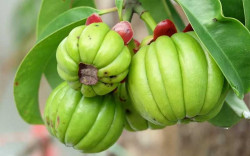
Garcinia is a tropical fruit that grows on trees native to parts of Asia, especially Indonesia and India. The fruit looks a bit like a small pumpkin and ranges from green to yellow. The most popular type used in supplements is Garcinia gummi-gutta, often sold under older names like Garcinia cambogia.
For centuries, the dried fruit rind has been used in South Asian cooking as a souring agent and in some traditional dishes and remedies. Today, it is best known as a weight-loss supplement. The rind is rich in a compound called hydroxycitric acid (HCA), which is the part most marketers point to as the active ingredient.
You will find Garcinia in capsules, tablets, gummies, powders, and liquid extracts. Products are often labeled with a percentage of HCA, such as 50% or 60%.
How it works
The main compound in Garcinia is hydroxycitric acid (HCA). In laboratory and animal studies, HCA appears to block an enzyme called ATP-citrate lyase, which the body uses to make fat from carbohydrates. The idea is that blocking this enzyme could reduce fat storage.
HCA may also raise levels of serotonin, a brain chemical linked to mood and appetite. This is one proposed reason people claim it reduces hunger and cravings.
It is important to know that most of these mechanisms come from test-tube and animal research. Showing an effect in a lab dish or in rodents does not prove the same thing happens meaningfully in humans taking a supplement.
Does Garcinia work?
How to read these evidence grades
Natural Medicines’ 7-point scale. We show each rating’s label word-for-word.
For Garcinia, current evidence isn’t strong enough to rate any specific use. The conditions it has been studied for are listed below.
Also studied for 6 conditions — evidence insufficient to rate
Insufficient Reliable Evidence To Rate Athletic performance
It is unclear if oral garcinia is beneficial for improving athletic performance.
Insufficient Reliable Evidence To Rate Dyslipidemia
It is unclear if oral garcinia is beneficial in patients with dyslipidemia.
Insufficient Reliable Evidence To Rate Kidney stones (nephrolithiasis)
Oral garcinia has only been evaluated in combination with other ingredients; its effect when used alone is unclear.
Insufficient Reliable Evidence To Rate Nonalcoholic fatty liver disease (NAFLD)
It is unclear if oral garcinia is beneficial in patients with NAFLD.
Insufficient Reliable Evidence To Rate Obesity
Despite contradictory evidence, oral garcinia seems to produce a very modest weight reduction in some people who are obese or overweight.
Insufficient Reliable Evidence To Rate Periodontitis
Topical garcinia has only been evaluated in combination with other ingredients; its effect when used alone is unclear.
Source & disclaimer. Effectiveness ratings and evidence summaries are provided by Natural Medicines (Therapeutic Research Center) and shown as licensed. Where Natural Medicines hasn’t rated a use, HelloPharmacist’s pharmacists may add their own reviewed rating and evidence (each such entry is labeled). This is educational information, not medical advice — talk with your pharmacist or doctor before starting, stopping, or changing a supplement.
Safety & precautions
For most healthy adults, Garcinia appears to be reasonably well tolerated when used short-term at typical doses. However, there have been rare but serious reports of liver injury linked to Garcinia-containing weight-loss products. In some cases, the products contained more than one ingredient, so it is not always clear that Garcinia alone was the cause, but the concern is real.
People with liver disease should avoid Garcinia. Anyone who notices signs of liver trouble — such as yellowing of the skin or eyes, dark urine, unusual tiredness, nausea, or pain in the upper right belly — should stop the product and seek medical care.
Because Garcinia may affect blood sugar and brain chemicals like serotonin, people with diabetes or mood disorders should be cautious and check with a healthcare provider first. Pregnant and breastfeeding people should avoid Garcinia because there is not enough safety information. Always tell your pharmacist or doctor about any supplement you are taking.
Side effects
Reported side effects are usually mild and may include digestive upset, nausea, stomach discomfort, headache, and dizziness.
The most serious concern is liver damage, which is uncommon but has been reported with Garcinia-containing products. This can be serious. Stop using the product and get medical help right away if you develop yellow skin or eyes, dark urine, severe stomach pain, or unexplained fatigue.
Because quality and ingredients vary between brands, side effects can also come from other ingredients mixed into weight-loss blends.
Garcinia: Reported Adverse Effects
Documented safety reports on Garcinia from the evidence-graded Natural Medicines (TRC Healthcare) database, shown word-for-word from the licensed record.
Orally, garcinia and its constituent, hydroxycitric acid (HCA), seem to be generally well tolerated in clinical research.
Most Common Adverse Effects:
Orally: Diarrhea, gastrointestinal discomfort, headache, and nausea.
Serious Adverse Effects (Rare):
Orally: Garcinia has been linked with cases of hepatotoxicity and liver failure. There have also been rare cases of mania and pancreatitis.
Arrhythmia Cardiovascular
There is a case report of a 48-year-old female who developed acute necrotizing eosinophilic myocarditis (ANEM) after using a garcinia supplement orally for 2.5 weeks. On admission to hospital, she was hypotensive and had an elevated serum troponin level, progressing to fulminant heart failure, acute kidney failure, and sustained ventricular arrhythmias. She recovered after treatment with extra-corporeal membrane oxygenation (ECMO) and high-dose corticosteroids. Although the patient had no prior medical history and was not taking any medications, this cannot conclusively be attributed to garcinia.
When taken orally, a specific formulation of the multi-ingredient product Hydroxycut (Iovate Health Sciences Inc.), which was available until 2009, has been associated with malignant hypertension and hypertensive retinopathy. Hydroxycut contains caffeine, garcinia, gymnema, green tea, glucomannan, guarana extract, and willow bark. The suspected causal agent is caffeine, which is dosed at 600 mg daily if Hydroxycut is taken as recommended; however, the responsibility of the other ingredients cannot be ruled out.
- Allen SF, Godley RW, Evron JM, et al. Acute necrotizing eosinophilic myocarditis in a patient taking Garcinia cambogia extract successfully treated with high-dose corticosteroids. Can J Cardiol 2014;30(12):1732 e13-1732 e15.
- Willis SL, Moawad FJ, Hartzell JD, et al. Hypertensive retinopathy associated with use of the ephedra-free weight-loss herbal supplement Hydroxycut. MedGenMed 2006;8:82.
Bipolar disorder Psychiatric
Orally, garcinia supplements have been linked to several cases of mania. Typically, symptoms develop 1-8 weeks after starting garcinia. In a report of three patients, symptoms included reduced need for sleep, increased activities and spending, delusions of grandiosity, pressured speech, and agitation. Two of the patients were previously diagnosed with bipolar disorder, and use of garcinia was believed to precipitate episodes during stable phases of the disease. The third patient had no history of bipolar disorder, and use of garcinia was thought to possibly have unmasked previously undiagnosed primary bipolar disorder. In all three cases, recovery included discontinuation of garcinia. In a separate case report, a 23-year-old male taking a specific combination product containing garcinia (Hydroxycut) 1-2 capsules daily for 1 month presented to the emergency room with mania. The patient had no history of bipolar disorder. Although the patient was started on risperidone and clonazepam, symptoms resolved following discontinuation of the supplement. Treatment was discontinued within 4 days of initiation, and the patient remained asymptomatic. A 22-year-old female with no history of bipolar disorder developed mania and psychosis, presenting 10 days after starting Garcinia Cambogia Plus (Apex Vitality Health) 500-1500 mg daily, and Cleanse and Detox (Apex Vitality Health). The latter supplement contains raspberry ketones, licorice root, pumpkin seed, buckthorn root, Cascara sagrada, Irvingia gabonensis, rhubarb, pectin, Lactobacillus acidophilus, and aloe. Symptoms improved upon stopping the supplements and starting lithium and quetiapine.
- Hendrickson BP, Shaikh N, Occhiogrosso M, Penzner JB. Mania Induced by Garcinia cambogia: A Case Series. Prim Care Companion CNS Disord. 2016;18(2).
- Narasimha A, Shetty PH, Nanjundaswamy MH, Viswanath B, Bada Math S. Hydroxycut - Dietary supplements for weight loss: Can they induce mania? Aust N Z J Psychiatry. 2013;47(12):1205-6.
- Nguyen DC, Timmer TK, Davison BC, McGrane IR. Possible Garcinia cambogia-induced mania with psychosis: a case report. J Pharm Pract 2019;32(1):99-102. doi: 10.1177/0897190017734728.
Cirrhosis Hepatic
Orally, garcinia and its constituent hydroxycitric acid (HCA) might cause liver toxicity. Several cases of acute liver toxicity have been reported in patients taking garcinia supplements. Reported doses of garcinia extract range from 480-1800 mg daily, providing up to 900 mg HCA daily. However, not all experts agree that HCA plays a causal role in the hepatotoxicity associated with garcinia supplements; some suggest other mechanisms may be in play, such as immune-mediated processes. In most cases, patients presented with a hepatocellular pattern of toxicity and symptoms of abdominal pain, coagulopathy, jaundice, and elevated transaminases after taking garcinia for several weeks to several months. In most of these cases, there was no evidence of other natural causes of liver disease, such as viral hepatitis. Some of these patients used acetaminophen at recommended doses for limited durations, suggesting that a potential synergistic effect may occur when multiple hepatotoxic agents are used concomitantly.
The Drug-Induced Liver Injury Network has identified 22 cases (11 moderate; 7 severe) of liver injury from garcinia, with 5 cases occurring with garcinia alone, 16 cases occurring in combination with green tea, and 1 case occurring in combination with ashwagandha. Clinical presentations of liver injury related to garcinia closely resemble green tea-related liver injury. Most patients (82%) presented with a hepatocellular pattern of enzyme elevations. The median age of these case reports was 35 years, 41% identified as Hispanic, and most patients were overweight but not obese. In case reports involving garcinia alone, the carrier frequency on HLAB*35:01 was 60%, which is higher than the carrier frequency found in reports of liver injury due to other supplements (19%) and in population controls (11%). Within 3 months of injury onset, 1 patient required liver transplantation and 1 patient died from liver injury.
There have been at least four cases of liver failure requiring transplantation associated with garcinia supplements. In one case related specifically to garcinia, a 52-year-old female had been taking a combination product (USA Nutra Labs) providing garcinia 1000 mg daily, standardized to 60% HCA. The supplement also provided calcium 50 mg, chromium 200 mcg, and potassium 50 mg. Symptoms started within a few weeks of initiation of the product. In another case, a 34-year-old Hispanic male experienced acute liver failure requiring transplant after taking a specific garcinia product (Garcinia Cambogia 5:1 Extract, Swanson Vitamins) 160 mg three times daily before meals for 5 months. In other reports, one 26-year-old male and one female presented to the emergency room with liver failure after 2-7 months of taking a supplement containing garcinia and green tea, with or without whey protein, Veldt raisin, and coffea arabica.
There have also been numerous cases of acute liver toxicity associated with combination products containing garcinia, such as Hydroxycut (Iovate Health Sciences Inc). Available until 2009, Hydroxycut contained garcinia, green tea, chromium, caffeine, calcium, potassium, and gymnema. A currently available garcinia-containing combination product called Seryburn Day Triple has also been associated with supplement-induced liver injury.. In most of these cases, patients had elevated levels of liver enzymes without evidence of chronic liver disease. Patients usually developed symptoms within 1-12 weeks of taking the product. The clinical pattern of liver damage was often hepatocellular. Most cases reported altered liver enzyme values including ALT, AST, bilirubin, alkaline phosphatase, and international normalized ratio. In most cases, symptoms resolved with near normalization of enzyme levels once the garcinia-containing combination product was discontinued.
However, there is one report of transplant related to Hydroxycut use. As the suspected causal agents, garcinia and green tea were removed from the product during reformulation in 2009. Hepatotoxicity has been reported in at least one new formulation of Hydroxycut not containing garcinia. Consequently, some experts believe that there is not enough information to attribute hepatotoxicity from this product to garcinia or HCA. Also, in some cases, causality of hepatotoxicity was less clear because patients were taking many other supplements and drugs.There is also a report of fatal liver failure in an obese female taking montelukast while also taking two dietary supplements containing multiple ingredients, including garcinia, gymnema, chromium, bitter orange, and many others. The authors speculated that the combination of montelukast with one or more ingredients in these dietary supplements may have resulted in liver failure.
- Corey R, Werner KT, Singer A, Moss A, Smith M, Noelting J, Rakela J. Acute liver failure associated with Garcinia cambogia use. Ann Hepatol. 2016 Jan-Feb;15(1):123-6.
- Melendez-Rosado J, Snipelisky D, Matcha G, Stancampiano F. Acute hepatitis induced by pure Garcinia cambogia. J Clin Gastroenterol. 2015 May-Jun;49(5):449-50.
- García-Cortés M, Robles-Díaz M, Ortega-Alonso A, Medina-Caliz I, Andrade RJ. Hepatotoxicity by Dietary Supplements: A Tabular Listing and Clinical Characteristics. Int J Mol Sci. 2016 Apr 9;17(4):537.
- Lunsford KE, Bodzin AS, Reino DC, Wang HL, Busuttil RW. Dangerous dietary supplements: Garcinia cambogia -associated hepatic failure requiring transplantation. World J Gastroenterol. 2016;22(45):10071-10076.
- Yousaf MN, Chaudhary FS, Hodanazari SM, Sittambalam CD. Hepatotoxicity associated with Garcinia cambogia: a case report. World J Hepatol 2019;11(11):735-42.
- Mas Ordeig A, Bordón García N. Hepatotoxicity caused by Garcinia cambogia. Gastroenterol Hepatol 2020;43(3):134-5.
- Ferreira V, Mathieu A, Soucy G, Giard JM, Erard-Poinsot D. Acute severe liver injury related to long-term Garcinia cambogia intake. ACG Case Rep J. 2020;7(8):e00429.
- Calaquian LL, Yau I. Garcinia cambogia-A Supplement-Related Liver Injury. Cureus 2022;14(2):e22225.
- Stohs SJ, Preuss HG, Ohia SE, et al. No evidence demonstrating hepatotoxicity associated with hydroxycitric acid. World J Gastroenterol. 2009;15(32):4087-9.
- Vuppalanchi R, Bonkovsky HL, Ahmad J, et al. Garcinia cambogia, Either Alone or in Combination With Green Tea, Causes Moderate to Severe Liver Injury. Clin Gastroenterol Hepatol 2021.
- Smith RJ, Bertilone C, Robertson AG. Fulminant liver failure and transplantation after use of dietary supplements. Med J Aust. 2016;204(1):30-2.
- Stevens T, Qadri A, Zein NN. Two patients with acute liver injury associated with use of the herbal weight-loss supplement hydroxycut. Ann Intern Med 2005;142:477-8.
- Bunchorntavakul, C. and Reddy, K. R. Review article: herbal and dietary supplement hepatotoxicity. Aliment.Pharmacol.Ther 2013;37(1):3-17.
- Dara L, Hewett J, Lim JK. Hydroxycut hepatotoxicity: a case series and review of liver toxicity from herbal weight loss supplements. World J Gastroenterol. 2008 Dec 7;14(45):6999-7004.
- Sharma T, Wong L, Tsai N, Wong RD. Hydroxycut(®) (herbal weight loss supplement) induced hepatotoxicity: a case report and review of literature. Hawaii Med J. 2010 Aug;69(8):188-90.
- Rashid NN, Grant J. Hydroxycut hepatotoxicity. Med J Aust. 2010 Feb 1;192(3):173-4.
- Actis GC, Bugianesi E, Ottobrelli A, Rizzetto M. Fatal liver failure following food supplements during chronic treatment with montelukast. Dig Liver Dis. 2007 Oct;39(10):953-5.
- Gavril A, Ribnikar M, Smid L, Luzar B, Stabuc B. Fat burner-induced acute liver injury: case series of four patients. Nutrition. 2018;47:110-114. doi: 10.1016/j.nut.2017.10.002.
- Kaswala D, Shah S, Patel N, Raisoni S, Swaminathan S. Hydroxycut-induced Liver Toxicity. Ann Med Health Sci Res. 2014; 4(1):143-5.
- Lobb A. Hepatoxicity associated with weight-loss supplements: a case for better post-marketing surveillance. World J Gastroenterol. 2009;15(14):1786-7.
- Shim M, Saab S. Severe hepatotoxicity due to Hydroxycut: a case report. Dig Dis Sci. 2009;54(2):406-8.
- Fong TL, Klontz KC, Canas-Coto A, et al. Hepatotoxicity due to hydroxycut: a case series. Am J Gastroenterol. 2010;105(7):1561-6.
Cluster headache Ocular/Otic
In one case, a 35-year-old female presented with ocular pain in both eyes, decreased vision in the left eye, headache, dizziness, and nausea after taking garcinia extract orally for one week. Ophthalmologic testing was consistent with adverse ocular effects, showing myopic shift with anterior chamber shallowing and swelling of retinal nerve fiber and macula. The patient reported taking a garcinia product containing hydroxycitric acid 500 mg three times daily, which was more than double the recommended dose per the product label. Symptoms resolved upon discontinuation of the garcinia extract and treatment with oral and topical steroids.
Cluster headache Neurologic/CNS
Orally, garcinia and its active constituent hydroxycitric acid (HCA) may cause headache and dizziness. A 35-year-old female reported ocular complications, headache, dizziness, and nausea after taking garcinia extract, providing more than 500 mg of HCA, three times daily for one week. The patient's neurologic symptoms resolved one day after discontinuing the garcinia extract. It is unclear if these neurologic adverse effects were separate from or related to the patient's visual disturbances.
- Soni MG, Burdock GA, Preuss HG, et al. Safety assessment of (-)-hydroxycitric acid and Super CitriMax, a novel calcium/potassium salt. Food Chem Toxicol 2004;42:1513-29.
- Cho HK, Han YS, Park JM. Ocular complications of Garcinia cambogia extract diet pills: case report. Eur J Ophthalmol 2019:1120672119872364.
Diabetes Endocrine
In one case report, a 56-year-old female with pre-existing diabetes, hepatitis C, and hypertension developed diabetic ketoacidosis (DKA) and pancreatitis after taking an unknown amount of garcinia and African mango for one month. Upon admission, she presented with altered mental status, elevated serum glucose and lipase, and high anion gap metabolic acidosis. After 3 days of intensive supportive care, the DKA and pancreatitis resolved. The suspected probable causal agent was garcinia; however, African mango cannot be ruled out. There have been at least 3 other cases of acute pancreatitis associated with use of garcinia (unknown dose) for 2 weeks and up to 7 months in adults ages 36-82 years.
- Bystrak T, Cervera-Hernandez ME, Reddy N, King Z, Bratberg J. Garcinia cambogia, diabetic ketoacidosis, and pancreatitis. R I Med J (2013). 2017 Oct 2;100(10):48-50. NO DOI
- Iqbal U, Anwar H, Siddiqui HU, Mehmood A. Acute Pancreatitis Secondary to Use of Appetite Suppressant: Garcinia cambogia. Cureus. 2019;11(5):e4676.
- Grigos A, Benmoussa J, Sandhu J, Chaucer B, Clarke M, SH Patel. Acute pancreatitis secondary to Garcinia cambogia; the unknown cost of herbal supplements. JOP. J Pancreas (Online) 2016; 17(3):316-317.
- Sidhu RLS, Labana S, Khehra L. Garcinia cambogia: a link between the "miracle" weight loss pill and acute pancreatitis. Am J Gastroenterol. 2016. 111:S560-S561.
Diarrhea Gastrointestinal
Orally, garcinia and its active constituent hydroxycitric acid (HCA) have caused mild and infrequent nausea, diarrhea, and other gastrointestinal symptoms.
- Heymsfield SB, Allison DB, Vasselli JR, et al. Garcinia cambogia (hydroxycitric acid) as a potential antiobesity agent: a randomized controlled trial. JAMA 1998;280:1596-600.
- Soni MG, Burdock GA, Preuss HG, et al. Safety assessment of (-)-hydroxycitric acid and Super CitriMax, a novel calcium/potassium salt. Food Chem Toxicol 2004;42:1513-29.
- Preuss HG, Bagchi D, Bagchi M, et al. Effects of a natural extract of (-)-hydroxycitric acid (HCA-SX) and a combination of HCA-SX plus niacin-bound chromium and Gymnema sylvestre extract on weight loss. Diabetes Obes Metab 2004;6:171-180.
- Vasques CA, Schneider R, Klein-Júnior LC, et al. Hypolipemic effect of Garcinia Cambogia in obese women. Phytother Res 2014;28(6):887-91.
- Marquez F, Babio N, Bullo M, Salas-Salvado J. Evaluation of the safety and efficacy of hydroxycitric acid or Garcinia cambogia extracts in humans. Crit Rev Food Sci Nutr 2012;52:585-94.
Muscle breakdown Musculoskeletal
Orally, garcinia-containing products have been associated with rhabdomyolysis. There is a case report of a patient who developed rhabdomyolysis 3 hours after ingestion of an herbal product containing ephedra, guarana, chitosan, gymnema, garcinia, and chromium. Since there were multiple ingredients, the effect cannot be conclusively attributed to garcinia. Another case of rhabdomyolysis has been reported for a patient taking an undetermined formulation of Hydroxycut at a dose of 4 caplets daily, naproxen sodium 220 mg as needed for pain, dextroamphetamine daily for 5 days, and hydrocodone-acetaminophen and cyclobenzaprine for pain. Two weeks later, after stopping Hydroxycut and receiving supportive care, the rhabdomyolysis resolved. Hydroxycut was determined to be possibly associated with the rhabdomyolysis. Since Hydroxycut contains multiple ingredients and garcinia content was possible but not confirmed, a causal relationship with garcinia could not be determined.
Adverse-effects data: Natural Medicines, Therapeutic Research Center
Dosing
There is no well-established, proven dose for Garcinia. Products vary widely in their strength and in how much HCA they contain, which makes it hard to compare one product to another.
If you choose to use it, follow the directions on the product label and do not exceed the recommended amount. Choosing a product from a reputable brand that uses third-party testing can help with quality and consistency.
Because of the liver safety concerns, it is best to use Garcinia only for short periods and to check with your pharmacist or doctor first, especially if you take other medicines or have any health conditions.
Garcinia & Pregnancy
Garcinia & Breastfeeding
© 2026 Therapeutic Research Center
Pregnancy & lactation ratings: Natural Medicines, Therapeutic Research Center
References & further reading
The 44 references that drive our Garcinia monograph and interaction data, from the evidence-graded Natural Medicines (TRC Healthcare) database. Citations with a link open the study on PubMed or the publisher’s site.
- Heymsfield SB, Allison DB, Vasselli JR, et al. Garcinia cambogia (hydroxycitric acid) as a potential antiobesity agent: a randomized controlled trial. JAMA 1998;280:1596-600. PubMed
- Soni MG, Burdock GA, Preuss HG, et al. Safety assessment of (-)-hydroxycitric acid and Super CitriMax, a novel calcium/potassium salt. Food Chem Toxicol 2004;42:1513-29. PubMed
- Stevens T, Qadri A, Zein NN. Two patients with acute liver injury associated with use of the herbal weight-loss supplement hydroxycut. Ann Intern Med 2005;142:477-8. PubMed
- Willis SL, Moawad FJ, Hartzell JD, et al. Hypertensive retinopathy associated with use of the ephedra-free weight-loss herbal supplement Hydroxycut. MedGenMed 2006;8:82.
- Preuss HG, Bagchi D, Bagchi M, et al. Effects of a natural extract of (-)-hydroxycitric acid (HCA-SX) and a combination of HCA-SX plus niacin-bound chromium and Gymnema sylvestre extract on weight loss. Diabetes Obes Metab 2004;6:171-180.
- Mansi IA, Huang J. Rhabdomyolysis in response to weight-loss herbal medicine. Am J Med Sci 2004;327:356-357. PubMed
- Lopez AM, Kornegay J, Hendrickson RG. Serotonin Toxicity Associated with Garcinia cambogia Over-the-counter Supplement. J Med Toxicol. 2014 Apr 4. [Epub ahead of print]. PubMed
- Michno A, Skibowska A, Raszeja-Specht A, Cwikowska J, Szutowicz A. The role of adenosine triphosphate citrate lyase in the metabolism of acetyl coenzyme a and function of blood platelets in diabetes mellitus. Metabolism 2004;53(1):66-72. PubMed
- Asghar M, Monjok E, Kouamou G, et al. Super CitriMax (HCA-SX) attenuates increases in oxidative stress, inflammation, insulin resistance, and body weight in developing obese Zucker rats. Mol Cell Biochem 2007;304(1-2):93-99. PubMed
- Wielinga PY, Wachters-Hagedoorn RE, Bouter B, et al. Hydroxycitric acid delays intestinal glucose absorption in rats. Am J Physiol Gastrointest Liver Physiol 2005;288(6):G1144-G1149. PubMed
- Leonhardt M, Balkan B, Langhans W. Effect of hydroxycitrate on respiratory quotient, energy expenditure, and glucose tolerance in male rats after a period of restrictive feeding. Nutrition 2004;20(10):911-915. PubMed
- Bunchorntavakul, C. and Reddy, K. R. Review article: herbal and dietary supplement hepatotoxicity. Aliment.Pharmacol.Ther 2013;37(1):3-17. PubMed
- Vasques CA, Schneider R, Klein-Júnior LC, et al. Hypolipemic effect of Garcinia Cambogia in obese women. Phytother Res 2014;28(6):887-91.
- Marquez F, Babio N, Bullo M, Salas-Salvado J. Evaluation of the safety and efficacy of hydroxycitric acid or Garcinia cambogia extracts in humans. Crit Rev Food Sci Nutr 2012;52:585-94.
- Allen SF, Godley RW, Evron JM, et al. Acute necrotizing eosinophilic myocarditis in a patient taking Garcinia cambogia extract successfully treated with high-dose corticosteroids. Can J Cardiol 2014;30(12):1732 e13-1732 e15. PubMed
- Dara L, Hewett J, Lim JK. Hydroxycut hepatotoxicity: a case series and review of liver toxicity from herbal weight loss supplements. World J Gastroenterol. 2008 Dec 7;14(45):6999-7004. PubMed
- Sharma T, Wong L, Tsai N, Wong RD. Hydroxycut(®) (herbal weight loss supplement) induced hepatotoxicity: a case report and review of literature. Hawaii Med J. 2010 Aug;69(8):188-90.
- Rashid NN, Grant J. Hydroxycut hepatotoxicity. Med J Aust. 2010 Feb 1;192(3):173-4. PubMed
- Actis GC, Bugianesi E, Ottobrelli A, Rizzetto M. Fatal liver failure following food supplements during chronic treatment with montelukast. Dig Liver Dis. 2007 Oct;39(10):953-5. PubMed
- Corey R, Werner KT, Singer A, Moss A, Smith M, Noelting J, Rakela J. Acute liver failure associated with Garcinia cambogia use. Ann Hepatol. 2016 Jan-Feb;15(1):123-6. PubMed
- Melendez-Rosado J, Snipelisky D, Matcha G, Stancampiano F. Acute hepatitis induced by pure Garcinia cambogia. J Clin Gastroenterol. 2015 May-Jun;49(5):449-50. PubMed
- García-Cortés M, Robles-Díaz M, Ortega-Alonso A, Medina-Caliz I, Andrade RJ. Hepatotoxicity by Dietary Supplements: A Tabular Listing and Clinical Characteristics. Int J Mol Sci. 2016 Apr 9;17(4):537. PubMed
- Dehoney S, Wellein M. Rhabdomyolysis associated with the nutritional supplement Hydroxycut. Am J Health Syst Pharm. 2009;66(2):142-8. PubMed
- Fong TL, Klontz KC, Canas-Coto A, et al. Hepatotoxicity due to hydroxycut: a case series. Am J Gastroenterol. 2010;105(7):1561-6. PubMed
- Hendrickson BP, Shaikh N, Occhiogrosso M, Penzner JB. Mania Induced by Garcinia cambogia: A Case Series. Prim Care Companion CNS Disord. 2016;18(2).
- Kaswala D, Shah S, Patel N, Raisoni S, Swaminathan S. Hydroxycut-induced Liver Toxicity. Ann Med Health Sci Res. 2014; 4(1):143-5. PubMed
- Lobb A. Hepatoxicity associated with weight-loss supplements: a case for better post-marketing surveillance. World J Gastroenterol. 2009;15(14):1786-7. PubMed
- Lunsford KE, Bodzin AS, Reino DC, Wang HL, Busuttil RW. Dangerous dietary supplements: Garcinia cambogia -associated hepatic failure requiring transplantation. World J Gastroenterol. 2016;22(45):10071-10076.
- Narasimha A, Shetty PH, Nanjundaswamy MH, Viswanath B, Bada Math S. Hydroxycut - Dietary supplements for weight loss: Can they induce mania? Aust N Z J Psychiatry. 2013;47(12):1205-6. PubMed
- Shim M, Saab S. Severe hepatotoxicity due to Hydroxycut: a case report. Dig Dis Sci. 2009;54(2):406-8. PubMed
- Stohs SJ, Preuss HG, Ohia SE, et al. No evidence demonstrating hepatotoxicity associated with hydroxycitric acid. World J Gastroenterol. 2009;15(32):4087-9. PubMed
- Gavril A, Ribnikar M, Smid L, Luzar B, Stabuc B. Fat burner-induced acute liver injury: case series of four patients. Nutrition. 2018;47:110-114. doi: 10.1016/j.nut.2017.10.002. PubMed
- Bystrak T, Cervera-Hernandez ME, Reddy N, King Z, Bratberg J. Garcinia cambogia, diabetic ketoacidosis, and pancreatitis. R I Med J (2013). 2017 Oct 2;100(10):48-50. NO DOI
- Smith RJ, Bertilone C, Robertson AG. Fulminant liver failure and transplantation after use of dietary supplements. Med J Aust. 2016;204(1):30-2. PubMed
- Nguyen DC, Timmer TK, Davison BC, McGrane IR. Possible Garcinia cambogia-induced mania with psychosis: a case report. J Pharm Pract 2019;32(1):99-102. doi: 10.1177/0897190017734728.
- Yousaf MN, Chaudhary FS, Hodanazari SM, Sittambalam CD. Hepatotoxicity associated with Garcinia cambogia: a case report. World J Hepatol 2019;11(11):735-42.
- Mas Ordeig A, Bordón García N. Hepatotoxicity caused by Garcinia cambogia. Gastroenterol Hepatol 2020;43(3):134-5. DOI
- Cho HK, Han YS, Park JM. Ocular complications of Garcinia cambogia extract diet pills: case report. Eur J Ophthalmol 2019:1120672119872364. PubMed
- Ferreira V, Mathieu A, Soucy G, Giard JM, Erard-Poinsot D. Acute severe liver injury related to long-term Garcinia cambogia intake. ACG Case Rep J. 2020;7(8):e00429. PubMed
- Iqbal U, Anwar H, Siddiqui HU, Mehmood A. Acute Pancreatitis Secondary to Use of Appetite Suppressant: Garcinia cambogia. Cureus. 2019;11(5):e4676. PubMed
- Grigos A, Benmoussa J, Sandhu J, Chaucer B, Clarke M, SH Patel. Acute pancreatitis secondary to Garcinia cambogia; the unknown cost of herbal supplements. JOP. J Pancreas (Online) 2016; 17(3):316-317.
- Sidhu RLS, Labana S, Khehra L. Garcinia cambogia: a link between the "miracle" weight loss pill and acute pancreatitis. Am J Gastroenterol. 2016. 111:S560-S561. DOI
- Vuppalanchi R, Bonkovsky HL, Ahmad J, et al. Garcinia cambogia, Either Alone or in Combination With Green Tea, Causes Moderate to Severe Liver Injury. Clin Gastroenterol Hepatol 2021. PubMed
- Calaquian LL, Yau I. Garcinia cambogia-A Supplement-Related Liver Injury. Cureus 2022;14(2):e22225. PubMed
This information is for education only and is not a substitute for professional medical advice. Always check with your pharmacist or doctor before starting, stopping, or combining supplements and medications.
Parts of this content are provided by the Therapeutic Research Center, LLC.
DISCLAIMER: Currently this does not check for drug-drug interactions. This is not an all-inclusive comprehensive list of potential interactions and is for informational purposes only. Not all interactions are known or well-reported in the scientific literature, and new interactions are continually being reported. Input is needed from a qualified healthcare provider including a pharmacist before starting any therapy. Application of clinical judgment is necessary.
© 2021 Therapeutic Research Center, LLC
Brands that make products with Garcinia
503 brands in our database make a supplement containing Garcinia.
Supplement products with Garcinia
1,384 products in our database contain Garcinia. Open any to see its full ingredient list and every drug interaction we check.
Garcinia: Common Questions
What is Garcinia used for, and does it work?
Does Garcinia interact with prescription medications?
How are Garcinia interactions rated?
Is it safe to take Garcinia with my medications?
Where does this Garcinia interaction information come from?
Does Garcinia actually help you lose weight?
Is Garcinia safe to take?
Can I take Garcinia while pregnant or breastfeeding?
What are the warning signs I should stop taking it?
Written and reviewed by the HelloPharmacist editorial staff. Our editorial policy
Products that contain Garcinia
A rotating sample of real supplements in our database that list Garcinia — open any to see its full ingredients and every drug interaction we check.
- Premium Pure Garcinia Cambogia by Green Label
- Slendersol by NewtonEverett
- Garcinia Cambogia 1000 mg by Basic Vitamins
- Appetite Control Soft Chews Amazingly Delicious Acai Berry Flavor by Healthy Delights Naturals
- Garcinia Cambogia & Kelp Vanilla Flavor by TerraVita
- Chitosan Plus by Indiana Botanic Gardens
- Garcinia Cambogia Extract (60% HCA) 500 mg by BulkSupplements.com
- Slim Lemonade by AdvoCare
- Apple Cider Vinegar with Gymnema by Angry Supplements
- Lean Support by Douglas Cooper Co.
Have a question about Garcinia?
Our pharmacists answer your medication & supplement questions — free.